Rainbow Trout Fishing Guide for Arizona
For many anglers, the pursuit of rainbow trout in Arizona offers a unique and incredibly rewarding experience. Our state, often known for its scorching desert landscapes, holds hidden gems of cool, clear waters where these beautiful fish thrive. Yet, successfully landing a rainbow trout here isn't always straightforward; it requires understanding our distinct ecosystems and the specific habits of these stocked and wild populations. This comprehensive guide will equip you with everything you need to know, from identifying prime fishing spots to mastering effective techniques, ensuring your next Arizona trout adventure is a memorable one.
Understanding Arizona's Rainbow Trout
Rainbow trout, with their distinctive iridescent stripe and spotted bodies, are a beloved sport fish across North America, and Arizona is no exception. While some native trout species exist in our state, the rainbow trout populations that anglers typically target are primarily sustained through robust stocking programs. These programs are vital for providing consistent fishing opportunities in diverse environments, from high-mountain lakes to urban ponds.
Rainbow Trout Introduction and Identification
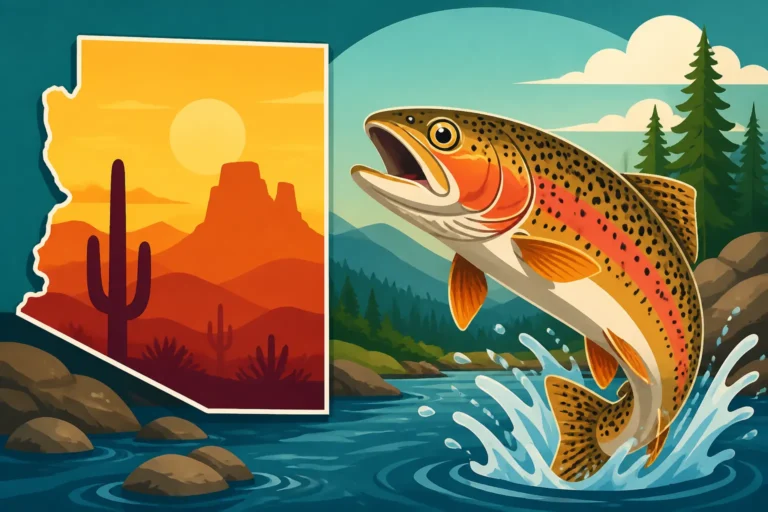
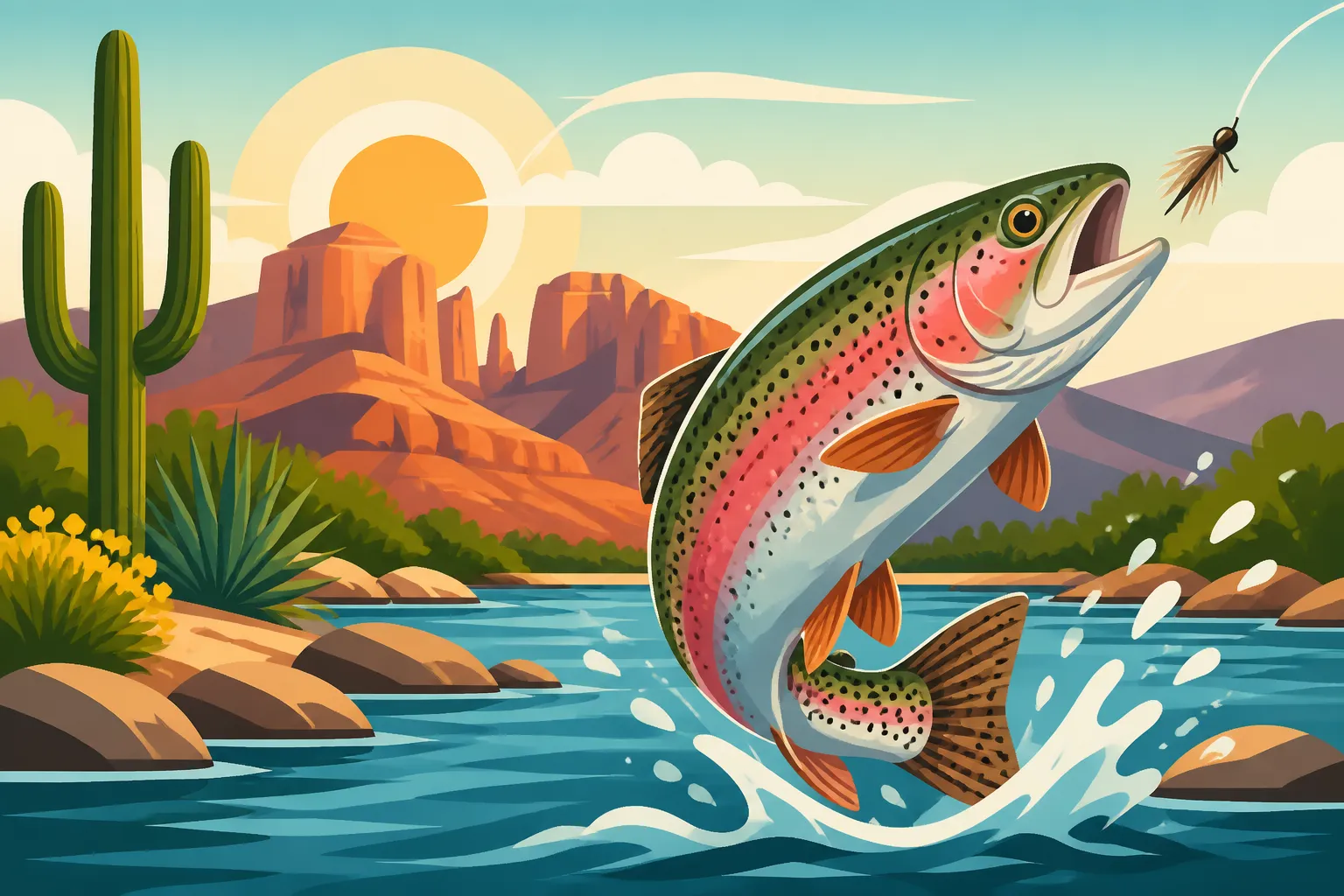
Rainbow trout (Oncorhynchus mykiss) are instantly recognizable by their streamlined bodies, small dark spots covering their back and fins, and, most notably, a broad, reddish-pink stripe running along their lateral line. The intensity of this stripe can vary greatly depending on the fish's diet, habitat, and age, sometimes appearing quite vibrant and at other times more subtle. Their back is usually olive green to dark blue, fading to silvery sides and a white belly. When you pull one from the cool, clear waters of an Arizona stream or lake, their colors often seem to shimmer, making them a truly picturesque catch. They possess adipose fins, a small fleshy fin located between the dorsal and caudal (tail) fins, which is a characteristic of salmonids.
Beyond their looks, understanding how to identify them helps in adhering to regulations. While generalist feeders, their diet primarily consists of insects, small crustaceans, and even smaller fish, which influences the types of baits and lures we use. They are generally resilient fish, capable of adapting to various water conditions, though they strongly prefer cooler, well-oxygenated water. This preference is what largely dictates where they can be successfully stocked and found across Arizona, from the chilly alpine lakes of the White Mountains down to the carefully managed urban waters that receive winter stockings. Learning to spot these beautiful fish, both in the water and after a successful hook-up, is part of the joy of trout fishing here.
Stocking Programs and Their Importance
Arizona's diverse and often challenging aquatic environments mean that sustaining viable trout fisheries relies heavily on strategic stocking programs managed by the Arizona Game and Fish Department. These programs are truly the backbone of rainbow trout fishing opportunities across the state, ensuring that anglers have consistent access to catchable fish. Without these efforts, many of our lower elevation lakes and even some higher elevation waters would simply not be able to support a robust trout population due to water temperature fluctuations, limited natural reproduction, or insufficient forage. The department carefully plans where and when to release trout, considering factors like water temperature, available habitat, and angler demand.
These stockings occur throughout the year, but you'll find them particularly active in the cooler months in the desert regions and during the spring and summer in the high country. For instance, urban lakes and lower elevation rivers like the Lower Salt River receive regular trout stockings during the fall, winter, and early spring when water temperatures are suitable. In contrast, higher elevation lakes and streams in areas like the Mogollon Rim and White Mountains are stocked once the ice melts and temperatures rise. Keeping an eye on the Trout Stocking Season in Arizona information provided by the Arizona Game and Fish Department is incredibly valuable, as these schedules often dictate the best times and places to pursue trout. These programs are not just about providing fish; they are about fostering a love for angling, supporting local economies, and maintaining a healthy balance in our aquatic ecosystems by ensuring a vibrant sport fishery.
Typical Habitats and Behaviors
Rainbow trout are creatures of habit, and understanding their preferred habitats and behaviors is key to locating and catching them in Arizona. Generally, they seek out cool, clear, and well-oxygenated water, which is why they thrive in the state's mountain lakes and streams, as well as in the colder sections of rivers. In lakes, you'll often find them congregating around structures such as submerged logs, rock piles, weed beds, and drop-offs. These features provide cover from predators, ambush points for feeding, and access to deeper, cooler water when surface temperatures rise. In streams and rivers, they prefer pools, riffles, and eddies – areas where the current slows enough for them to rest and feed without expending too much energy, but where oxygen levels remain high.
Their behavior is also heavily influenced by temperature, light, and food availability. In warmer months, especially in lakes, trout will often move to deeper waters during the day to escape the heat, returning to shallower areas during dawn, dusk, or overcast days to feed. In streams, they might hide under undercut banks or behind large boulders. During cooler seasons, or in constantly cold waters, they tend to be more active throughout the day. They are opportunistic feeders, constantly on the lookout for insects (both aquatic and terrestrial), small baitfish, and crustaceans. Understanding these patterns – where they hide, when they feed, and what they prefer to eat – allows anglers to choose the right location, time, and presentation to maximize their chances of success. It's a bit like being a detective, piecing together clues about their watery world.
Where to Find Rainbow Trout in Arizona
Arizona's landscape might seem unforgiving, but it harbors numerous havens for rainbow trout, scattered across its varied topography. From the cool mountain peaks to the surprising urban oases, knowing where to cast your line is the first step toward a successful trout fishing trip. Each region offers a unique experience, from rugged wilderness adventures to convenient family outings.
Northern Arizona's Coldwater Havens
When most anglers think of trout fishing in Arizona, their minds immediately turn to the picturesque northern regions. This is where the state truly shines for coldwater species, offering a stark contrast to the desert below. The White Mountains and the Mogollon Rim are prime examples, boasting numerous lakes and streams that consistently hold healthy populations of rainbow trout. Lakes like Big Lake, Show Low Lake, Woods Canyon Lake, Bear Canyon Lake, and Willow Springs Lake are famous for their consistent stocking and stunning scenic backdrops. These high-elevation waters often remain cool enough year-round to support trout, and they are regularly stocked, making them incredibly popular destinations. The fishing here can be fantastic, whether you're casting from shore, drifting in a float tube, or using a small boat.
Beyond the lakes, northern Arizona is also home to a network of rivers and streams that provide excellent flowing water opportunities. The mighty Colorado River through Lees Ferry, just below Glen Canyon Dam, is world-renowned for its trophy rainbow trout fishery. This section of the river maintains a consistently cold temperature, ideal for large, healthy trout, and is a premier fly-fishing destination. Further east, streams like Chevelon Canyon Lake, Canyon Creek, and the East and West Forks of the Little Colorado River offer a more intimate, often wilder, fishing experience. These areas require a bit more effort to access but reward anglers with beautiful fish in stunning, secluded settings. Familiarizing yourself with a Best Trout Fishing Spots in Arizona guide can provide specific details on these locations, including access points and local regulations.
Urban and Community Fishing Program Waters
It might seem counterintuitive to think of trout thriving in Arizona's urban centers, but thanks to the Arizona Game and Fish Department's Community Fishing Program, many city parks and ponds offer fantastic rainbow trout opportunities, especially during the cooler months. This program is designed to bring fishing closer to home for millions of Arizonans, providing accessible and family-friendly experiences without long drives to remote areas. Lakes in Phoenix, Tucson, Mesa, Chandler, Yuma, and other communities are regularly stocked with rainbow trout from approximately November through March, when water temperatures are low enough to support them. As the weather warms up in spring, these lakes transition to warm-water species like catfish and bass, but during the winter, they are true trout havens.
These urban lakes, while often smaller and shallower than their mountain counterparts, can produce surprisingly good fishing. They are perfect for introducing children to fishing, as they often have amenities like paved paths, restrooms, and easy access points. Success in these waters often comes down to timing your visit shortly after a stocking and using lighter tackle and common baits. For many living in the greater Phoenix area, a quick trip to a local community lake like those found in Tempe, Glendale, or Scottsdale provides an excellent opportunity to catch rainbow trout without a significant time commitment. Always check the specific Urban Lake Trout Season in Arizona and stocking schedules for your local community lakes, as these can vary slightly and are crucial for planning your trip.
High-Altitude Lakes and Streams
Arizona's sky islands and other high-altitude areas present unique and often pristine environments for rainbow trout. These waters, typically found above 5,000 feet in elevation, benefit from cooler ambient temperatures and often snowmelt-fed sources, creating ideal conditions for trout. Beyond the better-known Mogollon Rim and White Mountain lakes, there are numerous smaller, often more remote, lakes and streams that offer incredible high-altitude fishing. Areas like the Pinetop-Lakeside region, Greer, and the slopes of Mount Lemmon near Tucson harbor hidden gems that feel a world away from the desert below. Lakes such as Nelson Reservoir, Luna Lake (on the New Mexico border), and Crescent Lake are popular, but many smaller, unnamed ponds and beaver ponds also hold trout, often requiring a hike to reach.
The fishing experience in these high-altitude spots can vary significantly. Some larger lakes are stocked, ensuring consistent catches, while smaller streams and ponds might hold naturally reproducing populations or receive less frequent plants. The trout in these wilder settings can be smaller but are often more vibrant and feisty. Success in these areas frequently hinges on being prepared for variable weather, including sudden storms, and having appropriate gear for hiking and fishing. Fly fishing, in particular, can be exceptionally rewarding in these clear, cool mountain streams, where dry flies mimicking local insect hatches can be highly effective. Exploring these high-altitude environments not only offers great fishing but also provides an opportunity to experience Arizona's stunning natural beauty and escape the summer heat.
Essential Gear for Arizona Trout Fishing
Having the right gear makes all the difference when targeting rainbow trout in Arizona's diverse waters. You don't need to break the bank, but a thoughtful selection of rods, reels, lines, baits, and accessories will significantly improve your chances and overall enjoyment. Remember, trout can be finicky, and a subtle presentation often makes the difference between a bite and an empty hook.
Rods, Reels, and Line Selection
For general rainbow trout fishing in Arizona, a light to ultralight spinning rod is often the go-to choice. A rod in the 5'6" to 7' range with a fast or moderate-fast action will provide the sensitivity needed to detect subtle bites and the backbone to handle spirited trout. Shorter rods are excellent for tight, brushy streams, while longer rods offer better casting distance on open lakes. Pair this with a small, lightweight spinning reel (sizes 1000 to 2500 are usually perfect) that has a smooth drag system. A good drag is paramount when a feisty trout makes a run, preventing your light line from snapping. You can find many excellent budget-friendly combos that cover these needs, and even step up to high-quality individual components available on Amazon for dedicated anglers.
When it comes to fishing line, light monofilament or fluorocarbon is generally preferred for trout. Monofilament in the 2-6 pound test range is a versatile choice, offering good knot strength and shock absorption, which is useful when a trout strikes hard. Fluorocarbon line, while often more expensive, is nearly invisible underwater, a huge advantage in clear trout waters, and offers excellent sensitivity. Many anglers will use a main line of braided line (say, 6-10 lb test) for its superior casting distance and sensitivity, and then tie a 4-6 foot leader of fluorocarbon or monofilament to the end to maintain that stealthy presentation. The general rule of thumb is to use the lightest line you can get away with for the size of fish you're targeting and the cover you're fishing around.
Baits, Lures, and Flies that Work
Rainbow trout are opportunistic feeders, which means a variety of baits, lures, and flies can be effective. For bait fishing, common choices include PowerBait (especially the bright, fluorescent colors and dough forms), worms (red wigglers or nightcrawlers), salmon eggs, and corn. These are highly effective in stocked lakes and ponds, where trout are often accustomed to pellet-based diets. For a more natural presentation, particularly in streams or for larger, wilder trout, live grasshoppers, crickets, or small minnows can be deadly if legal for use in your specific waterbody. Always consult Arizona Fishing Regulations Explained for bait restrictions.
When it comes to artificial lures, small inline spinners like a Rooster Tail or Panther Martin in silver, gold, or brass blades with chartreuse or white dressings are perennial favorites. Small spoons, such as Kastmasters or Little Cleos, are also excellent, especially for covering water and reaching deeper fish. For ultralight jigging, small grub-tailed jigs (1/32 to 1/8 oz) in white, chartreuse, or black can be irresistible. Fly fishermen have a vast array of options. Dry flies like Adams, Elk Hair Caddis, and Royal Wulff work during hatches; nymphs such as Prince Nymphs, Hare's Ear, and Pheasant Tails are effective subsurface; and streamers like Woolly Buggers imitate baitfish. Experimentation is key, as trout preferences can change day by day. You can find an incredible selection of Best Baits and Lures for Arizona Fishing online, including on platforms like Amazon, making it easy to stock your tackle box.
Essential Accessories and Apparel
Beyond the rod, reel, and tackle, a few essential accessories can greatly enhance your trout fishing experience in Arizona. First and foremost, a good pair of polarized sunglasses is a must. They cut glare, allowing you to spot fish, observe structure, and protect your eyes from the sun and errant hooks. Sun protection is also crucial in Arizona's intense climate; a wide-brimmed hat, long-sleeved fishing shirts with UPF protection, and high-SPF sunscreen are non-negotiable, even in cooler weather or at higher elevations. A small pair of pliers or a hemostat is invaluable for removing hooks, especially from smaller fish.
For handling your catch, a small landing net with rubberized mesh is highly recommended to protect the fish's slime coat, particularly if you plan on practicing catch and release. A small cooler with ice is essential if you intend to keep your fish, keeping them fresh in the Arizona heat. If you're wading in streams, a good pair of wading boots and potentially waders will keep you comfortable and provide better access to prime spots. Lastly, a small tackle bag or vest keeps your essential lures, leaders, and tools organized and easily accessible. Having these items neatly packed and ready to go saves time and frustration, allowing you to focus on the fishing. A quick search on Amazon will reveal many suitable options for these accessories, often with reviews from fellow anglers.
Effective Techniques for Catching Rainbow Trout
Rainbow trout are known for their spirited fights and delicious flavor, but coaxing them to bite often requires a blend of finesse, patience, and the right technique. Depending on the water body and conditions, different approaches will yield the best results. Mastering these techniques will empower you to adapt to various fishing scenarios you encounter across Arizona.
Bait Fishing Strategies
Bait fishing is arguably the most straightforward and often highly effective method for rainbow trout, especially in stocked lakes and community ponds. The key here is presenting natural or artificial baits in a way that appeals to the trout's strong sense of smell and taste. For stationary bait fishing, a popular setup involves a small hook (sizes 10-14 are common) with a piece of PowerBait, a small worm, or salmon eggs. You can use a small split shot or two crimped a foot or so above the hook to help it sink, or a light slip sinker that allows the line to run freely, indicating bites more clearly. Many anglers prefer to use a floating bait like PowerBait with a short leader and no weight, allowing the bait to suspend just off the bottom where trout often cruise.
Another effective bait fishing strategy, particularly from shore, is using a bobber rig. This involves suspending your bait (worm, corn, or PowerBait) at a specific depth beneath a bobber. The bobber acts as a visual strike indicator and keeps your bait in the strike zone without sinking to the bottom, especially useful over weed beds or rocky snags. Adjusting the depth of your bait until you find where the fish are holding is crucial. When a trout takes the bait, the bobber will dip, often violently. A patient approach is best; allow the fish to take the bait fully before setting the hook with a gentle but firm sweep of the rod. This method is fantastic for beginners and children, making it a great way to introduce new anglers to the sport at places like Community Park Lakes in Phoenix.
Spin Fishing Tactics
Spin fishing with lures offers a more active and dynamic way to target rainbow trout, allowing you to cover more water and mimic the movement of prey. Small inline spinners are a staple, and their flashing blades and vibrating bodies are incredibly attractive to trout. Cast your spinner out and retrieve it at a steady pace, just fast enough to get the blade spinning. Varying your retrieve speed and adding occasional twitches can often trigger a strike. Pay attention to where you get bites – sometimes fish prefer a faster retrieve, other times a slower one that lets the lure sink a bit deeper. These lures are particularly effective in both lakes and streams.
Spoons, like Kastmasters or Little Cleos, are also excellent choices for spin fishing. Their wobbling action on the retrieve and flash on the fall make them irresistible to hungry trout. They can be cast long distances, making them ideal for covering open water in larger lakes. Allow spoons to sink for a few seconds after casting, then retrieve with a steady pull, or try a lift-and-drop retrieve, allowing the spoon to flutter down like a wounded baitfish. Small grub-tailed jigs (e.g., a 1/16 oz Gulp! or Berkley PowerBait grub on a lead head) can also be fished effectively with a slow retrieve, often bounced gently along the bottom or over submerged structures. The key to successful spin fishing is often locating the fish and then experimenting with different lure types, colors, and retrieve speeds until you find what they're reacting to on that particular day.
Fly Fishing Approaches
Fly fishing for rainbow trout is an art form that offers immense satisfaction, particularly in Arizona's pristine mountain streams and rivers. This method focuses on imitating the insects and other small organisms that make up a trout's natural diet, using lightweight flies and specialized casting techniques. The approach you choose – dry fly, nymphing, or streamer fishing – will depend on the conditions and what the trout are feeding on. Dry fly fishing, where you present a floating fly on the surface to imitate an insect hatch, is perhaps the most iconic form. Success requires careful observation of the water for rising fish and precise casting to put your fly in their feeding lane without spooking them. Patterns like Parachute Adams or Elk Hair Caddis are highly effective when trout are actively feeding on the surface.
Nymphing involves fishing subsurface flies that imitate aquatic insect larvae or pupae. This is often the most productive method, as trout feed primarily underwater. A common nymphing setup uses a strike indicator (a small bobber-like device) to detect subtle bites and lead weight to get your nymphs down to the fish. Dead-drifting nymphs like a Prince Nymph or Pheasant Tail through likely holding water (pools, riffles, eddies) is incredibly effective. Finally, streamer fishing uses larger, baitfish-imitating flies, often stripped through the water to provoke an aggressive reaction from bigger trout. Woolly Buggers in black, olive, or white are versatile streamers that can be fished in both lakes and rivers. Mastering these various Fly Fishing Techniques for Trout takes practice, but the rewards are well worth the effort, connecting you deeply with the natural environment.
Seasonal Considerations for Trout Fishing
Arizona's diverse climates mean that trout fishing is truly a year-round possibility, but the "how" and "where" change dramatically with the seasons. Understanding these seasonal shifts is crucial for planning your trips and maximizing your success, whether you're chasing rainbows in the summer heat or the crisp winter air.
Spring and Fall: Prime Trout Seasons
For many Arizona trout anglers, spring and fall represent the absolute prime seasons. The milder temperatures during these transition periods create ideal conditions across a broader range of water bodies. In the spring, as mountain snowmelt feeds streams and lakes, water levels rise, and temperatures begin to stabilize. Trout become more active after the colder winter months, actively feeding to regain energy. Insect hatches begin, offering excellent dry fly fishing opportunities, and baitfish become more prevalent, making lures and streamers effective. This is also a fantastic time for stocked lakes, as they receive fresh batches of fish and the water temperatures are perfectly cool. The cooler nights and warm days of spring mean trout are often active throughout the day.
Fall, with its decreasing temperatures and often stunning foliage, is equally productive, if not more so, especially in the high country. Trout, anticipating the colder winter ahead, go on a feeding frenzy, bulking up on available forage. The cooler water temperatures mean trout are comfortable in shallower water and are often more aggressive. Lakes that were too warm for trout in mid-summer become prime again, and streams that had lower flows during the dry summer often refresh with early fall rains. These seasons offer a fantastic blend of comfortable weather for anglers and highly active fish. Both spring and fall are excellent times to explore various Best Trout Fishing Spots in Arizona, from the urban lakes transitioning out of their winter stocking programs to the high-country havens before they freeze over.
Summer High-Country Opportunities
When the scorching summer heat descends upon Arizona's low deserts, dedicated trout anglers know to head for the high country. Above 6,000 feet, where pines and aspens dominate the landscape, lakes and streams maintain the cool water temperatures that rainbow trout require. This is the peak season for fishing in the White Mountains, Mogollon Rim, and other elevated areas. Lakes like Big Lake, Luna Lake, and many of the smaller forest ponds become bustling hubs for trout fishing, offering a welcome escape from the heat below. While the fish might still seek deeper water during the hottest parts of the day, early mornings and late evenings are consistently productive.
Streams in these high-altitude regions also hit their stride during the summer. Waters like Canyon Creek, the East Fork of the Black River, or the Little Colorado River (in its upper reaches) offer consistent flows and active insect life. Fly fishing often excels here, with abundant hatches providing opportunities for dry fly action, while nymphing remains a reliable subsurface tactic. It's important to remember that while the high country is cooler, mid-day sun can still be intense, so proper sun protection and hydration are vital. Moreover, summer often brings monsoon season, so keeping an eye on weather forecasts for afternoon thunderstorms is crucial for safety. Despite these considerations, summer high-country fishing offers some of the most beautiful and rewarding trout experiences Arizona has to offer.
Winter Fishing in Warmer Areas
While northern Arizona's high-country lakes often freeze over, winter doesn't mean the end of trout fishing in the state. Quite the opposite, in fact! During the colder months, the Arizona Game and Fish Department focuses its rainbow trout stocking efforts on the lower elevation and urban waters. This creates exceptional opportunities for anglers in central and southern Arizona, allowing them to pursue trout without traveling far. Lakes within the Community Fishing Program are regularly stocked, offering a quick and convenient fishing fix. Additionally, sections of larger rivers, like the Lower Salt River below Saguaro Lake, receive consistent trout stockings, creating fantastic cold-water fisheries that wouldn't exist naturally.
Winter trout fishing in these warmer areas typically means focusing on mid-day fishing when water temperatures are at their highest, making the fish more active. Bait fishing with PowerBait or worms is extremely effective, as is slowly retrieving small spinners or jigs. Because the water is often clearer in winter, using lighter line and a stealthy approach can be particularly important. Anglers should also pay close attention to the Trout Stocking Frequency at Urban Lakes in Arizona as fishing tends to be hottest shortly after a new delivery of fish. This time of year offers a pleasant change of pace from summer bass fishing, providing a unique chance to catch a different species closer to home, often in comfortable, jacket-weather conditions. Just be prepared for potential crowds at popular spots, especially on weekends after a stocking.
Trout Regulations and Conservation Practices
Fishing for rainbow trout in Arizona isn't just about catching fish; it's also about being a responsible angler and contributing to the health and sustainability of our precious aquatic resources. Understanding and adhering to regulations, as well as practicing sound conservation principles, ensures that these opportunities remain for future generations.
Arizona Trout Regulations Overview
Navigating fishing regulations can sometimes feel like deciphering a complex puzzle, but it's absolutely essential for ethical and legal angling. In Arizona, rainbow trout regulations can vary significantly depending on the specific body of water you're fishing. It's not a one-size-fits-all situation. The Arizona Game and Fish Department publishes a yearly Arizona Fishing Regulations Explained booklet that is your ultimate guide. This document outlines everything from daily bag and possession limits (how many fish you can keep) to specific size restrictions, tackle limitations, and even closed seasons on certain waters. For instance, some waters might be catch-and-release only for specific trout species, while others might have slot limits, meaning you can only keep fish within a certain size range.
Crucially, many waters designated as "trout waters" or receiving trout stockings also require a special Trout Stamp in addition to your general Arizona fishing license. This stamp helps fund the state's trout management and stocking programs. Before heading out, always check if your chosen destination requires a Trout Stamp Requirements in Arizona and ensure you have it affixed to your license or possess a digital copy. Ignoring regulations can lead to hefty fines, license revocation, and harm to the fishery. It's your responsibility as an angler to know and follow these rules. A quick check of the Arizona Game and Fish Department website or picking up a physical copy of the regulations booklet from a license dealer should be part of every fishing trip planning process.
Catch and Release Best Practices
While many anglers enjoy keeping a few trout for the dinner table, practicing catch and release is vital for sustaining healthy fish populations, especially for larger or wilder trout. When you do choose to release a fish, doing it correctly significantly increases its chances of survival. The goal is to minimize stress and physical injury. First, handle the fish as little as possible. If you must handle it, do so with wet hands to avoid removing its protective slime coat, which is crucial for preventing infections. Avoid squeezing the fish, particularly around its belly or gills.
When unhooking, use a de-hooking tool or pliers to quickly remove the hook. If the fish has swallowed the hook deeply, it's often better to cut the line as close to the hook as possible rather than trying to rip it out; many hooks will dissolve or be shed over time. If possible, unhook the fish while it's still in the water. For exhausted fish, gently hold them upright in the water, facing into a mild current, until they regain their strength and can swim away on their own. Avoid tossing them back vigorously. These simple practices go a long way in ensuring that the fish you release can thrive and potentially offer another angler a thrilling fight in the future.
Protecting Arizona's Trout Fisheries
Protecting Arizona's trout fisheries goes beyond just following regulations; it involves a broader commitment to conservation and responsible outdoor ethics. This includes actions that minimize your impact on the environment and support the long-term health of these unique ecosystems. One critical aspect is preventing the spread of aquatic invasive species. Always clean, drain, and dry your boat, waders, and fishing gear thoroughly after each outing, especially when moving between different bodies of water. This helps prevent the transfer of harmful organisms like quagga mussels or whirling disease, which can devastate trout populations.
Another important conservation practice is to "Leave No Trace." Pack out all your trash, including fishing line, bait containers, and any food wrappers. Even biodegradable items take a long time to break down and detract from the natural beauty of the fishing spot. Respect private property and posted signs, and be mindful of other anglers and wildlife. By actively participating in these practices, you're not only preserving the aesthetic appeal of our fishing locations but also ensuring the ecological integrity that allows trout to flourish. Supporting conservation organizations and purchasing your Arizona Fishing License Guide and trout stamp also directly contributes to the management and protection of these valuable fisheries. It's a shared responsibility to keep Arizona's trout waters healthy and vibrant for everyone.
Troubleshooting Common Trout Fishing Challenges
Even the most experienced anglers face challenges when targeting rainbow trout. These fish can be notoriously finicky, and environmental conditions in Arizona can change rapidly. Knowing how to adapt and troubleshoot common issues can turn a frustrating day into a successful one.
Dealing with Finicky Biters
We've all been there: you see trout rising or swimming around, but they simply refuse to bite anything you throw at them. This often indicates finicky biters, and it's a common challenge, especially in clear, pressured waters. The first step in dealing with this is to downsize your presentation. If you're using 4lb test, try a 2lb leader. If your lure is 1/8 oz, switch to a 1/32 oz. Smaller hooks (size 14-18) with tiny pieces of bait or micro jigs can be incredibly effective when trout are being shy. The goal is to make your offering as natural and non-threatening as possible. Sometimes, even changing the color of your PowerBait from bright green to natural corn yellow can make a difference.
Another key tactic is to change your approach or presentation. If you're spin fishing, try slowing down your retrieve or adding more pauses. If fly fishing, switch from a dry fly to a subtle nymph fished dead-drift, or even a tiny midge pattern. Trout in pressured waters often become wary of common presentations. Experiment with different depths – sometimes they're suspended just below the surface, other times hugging the bottom. On bright, sunny days, trout might also be light-sensitive, retreating to deeper or shaded areas, making them less willing to chase. Patience and persistence are your greatest allies here. Try different spots, different baits, and different retrieve speeds. A subtle change in presentation can often be the trigger that turns a "no-bite" day into a "fish-on" day.
Adjusting to Water Conditions
Arizona's water conditions can fluctuate wildly, impacting trout behavior and requiring anglers to adapt. Water clarity, temperature, and flow (in rivers) are major factors. In clear water, which is common in many Arizona trout streams and high-mountain lakes, stealth is paramount. Trout have excellent eyesight. This means using lighter line, smaller lures or flies, and long casts to avoid spooking them. Natural colors in baits and lures tend to perform better in clear water. Conversely, in murky or stained water (perhaps after a monsoon rain or in a churned-up lake), trout rely more on their other senses. This is when brighter colored baits (chartreuse, orange) and lures with more vibration (like a spinner) can be more effective, as they create a larger visual and sonic footprint.
Water temperature is another huge influence. Rainbow trout prefer cooler water, generally in the 45-65°F range. In hot summer months, trout will retreat to the deepest, coolest parts of a lake or seek out cold spring inflows in streams. Fishing these deeper zones or targeting them during cooler times of day (dawn, dusk, night if legal) becomes crucial. In colder winter waters, trout might be slower and less aggressive, requiring slower retrieves and baits that can be fished patiently on the bottom. River flow also dictates strategy. High, fast flows (like during spring runoff) make trout hug the banks or seek eddies to escape the current, so focus your efforts there. Lower flows often mean fish are spread out more, and stealth is even more important. Learning to read the water and adjusting your tactics accordingly is a skill developed over time, but it's essential for consistent trout fishing success in Arizona.
Overcoming Crowded Fishing Spots
Arizona's most popular trout fishing spots, especially urban lakes after a stocking or renowned mountain lakes on a summer weekend, can get incredibly crowded. While it's great that so many people are enjoying the outdoors, heavy fishing pressure can make trout wary and harder to catch. The first strategy to overcome this is to try fishing during off-peak hours. Early mornings just after dawn, late evenings leading up to dusk, or even weekdays can often provide a more peaceful experience and more active fish. Trout that have been harassed all day often become more willing to bite when things quiet down.
If you can't avoid the crowds, focus on fishing areas that others might overlook or struggle to reach. This could mean walking a bit further down the shoreline, targeting deeper water with heavier lures or jigs that shore anglers might avoid, or using a float tube or kayak to access parts of the lake away from the main boat ramps or piers. Even subtle differences in casting distance or angle can put your bait or lure in front of a fish that hasn't seen dozens of identical offerings already. Changing up your bait or lure choice to something less commonly used can also give you an edge. For instance, if everyone is throwing PowerBait, try a small worm or a different colored spinner. Patience, observation, and a willingness to try something different are key to success when facing crowded conditions.
Disclaimer
This article is for general informational purposes only and does not constitute professional advice. Laws, prices and regulations vary by location and change over time. Consult a qualified professional for guidance on your specific situation.