Jig Fishing Techniques for Bass
There’s nothing quite like the frustration of knowing bass are in a specific area, perhaps even seeing them on your fish finder, but you just can't get them to bite. It’s a common scenario, especially in Arizona's challenging desert lakes, where finicky bass often require a more precise and enticing presentation. This comprehensive guide is here to walk you through the nuanced world of jig fishing, offering you the techniques and strategies you need to coax even the most stubborn largemouth and smallmouth bass into striking.
Understanding Bass Behavior and Habitat for Jig Fishing
To effectively fish with jigs, you've got to think like a bass. These predatory fish are highly attuned to their environment, and their behavior, particularly their location and feeding patterns, shifts dramatically throughout the year. Knowing where they're likely to be and why they're there is half the battle won when you're trying to present a jig in just the right way.
Seasonal Movement Patterns
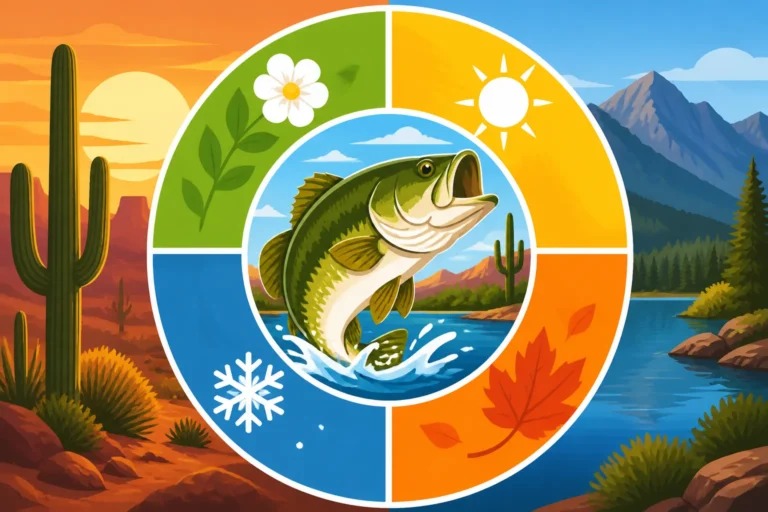
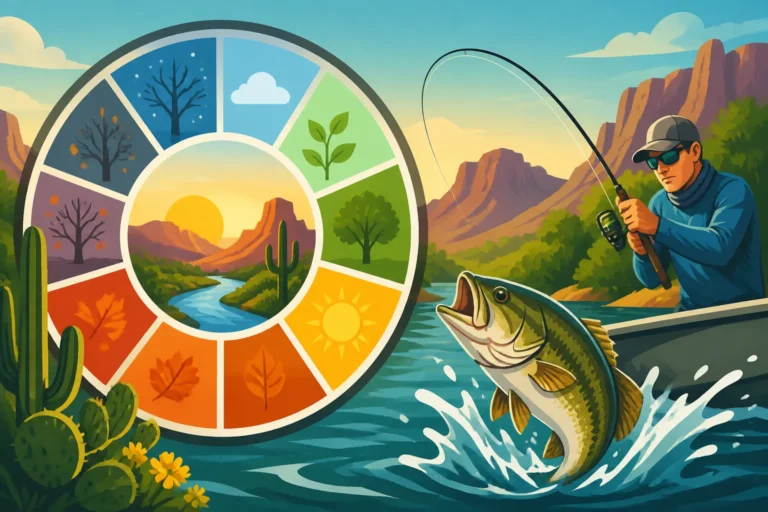
Arizona’s distinct seasons dictate where bass will congregate. During the cooler months and early spring, they might be shallower, while the intense summer heat drives them much deeper. Understanding these movements is crucial for successful jig fishing.
In the spring, bass are often preparing to spawn or are actively spawning. This means they'll be in shallower, protected coves and pockets, typically around submerged brush, rocks, or even old tires. They're territorial during this time, and a jig invading their space can trigger a reaction strike, even if they're not actively feeding. You'll find them cruising banks or tucked into visible cover, making them prime targets for a well-placed jig. If you're keen on maximizing your success during this vibrant time, be sure to check out our detailed guide on Spring Bass Fishing Tactics in Arizona.
As summer heats up, often brutally in Arizona, bass move to deeper, cooler waters. They seek refuge in submerged timber, rock piles, ledges, and channels where the water temperature is more stable and comfortable. Early mornings and late evenings might see them venture shallower to feed, but during the bright, hot parts of the day, they're often tucked away in shaded, deep cover. This is when deep-water jigging becomes absolutely essential, as a slow, methodical presentation can trigger strikes from lethargic fish. Conversely, some of the very best bass fishing in Arizona happens during the intense heat of the summer nights.
Fall is a fantastic time for jig fishing. As water temperatures begin to cool, bass become more active and start feeding aggressively to prepare for winter. They'll often follow baitfish into shallower creeks and coves, or school up on main lake points and humps. This is a period of transition where bass can be found at varying depths, making versatile jig presentations key. They're often chasing schools of shad, and a jig can mimic a wounded baitfish perfectly.
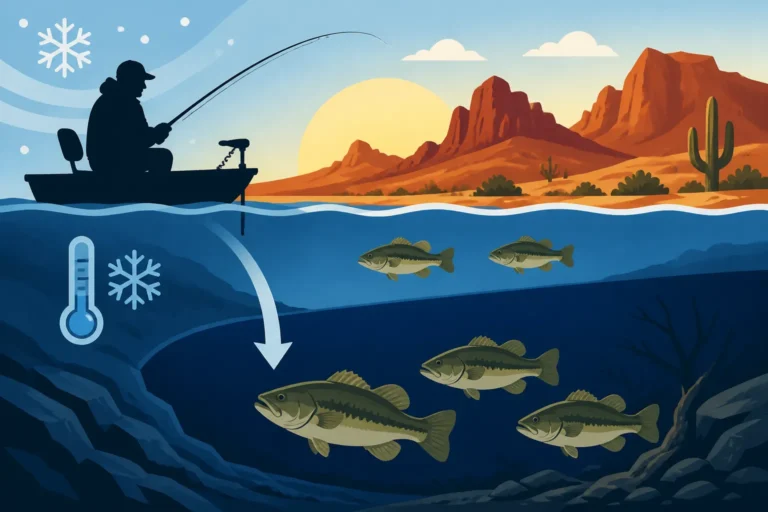
Finally, in winter, bass generally move to deeper waters, often congregating in large schools on main lake humps, deep points, or near significant submerged structure. Their metabolism slows down, and they'll be less willing to chase fast-moving baits. This is when a slow, subtle jig presentation, often mimicking a crawfish or a lethargic baitfish, can be incredibly effective. Understanding How to Fish a Jig for Winter Bass is a game-changer when temperatures drop.
Preferred Structure and Cover
Bass are ambush predators, and they absolutely love structure and cover. These features provide them with security, shade from the harsh Arizona sun, and prime locations to ambush unsuspecting prey. When you're jig fishing, identifying these spots is paramount.
Submerged Timber and Brush Piles: Arizona's desert lakes, like Roosevelt Lake or Lake Pleasant, often have extensive submerged timber from when the lakes were initially filled or during periods of low water. These underwater forests are bass magnets. A jig is incredibly effective here because it can be worked through dense cover with minimal snagging, especially if rigged properly (we’ll get into that!). Bass will hold tight to these branches, waiting for food to swim by. Gently bumping your jig against a submerged limb can often trigger an immediate strike.
Rock Piles, Ledges, and Points: Rocky areas, bluffs, and sudden depth changes are also prime bass territory. Smallmouth bass, in particular, are drawn to rocky environments. These structures provide plenty of crevices for crawfish (a bass favorite!) to hide, and bass will position themselves along ledges or at the base of points to ambush prey moving over these transitions. A dragging or hopping jig presentation perfectly mimics a crawfish scuttling along the bottom. For a deeper dive, check out our insights on Deep Water Structure Fishing Techniques which often involves jigs.
Docks and Man-made Structures: While less common in the vast desert lakes, urban fishing spots like Tempe Town Lake or community ponds often have docks, pilings, and other man-made structures. These provide excellent shade and cover, attracting bass, especially in shallower waters. Flipping and pitching jigs under and around these structures can be highly productive, allowing you to reach areas often inaccessible with other lures. The precision of a jig cast can get it right into the strike zone.
Essential Jig Fishing Tackle and Gear
You wouldn't show up to a gunfight with a water pistol, right? The same goes for jig fishing. Having the right tackle isn't about being fancy; it's about being effective, especially when you're trying to feel those subtle bites or pull a big bass out of heavy cover. The specific gear you choose can make a significant difference in your success rate.
Rod, Reel, and Line Selection
Choosing the right rod, reel, and line is foundational for effective jig fishing. This setup needs to be sensitive enough to detect light bites but powerful enough to handle heavy cover and hard-fighting bass.
Rods: For most jig fishing applications, especially when dealing with heavier jigs and denser cover, a medium-heavy to heavy power casting rod is your best friend. Look for a fast or extra-fast action. This means the rod bends mostly in the tip section, giving you the sensitivity to feel delicate bites and the backbone to drive a hook through a bass's bony mouth. A rod length of 6'10" to 7'6" is generally ideal, offering good casting distance and leverage. A longer rod can also help with line management when pitching and flipping. Many anglers swear by specialized jig rods for their perfect balance of sensitivity and power. If you're just starting, looking into Best Fishing Rods for Bass in Arizona can help you make a great choice.
Reels: A baitcasting reel is almost universally preferred for jig fishing. Opt for a model with a gear ratio in the 6.1:1 to 7.5:1 range. A faster retrieve (higher gear ratio) is excellent for quickly taking up slack line after a cast or when a fish makes a run, helping you stay connected. A strong drag system is also paramount, as you might need to lean into a big fish to pull it from heavy cover. Shimano and Daiwa are popular choices, known for their smooth performance and durability. You can often find a great selection on Amazon when you're ready to upgrade your gear.
Line: This is where things get interesting.
- Fluorocarbon: This is often the top choice for jig fishing. It's nearly invisible underwater, extremely sensitive (which helps you feel those faint bites), and has low stretch, meaning excellent hook-setting power. For jigs, a line weight of 12-20 lb test is common. Lighter for finesse jigs in clear water, heavier for pitching and flipping into thick cover.
- Braided Line: For really heavy cover, like dense timber or mats of vegetation, braided line (30-65 lb test) is unbeatable. It has zero stretch, incredible strength, and excellent abrasion resistance. The downside? It's highly visible. Many anglers will tie a short (1-3 foot) fluorocarbon leader to their braided main line to counter this visibility, especially in Arizona's often clear waters.
- Monofilament: While less common for dedicated jig fishing due to its stretch and visibility, some anglers use it for lighter presentations or if they're looking for a more forgiving line. However, for serious jigging, fluorocarbon or braid with a fluoro leader is generally superior. Considering the desert environment, choosing the Best Line for Bass Fishing can significantly impact your success.
Jig Types and Trailers
The world of jigs is vast, but for bass fishing, we can narrow it down to a few key categories, each with its purpose. The trailer you pair with your jig is just as important, as it adds bulk, action, and attraction.
Jig Types:
- Flipping and Pitching Jigs: These jigs are designed for heavy cover. They typically have a compact head shape (often bullet or arkie style) that slides easily through weeds and wood, a stout, super-sharp hook, and a dense brush guard to prevent snagging. Weights range from 3/8 oz to 1 oz.
- Football Jigs: Named for their football-shaped head, these are fantastic for fishing rocky bottoms, ledges, and deep structure. The head design allows them to stand up, making the trailer mimic a crawfish in a defensive posture. They also help maintain bottom contact in wind or current. Weights typically run from 1/2 oz to 1 oz.
- Arkie Jigs: A versatile all-around jig, the arkie head is flatter on the bottom, allowing it to sit upright. It's great for pitching, casting, and dragging through various types of cover. This is often a go-to for general bass fishing.
- Swim Jigs: Unlike other jigs designed for bottom contact, swim jigs are meant to be retrieved through the water column, mimicking a swimming baitfish or crawfish. They often have a pointed head that cuts through the water, a lighter weed guard, and a profile designed for movement.
- Finesse Jigs: Lighter in weight (1/4 oz or less) and with a smaller profile, finesse jigs are for highly pressured fish or when targeting smaller bass. They're often paired with smaller trailers and fished on lighter line.
Trailers: The trailer is what gives your jig its life and profile. It's often the part the bass sees first.
- Crawfish Imitations: Soft plastic crawfish are classic jig trailers. They perfectly mimic a bass's natural prey and come in various sizes and colors. The flapping claws add a lifelike action. Examples include the Zoom Super Chunk or Strike King Rage Craw.
- Creature Baits: These versatile soft plastics have appendages that create a lot of subtle movement in the water. They can imitate crawfish, small baitfish, or even amphibians. The Yum Christie Critter or Reaction Innovations Sweet Beaver are popular choices.
- Grubs and Swim Baits: For swim jigs, small paddle tail swimbaits or single-tail grubs are excellent. They provide a subtle, fluttering action that perfectly matches the swimming motion of the jig. The Keitech Swing Impact Fat is a prime example for swim jigs.
- Chunk Style Trailers: These are simpler, more compact trailers, often made of soft plastic with two flappy appendages. They provide a bulkier profile without too much erratic action, perfect for a slower, more deliberate retrieve.
Color selection for both jigs and trailers typically follows the "match the hatch" principle. In clear water, natural colors like green pumpkin, brown, or black and blue (mimicking crawfish) are excellent. In murky water, black and blue, Junebug, or other darker, more silhouetting colors can be more effective. Finding the Best Lures for Largemouth Bass in Arizona Lakes often involves a good jig and trailer combination.
Mastering Jig Presentation Techniques
Having the right gear is one thing, but knowing how to present your jig effectively is where the true art of jig fishing lies. Bass aren't always looking for a fast-moving meal; sometimes they need to be tempted, annoyed, or tricked. Each technique has its optimal situation, and learning to master them will significantly boost your catch rate.
Pitching and Flipping
These are precision techniques designed to place a jig softly and accurately into tight cover, often at close range. They are indispensable for targeting bass holding in specific pieces of structure.
Pitching: Imagine you're standing on the deck of your boat, and there's a submerged tree or a patch of reeds about 15-30 feet away. Instead of making an overhead cast, you use a pitching motion. You open your bail, let out a bit of line, then swing your rod forward with a pendulum motion, sending the jig skipping or gently landing precisely where you want it. The key is to keep your thumb on the spool to control the line and feather the jig's entry into the water, minimizing splash.
Once your jig lands, let it sink on a semi-slack line. Watch your line like a hawk – any twitch, jump, or sudden slack could indicate a bite. Many bites occur on the fall. Once it hits the bottom, give it a few subtle hops or drags with your rod tip. Then, reel in the slack and repeat, working around the piece of cover. Pitching is excellent for covering a wider area of dense cover quickly and efficiently, allowing you to pick apart a brush pile or a weed line. It's all about stealth and precision.
Flipping: This is an even more surgical approach, typically used for targets within 10-15 feet of the boat. With flipping, you don't actually cast. Instead, you strip out about 10-15 feet of line, hold the jig in your off-hand, and then pendulum it towards the target, releasing the jig as your rod tip snaps forward. Your rod tip is low, and you're controlling the jig's trajectory with your dominant hand. The goal is a quiet, controlled entry into the water, often "flipping" it under overhanging branches or into the smallest openings in dense vegetation.
Like pitching, the bite often comes on the fall. Once it's on the bottom, work the jig with short lifts and drops of your rod tip, keeping the line taut. The advantage of flipping is the unparalleled control you have over your lure, allowing you to thoroughly probe every nook and cranny of a small, juicy piece of cover. When a bass hits, you’re in direct contact, ready for a powerful hookset. Both techniques are essential for fishing around submerged timber in lakes like Lake Roosevelt or Canyon Lake.
Dragging and Hopping
When bass are less active, holding tight to the bottom, or feeding on crawfish, a slower, more methodical presentation is often the ticket. This is where dragging and hopping jigs come into play, effectively mimicking a crawfish scurrying or a baitfish struggling on the bottom.
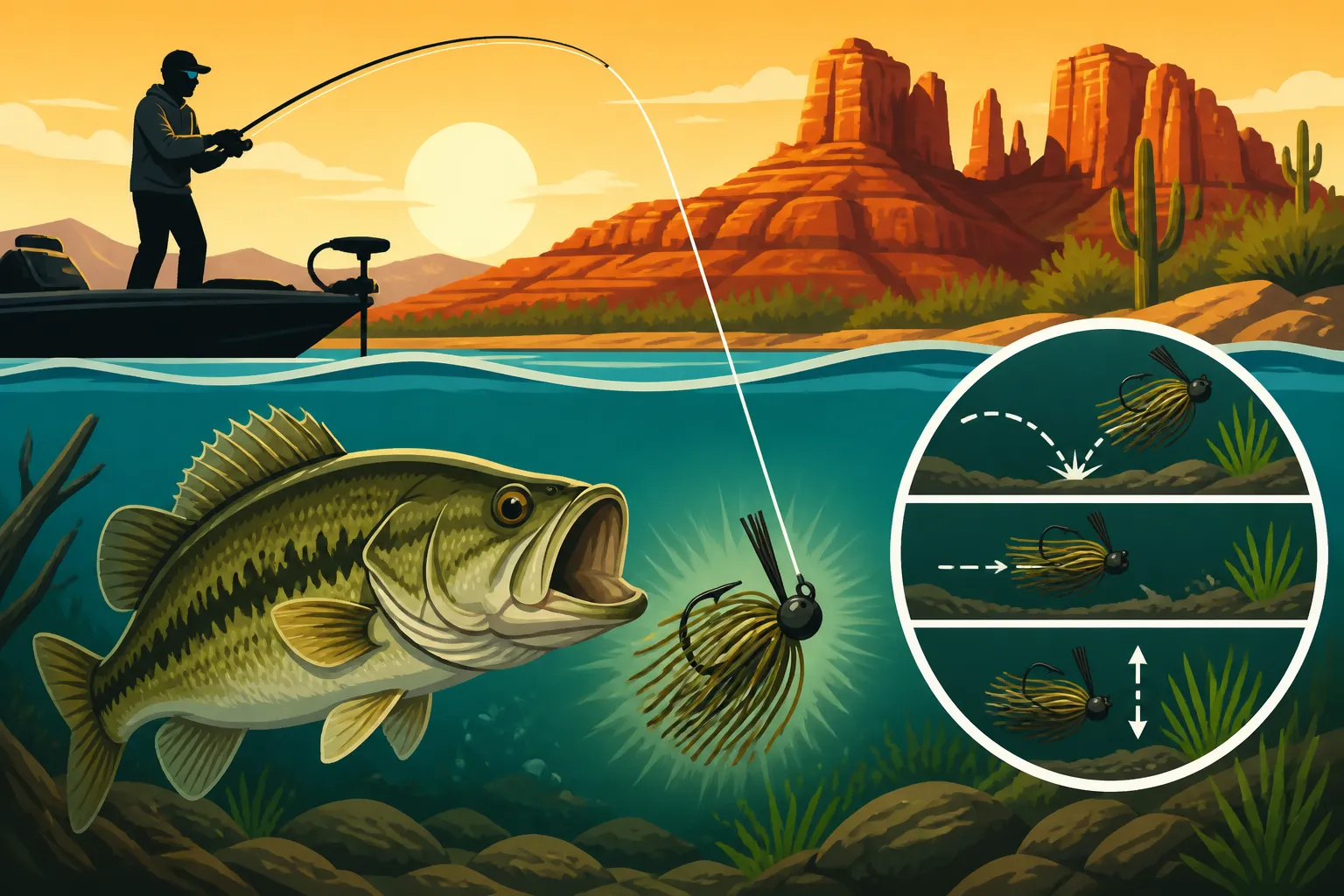
Dragging: This technique is exactly what it sounds like. After casting your jig out and letting it sink to the bottom, you simply drag it along the lakebed using your rod. Instead of reeling, you sweep your rod from about the 9 o'clock position to the 11 or 12 o'clock position, then slowly reel in the slack as you drop your rod tip back to 9 o'clock. Repeat this motion, keeping the jig in constant contact with the bottom.
The key to dragging is patience and feel. You want to feel every rock, every twig, every change in bottom composition. This technique is deadly over rocky points, humps, and vast flats where bass might be scattered but feeding on crawfish. The football jig, with its ability to stand up and mimic a defensive craw, is exceptional for dragging. You’ll often feel a subtle "thump" or a sudden heaviness when a bass picks it up. This slow, deliberate approach often works wonders when fishing for bass in the winter, as detailed in our guide on Winter Bass Fishing Tactics in Arizona.
Hopping: This technique adds a bit more vertical movement to your jig, making it appear more active or like a fleeing crawfish. After your jig hits the bottom, instead of dragging, you give your rod tip a sharp, short upward snap (from a few inches to a foot or so). This causes the jig to hop off the bottom. Immediately let the jig fall back to the bottom on a semi-slack line, watching for the telltale "thump" or line jump that signals a bite.
Once the jig settles, wait a few seconds, then repeat the hop. The duration of the pause can be critical, especially when fish are lethargic. Experiment with shorter hops and longer pauses or vice versa. Hopping is effective in similar areas to dragging—rocky bottoms, ledges, and transition areas—but can sometimes entice a strike from a bass that might ignore a purely dragging presentation. Both dragging and hopping are fantastic ways to present your jig when you're probing deeper areas for larger, less active bass.
Skipping and Swimming
Not all jig presentations are about subtle bottom contact. Sometimes, you need to cover water, get into hard-to-reach places, or mimic a fleeing baitfish. Skipping and swimming jigs offer more dynamic presentations that can trigger reaction strikes.
Skipping: This is a technique that takes practice but is incredibly rewarding once mastered. It involves casting a jig (usually a compact flipping jig or a swim jig) at a low trajectory so that it "skips" across the surface of the water, much like skipping a flat stone. The goal is to get the jig far back under docks, overhanging trees, or other low-clearance cover that you couldn't reach with a regular cast.
To skip, you need a sidearm casting motion, keeping your rod tip very low to the water and using a snap of the wrist. The baitcasting reel's spool tension needs to be dialed in just right to prevent backlashes, but still allow the jig to glide. The moment the jig lands and starts its retrieve, or even as it skips, a bass might ambush it. The surprise factor and the ability to reach untouched real estate make skipping an invaluable tool for targeting wary bass.
Swimming: When bass are actively feeding on baitfish or suspending in the water column, a swimming jig can be deadly. This technique uses a jig that's designed to move through the water with a natural, flowing action, often paired with a paddle tail swimbait or grub trailer.
The retrieve is usually a steady reel, varying the speed to find what the fish prefer. You can impart subtle twitches with your rod tip to make the jig dart or pause. The idea is to mimic a fleeing shad or a crawfish swimming from cover. Swim jigs are particularly effective when fishing around grass lines, flooded timber, or when bass are busting bait on the surface. They allow you to cover water quickly, locating active fish. The Best Lures for Largemouth Bass in Arizona Lakes often include a good swim jig setup, especially during the warmer months when baitfish are active. It’s also a great tactic when you’re looking into Summer Bass Fishing Tactics in Arizona.
Reading the Water and Adjusting Your Approach
Being a successful angler isn't just about having the right lures and techniques; it's about being observant and adaptable. The water itself tells a story, and understanding its nuances – from clarity to current to temperature – can dramatically influence your jig fishing strategy. Environmental factors like weather and barometric pressure also play a huge role in bass behavior.
Interpreting Water Clarity and Depth
Water clarity and depth are two of the most fundamental variables that should dictate your jig fishing choices. Arizona lakes can range from crystal clear to heavily stained, and bass will react differently in each.
Clear Water Conditions: In Arizona's often pristine desert reservoirs, like parts of Lake Havasu or the upper reaches of Lake Powell, clear water means bass rely heavily on sight. This demands a stealthier approach and more natural-looking presentations.
- Color Selection: Opt for natural jig colors like green pumpkin, watermelon, brown, or light black-and-blue combinations. These mimic natural forage like crawfish or bluegill that bass commonly encounter. Avoid bright, unnatural colors unless you're trying to trigger a reaction strike in specific, limited scenarios.
- Trailer Choice: Finesse trailers with subtle actions are often more effective. Small craws, grubs, or creature baits that don't overpower the jig's profile work well.
- Line Size: Consider dropping down your fluorocarbon line size. Going from 17 lb to 12 lb test can make a big difference in how your bait looks and feels to a wary bass.
- Presentation: Make longer casts to avoid spooking fish. Let your jig sink naturally, and work it with slower, more deliberate movements. Pitching and flipping quietly into cover are crucial. You're trying to fool the fish, not alert them. For more on this, check out How Water Clarity Affects Lure Choice.
Stained or Muddy Water Conditions: After heavy rains, runoff, or in certain areas of some lakes (like parts of the Colorado River), the water can become heavily stained or muddy. Here, bass rely more on their lateral line (to feel vibrations) and scent.
- Color Selection: Darker, silhouetting colors are key. Black and blue is a perennial favorite for muddy water. Junebug, dark purples, and even bright chartreuse or orange can sometimes stand out enough to be noticed. The contrast helps the bass "see" the bait better.
- Trailer Choice: Trailers with more bulk and vibration are beneficial. Large paddle-tail grubs, big craw imitations with aggressive flappers, or creature baits with lots of moving appendages create more displacement in the water, helping bass locate the jig.
- Line Size: You can often get away with heavier line here, as visibility is less of a concern. The increased strength might be helpful if you're fishing heavier cover that contributes to the stained water.
- Presentation: Slower retrieves often allow bass more time to find the bait by scent and vibration. Consider adding rattles to your jig or choosing jigs that come with them. Don't be afraid to make repeated casts to the same piece of cover, giving the bass ample opportunity to find your offering.
Depth Considerations: Obviously, where the bass are in the water column dramatically changes your approach. In shallow water, lighter jigs (1/4 – 3/8 oz) and precise pitching/flipping are vital. For deep water (often 20+ feet in Arizona), heavier jigs (1/2 – 1 oz) are necessary to get down quickly and maintain bottom contact. Drags and hops are ideal here. Being able to adapt your jig weight and retrieve to the depth the fish are holding is a critical skill for any angler.
Weather and Barometric Pressure Considerations
The weather overhead, and more subtly, the barometric pressure, can have a profound impact on bass activity and where they choose to position themselves. Being aware of these changes allows you to adjust your jig fishing tactics.
Stable vs. Changing Weather:
- Stable Weather (High Pressure): After a cold front or during prolonged periods of clear, calm weather, bass often become lethargic and move deeper. They might hold tighter to cover, making them harder to entice. This is when finesse jigging, slower retrieves (dragging and subtle hops), and precise presentations are most effective. You might need to drop your jig right on their nose and practically hit them in the head for a bite.
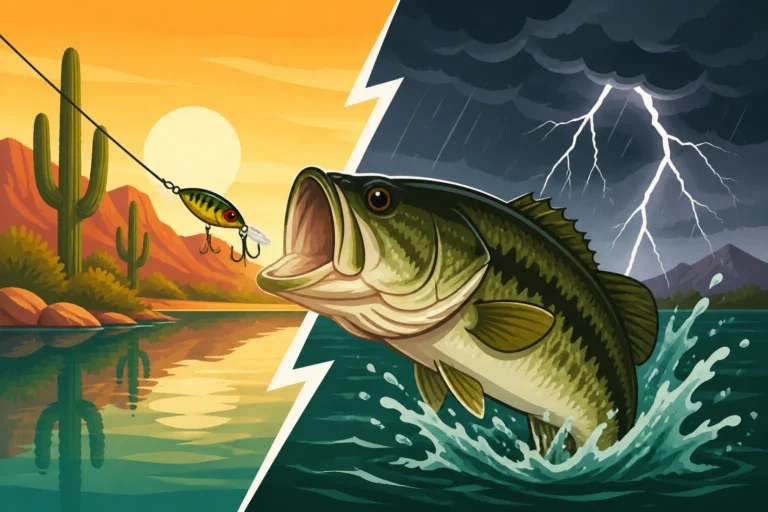
- Approaching Fronts (Falling Pressure): Just before a storm or a cold front moves in, the barometric pressure drops. This often signals a feeding frenzy. Bass can become incredibly active, moving shallower and feeding aggressively. This is an excellent time for faster retrieves, swimming jigs, or even reaction strikes with pitching and flipping. They’re anticipating the change and stocking up.
- Post-Front (Rising Pressure): This is often the toughest time to fish. The sky is usually clear, winds are calm, and pressure is high and rising. Bass often retreat to the deepest, densest cover and are very unwilling to chase. Your most subtle jig presentations, often vertical jigging directly into brush piles, or painfully slow drags, will be your best bet. Patience is absolutely crucial here. Learning How Barometric Pressure Affects Bass Fishing is a real game-changer.
Wind: Wind can be your friend or your foe.
- Light to Moderate Wind: A light chop on the water can break up the surface, making it harder for bass to see you and your boat. It also pushes baitfish, concentrating them, and creates current that can position bass. Wind-blown points and banks are often excellent jig fishing spots. The wind can also help mask your retrieve, making your jig seem more natural.
- Heavy Wind: Strong winds make boat control difficult, casting a challenge, and feeling subtle bites almost impossible. In these conditions, target protected coves or areas with less direct wind exposure. Heavier jigs are essential to maintain bottom contact in strong wind or current.
Cloud Cover: Overcast days often mean lower light conditions, which can make bass more comfortable moving into shallower water and feeding throughout the day. This can be a great time for jig fishing, as bass might be more willing to chase. On bright, sunny days, they'll typically hug tight to shade or deeper structure, requiring more precise, close-quarters jig presentations. The interaction of these factors means that no two days are exactly alike, and constantly observing and adapting your jig choices and techniques will keep you successful.
Advanced Jig Fishing Strategies for Challenging Conditions
Even with a solid understanding of basic jig techniques, there are days when the bass simply won't cooperate. Arizona's diverse and sometimes extreme conditions — from scorching summer depths to highly pressured urban lakes — demand a deeper understanding and more refined strategies. These advanced tactics are designed to unlock bites when other methods fall short.
Targeting Deep-Water Bass
Arizona's desert lakes often feature significant depth, especially in the main lake basins, channels, and around old river beds. During the hot summer months, or in winter, bass frequently retreat to these cooler, more stable deep-water environments. Catching them requires specialized approaches and careful attention to detail.
Finding Deep Structure: The first step is locating where deep-water bass are holding. This is where your electronics, specifically a good fish finder, become invaluable. Look for submerged humps, deep points that drop off sharply, ledges, creek channels, and significant brush piles or standing timber in 20 to 60+ feet of water. Modern side-imaging and down-imaging sonar can help you pinpoint these hidden gems. Without good electronics, you're essentially fishing blind. Our guide on How to Read a Fish Finder for Bass will be a big help here.
Vertical Jigging: Once you've identified a deep-water concentration of bass or a key piece of structure, vertical jigging comes into play. Instead of casting, you position your boat directly over the target and drop your jig straight down. This technique offers maximum control and direct contact with your lure.
- Presentation: Let your heavy jig (1/2 oz to 1 oz or more) free-fall until it hits the bottom. Then, with your rod tip low, lift it sharply a foot or two, letting it fall back on a controlled, semi-slack line. The bite often occurs on the fall. Keep your eyes glued to your electronics; if you see fish on the screen at a certain depth, try to hold your jig in that strike zone. The key is to keep your jig in the "kill zone" for as long as possible.
- Bait Selection: Heavy football jigs, often paired with bulky craw trailers, are excellent for deep water, as they maintain bottom contact and mimic crawfish. Large finesse jigs can also be effective if fish are finicky.
- Line: Braided line (30-50 lb test) with a 15-20 lb fluorocarbon leader is ideal for deep water. The braid's lack of stretch provides unparalleled sensitivity, allowing you to feel the most subtle bites at extreme depths, and the fluoro leader maintains stealth.
Deep-Water Dragging and Stroking: When bass are spread out over deep flats or extended points, dragging a jig is an excellent search tool. Use a heavy football jig (3/4 to 1 oz) and make long casts. Slowly drag it along the bottom, feeling for changes in contour or cover. A variation is "stroking" a jig: a more aggressive vertical snap and fall, designed to trigger reaction bites from bass that might be looking up from deeper cover. This is particularly effective when you mark fish on your sonar that aren't actively biting. For specific techniques, consider exploring Deep Water Structure Fishing Techniques.
Finesse Jigging for Pressured Fish
There are times when bass fishing in Arizona, especially on heavily fished urban lakes or after a major tournament, becomes incredibly tough. The fish become wary, educated, and unwilling to chase anything aggressive. This is when scaling down and refining your approach with finesse jigs can save the day.
The "Less is More" Philosophy: Finesse jigging is all about presenting a small, natural-looking offering in the most subtle way possible. You're not trying to trigger a reaction strike as much as you're trying to fool the fish into thinking your jig is an easy, irresistible meal.
- Lighter Jigs and Downsized Trailers: Opt for jigs in the 1/8 oz to 3/8 oz range. Pair them with smaller, more slender trailers like small crawfish imitations, tiny creature baits, or even compact plastic chunks. The Z-Man TRD CrawZ or Gary Yamamoto Custom Baits Tiny Ika are excellent choices. The goal is to create a compact, realistic profile.
- Lighter Line and Spinning Gear: While baitcasting gear can be used for heavier finesse jigs, spinning tackle is often preferred for ultimate finesse. A medium-light to medium power spinning rod (6'6" to 7'2") with a fast action, paired with a small spinning reel, is ideal. Spool it with 6-10 lb fluorocarbon line or 10-15 lb braided line with a 6-10 lb fluorocarbon leader. This lighter setup allows for longer casts with small jigs and much greater sensitivity to detect those incredibly subtle bites. Many anglers look to Amazon for high-quality spinning setups.
- Slow, Deliberate Presentations: The key to finesse jigging is a slow, methodical retrieve. Let the jig fall naturally. When it hits bottom, use extremely subtle hops, drags, or quivers of the rod tip. Think minimalist movements. Prolong the pauses between movements. Often, a bass will pick up a finesse jig so gently that the only indication is a slight mushiness on your line or the line just moving sideways.
- Targeting Specific Cover: Finesse jigs excel when pitched or skipped to specific pieces of cover in clear water. Think isolated rocks, small brush piles, dock pilings, or the edges of grass lines where wary bass might be hiding. The lighter line and smaller bait offer a less intrusive presentation.
Finesse jigging can be incredibly frustrating due to the light bites and slow pace, but it's often the only way to get bites when other tactics fail. It requires extreme patience, focus, and a keen eye for subtle line movement. By mastering these advanced jigging strategies, you'll be well-equipped to tackle even the most challenging bass fishing scenarios Arizona can throw at you.
Top Jig and Trailer Combinations for Arizona Bass
Choosing the right jig and trailer can feel overwhelming with all the options out there. To simplify things, here's a quick guide to some proven combinations that consistently perform well for bass in Arizona's diverse waters. These pairings are designed to match common forage and effectively present themselves in various fishing scenarios.
| Jig Type | Head Weight (oz) | Trailer Type | Best Conditions | Target Fish | Notes |
|---|---|---|---|---|---|
| Flipping/Pitching Jig | 3/8 – 3/4 | Compact Craw or Beaver | Heavy cover (brush, reeds, docks) | Largemouth, Spotted | Weed guard essential; compact profile for stealth. |
| Football Jig | 1/2 – 1 | Bulky Craw or Creature | Rocky bottoms, ledges, deep points | Largemouth, Smallmouth | Stands upright; good for feeling bottom changes. |
| Arkie Jig | 3/8 – 1/2 | Chunk or Craw | Versatile, mixed cover, open water | Largemouth, Smallmouth | All-around workhorse; good for pitching or casting. |
| Swim Jig | 1/4 – 1/2 | Paddle Tail Swimbait/Grub | Shallow grass, open water, suspending fish | Largemouth, Striped | Steady retrieve, mimics baitfish. |
| Finesse Jig | 1/8 – 1/4 | Small Craw, Grub, or Worm | Clear water, pressured fish, cold fronts | Largemouth, Smallmouth | Subtle, natural presentation; light line often needed. |
| Casting Jig | 3/8 – 1/2 | Full-sized Craw or Creature | General purpose, casting to visible cover | Largemouth, Smallmouth | Good for covering water; versatile presentation. |
This table provides a solid starting point for building your jig fishing arsenal. Remember to consider water clarity and forage base when selecting colors. Green pumpkin, black and blue, and various brown hues are almost always safe bets in Arizona.
Disclaimer
Fishing involves inherent risks. Always prioritize safety, wear appropriate personal flotation devices, and be aware of your surroundings. Regulations, seasons, and licensing requirements can change, so always consult the latest Arizona Game and Fish Department (AZGFD) guidelines before heading out. This guide is for informational purposes only and does not substitute professional advice or adherence to official regulations.