Cool-Water Trout Streams in Northern Arizona
When many folks automatically picture Arizona, they often conjure up images of scorching deserts and endless saguaros. It’s easy to assume that cool, flowing trout streams simply don't exist in such a hot state. However, that couldn't be further from the truth! This guide is here to shed light on Northern Arizona’s hidden gems: pristine, cool-water streams tucked away in high-elevation forests, offering a refreshing escape and fantastic trout fishing opportunities for those willing to explore.
Why Northern Arizona for Trout?
Arizona might be famous for its desert landscape, but a significant portion of the state, particularly the northern half, is characterized by towering mountains, dense pine forests, and a climate that feels worlds away from the low desert. This dramatic shift in topography and temperature is precisely what creates the ideal conditions for trout to thrive.
The Allure of Cooler Climates
Traveling just a couple of hours north from Phoenix or Tucson can transport you to an entirely different ecological zone. Regions like the Mogollon Rim, the San Francisco Peaks, and the White Mountains boast elevations ranging from 5,000 to over 12,000 feet. At these altitudes, summer temperatures are significantly milder, often 20-30 degrees cooler than the desert floor, with crisp nights and comfortable daytime highs. This consistent cooler air temperature translates directly to cooler water temperatures in the streams and rivers that originate from snowmelt and natural springs. Unlike the warm, often stagnant waters of many desert lakes in the peak of summer, these mountain streams remain cold and oxygen-rich, which is absolutely critical for trout survival and health. It’s a complete game-changer for anglers seeking a truly refreshing fishing experience, especially when the rest of the state is sweltering.
Unique High-Elevation Habitats
Beyond just temperature, the high-elevation habitats in Northern Arizona provide a unique and complex ecosystem that perfectly suits trout. The dense conifer forests—think ponderosa pine, spruce, and fir—offer ample shade, preventing excessive warming of the water. Fallen trees and rocks create natural pools, riffles, and undercut banks, providing essential cover and feeding lanes for trout. The geology of these areas, often volcanic rock or limestone, contributes to clean, clear water, which is fundamental for healthy aquatic insect populations—the primary food source for wild trout. Many of these streams are fed by consistent spring flows, ensuring stable water levels even during drier periods, though careful attention to drought conditions is always wise. Fishing in these environments isn't just about catching fish; it's about immersing yourself in a vibrant, natural setting where elk, deer, and diverse birdlife are common companions. It's a truly different experience compared to fishing a desert reservoir, often requiring more finesse and stealth but offering far greater rewards in terms of tranquility and natural beauty.
Premier Trout Streams of Northern Arizona
Northern Arizona is blessed with several remarkable streams that offer exceptional trout fishing. Each has its own character, accessibility, and unique challenges, but all provide that sought-after cool water that trout absolutely love.
East and West Clear Creek
Tucked away between Payson and Camp Verde, East and West Clear Creek are true gems for those seeking a more secluded stream fishing adventure. These creeks flow through deep canyons, offering stunning scenery and a sense of wilderness. Both creeks host populations of rainbow, brown, and even some native Apache trout. Access can be a bit of a challenge, often requiring hiking down steep trails, but the reward is a chance to fish in relative solitude for wild, feisty fish that rarely see heavy pressure.
East Clear Creek, in particular, is known for its beautiful canyons and challenging fishing. Anglers often find success targeting the deeper pools and runs, especially where the water tumbles over rocks, creating oxygenated pockets. West Clear Creek offers similar characteristics, but its wilderness area status means even more stringent regulations and a commitment to primitive recreation. These aren't the places for a quick roadside cast; they demand a bit more effort, but they deliver an authentic stream fishing experience. For serious anglers, understanding the nuances of these wilder waters, including specific regulations, is key to a successful outing. Checking the latest Arizona Fishing Regulations Explained is always your first step before heading out.
Oak Creek Canyon
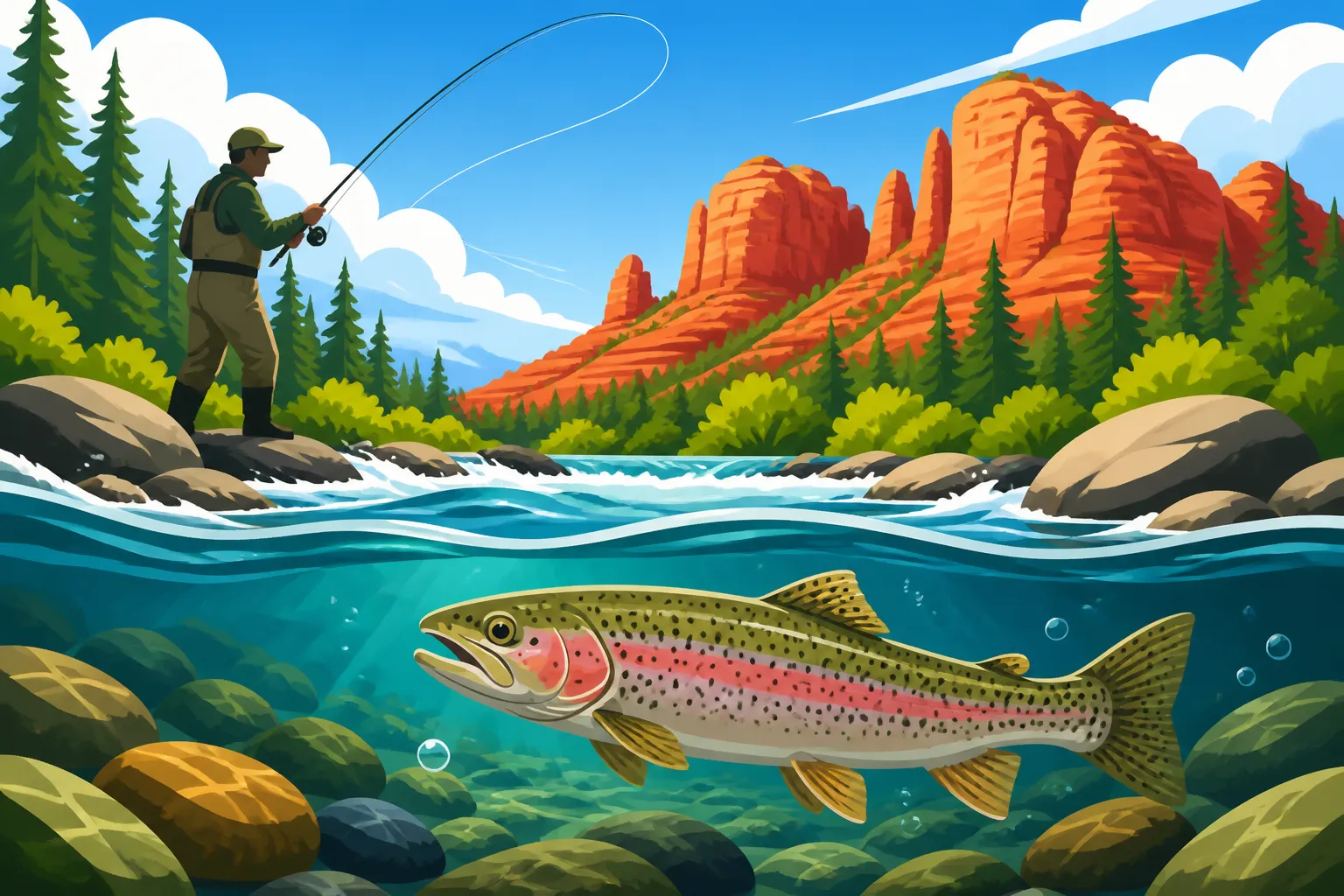
Perhaps the most famous and accessible trout stream in Northern Arizona, Oak Creek Canyon, is a spectacular destination situated between Sedona and Flagstaff. This scenic canyon is renowned not just for its breathtaking red rock views but also for its vibrant trout fishery. Oak Creek is regularly stocked with rainbow trout by the Arizona Game and Fish Department (AZGFD), making it a popular spot for anglers of all skill levels. However, it also holds a healthy population of wild brown trout, particularly in the quieter, harder-to-reach sections.
The creek offers a diverse range of water types, from swift riffles and cascades to deep, slow-moving pools. The upper canyon, closer to Flagstaff, tends to be wilder and less crowded, with more challenging but rewarding fishing for browns. The lower sections, closer to Sedona, are more accessible and consequently see heavier pressure, but the regular stockings ensure plenty of opportunities. Popular spots include the area around Slide Rock State Park (though it can get very crowded) and various pull-offs along Highway 89A. While it's a fantastic place to catch some trout, be prepared for company, especially on weekends and holidays. For those looking to maximize their time or discover the best hidden pockets, hiring a local guide through platforms like FishingBooker can provide invaluable insights into the creek's ever-changing dynamics and less-pressured spots.
The Little Colorado River and Its Forks
Venturing further east into the White Mountains, you'll find the headwaters and various forks of the Little Colorado River. This region is a true haven for high-country trout, including a significant population of the rare and beautiful native Apache Trout. The East Fork and West Fork of the Little Colorado River, near Greer, are particularly popular. These are quintessential mountain streams: small, clear, and winding through meadows and pine forests.
The East Fork of the Little Colorado River offers diverse fishing, from meadow stretches to tighter, tree-lined sections. It's known for both stocked rainbow trout and wild browns, as well as opportunities for Apache Trout. The West Fork, often more challenging to access, runs through a wilderness area and is managed primarily for wild trout, with a strong focus on Apache Trout recovery. Anglers here often employ lighter gear and careful presentations, as the fish can be wary in the clear water. Special regulations often apply in these areas to protect native species, so it's absolutely crucial to review the rules for Apache Trout Conservation in Arizona before casting a line. This is an area where a deeper understanding of Arizona Fishing Regulations Explained is essential, as bag limits and lure restrictions can vary.
Chevelon Canyon Lake and Creek
For a truly unique and somewhat adventurous trout fishing experience, look no further than Chevelon Canyon Lake and the creek that flows from it. Chevelon Canyon Lake, nestled within a remote canyon on the Mogollon Rim, is famous for its trophy brown and rainbow trout. What makes it special is its limited access: you either hike a significant distance down into the canyon or launch a small boat that you've portaged in. This keeps fishing pressure relatively low, allowing the fish to grow large. The lake is deep, cold, and clear, offering excellent opportunities for both bait and lure fishing, as well as fly fishing along its steep banks.
Below the lake, Chevelon Creek offers a completely different, but equally rewarding, experience. It’s a smaller, intimate stream that holds wild brown trout and stocked rainbows. Access to the creek sections below the lake typically involves hiking, and the fishing can be technical, with tight casting quarters due to dense streamside vegetation. However, the solitude and the chance to catch feisty, stream-bred trout make it worth the effort. For a memorable trip to Chevelon, having the right gear and knowledge is paramount, and a guide found on FishingBooker could help navigate the challenges of this unique location.
| Stream Name | Location (Nearest Town/Feature) | Primary Trout Species (Common) | Accessibility | Key Features/Challenges |
|---|---|---|---|---|
| East Clear Creek | Payson / Camp Verde | Rainbow, Brown, Apache | Requires hiking, some forest road access | Deep canyons, remote feel, challenging access, wild fish. |
| West Clear Creek | Camp Verde | Rainbow, Brown, Apache | Wilderness area, extensive hiking required | Very remote, pristine wilderness, strict regulations for native species, true wild fishing. |
| Oak Creek Canyon | Sedona / Flagstaff | Rainbow (stocked), Brown (wild) | Excellent roadside access (Hwy 89A) | Scenic beauty, high pressure in accessible areas, diverse water types, good for all skill levels. |
| Little Colorado River Forks | Greer (East & West Forks) | Apache (native), Rainbow, Brown | Varies from roadside to extensive hiking (especially West Fork wilderness) | High elevation, cold clear water, Apache Trout conservation, varying regulations, serene White Mountains setting. |
| Chevelon Canyon Lake & Creek | Mogollon Rim | Brown (trophy), Rainbow (stocked) | Lake: Hike or portage boat in. Creek: Hiking. | Lake: Remote, trophy potential, steep canyon. Creek: intimate, technical stream fishing. Requires effort to reach. |
Essential Gear and Techniques for Stream Trout
Fishing these cool-water streams effectively requires a slightly different approach than fishing large lakes or reservoirs. The focus is often on finesse, stealth, and presentation, especially when targeting wild trout in clear, shallow water.
Rods, Reels, and Line Choices
When you’re fishing small, brushy streams, lighter tackle is definitely your friend. For spinning gear, an ultralight or light-action rod, typically 5 to 6 feet in length, is ideal. This shorter length helps with casting accuracy in tight quarters where overhead casting room is limited by trees and canyon walls. Pair it with a small spinning reel (1000 or 2000 series) spooled with 2 to 6-pound monofilament or fluorocarbon line. Fluorocarbon is an excellent choice for its low visibility and abrasion resistance, which is handy when fishing around rocks and submerged timber.
For fly fishing, a 3 to 5-weight fly rod, between 7 and 8.5 feet long, is usually perfect. Again, shorter rods are better for managing casts in overgrown areas. A weight-forward floating line will cover most nymphing and dry fly situations. Leaders should be tapered down to a 4x to 6x tippet for stealth. The key here is not overpowering the stream or the fish; light tackle makes the fight more enjoyable and allows for more delicate presentations, which are critical for wary trout. Many anglers wonder, "Best Trout Fishing Techniques for Arizona Waters?" and the answer almost always involves lighter setups for these stream environments.
Best Baits, Lures, and Flies
Matching your bait or lure to the conditions and the trout's diet is paramount.
- For Bait Fishing: If regulations allow, traditional baits like worms (especially small pieces of nightcrawlers) are incredibly effective, particularly for recently stocked rainbow trout. Corn and PowerBait (in various colors and forms like Power Eggs or dough) can also work wonders in areas where bait is permitted. Always double-check the Arizona Game and Fish Department regulations for specific stream bait restrictions, as some areas, especially those managed for native trout, are artificial lure/fly only.
- For Lure Fishing: Small inline spinners are perennial favorites. Brands like Mepps, Panther Martin, and Rooster Tail in sizes #0 to #2 are deadly. Their flash and vibration imitate small baitfish or aquatic insects, triggering aggressive strikes. Tiny spoons, such as Kastmasters or Little Cleos, in sizes 1/16 to 1/8 ounce, also work well, especially in deeper pools. Small crankbaits designed for trout can also be effective when fish are chasing baitfish. Focus on natural colors like silver, gold, and brown, but don't shy away from brighter colors like chartreuse or fire tiger on overcast days or in slightly stained water.
- For Fly Fishing: This is where the art of stream fishing truly shines.
- Dry Flies: When trout are rising to feed on insects on the surface, dry flies are exhilarating. Classic patterns like an Elk Hair Caddis, Parachute Adams, Royal Wulff, and various ant or beetle patterns (especially during summer) are excellent choices.
- Nymphs: Most of a trout's diet comes from below the surface, making nymphs incredibly effective. Pheasant Tail Nymphs, Hare's Ear Nymphs, Prince Nymphs, and Caddis Larva patterns are staples. Fishing them under an indicator or using a "tight-line" nymphing technique can produce fantastic results.
- Streamers: For larger, more aggressive trout, especially brown trout, streamers like a Woolly Bugger (black, olive, or brown) can imitate baitfish or leeches. Strip them through deeper pools and along undercut banks for violent strikes.
Navigating Stream Access and Safety
Accessing these cool-water streams often involves some degree of hiking, and the terrain can be rugged. Always wear sturdy, waterproof hiking boots with good ankle support. Wading boots with felt soles or studded rubber soles are essential if you plan to enter the water, as stream beds can be slick with algae-covered rocks. A wading staff can provide extra stability.
Be aware of your surroundings. Many of these streams are in bear and mountain lion country, so take appropriate precautions, especially if hiking in early morning or late evening. During Arizona's monsoon season, which typically runs from July through September, flash floods are a serious concern in narrow canyons. Rapidly rising water can be extremely dangerous. Always check weather forecasts and be prepared to evacuate low-lying areas if storms are in the forecast. Understanding the nuances of Arizona Monsoon Season Fishing Guide is crucial for safety during these months. Pack plenty of water, snacks, a first-aid kit, and let someone know your itinerary, especially when venturing into more remote areas.
Planning Your Northern Arizona Trout Adventure
A successful and enjoyable trout fishing trip to Northern Arizona requires a bit of planning, especially when it comes to understanding the rules and finding the right resources.
Understanding Regulations and Seasons
Arizona Game and Fish Department (AZGFD) regulations are specific and can vary significantly from one stream to another. Some streams might have special restrictions, such as artificial lure/fly only, catch-and-release segments, slot limits, or modified bag limits, particularly in areas managed for native fish like the Apache Trout. It's not uncommon for these rules to change, so always consult the latest AZGFD fishing regulations booklet or their website before your trip. This guide, for example, is for informational purposes, but the official regulations are your ultimate authority.
Additionally, most trout fishing in Arizona requires a valid Arizona fishing license. Don't forget to check if a Trout Stamp Requirements in Arizona is needed for the specific waters you plan to fish, as this is an additional endorsement on your license for trout. Information on purchasing a license, including an Arizona Fishing License Guide, is readily available online through the AZGFD website. Make sure you know How to Buy an Arizona Fishing License before you hit the road. The seasons for trout fishing are generally year-round in many areas, but stocking schedules, particularly for rainbow trout, will influence fish availability in more accessible streams.
Finding Local Resources and Guides
Local knowledge can make all the difference in a successful trout fishing trip. Before heading out, consider stopping by a local tackle or fly shop in towns like Flagstaff, Payson, or Greer. The staff there are often passionate anglers themselves and can provide invaluable, up-to-the-minute information on stream conditions, recent stockings, effective patterns, and the best access points. They can also tell you about any temporary closures or specific challenges you might encounter.
For those new to stream fishing, or to Northern Arizona's unique waterways, hiring a local fishing guide is an excellent investment. A guide can help you navigate challenging terrain, teach you specific techniques for stream trout, and put you on fish much faster than trying to figure it out on your own. Guides specializing in these cool-water streams are experts in reading the water, understanding trout behavior, and selecting the right flies or lures for the day. You can often find reputable guides through local fly shops or by searching online platforms like FishingBooker, which lists experienced guides in regions like Flagstaff and the White Mountains. Whether you’re a seasoned angler or a beginner, a guide can elevate your experience, providing not just fish, but also knowledge and unforgettable memories.
Disclaimer
The information provided in this guide is for general informational purposes only and is subject to change. Always consult the official Arizona Game and Fish Department (AZGFD) regulations and local authorities before planning any fishing trip to ensure compliance with current laws and safety guidelines. Fishing conditions, access, and regulations can vary based on season, weather, and specific locations.