Fishing Access at Lees Ferry
Navigating the unique access challenges of Lees Ferry can feel daunting, especially for anglers new to this incredible stretch of the Colorado River. You're probably wondering how to even get there, what permits you absolutely need, and whether you need a boat to fish successfully in its fabled trout waters. This comprehensive guide is here to unravel all those questions, ensuring your trip to one of Arizona's most iconic fishing destinations is as smooth and successful as possible.
Understanding Lees Ferry's Unique Environment
Lees Ferry isn't just another fishing spot; it's a geological marvel and a fly angler's paradise, tucked away in a truly magnificent, remote corner of Arizona. Its isolation is part of its charm, but also presents unique considerations for access and fishing strategies.
Geographic Isolation and River Conditions
The journey to Lees Ferry itself is an adventure. Situated at the very beginning of the Grand Canyon National Park, downstream from Glen Canyon Dam, it’s a place where the towering red rock cliffs meet the emerald green of the Colorado River. This isn't your typical desert lake. The water here is consistently cold, flowing directly from the depths of Lake Powell through the dam's penstocks. This steady, cold temperature creates a year-round, nutrient-rich environment that is ideal for trout, particularly large rainbow trout.
The river itself is broad and powerful, with a consistent flow that can be deceptively strong. While there are some accessible wade-fishing areas, much of the prime water requires a boat to reach safely and effectively. The banks can be steep and rocky, making shore access limited in many stretches. Understanding this dynamic river and its canyon surroundings is crucial before you even think about casting a line. It's a pristine environment, and respecting its unique characteristics is part of the experience.
Why Lees Ferry is a Premier Trout Destination
The reason Lees Ferry holds such legendary status among anglers is simple: trout, and lots of them. The cold, clear water released from Glen Canyon Dam maintains perfect conditions for trout survival and growth throughout the year, even in the scorching Arizona summer. This consistent environment means fish are always active, though their feeding patterns might shift with the seasons. The Arizona Game and Fish Department (AZGFD) actively manages this fishery, including stocking programs that ensure a healthy population, though wild reproduction also contributes significantly.
Many anglers consider this a bucket-list destination for large, feisty rainbow trout. Beyond just rainbows, you might occasionally encounter brown trout, though they are less common. The abundance of aquatic insects, scuds, and baitfish like threadfin shad provides a rich food source, allowing the trout to grow to impressive sizes. It’s not uncommon to hook into fish exceeding 20 inches, and even bigger trophy trout are pulled out of these waters regularly. The combination of stunning scenery, consistent water conditions, and robust fish populations truly makes Lees Ferry a world-class trout fishery. If you're looking for Best Trout Fishing Spots in Arizona, Lees Ferry consistently tops the list.
Getting There: Access Points and Transportation
Reaching Lees Ferry requires a bit of planning, but the scenic drive alone makes it worthwhile. The remoteness means you won't stumble upon it by accident, but clear signage guides the way.
Driving to Lees Ferry
Lees Ferry is geographically isolated, located roughly 2.5 hours north of Flagstaff and about 5 hours north of Phoenix. From Phoenix, your most direct route will typically involve taking I-17 North to Flagstaff, then US-89 North towards Page. As you approach Bitter Springs, you'll turn onto US-89A, which will take you across the historic Navajo Bridge and directly to the Lees Ferry entrance road. From Flagstaff, it's essentially the second half of that journey.
The road into Lees Ferry is paved and generally well-maintained, but it winds down into the canyon, so be mindful of speed limits and potential wildlife. There's ample parking once you arrive, including designated areas for boat trailers. Make sure your vehicle is in good working order and that you have enough fuel, as services become very limited once you leave the main highway. It's always a good idea to check road conditions before you head out, especially during winter months or after heavy rains, though the main access road is usually fine.
Launching Your Boat and Shuttle Services
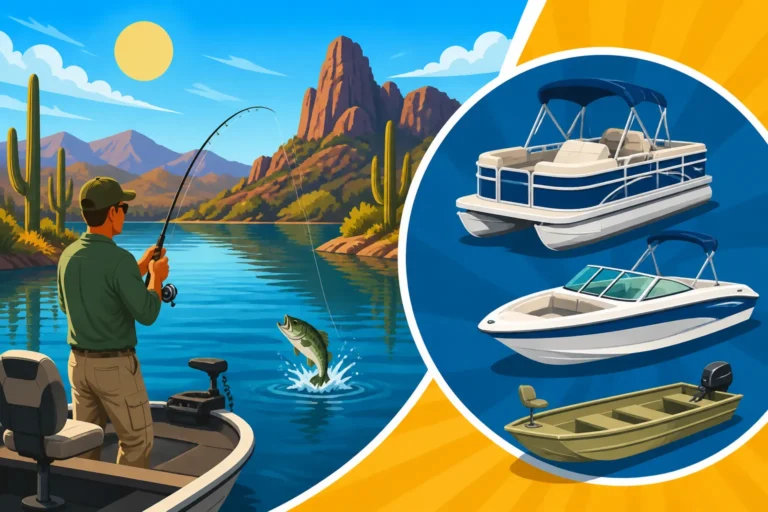
If you plan on boat fishing, Lees Ferry offers a concrete boat ramp specifically designed for the Colorado River. This is typically the primary access point for private boats. However, navigating the river here can be challenging due to the strong current and fluctuating water levels. It's not a place for inexperienced boaters or small, underpowered vessels. Given the powerful current, many anglers opt for drift boats or larger, stable fishing boats.
For those without their own suitable boat, or who prefer to focus purely on fishing without the hassle of navigation, hiring a guide service is an excellent option. Many outfitters operate out of Marble Canyon or Page, offering full-day or multi-day guided trips. These services often provide all the necessary equipment and expertise to ensure a safe and productive day on the water. If you're looking to book a guided trip, platforms like FishingBooker list several experienced guides who specialize in Lees Ferry, providing a convenient way to compare options and secure your outing. They handle the boat, the navigation, and often even the gear, letting you concentrate on the fish. For longer drift trips, some guide services also arrange vehicle shuttle services, where they'll move your car from the launch point to a downstream take-out point, allowing you to float the river at your own pace.
Essential Gear and Permits for Lees Ferry
Before you even think about what fly pattern to tie on, you need to ensure you have the proper legal documentation and equipment to fish Lees Ferry responsibly and comfortably. This is not a place you want to be underprepared.
Required Licenses and Special Regulations
First and foremost, you will need an Arizona Fishing License Guide. This is non-negotiable for anyone aged 10 and older. Because Lees Ferry is within Arizona, a standard Arizona license covers you. However, it's crucial to be aware of the specific regulations for this stretch of the Colorado River, which can differ from general statewide rules. The Arizona Game and Fish Department has specific rules for the Glen Canyon Dam to Lees Ferry section. These often include:
- Barbless Hooks: This is a common requirement to minimize harm to fish, promoting catch and release practices.
- Artificial Lures and Flies Only: Often, only artificial lures and flies are permitted, meaning no live bait.
- Slot Limits or Bag Limits: There may be specific size restrictions or limits on the number of fish you can keep, often designed to protect larger, breeding fish.
It's absolutely vital to consult the current Arizona Fishing Regulations Explained booklet or the AZGFD website before your trip to ensure you are fully compliant. Rules can change, and ignorance is no excuse for a violation. While a separate Trout Stamp Requirements in Arizona might apply to certain waters, the special regulations at Lees Ferry supersede or incorporate such requirements, so always check the specific Lees Ferry section of the regulations. If you're an out-of-state angler, familiarize yourself with Out-of-State Angler Rules in Arizona to ensure you meet all residency and license requirements.
Recommended Gear for Lees Ferry Anglers
Lees Ferry is predominantly a fly-fishing destination, but spinning gear can also be highly effective. The key is to be prepared for cold water, strong currents, and potentially chilly weather, even in summer due to the water temperature.
Here's a breakdown of recommended gear:
- Fly Fishing Setup:
- Rods: A 5 or 6-weight fly rod, 9 to 10 feet long, is generally ideal for Lees Ferry trout. This provides enough backbone to handle larger fish and cast in potentially windy conditions.
- Reel: A reel with a smooth, reliable drag system and ample backing is essential.
- Line: A weight-forward floating line is versatile, but a sink-tip or full sinking line can be beneficial for getting flies down deep in strong currents.
- Leaders and Tippet: Fluorocarbon leaders and tippet are preferred due to their invisibility underwater and abrasion resistance. Think 3X to 5X for tippet.
- Flies: Your fly box should be stocked with a variety of patterns. Scuds (olive, grey), midge patterns (zebra midges, larva), San Juan worms, glow bugs (egg patterns), and various nymph patterns (pheasant tail, hare's ear) are staples. Streamers (woolly buggers, leech patterns) can also be deadly.
- Spinning Gear Setup:
- Rod and Reel: A light to medium-light spinning rod (6-7 feet) paired with a reel spooled with 6-8 lb fluorocarbon or monofilament line is appropriate.
- Lures: Small inline spinners (e.g., Panther Martin, Mepps), spoons (Kastmasters, Dardevles), and small jerkbaits or soft plastics can entice strikes.
- Waders and Boots: Given the cold water, quality chest waders (neoprene or breathable with layers underneath) are a must if you plan to wade fish. Pair them with sturdy wading boots that offer good grip on slippery rocks. Consider having a pair of Best Waders for River Fishing on hand.
- Layered Clothing: Even if it's warm outside the canyon, the air temperature near the cold river can be significantly cooler. Dress in layers, including a waterproof outer shell, fleece, and quick-drying base layers.
- Sun Protection: The Arizona sun is intense. Wide-brimmed hats, polarized sunglasses, sunscreen, and UPF-rated clothing are crucial.
- Essentials: A fishing vest or pack for tackle, a net for landing fish (rubberized mesh is gentle on fish), pliers for hook removal, a first-aid kit, and plenty of water and snacks are also vital.
- Boating Gear: If you're bringing your own boat, remember all safety essentials like PFDs (personal flotation devices), signaling devices, and paddles. Always adhere to Boating Safety Gear Requirements in Arizona.
Fishing Strategies and Best Practices at Lees Ferry
Lees Ferry offers diverse fishing opportunities, whether you prefer to wade the shallows or drift the main channel in a boat. Success often comes down to understanding the trout's behavior in this unique cold-water environment.
Wade Fishing Hotspots and Techniques
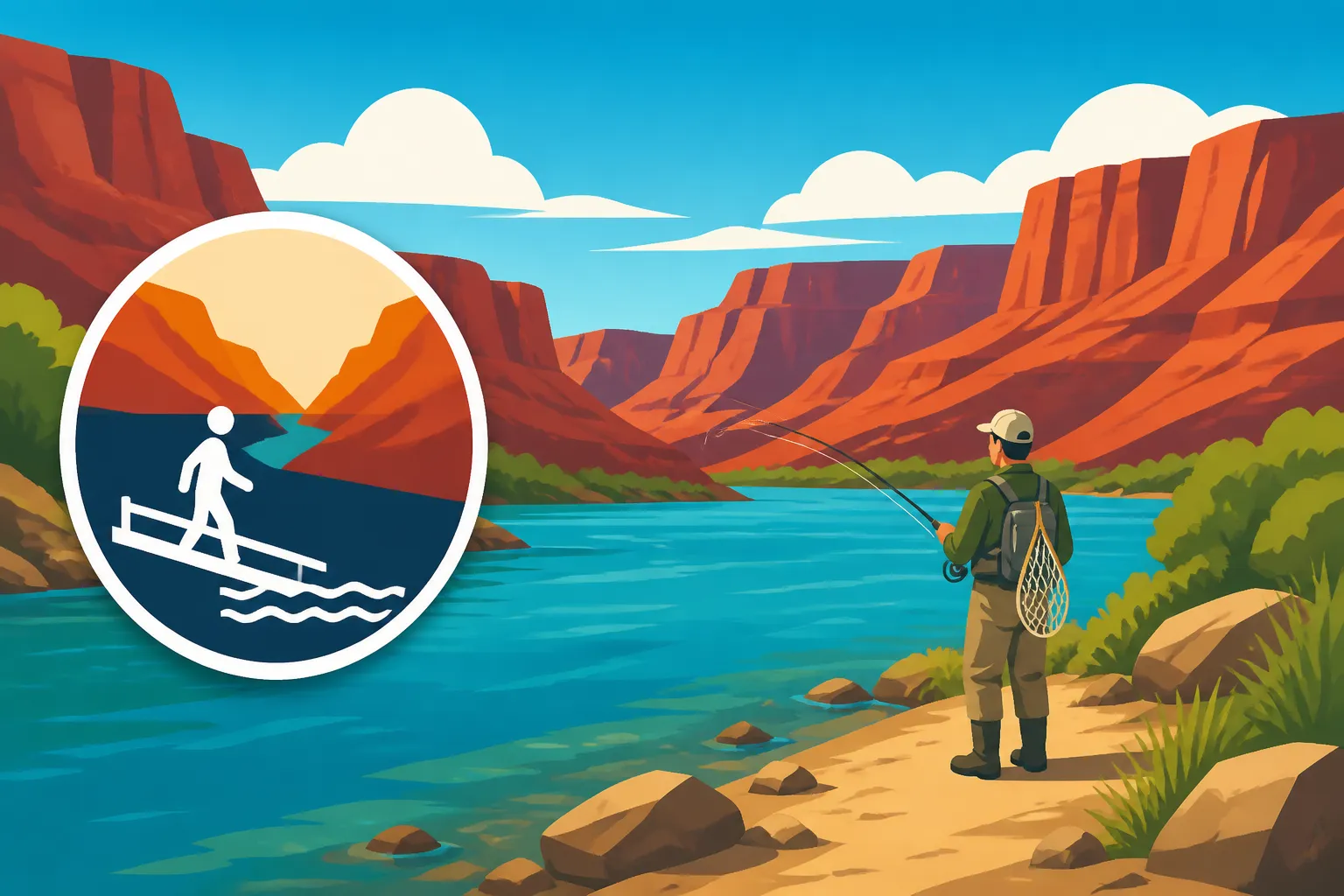
For those who enjoy the solitude and challenge of wade fishing, Lees Ferry offers several prime areas, especially in the first few miles below the dam. The "Walk-In" area, accessible via a well-maintained trail from the Lees Ferry parking lot, is the most popular and productive spot for wade anglers. This section features riffles, runs, and slower pools where trout congregate.
When wade fishing, safety is paramount. The riverbed can be slippery with algae-covered rocks, and the current, even in seemingly shallow areas, can be strong. Always use a wading staff and move slowly and deliberately.
Techniques for Wade Fishing:
- Indicator Nymphing: This is arguably the most effective technique. Use a strike indicator to suspend one or two weighted nymph patterns (scuds, midges, San Juan worms, pheasant tails) at the depth where fish are feeding, typically near the bottom. Cast upstream and allow your flies to drift naturally downstream, mending your line to minimize drag. Pay close attention to your indicator for any hesitation or movement, which signals a bite.
- Dry Fly Fishing: While Lees Ferry is known for subsurface action, opportunistic dry fly fishing can be productive during midge hatches, usually in calmer water or on overcast days. Small Griffith's Gnats or similar midge patterns can entice rising trout.
- Streamer Fishing: Swinging or stripping streamers (woolly buggers, sculpins) can be effective, especially for larger, more aggressive trout. Cast across or slightly downstream and retrieve with varying strip lengths and pauses. This works well in deeper runs or along current seams.
Remember that trout in Lees Ferry are often wary due to fishing pressure and the clear water. Long, accurate casts, subtle presentations, and good line management are key to success. Understanding Fly Fishing Techniques for Trout will greatly enhance your wade fishing experience here.
Boat Fishing Tactics and Navigation
Fishing from a boat allows anglers to cover vast stretches of the river, access more remote areas, and present flies or lures to undisturbed fish. Most boat fishing at Lees Ferry involves drifting downstream from the launch ramp, covering miles of productive water.
Boat Fishing Tactics:
- Drifting and Anchoring: Many guides and experienced anglers will drift specific runs, making repeated casts to likely holding water. They might use a trolling motor or oars to maintain boat position. When a particularly productive spot is found, anchoring the boat (with caution, given the current) allows for thorough exploration of the area.
- Bottom Bouncing/Deep Nymphing: From a boat, you can more easily target deeper holes and channels. This often involves heavy nymph rigs, sometimes with multiple flies and split shot, to get down to the fish quickly. A common technique is to "lead" the fly, casting it slightly ahead of the boat and allowing it to sink as you drift.
- Trolling: While less common for fly fishing, some spin anglers find success trolling small lures or bait (if permitted by current regulations) in certain sections, particularly for larger, migratory trout.
- Striper Boils (Seasonal): Downstream, as the river enters Lake Powell, you might encounter massive striped bass boils, especially in warmer months. While not strictly "Lees Ferry trout fishing," it's a phenomenon unique to the broader Glen Canyon area that can be incredibly exciting. When active, casting into these boils with appropriate lures or flies can lead to fast and furious action. For techniques, consider guides on How to Fish for Striped Bass.
Working with a local guide, especially through services like FishingBooker, can dramatically improve your boat fishing experience. They know the river's constantly changing currents, the best drifts, and where the fish are holding based on the time of year and water conditions. Plus, they ensure you have the right Best Baits and Lures for Arizona Fishing for the current bite. Whether you're in your own craft or with a guide, always be aware of other boaters and waders, and adhere to proper river etiquette. The Colorado River through Lees Ferry is a special place, and maintaining its pristine quality and accessible nature for all anglers is paramount.
Planning Your Lees Ferry Fishing Adventure
A successful trip to Lees Ferry isn't just about the fishing; it's about the entire experience. Careful planning ensures you make the most of your time in this magnificent canyon.
Best Times to Fish and Local Lodging
Lees Ferry is a year-round fishery, but different seasons offer unique advantages.
- Spring (March-May): Often considered prime time. Stable weather, increasing insect activity, and actively feeding trout make for excellent fishing. This is a very popular period.
- Summer (June-August): While air temperatures outside the canyon can be scorching, the cold river water keeps the trout active. Early mornings and late evenings are often best. This is also when you might encounter more recreational rafters.
- Fall (September-November): Another fantastic season. Cooling air temperatures, fewer crowds, and aggressive fish preparing for winter make for memorable trips.
- Winter (December-February): Cold but often very rewarding for dedicated anglers. Less pressure, larger fish, and focused feeding patterns (especially on midges and scuds) can lead to trophy catches.
For more detailed seasonal insights, check resources like When to Fish Arizona Lakes by Month, adapting the principles to the river environment.
When it comes to lodging, options are limited right at Lees Ferry, maintaining its remote feel. Your closest options are:
- Marble Canyon Lodge: Located very close to the Lees Ferry turnoff, offering convenient accommodation and a restaurant.
- Page, Arizona: About an hour's drive north, Page offers a wider range of hotels, motels, and amenities, including grocery stores and gas stations.
- Camping: Lees Ferry Campground, operated by the National Park Service, is available on a first-come, first-served basis. It's a rustic but beautiful option, ideal for those who want to wake up right by the river.
Booking accommodations well in advance, especially during peak seasons, is highly recommended.
Guided Trips and Local Expertise
For many, a guided trip offers the best way to experience Lees Ferry. Local guides possess intimate knowledge of the river, its ever-changing conditions, and the most effective techniques for the day. They provide specialized gear, drift boats, and invaluable insight into where the fish are holding.
- Why a Guide? Beyond just catching fish, guides teach you about the ecosystem, help refine your casting, and ensure your safety on the river. They are often licensed through the National Park Service and highly experienced.
- Booking a Guide: You can find independent guides through local fly shops in Marble Canyon or Page, or by searching online. Websites like FishingBooker provide a platform to browse and book a variety of guided trips, making it easy to find a reputable outfitter for Lees Ferry. They offer a range of options, from full-day float trips to multi-day adventures, often including lunch and all necessary tackle. For those who are newer to this specific type of fishing, or even just fishing in Arizona, leveraging a guide's expertise can transform a potentially frustrating trip into a fantastic one.
Don't underestimate the challenge and reward of fishing Lees Ferry. It's a majestic place that demands respect and preparation, but in return, it offers some of the most spectacular trout fishing in the American West.
Here’s a quick overview of what to expect for common Lees Ferry trout:
| Fish Species | Average Size (Lees Ferry) | Common Baits/Flies | Habitat Preferences | Key Regulations (Always Check Current AZGFD) |
|---|---|---|---|---|
| Rainbow Trout | 14-22 inches | Scuds, Midges, San Juan Worms, Eggs, Streamers | Runs, riffles, eddies, deeper pools, current seams | Barbless hooks, artificial lures/flies only, specific bag/slot limits |
| Brown Trout | 16-24+ inches (less common) | Larger nymphs, streamers, baitfish imitations | Undercut banks, deeper pools, structure (logs, rocks) | Barbless hooks, artificial lures/flies only, specific bag/slot limits |
This table provides a snapshot, but conditions and specific regulations are subject to change, so always refer to the official Arizona Game and Fish Department publications before your trip.
Disclaimer
The information provided in this guide is for general informational purposes only and is subject to change. Fishing regulations, license requirements, and local conditions can vary and be updated by the Arizona Game and Fish Department (AZGFD) or other governing authorities. It is the angler's responsibility to consult the most current official AZGFD regulations and obtain all necessary licenses and permits before engaging in any fishing activity. Always prioritize safety and practice ethical angling.