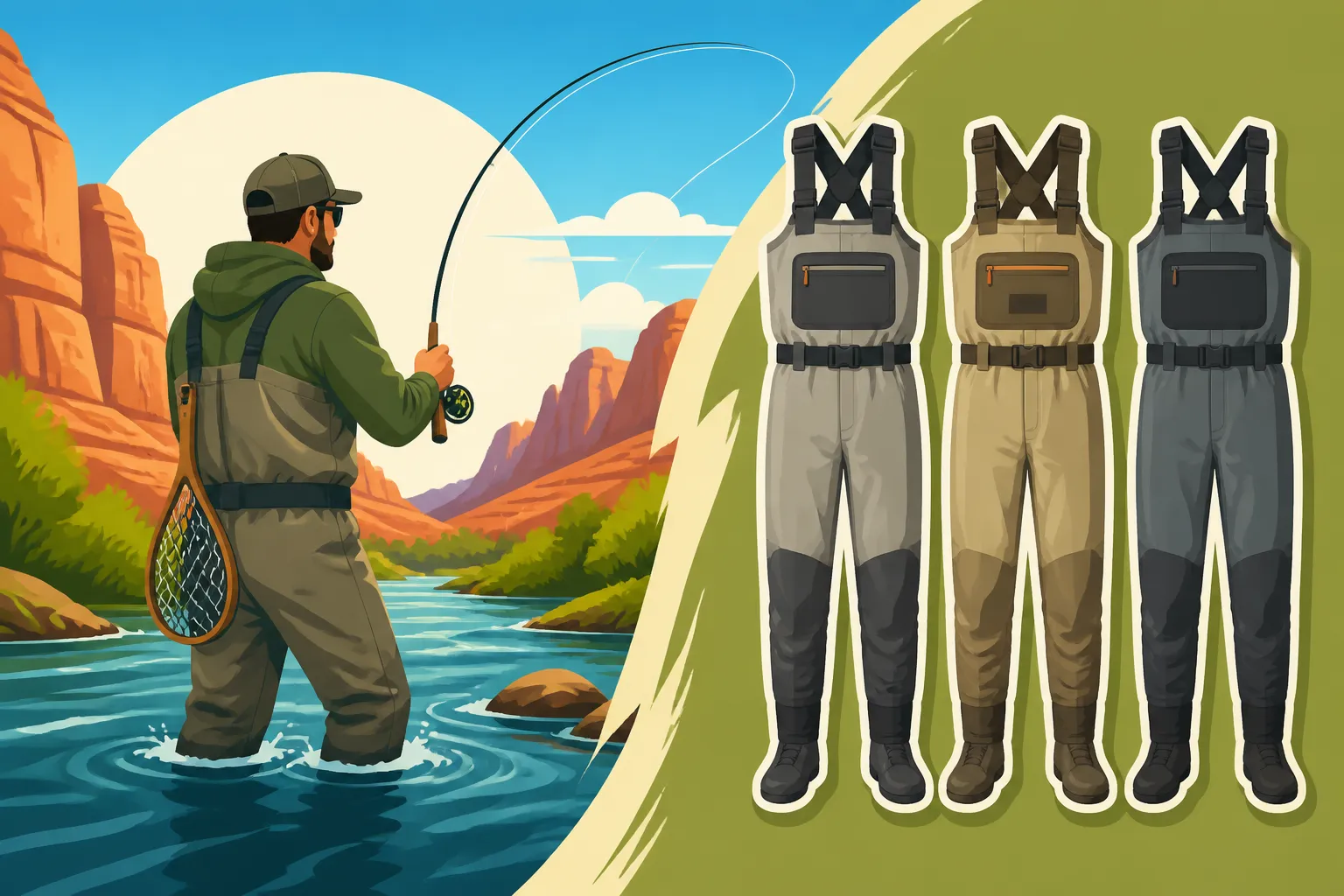
Best Waders for River Fishing
One of the biggest frustrations for any angler hitting Arizona's beautiful rivers is ending up soaked, shivering, or worse, scraping a leg on a submerged rock. You want to focus on the fish, the cast, and the serene surroundings, not on discomfort or potential injury from wet feet or an unexpected tumble. This comprehensive guide will walk you through everything you need to know about choosing the best waders for Arizona river fishing, ensuring you stay dry, safe, and comfortable whether you're chasing trout in a cool mountain stream or targeting bass in a warmer desert flow.
Why Waders are Essential for Arizona River Fishing
You might be thinking, "It's Arizona, how cold can the water be?" And while many of our desert lakes and rivers warm up considerably in the summer, our state also boasts pristine, often snow-fed mountain streams and deep river sections that stay surprisingly chilly year-round. Plus, navigating riverbeds is often impossible without getting wet, and trust me, nobody wants trench foot from hours in cold, damp boots.
Navigating Diverse Arizona River Environments
Arizona is a land of incredible contrasts, and its rivers are no exception. Imagine trying to fly fish the crystal-clear, icy waters of a White Mountains stream for Apache trout in early spring. Or perhaps you're wading the Salt River Arizona Fishing Guide near Phon D. Sutton in cooler months, seeking out stocked trout or smallmouth bass. Then there are the stretches of the Verde River, where you might be navigating slick rocks and varying depths. In all these scenarios, having a reliable pair of waders isn't just about comfort; it's about extending your fishing season, accessing prime spots, and staying safe.
Without waders, many of the best fishing opportunities in Arizona's rivers would be out of reach. You'd be limited to bank fishing, which, while great in its own right, often means missing out on those hard-to-reach pockets, riffles, and eddies where fish love to hold. Waders give you the freedom to move, to cross shallow currents, and to position yourself for the perfect drift or retrieve. They're an investment in your fishing success and enjoyment, allowing you to immerse yourself – literally, up to your chest! – in the experience.
Comfort and Safety in Variable Conditions
Beyond just keeping you dry, waders offer a significant layer of insulation. Even if the air temperature is warm, prolonged exposure to cold river water can lead to hypothermia, especially in northern Arizona's higher elevation streams. Neoprene waders, for instance, are fantastic for their thermal properties, keeping your core warm even when standing in frigid flows for hours. Breathable waders, on the other hand, prevent you from overheating when hiking to a spot or fishing in warmer weather, by allowing perspiration to escape.
Safety is another huge factor. Waders, particularly those with integrated boots or designed to be worn with sturdy wading boots, provide crucial ankle support and traction on slippery, uneven river bottoms. Imagine stepping on a moss-covered rock or into a hidden hole without that support – it's a recipe for a twisted ankle or a nasty fall. The right waders, paired with appropriate Wading Boots for River Fishing and a wading staff, can significantly reduce these risks, letting you concentrate on the fish rather than your footing. They also offer a layer of protection against minor abrasions from rocks, branches, and even some insects, making your time on the water much more pleasant.
Understanding Different Types of Fishing Waders
Deciding on the "best" waders can feel overwhelming because there are so many options out there. It really boils down to understanding the different designs and materials, and then matching them to your specific fishing style and the conditions you'll face in Arizona.
Stockingfoot vs. Bootfoot Waders
This is one of the most fundamental distinctions in wader design, and it significantly impacts comfort and versatility.
-
Stockingfoot Waders: These waders have neoprene "socks" integrated into the bottom, similar to the foot of a wet suit. They do not come with built-in boots. Instead, you wear separate wading shoes or boots over the neoprene foot.
- Pros: The biggest advantage here is customization and support. You can choose wading boots that perfectly fit your feet, provide superior ankle support, and offer excellent traction on various riverbeds. If your boots wear out or you want different styles for different conditions (e.g., felt soles for slippery rocks, rubber soles for hiking), you only need to replace the boots, not the entire wader. They're also generally more packable and lighter, making them a great choice if you hike to your fishing spots, especially along the Best Fly Fishing Streams in Arizona.
- Cons: The main downside is the additional cost of purchasing wading boots separately. It's also an extra step to put on and take off your gear, which can be a minor inconvenience. Plus, you have two items to dry after each trip.
- Best for Arizona: If you prioritize comfort, ankle support, specialized traction (especially for slick mountain streams or rocky desert rivers), and plan on doing a fair amount of hiking, stockingfoot waders are often the preferred choice for Arizona anglers. Many serious fly fishermen gravitate towards this style.
-
Bootfoot Waders: These waders have the boots permanently attached and sealed to the wader legs. You don't need separate wading shoes.
- Pros: Convenience is key here. Just slip them on, and you're ready to go. There's no gravel to worry about getting into separate wading boots, and you only have one item to maintain and dry. They can be a good, often more affordable, all-in-one solution for less strenuous fishing trips.
- Cons: The fit of the built-in boots can be a compromise; it's rare to find a perfect fit for both the wader body and your foot. This can lead to less comfort, poorer ankle support, and potentially less secure footing, especially on uneven terrain. If the boots wear out or get damaged, the entire wader often needs replacing. They are also bulkier and heavier, making them less ideal for long hikes.
- Best for Arizona: Bootfoot waders might be suitable for occasional use, short trips, or situations where you're not doing a lot of walking or wading in challenging conditions, such as fishing from a pier or boat where you might occasionally step into shallow water, or at some community lakes where you're simply wading a few feet from shore.
Material Matters: Breathable, Neoprene, and PVC
The material of your waders dictates their performance in terms of insulation, breathability, and durability.
-
Breathable Waders: These are made from multi-layered synthetic fabrics like Gore-Tex or various proprietary membranes (e.g., Toray, HyproTex). These materials have microscopic pores that are large enough to let water vapor (perspiration) out, but too small to let liquid water in.
- Pros: They are incredibly comfortable in a wide range of temperatures, especially when it's warm, as they prevent you from getting clammy and overheated. They are lightweight, flexible, and often more durable than PVC. You can layer underneath them with fleece or thermals for colder conditions, making them highly versatile for year-round fishing in Arizona, from warm spring days on the Lower Salt to cool fall mornings in the White Mountains. Many premium brands, often found at stores like Bass Pro Shops or through online retailers like Amazon, focus on breathable technology.
- Cons: Generally the most expensive option. While durable, they can still be punctured by sharp objects, and maintaining their breathability requires proper cleaning and occasional re-treatment.
- Best for Arizona: For most serious Arizona river anglers, breathable waders are the go-to choice due to their versatility and comfort in varying desert and mountain climates.
-
Neoprene Waders: Made from the same synthetic rubber material used in wetsuits. They are designed for warmth.
- Pros: Excellent insulation properties, making them ideal for very cold water conditions. They're also quite durable and relatively flexible. If you primarily fish cold mountain streams or during the coldest parts of winter, these are a strong contender.
- Cons: Very poor breathability. This means you can quickly overheat and sweat profusely in warmer temperatures, leading to discomfort. They are heavier and bulkier than breathable waders.
- Best for Arizona: Neoprene waders are perfect for those targeting trout in high-elevation streams during spring runoff or winter, or anyone who specifically needs maximum warmth in cold water. They are less suitable for warm summer fishing.
-
PVC/Nylon Waders: Often the most budget-friendly option, made from a nylon fabric coated with PVC (polyvinyl chloride).
- Pros: Very inexpensive, waterproof, and reasonably durable against punctures. They're a good choice for occasional use or for beginners who aren't ready to invest heavily.
- Cons: They offer no breathability, so you'll get very sweaty and clammy in anything but cool weather. They can be stiff, heavy, and less comfortable for extended wear or active wading.
- Best for Arizona: Suitable for short, infrequent trips to community ponds or slow-moving, cooler rivers where deep wading isn't the primary activity. Not recommended for strenuous activity or warm weather.
| Wader Type | Material | Pros | Cons | Best for Arizona Conditions |
|---|---|---|---|---|
| Stockingfoot | Varied | Custom boot fit, ankle support, packable | Separate boot cost, two items to dry | Versatile for diverse rivers, hiking, specialized traction. Recommended for serious anglers. |
| Bootfoot | Varied | Convenience, all-in-one | Compromised boot fit/support, bulky, hard to replace boots | Occasional use, short trips, minimal wading, easier for beginners at community ponds. |
| Breathable | Gore-Tex, etc. | High comfort, versatile, good for warm/cold | Higher cost, requires cleaning for breathability | Year-round use, active wading, warmer desert rivers, layering for cold mountain streams. Highly recommended. |
| Neoprene | Neoprene | Excellent insulation, durable | Poor breathability, bulky, heavy | Coldest water fishing (winter trout, spring runoff), high elevation streams. Not for warm weather. |
| PVC/Nylon | PVC/Nylon | Very inexpensive, waterproof | No breathability, stiff, less comfortable | Infrequent use, very cool weather, short trips, where budget is the absolute priority. |
Wader Style: Chest Waders vs. Hip Waders
The height of your waders dictates how deep you can go into the water.
-
Chest Waders: These extend up to your chest, held up by suspenders over your shoulders. They offer the most coverage.
- Pros: Allow you to wade into deeper sections of rivers, essential for accessing prime fishing lanes, crossing channels, or simply staying dry when the water level is unpredictable. They provide maximum protection from splashes and unexpected depths.
- Cons: Can be warmer and more cumbersome than hip waders in shallow water.
- Best for Arizona: For most river fishing in Arizona, especially when you're exploring varying depths, crossing currents, or targeting fish in the middle of a stream, chest waders are the preferred and safest option. This is particularly true for fly fishing on rivers like the San Juan River or some of the larger trout streams in the White Mountains.
-
Hip Waders (or Wading Pants): These extend only to your hips, typically held up by a belt.
- Pros: Lighter, cooler, and less restrictive than chest waders. Ideal for situations where you only need to wade in very shallow water, perhaps just to keep your feet and lower legs dry, or when hiking extensively in hot weather but needing to cross small streams.
- Cons: Limited depth. If you encounter unexpectedly deep water, you'll get wet.
- Best for Arizona: May be suitable for small, shallow streams or for specific situations where you know you won't be wading beyond knee-deep, such as some of the calmer, wider sections of the Colorado River where you're staying near the bank, or a simple Shore Fishing Techniques for Beginners outing where you're only venturing a few feet into the water. For true river fishing, chest waders offer more peace of mind.
Key Features to Look for in Arizona River Waders
Once you've decided on the type and material, it's time to drill down into the specific features that will make a difference on the water. Arizona's rugged landscapes demand gear that can stand up to the challenge.
Durability and Puncture Resistance
Arizona rivers, especially those in the desert, can be unforgiving. Expect sharp rocks, thorny bushes, and abrasive surfaces. A single pinhole leak can ruin your day, leading to uncomfortable wetness and potentially ending your trip early.
- Reinforced Knees and Seat: Look for waders with extra layers of material or tougher fabric in high-wear areas like the knees and seat. These spots take the brunt of kneeling, sitting on rocks, or navigating dense vegetation. Many quality waders will boast 3-layer, 4-layer, or even 5-layer fabric construction, with the higher numbers indicating more robust material in critical zones.
- Seam Construction: Welded seams are generally more reliable than stitched and taped seams as they eliminate needle holes, which are common points of leakage. However, high-quality stitched and taped seams can still be very effective. Pay attention to reviews that discuss seam integrity.
- Gravel Guards: These are small cuffs at the bottom of stockingfoot waders that fit over your wading boots. Their purpose is to prevent sand, gravel, and debris from entering your boots and abrading the neoprene foot of your wader, which can quickly lead to leaks. Most good stockingfoot waders include them, but their effectiveness can vary.
When you're bushwhacking through mesquite to get to a secluded bend on the Verde River, or scrambling over granite boulders to reach a deep pool in Oak Creek Canyon, durability isn't a luxury – it's a necessity. Brands like Simms and Orvis are renowned for their robust construction, but you can find solid options from other manufacturers at different price points, often available through Bass Pro Shops or online platforms like Amazon.
Fit and Mobility for Active Anglers
A poorly fitting wader is a miserable wader. It can restrict movement, cause chafing, or simply feel uncomfortable after an hour or two. Given the active nature of river fishing, where you'll be casting, bending, and walking, mobility is paramount.
- Sizing: Wader sizing often includes height, chest, and inseam measurements. Don't just go by your pant size. Make sure there's enough room for layering underneath, especially if you plan to fish in colder weather and wear fleece or insulated pants. However, avoid excessive bagginess, which can create drag in the water, trip hazards on land, and uncomfortable rubbing.
- Articulation: Look for waders designed with articulated knees. This means the fabric is cut and shaped to allow for natural bending and movement without pulling or binding. This makes a huge difference when climbing over obstacles or crouching to release a fish.
- Adjustable Suspenders and Belt: Quality waders will have comfortable, adjustable suspenders that don't dig into your shoulders. A wading belt is not just for comfort; it's a critical safety feature. In the event of a fall in deep water, cinching the belt tightly can prevent your waders from filling completely with water, making it easier to regain control or exit the water. Some waders also feature a quick-release buckle for added safety.
Think about fishing on the Colorado River Fishing Guide in Arizona where currents can be strong, or maneuvering through dense riparian vegetation. A good fit ensures you can move confidently and comfortably without fighting your gear.
Storage and Convenience Features
While the primary function of waders is to keep you dry, modern designs often incorporate features that enhance your fishing experience.
- Pockets: Waterproof internal and external pockets are invaluable for storing essentials like your fishing license, car keys, phone (in a waterproof case!), and small tackle boxes. Chest pockets are great for quick access to fly boxes, tippet, or strike indicators. A fleece-lined handwarmer pocket is a true luxury on a cold morning.
- Attachment Points: D-rings or loops on the waders allow you to attach tools like forceps, nippers, zingers, or even a small net, keeping them readily accessible without cluttering your vest or pack.
- Reversible Suspenders: Some chest waders feature suspenders that can be easily converted to waist height, offering versatility for shallower wading or in hot weather when you want maximum ventilation.
These thoughtful additions, while not strictly necessary, can greatly improve your efficiency and comfort on the water, letting you focus more on the fishing and less on rummaging for gear.
Essential Boot or Wading Shoe Considerations
If you opt for stockingfoot waders, your choice of wading boots is just as critical as the waders themselves. The right boots provide stability, traction, and protection.
-
Traction: Felt vs. Rubber Soles:
- Felt Soles: Excellent grip on slick, algae-covered rocks, which are common in many Arizona rivers. They provide superior traction in these conditions. However, felt can wear down, retain invasive species (if not properly cleaned), and offers poor grip on dry land, mud, or snow.
- Rubber Soles: More versatile, offering good grip on a variety of surfaces, including wet and dry rocks, mud, and trails. They are more durable than felt and easier to clean. Many rubber soles feature aggressive lug patterns or can be fitted with metal studs for enhanced grip on slick surfaces.
- Recommendation for Arizona: Given the diverse terrain, from slick river rocks to muddy banks and rocky trails, rubber soles with the option for studs are often the most practical choice for Arizona. If you exclusively fish very rocky, algae-covered streams, felt might be considered, but be mindful of cleaning protocols to prevent spreading invasive species.
-
Ankle Support: Look for boots that provide robust ankle support. This is crucial for navigating uneven, slippery riverbeds and preventing twists and sprains. High-top designs are generally better than low-cut boots.
-
Drainage: Wading boots are designed to get wet inside, so good drainage is essential to prevent them from becoming waterlogged and heavy.
-
Durability: Just like waders, boots need to be tough. Reinforced toe caps and durable stitching will extend their lifespan, especially with the wear and tear of Arizona's terrain.
Consider the specific river you'll be fishing. If you're on a deep, swift current trying How to Fish for Striped Bass, excellent boot traction is non-negotiable. If you're targeting trout in a smaller stream, lighter, more flexible boots might be fine.
Maintaining Your Waders for Longevity in Arizona's Harsh Climate
Your waders are an investment, and like any good gear, they need proper care to perform season after season. Arizona's dry climate can actually be both a blessing and a curse for wader care.
Cleaning and Drying Best Practices
Neglecting to clean and properly dry your waders is a sure fire way to shorten their lifespan and compromise their performance.
- Rinse After Each Use: Especially important after fishing in muddy rivers like parts of the Salt or Verde, or any time you've been in waters known for invasive species. A simple rinse with fresh water, both inside and out, will remove dirt, algae, and microscopic organisms. For stockingfoot waders, always rinse your wading boots thoroughly too.
- Gentle Cleaning for Stubborn Dirt: For heavier grime or after several trips, use a mild, non-detergent soap (like a specialized gear cleaner or even baby shampoo) and a soft brush or sponge. Avoid harsh chemicals or abrasive scrubbing, especially on breathable fabrics, as this can damage the waterproof membrane or the DWR (Durable Water Repellent) coating.
- Thorough Drying: This is perhaps the most critical step. Hang your waders inside out first to allow the interior to dry completely. Moisture left inside can lead to mildew, fabric degradation, and unpleasant odors. Once the inside is dry, turn them right-side out and hang them in a shaded, well-ventilated area. Avoid direct sunlight, which can break down materials over time. In Arizona's dry heat, they'll dry relatively quickly, but ensure air circulates around them. Never store them damp.
- Re-activating DWR: For breathable waders, if you notice water starting to "wet out" (soak into the fabric instead of beading up), the DWR coating might need re-activating or re-application. Often, a gentle wash and a short tumble dry on low heat can reactivate the existing DWR. If not, various spray-on or wash-in DWR treatments are available from outdoor retailers.
Proper cleaning and drying not only extends the life of your waders but also prevents the spread of aquatic invasive species, a crucial responsibility for all Arizona anglers.
Repairing Leaks and Pinholes
Leaks happen. It's almost inevitable with active use, especially when navigating thorny desert bushes or sharp river rocks. The good news is that most small leaks are easy to fix.
- Finding the Leak: This can be the trickiest part. For small pinholes, try one of these methods:
- Alcohol Spray Method: Turn the waders inside out. Spray rubbing alcohol on sections of the fabric. Leaks will appear as darker, wet spots on the outside.
- Water Fill Method (Careful!): Plug the leg openings (if stockingfoot) or stand the waders up, and carefully fill them with water to just below the leak line. Watch for drips on the outside. Be extremely cautious not to overfill, as the weight of the water can stress seams. Do this in an area where water can drain easily, like a shower or outdoors.
- Visual Inspection: For larger tears, a careful visual inspection of high-wear areas can often reveal the culprit.
- Repairing the Leak: Once found, leaks are typically repaired with a specialized wader repair kit, often containing aquaseal or a similar flexible, waterproof sealant.
- Clean and Dry: Ensure the area around the leak is completely clean and dry.
- Apply Sealant: Apply a small bead of sealant directly over the pinhole or tear, extending slightly beyond the damaged area.
- Cure Time: Allow ample cure time, usually 12-24 hours, for the sealant to fully dry and bond. Many kits also include fabric patches for larger tears, which are applied with contact cement or a heat press.
Being able to quickly patch a leak means your fishing trip doesn't have to end early, and you won't have to prematurely replace an otherwise perfectly good pair of waders.
Proper Storage for Off-Season Care
Even when you're not actively fishing Arizona's rivers, how you store your waders matters.
- Hang, Don't Fold: When storing for extended periods, hang your waders from the boot feet (if bootfoot) or suspenders (if stockingfoot) in a cool, dry, dark place. Hanging prevents creases from forming, which can stress the fabric and lead to cracking or delamination over time. If hanging isn't possible, roll them loosely rather than folding them tightly.
- Protect from Pests: Ensure your storage area is free from rodents or insects that might chew on the fabric.
- Avoid Extreme Temperatures: While Arizona's summers are hot, avoid storing waders in direct sun or a hot garage for months on end, as extreme heat can degrade synthetic materials and adhesives. Similarly, freezing temperatures won't generally harm modern waders, but rapid temperature fluctuations aren't ideal.
A little preventative care goes a long way in ensuring your waders are ready for action whenever the next Arizona Fishing Season Dates and Limits rolls around, whether you're targeting bass in a warm reservoir or exploring cool mountain streams.
Where to Find Your Perfect Pair of River Waders
Now that you know what you're looking for, the next step is to actually get your hands on a pair. You have a few main avenues, each with its own advantages.
Local Retailers vs. Online Shopping
Choosing where to buy your waders often comes down to personal preference, convenience, and whether you want a hands-on experience or the widest selection.
-
Local Sporting Goods Stores and Fly Shops: Places like Bass Pro Shops or smaller, independent fly shops are fantastic resources.
- Pros: You can physically try on different brands and sizes, which is invaluable for ensuring a comfortable and correct fit. Expert staff can offer personalized advice, discuss local river conditions, and recommend specific models that perform well in Arizona's unique environments. This hands-on experience can prevent costly mistakes. Plus, you're supporting local businesses!
- Cons: The selection might be more limited than online, and prices can sometimes be higher.
- Best for Arizona: If you're new to waders or want tailored advice, visiting a physical store is highly recommended. You can feel the materials, check the pocket configurations, and get a real sense of the fit before committing.
-
Online Retailers: Sites like Amazon, as well as specialized fishing gear websites, offer a vast selection.
- Pros: Generally offer the widest variety of brands, models, and sizes, often at competitive prices. You can easily compare features and read countless user reviews. Convenience is key – you can shop from anywhere, anytime.
- Cons: You can't try them on before buying, which makes sizing a gamble. While reviews help, personal fit is highly subjective. Returns can be a hassle if the fit isn't right.
- Best for Arizona: If you already know your size in a specific brand, or if you're looking for a very specific model that's hard to find locally, online shopping can be a great option. Just be sure to check return policies carefully.
Trying Them On for the Right Fit
Regardless of where you buy, getting the right fit for your waders is paramount. A good fit ensures comfort, mobility, and safety.
- Dress as You Would for Fishing: Don't just try waders on in your street clothes. Wear the layers you typically would when fishing, including thick socks and your wading boots (if buying stockingfoot waders). This will give you the most accurate assessment of how they'll feel on the water.
- Check for Range of Motion: Once in the waders, walk, squat, bend over, and lift your knees. Ensure there's no excessive pulling or binding, especially in the crotch and knees. There should be enough room for comfortable movement without being so baggy that the fabric bunches excessively.
- Evaluate Suspenders and Belt: Adjust the suspenders to ensure they sit comfortably on your shoulders without slipping or digging in. The wading belt should cinch snugly around your waist without being too tight, providing that crucial safety margin.
- Consider Layering Needs: Think about the coldest conditions you'll fish in. Will you need an extra fleece layer? Make sure the waders can accommodate it without feeling restrictive. Conversely, if you plan to fish a lot in warmer weather, avoid sizes that are excessively baggy, which can make you feel hotter.
Taking the time to get the right fit, whether it's through careful measurement for an online purchase or a thorough try-on session at a local store, will make a world of difference in your enjoyment and effectiveness on Arizona's diverse and beautiful rivers. Happy wading, and tight lines!
Disclaimer
This article is for general informational purposes only and does not constitute professional advice. Laws, prices and regulations vary by location and change over time. Consult a qualified professional for guidance on your specific situation.