Fly Fishing Access at Lees Ferry
Fly fishing at Lees Ferry is often seen as this almost mythical experience – a truly wild trout fishery carved out of the Arizona desert, just below the towering walls of Glen Canyon Dam. But the reality for many anglers is that figuring out how to actually access this incredible water, navigate its quirks, and ensure a successful trip can feel like trying to untangle a particularly stubborn bird's nest of fishing line. It's not your typical community pond setup, that's for sure. This guide is here to untangle that knot for you, breaking down everything you need to know about getting onto and fishing the legendary waters of Lees Ferry.
Navigating the Unique Landscape of Lees Ferry Fly Fishing
Lees Ferry isn't just another bend in the river; it's a unique ecosystem created by the release of frigid, nutrient-rich water from the bottom of Glen Canyon Dam. This constant cold flow, even in the scorching Arizona summer, is what allows rainbow trout to thrive and grow to impressive sizes, making it one of the premier trout fisheries in the American West. But this unique environment also presents its own set of challenges, from fluctuating water levels to the sheer remoteness of the location.
Why Lees Ferry Stands Apart
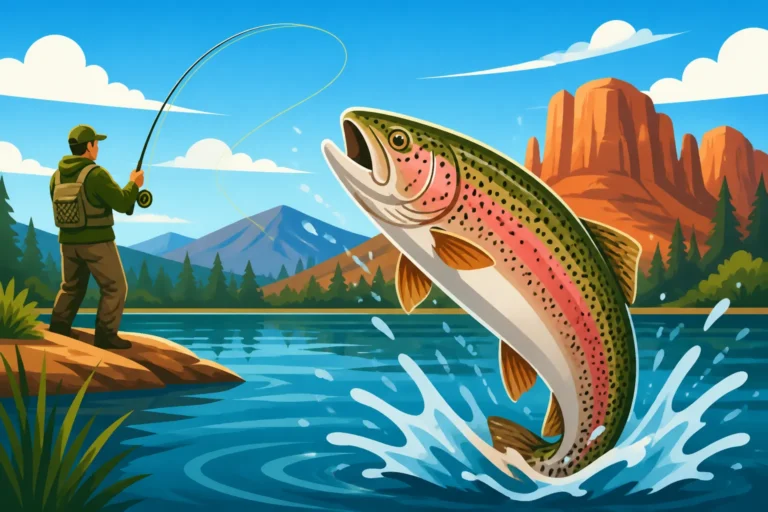
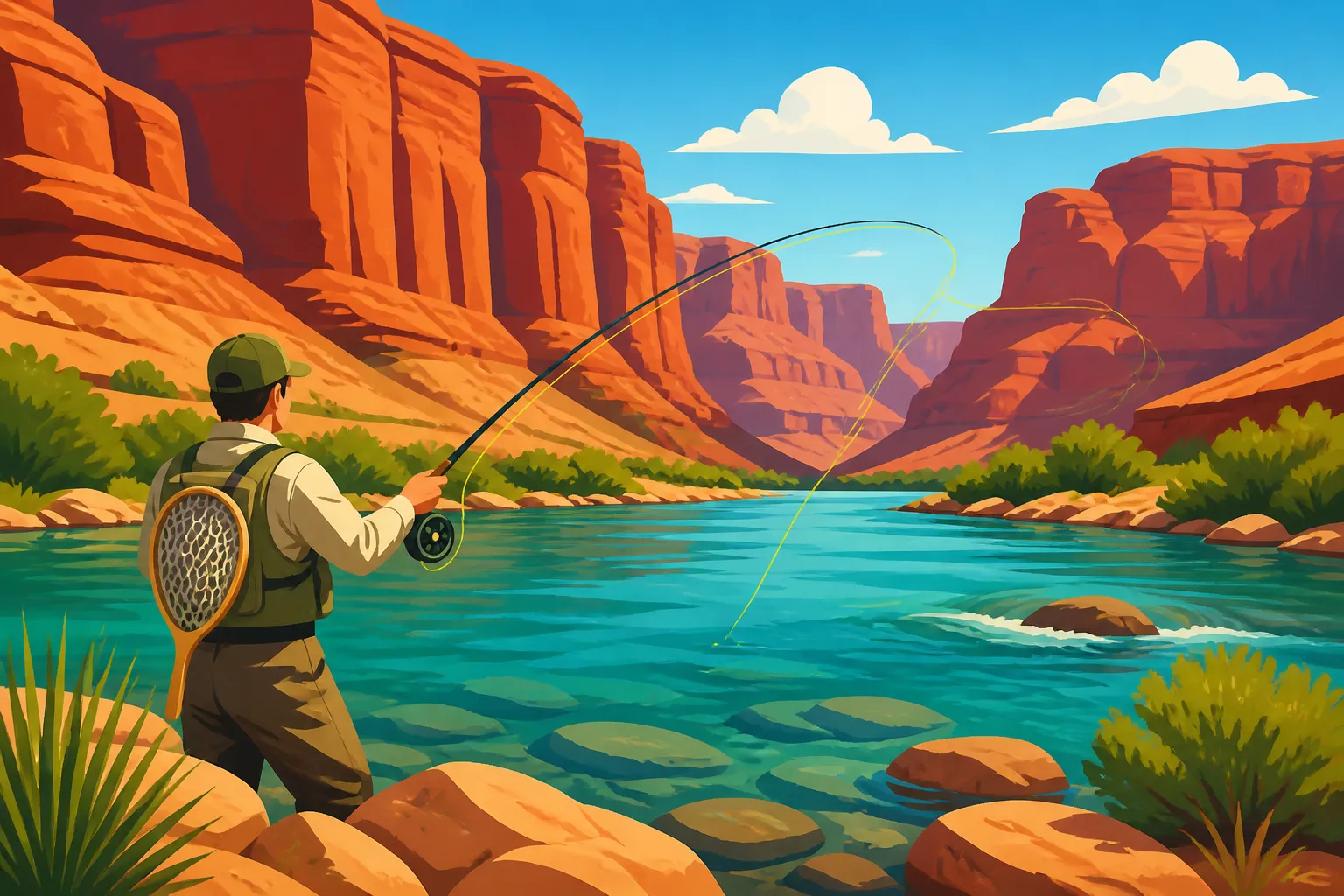
What really sets Lees Ferry apart from other trout waters in Arizona – and honestly, many across the country – is the sheer density and size of its wild rainbow trout population. These aren't your typical stocked fish; they're strong, vibrant, and often incredibly selective. The crystal-clear, deep emerald green waters of the Colorado River here allow you to spot fish, but they also allow the fish to spot you, adding another layer of challenge. The landscape itself is breathtaking, with massive sandstone cliffs rising hundreds of feet directly from the river, providing a dramatic backdrop to every cast. It's a place where you truly feel immersed in nature, far from the hustle and bustle of city life, making it a bucket-list destination for many fly anglers.
The Influence of Glen Canyon Dam
The very existence of Lees Ferry as a world-class trout fishery is entirely dependent on Glen Canyon Dam. The dam releases water from its depths, ensuring a consistently cold temperature that is perfect for trout, regardless of the air temperature outside. However, these releases aren't always predictable from an angler's perspective. They can fluctuate wildly throughout the day or week, depending on power generation needs or downstream water demands. These changes in flow directly impact wadeability, current speed, and fish behavior. A low flow might mean fantastic wading opportunities, while a sudden increase can quickly make areas unsafe or unfishable. Always check the flow predictions from the Bureau of Reclamation before heading out, as ignoring these can lead to a frustrating, or even dangerous, day on the water.
Unlocking Lees Ferry Access Points: Walk-In vs. Watercraft
When it comes to actually getting your boots wet at Lees Ferry, you essentially have two main options: the famous walk-in area or exploring the expansive "float trip" section via a boat. Both offer incredible fishing, but they cater to different styles of angling, skill levels, and budgets. Understanding the nuances of each is key to planning your perfect trip.
The Legendary Walk-In Area
The Lees Ferry walk-in section is a true gem, offering incredible fishing for those willing to hoof it. This area stretches for about 3 miles downstream from the main boat launch ramp. To get there, you drive down to the ferry area, park your vehicle, and simply start walking downstream along a relatively well-maintained dirt path. Along the way, you’ll find numerous eddies, riffles, and deeper pools that hold impressive numbers of rainbow trout.
The beauty of the walk-in is its accessibility for anglers without a boat. You can spend an entire day exploring different stretches, perfecting your cast, and sight-fishing to cruising trout. However, there are significant considerations. The rocks along the riverbank and in the river itself are notoriously slick, covered in a fine, dark algae. Good wading boots with sturdy soles (rubber, as felt is often discouraged or banned in many areas to prevent invasive species spread) are non-negotiable. Always use a wading staff for stability, especially when flows are higher. Furthermore, the 3-mile trek back to the car at the end of a long day can be quite a workout, especially in the summer heat. It's crucial to bring plenty of water, even more than you think you'll need, and dress for sun protection. You might even consider bringing a Best Coolers for Hot-Weather Fishing in Arizona to keep your drinks and snacks cool throughout the day.
Exploring via Drift Boat or Raft
For anglers looking to explore beyond the initial 3-mile walk-in section, or simply seeking a more comfortable and expansive experience, a drift boat or raft is the way to go. This opens up miles of the Colorado River, from the main launch all the way down to Badger Creek, offering diverse water and often less pressured fish. Most anglers doing a float trip will launch at Lees Ferry, drift downstream, and take out at Lees Ferry again after moving the vehicle, or arrange for a shuttle service if going further downriver (which is a multi-day trip for many).
Hiring a licensed guide is an extremely popular option for float trips, especially for those new to Lees Ferry. Guides provide the boat, expertise, all the necessary gear (often including flies perfectly matched to current conditions), and most importantly, their knowledge of where the fish are holding and what they're biting on. Many excellent outfitters operate in the region, and platforms like FishingBooker can be a great resource for finding reputable guides and comparing options, helping you book the right trip for your schedule and preferences. If you’re experienced with drift boats or rafts, you can certainly bring your own and navigate the river yourself. However, always ensure you have all the necessary Boating Safety Gear Requirements in Arizona and are familiar with river navigation techniques, as currents can be strong and obstacles exist.
| Access Type | Pros | Cons | Ideal For |
|---|---|---|---|
| Walk-In (0-3 Miles) | No boat needed, cost-effective, readily accessible, good for sight-fishing | Limited range, slippery wading, can be crowded, long walk back | Anglers on a budget, those who enjoy wading, half-day trips, beginners |
| Drift Boat/Raft (3-15+ Miles) | Access to more diverse water, less pressure, covers more ground, comfortable | Requires a boat (or guide), more expensive, requires boat handling skills | Experienced anglers, full-day trips, groups, those seeking trophy fish |
Essential Gear and Strategies for Lees Ferry Anglers
Stepping onto the banks of Lees Ferry, whether you're walking in or launching a boat, demands a certain level of preparation. This isn't a place where you can just show up with any old rod and reel and expect to dominate. The fish are discerning, and the environment can be challenging. Having the right gear and a solid strategy can make all the difference between a memorable day and a frustrating one.
Rods, Reels, and Line Selection
For most fly fishing at Lees Ferry, a 9-foot, 5- or 6-weight fly rod is your workhorse. A 5-weight offers delicate presentations for dry flies or smaller nymphs, while a 6-weight provides a bit more backbone for casting heavier nymph rigs, larger indicators, or battling bigger fish in strong currents. You might even consider bringing a Best Fly Fishing Streams in Arizona specific setup if you have one, tailored to larger river systems. Your reel should be reliable with a smooth drag, capable of handling powerful runs from stout rainbow trout.
As for lines, a weight-forward floating line is standard for nymphing, dry fly fishing, and even streamer presentations. If you plan on doing a lot of deep nymphing or streamer fishing, especially from a boat, having an extra spool with a sink-tip or full sinking line can be incredibly advantageous to get your flies down to where the fish are holding in the deeper runs. Always use a good quality fluorocarbon leader and tippet, usually in the 4x to 6x range, as the clear waters of Lees Ferry demand stealthy presentations.
Flies and Rigging for Success
Lees Ferry trout are legendary for being selective, often focusing on specific insects hatching or drifting in the current. Your fly box needs to be well-stocked with a variety of patterns. Midges are a year-round staple, so bring plenty of larvae, pupae, and adult patterns in various sizes (small, like #20-24, is key). Scuds and sowbugs are also incredibly important, as they are a primary food source for these trout. Imitations of these crustaceans in olive, gray, and tan, typically in sizes #12-18, are a must-have.
During certain times of the year, other hatches like caddis or small mayflies can occur, so having a few emerger and adult patterns is wise. Small streamer patterns, like Woolly Buggers or sculpin imitations, can also be highly effective, especially for targeting larger, more aggressive trout. When nymphing, use a strike indicator and split shot to get your flies down to the proper depth. Many anglers will run a two-fly nymph rig, often with a heavier, larger lead fly and a smaller, dropper fly. Mastering Best Trout Fishing Techniques for Arizona Waters is crucial here. Understanding the subtle takes and how to effectively mend your line in the current will significantly increase your success rate.
Understanding Lees Ferry Water Conditions and Regulations
Fishing at Lees Ferry isn't just about rods and reels; it's also about respecting the environment and understanding the rules that govern this precious resource. Staying informed about water conditions and adhering to specific regulations is vital for both your safety and the preservation of the fishery.
Checking Water Levels and Flows
As mentioned earlier, water releases from Glen Canyon Dam are the lifeblood and sometimes the bane of Lees Ferry fishing. These flows can change dramatically and rapidly, impacting everything from wadeability to fish behavior. You absolutely must check the predicted flows from the Bureau of Reclamation (specifically for Glen Canyon Dam releases) before and during your trip. Many local fly shops and guides also provide updated flow information.
Low flows (typically under 10,000 cfs) are generally more conducive to wading the walk-in section, as larger stretches of the river become accessible and currents are manageable. Higher flows (above 15,000-20,000 cfs) make wading extremely dangerous, if not impossible, and often necessitate fishing from a boat. These changes aren't just about safety; they also affect where fish hold and how they feed. High flows can push fish to the banks or into eddies, while stable, moderate flows often encourage them to spread out into the main current. Understanding these dynamics is a critical part of your Arizona Fishing Season Dates and Limits, especially in this unique river system.
Arizona Fishing License and Special Regulations
Before you even think about casting a line, make sure your paperwork is in order. A valid Arizona Fishing License Guide is absolutely required for anyone aged 10 and older. Furthermore, due to the trout fishery, you will also need an Arizona trout stamp, which is an additional endorsement you purchase along with your license. This small but crucial detail is often overlooked by out-of-state anglers. You can learn more about Trout Stamp Requirements in Arizona and how to purchase your license by visiting the Arizona Game and Fish Department website or local license dealers, or even How to Buy an Arizona Fishing License online.
Lees Ferry also has specific regulations that deviate from general statewide rules. For instance, there are often length limits and bag limits specific to the Lees Ferry section of the Colorado River, typically aimed at protecting the larger, wild trout. Always consult the most current Arizona Fishing Regulations Explained booklet provided by the Arizona Game and Fish Department. These booklets are usually available at license vendors, sporting goods stores, or can be downloaded online. Ignorance of the rules is not an excuse, and violations can lead to hefty fines and even loss of fishing privileges. Pay particular attention to rules regarding bait, tackle, and catch-and-release practices. While live bait is popular for other species, fly fishing typically involves artificial flies, but always double-check the latest regulations.
Disclaimer
Please note that fishing regulations, water conditions, and access rules can change frequently. Always consult the official Arizona Game and Fish Department website and the Bureau of Reclamation for the most current information before planning and embarking on your fishing trip to Lees Ferry. Safety should always be your top priority when enjoying the outdoors.