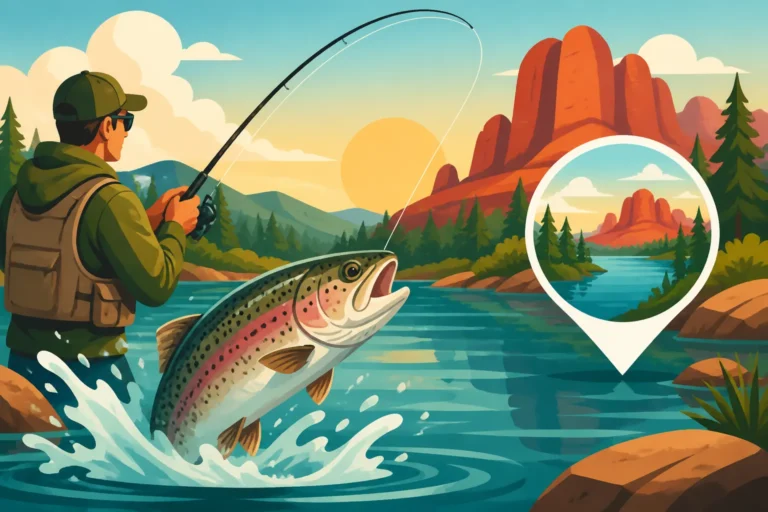
Rainbow Trout Fishing at Big Lake
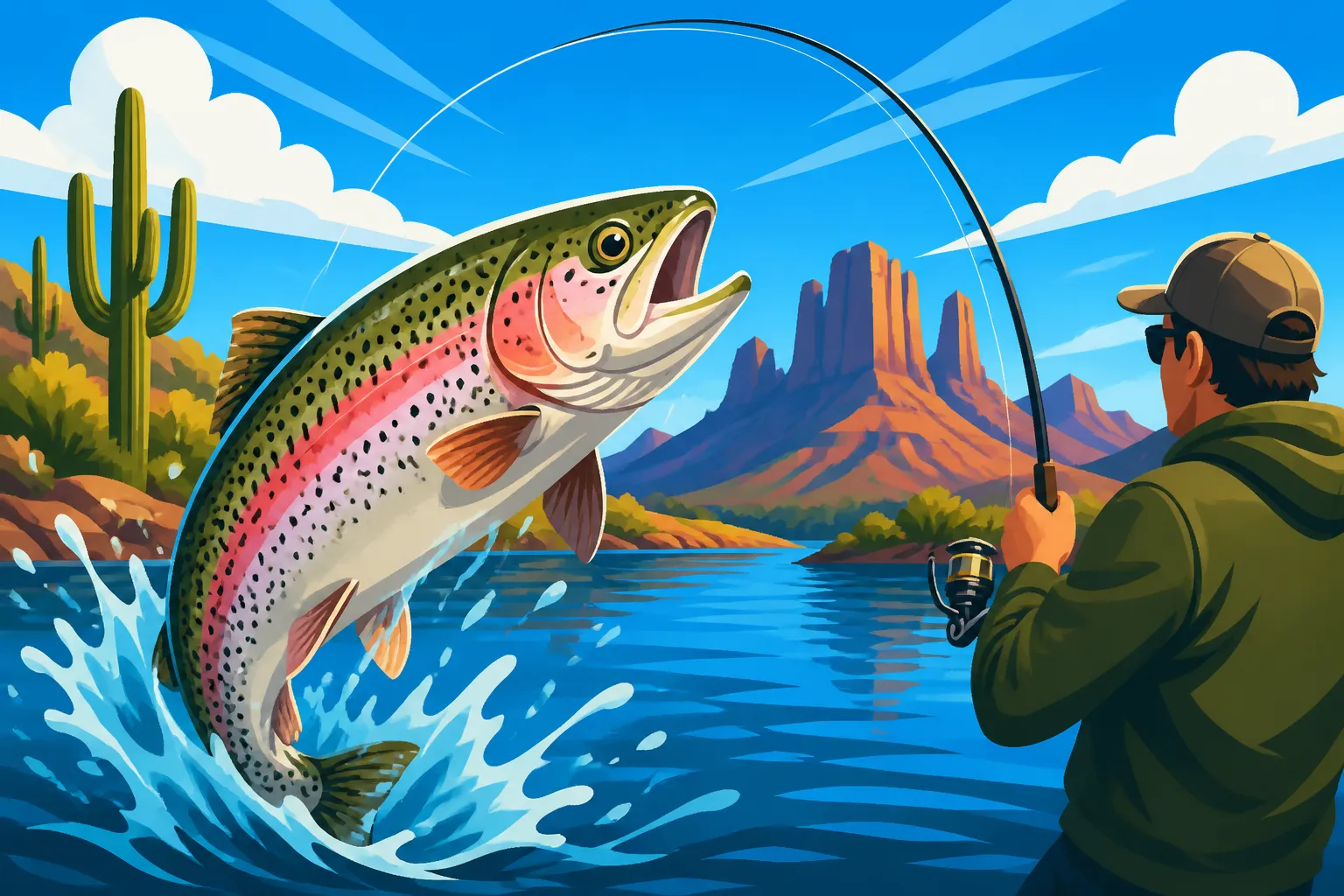
For many anglers, the thought of fishing for vibrant rainbow trout conjures images of cool, clear mountain streams or high-elevation lakes. But when you live in a state known for its scorching deserts, finding that perfect trout haven can feel like searching for a mirage. If you've been dreaming of crisp air, pine trees, and the thrill of a trout tugging at your line, then Big Lake in Arizona's White Mountains is precisely the destination you've been longing for. This comprehensive guide will walk you through everything you need to know to make your rainbow trout fishing trip to Big Lake a resounding success.
Why Big Lake is a Premier Spot for Rainbow Trout
Big Lake isn't just any Arizona lake; it's a high-elevation gem nestled in the Apache-Sitgreaves National Forests, renowned for its consistent and thriving rainbow trout population. Many anglers who are used to the bass and catfish of Arizona's desert reservoirs find a completely different, refreshing experience here. The cooler climate and crystal-clear waters create an ideal habitat that keeps these cold-water species happy and hungry.
Understanding Big Lake's Unique Ecosystem
Perched at an impressive elevation of around 9,000 feet, Big Lake boasts a unique ecosystem that makes it prime rainbow trout territory. The higher altitude means significantly cooler water temperatures, even during the peak of summer, which is crucial for trout survival and growth. The lake reaches depths of about 20-30 feet in its deeper sections, offering plenty of cool, oxygen-rich water for trout to retreat to when surface temperatures warm up. Its varied bottom structure, from rocky areas to submerged vegetation and open water, provides diverse habitats for trout to forage and hide.
The lake is a rich feeding ground for trout, with a healthy population of aquatic insects, crayfish, and smaller baitfish that contribute to the impressive size and health of the rainbows caught here. This natural forage, combined with a robust stocking program, ensures a vibrant fishery year-round, except when ice prevents access. For those used to the warm waters, this mountain environment is a complete game-changer for targeting trout.
Stocking Efforts and Trout Health
The Arizona Game and Fish Department (AZGFD) plays a crucial role in maintaining Big Lake's excellent trout fishery. They regularly stock the lake with rainbow trout, often multiple times throughout the spring and summer seasons. These stocking efforts ensure a consistent population, providing ample opportunities for anglers of all skill levels to reel in a catch. The stocked fish are generally healthy and feisty, often weighing in at a good pan-size, but it's not uncommon to pull out larger, holdover trout that have spent more time in the lake's rich environment, growing fat and strong on the natural forage.
Beyond rainbows, Big Lake also sees stockings of brook trout and sometimes cutthroat trout, adding an exciting variety to your catch. It’s a testament to the lake’s fertile waters that these fish not only survive but thrive, offering anglers a chance at truly memorable catches. Keeping an eye on the Arizona Fishing Season Dates and Limits is always a good idea to understand when stocking typically occurs and what the specific regulations are for each species.
Essential Techniques for Catching Big Lake Rainbows
Trout fishing at Big Lake, while rewarding, definitely benefits from a few targeted techniques and the right bait. What works in a warm desert lake for bass might not cut it here, so let's dial into what truly entices these mountain-dwelling beauties.
Best Baits and Lures for Big Lake
When you’re standing on the shores or drifting across the clear waters of Big Lake, having the right arsenal of baits and lures is key. Rainbow trout can be finicky, but a few tried-and-true options consistently produce results. For bait fishing, PowerBait is an absolute staple. Dough baits in bright colors like chartreuse, orange, and rainbow variations, often infused with glitter or scent, are incredibly effective. You can fish them on a small treble hook with a sliding sinker rig off the bottom, or under a bobber to keep them suspended. Don't underestimate the power of natural baits either; a simple worm (nightcrawler piece) or a cluster of salmon eggs can often outperform artificials, especially when fish are less active. Some anglers even find success with corn kernels, though checking current bait regulations is always wise.
When it comes to lures, smaller is often better for Big Lake rainbows. Classic inline spinners, such as Mepps or Rooster Tail, in sizes #0 to #2, are excellent choices, particularly in silver, gold, or brass blades with a flash of red or yellow. Small casting spoons, like Kastmasters or Little Cleos, in silver or gold, also work wonders, especially when mimicking baitfish. For fly anglers, the clear waters offer fantastic opportunities. Popular patterns include Woolly Buggers, San Juan Worms, Prince Nymphs, and various dry flies during hatch periods. Matching the hatch can be crucial for success when fly fishing, so observe what insects are active on the water. Many of these recommendations fall under the general category of Best Baits and Lures for Arizona Fishing, but tailored for the specific trout species here.
Effective Fishing Methods from Shore and Boat
Whether you prefer to keep your feet on solid ground or venture out onto the water, Big Lake offers excellent opportunities for both shore and boat anglers.
Shore Fishing Strategies
Shore fishing at Big Lake is very popular, especially around designated picnic areas and campgrounds like Big Lake Recreation Area or the shores near Rainbow Point. For shore anglers, a simple bottom-fishing rig with PowerBait or worms can be highly effective. Use a light to medium-light spinning rod, 4-6 lb test monofilament line, a sliding egg sinker (1/4 to 1/2 oz), a swivel, and a small #12 or #14 treble hook. Cast your bait out, let it sink to the bottom, and wait. Another effective method is float fishing with a bobber. This keeps your bait suspended off the bottom, preventing it from getting snagged in weeds or mud, and can be deadly when trout are cruising at a specific depth. Look for drop-offs or areas near submerged structure, and be patient.
Boat Fishing Approaches
For those with a boat or who rent one from the Big Lake Marina, the entire lake opens up, giving you access to deeper waters and less-pressured areas. Trolling is a hugely popular and effective method for rainbow trout at Big Lake. Use small spoons, inline spinners, or even small crankbaits trolled slowly behind the boat. Vary your depths using lead core line, downriggers, or simply by adjusting the amount of line you let out, targeting depths from 10 to 25 feet. A fish finder can be invaluable here to locate schools of baitfish or trout and identify changes in bottom structure. Still fishing from a anchored boat with PowerBait or worms can also be highly productive, especially near submerged humps or drop-offs. Drifting with the wind, allowing your bait or lure to cover a larger area, is another excellent tactic. For specific guidance on how to use electronics, you might want to delve into how to read a fish finder for structure, which can enhance your boat fishing efforts dramatically. If you're new to the area, considering a guided trip booked through services like FishingBooker can provide invaluable local insights into the best spots and techniques.
Navigating Big Lake: Access, Seasons, and Regulations
Planning your trip to Big Lake means understanding when to go, how to get there, and what rules to follow. Being prepared ensures a smooth and enjoyable experience, free from any unexpected surprises.
Optimal Seasons and Times for Trout Fishing
Big Lake truly shines from late spring through fall, making it a fantastic warm-weather escape from Arizona's heat. The lake typically thaws out by late April or early May, kicking off the prime fishing season. Spring fishing (May-June) is often excellent as trout become more active after the ice melt, cruising shallower waters and feeding aggressively. As summer progresses (July-August), the fish tend to move into deeper, cooler waters during the day, making early mornings and late evenings the most productive times. Mornings, just as the sun hits the water, often bring a flurry of activity, and the hour or two before sunset can also be incredibly rewarding. Fall (September-October) brings cooler temperatures again, often spurring another wave of aggressive feeding as trout fatten up for winter. During these cooler periods, fish can be found throughout the water column. While the lake does freeze over in winter, ice fishing is popular when conditions allow, typically from December through February, though always check ice safety reports. Understanding these seasonal patterns is key to maximizing your success, and this knowledge is generally covered in broader guides like Arizona Fishing Seasons Explained.
Access Points, Facilities, and Boat Rentals
Reaching Big Lake is part of the adventure. It's accessible via State Route 261, typically open from spring through late fall, though road closures due to snow are common in winter. The main access points are well-marked. The Big Lake Recreation Area offers multiple campgrounds (Rainbow Point, Cutthroat, Grayling, etc.), picnic areas, and several boat ramps, making it easy to launch your craft. These facilities provide restrooms, drinking water, and some even have RV hookups. For those without their own boat, the Big Lake Marina, usually operational from late spring to early fall, offers rentals of fishing boats, pontoon boats, and kayaks.
The lake also features several fishing piers and ample shoreline access, particularly around the campgrounds and the main recreation area, which means you don't necessarily need a boat to have a great time. This makes it a fantastic family-friendly destination where everyone can find a comfortable spot to cast a line. For comprehensive planning, you might want to look into Best Fishing Lakes in Arizona for general information about the state's top spots, but Big Lake certainly stands out for trout.
Key Regulations and Licensing Requirements
Before you cast your first line, it's absolutely crucial to understand the rules of the game. Like all waters in Arizona, Big Lake is subject to specific regulations designed to protect the fishery and ensure sustainable angling for everyone. First and foremost, anyone 10 years of age or older needs a valid Arizona Fishing License Guide. This isn't just a suggestion; it's a legal requirement. You can easily purchase your license online through the AZGFD website or from authorized dealers across the state.
Beyond the general license, a special trout stamp is often required for fishing trout in designated trout waters, and Big Lake falls into this category. Make sure to check if a Trout Stamp Requirements in Arizona applies to your license type. Bag and possession limits are also strictly enforced; these limits dictate how many fish you can keep per day and how many you can have in your possession. For rainbow trout, these limits can vary, so always consult the current Arizona Game and Fish Department fishing regulations booklet or their website. The booklet details all the nuances, including Arizona Fishing Regulations Explained, which might cover tackle restrictions, bait usage, and rules about live bait. Understanding these rules is not just about avoiding fines; it's about being a responsible angler and contributing to the health of this fantastic fishery for future generations. For younger anglers, remember to check Youth Fishing License Rules in Arizona to see if any exemptions or specific requirements apply.
Tips for a Successful and Enjoyable Big Lake Trip
A trip to Big Lake is more than just fishing; it's an experience in Arizona's beautiful high country. To make sure your experience is as smooth and successful as possible, a little extra preparation goes a long way.
Gear Essentials and Preparation
When packing for Big Lake, think comfort and functionality. A light to medium-light action spinning rod (5'6" to 7' long) paired with a small spinning reel (size 1000-2500) spooled with 4-6 pound test monofilament or fluorocarbon line is ideal for trout. Don't forget a selection of hooks (sizes 10-14), split shot weights, swivels, and a few bobbers. A small tackle box or bag with your chosen baits and lures is a must. For the mountainous environment, dressing in layers is crucial. Even in summer, mornings can be chilly, but the midday sun can be intense. Bring a good wide-brimmed hat, polarized sunglasses, and plenty of sunscreen. Hydration is key at higher elevations, so pack ample water.
A cooler with ice is indispensable for keeping your catch fresh, especially if you plan to take fish home. Consider a small stringer or a livewell if you're on a boat. Other useful items include a pair of pliers for hook removal, a small net, and a camera to capture those scenic views and memorable catches. While Big Lake isn't a "desert lake," many of the principles for staying safe and prepared, as outlined in a Fishing Gear Checklist for Desert Lakes, still apply, particularly regarding sun protection and hydration due to the elevation.
Local Insights and Advanced Strategies
The best way to truly unlock Big Lake's secrets is to tap into local knowledge. The staff at the Big Lake Marina or local tackle shops in nearby Eagar or Springerville are often treasure troves of information regarding recent stocking reports, hot spots, and effective bait presentations. Don't be shy about asking for advice; most local anglers are happy to share tips, especially if it means someone else will have a good time on their home waters.
Consider the weather patterns; trout can be more active before a storm front moves in or after a gentle rain has cooled the water. Pay attention to water clarity and adjust your lure or bait colors accordingly—brighter colors in murky water, more natural hues in clear conditions. If you're serious about learning advanced techniques or want to maximize your chances, booking a guided trip can be an invaluable investment. Services like FishingBooker can help you find experienced local guides who know Big Lake inside and out. These pros can teach you specific tactics for Best Trout Fishing Techniques for Arizona Waters, show you productive spots you might otherwise miss, and ensure you have a safe and successful outing. Furthermore, practicing Catch and Release Rules for Arizona Anglers on some of your catches, especially larger holdovers, helps maintain the health and quality of the fishery for everyone.
| Bait/Lure Type | Best Use Cases | Recommended Colors/Sizes | Tips for Success |
|---|---|---|---|
| PowerBait | Still fishing from shore or anchored boat | Chartreuse, Orange, Rainbow | Use small treble hook; float off bottom |
| Worms (Nightcrawlers) | Natural presentation, especially after rain | N/A (natural) | Use a small piece; good for finicky fish |
| Inline Spinners | Casting from shore, trolling from a boat | Silver, Gold, Copper, Red/Yellow | Vary retrieve speed; good for active fish |
| Casting Spoons | Casting for distance, jigging in deeper water | Silver, Gold, White | Erratic retrieve; good for mimicking baitfish |
| Flies (Nymphs/Streamers) | Fly fishing, targeting deeper fish | Prince Nymph, Woolly Bugger, San Juan Worm | Dead drift or slow retrieve; match local hatches |
Disclaimer
Please note that fishing regulations, stocking schedules, and lake conditions can change. Always consult the latest Arizona Game and Fish Department regulations booklet or website before your trip to ensure you have the most up-to-date information regarding licenses, bag limits, and specific rules for Big Lake. Safety is paramount, especially when boating or fishing in remote areas.