Youth Fishing License Rules in Arizona
Navigating the specific rules and regulations for youth fishing can feel like trying to untangle a particularly stubborn fishing knot, leaving many parents and guardians scratching their heads. It's tough to know exactly when your little angler needs a license and what other stipulations might apply. This comprehensive guide is here to clear up all the confusion surrounding youth fishing license rules in Arizona, ensuring your family's next fishing trip is enjoyable and fully compliant.
Understanding Arizona's Youth Fishing License Basics
When you're planning a fishing trip with the kiddos, one of the first questions that often pops into mind is, "Does my child need a fishing license?" It's a valid concern, and thankfully, Arizona has some pretty clear guidelines, designed to encourage young people to get outdoors and experience the joy of angling without too many bureaucratic hurdles right off the bat. The Arizona Game and Fish Department (AZGFD) understands the importance of fostering a love for nature and fishing from a young age, which is reflected in their youth-friendly regulations.
Age Exemptions: Who Can Fish Without a License?
Let's cut right to the chase: in Arizona, children under the age of 10 do not need a fishing license. This is fantastic news for families with very young children, as it means you can pack up the gear, head to your favorite lake or stream, and let them cast a line without any prior paperwork. This exemption truly simplifies things for introducing the youngest members of your family to fishing. Imagine the pure excitement on a child's face when they feel that first tug on the line, and knowing you don't have to worry about a license for them just adds to the carefree fun. This foundational rule is a cornerstone of the larger Arizona Fishing License Guide, providing a clear starting point for youth participation.
However, once they hit that 10th birthday, the rules shift a bit, and they will need a license, just like an adult. It's a transition point, and it's essential for parents to be aware of this, so you're not caught off guard when your child is eager to fish but doesn't have the necessary documentation.
Why These Rules Matter for Young Anglers
It might seem like a small detail, but these age-specific rules serve several important purposes. First, they make fishing accessible to the youngest among us, fostering a connection to the outdoors early on. Arizona's commitment to this is clear. Second, for those aged 10 and up, the requirement for a license helps instill a sense of responsibility and an understanding that fishing is a privilege, not just a right. It teaches them about contributing to conservation efforts, as license fees directly fund wildlife management, habitat restoration, and stocking programs across the state.
Beyond the financial aspect, adhering to these rules sets a good example. When kids see adults respecting regulations, they learn the importance of responsible recreation. It's not just about catching fish; it's about understanding the ecosystem, practicing ethical angling, and ensuring that future generations can enjoy the same opportunities. It's part of the broader framework of Arizona Fishing Regulations Explained, showing how every rule contributes to the health of our fisheries.
What a Youth License Covers
A general youth fishing license in Arizona, required for residents and non-residents aged 10 through 17, is quite comprehensive. It typically allows them to fish statewide in all public waters where fishing is permitted, from the cool mountain lakes to the warm desert reservoirs. This includes access to popular spots like Lake Pleasant, Roosevelt Lake, and many of the vibrant urban fishing lakes managed by the AZGFD. The license covers a wide array of species, from bass and trout to catfish and crappie.
However, it's crucial to remember that while the general license is broad, certain specialized activities or specific locations might require additional stamps or permits. For instance, if your youth angler is specifically targeting trout in certain designated waters, a trout stamp might be necessary. We'll delve into these specifics later, but for now, understand that the basic youth license is your primary key to most Arizona fishing adventures. When considering the different options, it's helpful to review the Arizona Fishing License Types Compared to ensure you're getting the right coverage.
Age-Specific Requirements for Young Anglers
The age at which a fishing license becomes mandatory for children in Arizona is a critical piece of information for any parent or guardian looking to introduce their kids to the sport. It's not a one-size-fits-all situation, and understanding the nuances can save you from potential headaches and ensure a smooth, enjoyable outing on the water. Arizona's approach balances accessibility for the very young with the educational and financial responsibilities that come with sustained participation in angling.
The "Under 10" Rule: Truly License-Free
As we touched upon, the biggest sigh of relief for parents often comes with the knowledge that children under 10 years old can fish without any license in Arizona. This is a fantastic incentive for families to get out there and let their little ones experience the thrill of fishing for the very first time. There’s no need to stress about birth certificates, residency proof, or online forms for this age group. Just a rod, reel, bait, and a healthy dose of patience are all you need to start. This makes those first memorable trips to a local community pond or a family camping spot incredibly easy to plan.
It’s important to note, however, that even though they don't need a license, all other Arizona fishing regulations still apply to them. This includes daily bag and possession limits, legal fishing methods, and any special regulations for specific waters. So, while the license isn't a factor, the learning curve for responsible angling begins immediately. Parents are responsible for ensuring their young, unlicensed anglers follow all rules, which is an excellent opportunity to teach them about conservation and respect for wildlife and the environment.
Ages 10-17: When the License Becomes Necessary
The moment a child turns 10, they officially enter the age bracket where an Arizona fishing license is required. This applies until they reach their 18th birthday. For this age group, obtaining a license is pretty straightforward. They can purchase a general fishing license, which is significantly more affordable than an adult license, reflecting the state's continued effort to support youth participation.
This requirement for a license from age 10 onwards serves as a stepping stone. It's the point where young anglers become more formally recognized as participants in the state's conservation efforts. The funds generated from these youth licenses contribute directly to maintaining healthy fish populations, stocking programs, and improving fishing access points, making it a tangible way for young people to contribute to the sport they love. When you're looking into buying one, remember that the process for a youth license is similar to learning How to Buy an Arizona Fishing License for adults, just with different age criteria.
Special Considerations for Youth Nonresidents
If you're visiting Arizona from out of state and want your child to experience fishing in our beautiful desert lakes or cool mountain streams, the same age rules apply. Nonresident children under 10 are still exempt from needing a license. However, for nonresident youth aged 10-17, they will need to purchase a nonresident youth fishing license.
This nonresident youth license also comes at a reduced rate compared to an adult nonresident license, but it will be higher than a resident youth license. It’s important to factor this into your vacation budget and planning. The key takeaway here is that residency status affects the cost of the license for those aged 10-17, but the requirement to have one at that age remains constant regardless of where you live. For more detailed pricing, it's a good idea to check the Arizona Nonresident Fishing License Guide. Always ensure you check the current fees on the AZGFD website before your trip, as prices can change.
Here's a quick reference table for clarity:
| Age of Angler | License Required (Resident) | License Required (Nonresident) | Additional Permits (e.g., Trout Stamp) |
|---|---|---|---|
| Under 10 | No | No | No |
| 10 – 17 | Yes (Youth License) | Yes (Nonresident Youth License) | Potentially, depending on species/water |
| 18 and Older | Yes (Adult License) | Yes (Nonresident Adult License) | Potentially, depending on species/water |
How to Acquire a Youth Fishing License
Once your young angler hits that milestone birthday where a license becomes necessary (age 10 in Arizona), getting that license should be a smooth process. The Arizona Game and Fish Department (AZGFD) has made it fairly accessible, offering a few different avenues to ensure you can secure the necessary paperwork without too much hassle. It's all about getting your child excited for the fishing trip, not bogged down in bureaucracy!
Online Purchase and Digital Licenses
For many, the most convenient way to purchase an Arizona youth fishing license is online. The AZGFD website provides a user-friendly portal where you can buy licenses for yourself and your children from the comfort of your home. This digital approach means you don't have to worry about finding a physical store or rushing before closing hours. You simply create an account, select the appropriate youth fishing license, and complete the transaction.
Once purchased online, you'll often receive a digital copy of the license immediately. Arizona accepts digital licenses displayed on a smartphone or other electronic device, which is incredibly convenient. No more worrying about losing a paper license or having it get wet out on the lake! This method is often the quickest, allowing you to get everything sorted in minutes and focus on packing the tackle box. If you ever need fishing gear delivered quickly, sites like Amazon can be a great resource for hooks, lines, and sinkers to go with that new digital license.
Finding Local License Dealers
While online purchasing is popular, some people prefer the traditional route or might need a license last minute when internet access isn't readily available. For these situations, AZGFD licenses, including youth licenses, are sold at authorized license dealers across the state. These dealers often include bait and tackle shops, sporting goods stores, and even some larger retailers.
The benefit of buying from a local dealer is that you can often get immediate assistance with any questions you might have about different license types or specific regulations. Plus, it's a great opportunity to pick up some local bait recommendations or chat with fellow anglers about the current fishing conditions. You can usually find a list of authorized dealers on the AZGFD website, making it easy to locate one near your home or your intended fishing destination. This approach is perfect for finding Arizona Fishing License Dealers Near You.
Required Information for Youth Licenses
When purchasing a youth fishing license, whether online or in person, you'll need to provide some basic information. This typically includes:
- Child's Full Name: Their legal first and last names.
- Date of Birth: To verify their age bracket (10-17).
- Physical Address: For residency verification if purchasing a resident license.
- AZGFD Customer ID (if applicable): If they've had a license or participated in other AZGFD programs before, they might already have one. If not, one will be created.
For residents, proof of Arizona residency might be required if you're purchasing in person and it's your first time, or if there's a discrepancy. For nonresidents, simply indicating their out-of-state address will suffice. It's usually a straightforward process, but having the correct information handy will ensure a smooth transaction and get your young angler ready to hit the water. Remember, the goal is always to make it easy for kids to enjoy the outdoors.
Beyond the License: Other Important Youth Fishing Rules
While securing the appropriate fishing license for your 10-17 year old is a major step, it's important to remember that the license is just one piece of the puzzle. Arizona's comprehensive fishing regulations are in place to protect our precious aquatic resources and ensure sustainable fishing for everyone. This means that young anglers, just like adults, need to adhere to a broader set of rules. Teaching these to your children is part of instilling a lifelong respect for the sport and the environment.
Trout Stamps and Special Permits for Youth
This is where things can sometimes get a little more intricate, but don't fret – it's manageable. A general Arizona fishing license covers most fishing activities. However, if your youth angler plans to fish for trout in designated "trout waters," they might also need to purchase an Arizona "trout stamp." This stamp is an additional endorsement on their license, and the funds generated specifically support trout stocking and management programs in those particular areas.
The good news for youth is that if they are under 10 and don't require a general license, they also do not need a trout stamp. This further streamlines fishing for the youngest kids. But for those aged 10-17 who do have a general fishing license, a trout stamp would be required if they're heading to specific trout-stocked lakes or streams, especially popular spots in northern Arizona or certain urban lakes during the cooler months when trout are stocked. It's always best to check the specific regulations for the body of water you plan to visit, as they can sometimes have unique rules. You can find more details on Trout Stamp Requirements in Arizona.
Beyond trout stamps, very specific areas, like certain tribal lands, might require their own separate permits in addition to or instead of a state fishing license. For instance, fishing on the San Carlos Apache Reservation's San Carlos Lake often requires a separate tribal permit. Always research your destination thoroughly before you go to avoid any misunderstandings or penalties.
Bag and Possession Limits for Kids
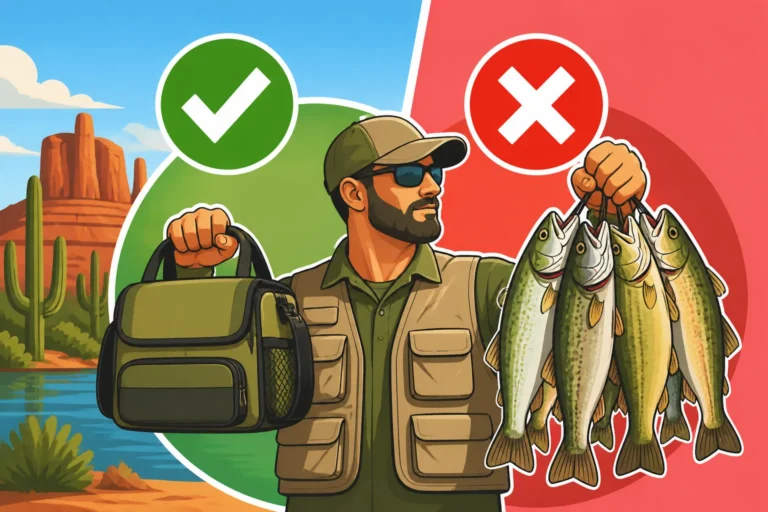
This is a really important area for teaching responsible angling. Just because a child has a license (or is exempt) doesn't mean they can keep every fish they catch. Arizona has strict daily bag and possession limits for various species to ensure healthy fish populations. These limits specify how many fish of a certain species you can keep per day, and how many you can have in your possession (which includes fish kept at home or in your cooler).
These rules apply to youth anglers just as they do to adults. If your 12-year-old catches six bass, but the daily limit is four, they must release two of them unharmed. This is a prime opportunity to teach kids about conservation, respecting limits, and understanding that not every catch is meant for the dinner table. It also introduces the concept of Catch and Release Rules for Arizona Anglers, which is a vital practice for many species. Reviewing the Fishing Bag and Possession Limits Explained for your target species and lake before you head out is crucial. These regulations can vary by lake and species, so staying informed is key.
Safety and Supervision Guidelines
While not directly a "license rule," safety and proper supervision are paramount when fishing with children. Arizona doesn't have a specific law stating that a child must be supervised while fishing, but it's an unspoken rule of responsible parenting and outdoor recreation. Kids, especially younger ones, can easily get distracted or encounter unexpected situations near water.
Always ensure your children are wearing properly fitted life jackets if they are near or on the water, especially on boats or near deep, swift currents. Teach them about safe casting practices, how to handle hooks and lures carefully, and how to properly release fish they don't intend to keep. Explain the dangers of slippery banks, uneven terrain, and wildlife. Many fishing retailers, including popular online options like Amazon, offer a wide range of youth-specific fishing safety gear, from PFDs to kid-friendly fishing tools. Taking a little time to prepare for safety makes the entire experience more relaxing and enjoyable for everyone.
Common Misconceptions and FAQs for Youth Fishing
It's completely normal to have questions, and even misconceptions, when it comes to fishing regulations, especially for youth. The rules can sometimes seem a bit convoluted, and common rumors or outdated information can circulate. Let's tackle some of the most frequent misunderstandings parents and guardians encounter when planning a fishing trip for their young ones in Arizona.
Myths About Community Fishing Program Rules
One common area of confusion revolves around Arizona's Community Fishing Program. Many urban residents take advantage of these conveniently located lakes, which are regularly stocked with catchable fish. A prevalent myth is that children don't need a license to fish in these community lakes, or that the rules are somehow more relaxed. This is not entirely true.
The age exemptions still apply: children under 10 years old do not need a license to fish in Community Fishing Program waters, just like any other public water. However, youth aged 10-17 do need a valid Arizona fishing license to fish in these lakes. While these lakes are designed for accessibility and family fun, they are still part of the statewide management system, and license fees contribute to their stocking and maintenance. So, if your 12-year-old is eager to reel in some trout or catfish from a Phoenix community lake, make sure they have their license in hand. Understanding the Arizona Community Fishing Program Rules is key.
Clarifying Free Fishing Day for Kids
Arizona does offer annual Free Fishing Days, typically held once or twice a year, often coinciding with National Fishing and Boating Week in June. On these designated days, everyone, regardless of age or residency, can fish in Arizona's public waters without a state fishing license. This is an absolutely fantastic opportunity to introduce anyone to fishing, especially children who might be on the fence about trying it.
However, a critical point that often gets missed is that while the license requirement is waived on Free Fishing Day, all other fishing regulations still apply. This means bag and possession limits, size restrictions, legal methods of take, and any special regulations for specific waters (like needing a trout stamp if fishing for trout in specific waters, though on Free Fishing Day, the trout stamp itself may also be waived, always double check the specific annual announcement). So, while you save on the license cost, you still need to be aware of what you can and cannot keep. Make sure to check the official Arizona Free Fishing Day Rules announcement each year for exact dates and any specific waivers.
What Happens if a Child Breaks a Fishing Rule?
This is a sensitive but important topic. While enforcement officers (Game Rangers) are generally understanding and educational, especially with minors, fishing regulations are laws. If a child (particularly those aged 10-17 who are required to have a license) is found fishing without a license or violating other significant regulations, the consequences can vary.
Typically, the responsibility falls on the accompanying adult or guardian. An adult could receive a citation for allowing an unlicensed minor to fish, or for not ensuring the minor adheres to bag limits or other rules. While it's unlikely a child would be "arrested," the adult could face fines or other penalties. The goal of game rangers is usually education and compliance, especially with youth. They want to see kids enjoying the outdoors responsibly.
This underscores the importance of adults being well-versed in the Arizona Fishing Regulations Explained and actively supervising and teaching their young anglers. It's a chance to impart valuable lessons about respecting laws and the environment, rather than facing a punitive experience. Remember, ignorance of the law is generally not considered an excuse, so taking the time to learn the rules protects both you and your aspiring young angler.
Encouraging a Love for Fishing in Youngsters
Getting a license is just the practical first step; the real goal is to ignite a passion for fishing in your kids. Arizona offers such a diverse landscape for angling, from the bustling urban lakes to the serene mountain streams, and introducing children to this hobby can create lifelong memories and a deep appreciation for nature. Making their early experiences positive and educational is paramount to fostering that love.
Making the First Trip Memorable
A child's first fishing trip can either hook them for life or turn them off completely. The key is to manage expectations and prioritize fun over catching a trophy fish. Here are a few tips to make that initial outing unforgettable:
- Choose the Right Spot: Start at a beginner-friendly location where fish are relatively abundant and easy to catch. Community lakes are often perfect for this, as they are regularly stocked. Places like Tempe Town Lake or one of the many Community Park Lakes in Phoenix are fantastic options.
- Keep it Short: Young attention spans are a real thing! Plan for a shorter trip, perhaps an hour or two, especially for the very first time. You can always extend it if they're still engaged.
- Simple Gear: Don't overwhelm them with complicated setups. A simple spinning rod and reel combo, a bobber, a hook, and some worms or corn are often all you need. You can find excellent, affordable starter kits on Amazon that are perfect for kids.
- Focus on the Experience: Even if they don't catch a fish, celebrate the worms they dug, the ducks they saw, the cool boat that went by, or the perfect cast they made. The adventure itself is the reward.
- Pack Snacks and Drinks: A hungry or thirsty child is a grumpy child. Keep them comfortable and energized.
- Celebrate Small Victories: A nibble, a small bluegill, or even just successfully baiting their hook can be a huge win!
Teaching Conservation and Ethics
Fishing isn't just about the catch; it's about being a responsible steward of our natural resources. Instilling conservation ethics from a young age is one of the most valuable lessons you can teach.
- Explain "Why": When discussing bag limits or catch-and-release, explain why these rules exist – to ensure there are always plenty of fish for everyone, for years to come. Teach them about protecting native species and the importance of healthy habitats.
- Proper Fish Handling: Show them how to gently handle fish, especially those they plan to release. Demonstrate how to wet your hands before touching a fish to protect its slime coat, and how to quickly and carefully remove hooks. This aligns directly with Catch and Release Rules for Arizona Anglers.
- Leave No Trace: Emphasize packing out everything you pack in, including any trash, fishing line scraps, or discarded bait containers. Leaving the area cleaner than you found it sets a wonderful example.
- Respect Wildlife and Other Anglers: Teach them to be mindful of other people enjoying the outdoors and to respect local wildlife.
Essential Gear for Young Anglers
While you don't need a huge budget to start, having the right basic gear can make a big difference in comfort and success.
- Kid-Friendly Rod and Reel: A lightweight, easy-to-use spinning combo is ideal. Look for shorter rods that are easier for small hands to manage.
- Tackle Box Basics: A small tackle box with essential items like extra hooks (size 6 or 8), sinkers (split shot), bobbers, and a few simple lures (like small spinners or plastic worms). Check out an Essential Tackle Box Setup for Arizona Beginners.
- Bait: Worms, corn, or power bait are often very effective for beginner-friendly species like trout and sunfish.
- Pliers/Forceps: Essential for safely removing hooks.
- Small Cooler: For drinks, snacks, and any fish you plan to keep. Keeping fish fresh in the Arizona heat is crucial.
- Sun Protection: Hats, sunglasses, and sunscreen are non-negotiable in the Arizona sun. Sites like Amazon offer a wide variety of sun-protective clothing and accessories.
- First-Aid Kit: Small cuts from hooks or minor scrapes happen. Be prepared.
By focusing on these elements, you're not just taking your child fishing; you're creating an enriching outdoor experience that could lead to a lifelong passion. The adventure of fishing in one of the Best Fishing Lakes in Arizona can truly shape their appreciation for the natural world.
Disclaimer
Please remember that fishing regulations, including those pertaining to youth licenses, can change. While this guide provides comprehensive and up-to-date information, it is always your responsibility to verify the most current rules directly with the Arizona Game and Fish Department (AZGFD) before heading out. Always consult the official AZGFD website or their latest fishing regulations booklet to ensure full compliance.