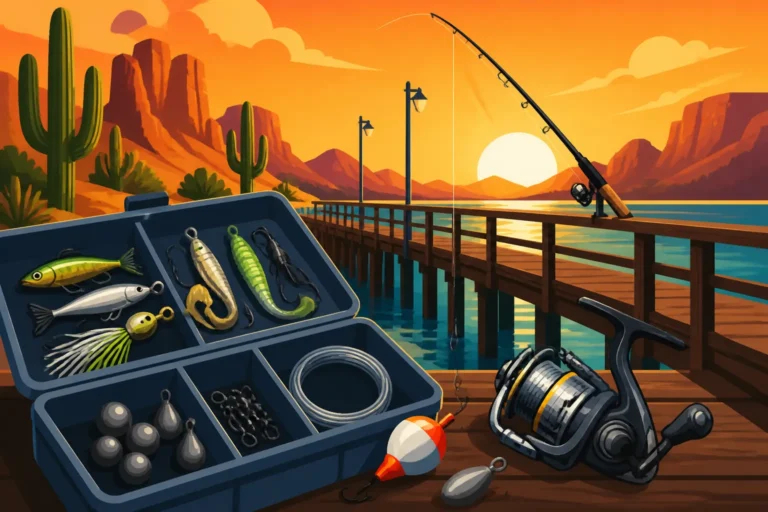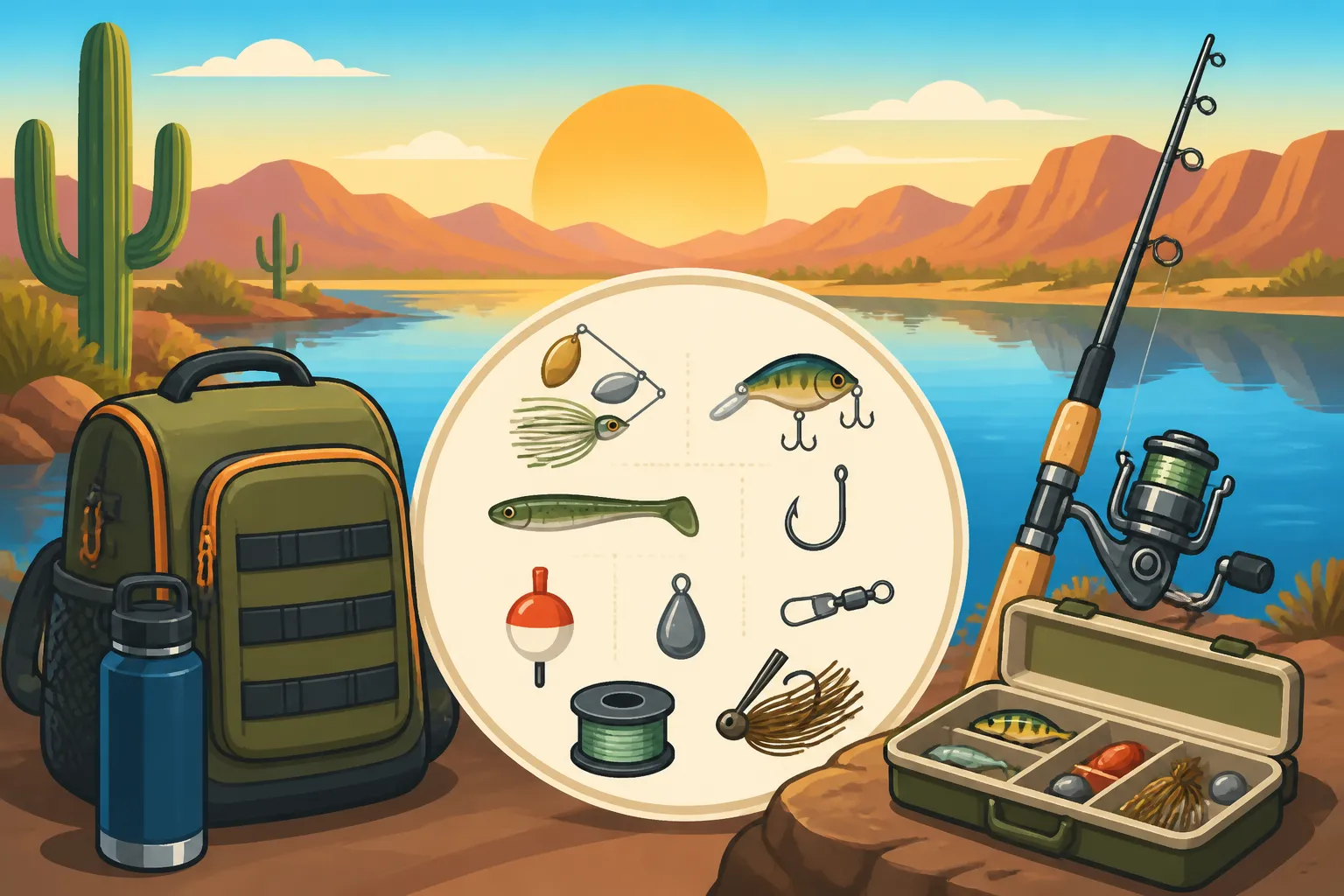
Fishing Gear Checklist for Desert Lakes
Let's be honest, stepping out to fish in Arizona's stunning desert lakes isn't like heading to a quaint pond in a cooler climate. The sun is relentless, the lakes are vast, and the fish can be finicky. Showing up unprepared isn't just a minor inconvenience; it can truly make or break your entire fishing experience, turning what should be a peaceful or exciting day into a sweat-soaked, frustrating ordeal. This comprehensive guide will walk you through a detailed fishing gear checklist, ensuring you're fully equipped to tackle the unique challenges and incredible opportunities that Arizona's desert lakes offer, from the scorching summer days to the surprisingly chilly winter mornings.
The Essentials: Rods, Reels, and Line for Arizona Waters
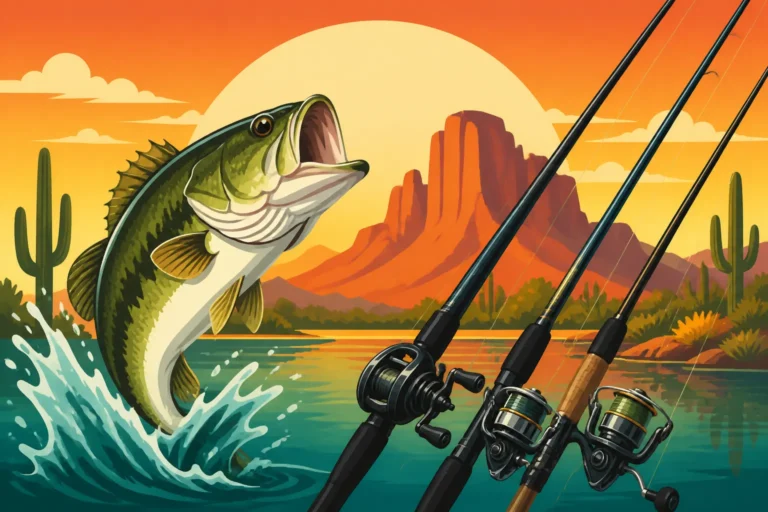
Getting your core setup right is paramount when you're targeting fish in Arizona's diverse desert lakes. Whether you're chasing the explosive fight of a largemouth bass or the powerful runs of a striped bass, your rod, reel, and line are your primary connection to the underwater world. Skimping here can lead to lost fish, broken gear, and a whole lot of disappointment.
Choosing the Right Rod for Versatility
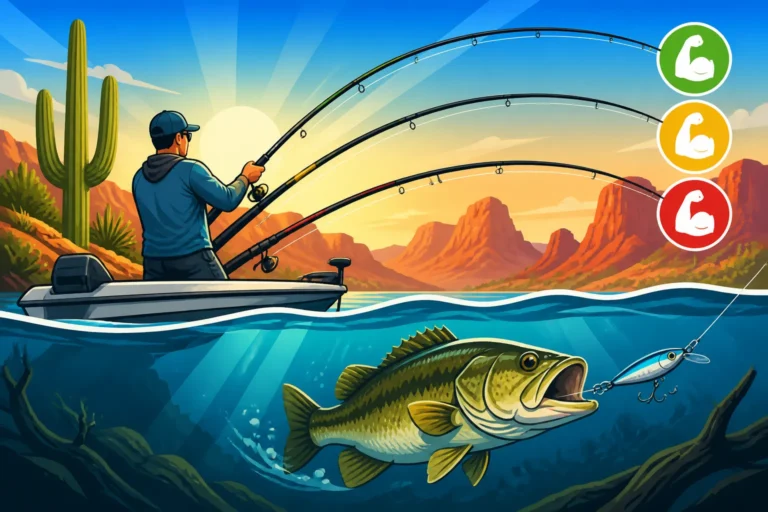
Arizona's desert lakes offer a wide variety of fishing experiences, from throwing heavy swimbaits for monster largemouth in the coves of Roosevelt Lake to jigging spoons for deep-holding stripers at Lake Powell. Because you'll encounter such diverse situations, a versatile rod is your best friend. A medium-heavy action rod, typically ranging from 6'6" to 7'6" in length, hits that sweet spot. It provides enough backbone to cast heavier lures and handle larger fish, yet still offers enough sensitivity to feel those subtle bites. You might even want to consider a rod with a faster tip action, which means the top third of the rod bends easily, giving you excellent sensitivity for detecting light strikes and a quick response for setting the hook.
When it comes to materials, graphite rods are generally lighter and more sensitive, making them ideal for feeling those faint taps from wary bass or the soft pickup of a crappie. However, fiberglass rods, while heavier, are incredibly durable and offer a more parabolic bend, which can be advantageous when fighting powerful fish like striped bass or large channel catfish that make strong, sustained runs. Many anglers opt for a composite rod, which blends the best features of both, offering a good balance of sensitivity and strength. Thinking about a trip to Lake Pleasant for some big bass? That medium-heavy, fast-action graphite rod will serve you well. For beginners, a well-chosen combo from a reputable brand can be a smart starting point to ensure compatibility. You can often find great value and reliable options at Bass Pro Shops or by browsing fishing sections on Amazon.
Selecting a Reliable Reel
Just like rods, reels come in various styles, each with its own advantages. For most general desert lake fishing, you'll likely choose between spinning reels and baitcasting reels. Spinning reels are often recommended for beginners due to their ease of use, making them excellent for casting lighter lures and baits. They excel when you need to make long, accurate casts with less heavy presentations. A size 2500-4000 spinning reel is a good all-around choice for a variety of species you'll find in Arizona, offering a good balance of line capacity and power.
Baitcasting reels, on the other hand, offer more control and power, particularly when casting heavier lures or fishing dense cover. They are a favorite among experienced bass anglers for their precision and ability to handle heavier lines. If you're planning on throwing big swimbaits or punching through thick vegetation, a baitcaster is indispensable. Look at the gear ratio, which indicates how many times the spool rotates with one turn of the handle. A higher gear ratio (e.g., 7.1:1) is excellent for quickly retrieving slack line, working topwater lures, or getting a fish out of heavy cover. A lower gear ratio (e.g., 5.4:1) provides more torque, making it easier to crank in deep-diving crankbaits or pull large fish from deep water. No matter your choice, ensure the reel has a smooth, reliable drag system, as this is your shock absorber when a big fish decides to run. A sealed drag system is a bonus for longevity in dusty or wet conditions.
Understanding Fishing Line Types for Desert Conditions
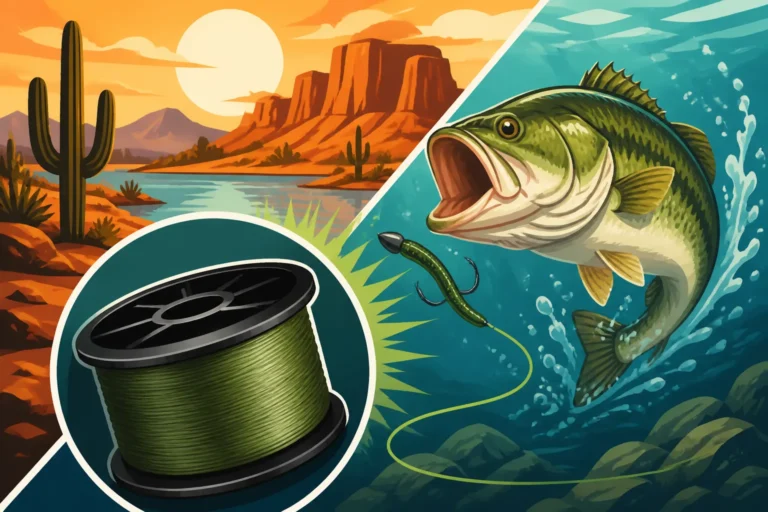
The fishing line is your ultimate connection to the fish, and selecting the right type can drastically impact your success. In Arizona's often clear desert waters, line visibility can be a factor, as can abrasion resistance against rocky structures or submerged brush. Monofilament (mono) line is a classic choice, known for its stretch, which acts as a shock absorber, and its excellent knot strength. It's relatively inexpensive and easy to handle, making it a good option for general-purpose fishing and for topwater lures where some stretch can be beneficial.
Fluorocarbon line is prized for its near-invisibility underwater, a huge advantage in clear lakes like Lake Havasu or Canyon Lake where fish can be line-shy. It also offers excellent abrasion resistance, which is crucial when fishing around sharp rocks or submerged timber that often characterize desert lake bottoms. Its low stretch provides increased sensitivity, allowing you to feel subtle bites more easily. However, it can be stiffer and more challenging to tie knots with than monofilament. Finally, braided line offers incredible strength-to-diameter ratio, virtually no stretch, and fantastic sensitivity. It's superb for fishing deep water, heavy cover, or when you need to feel every bump and tick on the bottom. Many anglers use braid as their main line and then tie on a fluorocarbon leader for stealth, combining the best attributes of both. For general bass fishing, 10-15 lb fluorocarbon or 30-50 lb braid with a fluorocarbon leader is a common setup. For trout in clear streams or urban lakes, lighter 4-6 lb fluorocarbon or monofilament might be more appropriate. Knowing your target species and the specific conditions will guide your choice, but often, having a few different spools or setups can be key. Best Line for Bass Fishing provides more in-depth information.
Essential Terminal Tackle for Arizona's Popular Species
Once you've got your rod, reel, and line sorted, it's time to fill your tackle box with the small but mighty components that directly interact with the fish. This "terminal tackle" includes hooks, sinkers, swivels, and leaders, and having the right selection can mean the difference between landing that trophy or telling a tale of "the one that got away." In Arizona's diverse waters, where you might encounter anything from delicate crappie to hard-fighting catfish, a well-stocked terminal tackle assortment is non-negotiable.
Hooks for Every Bite
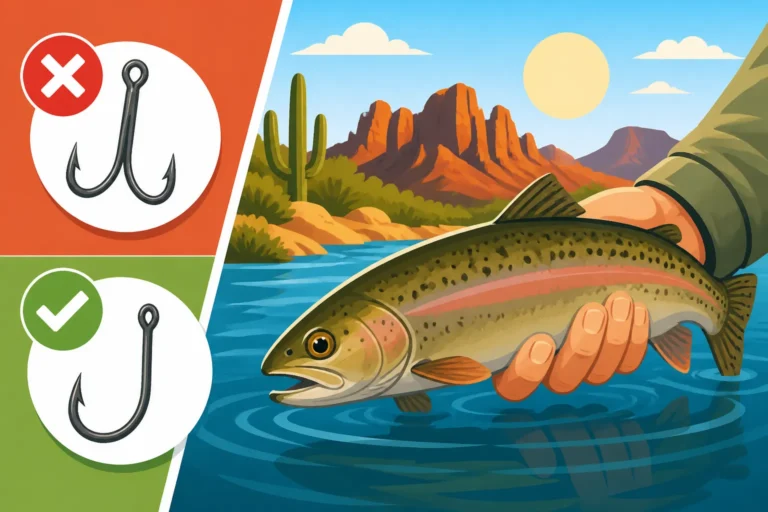
Hooks are, without a doubt, the most critical piece of terminal tackle. You need a variety to match your bait, lure, and target species. For live bait fishing, particularly for catfish, circle hooks are highly recommended. These hooks are designed to hook fish in the corner of the mouth, reducing gut-hooking and making catch-and-release much safer for the fish. Sizes can range from small #4 for panfish up to large 8/0 for big flathead catfish. When using soft plastics for bass, offset worm hooks (EWG – Extra Wide Gap) or straight shank hooks are essential. The EWG allows for weedless rigging, letting you crawl your bait through thick brush and vegetation without snagging, while straight shanks offer a strong hookup for powerful bass.
For artificial lures, many come pre-rigged with treble hooks, but it's often wise to have spare trebles or single hooks for replacement. Always ensure your hooks are sharp; a dull hook will lead to missed bites and lost fish. Carry a small hook sharpener. The type and size of hook should always correspond to the size of the bait or lure you're presenting and the mouth size of the fish you're targeting. Don't try to catch a big striper on a tiny panfish hook, and vice versa. Matching your hook properly improves your chances of a solid hookset and, more importantly, keeps the fish secure during the fight.
Sinkers and Weights: Getting to the Strike Zone
Arizona's desert lakes can be incredibly deep, and sometimes fish are holding on structure far below the surface. Sinkers and weights are vital for getting your bait or lure down to where the fish are. The most common types you'll use include bullet weights, ideal for Texas rigging soft plastics through cover, which helps your bait slide over snags. Drop-shot weights are specifically designed for drop-shotting, a finesse technique where the weight is at the bottom and the hook is tied above it, keeping your bait suspended at a specific depth. Split-shot weights are small, easily attachable weights perfect for adding a little extra casting distance to light baits or for adjusting buoyancy with a bobber.
For techniques like the Carolina rig, which excels at covering large areas of the bottom, you'll need heavier egg or barrel weights, often paired with a glass or plastic bead to create an attractive clicking sound against the weight. Consider the depth you're fishing, the current (especially in river sections or windy lakes), and the size of your bait when choosing weight. Heavier weights help you cast further and maintain contact with the bottom in deep or windy conditions, while lighter weights allow for a more natural presentation. Having a selection from 1/8 oz up to 1 oz will cover most scenarios you'll encounter at lakes like Bartlett or Alamo.
Leaders, Swivels, and Snaps
While often overlooked, these small components play a big role in your setup. Leaders, especially fluorocarbon leaders, are crucial when using braided main line. They provide the invisibility that braid lacks while still offering excellent abrasion resistance. Typically, you'll tie a 2-4 foot fluorocarbon leader to your braided main line with a reliable knot like an FG knot or a double uni knot. The leader material's pound test should be slightly less than or equal to your main line to create a "fail-safe" point, meaning if you snag, you usually only lose the leader and hook, not your entire main line.
Swivels are fantastic for preventing line twist, which can be a real headache, especially if you're using spinning gear, retrieving twisted line, or fishing with baits that spin in the water. Barrel swivels are simple and effective. Snap swivels combine a swivel with a snap, allowing for quick changes of lures or rigs without retying. These are particularly useful when you're experimenting with different baits or fishing styles, saving you precious time on the water. However, some anglers prefer to tie directly to lures to eliminate any potential weaknesses or unnatural action caused by snaps. Always assess the conditions and your target species; sometimes, simplicity is best, but often, these small additions enhance your fishing experience significantly. Essential Tackle Box Setup for Arizona Beginners will help you get started with the basics.
Baits and Lures: What Works in Arizona's Desert Lakes
The right bait or lure is often the key to unlocking a successful day on the water. Arizona's desert lakes host a variety of popular game fish, and each has its preferences. Understanding these preferences and having a selection of proven baits and lures is crucial. You don't need to buy every single item at Bass Pro Shops, but a well-curated collection will greatly increase your chances of getting a bite.
Top Lures for Bass and Stripers
For largemouth and smallmouth bass, Arizona offers incredible opportunities, and a diverse selection of artificial lures is essential. Crankbaits are workhorses, mimicking baitfish and diving to various depths. Shallow divers are great for working over submerged grass or rocky points, while deep divers can reach bass holding on ledges in 15-20 feet of water. Colors like shad patterns, crawfish, and bright chartreuse often produce well depending on water clarity. Swimbaits, both soft and hard, offer incredibly realistic profiles that can fool even the most cautious bass, especially when targeting larger fish. They excel at imitating the abundant shad found in many Arizona lakes.
Jigs, such as football jigs or skipping jigs, are excellent for probing structure, from rocky bottoms to submerged timber. Pair them with a soft plastic trailer that adds bulk and action. Soft plastics, including various worms (e.g., Senko-style, ribbon tail), creature baits, and flukes, are incredibly versatile. Rigged Texas-style for weedless fishing or on a drop-shot rig for finesse, they can entice bites when other lures fail. Topwater lures – like frogs, poppers, or walking baits – are exhilarating to fish, especially during low-light conditions or when bass are actively feeding on the surface. Imagine a massive bass exploding on your frog bait near the lily pads at Saguaro Lake – pure adrenaline! For striped bass, which are voracious predators, larger swimbaits, spoons, and topwater lures (when they are schooling on the surface in a "boil") are highly effective. Trolling with large crankbaits or umbrella rigs can also be incredibly productive for stripers in deeper sections of lakes like Lake Powell or Lake Pleasant. You can find excellent selections of Best Lures for Largemouth Bass in Arizona Lakes and How to Fish for Striped Bass in our other guides.
Go-To Baits for Catfish and Panfish
Catfish are a popular target in many Arizona lakes and rivers, known for their strong fight and excellent table fare. For these bottom-dwellers, natural and scent-heavy baits are typically most effective. Cut bait, such as pieces of shad, bluegill, or even hot dogs, are fantastic for channel catfish and particularly for the giant flathead catfish that lurk in the Colorado River system. Chicken livers, with their strong scent and oily texture, are also a long-standing favorite. Stink baits, available in various forms like dough balls or dip baits, are designed to appeal directly to a catfish's powerful sense of smell. Fishing these baits on the bottom with a simple Carolina rig or a slip sinker rig is a classic and highly effective method.
Panfish, including bluegill, crappie, and sunfish, are perfect for family outings and provide consistent action, especially for young anglers. For these smaller but feisty fish, simplicity is often key. Live worms (like red wigglers or nightcrawlers) are universally effective. Crickets, especially for bluegill, are another fantastic natural bait. Small jigs (1/32 to 1/16 oz), tipped with a tiny piece of plastic or a mealworm, are also incredibly productive, especially for crappie schooling around brush piles or submerged structure. Don't overlook the humble beetle spin, a small spinnerbait with a soft plastic body, which can be irresistible to crappie and bluegill alike. These baits are generally easy to acquire and store, making them great additions to any desert lake fishing trip. For more specific insights on these species, check out Best Catfish Fishing Spots in Arizona.
The Importance of Live Bait (and Regulations)
Live bait can often be the most effective way to entice bites from wary fish, especially for species like bass, crappie, and catfish. Live minnows are a go-to for crappie, suspended under a bobber near brush piles, and can also be very effective for bass or even striped bass. Live worms (nightcrawlers or red wigglers) are universally loved by most freshwater species, from trout in cooler mountain lakes to panfish and even smaller bass in the desert. Crawfish, when legal and available, are a prime natural food source for big bass and can be incredibly effective when fished along rocky banks or points.
However, it's absolutely crucial to be aware of and abide by Arizona's fishing regulations regarding live bait. The Arizona Game and Fish Department (AZGFD) has specific rules about what live bait can be used, where it can be sourced, and where it can be used. For instance, using baitfish from one body of water in another is often prohibited to prevent the spread of invasive species and diseases. Always consult the current Arizona Fishing Regulations Explained booklet or the AZGFD website before you head out, especially if you plan on using live bait. Ignoring these rules isn't just irresponsible; it can lead to significant fines and penalties. While you can often purchase live bait at local tackle shops or even larger retailers, ensure that your chosen bait is legal for the specific body of water you intend to fish.
Safety and Comfort Gear: Battling the Arizona Elements
Fishing in Arizona is an incredible experience, but the desert environment demands respect and preparation, especially concerning your personal safety and comfort. The sun, heat, and sometimes remote locations mean that being properly equipped isn't just about catching fish; it's about staying safe and enjoying your time outdoors.
Sun Protection is Non-Negotiable
The Arizona sun is famously intense, even on what might feel like a mild day. Extended exposure can quickly lead to sunburn, heat exhaustion, and even long-term skin damage. Therefore, high-quality sun protection is absolutely non-negotiable. Start with specialized UPF-rated clothing (Ultraviolet Protection Factor). These lightweight, breathable fabrics are designed to block harmful UV rays, offering much better protection than regular cotton shirts. Long-sleeved shirts, long pants, and neck gaiters (buffs) that cover your face and neck are highly recommended.
A wide-brimmed hat is also crucial for protecting your face, ears, and the back of your neck. Don't rely on just a baseball cap; you need coverage all around. Polarized sunglasses are not only a vital piece of sun protection for your eyes, but they also significantly reduce glare on the water, allowing you to see submerged structure and even spot fish, which can be a game-changer for sight fishing. Finally, apply a high-SPF, broad-spectrum sunscreen liberally and reapply frequently, especially to exposed areas like your hands, nose, and any skin not covered by clothing. Even on cloudy days, UV rays penetrate, so never skip your sun protection routine. For more information, read our guide on Best Sun Protection for Desert Fishing.
Hydration and Sustenance
Dehydration is a serious risk when spending hours under the Arizona sun. You will sweat more than you think, even if you don't feel it, and replenishing fluids is critical. Always bring far more water than you think you'll need. A good rule of thumb is at least a gallon per person for a full day of fishing, and even more in the peak summer months. Electrolyte drinks or powders can also be beneficial, as they help replace salts lost through sweating, which plain water alone cannot do.
Invest in a quality insulated cooler to keep your drinks and any perishable snacks cold. Brands like Yeti, RTIC, or even more budget-friendly options found on Amazon can make a huge difference in keeping ice for extended periods. Pack plenty of non-perishable snacks that are easy to eat on the go, such as granola bars, trail mix, dried fruit, or sandwiches. A lack of proper hydration and nutrition can quickly lead to fatigue, headaches, dizziness, and in severe cases, heat stroke, which is a medical emergency. Don't let a fantastic fishing day turn dangerous because you forgot your water bottle. A well-stocked Best Coolers for Hot-Weather Fishing in Arizona is an absolute must-have.
First Aid and Emergency Preparedness
Accidents can happen, even on the most serene fishing trip. A small, well-stocked first-aid kit is an absolute essential. It should include basics like bandages, antiseptic wipes, pain relievers, allergy medication, tweezers for splinters, and moleskin for blisters. Beyond medical supplies, consider other emergency tools. A multi-tool or a good fishing knife is invaluable for cutting line, making quick repairs, or even preparing snacks. A whistle can be used to signal for help if you get separated from your group or run into trouble.
Given the often remote nature of Arizona's desert lakes and surrounding wilderness, a reliable communication device is vital. While cell service can be spotty, a fully charged cell phone is a good start. For more remote areas, consider a satellite messenger or a two-way radio to stay connected. Always let someone know where you're going and when you expect to return. A headlamp or flashlight is also important, even if you don't plan on night fishing, as unexpected delays can mean you're packing up in the dark. Being prepared for minor mishaps or unexpected delays ensures that a small problem doesn't escalate into a serious situation.
Navigation and Fish Finding Technology
Arizona's major desert lakes are truly vast bodies of water, and navigating them effectively, let alone finding fish, can be daunting without the right tools. Investing in proper navigation and fish-finding technology is a game-changer, turning guesswork into informed strategy and increasing your chances of a successful outing.
GPS and Mapping for Vast Lakes
Imagine you're out on Roosevelt Lake, known for its extensive network of coves and submerged structure, and you've found a honey hole. Without a way to mark that spot or navigate back to it, it might be lost forever. This is where GPS and mapping technology become invaluable. Many modern fish finders come with integrated GPS and detailed mapping, allowing you to see your location on a chart, mark waypoints (like that brush pile, a fishing hotspot, or a safe channel), and navigate with confidence.
Even if you don't have a boat-mounted unit, your smartphone can be an excellent tool. Numerous fishing and boating apps offer detailed contour maps of Arizona lakes, allowing you to mark spots and track your movements. Just make sure you have a portable power bank to keep your phone charged, as GPS usage can drain batteries quickly. Knowing where you are, where you've been, and where you want to go minimizes wasted time and maximizes your fishing opportunities, especially on sprawling impoundments like Lake Powell or Lake Mead. It also provides a crucial safety net, helping you avoid hazardous shallow areas and ensuring you can find your way back to the boat ramp, even in unfamiliar territory or deteriorating weather conditions.
Fish Finders: Seeing What's Below
A fish finder is essentially your underwater eyes, giving you a glimpse into what lies beneath your boat or kayak. For serious anglers, it's an indispensable piece of technology. Basic fish finders use sonar to display arches (fish) and structure (ledges, humps, submerged trees) on a screen. Modern units, however, have advanced significantly, offering features like Down Imaging (DI) and Side Imaging (SI). Down Imaging provides a photographic-like view directly below your boat, making it easier to distinguish structure from fish. Side Imaging expands your view, allowing you to scan vast areas to the left and right of your boat, revealing structure and fish that you might otherwise miss.
Understanding how to read your fish finder takes practice, but it's an investment that pays dividends. You'll learn to identify different types of cover, locate schools of baitfish, and pinpoint individual game fish. For example, knowing how to interpret the screen to find a submerged rock pile where bass are holding, or a deep channel where stripers are feeding, can transform a slow day into a productive one. Even shore anglers or kayakers can benefit from portable, castable fish finders that sync with a smartphone, offering a basic but effective way to scout potential fishing spots. For a deeper dive into this technology, check out our guide on Best Fish Finders for Bass Fishing in Arizona.
Boating Safety and Registration Considerations
If you plan to fish from a boat on Arizona's large reservoirs, understanding and adhering to boating safety regulations is just as important as your fishing gear. The Arizona Game and Fish Department (AZGFD) mandates specific safety equipment for all motorized vessels. This typically includes a sufficient number of U.S. Coast Guard-approved Personal Flotation Devices (PFDs, or life jackets) for everyone on board, a fire extinguisher, a sounding device (like a horn or whistle), and navigation lights if you'll be operating from sunset to sunrise. It's not just about avoiding a ticket; these items can be life-saving in an emergency.
Beyond safety equipment, your boat must be properly registered with the AZGFD, and you should carry your registration and any necessary documentation with you. If you're new to boating or operating on large, open waters, consider taking a boating safety course. These courses cover essential navigation rules, emergency procedures, and responsible boating practices, ensuring you're confident and safe on the water. Many Arizona lakes can get rough quickly with afternoon winds, so knowing how to handle your vessel in varying conditions is paramount. For detailed requirements, refer to Boating Safety Gear Requirements in Arizona and Boat Registration Rules in Arizona.
Essential Tools and Accessories for Every Angler
Beyond the main rod, reel, and terminal tackle, a collection of smaller tools and accessories can dramatically improve your efficiency, fish handling, and overall enjoyment on the water. These might seem minor, but a missing pair of pliers or a tangled line can quickly escalate into frustration.
Landing Nets and Grippers
Once you've hooked a fish, the job isn't over until it's safely in hand or in your boat. A good landing net is essential, especially for larger fish like bass, stripers, or catfish. Look for nets with a rubberized or knotless mesh, as these are much gentler on a fish's slime coat and fins, minimizing damage if you plan on catch and release. They also prevent hooks from getting tangled in the mesh, which is a common frustration with traditional nylon nets. Size matters here; a small trout net won't do you much good for a 5-pound bass at Lake Pleasant.
For aggressive fish with sharp fins or teeth, or simply to protect your hands, a lip gripper (also known as a fish gripper) is an invaluable tool. It allows you to safely secure a fish by its lower jaw without having to touch potentially sharp hooks or spines. Some grippers even have integrated scales, so you can weigh your catch instantly. For really large catfish, a strong, long-handled net or even a specialized catfish gripper might be more appropriate. Always prioritize the safety of both yourself and the fish.
Pliers, Scissors, and Hook Removers
These are the unsung heroes of your tackle box. A sturdy pair of fishing pliers is indispensable. They're used for crimping split shot, cutting wire, bending hooks, and most importantly, safely removing hooks from a fish's mouth. Look for pliers made from corrosion-resistant materials (like stainless steel or aluminum) with spring-loaded jaws and comfortable grips. Many fishing pliers also have integrated split-ring openers, which are incredibly useful for changing out treble hooks on lures.
For cutting fishing line, especially braided line, a pair of sharp braid scissors or line cutters is a must. Trying to cut braid with dull scissors or your teeth is a recipe for frustration. Finally, a dedicated hook remover, especially a long-nosed plier or hemostat, can be a lifesaver for deeply hooked fish. It allows you to reach into the fish's mouth and dislodge the hook with minimal damage, increasing the fish's chances of survival after release. Don't underestimate the value of having these tools readily accessible.
Storage and Organization: Tackle Boxes and Bags
A disorganized tackle box is a source of constant frustration and wasted time on the water. Good storage and organization aren't just about neatness; they're about efficiency. Traditional hard-sided tackle boxes are great for basic gear and offer good protection, but they can be bulky. Soft-sided tackle bags, often with multiple utility boxes (like those from Plano or other brands available on Amazon), have become incredibly popular. These bags are portable, allowing you to carry a variety of lures, tools, and terminal tackle in an organized manner.
Look for bags with plenty of pockets, tool holders, and durable zippers. Waterproof or water-resistant options are a huge plus for protecting your valuable tackle from unexpected splashes or rain. Many anglers organize their utility boxes by lure type, color, or even target species. For instance, one box might be dedicated to topwater bass lures, another to deep-diving crankbaits, and a third to catfish baits and hooks. This allows you to grab exactly what you need without rummaging through a messy pile of hooks and weights. A well-organized tackle setup means more time fishing and less time fumbling, especially when the bite is hot. Consider a dedicated Best Tackle Bag for Shore Fishing if you primarily fish from the bank.
Specialty Gear for Specific Arizona Fishing Scenarios
Arizona's diverse waters present unique fishing opportunities that sometimes call for specialized gear. Whether you're gliding silently across a desert lake in a kayak, embracing the cool of a night fishing adventure, or wading a clear stream, having the right tools for the job can elevate your experience from good to unforgettable.
Kayak Fishing Essentials
Kayak fishing has exploded in popularity in Arizona, offering unparalleled access to quiet coves and remote stretches of shoreline that larger boats can't reach. It's a fantastic way to experience the tranquility of nature while chasing fish. However, it requires a slightly different gear approach. First and foremost, a PFD (Personal Flotation Device) designed for fishing is crucial. These often have extra pockets for tackle and are comfortable enough for extended paddling. Beyond the PFD, a reliable anchor system is a game-changer. Whether it's a simple grappling anchor with a trolley system or a more advanced shallow-water anchor, it allows you to stay put on a hotspot, even in windy conditions. Best Kayak Anchors for Still Fishing details some great options.
A paddle leash is another must-have, preventing your paddle from floating away if you drop it while fighting a fish or reaching for tackle. Dry bags are essential for keeping your phone, keys, wallet, and any sensitive electronics safe and dry. Rod holders, either flush-mounted or adjustable, keep your rods secure while paddling and allow for trolling. Finally, consider a small, portable cooler that fits easily into your kayak for drinks and snacks, along with a fish measuring board to quickly document your catches. The goal with kayak fishing is to be minimalist yet prepared, carrying only what you need without overloading your craft. Our comprehensive guide on Best Kayaks for Fishing in Arizona offers a great starting point if you're looking to get into the sport.
Night Fishing Necessities
When the relentless Arizona sun dips below the horizon, a whole new world of fishing opens up, particularly for species like catfish, crappie, and even bass. Night fishing offers cooler temperatures, fewer crowds, and often, more aggressive fish. However, it requires a distinct set of gear to ensure safety and success. A reliable headlamp is your most important tool, freeing up your hands for rigging, tying knots, and handling fish. Look for models with different light settings, including a red light option, which is less disruptive to your night vision and often less startling to fish.
Glow sticks, either clipped to your rod tip or attached to bobbers, help you see bites in the dark. Submersible fishing lights, which attract plankton and baitfish, can be incredibly effective for drawing in crappie or striped bass, especially in clear water. Bug repellent is also a night fishing essential, as mosquitoes and other insects can be a nuisance once the sun goes down. Always be extra cautious when navigating unfamiliar terrain in the dark, and let someone know your plans. The solitude and unique challenges of night fishing in Arizona can be incredibly rewarding. Catfish Night Fishing Techniques provides some excellent tips.
Wading and Bank Fishing Comfort
Many fantastic fishing opportunities in Arizona are accessible from the bank or by wading. Community lakes, portions of the Salt River, and various smaller ponds offer great spots for shore-bound anglers. While less gear-intensive than boat fishing, comfort and mobility are key. Start with comfortable, quick-drying outdoor clothing, especially pants that can withstand brush and minor abrasions. Closed-toe shoes with good grip are essential for navigating uneven terrain, and if you plan on wading, proper wading boots or sturdy water shoes are a must to protect your feet from sharp rocks or submerged debris.
A comfortable fishing backpack or sling bag is invaluable, allowing you to carry your tackle, water, and snacks easily while keeping your hands free for casting. Look for bags with multiple compartments for organization and external rod holders. A lightweight, collapsible chair can also make a long day of bank fishing much more enjoyable. For those exploring the cooler streams of Arizona's high country, waders (chest or waist-high) become essential, keeping you dry and warm in chilly mountain waters. Being prepared for varying terrain and keeping your essentials close at hand will make your bank or wading trips much more enjoyable and productive. To find great spots, explore our guide on Best Shore Fishing Spots in Arizona.
| Gear Category | Essential Item | Why It's Crucial for Arizona Desert Lakes | Key Considerations |
|---|---|---|---|
| Rod, Reel & Line | Medium-Heavy Rod (6'6"-7'6") | Versatility for various species (bass, stripers, catfish) and lure weights. | Graphite for sensitivity, fiberglass for durability. |
| Spinning or Baitcasting Reel | Spinning for ease, baitcasting for power/precision. | Smooth drag, appropriate gear ratio for target species. | |
| Line (Mono, Fluoro, Braid) | Mono for stretch/cost, Fluoro for invisibility/abrasion, Braid for strength/sensitivity. | Match line weight to target species and conditions (e.g., clear water). | |
| Terminal Tackle | Assorted Hooks | Match hook size/style to bait and fish mouth (e.g., circle hooks for bait, EWG for soft plastics). | Sharpness is key; carry a sharpener. |
| Sinkers & Weights | Get bait/lure to desired depth in varied lake conditions. | Bullet weights for Texas rigs, drop-shot weights for finesse. | |
| Leaders, Swivels, Snaps | Leaders for stealth/abrasion, swivels for line twist, snaps for quick lure changes. | Fluorocarbon leaders for braid in clear water. | |
| Baits & Lures | Bass/Striper Lures | Crankbaits, swimbaits, jigs, soft plastics, topwater. | Variety of depths and colors; match to forage and water clarity. |
| Catfish/Panfish Baits | Cut bait, chicken liver, stink baits; worms, crickets, small jigs. | Scent for catfish, natural baits for panfish. | |
| Live Bait (Check Regs!) | Often highly effective, but strict rules apply. | Always verify legality for specific water bodies. | |
| Safety & Comfort | Sun Protection (UPF clothing, hat, sunglasses, sunscreen) | Intense Arizona sun requires maximum protection against UV rays. | Cover exposed skin; reapply sunscreen frequently. |
| Hydration & Snacks | Prevent dehydration and maintain energy in extreme heat. | Ample water, electrolyte drinks, insulated cooler. | |
| First-Aid Kit & Emergency Gear | Address minor injuries; signal for help if needed. | Bandages, antiseptic, pain relievers, whistle, charged phone. | |
| Navigation & Tech | GPS/Mapping | Navigate vast lakes, mark waypoints, find hidden structure. | Dedicated unit or reliable smartphone app with power bank. |
| Fish Finder | Locate fish, identify underwater structure, understand depth. | Basic sonar for beginners, DI/SI for advanced anglers. | |
| Boating Safety Gear | Required by law and essential for safety on the water. | PFDs for all, fire extinguisher, sounding device, registration. | |
| Tools & Accessories | Landing Net/Gripper | Safely land fish and protect hands. | Rubberized net for fish health, gripper for toothy species. |
| Pliers, Scissors, Hook Removers | Essential for rigging, cutting line, and safe hook extraction. | Corrosion-resistant; sharp braid scissors. | |
| Tackle Storage | Organize gear for efficiency and protection. | Soft-sided bags with utility boxes; waterproof options. | |
| Specialty Gear | Kayak Anchor, Leash, Dry Bag | Stay put, prevent loss, keep gear dry for kayak fishing. | Lightweight anchor, comfortable PFD. |
| Headlamp, Bug Repellent | Essential for visibility and comfort during night fishing. | Red light option for headlamp. | |
| Fishing Backpack, Water Shoes | Comfort and mobility for bank fishing and wading. | Durable and organized; good grip for varied terrain. |
Disclaimer
This article is for general informational purposes only and does not constitute professional advice. Laws, prices and regulations vary by location and change over time. Consult a qualified professional for guidance on your specific situation.