Best Kayaks for Fishing in Arizona
There's nothing quite like the feeling of being out on the water, silently gliding across a mirror-smooth lake at dawn, or navigating a quiet cove where no motorboat dares to tread. But for many anglers in Arizona, the idea of getting out on the water often comes with the mental image of expensive powerboats, trailers, and the logistical headaches that go with them. It can feel like a huge barrier to accessing some of the state's best fishing spots. This guide is here to tell you that you don't need a massive investment or a complex setup to unlock incredible angling opportunities. We're diving deep into the world of fishing kayaks, specifically tailored for the unique challenges and rewards of fishing in Arizona, helping you understand which kayak is right for you, what gear you'll need, and how to stay safe while enjoying the tranquility of the desert waters.
Why Kayak Fishing in Arizona is a Game Changer
Arizona's diverse waterways, from the sprawling desert lakes like Lake Pleasant and Roosevelt Lake to the cooler mountain streams and urban ponds, offer incredible fishing. But with traditional boats, you often face crowded ramps, fuel costs, and limited access to those hidden honey holes. Kayak fishing slices through these frustrations, offering a direct, personal connection to the water and the fish below. It’s an intimate experience that truly enhances your time outdoors, making it less about the horsepower and more about the paddle power.
The Freedom of Silent Approach
Imagine paddling quietly along a shoreline, barely making a ripple, your presence almost unnoticed by the wary bass hiding in the submerged brush. This stealth is perhaps the biggest advantage of kayak fishing. Unlike noisy motorboats that can spook fish from a hundred yards away, a kayak allows you to approach fishing spots with incredible subtlety. You can hug the banks, slip into shallow coves, or drift along weed lines without sending vibrations through the water that alert every creature below the surface. This silent approach often translates directly into more bites, especially when targeting cautious species like largemouth bass in clear desert waters. It's a game-changer for finesse fishing or stalking trophy fish in areas that see heavy boat traffic.
Access to Untouched Waters
One of the most frustrating things about traditional boating can be the sheer number of inaccessible areas. Rocky shoals, narrow channels, and extremely shallow flats often mean turning back or watching prime fishing spots from afar. Not so with a fishing kayak. Kayaks can navigate incredibly shallow water, paddle through tight spaces, and even be portaged over small obstacles if needed. This opens up a whole new world of fishing opportunities on Arizona's lakes and rivers. Think about those tucked-away coves on Canyon Lake or the upper reaches of the Salt River where the water gets too thin for anything but a paddle craft. These are often untouched havens for fish, less pressured and more willing to bite. You're no longer limited to what's reachable by a big motor; instead, you can explore the untouched beauty and hidden fisheries that only a kayak can access. This is particularly true for places like the countless small inlets on Lake Powell, where the sheer vastness can hide incredible fishing if you have the means to explore beyond the main channels.
Cost-Effectiveness Compared to Powerboats
Let's be honest: owning a powerboat is a significant financial commitment. The initial purchase, trailer, insurance, fuel, maintenance, storage – it all adds up, and quickly. For many Arizona anglers, these costs can be prohibitive, making the dream of consistent on-the-water fishing seem out of reach. Fishing kayaks offer a refreshingly affordable alternative. The initial investment for a quality fishing kayak is a fraction of a powerboat's price, and the ongoing costs are minimal. You don't need a special vehicle to tow it (many can be car-topped or fit in a truck bed), there's no fuel to buy, and maintenance is generally simple and inexpensive. This cost-effectiveness isn't just about saving money; it's about enabling more people to get out and enjoy Arizona's fantastic fisheries without breaking the bank. It means you can invest in better tackle, explore more often, or even save up for that dream fishing trip without the constant drain of boat ownership. Cost of a Basic Fishing Setup for Beginners is significantly lower when you opt for a kayak.
Key Features to Look for in an Arizona Fishing Kayak
When you're staring at a wall of kayaks, it can feel overwhelming. What truly matters for fishing Arizona's unique conditions? The desert environment presents specific challenges: intense sun, often windy open waters, and temperatures that demand comfort and smart gear storage. Focus on features that address these realities, making your time on the water safer, more comfortable, and ultimately more productive.
Stability for Casting and Reeling
Arizona's desert lakes can get windy, and when you hook into a feisty bass or a hard-fighting striper, you need a stable platform to stand up to the fight. Stability is paramount for fishing kayaks, especially if you plan on standing to sight fish or to get a better casting angle. Look for kayaks with a wide, flat hull design, sometimes referred to as a pontoon or cathedral hull. These designs maximize primary stability (how stable the boat feels when you first get in) and often secondary stability (how stable it feels when leaned on its edge). A stable kayak means you can cast confidently, reel in a big fish without feeling like you're going to tip, and even potentially stand up to stretch your legs or get a better view. Some premium models even offer standing assists or integrated lean bars. When researching, pay close attention to the kayak's beam (width) – generally, wider kayaks offer more stability, though they might be a bit slower. Consider where you'll be fishing; if you're on big, open reservoirs like Lake Havasu or Roosevelt Lake, stability in choppy water is a major consideration.
Storage Options for Gear and Catch
Unlike a large boat with abundant storage compartments, a fishing kayak requires you to be strategic with your gear. Arizona fishing often means bringing along more than just a few lures – you might need extra water, sunscreen, a hat, a first-aid kit, and perhaps even a small cooler for your catch. Look for kayaks designed with ample, accessible storage. This typically includes large bow and stern hatches, a spacious rear tankwell with bungee cords for securing coolers or tackle crates, and potentially smaller dry storage compartments for electronics or personal items. Many kayaks also feature track systems on the gunwales (sides), which are fantastic for mounting rod holders, fish finders, and other accessories. Consider how you'll organize your tackle: do you prefer a dedicated tackle crate in the tankwell, or integrated storage within the hull? The ability to keep your gear organized and secure, especially when encountering wind or waves, makes a huge difference in your fishing experience. Brands like Bass Pro Shops offer a wide array of specialized kayak fishing storage solutions that can integrate seamlessly with track systems.
Comfort for Long Days on the Water
Arizona's fishing days can be long, especially if you're chasing that trophy bass or waiting for the striper bite to turn on. The relentless desert sun and heat can take their toll, and an uncomfortable seat will quickly ruin your trip. Prioritize comfort as a key feature. Look for kayaks with adjustable, elevated seating systems that offer back support and allow for good blood flow. Many modern fishing kayaks feature stadium-style seats that are breathable, allowing air to circulate and preventing sweat buildup. The ability to adjust the seat forward, backward, or even to a higher position for better visibility can make a significant difference. Also, consider the ergonomics of the footpegs or pedal drive system, ensuring they can be adjusted to fit your height comfortably. A comfortable kayak means you can stay out longer, focus more on fishing, and less on nagging aches and pains. If you're planning multi-hour excursions on Lake Pleasant Arizona Fishing Guide or another large reservoir, comfort becomes absolutely non-negotiable.
Types of Fishing Kayaks Best Suited for Arizona Waters
Navigating the various types of fishing kayaks can be confusing, but understanding their core differences will help you pinpoint the best match for your Arizona adventures. Each design offers unique advantages, whether you prioritize hands-free fishing, ultimate portability, or a stable casting platform.
Sit-on-Top SOT Kayaks: The All-Around Workhorse
When most people picture a fishing kayak, they're likely thinking of a sit-on-top (SOT) model. These are incredibly popular for fishing, especially in Arizona, and for good reason. SOT kayaks feature an open deck, meaning you sit on top of the hull rather than inside it. This design offers several critical advantages for Arizona anglers. Firstly, they are generally very stable, making them great for casting, reeling, and even standing up in calm conditions. Secondly, the open deck makes it incredibly easy to get on and off, which is a huge plus if you take an unexpected dip in the warm Arizona waters or if you're launching from a tricky bank. Thirdly, the scupper holes allow water to drain, so if a wave splashes over or you catch a heavy monsoon downpour, the deck won't fill up. This design also offers ample space for gear, often featuring large tankwells and accessible hatches. SOT kayaks are fantastic for general lake fishing, light river use, and exploring those Best Urban Fishing Lakes in Arizona. They're versatile, user-friendly, and a solid choice for most anglers. For beginners, a SOT kayak provides a great balance of stability, storage, and ease of use. Sit-On-Top vs Sit-In Kayak for Fishing goes into more detail.
Pedal-Drive Kayaks: Hands-Free Efficiency
If you've ever tried to cast, fight a fish, and paddle at the same time, you know the struggle is real. This is where pedal-drive kayaks shine, and they are becoming increasingly popular on Arizona's larger lakes. Instead of paddling, you propel these kayaks using a pedal system, similar to a bicycle, which drives either a propeller or flippers beneath the hull. The biggest benefit? Your hands are completely free for fishing. Imagine reeling in a bass while subtly pedaling to stay positioned over a brush pile, or trolling a lure across a wide-open flat without ever putting your rod down. This hands-free operation makes a huge difference in efficiency and comfort, especially on windy days or when covering long distances on vast waters like Lake Powell or Roosevelt Lake. Pedal kayaks tend to be wider and heavier than paddle kayaks, offering exceptional stability, but they can also be more expensive. They are an excellent investment for anglers who want maximum fishing time and less effort devoted to propulsion. Brands like Hobie and Old Town are leaders in this category, offering robust pedal drive systems.
Inflatable Kayaks: Portability and Ease of Transport
For some Arizona anglers, space for storage or vehicle transport is a major hurdle. Maybe you live in an apartment, or your car can't handle a heavy roof-top kayak. Inflatable kayaks offer a brilliant solution to these logistical challenges. Modern fishing-specific inflatables are not like the cheap pool toys of old. They are constructed from durable, multi-layered PVC or hypalon, often with drop-stitch floors that create a rigid, stable platform when fully inflated. The key advantage is portability: they pack down into a large bag, making them easy to transport in almost any vehicle and store in a closet. This means you can easily take one to a remote mountain lake or even fly with it for a destination fishing trip. While they might not offer the same rigidity or standing stability as a hard-shell pedal kayak, many inflatable fishing kayaks are surprisingly stable and come equipped with rod holders, gear tracks, and comfortable seats. They are perfect for spontaneous trips, accessing difficult-to-reach waters, or for anglers who prioritize convenience above all else. Just be mindful of sharp objects and rocky launches; while durable, they're not invincible. You can often find great portable options for these kayaks on Amazon.
Essential Kayak Fishing Accessories for Arizona Anglers
Getting the right kayak is a huge step, but the adventure truly begins when you outfit it with the right accessories. Arizona's climate and diverse fishing environments demand specific tools to keep you safe, organized, and effective on the water. Don't overlook these essential items that will make your kayak fishing experience much more enjoyable and productive.
Anchoring Systems for Windy Conditions
Arizona's lakes, especially the larger reservoirs, are notorious for unpredictable winds. A calm morning can quickly turn into a gusty afternoon, making it impossible to hold your position over a productive fishing spot. An effective anchoring system is not just a convenience; it's a necessity. There are several options, from simple stake-out poles for shallow water to drag chains and traditional anchor systems for deeper areas. For most conditions, a small grapnel anchor (around 1.5 to 3 lbs) with 50-75 feet of anchor line, a quick-release cleat, and an anchor trolley system is ideal. An anchor trolley allows you to deploy and retrieve your anchor from either the bow or stern of your kayak, helping you pivot and orient yourself into the wind or current for the best casting angle without needing to move the anchor itself. This is critical for staying put on a promising structure or resisting the wind. Best Kayak Anchors for Still Fishing provides more options. Without an anchor, you'll spend more time fighting the elements than fighting fish, which quickly becomes frustrating.
Rod Holders and Gear Management
Kayaks are compact, meaning every inch of space needs to be utilized wisely. Proper rod holders and gear management systems are crucial for keeping your rods secure, tangle-free, and ready for action. Most fishing kayaks come with a couple of flush-mount rod holders behind the seat, which are good for transport or trolling, but you'll likely want more versatile options. Adjustable, surface-mounted rod holders that attach to a track system or a mounting plate allow you to position your rods exactly where you need them for casting, fighting a fish, or even holding a second rod for different presentations. Beyond rods, consider how you'll manage your tackle, tools, and electronics. Tackle crates that fit in your tankwell, gear track mounts for fish finders and GPS, and small dry bags for essentials are invaluable. Keeping your deck clear of clutter prevents snags, trip hazards, and lost gear. Organizations like Bass Pro Shops offer a huge selection of specialized kayak fishing gear management solutions, from rod leashes to waterproof tackle boxes, helping you customize your setup for maximum efficiency.
Sun Protection and Hydration
This isn't just about comfort; it's about safety. Arizona's sun is no joke, and long hours on the water can lead to severe sunburn, heatstroke, and dehydration if you're not prepared. Layering up is key: a wide-brimmed hat, sunglasses (polarized ones are a game-changer for seeing into the water), and long-sleeved, breathable UV-protective clothing are essential. Don't forget high SPF sunscreen and lip balm. Beyond protection from the sun, staying hydrated is paramount. Always bring more water than you think you'll need, especially during the warmer months. Insulated water bottles or hydration packs that fit easily into your kayak's storage are a must. Many anglers also bring a small cooler filled with ice, not just for drinks, but also for a cooling towel or to store any fish they plan to keep. Planning for intense sun and heat should be at the top of your accessory list for any Arizona kayak fishing trip. Remember, the reflective glare off the water can amplify UV exposure.
Understanding Kayak Stability and Maneuverability in Arizona's Lakes and Rivers
When you're out on the water, whether it's the vast expanse of Lake Mead or the winding currents of the Colorado River, your kayak's stability and how easily you can control it are critical. These characteristics dictate not just your comfort, but also your safety and fishing effectiveness. It's a balance – more stability often means less maneuverability, and vice-versa, so understanding this trade-off is key to choosing the right kayak for your preferred fishing style and locations.
Primary vs. Secondary Stability
When you're first getting into a kayak, or just sitting still on the water, the feeling you get is related to its primary stability. This refers to how steady the kayak feels when it's flat on the water. Kayaks with high primary stability usually have wider, flatter bottoms, making them feel very secure and less "tippy" initially. This is fantastic for beginners or those who plan to stand up and fish. Many fishing kayaks are designed with high primary stability to provide a confident platform for casting and battling fish.
However, secondary stability is equally important, especially on larger, more unpredictable waters. This refers to how stable the kayak feels when it's leaned on its side, or when it encounters choppy water, boat wakes, or strong currents. Kayaks with good secondary stability might feel a little less stable initially, often having more rounded or V-shaped hulls, but they become very stable when tilted. They resist capsizing even when rocked significantly. For Arizona's open lakes that can quickly whip up waves, a kayak with good secondary stability can prevent an unexpected swim. It's the difference between feeling secure on flat water and feeling secure when conditions turn rough.
Tracking and Turning Performance
Tracking refers to a kayak's ability to hold a straight line while you paddle. A kayak with good tracking will require fewer corrective strokes, allowing you to cover distance more efficiently and keep a straight course even in light wind or current. This is a huge advantage when paddling across large lakes or covering long stretches of river. Kayaks designed for good tracking often have longer, narrower hulls and sometimes feature a keel or skeg (a retractable fin) that helps them stay straight.
On the flip side, turning performance is how easily and quickly a kayak can change direction. Shorter, wider kayaks with less keel tend to be more maneuverable, spinning and turning with ease. This is excellent for navigating tight coves, intricate weed beds, or fishing around submerged timber where you need precise boat control. While a highly maneuverable kayak might require more effort to paddle in a straight line, it can be invaluable for accessing those hard-to-reach honey holes. Consider where you do most of your fishing: if it's wide-open water, tracking is more important; if it's tight, intricate areas like certain sections of the Salt River or specific bays on Apache Lake Arizona Fishing Guide, then maneuverability takes precedence.
Dealing with Wind and Current
Arizona's conditions frequently challenge both tracking and turning. Strong winds can make a kayak "weathervane," pushing the bow or stern downwind and forcing you to constantly correct your course. This is where features like skegs or rudders on pedal-drive kayaks become invaluable, as they help you maintain direction with less effort. An anchor trolley, as mentioned before, also becomes essential to position your kayak effectively.
When dealing with current, especially on moving waters like the Colorado River or the Lower Salt, understanding your kayak's performance is critical. A kayak that tracks well can help you hold your line against a steady current, while a maneuverable one might be better for navigating rapids or eddies. Always be aware of the prevailing conditions, check weather forecasts for wind advisories, and understand your kayak's limitations. Sometimes, choosing a shorter, wider kayak for a tight, slow-moving creek versus a longer, sleeker model for a large, open lake is the key to a successful and safe fishing trip.
Budgeting for Your Arizona Fishing Kayak Setup
Let's face it, your fishing budget is a real concern for most of us. Investing in a fishing kayak can range from an entry-level purchase to a significant outlay, depending on features and aspirations. It's important to set realistic expectations and understand where your money will go, so you can get the best value for your hard-earned dollars without sacrificing crucial elements for Arizona's unique fishing demands.
Entry-Level Kayak Packages
For those just dipping their toes into the world of kayak fishing, or for anglers primarily focused on community ponds and calmer lake areas, an entry-level setup is a fantastic starting point. You can often find decent sit-on-top fishing kayaks, sometimes referred to as recreational fishing kayaks, in the affordable range. These typically come as a basic hull with a molded-in seat or a simple padded seat, a few flush-mount rod holders, and maybe a small storage hatch. You'll likely need to purchase a paddle and a PFD (Personal Flotation Device) separately, though some retailers like Bass Pro Shops or even online through Amazon sometimes offer starter packages that bundle these essentials.
The main trade-off with entry-level kayaks is usually in comfort, advanced features (like pedal drives or intricate gear tracks), and sometimes tracking performance on open water. They might be a bit heavier for their size or lack the refined seating systems of higher-end models. However, for getting on the water, catching fish, and figuring out if kayak fishing is truly for you, they are an excellent, low-risk investment. Don't underestimate how much fun and how many fish you can catch from a basic kayak! They are perfect for exploring Community Park Lakes in Phoenix or other smaller, protected waters.
Mid-Range and Feature-Rich Options
Stepping up to the mid-range category is where you start to see a significant jump in specialized fishing features, comfort, and performance. This is often the sweet spot for many dedicated Arizona kayak anglers. These kayaks usually boast elevated, adjustable stadium-style seats for all-day comfort, integrated track systems for easy accessory mounting, and often more refined hull designs for better stability and tracking. You might find options with larger, more accessible storage hatches, transducer scuppers for fish finders, and even pre-rigged rudder systems.
Within this range, you'll start to see a distinction between high-quality paddle kayaks and some of the more basic pedal-drive models. A mid-range paddle kayak will be significantly more comfortable and capable than an entry-level one, ready for longer days on larger waters like Bartlett Lake Arizona Fishing Guide or Saguaro Lake Arizona Fishing Guide. If you opt for a pedal-drive in this price bracket, it might be a simpler system or a slightly less robust hull, but it still offers the immense benefit of hands-free propulsion. This category offers excellent value, blending advanced features with a more manageable price point for the serious angler.
High-End and Custom Setups
At the pinnacle of kayak fishing, you'll find the high-end and custom setups. These are the "Cadillacs" of fishing kayaks, offering premium materials, cutting-edge designs, and all the bells and whistles an angler could desire. This includes sophisticated pedal-drive systems with reverse capabilities, integrated fish finder mounts, multiple gear tracks, power pole ready transoms, and incredibly stable hulls designed for standing all day. Many of these kayaks are built for specific purposes, whether it's navigating rough coastal waters or covering vast distances on massive lakes like Lake Powell.
The cost for these setups can rival that of a small jon boat, but they offer unparalleled performance, comfort, and customization options. Anglers investing at this level are typically seasoned kayak fishermen who know exactly what they need for their specific style of fishing and the challenging conditions of Arizona. This category is where you'll find top-tier brands and models that truly become an extension of the angler, allowing for maximum efficiency and enjoyment on the water. Beyond the kayak itself, a custom setup often includes advanced electronics, specialized rigging, and perhaps even a dedicated kayak trailer for easier transport.
Here's a quick comparison of typical features across these budget ranges:
| Feature Category | Entry-Level Kayaks | Mid-Range Kayaks | High-End Kayaks |
|---|---|---|---|
| Price Point | Most Affordable | Moderate | Premium |
| Hull Design | Basic, generally stable, some tracking issues | Refined, good balance of stability & tracking | Advanced, exceptional stability, optimized tracking |
| Seating | Molded-in or simple padded | Elevated, adjustable, breathable (stadium-style) | Ultra-comfortable, highly adjustable, often raised |
| Propulsion | Paddle-only | Paddle or entry-level pedal drive | Advanced pedal drive (often with reverse) or paddle |
| Storage | Basic tankwell, small hatch | Ample tankwell, multiple hatches, gear tracks | Extensive, integrated storage, specialized compartments |
| Accessory Mounts | Flush rod holders | Track systems, multiple mounting points | Extensive track systems, power pole ready, pre-wired |
| Weight/Portability | Lighter, often car-toppable | Moderate weight, might need assistance loading | Heavier, often requires specialized transport |
| Best For | Beginners, calm waters, short trips | Dedicated anglers, various waters, longer trips | Serious anglers, challenging conditions, maximum performance |
Maintaining Your Fishing Kayak for Arizona's Harsh Climate
Arizona's climate is beautiful, but it's also incredibly harsh on outdoor gear. The intense UV radiation, extreme heat, and dusty conditions can prematurely age and degrade your fishing kayak if not properly cared for. Investing time in regular maintenance isn't just about aesthetics; it's about preserving your investment, ensuring safety, and extending the life of your vessel so you can continue to enjoy countless fishing trips.
Protecting Your Kayak from UV Damage
The sun is your kayak's biggest enemy in Arizona. Ultraviolet (UV) radiation can cause plastic hulls to fade, become brittle, and even crack over time. This is especially true for kayaks made of rotomolded polyethylene, which is common. Never leave your kayak exposed to direct sunlight for extended periods when not in use.
- Cover it up: The simplest solution is a good quality kayak cover. These are designed to protect the hull from UV rays, dust, and debris. Make sure the cover is breathable to prevent moisture buildup underneath.
- Store Indoors or in Shade: If possible, store your kayak in a garage, shed, or under a shaded patio. This is the ultimate protection.
- Apply UV Protectant: Regularly apply a UV protectant spray specifically designed for plastics or marine use. Products like 303 Aerospace Protectant can significantly extend the life of your kayak's plastic, rubber gaskets, and even fabric seats by blocking UV rays and conditioning the material. This should be done every few months, especially if your kayak is stored outdoors.
Neglecting UV protection is a sure way to see your kayak's vibrant color fade to a dull hue, and its structural integrity diminish over the years.
Proper Cleaning and Storage Techniques
After a day on an Arizona lake, your kayak will likely have a mix of lake water, dust, and maybe some fish slime or bait residue. Proper cleaning prevents mildew, bad odors, and long-term damage.
- Rinse Thoroughly: After each use, give your kayak a good rinse with fresh water, both inside and out. Pay attention to scupper holes, crevices, and under the seat. This removes salt, dirt, and any organic matter.
- Mild Soap if Needed: For tougher grime or stubborn fish smells, use a mild soap (like dish soap) and a soft brush or sponge. Avoid harsh chemical cleaners as they can strip UV protectants or damage the plastic.
- Dry Completely: Before storing, ensure your kayak is completely dry. Invert it or prop it up to allow water to drain from the scupper holes. Storing a wet kayak can lead to mildew, especially on fabric seats or in closed compartments.
- Secure Storage: When storing long-term, ensure the kayak is supported evenly to prevent warping. Kayak cradles, slings, or wall mounts are ideal. Avoid resting it on sharp edges or leaving it unsupported on a flat surface, which can cause flat spots.
For pedal-drive kayaks, pay extra attention to cleaning the drive unit. Rinse it thoroughly with fresh water after every use, and occasionally lubricate moving parts as recommended by the manufacturer to prevent corrosion and ensure smooth operation.
Routine Checks and Minor Repairs
Regular inspections can catch small issues before they become big problems, which is particularly important for safety on remote Arizona waters.
- Inspect the Hull: Look for any dings, scratches, or cracks in the hull, especially after encountering rocky shorelines. Minor scratches can often be buffed out, but deeper gouges might require plastic welding or repair kits for rotomolded kayaks.
- Check Hardware: Ensure all screws, bolts, and rivets are secure. Over time, vibrations and use can loosen them. Replace any corroded fasteners. Check the integrity of rudder lines, pedal drive cables, and any bungees or straps. These can wear out from sun exposure and use.
- Seal Gaskets and Hatches: Inspect the gaskets on hatches for cracks or drying, which can compromise their waterproof seal. Lubricate zippers on dry bags or storage covers to keep them functioning smoothly.
- PFD and Paddle Check: Don't forget your safety gear. Inspect your PFD for tears or damage, and ensure buckles and straps are functional. Check your paddle for cracks in the blades or shaft.
Addressing these minor issues promptly will not only extend your kayak's life but also ensure it's always ready and safe for your next fishing adventure, whether it's on Lake Pleasant Arizona Fishing Guide or a tranquil urban pond.
Safety Considerations for Kayak Fishing in Arizona
Arizona's beauty comes with its own set of challenges, especially when you're out on the water. Kayak fishing exposes you directly to these elements, making safety not just a recommendation but an absolute necessity. From the blistering sun to the occasional unexpected wildlife encounter, being prepared can make the difference between a fantastic day and a dangerous situation.
Heat and Dehydration Prevention
This is arguably the most critical safety concern for any outdoor activity in Arizona, and kayak fishing is no exception. Temperatures can soar, and the reflective glare off the water intensifies the heat. Dehydration can set in rapidly and lead to serious health issues like heat exhaustion or heatstroke.
- Hydrate Relentlessly: Always, always bring more water than you think you'll need. A good rule of thumb is at least a liter per hour of activity, plus extra for emergencies. Consider electrolytes.
- Dress for Success: Wear light-colored, loose-fitting, breathable clothing designed for UV protection. Long sleeves, long pants, a wide-brimmed hat, and polarized sunglasses are non-negotiable.
- Plan Your Day: During summer, plan to fish during the cooler parts of the day – dawn and dusk. Avoid the midday sun entirely if possible. If you must be out during peak heat, seek shade frequently.
- Cooling Measures: Bring a cooling towel, a small misting fan, or a spray bottle filled with water to help regulate your body temperature. A cooler with ice isn't just for drinks; it can hold a wet towel for your neck.
- Recognize Symptoms: Be aware of the signs of dehydration and heat-related illness (dizziness, nausea, headache, excessive sweating followed by lack of sweating, confusion). If you or a companion experiences these, get to shade, cool down, and hydrate immediately, and be ready to call for help.
PFD Usage and Water Safety
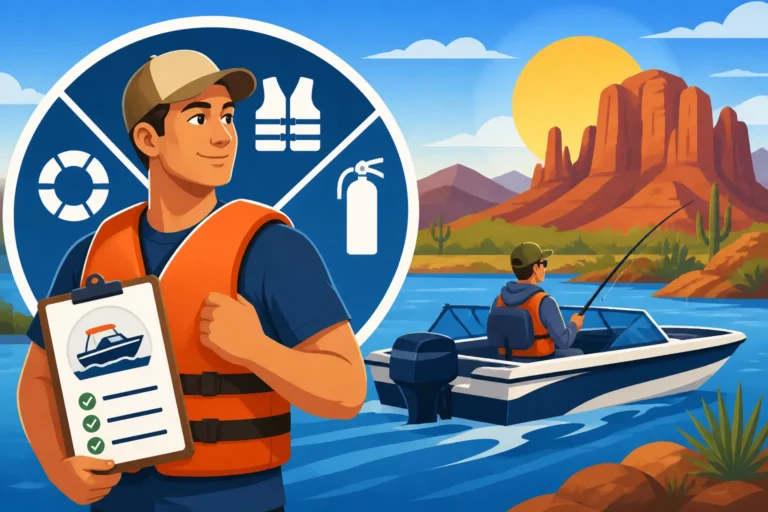
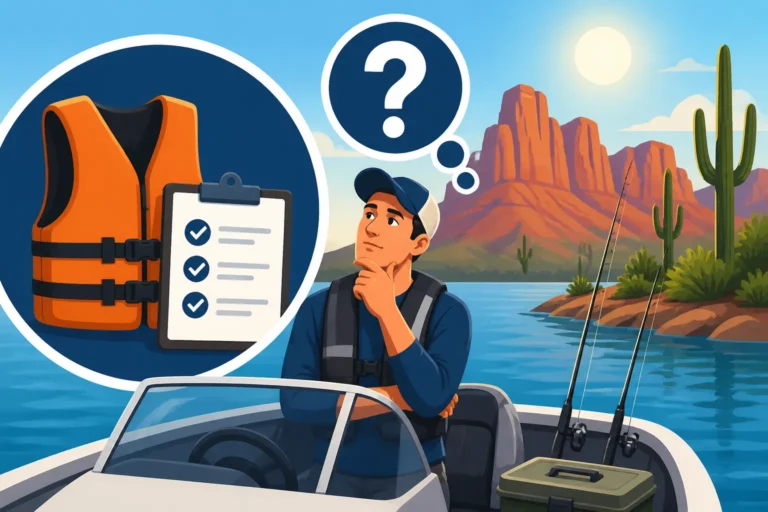
Even if you're a strong swimmer, a Personal Flotation Device (PFD) is your most important piece of safety gear on a kayak. It's not just a recommendation; it's often legally required, and for good reason. Unexpected capsizes can happen, whether due to a sudden wake, strong wind, or an aggressive fish pulling you off balance.
- Wear It, Don't Stow It: A PFD only works if you're wearing it. Get one specifically designed for fishing, with pockets and a comfortable fit that doesn't hinder casting or paddling.
- Know the Rules: Familiarize yourself with Arizona's PFD requirements, especially for children. PFD Requirements for Kids in Arizona covers these details.
- Learn to Re-enter: Practice self-rescue techniques. Knowing how to re-enter your kayak from the water, even in deep water, can be a lifesaver.
- Tell Someone: Always let someone know where you're going, your planned route, and when you expect to return. This "float plan" is crucial for search and rescue if something goes wrong.
- Check Conditions: Before launching, check the weather forecast for wind, storms, and temperatures. Avoid going out in high winds or when thunderstorms are predicted, especially during Arizona's monsoon season. Boating Safety Gear Requirements in Arizona are worth reviewing annually.
Wildlife and Remote Area Preparedness
Arizona's natural beauty includes its wildlife, but some encounters can pose risks. When fishing in remote areas, self-reliance is key.
- Respect Wildlife: Be aware of snakes, scorpions, and other desert creatures on shore. In the water, be mindful of any large fish or even sometimes territorial birds. Give all wildlife space.
- First-Aid Kit: A well-stocked first-aid kit is essential for any remote trip. Include items for cuts, scrapes, stings, and basic medical emergencies.
- Communication: A fully charged cell phone is a start, but service can be spotty in remote areas. Consider a satellite messenger or a VHF radio for emergencies, especially on large lakes like Lake Powell.
- Navigation: Carry a map and compass or a GPS device (and know how to use them), in addition to your phone. It's easy to get disoriented on large, winding lakes or unfamiliar rivers.
- Emergency Supplies: Beyond water, pack extra food, a whistle, a knife, a headlamp, and a fire starter (even if just for warmth or signaling). These small items can be invaluable in an unexpected overnight situation.
- Fishing Violation Fines and Penalties in Arizona: Understand the rules to avoid legal trouble, which includes knowing about proper catch limits and protected species.
By taking these safety precautions seriously, you can fully embrace the unique and rewarding experience of kayak fishing in Arizona, enjoying the serene waters and the thrill of the catch with peace of mind.
Disclaimer
This article is for general informational purposes only and does not constitute professional advice. Laws, prices and regulations vary by location and change over time. Consult a qualified professional for guidance on your specific situation.