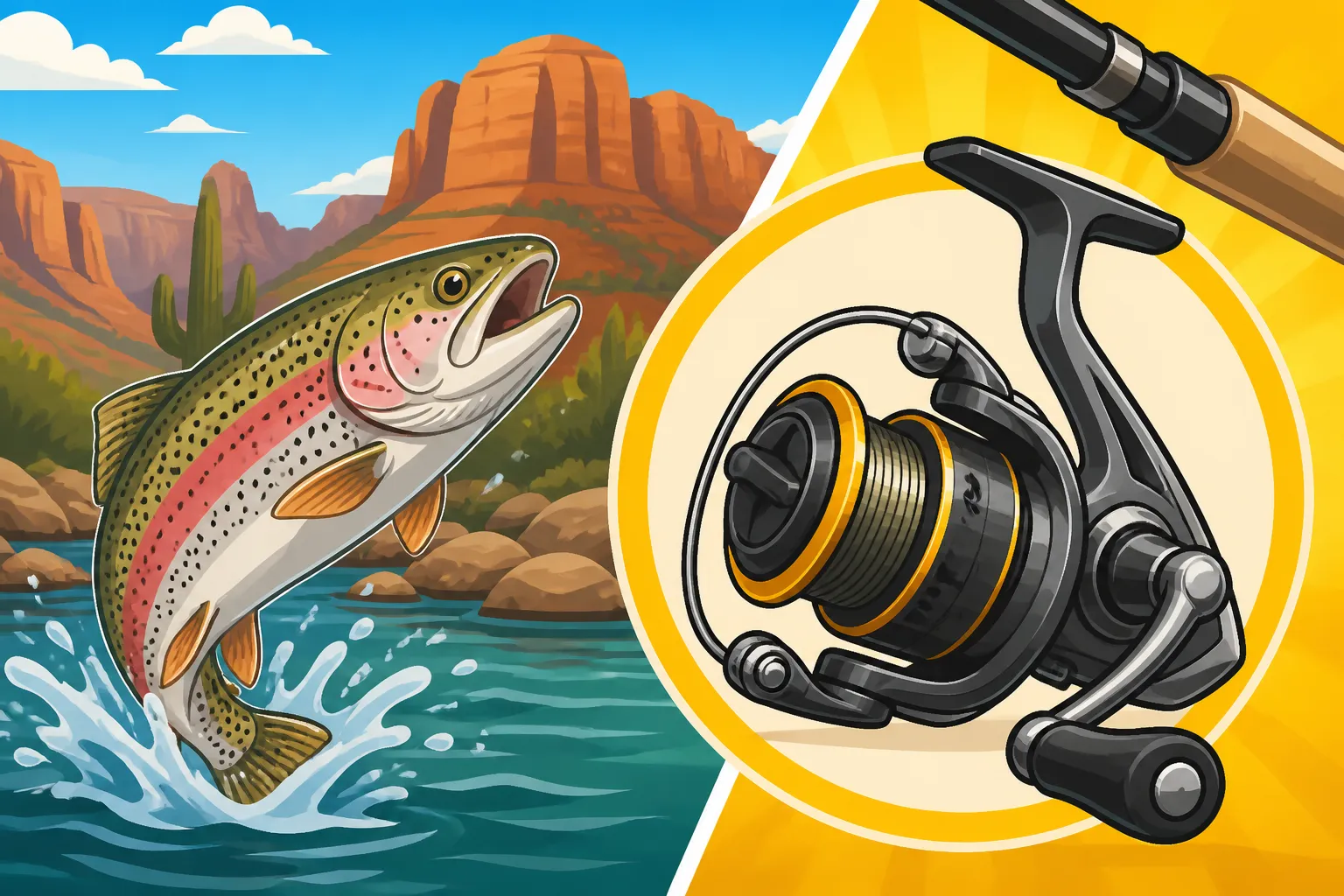
Best Reel Size for Trout Fishing
One of the most common dilemmas I hear from folks heading out for a day of Arizona trout fishing is trying to figure out the right reel size. It’s not just a numbers game; picking a reel that's too big can make your ultralight rod feel clunky and throw off your balance, while a reel that's too small might not hold enough line for that unexpected lunker. This guide will help demystify fishing reel sizing, specifically for targeting trout in our diverse Arizona waters, ensuring you're perfectly matched for your next angling adventure.
Deciphering Fishing Reel Sizing Systems
When you look at spinning reels, you'll often see numbers like 1000, 2000, 2500, or sometimes even 500. These aren't arbitrary figures; they're a standardized way that manufacturers categorize the size and line capacity of their reels. Understanding what these numbers signify is the first crucial step to picking the best reel for your trout fishing endeavors.
Understanding Spinning Reel Size Categories
Generally, the smaller the number, the smaller and lighter the reel. A 500 or 1000 series reel, for instance, is considered "ultralight." These reels are designed for very light lines and offer a delicate feel, perfect for finesse presentations. As the numbers increase, so does the physical size of the reel, its retrieve power, and most importantly for many anglers, its line capacity.
For trout fishing, you'll primarily be looking at reels in the ultralight to light categories, typically ranging from 500 up to 2500. A 2000 or 2500 series reel is often categorized as "light" or "medium-light" and offers a good balance of line capacity and power for a wide range of trout fishing scenarios in Arizona, from stillwaters to flowing rivers. Anything larger, say a 3000 or 4000, usually veers into medium freshwater or even light saltwater territory, which is generally overkill for most trout species unless you're specifically targeting massive, trophy-sized holdovers in very deep, expansive lakes, and even then, it's often more about technique and matching your rod.
Why Reel Weight and Balance Matter for Trout
Beyond just the number, the actual physical weight of the reel and how it balances with your rod is incredibly important for trout fishing. Trout anglers often use lighter rods, sometimes even ultralight models, to maximize sensitivity and the sporting experience. A heavy reel on a light rod will feel front-heavy, making casting awkward and tiring, especially if you're making many repetitive casts or delicate presentations.
Imagine spending a morning flicking tiny spinners into a mountain stream. If your setup feels like a brick, your wrist will be screaming after an hour. A well-balanced setup, where the reel's weight complements the rod, allows for more precise casts, better feel for subtle bites, and less fatigue over a long day. This harmonious balance is key to enjoying your time on the water, whether you're targeting small brook trout in a high-elevation stream or rainbow trout in a popular community lake. Best Rod and Reel Combo for Bass might emphasize power, but for trout, it's all about finesse and feel.
Matching Reel Size to Arizona Trout Fishing Scenarios
Arizona offers a remarkably diverse range of trout fishing opportunities, from icy mountain streams to urban ponds. Each environment presents unique challenges and calls for a slightly different approach to your gear, especially your reel choice. What works wonders for a tiny creek might be completely inadequate for a wider, fast-flowing river or a large, open lake.
Small Streams and High Mountain Lakes: Ultralight, Finesse Setups
If your idea of trout fishing involves hiking into the White Mountains or exploring the small, crystal-clear streams and high-elevation lakes up north, you're squarely in ultralight territory. These waters often hold smaller trout, and the tight casting quarters demand precision over power. A 500 or 1000 series reel is your best friend here.
These diminutive reels excel with very light monofilament or fluorocarbon lines, typically 2-4 pound test. Their smaller spools minimize line memory, allowing for smoother, longer casts with tiny lures like 1/16th ounce spinners, micro jigs, or small spoons. You'll appreciate the sensitivity and the sheer fun of fighting even a modest 10-inch trout on such a setup. It transforms every wiggle and headshake into an exhilarating experience. The reduced weight also makes them ideal for packing light on those longer hikes to remote fishing spots.
Urban Community Lakes and Stocked Ponds: Versatile Light Tackle
Arizona's urban lakes and community fishing program ponds are bustling hubs for trout fishing, especially during the cooler months when they're regularly stocked. For these highly accessible waters, a versatile light tackle setup is often preferred, typically meaning a 2000 or 2500 series spinning reel. These reels strike a fantastic balance, offering enough line capacity for slightly heavier lines (say, 4-8 pound test) while still being light enough for enjoyable casting and fighting.
These larger spools are also more forgiving if you encounter a surprisingly large holdover trout or a different species, like a bass, that decides to hit your trout bait. You'll have enough drag and line to handle a stronger fight without immediately being spooled. This versatility makes the 2000-2500 range a solid choice if you're looking for a single reel that can handle most of your general Arizona trout fishing needs, whether you're using PowerBait, worms, or throwing small Kastmasters. Many anglers find excellent options in this size at local shops or online, like through Amazon's wide selection. Community Fishing Program Stocking Season in Arizona often means plenty of active fish, so having a reliable reel is key.
Larger Rivers and Tailwaters: Slightly Heavier Options
For destinations like Lees Ferry, the Lower Salt River, or other larger rivers and tailwaters where trout can grow significantly larger or where you might encounter stronger currents, you might consider leaning towards the upper end of the "light" spectrum, perhaps a 2500 series reel. While still considered light tackle, these reels offer a bit more line capacity and often have slightly more robust drag systems, which are crucial when a larger trout decides to run with the current.
In these environments, you might also be using slightly heavier lines, perhaps 6-10 pound test, to contend with snags or to ensure you can horse a bigger fish away from obstacles. The added spool diameter on a 2500 reel can also provide a faster retrieve rate, which can be advantageous if you need to quickly pick up slack or work a lure through varying currents. This category is still about finesse, but with a touch more backbone for those potentially bigger fish and more challenging conditions. Don't forget to check Trout Stamp Requirements in Arizona if you plan to fish these specific waters.
Key Factors Beyond Just the Number
While reel size is a great starting point, it’s far from the only factor when choosing the best reel for trout fishing. A reel’s overall performance is a sum of its parts, and understanding other key features will help you make a truly informed decision. Think of it like choosing a vehicle – size matters, but so does engine power, suspension, and braking system.
Drag System Importance for Fighting Trout
The drag system is arguably one of the most critical components of any fishing reel, especially when targeting spirited trout. A smooth, consistent drag is essential for preventing line breaks and ensuring you can effectively tire out a fish without snapping your line, particularly with the lighter lines typically used for trout. A jerky or inconsistent drag will either lock up and break your line, or release too much line, allowing the fish to escape.
When you hook into a feisty rainbow trout that decides to make a strong run, a good drag system allows line to peel off smoothly under tension, absorbing the shocks and preventing the fish from snapping your leader. Look for reels that advertise a smooth, multi-disc drag system. Even on smaller, ultralight reels, a quality drag makes a world of difference. You want to be able to fine-tune it easily, often with a front-mounted adjustment knob, so you can adapt to different fish sizes and fighting styles on the fly. Best Line for Trout Fishing often pairs directly with how well your drag system performs.
Retrieve Speed and Gearing
Reel retrieve speed is typically expressed as a gear ratio, such as 5.2:1 or 6.0:1. This number tells you how many times the spool rotates with one full turn of the handle. A 5.2:1 ratio means the spool turns 5.2 times for every single handle rotation. Higher ratios mean faster retrieves, lower ratios mean slower, more powerful retrieves.
For most trout fishing, a moderate retrieve speed, generally in the 5.0:1 to 6.0:1 range, is perfectly adequate. This range offers a good balance for working various lures like spinners and spoons, as well as retrieving slack quickly when using bait. For ultralight presentations or when targeting very finicky trout, a slightly slower retrieve might be beneficial for a more subtle lure action. Conversely, if you're covering a lot of water or need to quickly get your lure back to make another cast, a slightly faster retrieve can be an advantage. Think about how you typically fish – are you a slow, methodical retrieve angler, or do you prefer a quicker cadence?
Line Type and Capacity Considerations
The type of fishing line you choose has a direct impact on the optimal reel size and vice versa. Ultralight reels (500-1000 series) are designed for very fine lines, typically 2-6 lb monofilament or fluorocarbon. Trying to spool heavy line onto such a small reel will drastically reduce your line capacity and can lead to excessive line memory and tangles.
Conversely, a 2500 series reel will comfortably hold a longer length of 6-8 lb test, which is great for covering more water or handling stronger fish. If you prefer using braided line, remember that braid is much thinner than mono for the same breaking strength. This means you can often use a slightly smaller reel or get significantly more line capacity on a standard reel when spooled with braid. However, braid typically requires a fluorocarbon or monofilament leader for trout, as it's more visible in clear water. Consider what type of line you prefer and how much line you truly need for the depths and distances you'll be fishing in Arizona. How to Catch Trout at a Stocked Urban Lake often involves specific line and bait choices.
Recommended Reel Sizes for Common Arizona Trout Setups
Let's break down the most popular reel sizes you'll encounter for trout fishing in Arizona and where each truly shines. This isn't about hard and fast rules, but rather understanding the sweet spots for different applications.
Ultralight Setups: 500-1000 Series
These are the gems for true finesse fishing and are incredibly popular among seasoned trout anglers and those who enjoy the challenge of light tackle.
-
500 Series Reels: These are the smallest spinning reels you'll typically find. They are perfect for pairing with ultralight rods (often rated for 1-4 lb line) when fishing tiny creeks, small high-mountain lakes, or very clear, shallow waters. They are designed for 2-4 lb test line, and you'll get maximum casting distance with micro lures. If you're targeting small brook trout or wary wild trout where every detail matters, a 500 series reel offers unparalleled sensitivity and a truly sporting fight. They're also incredibly lightweight, which is a huge bonus for long hikes. While smaller, quality 500 series reels from reputable brands will still offer surprisingly smooth drags.
-
1000 Series Reels: Stepping up slightly, the 1000 series is a fantastic all-around ultralight choice. It offers a little more line capacity than a 500, making it more forgiving if you hook a larger fish or need to cast a bit farther. These reels handle 4-6 lb test line beautifully and pair well with ultralight or light-action rods (rated for 2-6 lb line). You'll find them ideal for many of Arizona's smaller to medium-sized stocked lakes, streams, and even the upper reaches of some rivers. The 1000 series is a very common recommendation for beginners looking to get into trout fishing with a versatile ultralight setup, providing a great balance of finesse and general utility. You can easily find a range of these sizes at a store like Bass Pro Shops or explore options online.
Light to Medium Light Setups: 2000-2500 Series
These reels represent the workhorses for much of Arizona's diverse trout fishing, offering a great blend of capability and manageability.
-
2000 Series Reels: This size begins to cross over from ultralight to light tackle. A 2000 series reel will comfortably hold enough 6-8 lb test line for most situations you'll encounter at larger community lakes, small reservoirs, and many of Arizona's medium-sized rivers. When paired with a light to medium-light action rod, it provides a balanced setup that can handle a variety of lure weights and bait presentations. This is a very popular size for anglers who want a reel that's versatile enough for trout but can also handle a surprise bass or catfish without being completely outmatched. It's an excellent choice if you're not exclusively focused on tiny fish in tiny waters but still want that light tackle feel.
-
2500 Series Reels: Often considered the largest practical size for dedicated trout fishing, a 2500 series reel provides maximum line capacity (easily handling 8-10 lb test, or even more braided line) and a slightly more robust drag. This makes it ideal for larger bodies of water like Roosevelt Lake, Lake Pleasant, or when fishing heavier currents in places like the Colorado River for larger holdover trout. If you're targeting larger rainbow trout, brown trout, or potentially even some of the hybrid wipers that occasionally cross paths with trout gear, the 2500 series offers that extra bit of confidence. It still balances well with most medium-light rods and won't feel overly cumbersome, especially if you're mostly boat fishing or bank fishing with longer casts. Remember to consult Arizona Fishing Regulations Explained for any specific tackle restrictions on certain waters.
Ultimately, the "best" reel size for trout fishing in Arizona really boils down to your specific fishing style, the waters you frequent most, and the size of trout you anticipate catching. It's always a good idea to feel the reel on your chosen rod before buying, if possible, to ensure it balances well in your hand. Happy angling!
| Reel Size Category | Typical Series | Ideal Line Weight (Mono/Fluoro) | Arizona Fishing Scenarios | Key Benefits |
|---|---|---|---|---|
| Ultralight Finesse | 500-1000 | 2-6 lb | Small streams, high mountain lakes, very clear shallow ponds | Maximum sensitivity, light weight, delicate presentations, sporting fight for small trout |
| Versatile Light Tackle | 2000-2500 | 4-10 lb | Community lakes, stocked ponds, medium-sized rivers, general all-around trout fishing | Good line capacity, versatile for various species/lures, balances well with most light rods |
| Larger Water/Big Fish | (Upper end of 2500) | 8-12 lb | Large reservoirs, strong river currents, targeting trophy-sized trout or other species | Increased line capacity, more robust drag, confidence for bigger fish |
Disclaimer
This article is for general informational purposes only and does not constitute professional advice. Laws, prices and regulations vary by location and change over time. Consult a qualified professional for guidance on your specific situation.