Best Jig Head Weight for Smallmouth Bass
Getting out on Arizona's beautiful lakes to chase smallmouth bass is an absolute thrill, but sometimes it feels like they're playing hard to get, right? One of the biggest frustrations I hear from fellow anglers, and certainly something I've grappled with myself, is trying to dial in that perfect presentation when those bronzebacks are being finicky. It often comes down to the smallest details, and frankly, nothing is more crucial for jig fishing than choosing the right jig head weight. This guide is here to cut through the confusion and help you confidently select the best jig head weight for smallmouth bass in various Arizona fishing scenarios, ensuring your bait gets seen and, more importantly, bitten.
Understanding How Jig Head Weight Influences Smallmouth Bass Fishing
Smallmouth bass are incredible fighters, but they can also be notoriously particular about how a bait acts in the water. Unlike their largemouth cousins who might smash anything that moves, smallmouth often prefer a more subtle, natural presentation. The weight of your jig head plays a starring role in this dance, dictating everything from how fast your lure sinks to how it moves across the bottom or through the water column.
The Importance of Fall Rate and Presentation
Think about what smallmouth bass feed on: crawfish scuttling along the bottom, minnows darting or slowly falling, or insects drifting. Each of these natural prey items has a distinct movement and fall rate. When you're using a jig, your goal is to mimic that action as closely as possible, and that's where jig head weight becomes paramount.
A lighter jig head, say a 1/16 ounce, will offer a much slower, more enticing fall. This is absolutely critical when smallmouth are lethargic, suspended in the water, or feeding on baitfish that are slowly dying or injured. Imagine a tube jig or a small grub gently spiraling down a rock face at Lake Powell Arizona Fishing Guide – that slow, fluttering descent can often trigger a strike from a cautious smallmouth that might ignore a heavier, faster-falling bait. The slower fall gives the fish more time to react, inspect the bait, and ultimately commit. It's all about presenting something that looks easy to catch, not something that plummets past them like a rock.
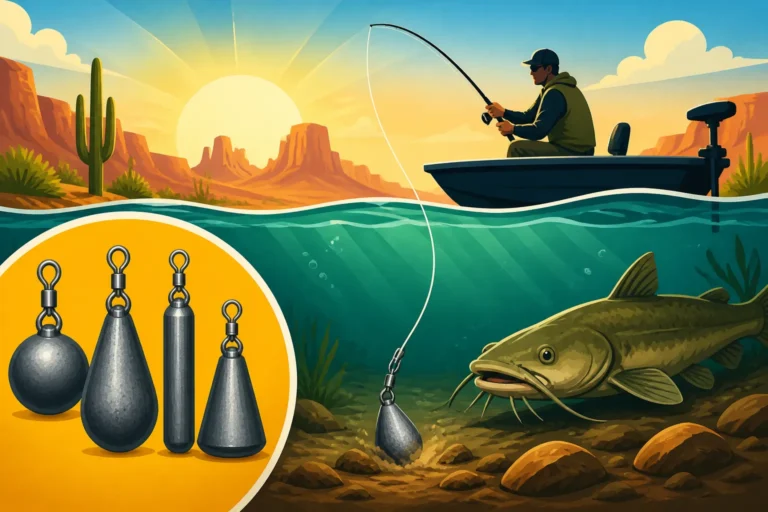
Conversely, a heavier jig head (1/4 ounce or more) provides a faster fall and allows you to maintain better contact with the bottom, especially in deeper water or strong currents. If the smallmouth are actively chasing bait or holding tight to deep structure, getting your lure into the strike zone quickly and keeping it there is key. For example, if you're working a deep ledge at Canyon Lake Arizona Fishing Guide where fish are stacked up, a heavier jig ensures you spend less time waiting for your bait to sink and more time fishing effectively. It also gives you a better "feel" for subtle bites in these scenarios, as the heavier weight transmits vibrations more clearly up your line.
Factors Affecting Optimal Jig Head Weight
Choosing the "perfect" jig head weight isn't a one-size-fits-all answer; it's a dynamic decision based on several environmental and fishing conditions. Ignoring these factors is like trying to drive a nail with a screwdriver – you might eventually get there, but it won't be pretty or efficient.
- Wind: A strong breeze can create havoc, blowing your line around and making it difficult to feel light bites or keep your lure in place. In windy conditions, you'll almost always need to go up in jig head weight to cut through the wind and maintain better control.
- Current: Whether you're fishing a river section of the Colorado River Fishing Guide in Arizona or a neck-down area in a reservoir, current will push your lure around. A heavier jig head helps your bait sink faster and stay on the bottom, preventing it from being swept away from the fish's holding areas.
- Depth: This is perhaps the most obvious factor. The deeper the water, generally the heavier the jig head you'll need. This isn't just about getting it down, but about maintaining connection and feel. Trying to fish a 1/8 ounce jig in 40 feet of water is a recipe for frustration, as you'll have almost no feel for the bottom or for subtle bites.
- Structure Type: Are you fishing clean rock bottoms, or are you navigating through thick brush piles and submerged timber? Lighter jigs can sometimes get hung up less in lighter cover, but heavier jigs can be punched through thicker stuff more effectively. Understanding the "feel" of your jig on the structure is crucial for avoiding snags and knowing when a bite occurs.
- Lure Size and Profile: A larger, bulkier soft plastic bait, like a creature bait or a bigger swimbait, will have more water resistance and require a heavier jig head to achieve the desired fall rate compared to a tiny grub. Always match your jig head weight to the size and profile of the plastic you're threading onto it.
- Rod Sensitivity: While not directly a factor in choosing the weight, your rod's sensitivity impacts how light you can go. A super sensitive rod (often graphite with a fast action) allows you to feel lighter baits and subtle bites, meaning you might be able to get away with a lighter jig head in certain situations. Conversely, a less sensitive rod will force you to use heavier weights to compensate for the lack of feel. When looking for the Best Fishing Rods for Bass in Arizona, consider sensitivity for jig fishing.
Matching Jig Head Weight to Common Smallmouth Scenarios in Arizona
Arizona's diverse waters offer a variety of challenges and opportunities for smallmouth anglers. From the clear, deep canyons of Lake Powell to the brushy coves of Roosevelt, each environment might call for a different approach regarding jig head weight.
Shallow Water and Finesse Tactics
When the water is clear, calm, and relatively shallow (let's say 5 to 15 feet), and you're targeting smallmouth that are either cruising or holding tight to visible structure, finesse is often the name of the game. Think of those sunny days when the fish seem to vanish or are extremely spooky. This is where subtle presentation shines.
- Scenario: You're fishing clear, calm areas on the flats of Lake Havasu, or working the rocky shorelines of a calm coves at Roosevelt Lake. The smallmouth might be ambushing baitfish or crawfish around scattered rocks, gravel beds, or submerged vegetation. They’re wary and easily spooked by an aggressive presentation.
- Recommended Weights: For these conditions, I typically start with 1/16 ounce to 1/8 ounce jig heads. Sometimes, if the water is exceptionally shallow (2-5 feet) and calm, even a 1/32 ounce might be ideal.
- Lure Types: These lighter weights pair perfectly with small soft plastics like 2-3 inch tube jigs, small grubs, tiny finesse worms, or even micro-sized creature baits. The key is to keep the profile small and natural.
- Why These Weights Work: A 1/16 or 1/8 ounce jig head allows your soft plastic to drift and flutter slowly, mimicking a stunned baitfish or a crawfish gently settling to the bottom. This slow fall is incredibly enticing to cautious smallmouth and gives them ample time to track the lure before deciding to strike. It also reduces the "splash" when your lure enters the water, preventing spooking in clear, shallow conditions. When fishing these lighter jigs, make sure you have a good sensitive rod and a Best Fishing Reels for Beginner Anglers in Arizona that allows for smooth casting of light lures.
Deep Water and Structure Fishing
Arizona is famous for its deep, clear reservoirs with incredible underwater topography. Ledges, steep drop-offs, submerged rock piles, and old timber are prime smallmouth habitat in places like Lake Powell, Apache Lake, and Canyon Lake. When smallmouth are holding deep, you need a jig head that can get down there efficiently and maintain contact with the bottom or structure.
- Scenario: You're scanning your fish finder and see smallmouth holding at 25-50 feet on a prominent ledge, or stacked up around a brush pile in deeper water. The fish are less concerned with a slow fall and more about getting a meal placed right in front of them quickly.
- Recommended Weights: For deep-water structure, I lean towards 1/4 ounce to 3/8 ounce jig heads. In very deep water (40+ feet) or strong currents, I might even go up to a 1/2 ounce.
- Lure Types: These heavier weights are great for larger tube jigs, football head jigs with craw or creature trailers, or swimbaits designed to be fished deep. The increased weight allows for a more direct vertical presentation or a controlled drag across the bottom.
- Why These Weights Work: A heavier jig head cuts through the water column much faster, ensuring your bait spends less time descending and more time in the strike zone. It also allows you to "feel" the bottom contour and any structure much more effectively. When dragging a jig along a ledge, that heavier weight helps you differentiate between a rock, a piece of wood, or the subtle peck of a smallmouth. It provides better feedback, which is essential for working these deep, complex areas. Using Drop Shot Techniques for Smallmouth Bass can also be very effective in these deep-water scenarios, often utilizing similar jig head weights.
Current and Wind Considerations
Wind and current are two of an angler's biggest adversaries, especially when trying to maintain a precise presentation with a jig. Arizona’s open lakes can get incredibly windy, and river systems like portions of the Colorado River have constant current. These forces will push your line and lure, making it difficult to control your bait's depth and position.
- Scenario: You're fishing the windy main lake points of Lake Pleasant, or trying to work jigs along the banks of the Colorado River where there's a noticeable flow. Your light jig is getting washed out of the strike zone, or you can't feel the bottom because your line is bowing too much.
- Recommended Weights: In these conditions, you almost always need to size up your jig head. Start with 1/4 ounce and don't hesitate to go to 3/8 ounce or even 1/2 ounce if the wind or current is strong.
- Lure Types: While the plastic bait itself might not change much, the added weight allows it to be presented effectively. Consider streamlined soft plastics that have less water resistance.
- Why These Weights Work: Heavier jig heads provide the necessary ballast to combat wind and current. They help your lure sink quicker, reach the desired depth, and stay there. Crucially, the added weight tightens your line, reducing slack and allowing you to maintain better contact with your lure. This means you can feel bites more easily and impart the desired action to your jig without the elements pulling it off course. It’s about maintaining control and keeping your bait where the fish are.
Practical Tips for Choosing and Using Jig Head Weights
Beyond understanding the theoretical aspects, putting this knowledge into practice on the water requires a bit of savvy and a willingness to adapt.
Experimentation is Key
No two days on the water are exactly alike, and what worked yesterday might not work today. This is especially true when it comes to jig head weights.
- Start Light, Go Heavier: A good rule of thumb is to start with the lightest jig head you think you can comfortably fish for the given depth and conditions. If you can't feel the bottom, or your lure is being swept away too quickly, then step up to the next size heavier. Keep increasing the weight until you achieve good bottom contact and control.
- Observe Fish Reaction: Pay close attention to how the smallmouth are reacting. Are they short-striking or just bumping the bait? It might mean your fall rate is too fast. Are they ignoring it entirely? Perhaps it's falling too slow, or too fast, and a different weight is needed. Sometimes, a slight change in jig head weight can make all the difference between a frustrating day and a fantastic one.
- Carry a Variety: The worst thing you can do is head out with only one or two jig head sizes. Your tackle box should have a wide array of weights, from 1/32 ounce all the way up to 1/2 ounce, especially if you plan to target smallmouth in various conditions. Having a range of options means you can adapt quickly to changing wind, depth, or fish mood. When stocking up on your Essential Tackle Box Setup for Arizona Beginners, ensure you have this variety. You can often find great multi-packs of jig heads at Bass Pro Shops or browse extensive selections on Amazon.
Gear Considerations
Your rod, reel, and line all play a role in how effectively you can fish different jig head weights. Choosing the right complementary gear is vital for success.
- Rod Power and Action:
- Light/Medium-Light Power, Fast Action Rods: These are ideal for finesse techniques with lighter jig heads (1/16 oz to 1/8 oz). The lighter power allows the rod to load better with lighter lures for casting, and the fast action provides the tip sensitivity needed to detect subtle bites.
- Medium/Medium-Heavy Power, Fast Action Rods: For heavier jig heads (1/4 oz to 1/2 oz) used in deeper water, current, or around heavy cover, a medium to medium-heavy power rod is more appropriate. It gives you the backbone to cast heavier baits, drive the hook home, and muscle fish away from structure. The fast action still maintains sensitivity for feeling the bottom and bites.
- Line Type:
- Fluorocarbon Line: Excellent for jig fishing due to its low stretch and high sensitivity. This allows you to feel even the most subtle bites with lighter jig heads. It's also virtually invisible underwater, which is a huge plus in clear Arizona waters when targeting wary smallmouth.
- Braided Line: Offers superior strength and zero stretch, making it incredibly sensitive. However, it's highly visible. Many anglers will tie a fluorocarbon leader (6-10 feet) to their braided mainline to get the best of both worlds: strength and sensitivity from the braid, and stealth from the fluoro.
- Monofilament Line: Generally not recommended for primary jig fishing due to its stretch, which reduces sensitivity and makes it harder to feel light bites. It can be acceptable for very aggressive fish or in situations where extreme sensitivity isn't paramount.
- Terminal Tackle Setup: Ensure your knots are strong and you're using quality hooks. A sharp hook is paramount for penetrating the bony mouth of a smallmouth. Some jig heads come with premium hooks, which are worth the investment. For general bass fishing, especially with jigs, Best Line for Bass Fishing can significantly impact your feel and success.
Jig Head Weight Chart for Arizona Smallmouth Bass
To help you quickly reference the ideal jig head weights for different smallmouth bass fishing scenarios in Arizona, here's a handy chart:
| Scenario | Water Depth (Approx.) | Wind/Current | Recommended Jig Head Weight Range | Common Lure Types | Why It Works |
|---|---|---|---|---|---|
| Finesse/Shallow Clear Water | 2-15 feet | Low | 1/32 oz – 1/8 oz | Small tubes, grubs, finesse worms | Slow, natural fall; less splash; subtle presentation for wary fish in clear water. |
| Moderate Depth/Structure | 10-30 feet | Low to Moderate | 1/8 oz – 1/4 oz | Tubes, small swimbaits, craw plastics | Good balance of fall rate and bottom contact; effective for working ledges. |
| Deep Water/Heavy Structure | 25-50+ feet | Low to Moderate | 1/4 oz – 3/8 oz | Larger tubes, football jigs, swimbaits | Gets to depth quickly; maintains excellent bottom contact and feel; handles deeper fish. |
| Windy Conditions | Any | High | 1/4 oz – 1/2 oz | Any jig plastic (adjust for profile) | Cuts through wind; reduces line bow; maintains control and feel for bites. |
| Strong Current | Any | High | 1/4 oz – 1/2 oz | Streamlined plastics (e.g., paddle tails) | Sinks fast against current; keeps bait in strike zone; maintains bottom contact. |
| Vertical Jigging | Deep (20-60+ feet) | Low to Moderate | 3/8 oz – 1/2 oz | Metal jigs, heavy spoons, larger tubes | Fast descent; direct presentation over fish or structure; efficient in vertical drops. |
Remember, this chart is a guide, not a rigid rule. Always let the conditions and the fish tell you what they prefer. Start with an educated guess, but be willing to change and adapt until you find what triggers those Arizona smallmouth to strike! Happy fishing!
Disclaimer
This article is for general informational purposes only and does not constitute professional advice. Laws, prices and regulations vary by location and change over time. Consult a qualified professional for guidance on your specific situation.