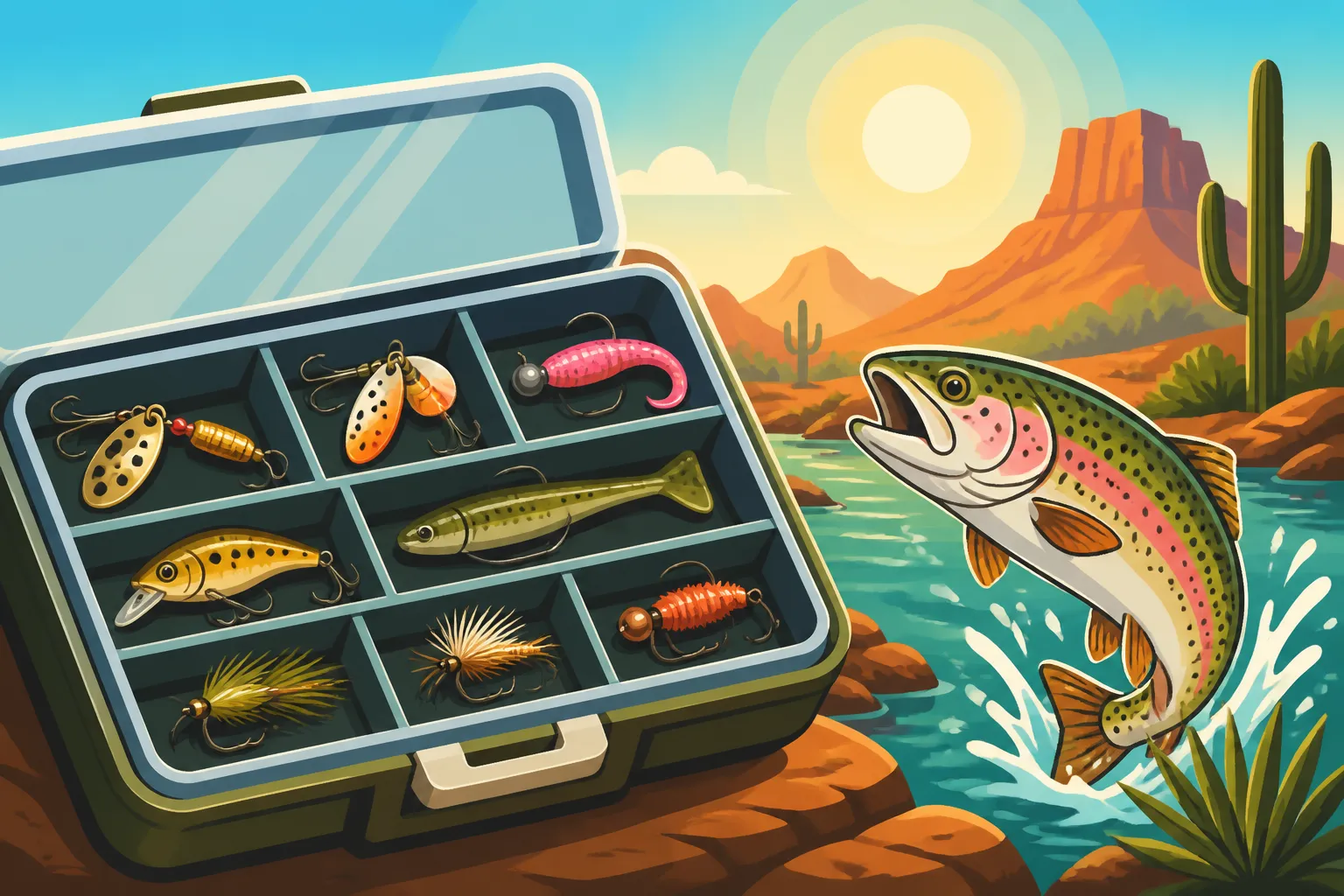
Best Lures for a Trout Tackle Box
If you've ever stared at a wall of fishing lures at your local tackle shop or scrolled endlessly through online options, feeling completely overwhelmed by the sheer variety, you're definitely not alone. It’s a common frustration for many anglers, especially when targeting trout in Arizona's incredibly diverse waters. You know that tiny spinner might work in a high mountain stream, but will it tempt a wary rainbow in an urban pond? This guide is here to cut through the confusion and help you build a trout tackle box that’s effective for Arizona’s unique fishing environments, ensuring you have the right tools for a successful day on the water.
Understanding Arizona's Trout Environments
Arizona might be known for its desert, but it’s actually home to some fantastic trout fishing. The key to success often lies in understanding the specific environment you're fishing in, as this heavily dictates what lures will be most effective. A lure that shines in a fast-moving, clear mountain creek might be completely ignored in a murky community pond.
High Mountain Lakes and Streams
When you think of classic trout fishing, you're likely picturing the cool, crisp waters of Arizona's high country. Places like Big Lake, Crescent Lake, and the numerous streams winding through the White Mountains are prime trout territory. These waters are often teeming with wild trout populations or heavily stocked with rainbows, brookies, and cutthroats. The conditions here vary: streams can be fast-flowing and rocky, while lakes can be deep and clear. The trout in these environments, especially wild ones, tend to be more wary and forage on a variety of insects, small baitfish, and crustaceans.
Because these waters are typically cooler and often clearer, trout here are highly visual hunters. Lures that mimic natural forage, offer a subtle presentation, or provide a strong visual appeal are usually the most productive. The water current in streams also plays a significant role, often dictating how a lure moves and how the fish perceive it. Anglers often find success by carefully matching the local insect life or by presenting lures that accurately imitate the small minnows or aquatic invertebrates that make up the trout's diet.
Urban and Community Fishing Ponds
Arizona's Community Fishing Program is a fantastic resource, bringing fishing opportunities right into urban areas like Phoenix and Tucson. Lakes such as Tempe Town Lake, Kiwanis Lake, and the various smaller neighborhood ponds are regularly stocked with rainbow trout during the cooler months, generally from late fall through spring. These environments are quite different from the high country. They are often shallower, warmer (outside of stocking season), and the fish are typically smaller, freshly stocked, and accustomed to a specific diet provided by the hatchery.
Trout in community ponds are often less wary, especially immediately after stocking, but they can quickly become pressured and finicky. Scent plays a huge role here, as these fish are often less reliant on chasing natural forage and more accustomed to pellet-based diets. Bright colors and strong scents can trigger bites from these hatchery-raised fish. The slower, often still waters of these ponds also mean that slower retrieves and more subtle presentations can be very effective, allowing the fish ample time to investigate the lure. You’ll want to review your Arizona Community Fishing Program Rules before heading out.
Colorado River Tailwaters
The mighty Colorado River, particularly stretches like Lees Ferry below Glen Canyon Dam, offers a truly unique and world-class trout fishing experience in Arizona. This tailwater fishery is characterized by consistently cold, clear water released from the bottom of Lake Powell, creating an ideal environment for large, robust rainbow trout. These fish are often wild or naturalized, incredibly strong, and highly selective feeders, making them a true challenge for any angler. The deep, clear water and the presence of abundant forage like scuds (freshwater shrimp) and midges shape the fishing strategy here.
Fishing Lees Ferry often involves very specific techniques and lure choices. The trout here are accustomed to a steady diet of small, natural prey, so presentation is paramount. While fly fishing is incredibly popular and effective, spin anglers can also find success with micro-lures that perfectly imitate the natural food sources or provide an irresistible flash in the clear water. Understanding the nuances of the current and depths is crucial, as is using light line and stealthy approaches. This fishery truly rewards patience and precision. If you are planning a trip, be sure to check out the Lees Ferry Arizona Fishing Guide.
The Essential Lures for Arizona Trout
Now that we've covered the different types of environments, let's dive into the workhorses of any good trout tackle box. These are the tried-and-true lures that consistently put fish in the net across Arizona's diverse waters.
Spinners and Spoons
Spinners and spoons are arguably the most iconic trout lures, and for good reason—they are incredibly effective. Their primary appeal lies in their flash, vibration, and erratic movement, which perfectly mimic injured baitfish or frantic aquatic insects, triggering a predatory response from trout.
Spinners: These lures feature a rotating blade that spins around a central shaft as you retrieve it, creating irresistible flash and vibration. Classic inline spinners like Mepps Aglia, Rooster Tail, and Panther Martin are absolute staples. For Arizona trout, especially in streams and high mountain lakes, look for sizes ranging from 1/16 oz to 1/4 oz. The flash of a silver, gold, or copper blade can be incredibly effective in clear water, while blades with painted patterns (like black dots on yellow, or fluorescent orange) can stand out in slightly murkier conditions. The key is to cast upstream and retrieve just fast enough to get the blade spinning, allowing the current to impart natural movement. In still waters, a slow, steady retrieve often works best. You can find a vast selection of these classic lures at places like Bass Pro Shops, making it easy to stock up.
Spoons: Spoons are metal lures designed to wobble and flutter as they're retrieved, imitating a dying or disoriented baitfish. Popular trout spoons include Kastmaster, Little Cleo, and Thomas Buoyant. Their compact design allows for long casts, which is a huge advantage when targeting wary trout from shore or trying to reach distant feeding grounds in larger lakes. Spoons are particularly effective in deeper water or when trout are feeding on baitfish. Sizes between 1/8 oz and 1/4 oz are usually ideal for Arizona trout. Silver, gold, and brass are reliable colors, but spoons with painted patterns, especially those mimicking rainbow trout or perch, can also be highly productive. Experiment with retrieve speeds—a slow, erratic retrieve with occasional pauses can often entice strikes from even the most cautious fish.
Soft Plastics and Artificial Baits
Sometimes, trout are finicky, or the conditions call for a more subtle approach. This is where soft plastics and artificial baits truly shine. Their versatility, natural feel, and often added scents make them indispensable, especially for pressured fish or in stillwater environments like urban ponds.
Soft Plastics: These come in an astounding array of shapes, sizes, and colors, designed to imitate everything from worms and minnows to insects and even aquatic larvae. Common examples include small finesse worms, grubs, and tiny tube baits. Brands like Berkley PowerBait Power Worms or Gulp! Minnows are often infused with scent, which can be a game-changer, especially for stocker trout that respond well to scent trails. Rigging them on a small jig head (1/32 oz to 1/8 oz) or under a bobber allows for a slow, natural presentation. The subtle action of a small plastic grub twitching on the bottom can be irresistible to wary trout. They’re also excellent for targeting fish holding close to structure or those that are less willing to chase faster-moving lures.
Artificial Baits: This category is dominated by dough-like baits, with Berkley PowerBait being the undisputed king. These baits are designed to mimic the hatchery pellets that stocked trout are accustomed to, and they release a powerful scent that draws fish in. Available in various colors (chartreuse, rainbow, pink, white are popular) and forms (nuggets, worms, pre-formed shapes), they are incredibly effective, particularly in urban lakes and ponds immediately after stocking. Rigging PowerBait on a small treble hook with a sliding sinker allows it to float off the bottom, putting it right in the trout's strike zone. Other similar artificial baits might include Pautzke's Salmon Eggs or similar scented paste baits. The beauty of these is their simplicity and effectiveness for recently stocked fish, making them a fantastic choice for beginners and experienced anglers alike. Learning the Urban Lake Trout Season in Arizona can help you time your trips for optimal success with these baits.
Small Crankbaits and Jerkbaits
While often associated with bass fishing, smaller crankbaits and jerkbaits can be incredibly effective for enticing aggressive trout, particularly larger ones, in both lakes and wider river sections. They offer a different kind of action compared to spinners and spoons, often mimicking a fleeing baitfish with more erratic movements and deeper diving capabilities.
Crankbaits: These lures feature a lip that causes them to dive to a certain depth and wobble as they're retrieved. For trout, look for small, shallow-diving crankbaits (typically 1-2 inches in length) that mimic common forage fish like minnows or small shad. Brands like Rapala Ultra Light Crank or various Yo-Zuri models come in colors that imitate natural baitfish (silver, gold, perch patterns) or bright, attention-grabbing hues. They are excellent for covering water, especially when trout are scattered or actively chasing baitfish. The key is to vary your retrieve speed and incorporate pauses or twitches to make the lure appear injured or disoriented, triggering reaction strikes. They are fantastic for targeting trout holding near drop-offs, submerged timber, or rocky points in larger lakes.
Jerkbaits: Similar to crankbaits but designed for a more pronounced "jerking" retrieve, small jerkbaits offer an erratic, darting action that can be irresistible to aggressive trout. They typically suspend in the water column when paused, making them deadly for finicky fish that might follow a lure but hesitate to strike. Again, focus on smaller sizes, usually 2-3 inches, with natural baitfish patterns. Brands like Rapala X-Rap or Smithwick Rattlin' Rogue have proven effective. The retrieve involves a series of jerks or twitches of the rod tip, followed by pauses, allowing the lure to dart and then suspend, perfectly imitating a struggling baitfish. These are often best used in clearer waters where trout rely heavily on sight and are willing to chase a fleeing meal. Remember, sometimes trout prefer a really subtle action, so a light touch on the rod can make all the difference.
Building Your Arizona Trout Tackle Box
Having a selection of lures is one thing; organizing them and ensuring you have the right supporting gear is another. A well-stocked and thoughtfully arranged tackle box can make your fishing trip far more efficient and enjoyable.
Essential Colors and Sizes
The choice of color and size in trout lures isn't just about aesthetics; it's about matching the conditions and the trout's mood. Over time, you'll develop your own favorites, but here's a good starting point:
Colors:
- Natural/Silver/Gold: These are your bread and butter, especially in clear water or when trout are keying in on natural baitfish. Silver mimics shad and minnows, while gold can imitate sunfish or carp fry.
- Bright/Fluorescent (Chartreuse, Orange, Pink): Excellent for stained or murky water, low light conditions, or for freshly stocked trout in urban ponds that respond to high visibility. PowerBait in these colors is especially popular.
- Dark/Natural Patterns (Brown, Green, Black): Often effective in clear, high-pressure waters where trout are wary. Think small patterns that mimic insects or crayfish.
Sizes:
- Spinners & Spoons: 1/16 oz to 1/4 oz. Go smaller for streams and highly pressured fish; larger for big lakes or aggressive trout.
- Soft Plastics & Artificial Baits: Small profiles, typically 1-3 inches for soft plastics, or small nuggets/worms for PowerBait.
- Crankbaits & Jerkbaits: Ultra-light models, 1-3 inches in length.
A good approach is to carry a variety. If the water is clear, start with natural colors. If it's murky or overcast, switch to brighter options. If trout are ignoring everything, go smaller and more subtle.
Terminal Tackle Must-Haves
Your lures are only as good as the connections that hold them. Don't skimp on terminal tackle!
- Swivels: Small barrel swivels (size 10-14) are crucial for spinners to prevent line twist. A snap swivel can also make changing lures quicker and easier.
- Leaders: Fluorocarbon leaders (4-6 lb test) are nearly invisible underwater, a huge advantage when fishing for wary trout in clear water. They also offer excellent abrasion resistance. Always use a leader that's a slightly lower breaking strength than your main line so if you get snagged, you only lose the leader and lure, not your entire line.
- Weights: Split shots (various sizes) and small sliding egg sinkers are essential for getting your bait or lure down to the desired depth. For floating baits like PowerBait, a sliding sinker is a must.
- Hooks: A selection of small, sharp hooks is vital. For PowerBait, small treble hooks (size 10-14) are common. For worms or other natural baits, single baitholder hooks (size 8-12) work well. Always ensure your hooks are razor-sharp—a dull hook will lead to missed bites.
- Bobbers/Floats: Indicator bobbers or small slip floats are invaluable for presenting baits at a specific depth, especially in still water. They give clear visual indication of strikes.
Remember that line selection is also key. For trout, most anglers use 4-6 lb test monofilament or fluorocarbon as their main line, sometimes with a braided mainline backed by a fluorocarbon leader for increased sensitivity and casting distance. You can learn more in our guide on How to Choose Line Weight for Trout.
Organization and Storage Tips
A messy tackle box is a frustrating tackle box. Keeping your lures and terminal tackle organized will save you time and headaches on the water.
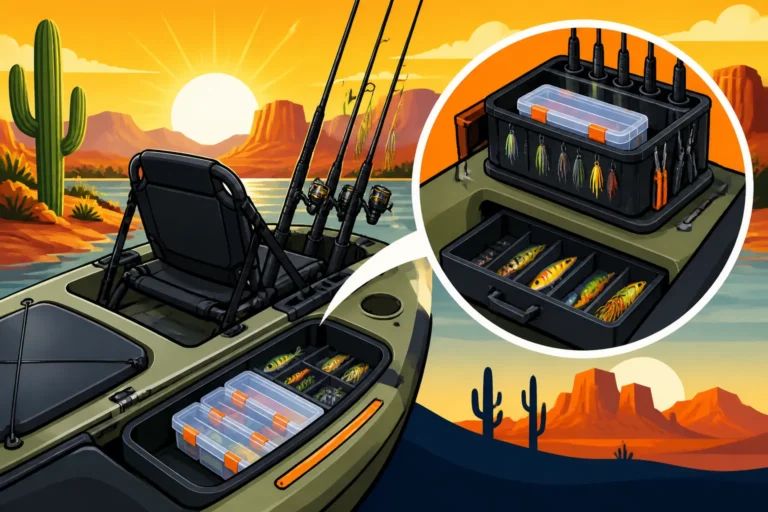
- Compartmentalized Boxes: Invest in clear plastic tackle boxes with adjustable compartments. This allows you to separate different lure types, sizes, and colors, preventing tangles and making it easy to find what you need.
- Labeling: Consider labeling compartments, especially if you have similar-looking lures or different hook sizes. A small label maker or even a permanent marker can be a lifesaver.
- Hooks & Weights: Keep hooks and weights in small, dedicated boxes or resealable bags within your main tackle box to prevent them from scattering and getting lost.
- Soft Plastic Storage: Store soft plastics in their original bags to preserve their scent and prevent them from melting or sticking together, especially in Arizona's heat. You can also use separate soft plastic binders or specialized storage bags.
- Tool Pouch: Have a small pouch for essential tools like pliers, line clippers, and a small measuring tape. This keeps them easily accessible and prevents them from damaging other gear. For anglers seeking specific brands, many organizers are available on Amazon, offering a convenient way to get everything you need delivered.
Techniques for Maximizing Lure Effectiveness
Even the best lures won't catch fish if you don't know how to present them effectively. Trout are often highly sensitive to presentation, and a few subtle changes can make a big difference in your success rate.
Matching the Hatch
"Matching the hatch" is a term often associated with fly fishing, but the concept applies equally to spin fishing with lures. It essentially means presenting a lure that closely resembles the natural food sources that trout are currently feeding on.
When you arrive at a fishing spot, take a moment to observe. Are there any insects flying around or hatching on the water's surface? Are there small minnows darting in the shallows? Turn over some rocks to see what aquatic invertebrates might be present. If you see a lot of small, dark insects, a dark-colored micro-jig or soft plastic might be more effective than a bright, flashy spinner. If you notice minnows, a small, silver spoon or crankbait imitating baitfish would be a better choice. This observational step is crucial because trout often become highly selective, focusing on the most abundant food source available. Offering something similar in terms of size, shape, and color can trigger more bites.
Reading the Water and Presentation
Trout are creatures of habit and structure. They’ll position themselves in specific areas that offer food, cover, and favorable currents. Learning to "read the water" means identifying these prime locations.
- Current Seams: In rivers and streams, trout often hold in the slower water just off the main current seam, waiting for food to drift by. Cast your lure into the faster current and let it drift into the seam, retrieving just enough to give it action.
- Structure: Rocks, submerged logs, weed beds, and drop-offs all provide cover and ambush points for trout. Make precise casts to these areas, trying to land your lure just beyond the structure and retrieve it past or through it.
- Retrieve Speed: This is perhaps the most critical aspect of presentation. Most beginners retrieve too fast. Experiment with slow, steady retrieves, adding pauses, twitches, or erratic movements. Sometimes, a trout needs to be "teased" into striking. In cold water, a very slow retrieve is often best, as fish are less active. Conversely, in warmer water, a faster retrieve can sometimes trigger aggressive strikes.
- Depth: Use split shot or different weighted lures to get your presentation to the right depth. Trout often feed near the bottom in lakes or in specific layers of the water column. If you’re not getting bites on the surface, try fishing deeper.
Don't be afraid to try different approaches until you find what the fish are responding to on any given day. Patience and experimentation are key! If you're new to fishing, check out our Beginner Fishing Techniques for Arizona Desert Lakes guide for more fundamental tips.
Adapting to Conditions
Arizona's weather and water conditions can change rapidly, and successful trout anglers are always ready to adapt their strategies.
- Weather: Overcast days often mean trout are more active and willing to strike a wider range of lures. Sunny, bright days can make trout more wary, driving them deeper or into shaded areas. On bright days, try more subtle presentations, smaller lures, and natural colors.
- Water Clarity: In clear water, go for natural colors, smaller lures, and light fluorocarbon leaders. Trout have excellent eyesight, and anything unnatural will be easily detected. In murky or stained water (after a rain, for example), brighter, more vibrant colors (like chartreuse or orange) and lures that produce strong vibrations (spinners with larger blades) can be more effective.
- Water Temperature: Cold water slows down trout metabolism, making them less aggressive. Slow retrieves, natural baits, and soft plastics fished near the bottom often work best. As water temperatures rise (but stay within their comfort zone), trout become more active and willing to chase faster-moving lures like spinners and small crankbaits. Always be mindful of extreme heat, as trout struggle in warm water.
- Fishing Pressure: Heavily fished waters can make trout extremely wary. When fish are pressured, downsize your lures, use lighter line, and experiment with more subtle presentations. Fishing during off-peak hours (early morning, late evening) or exploring less accessible spots can also make a difference.
By paying attention to these factors and being willing to change your tactics, you'll significantly increase your chances of success. Understanding Arizona Fishing Seasons Explained can also help you predict what conditions to expect.
When to Consider Live Bait or Flies
While this guide focuses on lures for your tackle box, it’s worth noting that lures aren't the only way to catch trout in Arizona. Sometimes, a different approach is warranted, whether for specific conditions, fish behavior, or personal preference.
Pros and Cons of Live Bait
Live bait, or even artificial baits with potent scents, can be incredibly effective for trout, especially for those freshly stocked fish in community ponds that aren't yet accustomed to foraging for natural prey.
Pros:
- Natural Scent: Nothing beats the real thing for scent, which is a powerful attractant for many trout, particularly those recently released from a hatchery or in low-visibility water. PowerBait, worms, and even small crickets or mealworms are popular choices.
- Natural Movement: A live worm wriggling on a hook is a natural presentation that's hard for a trout to resist.
- Effectiveness for Stockers: For the average angler targeting trout in Arizona's urban fisheries, PowerBait and worms are often the most consistent producers, especially right after stocking.
- Simplicity: Often, live bait requires less technical skill in presentation compared to some lures.
Cons:
- Less Active: Fishing with live bait typically involves a more passive approach, waiting for the fish to come to you, rather than actively searching with lures.
- Messier: Dealing with live worms or sticky PowerBait can be a bit messier than simply tying on a lure.
- Storage: Live bait needs to be kept alive and fresh, which can be an inconvenience.
- Deep Hooking: Fish can swallow bait deeply, making catch-and-release more difficult and potentially harmful to the fish. Always be ready to use needle-nose pliers for hook removal.
- Regulations: Be aware of Live Bait Rules for Arizona Lakes, as certain types of live bait (like minnows in some waters) may be prohibited.
Fly Fishing for Trout
For many, fly fishing is the quintessential method for catching trout, offering a challenging and rewarding experience, particularly in Arizona's high mountain streams and the renowned Lees Ferry tailwater.
When it Shines:
- Highly Selective Fish: When trout are "keying in" on a specific insect hatch, a perfectly presented fly that matches that hatch can be incredibly effective where lures might fail.
- Clear, Shallow Waters: In clear, shallow streams where stealth is paramount, fly fishing allows for delicate presentations that don't spook fish.
- Natural Presentation: Flies, whether dry flies, nymphs, or streamers, are designed to imitate natural insects at various stages of their life cycle, offering a very natural presentation.
- Lees Ferry: This specific stretch of the Colorado River is world-famous for its fly fishing, with anglers often targeting large rainbows with small midge and scud patterns. You can explore Fly Fishing Techniques for Trout for more in-depth information.
Considerations:
- Higher Learning Curve: Fly fishing generally has a steeper learning curve than spin fishing, requiring mastering casting techniques and understanding entomology.
- Equipment Investment: A dedicated fly rod, reel, line, and a wide array of flies can be a significant initial investment.
For the purposes of building a lure tackle box, remember that while flies are a distinct method, understanding why they work can inform your lure choices. If fish are eating tiny insects, a micro-jig or small soft plastic might be your best bet to mimic that action.
Summary of Lure Types for Arizona Trout
To help you visualize your tackle box, here's a quick overview of the essential lure types and their best applications for Arizona trout.
| Lure Type | Best Conditions / Water | Target Fish Behavior | Pros | Cons | Key Arizona Spots |
|---|---|---|---|---|---|
| Spinners | Streams, high mountain lakes, clear | Active, aggressive | Flash, vibration, easy to use | Can twist line, less subtle | White Mountains streams, Big Lake |
| Spoons | Lakes, deeper rivers, clear/murky | Opportunistic, active | Long casts, mimics injured baitfish | Retrieve speed critical, can be heavy | Roosevelt Lake, Canyon Lake |
| Soft Plastics | Still water, pressured fish, subtle | Finicky, wary, scent-driven | Versatile, natural look, various scents | Can be fragile, sometimes swallowed deeply | Urban community ponds, Lees Ferry |
| Artificial Baits | Stocked lakes, still water, scent-driven | Freshly stocked, hungry | Scent-enhanced, simple presentation | Less natural action, fish get accustomed | Phoenix/Tucson community lakes |
| Small Crankbaits | Lakes, larger rivers, structure | Aggressive, territorial | Erratic action, good depth control | Can get snagged easily, specific depths | Lake Mary, Apache Lake |
Building a trout tackle box for Arizona fishing doesn't have to be complicated. By understanding the environments you'll encounter and focusing on a core selection of proven lures, you'll be well-equipped for success. Start with a variety of spinners, spoons, and soft plastics in different sizes and colors, and don't forget your essential terminal tackle. Remember to observe the water, adapt your presentation, and always be willing to try something new. The joy of trout fishing in Arizona lies in its diversity, and a versatile tackle box will allow you to embrace every opportunity.
Disclaimer
This article is for general informational purposes only and does not constitute professional advice. Laws, prices and regulations vary by location and change over time. Consult a qualified professional for guidance on your specific situation.