Do You Need Waterproof Gear for Kayak Fishing?
If you're an angler who loves the freedom and intimacy of kayak fishing, especially here in Arizona, you've probably asked yourself one critical question: "Do I really need waterproof gear?" The short answer, my friend, is a resounding yes, and this guide is here to explain exactly why that's the case and what gear will make your time on the water not just tolerable, but truly enjoyable. Nobody likes a soggy day on the water, especially when you're trying to focus on reeling in that trophy bass.
The Inevitable Splash: Why Kayak Fishing and Water Go Hand-in-Hand
Kayak fishing is an incredible way to get out on Arizona's beautiful lakes and rivers. You're close to the water, you can access those hard-to-reach coves, and it's a fantastic workout. But let's be realistic: when you're sitting inches above the water, propelling yourself with a paddle, you're going to get wet. It's not a matter of if, but when and how much. This isn't like fishing from a high-sided bass boat or a comfortable pontoon where a rogue splash is an anomaly. In a kayak, water is your constant companion, whether you like it or not.
Understanding the Unique Challenges of Kayak Fishing
Think about it for a moment. You're sitting in a relatively small vessel, often with a low profile that puts you right at water level. Every paddle stroke inevitably drips water into your lap or onto your legs. That's just the baseline. Then you add in the elements: a little chop on the lake from an afternoon breeze, the wake of a passing speedboat, or the splash from landing a feisty largemouth bass – all of these contribute to a steady accumulation of moisture.
It's easy to dismiss a little water, especially on a warm Arizona day, thinking it will just evaporate. But prolonged dampness can lead to some real discomfort. Chafing is a common complaint when clothing stays wet for hours, and sitting in a puddle can seriously cut short an otherwise perfect fishing trip. It’s not just about staying dry to be warm; it’s about staying dry to be comfortable, focused, and able to enjoy your time without feeling clammy or sticky. Those little drips add up, turning a fun outing into a mildly miserable one if you're not prepared.
The Realities of Arizona's Waterways
Arizona offers some truly spectacular fishing opportunities, from the vast expanses of Lake Powell and Roosevelt Lake to the winding stretches of the Salt River. However, each of these environments presents its own watery challenges for kayak anglers. On our larger desert lakes, even on a seemingly calm morning, unexpected gusts of wind can whip up choppy waves in a flash. Suddenly, your kayak is rocking, and spray is coming over the bow, soaking you and everything in the cockpit. The wakes from other boats, especially on popular weekends, can be significant, sending mini-tsunamis right over your low-sitting vessel.
If you're exploring the rivers, like parts of the Verde or Salt River, you might encounter currents, riffles, or even small rapids that guarantee a good soaking. And let's not forget the simple act of launching or landing your kayak. Whether you're wading into the shallows from a rocky shore or pushing off from a muddy bank, your feet and lower legs are almost certainly going to get wet. While Arizona's heat can be intense, relying on the sun to dry you out quickly isn't always practical, especially if you're out for an extended period or the sun dips behind clouds. Prolonged dampness, even in warm weather, can eventually feel clammy and uncomfortable, disrupting your concentration and enjoyment.
Essential Waterproof Gear for a Comfortable Kayak Fishing Experience
Now that we’ve established that getting wet is pretty much a given, let’s talk about how to tackle it head-on with the right gear. Investing in good waterproof items isn't just about luxury; it's about making your kayak fishing trips more pleasant, safer, and ultimately more successful because you're not constantly distracted by discomfort or worried about your electronics. Think of it as investing in your overall experience.
Protecting Yourself: Outerwear and Footwear
Your personal comfort is paramount when you're out on the water for hours. Nothing saps the fun out of a trip faster than feeling cold and damp, or dealing with chafed skin.
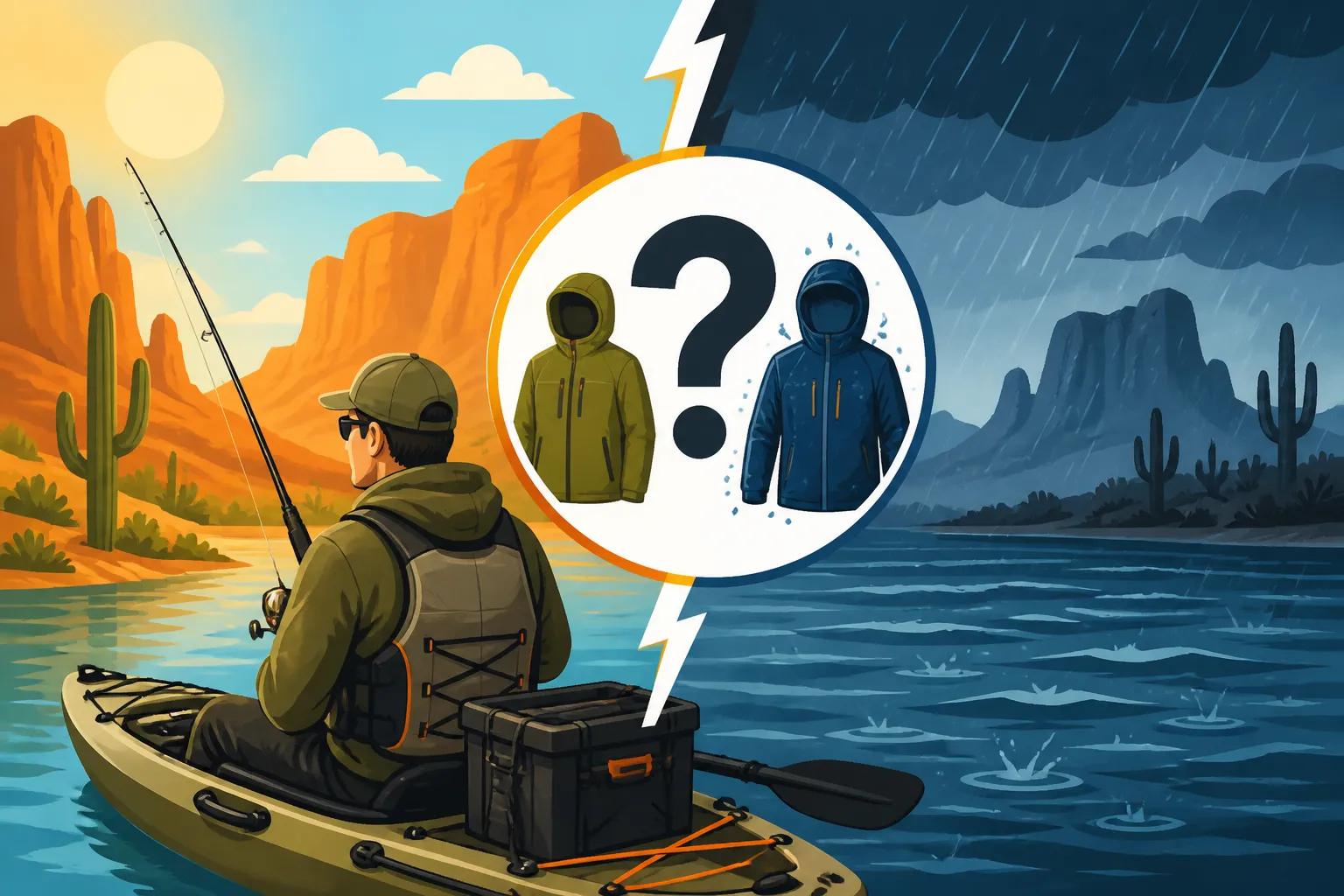
First up, a good waterproof jacket is non-negotiable. Look for lightweight, breathable options made from materials like Gore-Tex or similar technical fabrics. These materials repel water from the outside while allowing moisture vapor (sweat) to escape from the inside, preventing that clammy feeling. Even on a hot day, a sudden downpour or strong winds can make you chilly if you're soaked. A jacket can also double as a windbreaker. Pair this with waterproof pants or shorts if you're fishing in warmer weather. For cooler conditions, full waterproof pants that you can wear over layers are ideal. They'll protect your lower half from paddle drips and spray, keeping you dry where you sit.
Next, let’s talk about your feet. They are often the first things to get wet and stay wet. Waterproof boots or wading shoes are essential. Depending on whether you primarily fish rivers where you might be wading or larger lakes where you're mostly in the kayak, your choice might differ. For river fishing, Best Waders for River Fishing can be a game-changer, keeping you completely dry. For lake fishing, a good pair of waterproof wading boots or even specialized kayak shoes designed to shed water quickly and offer good grip are excellent. Avoid cotton socks at all costs; opt for wool or synthetic blends that wick moisture away. The goal is to keep your feet comfortable, preventing blisters and discomfort. Remember, happy feet often mean a happy angler!
And while we're talking about personal protection, don't forget a Best Life Jackets for Anglers. While not strictly "waterproof" in the sense of keeping you dry, a PFD (Personal Flotation Device) is legally required in many situations and can offer an extra layer of warmth and splash protection, besides its primary safety function. Many modern fishing PFDs even have pockets for small, waterproof items.
Safeguarding Your Valuables: Dry Bags and Waterproof Cases
Beyond your personal comfort, protecting your essential gear from water damage is crucial. Modern life means we often carry expensive electronics like smartphones, GPS devices, and cameras, all of which are highly susceptible to water. Imagine dropping your phone in Lake Pleasant or having your car keys submerged during a capsize – it's a nightmare scenario no one wants to experience.
This is where dry bags and waterproof cases become your best friends. Dry bags, typically made from durable, coated fabrics with a roll-top closure, are perfect for larger items like extra clothes, towels, or snacks. They come in various sizes, from small five-liter bags for a few essentials to much larger ones for overnight trips. For maximum protection, look for dry bags with welded seams. For your most critical items like your phone, wallet, or car keys, a smaller, dedicated waterproof phone pouch or a hard-shell waterproof case is ideal. These often feature secure latches and gaskets to create a watertight seal, giving you peace of mind. Some cases even allow you to use your phone's touchscreen while it's safely inside.
When considering storage solutions for your kayak, think about how easily you can access these items while keeping them protected. Many kayaks have dry storage hatches, but it's always a good idea to put critical items in a secondary dry bag inside the hatch for double protection. For more tips on maximizing your kayak's storage capabilities and angling efficiency, check out our guide on Kayak Storage for Rods and Tackle. If you plan on doing some still fishing, you might also consider a Best Kayak Anchors for Still Fishing to keep your position stable while you reach for your protected gear.
Keeping Your Tackle Ready: Waterproof Tackle Storage
It's not just your personal items that need protection; your fishing tackle can suffer significantly from prolonged exposure to water. Rust is the enemy of hooks, lures, and terminal tackle, and once it sets in, it can quickly degrade your gear and compromise its effectiveness.
Waterproof tackle boxes and soft-sided tackle bags with waterproof linings are essential for any kayak angler. Look for tackle boxes with secure latches and rubber gaskets around the lid to create a tight seal. These are particularly good for organizing smaller items like hooks, weights, swivels, and specific lures. For soft plastics, many waterproof boxes have individual compartments that prevent them from getting mixed up or damaged by water.
Soft-sided tackle bags often offer more flexibility and can sometimes fit into the contours of a kayak better than rigid boxes. Ensure these bags have a waterproof bottom and sturdy, water-resistant zippers or storm flaps. This kind of protection means that even if water gets into the bottom of your kayak, your valuable lures, reels, and lines remain dry and ready for action. Keeping your tackle organized and dry not only extends its lifespan but also ensures you're not fumbling with rusty hooks when that perfect bite happens. For ideas on what to pack, our Essential Tackle Box Setup for Arizona Beginners provides a great starting point, and for specific lures that excel in our desert waters, read our Best Tackle for Desert Lake Fishing guide.
Weighing the Investment: Is Waterproof Gear Truly Necessary?
At this point, you might be thinking, "Wow, that sounds like a lot of gear. Do I really need all of it?" It's a fair question, and the answer, as with most things in life, depends on a few factors. While you can technically go kayak fishing without any specialized waterproof gear, the experience is almost certainly going to be less comfortable and riskier for your belongings.
The Cost of Comfort and Protection
Let's be honest, investing in quality outdoor gear can feel like a pinch on the wallet. A good waterproof jacket, dry bags, and specialized tackle storage aren't always cheap up front. However, consider the long-term benefits:
- Enhanced Comfort: You can stay out longer, focus more on fishing, and enjoy the experience without being cold, wet, or chafed. This isn't just about avoiding misery; it's about maximizing your enjoyment.
- Gear Longevity: Protecting your fishing tackle, clothing, and electronics from water damage extends their lifespan. Replacing rusty hooks, ruined phones, or water-logged cameras is far more expensive than preventing the damage in the first place.
- Safety: In cooler months, staying dry is critical to prevent hypothermia. Even in Arizona, early mornings or sudden weather changes can bring chilly temperatures. Beyond that, protecting your communication devices ensures you can call for help if needed.
- Peace of Mind: Knowing your valuables are safe from an accidental splash or even a full capsize allows you to relax and truly immerse yourself in the fishing experience.
Think of it as an insurance policy for your comfort and your gear. The initial outlay might seem steep, but the ongoing benefits and protection it provides usually far outweigh the cost of constantly replacing damaged items or enduring uncomfortable trips.
Practical Scenarios: When You Really Need It vs. When You Can Skimp
While waterproof gear is generally recommended, there are scenarios where you might be able to scale back, and others where it's absolutely non-negotiable.
You Really Need It When:
- Cold Weather Fishing: If you're out on the water in the cooler months, especially in Northern Arizona or during winter mornings down south, staying dry is critical for your safety and comfort. Hypothermia is a real risk.
- Multi-Day Trips or Camping: If you're doing an overnight kayak trip, keeping your sleeping bag, extra clothes, and food dry is paramount. You can't rely on the sun to dry everything if you're out for days.
- Rough Water Conditions: Windy days, large lakes with heavy boat traffic, or river sections with currents and rapids make getting soaked a certainty.
- Carrying Expensive Electronics: Your smartphone, high-end fish finder, or camera absolutely need robust waterproof protection.
- Fishing with Sensitive Gear: High-quality reels and delicate flies or lures need to be kept dry to prevent rust and corrosion.
You Can Potentially Skimp (with caution) When:
- Short, Warm Weather Trips: On a calm, hot summer afternoon, a quick hour-long paddle may not warrant full waterproof outerwear. You might just accept getting a little wet and drying off quickly.
- Minimal Gear: If you're only bringing a basic rod, a few lures, and no electronics, the stakes are lower if things get wet.
- Fishing from a Very Stable, Dry Kayak: Some wider, sit-on-top kayaks are designed to keep the angler higher and drier, reducing the splash factor, though paddle drip is still a thing.
However, even in these "skimp" scenarios, a basic dry bag for your keys and phone is always a smart move. Better safe than sorry when it comes to personal items!
Here's a quick comparison to help you weigh the decision:
| Feature | With Waterproof Gear | Without Waterproof Gear |
|---|---|---|
| Personal Comfort | Warm, dry, less chafing, focused on fishing | Cold, wet, potential chafing, distracted by discomfort |
| Gear Protection | Electronics, tackle, clothes safe from water damage | High risk of rust, electronic failure, ruined clothing |
| Safety | Reduced risk of hypothermia, communication device safe | Increased risk in cold weather, critical items vulnerable |
| Enjoyment | More relaxing, extended trips, peace of mind | Shorter trips, constant worry, potential for misery |
| Longevity of Gear | Gear lasts longer, less need for replacements | Gear degrades faster, frequent replacements needed |
| Initial Cost | Higher upfront investment | Lower upfront cost |
Where to Find Your Kayak Fishing Waterproof Essentials
So, you're convinced that staying dry is the way to go (smart choice!). Now, where do you find this magical gear? The good news is that waterproof fishing and outdoor gear is widely available, both online and in brick-and-mortar stores.
Online Retailers and Specialty Stores
For sheer variety, competitive pricing, and the convenience of home delivery, online retailers are often a first stop. Websites like Amazon offer an incredible range of waterproof jackets, pants, dry bags, and tackle boxes from countless brands. You can easily compare features, read user reviews, and find items to fit almost any budget. This is a great option for researching different products and ensuring you get exactly what you need. Just be sure to check sizing charts carefully, as fit is crucial for comfort and performance.
However, sometimes you just need to see and feel the gear, especially for clothing and footwear. This is where specialty outdoor and fishing stores really shine. Large retailers like Bass Pro Shops and other local sporting goods stores offer the huge advantage of allowing you to physically try on jackets, pants, and boots. You can test out dry bag closures, compare different tackle box sizes, and get a feel for how items might fit in your kayak. Plus, the staff at these stores are often experienced anglers themselves and can provide invaluable advice on specific products and what works best for Arizona's unique fishing conditions. Don't underestimate the benefit of getting expert recommendations and hands-on experience before you buy.
Tips for Choosing the Right Gear
When you're ready to buy, keep these tips in mind to ensure you get gear that genuinely meets your needs:
- Prioritize the "Big Three": A good waterproof jacket, reliable dry bags for electronics, and appropriate waterproof footwear are the most critical investments.
- Check Material Specs: For outerwear, look for terms like "waterproof," "breathable," "Gore-Tex," "DryVent," or similar proprietary technologies. For dry bags, check the denier (thickness) of the fabric and the type of closure.
- Consider Layering: Even with a waterproof outer shell, layering underneath is key for temperature regulation. You might need thin wicking layers in summer and insulated layers in winter.
- Fit is King for Comfort: This is especially true for jackets and pants. You need enough room to move freely, paddle, and cast, but not so much that it's baggy and catches on things. When thinking about your kayak, remember that Kayak Weight Capacity for Fishing Gear is important, but so is how your gear fits within the available storage.
- Read Reviews (Online) and Ask Questions (In-Store): Learn from others' experiences. Are there common complaints about a product's durability or waterproofing? What do the experts in the store recommend for fishing on specific Arizona lakes or rivers?
- Durability for the Environment: Arizona's rugged landscapes and often abrasive boat ramps mean your gear should be tough. Look for reinforced knees and seats on pants, and sturdy materials for bags.
- Think About Your Kayak: Consider the dimensions of your kayak. A Best Kayak Length for Lake Fishing might have more space for larger gear, but a smaller one might require more compact solutions. Also, make sure any personal flotation device (PFD) you choose complies with Boating Safety Gear Requirements in Arizona.
Ultimately, equipping yourself with the right waterproof gear for kayak fishing is a game-changer. It transforms a potentially damp and uncomfortable outing into a truly enjoyable and productive adventure. Don't let a little water get in the way of your next great catch!
Disclaimer
This article is for general informational purposes only and does not constitute professional advice. Laws, prices and regulations vary by location and change over time. Consult a qualified professional for guidance on your specific situation.