Is Monofilament Line Good Enough for Beginners?
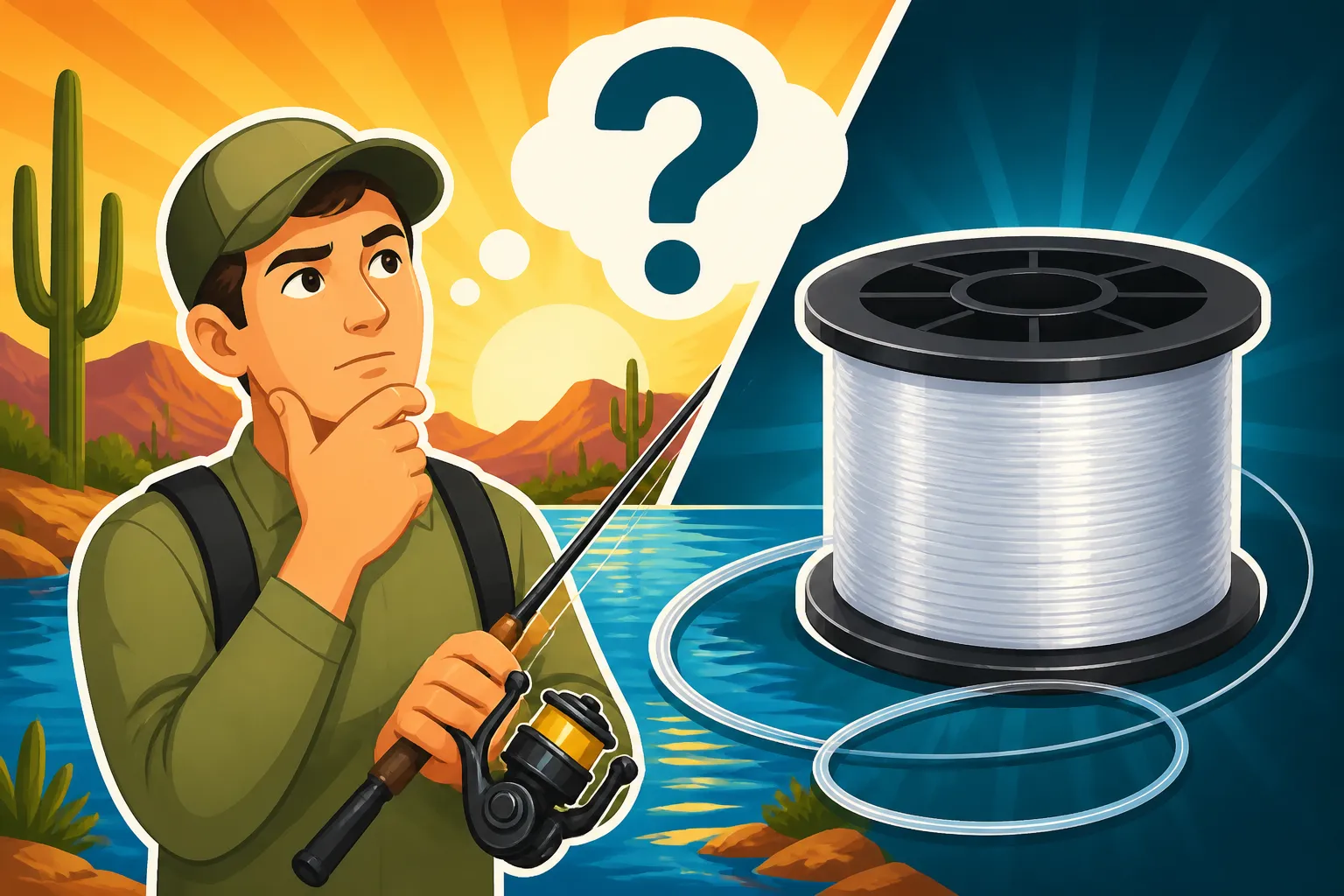
For new anglers venturing into the vast and varied fishing opportunities Arizona offers, one of the first questions that often sparks a bit of confusion is about fishing line. You might stand in the tackle aisle, overwhelmed by choices—braid, fluorocarbon, and then, the familiar, often more budget-friendly option: monofilament. This guide is here to untangle that confusion and affirm that, yes, monofilament line is absolutely good enough for beginners, and often, it's the best place to start your Arizona fishing adventure.
Understanding Fishing Line Basics for Beginners
Stepping into the world of fishing tackle can feel like learning a whole new language. There are so many options, and each one seems to promise something different. For someone just starting out, it's easy to get lost in the technical jargon. But at its heart, fishing line is what connects you, your rod, and your reel to the fish, and understanding the basics of different types is key to building your confidence on the water.
What is Monofilament Line?
Let's start with the classic: monofilament. It's often simply called "mono" for short. This type of line has been around for ages, and for good reason! It's made from a single strand of nylon, which gives it several distinct characteristics. Imagine a thin, flexible plastic string; that's essentially what monofilament is. Its inherent stretchiness is one of its most defining features, offering a bit of give when a fish strikes or when you're fighting a bigger catch. This stretch can be a real blessing for beginners, as it acts like a shock absorber.
Another key characteristic of monofilament is its buoyant nature. It floats on water, which makes it an excellent choice for topwater lures or when you're fishing with bobbers, allowing your bait to suspend naturally in the water column without immediately sinking to the bottom. This visibility can also be a double-edged sword; while it helps you track your line, fish might also see it, though in many Arizona fishing scenarios, especially for active species, it's rarely a major deterrent. Plus, it comes in a wide array of colors, from clear to bright neons, further aiding visibility for anglers.
Monofilament is also generally softer and more pliable than other lines, which means it handles well on spinning reels, which are often the go-to for beginners. It's less prone to knotting up on itself when casting, and it's quite forgiving if you make a less-than-perfect cast. This ease of handling, combined with its overall durability against nicks and scrapes from common underwater structures like submerged branches or rocky edges, makes it a reliable choice for those still learning the ropes and who might not always be aware of every underwater hazard.
The Beginner's Dilemma: Monofilament vs. Other Options
So, if monofilament is so great, why are there other types of line like fluorocarbon and braided line staring back at you from the shelves? This is the beginner's dilemma: seeing all the options and wondering if you're missing out on something essential. Fluorocarbon, for instance, is known for being virtually invisible underwater and having less stretch than mono, which means more sensitivity. Braided line, on the other hand, boasts incredible strength for its diameter, zero stretch for maximum sensitivity and hook-setting power, and fantastic abrasion resistance.
While these advanced lines have their specific advantages, they also come with a different set of challenges and a higher price tag. Fluorocarbon can be stiffer and harder to tie knots with, and its low stretch means less forgiveness for mistakes in hook setting or fighting a fish. Braided line is highly visible, requires different knot-tying techniques, and can be notorious for creating "wind knots" or tangles if not handled correctly, especially for a novice caster. It also cuts through skin with ease if not careful. For someone just trying to get a feel for casting, reeling, and battling a fish, these characteristics can actually make the learning process more frustrating.
The truth is, while experienced anglers might switch between these lines or use complex leader setups, a beginner doesn't need that level of specialization right out of the gate. Starting with monofilament allows you to focus on fundamental skills—casting accuracy, feeling bites, setting the hook, and retrieving fish—without worrying about the nuances of advanced line types. You can catch a wide variety of fish in Arizona with mono, from the bass in Lake Pleasant to the trout in the high country, and build a solid foundation before exploring more specialized gear. For a solid start, check out our guide on Essential Tackle Box Setup for Arizona Beginners.
The Undeniable Benefits of Monofilament for New Anglers in Arizona
When you're first getting into fishing, you want an experience that's enjoyable and builds confidence, not one riddled with frustration. This is where monofilament line truly shines for beginners, especially when navigating the diverse waters of Arizona. It offers a forgiving and effective entry point into the sport, allowing you to focus on the pure joy of the catch.
Ease of Use and Knot Tying
One of the biggest hurdles for a new angler is mastering knots. Fishing knots can seem incredibly complex, and a poorly tied knot is often the weakest link in your setup, leading to lost fish and lost confidence. Monofilament, with its soft and pliable nature, is incredibly forgiving when it comes to tying knots. Simple knots like the Improved Clinch or the Palomar knot cinch down beautifully and reliably on mono, even with slightly less-than-perfect technique.
Imagine you're out at a community lake in Phoenix, trying to re-tie a lure after a snag. With mono, the line is easy to manipulate with cold or clumsy fingers, and you can see what you're doing. This isn't just about convenience; it's about minimizing frustration. When you're not struggling with your line, you can spend more time actually fishing and less time wrestling with your tackle. This ease of handling extends to spooling your reel as well; mono goes on smoothly and manages well on spinning reels, which are the most common type for beginners. You can often pick up a basic reel pre-spooled with monofilament at stores like Bass Pro Shops, making it even easier to get started.
Affordability and Accessibility
Let's be real: fishing can get expensive. As a beginner, you want to invest enough to have reliable gear, but you don't want to break the bank on every single component. Monofilament is hands-down the most budget-friendly fishing line available, which is a huge advantage when you're just starting out. You can buy a spool of quality mono for a fraction of the cost of comparable fluorocarbon or braided line. This affordability allows you to experiment with different pound tests or refresh your line more frequently without worrying about the expense.
This cost-effectiveness also means you can afford to make mistakes. Snags happen, especially when you're exploring new waters like the Best Fishing Spots Near Phoenix, Arizona. When you have to cut off a section of line or even re-spool your entire reel after a major tangle, it's far less painful on the wallet when you're using monofilament. You can find monofilament line at virtually any sporting goods store, bait shop, or even big-box retailers. Major online retailers like Amazon also offer a wide selection, making it incredibly accessible no matter where you live in Arizona. This wide availability ensures you can always find what you need without a special trip or extensive searching, a true boon for new anglers who are still learning the ropes of tackle selection.
Shock Absorption and Stretch
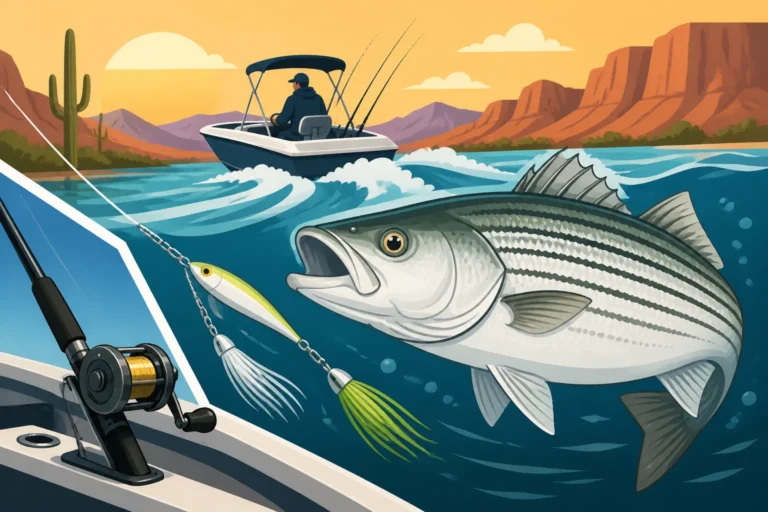
The stretch in monofilament, often seen as a drawback by experienced anglers, is actually a secret weapon for beginners. When a fish hits your lure or bait, that sudden impact can be jarring. Monofilament's inherent elasticity acts like a natural shock absorber, cushioning the blow and making it less likely for a fish to rip the hook out of its mouth, especially if you're a bit heavy-handed with your hook set. This is particularly helpful when targeting feisty species like bass or even the hard-hitting striped bass found in some Arizona lakes.
Furthermore, this stretch provides a margin of error when fighting a fish. If you're new to reeling in a struggling fish, you might instinctively try to muscle it in too quickly or keep your drag too tight. The stretch in monofilament helps prevent the line from snapping under sudden surges or heavy head shakes, giving you more time to react and learn the rhythm of the fight. It's a forgiving characteristic that allows you to make minor mistakes in tension control without immediately losing your catch. This translates into more fish landed and a greater sense of accomplishment, reinforcing the fun of fishing.
Versatility for Diverse Arizona Fishing Scenarios
Arizona's fishing opportunities are incredibly diverse, from urban lakes stocked with trout and catfish to vast desert reservoirs teeming with bass and crappie. As a beginner, you're likely to try a variety of techniques and target different species. Monofilament is remarkably versatile, performing well across a broad spectrum of fishing situations that beginners will encounter.
Whether you're casting a worm for bluegill at a local community pond, tossing a spinner for trout in the White Mountains, or even trying your hand at catching small bass on a plastic worm, mono handles it all with aplomb. Its ability to float makes it great for bobber fishing, while its decent knot strength and abrasion resistance (for its class) mean it can stand up to light and medium challenges. You don't need a different specialized line for every single fish or technique when you're starting out. A spool of 6-10 lb test monofilament can be your trusty companion for many of your initial fishing adventures, allowing you to learn and explore without constantly re-spooling your reel or investing in multiple setups. For guidance on specific techniques, check out Beginner Fishing Techniques for Arizona Desert Lakes.
Where Monofilament Might Fall Short (And When to Consider Alternatives)
While monofilament is a fantastic starting point for beginners, it's not a magic bullet for every single fishing situation. As you gain experience and perhaps want to specialize your techniques or target more finicky fish, you'll start to notice its limitations. Understanding these drawbacks isn't about ditching mono, but knowing when another line type might give you an edge.
Sensitivity and Depth Fishing
One of monofilament's greatest strengths—its stretch—can become its biggest weakness when you need maximum sensitivity. Imagine you're trying to feel a subtle bite from a cautious bass in deep water at Roosevelt Lake, or detecting the light tap of a crappie nibbling on a jig way down in 20 feet of water. That inherent stretch in monofilament can dampen those delicate signals, making it harder for you to feel what's happening at the end of your line. It creates a slight delay in feedback, which can sometimes mean missing a bite or having a less immediate hook set.
For techniques like drop-shotting, jigging, or deep-water presentations where a precise feel for the bottom and the lightest of strikes is paramount, monofilament might not give you the edge you need. In these scenarios, lines with less stretch, like fluorocarbon or braided line, transmit vibrations much more efficiently, allowing you to detect even the most tentative takes. A stiffer, low-stretch line creates a more direct connection to your lure, providing real-time feedback that can significantly improve your hook-up ratio when fish are not aggressively biting or when you are fishing at considerable depths.
Abrasion Resistance in Rocky Arizona Waters
Arizona's desert lakes and rivers, while beautiful, are often characterized by rocky bottoms, submerged timber, and sharp ledges. These environments can be brutal on fishing line. While monofilament has decent abrasion resistance for general use, it's not the champion in this category. Repeated rubbing against sharp rocks or abrasive structures can quickly weaken mono, leading to fraying and ultimately, breakage, especially under tension.
Consider fishing the rocky shorelines of Lake Powell for smallmouth bass, or casting around the sharp, sunken trees in some of the Salt River chain lakes. If your line frequently comes into contact with these unforgiving surfaces, you might find yourself losing lures and fish more often with monofilament. In such scenarios, fluorocarbon or braided lines, particularly those with a tough coating, offer superior abrasion resistance. Braided line, in particular, is incredibly tough against cuts and scrapes, making it a favorite for anglers fishing in heavy cover or around sharp structures. This is a practical consideration if you plan to spend a lot of time in these challenging, rugged Arizona fishing spots.
Line Memory and Casting Distance
Another characteristic of monofilament that can sometimes be a minor annoyance is "line memory." Because it's stored on a reel, mono tends to retain the coiled shape of the spool, especially if it's been on there for a while or if it's a thicker diameter line. When you cast, this memory can cause the line to spring off the spool in coils, sometimes leading to tangles or "wind knots," and often reducing your casting distance and accuracy. While it's generally manageable for beginners, it can be a bit frustrating when you're trying to reach a distant schooling fish or accurately place a lure next to a specific piece of structure.
This line memory issue is more pronounced with cheaper or older monofilament and can be exacerbated in colder weather. It impacts casting performance, especially for lighter lures that don't have enough weight to pull the coils straight as they fly through the air. While proper spooling and line conditioning sprays can help, it's a fundamental property of the material. If you find yourself consistently needing to make long, accurate casts with lighter baits, or if you're frequently dealing with coiling issues, you might eventually consider a different line type like braided line, which has virtually no memory and offers exceptional casting distance for lighter presentations.
Making Monofilament Work for You: Tips for Beginners
Even with its minor drawbacks, monofilament remains an outstanding choice for beginners. The key is to understand how to maximize its advantages and mitigate its limitations. A few simple practices can turn a good beginner experience into a great one, ensuring your monofilament line serves you well on your Arizona fishing adventures.
Choosing the Right Pound Test for Arizona Species
Selecting the correct "pound test" (the breaking strength of the line) is crucial for any type of fishing line, and monofilament is no exception. For beginners, it can feel like a guessing game. The general rule is to match your line strength to the size of the fish you're targeting and the cover you're fishing in. For general panfish like bluegill and crappie in Arizona's community lakes, a 4-6 lb test monofilament is usually perfect. It's thin enough to be subtle and allows for good casting with small lures.
If you're targeting larger bass or catfish in lakes like Lake Pleasant or the Colorado River, you'll want to step up to 8-12 lb test mono. This provides the strength needed to handle bigger fish and offers a bit more abrasion resistance if you're fishing near cover. Remember, going too heavy can reduce your casting distance and make your line more visible to cautious fish, while going too light increases your chances of breaking off. It's a balance. A good starting point for a versatile all-around setup for Arizona beginners would be 8 lb test, which handles a good range of situations without being overkill. You can find more specific recommendations in our guide Best Line for Bass Fishing.
Proper Spooling and Maintenance
One of the easiest ways to improve your monofilament's performance is through proper spooling and regular maintenance. When you put new line on your reel, ensure it's spooled on correctly, not too tight or too loose, and without twists. Many local tackle shops, including some Bass Pro Shops locations, will even spool your reel for you, which is a great service for beginners. If you do it yourself, keep the filler spool label-side up (or down, depending on how it comes off) to prevent line twist.
Once your line is on, consistent maintenance will extend its life and reduce issues like line memory. Always cut off any frayed or nicked sections of line immediately after fishing, as these are weak points. If you notice excessive line memory, especially in the first few feet, you can stretch out a long section of line (carefully, by hand) or even run it through a line conditioner, a product designed to soften the line and reduce memory. Replace your monofilament line at least once a season, or more frequently if you fish often or in challenging conditions, as UV light and use will degrade it over time. This simple habit keeps your setup performing at its best, ensuring fewer frustrating break-offs and smoother casting.
When to Upgrade or Supplement
As you gain confidence and skill, you might start noticing the subtle differences that more specialized lines offer. This isn't about ditching monofilament entirely, but rather understanding when other options can give you a tactical advantage. For instance, if you get serious about chasing trophy bass in deep water or trying to feel the most subtle bites while jigging, you might consider adding a spinning reel spooled with fluorocarbon or braided line to your arsenal. This doesn't mean your mono setup becomes obsolete; it simply means you're expanding your tool kit.
Many experienced anglers use a combination of lines. For example, they might use braided line as their main line for its strength and sensitivity, but then tie on a short "leader" of fluorocarbon for invisibility. This gives you the best of both worlds. For a beginner, though, these advanced setups can be overwhelming. Stick with mono, learn the fundamentals, and then, as you truly feel the need for a specific advantage, explore. There's no rush to "upgrade" your line just because others do. Your journey into Arizona fishing is your own, and monofilament is a fantastic, reliable companion for those first exciting steps. You might even find yourself appreciating its forgiving nature more and more!
| Line Type | Key Advantages for Beginners | Key Disadvantages for Beginners | Common Uses in Arizona (Beginner) |
|---|---|---|---|
| Monofilament | Easy to tie knots, affordable, good stretch (shock absorber), floats, widely available. | More stretch (less sensitive), more line memory, less abrasion resistant than braid. | Bait fishing, bobber fishing, topwater lures, general casting for bass, trout, panfish. |
| Fluorocarbon | Low visibility, good sensitivity, decent abrasion resistance, sinks. | Stiffer, harder to tie knots, more expensive, less stretch (less forgiving). | Leaders (often paired with braid), fishing clear water, finesse techniques. |
| Braided | Extremely strong for diameter, no stretch (high sensitivity), excellent abrasion resistance. | High visibility, harder to tie specific knots, more expensive, can cut fingers, requires different rod/reel. | Heavy cover, deep water, long casts, often with a fluorocarbon leader. |
Conclusion
So, to answer that burning question: Is monofilament line good enough for beginners? Absolutely, unequivocally, yes! For anyone just starting their fishing journey in Arizona, monofilament is not just "good enough"; it's often the ideal choice. Its forgiving nature, ease of use, and affordability remove many of the initial frustrations that can sometimes deter new anglers. It allows you to focus on the pure joy of the sport – feeling that first tug, learning to cast with purpose, and reeling in your very first Arizona fish. Don't let the vast array of options intimidate you. Grab a spool of mono, tie on your favorite bait or lure, and hit the water. You'll be making memories and catching fish in no time, building a solid foundation for all your future fishing adventures across the Grand Canyon State.
Disclaimer
This article is for general informational purposes only and does not constitute professional advice. Laws, prices and regulations vary by location and change over time. Consult a qualified professional for guidance on your specific situation.