Best Tackle Upgrades for Intermediate Anglers
You've been fishing for a while now, haven't you? You've moved past the beginner combo kit your uncle gave you, and you're consistently catching fish, but lately, you feel like you've hit a plateau. You're seeing others land bigger fish, execute trickier casts, or simply seem more in tune with what's happening beneath the surface, and you suspect your gear might be holding you back. This comprehensive guide is all about understanding when and how to strategically upgrade your fishing tackle, moving beyond the basics to unlock new levels of performance and success on Arizona's diverse waters.
Recognizing When It's Time to Upgrade Your Tackle
That trusty rod and reel combo you started with served you well, no doubt. It got you casting, helped you feel your first few bites, and even landed some memorable fish. But as your skills grow, so do your expectations, and you'll reach a point where your entry-level gear simply can't keep up with your evolving techniques or the challenges of Arizona's unique fishing environments. It's not about being a gear snob; it's about matching your tools to your ambition.
Outgrowing Beginner Gear Limitations
One of the most common signs you've outgrown your beginner setup is a lack of sensitivity. You might be struggling to detect those subtle "thumps" or "ticks" that indicate a fish has inhaled your bait, especially when fishing deeper water or in windy conditions. A cheaper rod, often made with heavier, less responsive graphite or fiberglass, just doesn't transmit those subtle vibrations through the blank to your hands. This can mean the difference between setting the hook on a lunker bass at Lake Pleasant and wondering if you just hit a submerged stick. You might also notice your casting distance isn't what it could be, or perhaps your reel's drag system struggles with the powerful runs of a large striped bass at Lake Powell, leading to break-offs.
Another limitation often surfaces when you try to execute more advanced techniques. Finesse presentations, like drop-shotting for smallmouth bass or carefully working a shaky head, require a rod with a very specific tip action to impart the right movement to the lure and maximize bite detection. Similarly, trying to throw heavy swimbaits with a light-action rod designed for panfish is not only ineffective but also risky for your gear. You'll feel every shortcoming of your current setup, from premature fatigue due to an unbalanced combo to missed fish because your reel can't handle the strain. It's a natural progression; as your skills improve, your gear needs to evolve to support and even enhance them.
Matching Tackle to Specific Arizona Fishing Scenarios
Arizona's fishing landscape is incredibly diverse, from the high mountain lakes brimming with trout to the sprawling desert reservoirs home to trophy bass and catfish, and the mighty Colorado River. Each of these environments and target species demands a specialized approach, and often, specialized tackle. Trying to use a single "all-around" setup for every scenario will inevitably lead to suboptimal results, and often, frustration.
Consider the difference between fishing for elusive wild trout in a small, clear White Mountains stream versus hauling in channel catfish from a warm community lake. For the trout, you'd want a light, sensitive rod with a soft tip, paired with a small spinning reel and fine line, allowing for delicate presentations and protecting light leaders. For catfish, however, you'll need a much heavier, more robust setup capable of casting large baits, handling strong currents, and muscling powerful fish out of cover. The same goes for bass fishing: the gear needed for pitching jigs into heavy cover on Roosevelt Lake is vastly different from what you'd use for targeting schooling stripers with a spoon in open water at Lake Havasu. Understanding these nuances is key, and it's a clear indicator that a strategic tackle upgrade, focusing on specific applications, is the next logical step in your angling journey. This doesn't mean you need a separate setup for every single technique, but rather a thoughtful collection of rods and reels that cover your primary fishing interests. When you visit a place like Bass Pro Shops or browse through options on Amazon, you'll quickly see the sheer variety of specialized gear available, designed for exactly these kinds of distinct fishing challenges.
Essential Tackle Upgrades for Improved Performance
Stepping up your tackle game isn't just about buying the most expensive gear; it's about making informed choices that directly impact your success on the water. We're talking about tangible improvements in sensitivity, casting efficiency, fish-fighting power, and overall enjoyment. This section will guide you through the core components of your setup and how to upgrade them wisely.
Rod and Reel Combinations for Specialized Techniques
The backbone of your fishing setup is your rod and reel, and upgrading these components is often the most impactful change you can make. Intermediate anglers should look to diversify their rod and reel arsenal to suit specific techniques and target species.
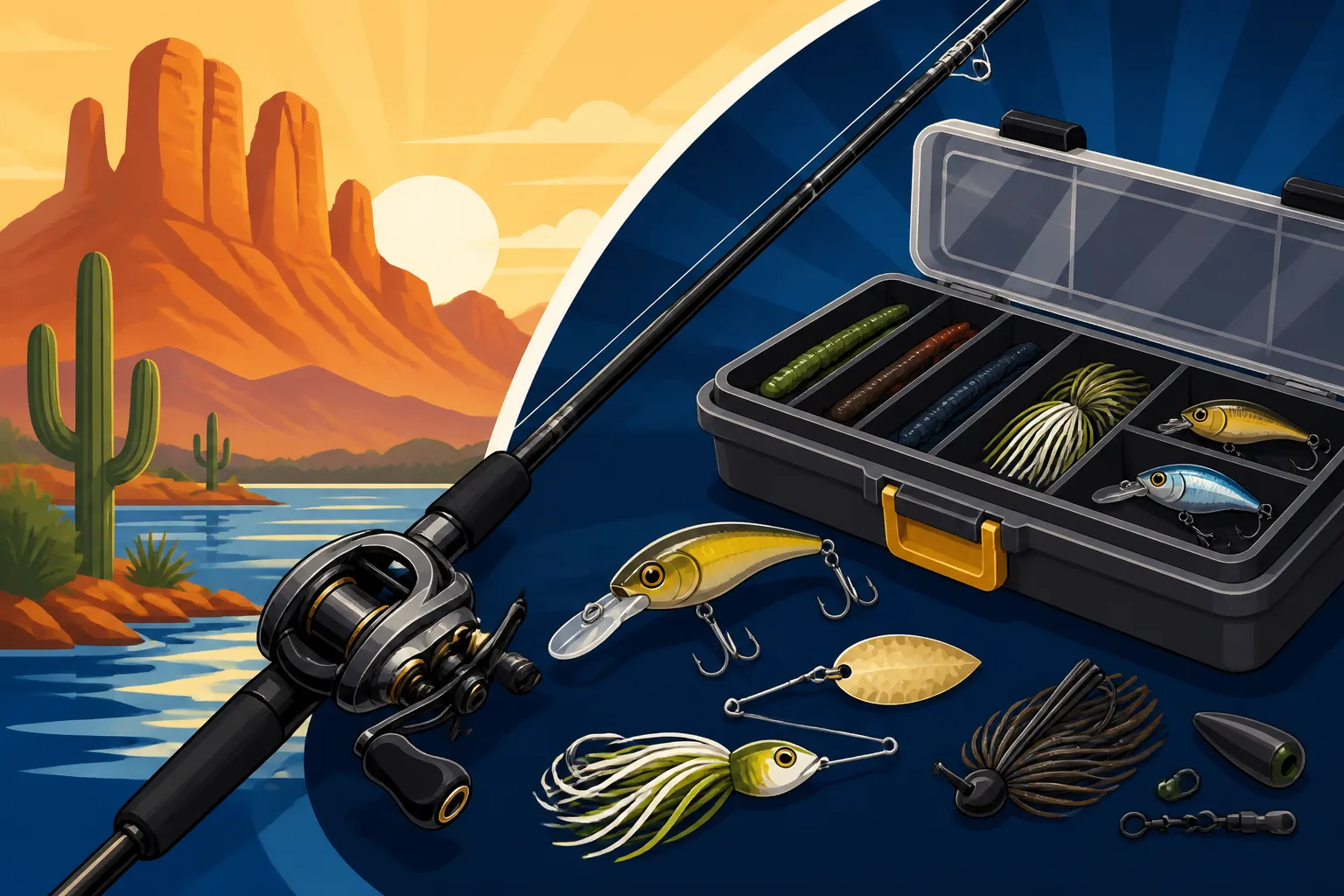
For instance, if you're serious about bass fishing, moving from a medium-action spinning combo to a more specialized baitcasting setup for power fishing can be a game-changer. A medium-heavy, fast-action baitcasting rod (around 6'10" to 7'4" in length) paired with a high-quality baitcasting reel offers superior accuracy, power, and the ability to cast heavier lures like jigs, Texas rigs, and larger crankbaits more effectively. The fast action means the rod bends mostly in the tip, allowing for quick hook sets and excellent sensitivity, while the medium-heavy power provides the backbone to pull bass out of thick cover. Conversely, for finesse techniques like drop-shotting or wacky rigging, a longer (7'+), light-to-medium power, extra-fast action spinning rod with a sensitive tip is invaluable. This combination allows for lighter lines, more delicate lure presentations, and crucial bite detection when fish are being finicky.
When it comes to reels, consider gear ratios. A high-speed reel (7.1:1 or higher) is excellent for rapidly retrieving slack line, ideal for topwater lures or flipping/pitching. A medium-speed reel (6.4:1 to 6.8:1) is a versatile workhorse for many presentations, while a low-speed reel (5.1:1 or lower) provides more torque, perfect for deep-diving crankbaits or battling powerful fish like large channel catfish on the Colorado River. Investing in a few different rod and reel combos, each tailored to a specific fishing style, will dramatically increase your versatility and effectiveness. Don't be afraid to experiment with different brands to find what feels best in your hands; many reputable manufacturers offer excellent mid-range options that provide significant performance gains without breaking the bank. For deeper insights, you might want to read Best Rod and Reel Combo for Bass or Best Fishing Reels for Beginner Anglers in Arizona.
Line Selection for Different Species and Conditions
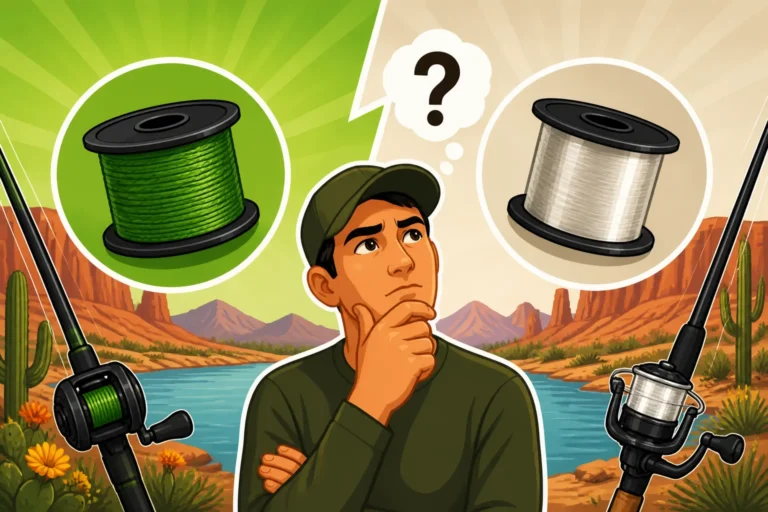
Line choice is often overlooked by newer anglers, but it's a critical component that directly impacts sensitivity, castability, and fish-fighting ability. As an intermediate angler, it's time to move beyond just using "whatever mono is cheap" and start selecting line strategically.
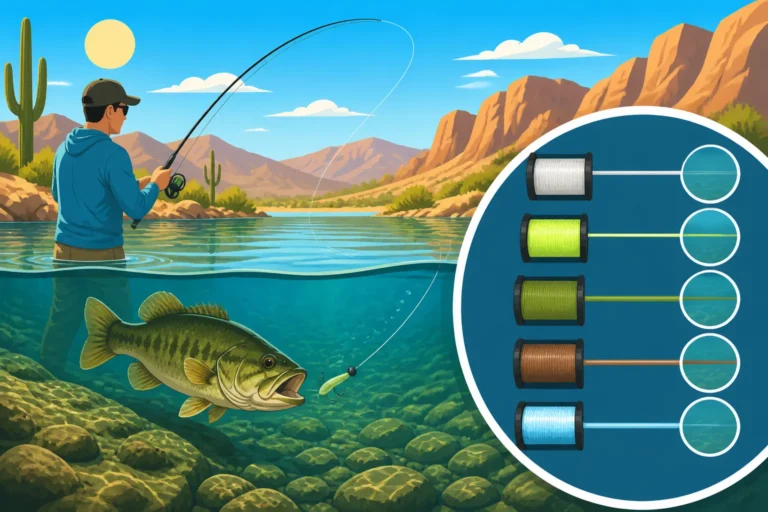
- Braided Line: This is your go-to for maximum sensitivity and strength-to-diameter ratio. Its lack of stretch transmits even the slightest tap from a fish directly to your rod tip, which is fantastic for deep-water jigging or fishing in heavy cover where you need to feel every bump. Braid is also incredibly durable and casts exceptionally well. However, it's highly visible, so it's often best to tie a fluorocarbon or monofilament leader to the end of your braid, especially in clear Arizona waters like Lake Havasu or Lees Ferry.
- Fluorocarbon Line: Known for its low visibility underwater (it refracts light similarly to water), fluorocarbon is perfect for clear-water applications and finicky fish. It also has excellent abrasion resistance, which is a huge plus when fishing around rocky structure or submerged timber. Its low stretch offers good sensitivity, making it a favorite among bass anglers for various techniques.
- Monofilament Line: While not as sensitive as braid or fluoro, monofilament's stretch can be beneficial for certain techniques, particularly topwater lures or crankbaits, as it acts as a shock absorber, preventing hooks from tearing out. It's also more forgiving when a fish makes a sudden surge. Monofilament is generally more affordable and easier to knot than fluorocarbon.
The table below offers a quick comparison of line types for common Arizona fishing scenarios:
| Line Type | Key Characteristic | Ideal Arizona Scenario | Advantages | Disadvantages |
|---|---|---|---|---|
| Braided | No stretch, strong, thin | Deep-water jigging, heavy cover, long casts, topwater | Max sensitivity, strong, durable, casts far | High visibility, less shock absorption, cost |
| Fluorocarbon | Low visibility, low stretch | Clear water, finesse techniques, rocky areas | Nearly invisible, sensitive, good abrasion resist | Stiffer, memory issues, more difficult knots, cost |
| Monofilament | Stretchy, buoyant | Topwater, crankbaits, general purpose, dirty water | Forgiving, good knot strength, floats, affordable | Low sensitivity, high visibility, less abrasion resist |
When choosing line, consider the species (e.g., heavier line for Flathead Catfish Average Weight on the Colorado River, lighter for Rainbow Trout Average Weight at Stocked Lakes), the conditions (clear vs. murky water), and the technique. A quality line upgrade can drastically improve your hook-up ratio and reduce frustrating break-offs. You can find a vast selection of all these lines at retailers like Bass Pro Shops or online at Amazon, making it easy to experiment and find what works best for your specific needs. Understanding Best Line for Bass Fishing or Best Line for Trout Fishing can guide your choices.
Terminal Tackle and Lure Refinements
Once you've upgraded your rods, reels, and lines, it's time to fine-tune your terminal tackle and lure selection. This is where the subtle differences can really add up, turning occasional bites into consistent catches.
- High-Quality Hooks: Many lures come with decent hooks, but upgrading to premium, sharper, stronger hooks can make a noticeable difference in hook-up ratios and fish retention. Chemically sharpened hooks penetrate easier, requiring less force to set, and stronger wire prevents them from bending out on larger fish. Consider different hook styles as well: wide gap hooks for Texas rigging, round bend trebles for crankbaits, or specific finesse hooks for subtle presentations. This is a relatively inexpensive upgrade that pays dividends.
- Specialized Weights: Moving beyond basic lead weights, tungsten weights offer significant advantages. Tungsten is much denser than lead, meaning a heavier weight can be much smaller in profile, allowing for a more subtle presentation and less hang-up potential in cover. Its density also transmits vibrations better, increasing your sensitivity to subtle bites and bottom composition. This is particularly valuable when fishing deep or in windy conditions.
- Lure Diversity and Quality: As an intermediate angler, you should be expanding your lure collection beyond just a few favorites. Research what lures are effective for specific species and seasons in Arizona. For bass, this might mean investing in different sizes and colors of soft plastics (worms, creature baits, swimbaits), a wider array of crankbaits that dive to different depths, or specialized jigs for various cover types. For trout, exploring different spinner patterns, spoon sizes, or even learning basic fly patterns can open up new opportunities. The quality of lures also matters; better components (hooks, split rings, paint jobs) and more realistic actions can entice strikes when cheaper alternatives fail. Don't just stock up on quantity; aim for quality and versatility in your tackle box.
Enhancing Your Fishing Experience Beyond Rod and Reel
Upgrading your fishing experience isn't limited to just the gear you cast with. There's a whole world of accessories and tools that can make you a more efficient, comfortable, and successful angler, especially when navigating the unique challenges of fishing in Arizona.
Advanced Electronics and Navigational Tools
If you're serious about finding and staying on fish, especially in Arizona's expansive reservoirs like Lake Powell, Roosevelt, or Lake Pleasant, advanced electronics are no longer just a luxury – they're a necessity.
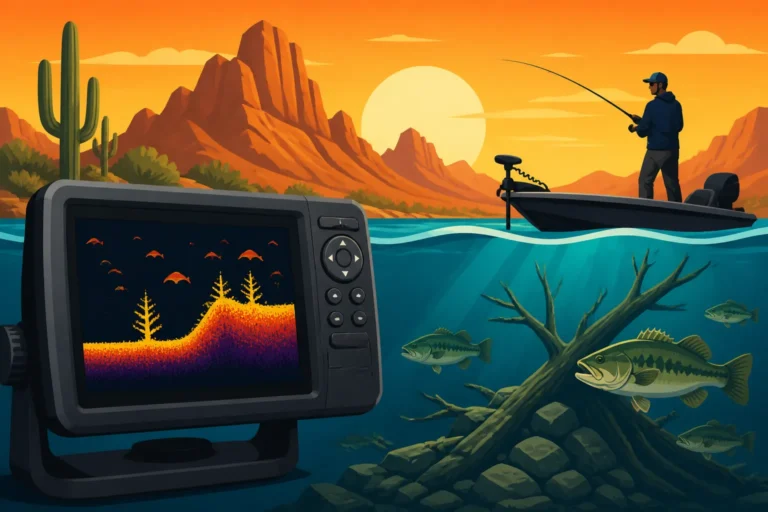
- Fish Finders with Advanced Sonar: Moving beyond a basic 2D sonar unit, modern fish finders offer incredible capabilities. Look for units with Down Imaging (or DownScan) and Side Imaging (or SideScan) technology. Down Imaging gives you a photographic-like view directly beneath your boat, making it easier to identify structure like submerged timber, rock piles, or ledges, and distinguish fish from cover. Side Imaging allows you to scan wide areas to either side of your boat, revealing structure and schools of fish that you might otherwise motor right over. This is invaluable for quickly mapping new areas or finding subtle transitions on large lakes. Units with CHIRP sonar technology also provide clearer target separation and less clutter on your screen.
- GPS and Chartplotting: Integrated GPS with detailed lake maps (often pre-loaded or available as upgrades) is crucial for navigation, marking productive spots (waypoints), and staying within specific fishing zones. You can mark brush piles, humps, ledges, or even areas where you've seen fish activity, allowing you to return to those precise locations later. This is especially helpful on vast lakes where landmarks can be few and far between.
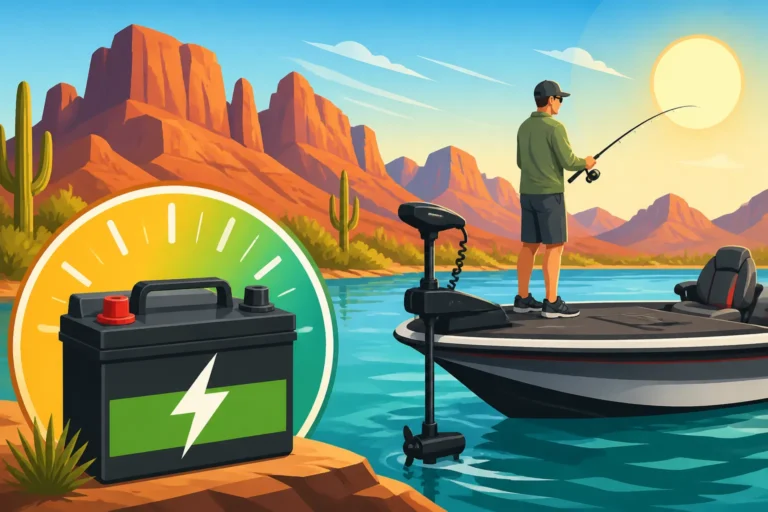
- Advanced Trolling Motors: For boat anglers, a modern trolling motor with features like GPS-guided "spot-lock" can be a game-changer. Spot-lock uses GPS to automatically hold your boat in a precise position, even in wind or current, freeing you up to focus on fishing instead of constantly operating the foot pedal. Other features like autopilot, route recording, and integration with your fish finder further enhance your ability to control your boat and present your lures effectively. These tools, while a significant investment, provide unparalleled advantages for serious anglers. You can learn more about finding the right tools in Best Fish Finders for Bass Fishing in Arizona or Best Trolling Motors for Small Boats.
Specialized Storage and Organization Solutions
A cluttered boat or a disorganized tackle bag can waste precious fishing time and even lead to lost or damaged gear. Upgrading your storage and organization will make your time on the water more efficient and enjoyable.
- Tackle Management Systems: Instead of a jumbled tackle box, invest in modular tackle management systems featuring various sizes of utility boxes (e.g., Plano or similar brands) that fit neatly into specialized tackle bags or boat compartments. These allow you to organize lures by type, size, or species, keeping them accessible and protected. Consider bags with waterproof bottoms or built-in rain covers for protection against splashes and the occasional monsoon shower.
- Rod Storage: Prevent damage to your valuable rods by investing in proper rod storage solutions. This could be vertical rod holders in your boat, horizontal ceiling racks for your garage, or padded rod sleeves for transport. Damaging a rod tip or blank can compromise its action and sensitivity, so protecting your investment is key.
- Coolers for Arizona's Heat: Arizona's heat can be brutal, and keeping drinks cold or your catch fresh is paramount. Upgrade to a high-performance cooler designed for extended ice retention. Brands like Yeti, RTIC, or other roto-molded coolers can keep ice for days, even in scorching temperatures, ensuring your water stays chilled and your fish remain in prime condition until you get them home. This is especially important for multi-day trips or when you're far from amenities. Consider reading Best Coolers for Hot-Weather Fishing in Arizona for more options.
Comfort and Safety Gear for Arizona's Environment
Arizona's rugged beauty comes with environmental challenges. Smart upgrades in comfort and safety gear aren't just about luxury; they're about extending your time on the water and ensuring a safe, enjoyable experience.
- Sun Protection: The Arizona sun is no joke. Beyond basic sunscreen, invest in high-quality polarized sunglasses to reduce glare and spot underwater structure or cruising fish more easily. Long-sleeved, lightweight, breathable shirts with UPF (Ultraviolet Protection Factor) ratings, wide-brimmed hats, and neck gaiters are essential for protecting your skin from harmful UV rays during long days on the water.
- Hydration Systems: Dehydration is a serious risk in Arizona. Upgrade from a few plastic water bottles to a dedicated hydration system – whether it's a large insulated water jug, a backpack with a hydration bladder for shore anglers, or a dedicated cooler compartment for drinks. Electrolyte packets or sports drinks are also wise additions. Staying properly hydrated will keep your energy levels up and prevent heat-related illness.
- First Aid and Emergency Gear: Every intermediate angler should have a well-stocked first-aid kit specifically tailored for fishing injuries (hook removals, cuts, scrapes) and general outdoor mishaps. For boaters, ensure you have all required safety gear, including correctly sized Personal Flotation Devices (PFDs), a horn or whistle, navigation lights, and a fire extinguisher. For those venturing into remote areas, consider carrying a satellite communication device for emergencies where cell service is nonexistent. Being prepared for the unexpected is a hallmark of an experienced angler. Don't forget to check Boating Safety Gear Requirements in Arizona for detailed regulations.
Remember, these upgrades are about enhancing your journey as an angler, helping you tackle new challenges, and ultimately, making your time on Arizona's waters more rewarding. It's a continuous process of learning, adapting, and refining your approach – and your tackle – to match your passion.
Disclaimer
This article is for general informational purposes only and does not constitute professional advice. Laws, prices and regulations vary by location and change over time. Consult a qualified professional for guidance on your specific situation.