Rainbow Trout Average Weight at Stocked Lakes
It's a familiar scene: you head out to one of Arizona's beautiful stocked lakes, brimming with excitement, only to reel in a rainbow trout that, while feisty, feels a bit on the smaller side. You might wonder, "Is this the average? Am I doing something wrong, or are these just the typical fish they put in here?" This guide is here to demystify the average weight of rainbow trout in Arizona's stocked waters, shedding light on what to expect and how to potentially land a bigger one.
Understanding "Average" in Stocked Trout
When we talk about "average" for stocked rainbow trout in Arizona, it's not always as straightforward as you might think. Unlike wild trout populations that grow at varying rates depending on stream conditions and natural food sources, stocked trout have a different trajectory. They are often raised in hatcheries with a specific purpose in mind: to provide consistent fishing opportunities for anglers across the state. This means their size and weight are largely determined by the stocking program's goals, available hatchery space, and budgetary considerations.
Initial Stocking Sizes and Why They Vary
The journey of a stocked rainbow trout begins at the hatchery, often as tiny "fingerlings" or small juveniles. However, for most Arizona waters, particularly the popular urban and community fishing lakes, trout are generally stocked at what's considered "catchable size." This means they've reached a length and weight deemed suitable for immediate angling success.
Why do these initial sizes vary? It largely comes down to the Arizona Game and Fish Department's (AZGFD) strategy. Some stockings might involve thousands of smaller, pan-sized fish to ensure widespread availability and high catch rates, especially for events aimed at new or young anglers. Others might include fewer, larger fish – sometimes called "bonus" or "trophy" trout – to add excitement and the chance for a memorable catch. Hatcheries work on a delicate balance of growing enough fish to meet demand while keeping costs manageable, which often prioritizes quantity over exceptional size for the bulk of their stockings. So, while you might dream of a lunker, the primary goal for many stockings is to simply provide abundant fishing opportunities.
Factors Influencing Growth in Arizona Lakes
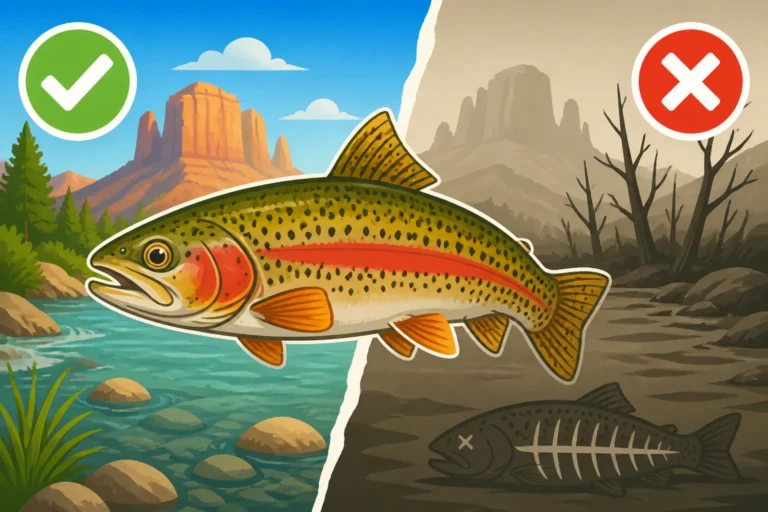
Once these hatchery-raised trout are introduced into an Arizona lake, their growth rate can still be influenced by several factors, even if they're not there for long. The high desert environment, while beautiful, presents unique challenges. Water temperature is a critical element for trout, as they are cold-water fish. Many Arizona lakes, especially during the warmer months, can become too warm for trout to thrive or even survive, which is why trout stockings are often seasonal, typically occurring from fall through spring.
Food availability also plays a role. While hatchery fish are accustomed to a pellet diet, once in the lake, they'll forage on natural insects, crustaceans, and even smaller baitfish if available. However, in heavily fished, frequently stocked lakes, competition can be high, and the natural food base might not be enough to sustain significant growth in the short time they are present. Additionally, angler harvest rates are high in many stocked lakes. The goal is for them to be caught, which means they often don't have the chance to grow substantially larger once released into the wild. Understanding these dynamics helps set realistic expectations for the size of the trout you might encounter.
Typical Weight Ranges for Arizona Stocked Rainbow Trout
So, let's get down to brass tacks: what's the real average? If you're heading out to your favorite urban lake or a popular state park reservoir, what size fish can you genuinely expect to catch? It's important to differentiate between the standard, consistent stockings and those special occasions where bigger fish are introduced.
What to Expect from Standard Stockings
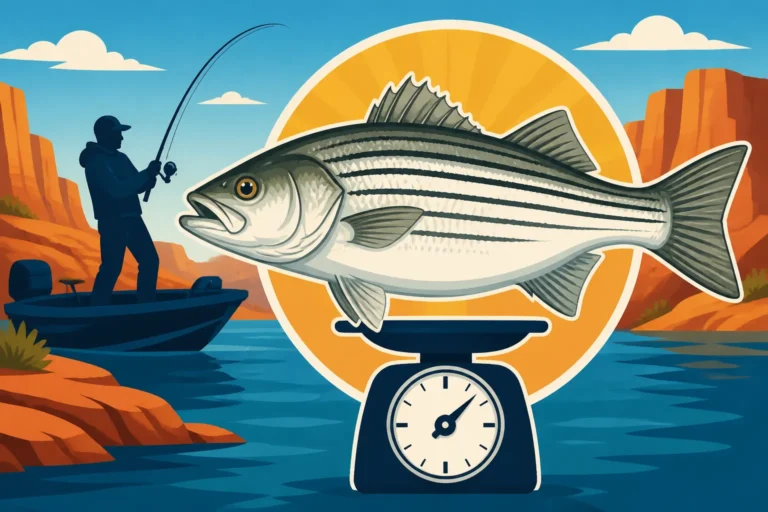
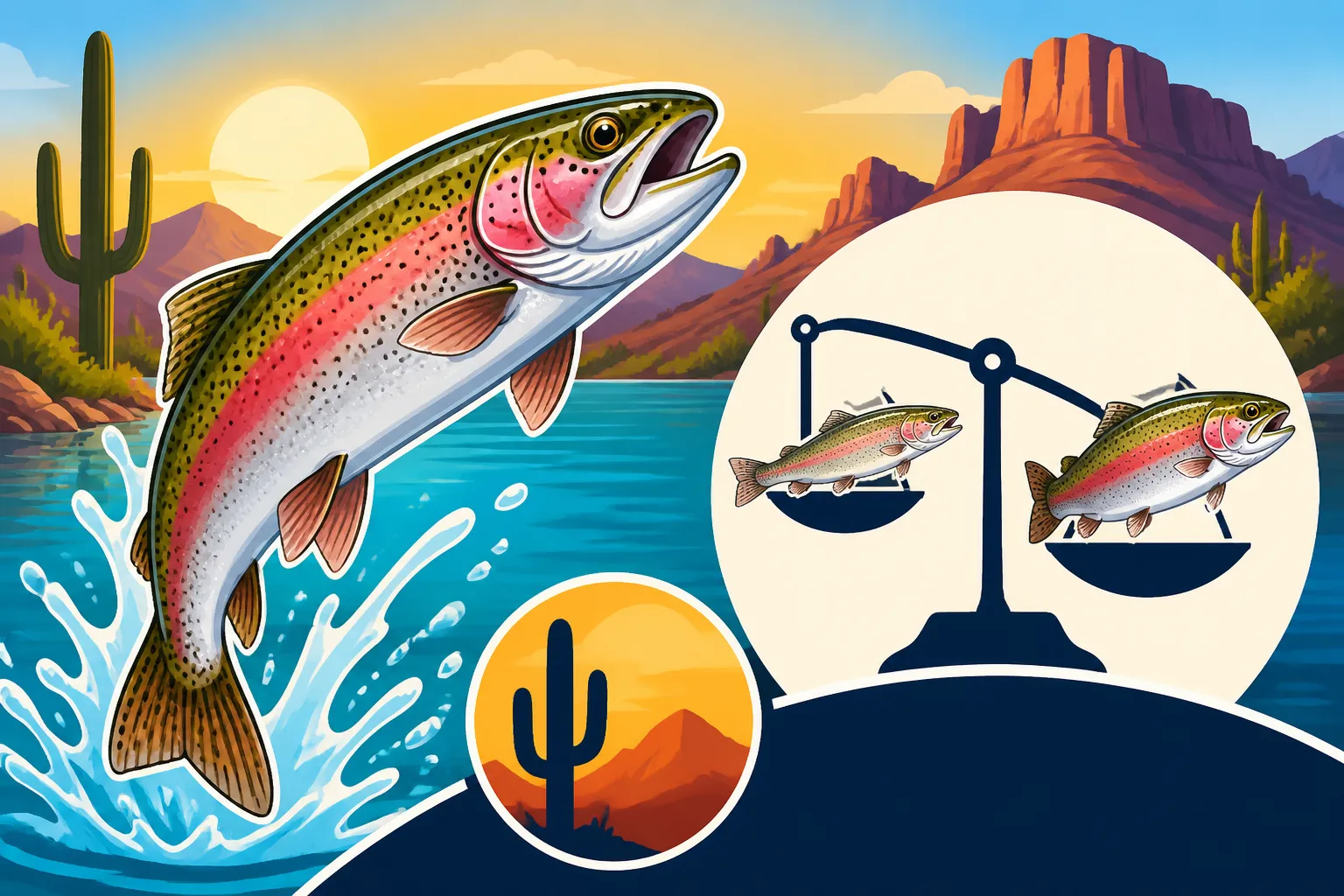
For the vast majority of rainbow trout stockings in Arizona, especially those in the Arizona Community Fishing Program Rules waters and other regularly stocked locations, you can generally expect fish in the 8 to 12-inch range. In terms of weight, these typically fall between 0.5 pounds (about half a pound) to 1.5 pounds. These are often referred to as "pan-sized" trout – perfect for a delicious meal or for the thrill of a solid tug on the line, particularly for youngsters or new anglers.
These fish are healthy, active, and provide an excellent fishing experience. They are numerous and relatively easy to catch, fulfilling the primary purpose of the stocking program: to offer consistent, accessible angling fun. If you're planning a family outing or introducing someone to fishing, these consistently stocked, manageable-sized trout are ideal targets. Many anglers find the fight of even a half-pound trout on light tackle to be incredibly exciting. Don't underestimate the joy of a consistent bite, even if they aren't record-breakers. You can learn a lot about targeting these fish by checking out our guide on How to Catch Trout at a Stocked Urban Lake.
Trophy Stockings and Special Events
Now, if you're chasing something a little bigger, Arizona Game and Fish Department does occasionally provide opportunities for "trophy" sized rainbow trout. These stockings are less frequent and often tied to specific locations, special events, or certain times of the year. When AZGFD announces these stockings, the fish can range significantly larger, sometimes reaching 2 to 5 pounds, and occasionally even bigger. These are the fish that really get the adrenaline pumping!
These larger trout are often stocked in anticipation of popular fishing derbies or to provide an extra incentive for anglers during peak seasons. They might be introduced into colder, more stable waters that can sustain them for longer, or they might be part of an effort to create a unique angling experience. If you're looking for these "bonus" trout, keeping a close eye on the weekly stocking reports from AZGFD is crucial. They'll often specify when and where larger fish are being introduced. These bigger fish require a bit more skill and often different tactics to land, but the reward is certainly worth the effort. It's like finding a hidden gem among the everyday treasures. You can find more details about these seasonal opportunities in our Trout Stocking Season in Arizona article.
Here's a quick comparison of what you might expect:
| Type of Stocking | Typical Length Range (Inches) | Typical Weight Range (Pounds) | Purpose |
|---|---|---|---|
| Standard/Community | 8 – 12 | 0.5 – 1.5 | Consistent angling, high catch rates |
| Special/Trophy Stocking | 12 – 20+ | 2 – 5+ | Excitement, memorable catches, events |
Beyond Average: Catching Bigger Stocked Trout
Even when a lake is primarily stocked with average-sized trout, there are always strategies you can employ to increase your chances of hooking into one of the larger ones, whether it's an exceptional "stocker" that has survived and grown or one of those special "bonus" fish. It's all about being a bit more strategic and sometimes, a little more patient.
Strategic Lake Selection and Timing
If you're serious about catching bigger stocked trout, your first step should be selective lake choice and timing. Not all stocked lakes are created equal when it comes to potential trophy trout. Some larger, deeper lakes might have cooler pockets of water where trout can survive longer and grow a bit more between stockings. Smaller, shallower urban ponds, while great for consistent action, are less likely to hold larger, older fish. Research lakes that are known for occasional larger trout stockings or that have conditions more favorable for trout survival. Our Rainbow Trout Fishing Guide for Arizona provides insights into different trout waters.
Timing is also paramount. The absolute best time to catch the freshest, often largest, stocked trout is usually right after a stocking event. These fish are often disoriented and eager to bite. However, to target a truly larger trout that might have been in the water longer, you might need to fish a few days or even a week after a major stocking, allowing the initial rush to subside and giving the fish a chance to settle into their new environment. Always check the AZGFD stocking schedule; it’s your best friend for planning. Knowing the Trout Stocking Frequency at Urban Lakes in Arizona can really help you plan your trips.
Bait, Lure, and Technique Adjustments
To entice bigger trout, you often need to think a little differently about your presentation. While popular baits like power bait and corn are fantastic for pan-sized stockers, larger trout can sometimes be more discerning. Consider using larger presentations or more natural baits.
- Larger Baits: Instead of a tiny ball of power bait, try a larger chunk. Live worms or mealworms can be very effective. Minnows, if legal and available, can also draw in bigger, more predatory trout. You might even explore scented soft plastics that imitate natural forage.
- Lure Selection: Spinners like Rooster Tails or Panther Martins in larger sizes (e.g., 1/8 oz to 1/4 oz) can attract more aggressive strikes from bigger fish. Small spoons (like Kastmasters) or even tiny jerkbaits can also mimic injured baitfish, which larger trout won't pass up. When browsing for these, many anglers find a great selection and helpful reviews on sites like Amazon, which makes it easy to compare different brands and styles of Best Baits and Lures for Arizona Fishing.
- Technique: Don't just cast and retrieve. Try varying your retrieve speed, adding pauses, or jigging your lure. For bait fishing, try setting your bait deeper, closer to the bottom where larger trout often cruise, or suspend it under a bobber in different parts of the water column. Persistence and experimentation are key. Sometimes the biggest fish are just holding in a less-fished spot or are less active, requiring more patience and a different approach.
The Reality of Stocked Trout and Angler Expectations
Let's be real: while chasing that trophy is exciting, the true magic of stocked trout fishing in Arizona often lies in the accessibility and consistent opportunities it provides. It’s a crucial program that brings joy to countless anglers, regardless of the size of their catch.
The Role of Stocking Programs
The primary goal of Arizona's trout stocking programs isn't to create a world-class trophy fishery in every lake. Instead, it's about providing robust, dependable fishing opportunities, especially in areas where natural trout populations can't thrive due to climate or habitat limitations. For many, particularly children and those new to the sport, the ability to consistently catch a fish is far more important than its size. It builds confidence, fosters a love for the outdoors, and creates lasting memories.
Think about the Youth Fishing License Rules in Arizona and how these programs specifically cater to getting kids hooked on fishing. A feisty 10-inch rainbow trout can feel like a monster to a child, and the excitement of a bent rod and a fish in the net is priceless. These programs are vital for sustaining the angling tradition and ensuring that everyone, regardless of experience level, has a chance to enjoy the sport. They make fishing an inclusive activity, transforming a simple pond into a potential adventure for thousands of people each year.
Enjoying the Experience, Regardless of Size
Ultimately, while understanding the average weight and striving for bigger fish can add an extra layer of challenge and excitement to your Arizona trout fishing adventures, it's essential not to lose sight of the bigger picture. The desert landscape, the crisp morning air, the tranquility of the water, and the simple act of being outdoors are often the most rewarding aspects of any fishing trip.
Whether you're reeling in a perfect pan-sized trout or wrestling with a surprise lunker, the joy of the catch, the beauty of Arizona's diverse fishing spots, and the time spent connecting with nature (or loved ones) are what truly matter. Every fish caught is a success, a moment to be cherished. So, go out there, enjoy the incredible fishing opportunities Arizona offers, and remember that sometimes the "average" catch brings the most extraordinary memories. Don't forget to grab your Arizona Fishing License Guide before you head out!
Disclaimer
This article is for general informational purposes only and does not constitute professional advice. Laws, prices and regulations vary by location and change over time. Consult a qualified professional for guidance on your specific situation.