Can You Catch a Humpback Chub Legally?
It's a common fear for any angler: reeling in a fish and wondering if you've accidentally caught something you shouldn't have. Arizona's waters are home to a diverse array of species, but some are critically protected, leading to understandable confusion and anxiety. If you've ever cast a line in the Colorado River basin and pondered the legalities of catching a Humpback Chub, you're not alone. This guide will meticulously break down whether it's legal, what to do if you encounter one, and how to fish responsibly in their habitat.
Understanding the Humpback Chub: A Native Arizona Treasure
Before diving into the legalities, it's really important to understand what a Humpback Chub is and why it holds such a special, protected status. This isn't just any fish; it's a unique and iconic part of Arizona's natural heritage, particularly in the dramatic canyon country. Knowing a little about it helps us appreciate why the rules are so strict.
What Makes This Fish So Unique?
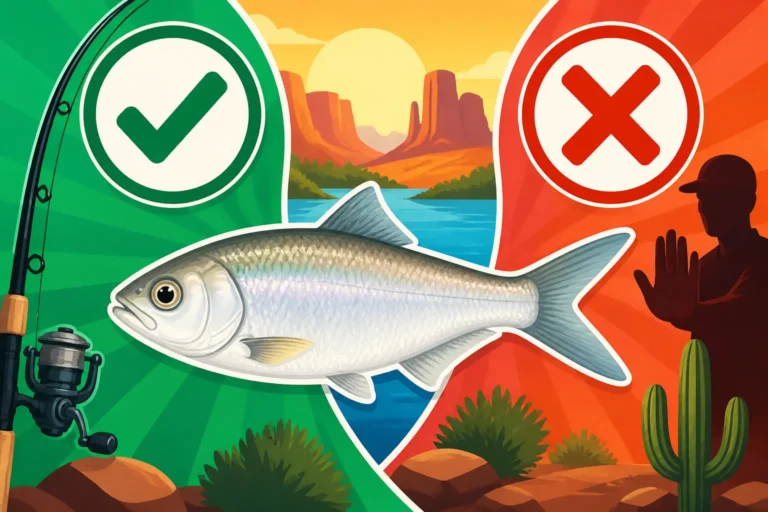
The Humpback Chub is truly one-of-a-kind. Its most striking feature, as its name suggests, is that pronounced fleshy hump located just behind its head. This isn't just for show; it's an evolutionary marvel. The rest of its body is slender and elongated, almost torpedo-shaped, with a relatively small head and a downward-pointing mouth. Its coloring can vary, but generally, it's a silvery or bronze hue, sometimes with darker mottling, which helps it blend into the rocky river bottom.
These fish are perfectly adapted to the incredibly dynamic and often turbulent environment of the Colorado River system, especially within the deep canyon sections of places like the Grand Canyon. They thrive in the powerful currents, the silty, warm waters, and the dramatic fluctuations that characterize these habitats. They are a true native species, meaning they've called these waters home for thousands of years, evolving alongside the very landscape. When you see one, you're looking at a living piece of Arizona's ancient river ecosystem.
Why the Hump on Its Back?
That distinctive hump isn't just a quirky feature; it's a masterclass in natural selection. In the fast-flowing, often violent currents of the Colorado River, the hump acts like a stabilizer, helping the fish maintain its position against powerful forces that would sweep other fish downstream. Think of it like a spoiler on a race car, but in reverse – it helps anchor them. This adaptation allows them to navigate and feed effectively in conditions that would be impossible for many other species.
Humpback Chubs are opportunistic feeders, primarily munching on aquatic insects, small invertebrates, and sometimes even plant matter that gets swept into their territory. They are an integral part of the food web in their native environment, playing a crucial role in maintaining the health and balance of the unique canyon ecosystem. Their historical presence and critical ecological function further underscore why their protection is so vital. Losing them would mean losing an irreplaceable piece of a truly remarkable natural system. You can learn more about where these incredible fish make their home in guides like Humpback Chub Habitat in the Grand Canyon.
The Strict Legal Protection of the Humpback Chub
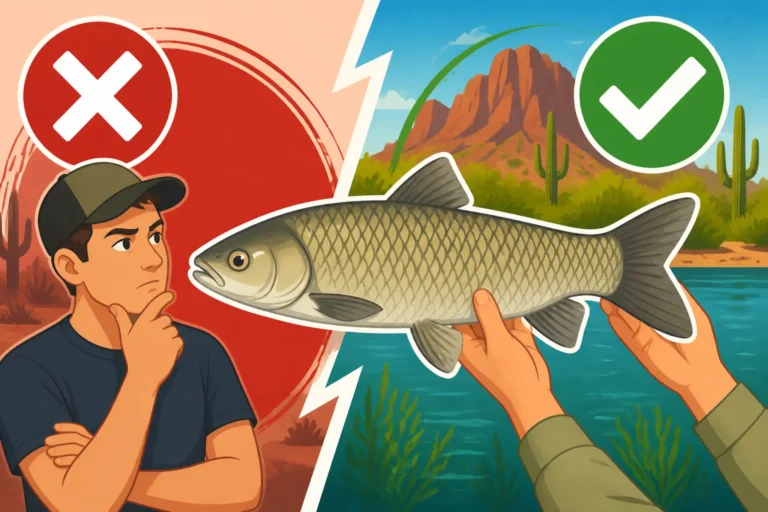
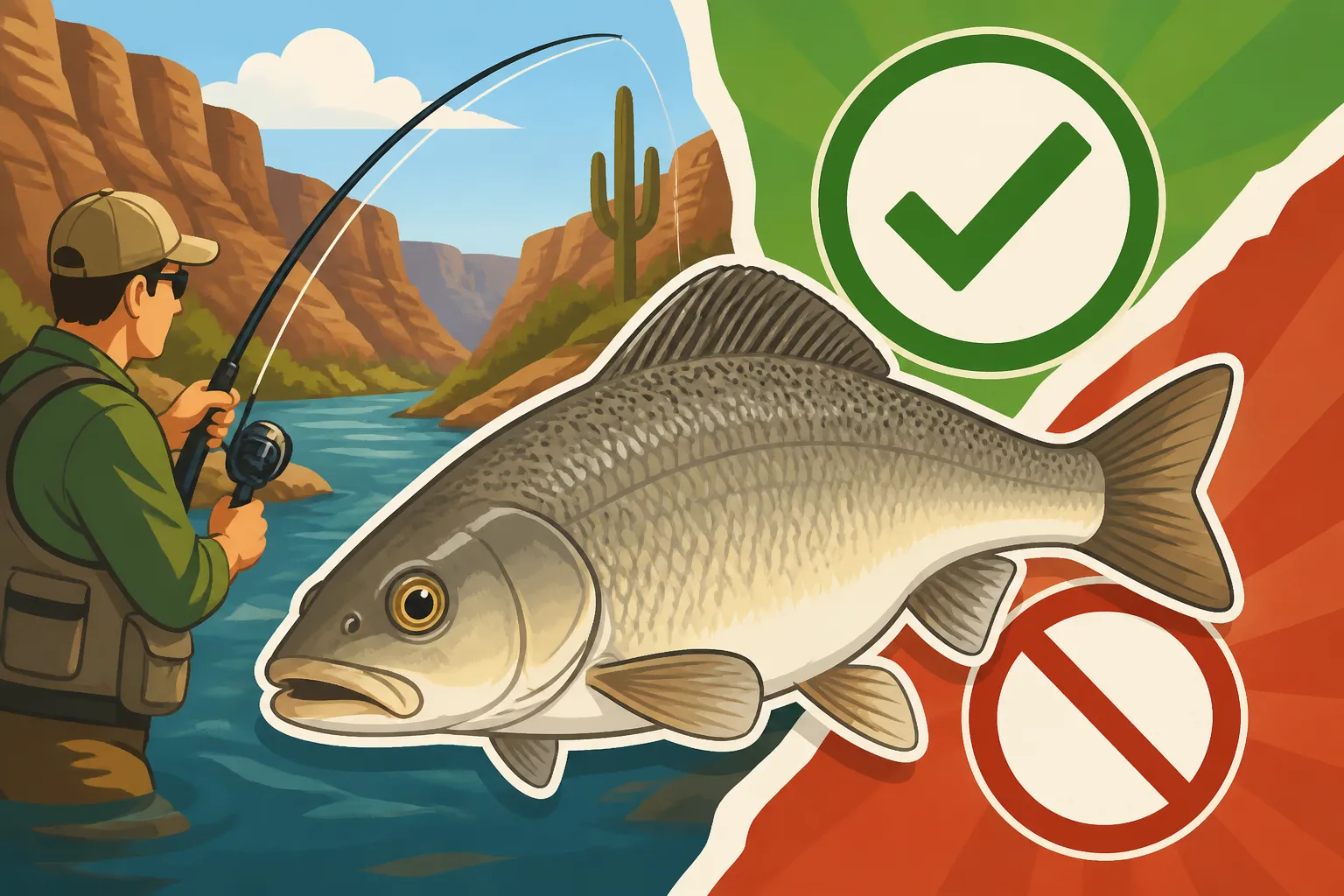
Now, let's get right to the point that probably brought you here: Can you legally catch a Humpback Chub? The answer, unequivocally, is no. It is illegal to catch, harm, or possess a Humpback Chub. This isn't a recommendation or a suggestion; it's a firm legal mandate with serious consequences.
Federally Protected: The Endangered Species Act
The Humpback Chub is listed as an endangered species under the U.S. Endangered Species Act (ESA). This federal designation is the highest level of protection available for imperiled species. What does that mean for you as an angler? It means that any action that harms, harasses, or kills a Humpback Chub, or interferes with its habitat, is a federal offense. This isn't just an Arizona state law; it's a nationwide directive that Arizona adheres to and enforces.
The penalties for violating the ESA are severe. We're talking substantial fines, potentially thousands of dollars, and even imprisonment for serious infractions. Ignorance of the law is not a defense, which is why it's so important for every angler to be aware of what's in the water they're fishing, especially in areas known to harbor protected species. The goal of the ESA is to bring species back from the brink of extinction, and strict enforcement is a key part of that effort. It’s a stark reminder that some fish are not meant for our hooks. You can find more information about the broader issue in Endangered Fish Species in Arizona Rivers.
Arizona's Role in Conservation and Enforcement
The Arizona Game and Fish Department (AZGFD) works hand-in-hand with federal agencies to enforce the Endangered Species Act and to protect native species like the Humpback Chub. They implement specific regulations designed to safeguard these vulnerable populations and educate anglers on how to comply. This includes monitoring populations, protecting habitats, and stocking efforts for other, non-native species to divert angling pressure away from sensitive areas.
Arizona's state fishing regulations are carefully crafted to complement federal law, ensuring that anyone fishing in Arizona waters is aware of and abides by these critical protections. AZGFD officers are vigilant, and they take these violations very seriously. Their focus is not just on punishing offenders, but also on fostering a culture of conservation among the angling community. Understanding Native Fish Protection Rules in Arizona is essential for responsible fishing in the state. Always consult the latest AZGFD regulations booklet, which you can often find digitally or physically, for the most current rules.
What to Do (and Not Do) If You Hook a Humpback Chub
Despite your best intentions, it's possible to accidentally hook a protected species like a Humpback Chub, especially when fishing in the vast and sometimes unpredictable waters of the Colorado River system. The key here is not to panic, but to know exactly what steps to take to ensure the fish's survival and protect yourself from potential legal issues.
Handling an Accidental Catch with Care
If you unexpectedly reel in a Humpback Chub, your immediate priority is the fish's well-being and its swift, safe return to the water. Here’s a breakdown of the critical steps:
- Keep it Wet: Do everything you can to keep the fish in the water. Minimize its time out of its natural environment. If you absolutely must handle it, do so with wet hands. Dry hands can remove the fish's protective slime coat, leaving it vulnerable to infection.
- Gentle Handling: Support the fish's body fully if you lift it. Avoid squeezing or rough handling.
- Quick Release: The goal is to release it as quickly as humanly possible. Don't waste time trying to get a photo or showing it off. Every second out of the water decreases its chances of survival.
- Hook Removal: Use needle-nose pliers or forceps to carefully remove the hook. If the hook is deeply embedded and cannot be removed without causing significant harm, it is often better to cut the line as close to the hook as possible. The hook will eventually rust out, and this minimizes stress and injury to the fish compared to forceful extraction.
- Revive if Necessary: If the fish appears sluggish, hold it gently upright in the water, facing into a mild current, until it regains its strength and can swim away on its own.
Remember, the emphasis is on minimizing stress and ensuring the fish's best chance at survival. For general practices, refer to Catch and Release Rules for Arizona Anglers.
Recognizing and Avoiding Protected Species
A proactive approach is always better than a reactive one. Taking the time to learn fish identification, especially for native species in the areas you plan to fish, is a responsible angler's duty. The Humpback Chub, with its distinct hump, is relatively easy to identify once you know what to look for. Before heading out, study visual guides of all native fish species in the Colorado River basin. You can find excellent regional fish identification guides on Amazon that detail native species and their appearances, making it easier to be prepared.
Consider using barbless hooks, or at least pinching down the barbs on your hooks. This makes hook removal much easier and quicker for any fish, but especially crucial for protected species where every second counts. You can easily add some quality barbless hooks to your tackle box, readily available on Amazon, to ensure quick and safe releases.
If you are fishing in an area known to be critical habitat for Humpback Chubs (like parts of the Grand Canyon), adjust your techniques. You might consider using larger lures or baits that are less likely to be taken by a smaller Humpback Chub if you're targeting non-native predatory species.
While immediate, careful release is paramount, if you believe you’ve seriously harmed a protected fish or observed illegal activity by others, it's important to report it to the Arizona Game and Fish Department's Operation Game Thief hotline. This helps conservation efforts and ensures accountability.
Responsible Angling in Humpback Chub Waters
Fishing in Arizona, particularly in areas that are home to protected species, comes with a big responsibility. It’s about more than just catching fish; it’s about being a steward of our incredible natural resources. Being a responsible angler means understanding the ecosystem, respecting the rules, and doing your part to protect vulnerable species.
Adjusting Your Gear and Techniques
When you're fishing in waters where Humpback Chubs or other protected native species are known to reside, making a few adjustments to your gear and techniques can significantly reduce the chances of an accidental catch.
- Lure and Bait Selection: If your primary target is non-native species like trout or bass, consider using larger lures or baits that might be less appealing or physically harder for a smaller Humpback Chub to take. For example, if you're chasing rainbow trout in an area where chubs might also be present, a larger spinner or spoon might be a better choice than a tiny fly or micro-jig. Conversely, if you're targeting other species, avoid baits that specifically mimic small aquatic insects or larvae if those are known chub food sources.
- Fishing Depths: Humpback Chubs tend to prefer specific turbulent, deep-water habitats. While they can be found elsewhere, understanding their preferred zones can help you adjust where and how deep you're presenting your bait. Sometimes, focusing on shallower, slower-moving water might help reduce interactions.
- Hook Types: As mentioned earlier, using barbless hooks is a game-changer for quick, safe releases. If you prefer barbed hooks for other situations, consider carrying a pair of pliers to easily pinch down the barb when fishing in sensitive areas.
- Targeting Non-Native Species: In many of these areas, non-native game fish are often present and are the intended target for anglers. Focus your efforts and techniques on these species, which helps to alleviate pressure on native populations. For a general overview of the rules, see Arizona Fishing Regulations Explained.
Staying Informed and Supporting Conservation
The world of fishing regulations and conservation is ever-evolving. What was true last year might have changed this season, especially concerning sensitive species.
- Regularly Check Regulations: Always, always, always check the latest Arizona Game and Fish Department (AZGFD) regulations before you head out. These are available on their website and often in a physical booklet. This is your bible for what's allowed and what's not, including specific rules for certain bodies of water. Don't rely on old information or what a buddy told you last year. Knowing Arizona Fishing Regulations Booklet Where to Find It can be incredibly helpful.
- Understand Specific Water Rules: Some areas, particularly those within the Grand Canyon National Park or other sensitive federal lands, might have additional, even stricter, regulations beyond state rules. Always check with the managing authority for that specific body of water.
- Support Conservation Efforts: Many organizations and agencies are working tirelessly to protect and restore native fish populations. Supporting groups like the AZGFD, local conservation non-profits, or even purchasing specific conservation stamps when available, contributes directly to the health of our aquatic ecosystems. Being a responsible angler means being part of the solution, not unknowingly contributing to the problem.
Fishing in Arizona is an incredible experience, offering diverse waters and fantastic opportunities. By understanding and respecting the critical protections for species like the Humpback Chub, you ensure that these unique creatures continue to thrive for generations to come, and that you stay on the right side of the law.
Disclaimer
This article is for general informational purposes only and does not constitute professional advice. Laws, prices and regulations vary by location and change over time. Consult a qualified professional for guidance on your specific situation.