Do Striped Bass Live in Fresh Water Year-Round?
Many anglers who come to Arizona, especially those from coastal states, often scratch their heads when they hear about our thriving striped bass fisheries. It’s a common misconception that these powerful, hard-fighting fish are solely saltwater dwellers. The truth is, Arizona is home to some incredible populations of striped bass that live their entire lives in our vast, freshwater reservoirs, and understanding this unique phenomenon is key to unlocking some truly epic fishing experiences. This guide will dive deep into how striped bass thrive in Arizona's freshwaters year-round, what makes our lakes so special for them, and how you can get in on the action.
The Freshwater Phenomenon of Striped Bass in Arizona
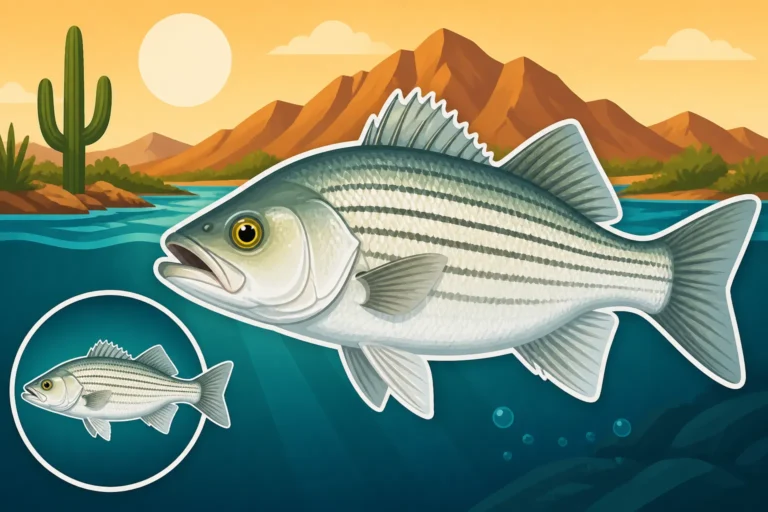
It’s easy to understand why folks might be confused about striped bass living in freshwater. Historically, these magnificent fish, known scientifically as Morone saxatilis, are anadromous. This means they spend most of their adult lives in saltwater, venturing into freshwater rivers only to spawn. But here in Arizona, and in several other landlocked regions across the country, a fascinating adaptation has occurred.
Understanding Anadromous vs. Landlocked Stripers
Let’s break down the natural behavior first. Anadromous striped bass are truly impressive migrants. Imagine a fish that spends years growing strong in the ocean, then instinctively makes its way up rivers like the Chesapeake Bay or the Hudson to reproduce. This journey requires a remarkable physiological shift as their bodies adjust from saline to fresh water. It's a testament to their adaptability and resilience. They rely on the currents of these rivers to carry their eggs downstream as they hatch, ensuring wide dispersal and the survival of their young.
Now, contrast that with our Arizona stripers. Through a combination of intentional stocking programs and, in some cases, populations becoming isolated behind dams, these fish have adapted to complete their entire life cycle without ever seeing the ocean. They are truly "landlocked" striped bass. This adaptation means they've learned to find everything they need—food, suitable habitat, and spawning grounds—within the confines of our massive freshwater lakes. They've essentially rewritten their ancestral playbook, proving just how versatile a species they are. The physiological changes needed to survive and thrive permanently in freshwater are significant, and our Arizona populations have mastered it.
Where Arizona's Stripers Call Home
When we talk about freshwater striped bass in Arizona, we're primarily talking about our iconic large reservoirs. These aren't your typical backyard ponds; they are vast, deep, and often mimic oceanic conditions in terms of size and the availability of forage. The big three where you'll find incredible striped bass fishing are Lake Powell, Lake Mead, and Lake Havasu. These lakes are deep, expansive, and have the right combination of open water and structure that stripers love.
Lake Powell, for instance, is famous worldwide for its booming striped bass population. Its intricate canyon systems, deep waters, and abundant baitfish create a perfect ecosystem for stripers to grow to impressive sizes. How Big Do Striped Bass Get at Lake Powell is a question many anglers ask, and the answer often surprises them! Similarly, Lake Mead, shared with Nevada, offers vast stretches of water where stripers school in impressive numbers, chasing down threadfin shad. Even further south, Lake Havasu on the Colorado River provides another prime habitat, known for its clear waters and diverse structure that holds these aggressive predators. These aren't just small populations; these are robust, self-sustaining (or heavily managed through stocking) fisheries that offer some of the most exciting fishing in the state, making Arizona a true destination for freshwater striper enthusiasts.
Why Striped Bass Thrive in Arizona's Lakes
The success of striped bass in Arizona's freshwater lakes isn't just a happy accident. It's a testament to the unique characteristics of these desert reservoirs and the incredible adaptability of the fish themselves. Several environmental factors converge to create an ideal habitat, allowing stripers to not just survive, but truly flourish.
The Perfect Environment
Arizona's major reservoirs, particularly Lake Powell and Lake Mead, offer the critical elements necessary for striped bass to thrive. First and foremost is the sheer size and depth of these lakes. They are massive bodies of water, providing the expansive open-water environments that stripers prefer. This allows them to roam freely, chase baitfish across vast distances, and establish extensive territories. The depth is crucial as well, especially during Arizona's scorching summers. Deep water provides thermal refuge, allowing stripers to retreat to cooler, more stable temperatures when the surface warms up. This thermal stratification mimics the deeper, cooler waters they might seek in an ocean environment.
Perhaps the single most important factor, however, is the abundance of forage fish, primarily threadfin shad. These small, schooling baitfish provide a rich and readily available food source that allows striped bass to grow quickly and maintain healthy populations. The Arizona Game and Fish Department has carefully managed these forage bases, understanding that a robust shad population is directly linked to a robust striper population. Without this constant supply of food, the stripers would not reach the sizes or numbers seen today. In essence, these desert lakes, with their depth, cool water sanctuaries, and endless supply of threadfin shad, create an inland "ocean" where striped bass can truly call home. Striped Bass Diet and Feeding Habits provides more detail on what these powerful fish prefer to eat.
Growth and Reproduction in Freshwater
One of the most remarkable aspects of Arizona's freshwater stripers is their ability to not only survive but also reproduce, or at least be sustained through stocking, and grow to exceptional sizes. While anadromous stripers typically spawn in rivers, landlocked populations can also reproduce in certain lake systems, provided there's sufficient current for their semi-buoyant eggs to remain suspended and develop without sinking and dying. In Lake Powell, for example, the main channels and inflowing rivers can provide enough current during certain times of the year to support natural reproduction, though stocking efforts are also critical for maintaining population levels.
The growth rate of these freshwater stripers can be phenomenal, often surpassing their saltwater cousins in some respects. This is largely due to the consistent, high-density forage base found in our desert lakes. With an unending supply of shad, stripers expend less energy hunting and can put more of it towards growth. It’s not uncommon for anglers to pull in stripers weighing well into the double digits from our Arizona lakes, showcasing the incredible productivity of these fisheries. The combination of suitable habitat, abundant food, and effective management strategies allows these freshwater striped bass to complete their life cycle or be successfully maintained, offering fantastic fishing opportunities year after year.
Angling for Freshwater Stripers: What You Need to Know
If you're eager to tangle with Arizona's freshwater striped bass, you're in for a treat. These fish are powerful, aggressive, and can offer some truly memorable battles. However, they're not always easy to locate or trick, so having the right gear and techniques in your arsenal is crucial.
Essential Gear and Techniques
First off, don't show up with ultralight tackle expecting to land a twenty-pound striper – you'll be disappointed! Freshwater striped bass in Arizona are strong, and you need gear that can handle their fighting power. A medium-heavy to heavy action rod, typically 7 to 8 feet long, paired with a sturdy spinning or baitcasting reel, is your best bet. Look for reels with a strong drag system, capable of holding 20-30 pound monofilament or fluorocarbon line, or even heavier braided line. You can find a fantastic selection of heavy-duty spinning reels on Amazon that are perfect for this type of fishing. For braided line, ensure you have a fluorocarbon leader for abrasion resistance and stealth in our clear lake waters. Check out Amazon for highly-rated braided line and quality fluorocarbon leaders.
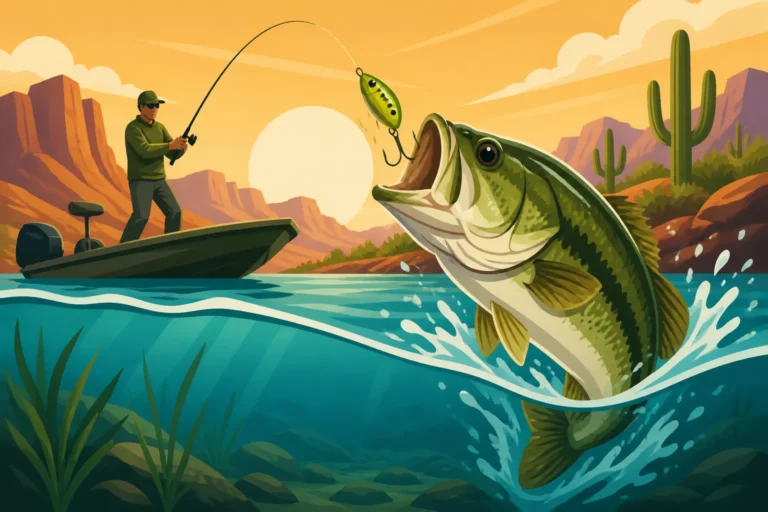
When it comes to lures, a variety of options can be effective depending on the situation. Topwater lures, like poppers and walk-the-dog baits, are incredibly exciting when stripers are actively chasing bait on the surface (often called "boils"). Subsurface lures like large swimbaits, jerkbaits, and spoons are also highly productive, especially when stripers are holding deeper or when boils aren't occurring. Many anglers swear by specific swimbait brands readily available on Amazon. Trolling with deep-diving crankbaits or spoons is another popular and effective method, particularly for covering large areas and finding schooling fish. For live bait enthusiasts, gizzard shad or large shiners can be absolutely deadly. How to Fish for Striped Bass offers more in-depth techniques for targeting these incredible fish.
Best Times and Locations
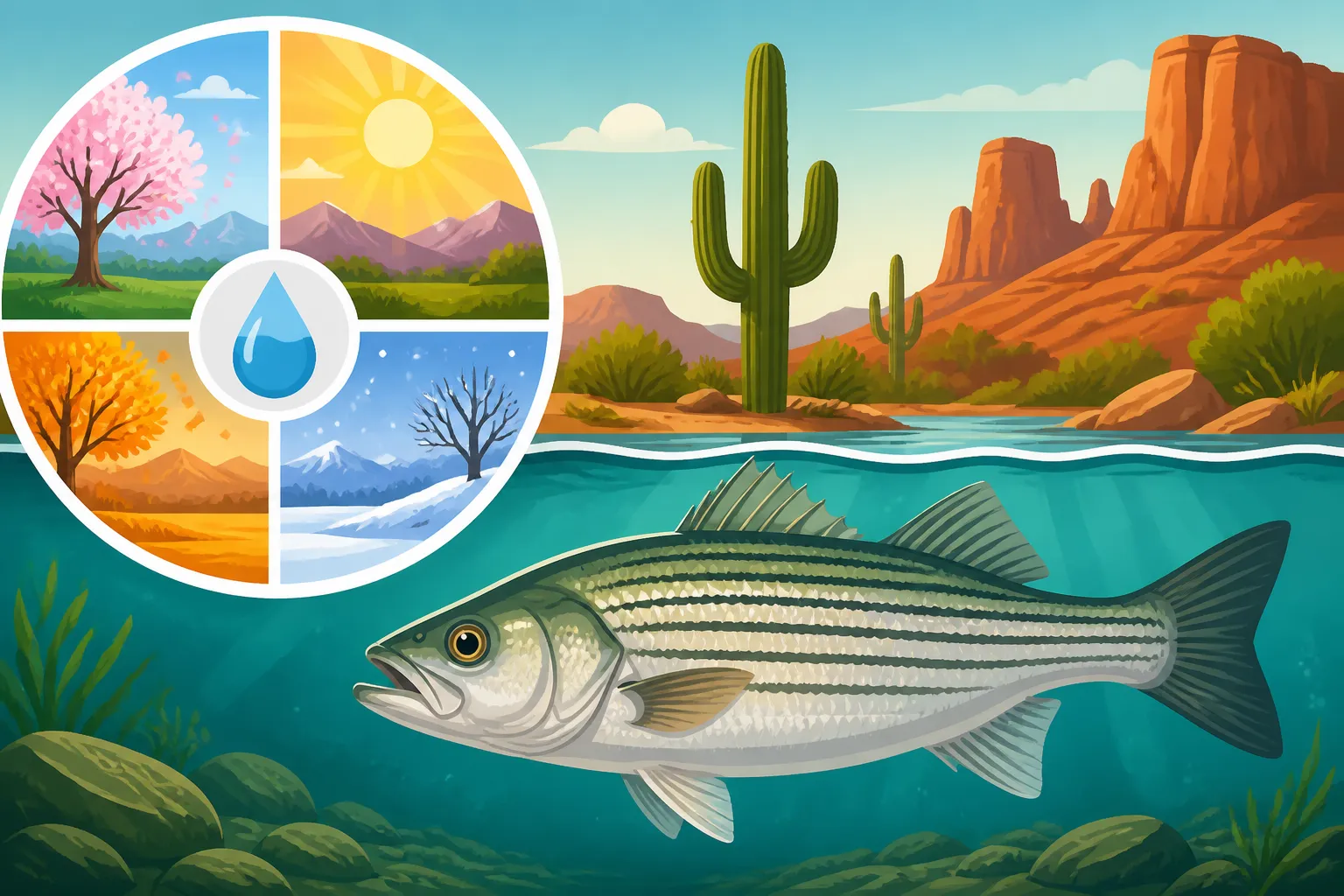
Timing and location are everything when it comes to consistently catching freshwater stripers. While you can catch them year-round, certain seasons and times of day offer better opportunities. Spring and fall are often prime times, as water temperatures are more moderate, and stripers are actively feeding. During the hot Arizona summers, early mornings and late evenings are typically the most productive, when the sun is less intense and stripers might be more willing to come to the surface. Night fishing can also be highly effective for stripers, particularly in warmer months, as they use the cover of darkness to ambush baitfish.
As for locations, look for areas where baitfish congregate. This often means creek channels, points, humps, and submerged islands. On Lake Powell, the vast canyon systems and main channel ledges are hotspots. Keep an eye out for "boils" – when schools of stripers push baitfish to the surface, creating a chaotic feeding frenzy. This is when topwater action can be absolutely phenomenal. If you see birds diving and fish splashing, motor over cautiously and cast into the fray. Your fish finder will be an invaluable tool for locating schools of stripers and baitfish in deeper water. Understanding Best Time of Year to Fish Lake Powell can give you a significant advantage. The Colorado River system, including Lake Havasu, also holds excellent striper populations, often found near submerged structure or current breaks.
Common Misconceptions and Arizona's Unique Striper Fishery
Despite their prevalence and popularity, some lingering myths about freshwater striped bass persist. Understanding these and appreciating the unique aspects of Arizona's striper fishery will only enhance your appreciation for these remarkable fish.
Dispelling the "Saltwater Only" Myth
The idea that striped bass are exclusively saltwater fish is a hard one to shake for many, and it stems from their traditional anadromous nature. However, the populations we have in Arizona's reservoirs completely dispel this myth. These are not merely saltwater fish temporarily visiting freshwater; they are fully adapted, freshwater-dwelling fish that complete their entire life cycle without ever seeing the ocean. Their physiology has adjusted to the absence of salinity, and their behavior patterns have shifted to suit their lake environments.
This adaptation highlights the incredible evolutionary plasticity of certain fish species. It’s a powerful example of how life finds a way to thrive in new conditions when given the opportunity, often through human intervention like damming rivers or intentional stocking. So, next time someone tells you striped bass only live in the ocean, you can confidently explain the thriving freshwater fisheries in Arizona and other states, a testament to the striper's versatility.
Conservation and Management in Arizona
The success of Arizona's freshwater striped bass fishery isn't accidental; it's the result of dedicated conservation and management efforts by the Arizona Game and Fish Department (AZGFD). Maintaining a healthy population of a non-native species that also plays a critical predatory role in the ecosystem requires careful balancing. AZGFD regularly monitors striper populations, assesses their health, and implements stocking programs to supplement natural reproduction in lakes like Powell and Mead. This ensures that angling opportunities remain robust.
A significant part of this management focuses on the forage base. Ensuring a stable and healthy population of threadfin shad is paramount, as it directly impacts the growth and overall health of the striped bass. The department also educates anglers on responsible fishing practices, including adherence to bag and possession limits, to prevent overfishing and maintain the ecological balance of these unique desert reservoirs. This holistic approach allows Arizona to boast one of the most exciting and productive freshwater striped bass fisheries in the country. Always check the latest Arizona Fishing Regulations Explained before heading out on the water.
Here's a quick comparison of Anadromous vs. Landlocked Striped Bass:
| Feature | Anadromous Striped Bass | Landlocked Striped Bass (Arizona) |
|---|---|---|
| Primary Habitat | Ocean/Saltwater | Freshwater Lakes/Reservoirs |
| Spawning Grounds | Freshwater Rivers | Major Inflowing Rivers, sometimes lake sections with current |
| Life Cycle | Migrates between salt and freshwater | Spends entire life in freshwater |
| Forage Base | Baitfish (e.g., bunker, herring) in oceans, smaller fish in rivers | Primarily threadfin shad, gizzard shad |
| Growth Potential | Can grow very large, often exceeding 50 lbs | Can grow very large, often exceeding 30 lbs in nutrient-rich lakes |
| Management | Managed by coastal states and federal agencies | Managed by state wildlife agencies (e.g., AZGFD) |
| Geographic Range | East Coast, West Coast (introduced) | Inland states with large reservoirs |
Remember, protecting yourself from the sun is essential when fishing in Arizona. Finding a good wide-brimmed hat to protect you from the Arizona sun is easy on Amazon, along with performance shirts that offer UV protection.
Disclaimer
This article is for general informational purposes only and does not constitute professional advice. Laws, prices and regulations vary by location and change over time. Consult a qualified professional for guidance on your specific situation.