Striped Bass Diet and Feeding Habits
Understanding what striped bass eat and how they hunt can feel like trying to crack a secret code, especially when you're out on a vast Arizona lake and the fish just aren't biting. It’s frustrating to know these powerful predators are in the water, yet your efforts yield nothing. This comprehensive guide will pull back the curtain on the striped bass diet and feeding habits in Arizona, giving you the insights you need to better anticipate their behavior and dramatically improve your chances of a successful day on the water.
Understanding Striped Bass as Apex Predators in Arizona Waters
Striped bass, often simply called "stripers" by us anglers, are true apex predators in the Arizona waters they inhabit. Unlike some other species that might scavenge or stick to a very specific diet, stripers are opportunistic and aggressive hunters. Their entire physiology, from their sleek, powerful bodies to their keen senses, is designed for pursuing and engulfing prey. When you see a "boil" on the surface of a lake, with water churning and baitfish scattering, you're witnessing the raw power and coordinated hunting prowess of a striper school in action. This isn't just a fish casually nibbling; it's a finely tuned eating machine.
The key to their success as predators lies in their schooling behavior and their remarkable adaptability. A single striper is a formidable opponent for any baitfish, but a school of them working together can decimate entire populations of forage. They use their numbers to corral bait, driving them to the surface or against a submerged structure, creating a feeding frenzy that can be both exhilarating and challenging for anglers to tap into. Understanding this fundamental predatory nature is the first step to figuring out what makes them tick and, more importantly, what makes them bite.
The Striper's Place in the Food Web
In Arizona's desert reservoirs like Lake Powell, Lake Pleasant, or Lake Havasu, striped bass sit very high on the food chain. They are not typically preyed upon by other fish once they reach a decent size, and their main threats come from human anglers and environmental factors like water temperature and oxygen levels. This dominance means they have a wide range of feeding options and can exert significant control over the populations of smaller fish. Their presence often indicates a healthy, robust ecosystem with ample forage.
However, this doesn't mean they're invulnerable. A sudden drop in forage populations, perhaps due to overfishing of baitfish or environmental changes, can impact striper growth rates and overall health. They require a consistent and abundant food supply to maintain their impressive size and fighting ability. When their primary food source is scarce, they become even more opportunistic, expanding their diet to whatever is available, which can include smaller game fish or even their own young, though this is less common when forage is plentiful. Their role as apex predators makes them a critical component of the aquatic ecosystem, influencing everything below them.
Behavioral Adaptations for Hunting
Striped bass have several key behavioral adaptations that make them incredibly efficient hunters. Foremost among these is their schooling behavior. Young stripers almost always stick together in tight schools, a defense mechanism against larger predators and an efficient way to hunt. As they grow, while some larger stripers might become more solitary, many still prefer to hunt in groups, especially when targeting schooling baitfish. This cooperative hunting is incredibly effective. They can herd baitfish into tight balls, making them easier targets.
Beyond schooling, stripers are incredibly sensitive to changes in their environment. They use their lateral line system to detect vibrations and movements in the water, allowing them to pinpoint prey even in murky conditions or low light. Their vision is also excellent, particularly at dawn and dusk, which are often prime feeding times. They are masters of ambush, using submerged structures, ledges, or deep channels to hide before launching a surprise attack. Understanding these adaptations helps you think like a striper – where would they hide? How would they approach their prey? What conditions would give them an advantage? This mindset is invaluable when trying to predict their movements and feeding patterns.
Key Forage Species in Arizona Waters for Striped Bass
When we talk about what striped bass eat in Arizona, there's one family of fish that stands out above all others: shad. But their diet isn't exclusively shad, especially as they grow larger or when shad populations fluctuate. Stripers are opportunists, and they're not going to pass up an easy meal. Knowing their go-to menu items helps us select the right lures and baits, mimicking what they naturally hunt. It's like knowing your dinner guest's favorite dish before they arrive – you're more likely to satisfy them!
Forage availability varies from lake to lake, and even within the same lake throughout the year. What's abundant in Lake Powell might be less so in Roosevelt Lake, though shad remains a dominant player in most Arizona striper fisheries. Paying attention to local fishing reports often includes mentions of what the stripers are currently feeding on, a crucial piece of real-time information.
Threadfin and Gizzard Shad: The Primary Meal
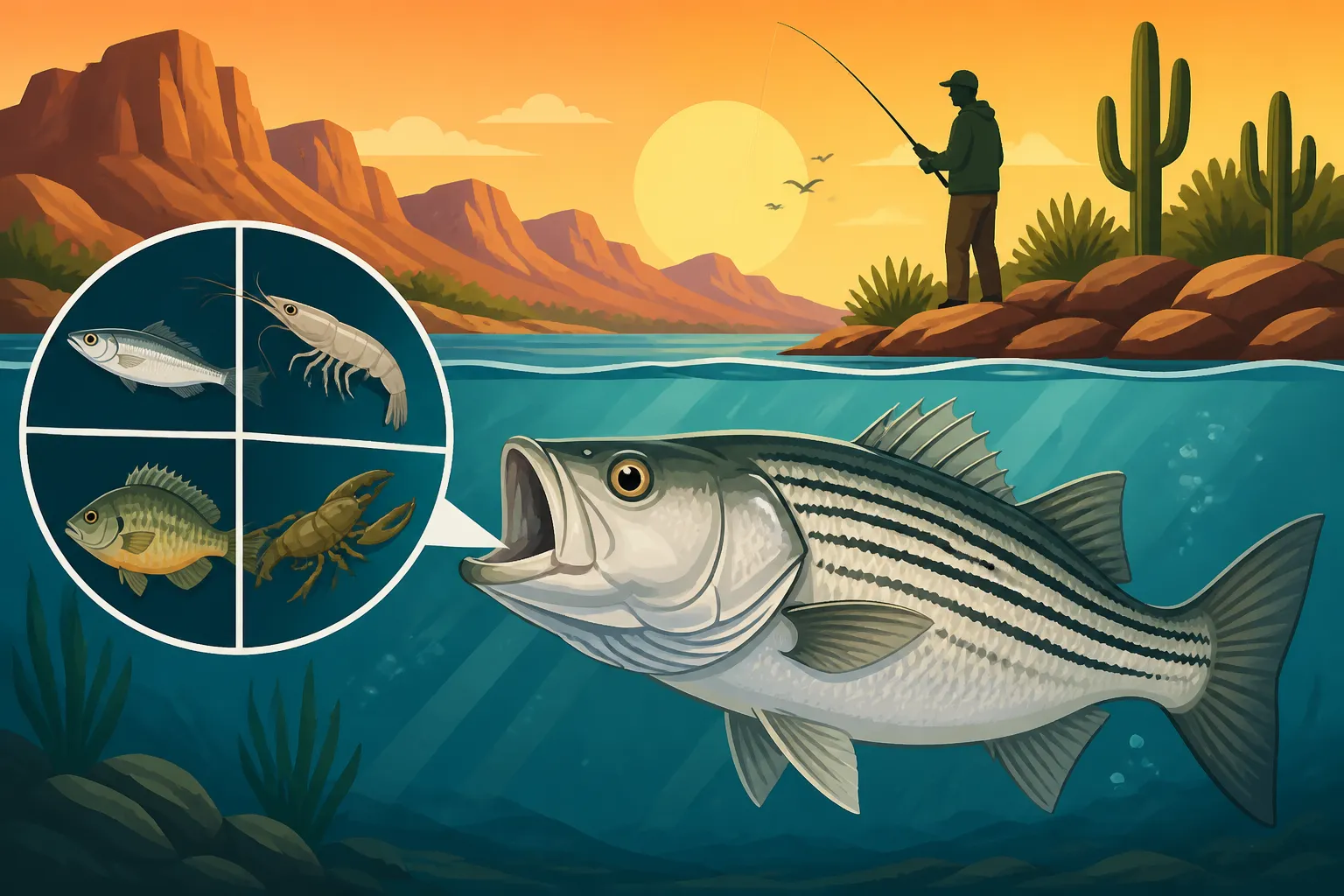
Without a doubt, threadfin shad and gizzard shad are the bread and butter of the striped bass diet in Arizona. These small, silvery baitfish are incredibly prolific in warm water reservoirs, often forming massive schools. They are the ideal food source for stripers because they are abundant, relatively easy to catch in large numbers, and provide excellent nutritional value. Threadfin shad are typically smaller, rarely exceeding six inches, while gizzard shad can grow quite a bit larger, sometimes up to a foot, making them a substantial meal for bigger stripers.
Stripers will actively pursue these schools of shad, often pushing them to the surface where they become trapped, creating those famous "boils" that anglers eagerly seek out. The sheer volume of shad in a reservoir can dictate the health and size of the striper population. When shad are booming, stripers thrive. When shad numbers are down, stripers can become leaner and more dispersed as they search for alternative food sources. Many anglers spend hours just trying to locate these shad schools, knowing that where the bait is, the stripers are sure to follow. Looking for signs of baitfish on your fish finder or watching for surface activity is paramount to locating actively feeding stripers.
Crayfish and Other Invertebrates: Opportunistic Snacks
While shad are king, striped bass are not above snacking on crayfish or other invertebrates, especially when they are smaller or when shad populations are temporarily scarce. Crayfish are particularly abundant in rocky areas of many Arizona lakes, providing a protein-rich meal. A young striper, perhaps only a few inches long, will readily devour a small crayfish it encounters scuttling along the bottom. This part of their diet is often overlooked by anglers, but it can be crucial during certain times of the year or in specific areas where crayfish are plentiful.
Larger stripers might not specifically target crayfish, but if one presents itself, they won't refuse it. Think of it as a tasty appetizer between main courses. Other invertebrates like aquatic insects, worms, or even small freshwater shrimp (where available) can also make up a small portion of a striper's diet, especially for juveniles. This opportunistic feeding behavior highlights their adaptability and why mimicking these food sources with certain lures, particularly jigs or small crankbaits that resemble crayfish, can sometimes trigger a bite even when shad imitations aren't working. It's all about presenting something that looks like an easy, natural meal.
Smaller Fish and Baitfish: When Opportunity Knocks
Beyond shad, stripers will readily consume other smaller fish species present in their habitat. This can include juvenile bluegill, sunfish, carp, or even smaller members of their own species. This cannibalistic tendency, while not a primary food source, demonstrates their aggressive nature and their readiness to eat whatever they can overpower. In reservoirs with diverse fish populations, stripers become a significant control on smaller fish numbers, keeping the ecosystem in balance.
Anglers often leverage this by using larger, more robust baitfish imitations or even live bait that isn't shad, such as a large shiner or a small bluegill, particularly when targeting trophy-sized stripers. A truly massive striper might prefer one large meal over chasing a hundred small shad. This is where presenting a substantial profile lure, like a large swimbait or a big glide bait, can be effective. It takes a certain confidence to throw a lure that looks like a meal for you, but a big striper sees it as just another opportunity. Sometimes, matching a larger profile is the key to hooking into those truly impressive fish that are less interested in chasing tiny bait. For more on what these fish might look like, check out Striped Bass vs White Bass Identification.
Seasonal Changes in Striped Bass Diet
Just like our own eating habits change with the seasons (who doesn't crave hearty stews in winter and fresh salads in summer?), striped bass adjust their diet and feeding intensity based on water temperature, daylight hours, and the availability of their preferred forage. Arizona's distinct seasons, with scorching summers and mild winters, lead to very different patterns in the striper's kitchen. If you're using the same approach year-round, you're likely missing out on prime opportunities.
Understanding these seasonal shifts is crucial for any serious angler. It's not just about what they eat, but how much they eat and where they're eating it. A striper gorging itself on shad in 80-degree water is a very different fish from one conserving energy in 50-degree water. This dynamic behavior keeps us on our toes but also offers predictable windows of opportunity once you learn the patterns.
Springtime Spawning and Post-Spawn Feeding Frenzy
Spring in Arizona sees water temperatures begin to rise, signaling the start of the striped bass spawning season. While stripers are not native to Arizona and do not typically reproduce naturally in the state's reservoirs (they require flowing rivers to successfully spawn), the biological urge is still there, driving hormonal changes and movements. During the pre-spawn period, often from late March through May, stripers are often aggressively feeding to build up energy reserves. They're looking for substantial meals, and shad are a prime target as they too become more active.
Immediately after the "spawn" (or what would be the spawn if they were in a riverine environment), stripers enter a post-spawn recovery phase. This is often followed by a voracious feeding frenzy as they replenish depleted energy stores. This can be one of the best times of the year to target them. They'll actively chase schools of shad in shallower to mid-depth areas, often near spawning flats (even if they don't actually spawn there, they congregate in similar areas due to warmer water and baitfish presence) and points. Topwater lures, swimbaits, and crankbaits that mimic shad can be incredibly effective during this period. Think aggressive, fast-moving presentations that capitalize on their high metabolism and hunger.
Summer Heat and Deepwater Foraging
Arizona summers are no joke, and the intense heat significantly impacts where stripers, and their food, will be found. As surface water temperatures soar into the 80s and even 90s, oxygen levels in the shallower water diminish, and stripers are forced to seek cooler, deeper water. This is when they move to thermoclines – layers of water where the temperature changes rapidly – which often provide both cooler temperatures and better oxygen. The shad schools, which are also sensitive to heat, will often follow, congregating in these deeper, cooler zones.
During summer, stripers are still actively feeding, but their diet shifts to what's available in these deeper parts of the lake. They might still chase shad, but the chases are often shorter, and they're less likely to push bait to the surface unless it's very early in the morning or late in the evening. Trolling with deep-diving crankbaits, jigging spoons, or fishing with live bait in deep channels and over submerged humps becomes the most effective strategy. Identifying the thermocline on your fish finder is absolutely essential for summer striper success. Don't be surprised to find them 30, 60, or even 100 feet down. Best Time of Day to Fish in Arizona Heat discusses strategies for these challenging conditions.
Fall Turnover and Winter Slowdown
Fall is a transitional period, often heralded by the "fall turnover" in many lakes. As air temperatures drop, the surface water cools, eventually becoming denser than the warmer water below. This causes the surface water to sink, mixing the entire water column. This mixing can sometimes temporarily disperse baitfish and stripers, making them harder to locate. However, once the lake stabilizes, often after a week or two, fall can offer some fantastic striper fishing. The water temperatures become more comfortable for stripers across a wider range of depths, and they often resume aggressive feeding as they prepare for the lean winter months. They'll follow shad into coves and along points, often feeding in shallower water than in summer.
Winter brings cooler water temperatures, and with it, a general slowdown in the striper's metabolism. While they still need to eat, their feeding activity becomes less frantic. They tend to school up more tightly and will move slower, often holding close to deep structure, rock walls, or channel edges. Their diet still consists mainly of shad, but they might be less willing to chase fast-moving lures. Slower presentations, like vertical jigging with spoons or soft plastics, or fishing live shad on a dead stick, become more effective. Finding the schools is key, and once found, you might need to present your bait right in front of their faces to entice a bite. Even in winter, Arizona offers fantastic opportunities if you know where to look and how to adapt your presentation.
Factors Influencing Striped Bass Feeding Behavior
Understanding the general diet and seasonal shifts is a great start, but there are always nuances. Striped bass aren't robots; their feeding behavior can be influenced by a myriad of factors, some environmental, some biological. Ignoring these subtleties can lead to a frustrating day, while paying attention to them can unlock unexpected success. It's like knowing your favorite restaurant serves the best salmon, but also knowing they sometimes run out, or that you prefer it grilled versus baked.
From the clarity of the water to the barometric pressure, every little detail can play a role in whether a striper decides to strike your offering. This is where the art of fishing truly comes into play, blending scientific understanding with keen observation and adaptability.
Water Temperature and Oxygen Levels
Water temperature is perhaps the single most influential environmental factor on striped bass feeding behavior. Stripers are cold-blooded, meaning their metabolism directly correlates with the water temperature. In their optimal temperature range (typically 65-75 degrees Fahrenheit), they are highly active, aggressive, and feed frequently. As temperatures drop below this range, their metabolism slows down, and they become less active and feed less often. Conversely, as temperatures rise too high (above 80 degrees consistently), they become stressed, seek deeper, cooler, more oxygenated water, and their feeding can become sporadic.
Oxygen levels are intimately linked to water temperature and are equally critical. Warmer water holds less dissolved oxygen than cooler water. In the heat of Arizona summer, the upper layers of water can become depleted of oxygen, forcing stripers to deeper, cooler zones where oxygen is more plentiful, often near the thermocline. If a lake experiences prolonged hot spells or low water conditions, large areas might become inhospitable due to low oxygen, concentrating fish into smaller "sweet spots" where conditions are tolerable. A fish finder with temperature and oxygen readings can be invaluable for locating these crucial zones.
Water Clarity and Light Conditions
Water clarity plays a significant role in how stripers hunt and what methods are most effective for anglers. In clear water, stripers rely heavily on their eyesight to hunt, which means they can be more selective about what they eat. Lures that offer realistic colors, subtle actions, and natural profiles tend to work best in clear conditions. However, in very clear water, stripers can also become spooky and shy away from boats or unnatural presentations. Anglers often need to use longer leaders, lighter line, and make longer casts to avoid detection.
In stained or murky water, their visual hunting is hampered, and they rely more on their lateral line system to detect vibrations and scent. This means lures that produce strong vibrations, bold colors (like chartreuse or white), and sometimes even scent attractants can be more effective. Noise-producing lures, like lipped crankbaits with rattles, become particularly useful. Similarly, light conditions – dawn, dusk, overcast days, or bright sunshine – also influence their behavior. Stripers are often most active during low-light conditions, as this gives them a predatory advantage over their prey, which might rely more on direct sight. Night fishing for stripers can be incredibly productive, especially in the summer, as they move into shallower water under the cover of darkness. Night Fishing Techniques and Safety offers more insights into this often-rewarding pursuit.
Barometric Pressure and Weather Changes
Anglers often talk about how weather affects fishing, and barometric pressure is a major component of that. A stable, high-pressure system (clear skies, calm weather) often leads to more predictable and consistent feeding, but sometimes fish can be less aggressive. Conversely, a falling barometric pressure, typically associated with approaching storms or fronts, often triggers an intense feeding frenzy. Fish can sense these pressure changes and instinctively know that feeding opportunities might be scarce during the inclement weather to come.
After a cold front passes and high pressure settles in, fishing can become tough. The water column might stabilize, and fish can become lethargic and less willing to chase. This is when slower presentations and fishing deeper structure often become necessary. Rising or falling water levels, wind, and even lunar phases can also have an impact, though barometric pressure and temperature are generally considered the most significant. Keeping an eye on weather forecasts and understanding how these changes affect fish behavior can give you a significant edge on the water.
Matching the Hatch: Lures and Techniques Based on Striper Diet
Now that we've delved into the intricacies of the striped bass diet, it's time to translate that knowledge into actionable fishing strategies. "Matching the hatch" is a term often used in fly fishing, but it applies perfectly to striper fishing: use lures and baits that closely resemble what the fish are currently eating. This isn't just about throwing a "fishy-looking" lure; it's about selecting the right size, color, action, and presentation to trick these keen predators.
The beauty of striper fishing in Arizona is the variety of techniques that can be effective, all of them rooted in imitating their natural forage. From replicating a school of fleeing shad to presenting a tempting crayfish, every lure has its place in the angler's arsenal, ready to be deployed based on the stripers' current menu preference.
Mimicking Shad with Swimbaits and Topwaters
Given that shad are the primary food source, it's no surprise that lures designed to imitate them are incredibly effective. Swimbait fishing for stripers is a classic and highly successful method. Soft plastic swimbaits, often with a paddle tail, come in various sizes and colors, with silver, white, and chartreuse being popular choices to mimic shad. These can be rigged on a jig head and retrieved steadily to imitate a swimming baitfish, or bounced off the bottom to suggest a struggling one. Hard-bodied swimbaits, often jointed, offer an even more realistic profile and swimming action. For a deep dive into this, see How to Fish a Swimbait for Striped Bass.
Topwater lures truly shine during those epic striper boils, especially in the spring and fall, or early mornings and late evenings in summer. Poppers, walk-the-dog baits, and prop baits create commotion on the surface, mimicking struggling or fleeing shad that stripers are actively herding. There's nothing quite like the explosive strike of a striper on a topwater lure – it's pure adrenaline! The key is to cast into the thick of the boil and retrieve with a lively, erratic action, making your lure appear like an easy target amidst the chaos. Some anglers prefer to cast past the boil and retrieve into it, giving the lure a more natural approach.
Deeper Presentations for Subsurface Forage
When stripers are feeding deeper, perhaps on shad holding near a thermocline or targeting crayfish near rocky structures, your presentation needs to follow them. Deep-diving crankbaits are excellent for this. They come in various sizes and bill configurations, allowing them to reach depths from 10 to over 30 feet. Choosing a crankbait with colors that mimic shad or crayfish (like brown or red) can be very effective. Trolling these baits is a common and productive method, allowing you to cover large areas of water and present the lure at a consistent depth.
Vertical jigging with spoons or heavy soft plastics is another go-to technique for deeper stripers. Metal spoons, often in silver or gold, flutter enticingly as they fall, imitating a wounded baitfish. Soft plastics, like grubs or fluke-style baits rigged on heavy jig heads, can also be worked vertically. The idea is to drop the lure to the depth where fish are holding and then use a lift-and-drop retrieve to entice a strike. This method is particularly effective when you've located a tight school of stripers on your fish finder, as you can drop your lure right into their strike zone. Many of these effective lures are readily available on Amazon and other major fishing retailers.
Live Bait: The Ultimate Match
For many seasoned striper anglers, especially when targeting trophy fish or when the bite is tough, live bait is the ultimate "match the hatch" strategy. There's nothing more natural than a live, struggling baitfish. Live threadfin or gizzard shad, caught with a cast net, are hands-down the most effective live bait for Arizona stripers. Presenting them on a Carolina rig, a slip sinker rig, or even suspended under a balloon or bobber can be incredibly deadly.
However, using live bait requires extra effort, including catching the bait and keeping it alive in a well-aerated livewell. The rules for using live bait can also vary, so always check the latest Arizona Fishing Regulations Explained to ensure you're compliant. Beyond shad, live bluegill, sunfish, or even large shiners can be used, particularly for bigger stripers. The key is to present the live bait in a way that allows it to swim naturally and appear vulnerable. This often means using a relatively light hook, ensuring the baitfish can move freely. If you’re looking to purchase a reliable cast net or a new livewell system, Amazon is a great resource to explore various options and read user reviews.
Here's a quick reference table for matching lures to striper diet components:
| Primary Forage | Common Lure/Bait Types | Ideal Conditions/Techniques | Example Lure Color |
|---|---|---|---|
| Threadfin/Gizzard Shad | Soft Plastic Swimbaits, Hard Swimbaits, Topwater Poppers, Walk-the-Dogs, Deep Diving Crankbaits, Live Shad | Surface boils, open water schools, trolling, vertical jigging, casting | Silver, White, Pearl, Chartreuse, Blue-back |
| Crayfish | Jigs (Football, Skirted), Crankbaits (lipped, square bill), Soft Plastic Craws | Rocky bottoms, submerged structure, bouncing off bottom, slow retrieve | Brown, Orange, Red, Green Pumpkin |
| Smaller Baitfish (General) | Larger Swimbaits, Glide Baits, Spoons, Jerkbaits, Live Bluegill/Shiners | Targeting trophy fish, deep water, scattered baitfish, slow presentation | Natural Baitfish patterns, Chrome, Gold, Firetiger |
Common Misconceptions About Striped Bass Diet
It's easy to fall into traps of common knowledge or anecdotal evidence when it comes to fishing, and striped bass are no exception. There are a few prevalent misconceptions about their diet that, if believed, could hinder your success on the water. Dispelling these myths can help you approach striper fishing with a clearer, more effective strategy.
Just because a fish is a predator doesn't mean it's always ravenously hungry, nor does it mean it will eat anything you throw at it. Understanding these nuances helps us respect the striper as a truly wild and intelligent animal, making the pursuit all the more rewarding. It’s about being realistic rather than relying on outdated ideas.
"Stripers Eat Everything"
While stripers are undeniably aggressive and opportunistic predators, the idea that "they eat everything" is a significant oversimplification. Yes, they have a diverse diet, and they will hit a wide variety of lures and baits. However, they are still selective, especially when their preferred forage is abundant. If there are massive schools of shad available, a striper is far more likely to focus on chasing those than to pick up a random worm or a lure that doesn't mimic anything in its natural diet.
The "eat everything" mentality often leads to anglers throwing lures that are completely out of proportion to the available baitfish or using presentations that are unnatural. While you might get a "reaction strike" from an aggressive striper now and then, consistently successful anglers are those who pay attention to what the stripers are actually feeding on. Observing regurgitated bait in a livewell or checking the stomach contents of a kept fish can offer invaluable clues. This insight often explains why a particular lure, like a specific brand of swimbait found on Amazon, is suddenly flying off the shelves – it's matching the local "hatch."
Focusing Only on Surface Activity
Surface boils are incredibly exciting and definitely indicate actively feeding stripers. However, another misconception is that this is the only time stripers feed or that all their feeding happens on the surface. Nothing could be further from the truth, especially in the deep, clear waters of many Arizona reservoirs. Stripers spend a significant amount of their time feeding in the water column, often deep below the surface, where they are less visible to the casual observer.
During much of the year, particularly in summer and winter, stripers will hold to deep structure, feed along channel edges, or chase baitfish in the thermocline, sometimes 50 or 100 feet down. Relying solely on surface activity means you'll miss out on a vast majority of the feeding opportunities. A good fish finder is your best friend here, allowing you to locate these deeper schools and present your lures accordingly. Learning to interpret your electronics and understanding the topography of the lake floor are just as important, if not more so, than simply looking for splashing on the surface. This is where Deep Water Structure Fishing Techniques become indispensable.
Ignoring Environmental Cues
Finally, a common oversight is ignoring the subtle environmental cues that dictate striper feeding. Many anglers will head out to the lake with a preconceived notion of what they'll throw, regardless of the conditions. But as we've discussed, factors like water temperature, clarity, oxygen levels, and barometric pressure all play a huge role. Fishing the exact same way on a hot summer afternoon as you would on a cool spring morning is a recipe for frustration.
Stripers are highly attuned to their environment. A sudden cold front can put them into a deep funk. A period of heavy wind can push baitfish into certain coves, concentrating stripers there. Ignoring these cues is like trying to navigate without a map. Successful anglers are adaptable. They observe the conditions, consult their electronics, and adjust their tactics accordingly. They might start with a topwater in the morning, switch to deep-diving crankbaits as the sun gets high, and then try vertical jigging if they mark fish deeper. The more you learn to read the water and listen to what the environment is telling you, the better you'll understand the striper's ever-changing diet and feeding habits, leading to more consistent catches.
Disclaimer
This article is for general informational purposes only and does not constitute professional advice. Laws, prices and regulations vary by location and change over time. Consult a qualified professional for guidance on your specific situation.