Smallmouth Bass Habitat in Arizona Lakes
Fishing for smallmouth bass in Arizona offers a unique challenge, often requiring a deeper understanding of where these tenacious fighters choose to live. Unlike their largemouth cousins, smallmouth have very specific preferences when it comes to their home turf, and if you don't know what to look for, you might just be casting into empty water. This comprehensive guide will peel back the layers of Arizona's diverse aquatic environments, revealing the prime habitats where smallmouth bass not only survive but truly thrive, equipping you with the knowledge to find and catch more of these incredible fish.
The Distinctive World of Smallmouth Bass
When we talk about bass in Arizona, most people immediately think of the largemouth. They're abundant, aggressive, and can be found in almost every major lake. But smallmouth bass are a different breed entirely. They bring a unique fighting style and a preference for very particular environments, making them a prized catch for those who understand their world.
What Makes Smallmouth Different?
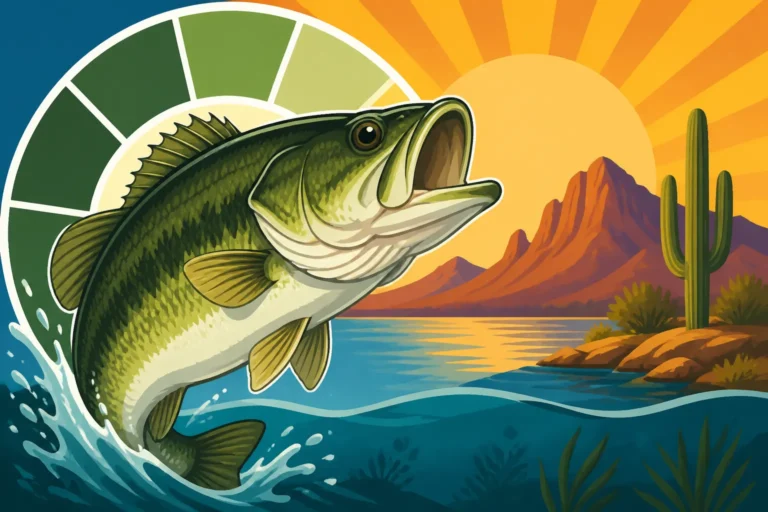
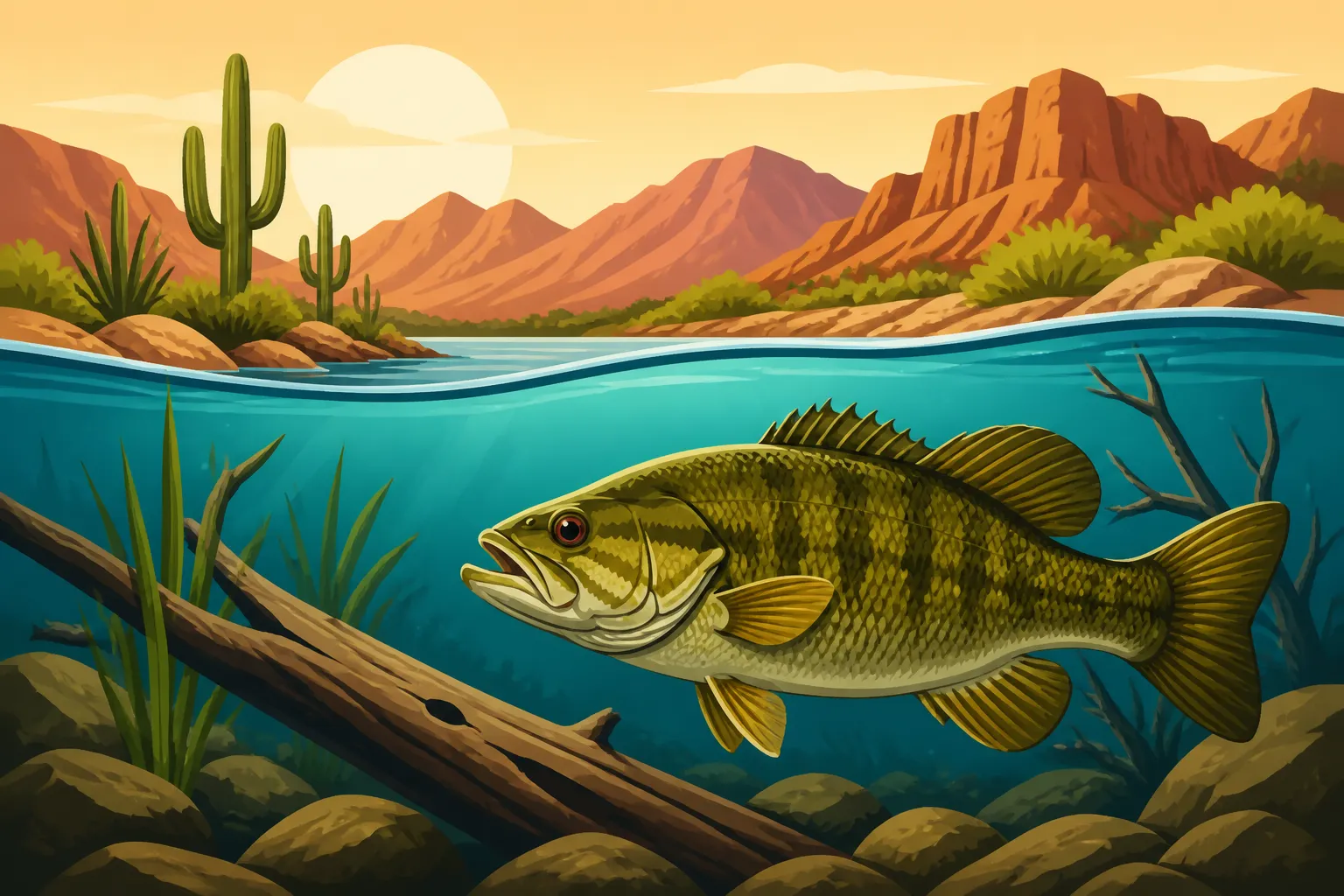
The differences between a smallmouth and a largemouth are more than just their mouth size, though that's certainly the most obvious physical trait. Smallmouth bass typically have a more streamlined, torpedo-shaped body, often with vertical bars or blotches along their sides, giving them excellent camouflage against rocky backgrounds. Their upper jaw extends only to about the middle of their eye, unlike the largemouth's jaw which goes well past the eye. These physical traits hint at their lifestyle; they are built for speed and agility in open water and around hard structure, rather than skulking in dense vegetation.
Beyond their looks, their fighting spirit is legendary. A smallmouth is known for its incredible acrobatics, often jumping clear out of the water multiple times during a fight, and making powerful, deep runs. They are less about the initial explosive ambush of a largemouth from heavy cover and more about sustained, hard-charging battles. This distinct fighting style is one of the main reasons anglers specifically seek them out. Smallmouth Bass Fishing Guide for Arizona delves deeper into catching these incredible fish.
Their behavior also sets them apart. Smallmouth tend to be more nomadic, often moving in schools, especially when chasing baitfish. They rely heavily on their keen eyesight in clear water to hunt, patrolling rocky areas and points. This is a stark contrast to the ambush predator nature of largemouth, which prefer to hide in thick cover, waiting for unsuspecting prey to pass by. If you're used to pitching into lily pads or flipping heavy brush, you'll need to adjust your approach significantly for smallmouth.
Native Range Versus Arizona's Adopted Waters
Smallmouth bass are not native to Arizona. Their ancestral home lies in the cooler, clearer waters of the Great Lakes region, the upper Mississippi River basin, and many tributaries of the Ohio and Tennessee River systems. They are inherently a cold-water species compared to largemouth, accustomed to environments with distinct seasons and well-oxygenated conditions. So, how did they end up thriving in the desert?
They were introduced to Arizona's waters through stocking efforts, primarily in the mid-20th century, with the goal of creating a diverse sport fishery. The Arizona Game and Fish Department recognized that while many of our desert impoundments could support largemouth, some areas, particularly those with deep, rocky canyons and cooler water inputs, could provide excellent habitat for smallmouth. The success of these introductions has varied greatly, largely depending on whether the specific lake or river stretch could adequately mimic their preferred native conditions.
The unique challenge for smallmouth in Arizona's desert lakes is adapting to intense summer heat and often fluctuating water levels. They thrive in lakes like Lake Powell, which boasts an incredible amount of rocky structure and deep, cooler water accessible year-round. Other lakes, like Canyon Lake and Apache Lake, also offer suitable rocky habitats. However, lakes that become too warm or lack sufficient deep, oxygenated refuges during the peak summer months struggle to maintain healthy smallmouth populations. They are a testament to adaptation, finding niches in an environment vastly different from their original homes, yet still requiring those fundamental elements that define their preferred habitat.
Understanding Key Habitat Preferences
To consistently find smallmouth bass, you need to think like one. These fish aren't just swimming around randomly; they're actively seeking specific conditions that provide safety, food, and comfort. Understanding these preferences is the cornerstone of successful smallmouth fishing in Arizona.
Rock, Rubble, and Hard Structure
If there's one defining characteristic of smallmouth bass habitat, it's rock. These fish are rock dwellers through and through. They don't typically hide in dense submerged hydrilla or woody debris like largemouth often do. Instead, they relate to hard structure: boulders, gravel flats, sheer rock walls, ledges, and riprap. This rocky terrain provides perfect ambush points, offers protection from predators, and, crucially, is often home to their favorite food source – crayfish.
Imagine a smallmouth tucked behind a large boulder on a main lake point, waiting for a school of shad to pass by, or lurking in the crevices of a rocky bluff wall, ready to pounce on a scampering crayfish. These are classic smallmouth scenarios. The type of rock matters too; they prefer chunk rock and larger boulders that create plenty of nooks and crannies, rather than fine silt or sand. This preference extends to man-made structures as well; riprap along causeways or dam faces often holds good numbers of smallmouth because it mimics natural rocky shorelines. You can find detailed maps of many lakes on platforms like Amazon, which often highlight these rocky features and contour lines.
This strong preference for hard structure is a key differentiator from largemouth bass, which are often found amidst aquatic vegetation, submerged timber, or under docks. While there might be some overlap, if you're targeting smallmouth, you should focus almost exclusively on areas that are predominantly rock and gravel. When scouting a new lake, look for steep banks, bluffs, points, and humps that are composed of rock. These are your starting points for finding smallmouth.
Clear, Oxygenated Water with Depth
Another critical component of prime smallmouth habitat is clear, well-oxygenated water, often with access to significant depth. Smallmouth are sight feeders, relying on their excellent vision to spot prey. Therefore, murky or heavily stained water, while sometimes productive for largemouth, is generally less ideal for smallmouth. They prefer water where they can see several feet, allowing them to track baitfish and crayfish more effectively.
Beyond clarity, oxygen content is vital. Smallmouth are more sensitive to low oxygen levels than largemouth. This often means they gravitate towards areas with some degree of water movement, like current breaks in river systems or wind-blown points in lakes, where wave action helps oxygenate the water. In deeper impoundments, the thermocline (the layer where water temperature changes rapidly) plays a significant role in summer. Smallmouth will typically suspend above or within the thermocline, in the cooler, more oxygenated water, avoiding the warmer, less oxygenated water below.
Access to depth is paramount, especially in Arizona's hot summers and cold winters. Deep water provides a thermal refuge, allowing smallmouth to escape extreme surface temperatures. During summer, they can retreat to cooler depths, and in winter, they can find stable temperatures below the surface. A consistent depth range of 15-40 feet, with deeper water nearby, is often a prime smallmouth zone. This is why you'll find them on main lake points that drop quickly into deep channels or along canyon walls where depth is readily available.
Forage Base Availability
Like any predator, smallmouth bass will be found where their food is. In Arizona, their primary diet consists of crayfish, threadfin shad, gizzard shad, and various minnow species. The presence and abundance of these forage items directly dictate where smallmouth will establish their feeding zones.
Crayfish are arguably the most important food source for smallmouth, especially in rocky environments. These crustaceans provide a rich protein source and are prevalent in the same rocky cracks and crevices that smallmouth prefer for shelter. Anglers often mimic crayfish with jigs and crankbaits to tempt hungry smallmouth. When you find an area with abundant crayfish, you're likely to find smallmouth.
Shad, both threadfin and gizzard, are also critical, particularly in larger reservoirs. Smallmouth will often school up and actively chase vast schools of shad in open water, creating exciting "boils" where they push baitfish to the surface. These feeding frenzies are a prime opportunity for anglers. Many of the lures found at fishing retailers or online, such as Amazon, are designed specifically to imitate the shimmering flash and erratic movement of shad.
Understanding the forage base means understanding the smallmouth's movements. If the shad move into a certain cove to spawn, smallmouth won't be far behind. If crayfish are particularly active in a rocky flat, smallmouth will be there to feast. Keeping an eye on what the fish are eating, whether through observations of their regurgitated stomach contents or by noticing baitfish activity, can provide invaluable clues to their current habitat and feeding patterns.
Prime Arizona Lakes and Rivers for Smallmouth Habitat
Arizona offers some truly spectacular smallmouth bass fishing, but certain bodies of water stand out due to their specific characteristics that cater perfectly to these rocky-bottom dwelling fish. Knowing these hotspots can dramatically increase your chances of a successful outing.
Lake Powell's Majestic Canyons
When it comes to smallmouth bass in Arizona, Lake Powell is often considered the undisputed king. This massive reservoir, stretching across the Utah-Arizona border, is a smallmouth paradise, boasting thousands of miles of shoreline dominated by towering sandstone cliffs, submerged rock formations, and deep canyons. The sheer volume of prime rocky habitat here is unparalleled in the state. Lake Powell Arizona Fishing Guide offers a comprehensive look at this incredible fishery.
The key to Lake Powell's success as a smallmouth haven lies in its geology. The ancient canyons, now submerged, provide endless opportunities for smallmouth to relate to steep walls, ledges, points, and deep rock piles. The water clarity is generally excellent, allowing smallmouth to utilize their sight-feeding abilities effectively. Furthermore, the lake's vastness and depth mean there's always access to cooler, oxygenated water, even during the scorching Arizona summers. Anglers frequently find smallmouth aggressively chasing baitfish in the numerous side canyons and along bluff walls, especially during morning and evening hours.
Water levels do impact fishing on Lake Powell, as rising or falling water can expose or submerge key structures. However, the sheer scale of the lake means there are always new areas becoming prime habitat as conditions change. Specific areas like the San Juan arm, Wahweap Bay, or the vast network of side canyons off the main channel are renowned for their smallmouth populations. The average size of smallmouth here can be quite impressive, making it a bucket-list destination for many anglers. Smallmouth Bass Average Weight at Lake Powell highlights just how rewarding fishing here can be.
The Colorado River's Unique Zones
The Colorado River, particularly certain stretches, also provides excellent smallmouth bass habitat. While Lake Powell is an impoundment, the river offers dynamic, flowing water environments that appeal to smallmouth's preference for current and oxygenation. The river’s character changes dramatically along its length through Arizona, creating diverse fishing opportunities.
Below Glen Canyon Dam, in the stretch known as Lees Ferry, the water is consistently cold and clear, managed primarily for rainbow trout. While this might seem too cold for bass, smallmouth can be found in the rocky sections, especially where there are current breaks and slightly warmer pockets. They adapt to coexist with the trout, often preying on smaller ones or feeding on opportunistic forage. Moving further downstream, particularly in sections like the Parker Strip or near Lake Havasu, the river widens, and while largemouth are more prevalent, smallmouth can still be found in areas with pronounced rock structure and cooler flows.
The key to finding smallmouth in the Colorado River is to focus on sections with significant rock structure and noticeable current. Look for eddies, submerged boulders, riprap, and current seams where fish can hold out of the main flow but still dart out to ambush prey. The river environment provides constant replenishment of oxygen and food, making these spots highly attractive. The Colorado River Fishing Guide in Arizona offers a detailed look at navigating this expansive waterway.
Smaller Desert Lakes with Specific Features
While Lake Powell gets most of the smallmouth glory, several other Arizona desert lakes offer fantastic, often overlooked, smallmouth opportunities. These lakes, though smaller, mimic the ideal rocky, clear-water conditions that smallmouth crave. They are often closer to urban centers, making them more accessible for a day trip.
Lakes like Canyon Lake, Saguaro Lake, and Apache Lake, all part of the Salt River chain, are prime examples. These lakes are characterized by steep, rocky canyon walls, deep water, and relatively clear conditions. Canyon Lake Arizona Fishing Guide explains how the geology of these lakes creates excellent smallmouth habitat, with abundant submerged boulders, sheer cliffs, and rocky points. Smallmouth here often relate to these features, particularly during the cooler months or early morning/late evening in summer.
These lakes present an interesting contrast to the vastness of Lake Powell. While the fishing pressure can be higher due to their accessibility, their smaller size often means you can explore more of the prime habitat in a single outing. Anglers often target steep rock walls that drop into deep water, main lake points, and submerged humps or islands, which all provide the hard structure and depth smallmouth desire. Man-made structures such as dam faces or spillways, often reinforced with riprap, also create ideal smallmouth lies. You might not find as many "trophy" sized smallmouth as Powell, but these lakes offer consistent action with healthy, hard-fighting fish. Many of these are considered among the Best Bass Fishing Lakes in Arizona.
Seasonal Movements and Habitat Shifts
Smallmouth bass are highly attuned to environmental changes, particularly water temperature. As the seasons change in Arizona, so too do the smallmouth's preferred habitats and depths. Understanding these seasonal movements is crucial for staying on top of their patterns throughout the year.
Spring Spawning and Shallow Rock
As Arizona's lakes begin to warm in late winter and early spring, smallmouth bass start to stir. Once water temperatures consistently reach the mid-50s to low-60s Fahrenheit, they begin their migration from deeper wintering grounds to shallower, rocky areas for spawning. This is an exciting time for anglers, as these fish become more accessible and often more aggressive.
Ideal spawning habitat for smallmouth includes protected coves, main lake points, and shallow flats that have a clean, gravel or small rock bottom. They prefer areas that receive sunlight to warm the water and are somewhat protected from strong winds or currents, allowing them to guard their nests. You'll often find them setting up shop in 5-15 feet of water, building small, circular nests. The males are typically more aggressive during this period, fiercely protecting the eggs and fry.
After the spawn, smallmouth will remain in these shallower areas for a period, recuperating and feeding heavily to regain energy. They'll often hold on secondary points, rocky transitions, or the edges of flats adjacent to deeper water, making them prime targets for a variety of baits. This post-spawn period offers some of the most consistent shallow-water smallmouth action of the year before the summer heat truly sets in.
Summer Depth and Thermal Refuges
When the brutal Arizona summer sun heats the surface waters of our desert lakes, smallmouth bass, true to their cooler-water preferences, retreat to deeper, cooler, and more oxygenated thermal refuges. This doesn't mean they stop feeding, but their habitat shifts dramatically, requiring anglers to adjust their tactics.
During summer, smallmouth will often suspend in the water column or relate to deep structure. Look for them on main lake points that drop quickly into deep channels, submerged humps or islands, deep rock piles, and along the edges of canyon walls. The thermocline, a distinct layer where water temperature changes rapidly, becomes a critical factor. Smallmouth will typically be found above or within this layer, where temperatures are more comfortable and oxygen levels are sufficient. They avoid the warmer, oxygen-depdepleted water above and often the too-cold, anoxic water below.
Fishing for smallmouth in summer often means targeting depths of 20-50 feet, or even deeper in some lakes like Powell. They'll often school up in these deep areas, chasing baitfish that also seek cooler water. Early mornings and late evenings might see them push shallower to feed, but during the heat of the day, expect them to be deep. This is where electronics like fish finders become indispensable. Best Time of Day to Fish for Bass in Summer gives more insights into how to approach fishing during this challenging season.
Fall Feeding Frenzy and Transitional Zones
As the scorching summer heat gives way to cooler autumn temperatures, Arizona's lakes begin to cool, and smallmouth bass enter a highly active feeding phase known as the "fall feeding frenzy." This is a fantastic time to target smallmouth, as they become exceptionally aggressive, preparing for the lean winter months.
With falling water temperatures, smallmouth abandon their deep summer haunts and begin to move into transitional zones. They'll frequent rocky main lake points, bluff walls, and flats that are adjacent to deep water. They often follow schools of baitfish, which are also moving shallower as the water cools, seeking abundant forage. This period is characterized by aggressive strikes and a willingness to chase down lures.
Focus on areas where shallow, rocky feeding grounds quickly transition into deeper water. These edges provide both a hunting ground and quick access to safety or comfort. Smallmouth will often school tightly during this time, so once you find one, there are likely many more nearby. This season can offer some of the most consistent and exciting smallmouth action of the year, with fish often busting bait on the surface.
Winter Deep Structure and Reduced Activity
Once winter truly sets in, and water temperatures drop into the 40s and low 50s Fahrenheit, smallmouth bass generally retreat to their deepest, most stable habitat. Their metabolism slows down significantly, and while they still feed, their activity levels are much reduced. This makes them challenging but rewarding to catch.
During winter, smallmouth will often suspend in deep main lake channels, relate to deep ledges, or congregate on offshore humps and points in 40-80 feet of water or even deeper, depending on the lake. They seek areas where water temperatures are most stable, typically the warmest water available in the coldest parts of the lake. Locating these schools on your fish finder is absolutely essential, as they won't be cruising widely.
Patience is key during winter smallmouth fishing. Their bites are often subtle, feeling more like a slight weight on the line than an aggressive strike. Lures need to be presented slowly and precisely, often right on their noses. Vertical presentations like drop-shot rigs, jigs, and blade baits are often most effective. While less active, catching a big smallmouth in the dead of winter is incredibly satisfying. Winter Bass Fishing Tactics in Arizona provides an in-depth look at how to approach this specific season.
Identifying Prime Smallmouth Habitat on the Water
Finding smallmouth bass isn't just about knowing where they generally live; it's about being able to identify those exact spots on the water. This requires a combination of modern technology, keen observation, and an understanding of how smallmouth utilize their environment.
Using Topographic Maps and Sonar
In today's angling world, topographic maps and advanced sonar units are invaluable tools for locating prime smallmouth habitat. Before you even launch your boat, studying a detailed contour map of your chosen lake can give you a significant advantage. Look for steep drops, main lake points, submerged humps, creek channels, and areas where contour lines are tightly packed, indicating a rapid change in depth. These features often correspond to rocky structure below the surface. Many anglers find detailed contour maps, often available on platforms like Amazon or through specific mapping apps, invaluable for identifying potential smallmouth haunts.
Once on the water, your fish finder or sonar unit becomes your eyes beneath the surface. For smallmouth, you're not just looking for fish; you're looking for habitat. Interpret your sonar screen to identify hard bottom composition (rocks will show up as a stronger, thicker return than mud), steep breaks, and schools of baitfish. Side-imaging and down-imaging technologies, found on many modern units, can reveal incredibly detailed images of submerged rock piles, ledges, and individual boulders that smallmouth will relate to. How to Read a Fish Finder for Bass can help you interpret those cryptic images into actionable information.
Combining these tools is the most effective approach. Use your maps to identify potential areas, then use your sonar to confirm the presence of desirable structure, baitfish, and ultimately, smallmouth. Mark waypoints on your GPS whenever you find a promising spot or catch a fish, allowing you to return and refine your understanding of their habitat preferences.
Visual Cues and Shoreline Observation
Even without advanced electronics, your eyes can tell you a lot about potential smallmouth habitat. When you're driving to the lake or cruising along the shoreline, pay close attention to the visible geology. If you see steep, rocky bluffs and sheer cliffs above the waterline, it's a strong indicator that similar rocky structure extends underwater.
Look for areas with significant riprap (large rocks used to stabilize shorelines), especially around dam faces, bridges, or causeways. This artificial rock provides excellent smallmouth cover. Also, observe the water clarity. Smallmouth prefer clear to moderately clear water, so if an area is particularly murky or stained, it might be less productive. Pay attention to changes in shoreline composition – a sudden transition from a sandy beach to a rocky point is often a key area.
The absence of dense aquatic vegetation is another visual cue. While some lakes might have areas with abundant weeds, smallmouth generally don't utilize them as heavily as largemouth do. Instead, scan for sparse submerged vegetation that might grow on a rocky flat, providing a subtle ambush point. The more you observe and connect what you see above water to what you expect below, the better you'll become at "reading" the water for smallmouth.
Understanding Current and Wind
Current and wind are dynamic forces that significantly influence smallmouth bass habitat and behavior. Understanding how these elements affect the water can help you pinpoint exactly where smallmouth will position themselves.
Current, whether from a river flow or even subtle currents within a large reservoir caused by generation or wind, can be a major draw for smallmouth. These fish love to position themselves just out of the main current, in an eddy or behind a large boulder, waiting for food to be swept past them. The current also brings in fresh, oxygenated water, which smallmouth prefer. Look for current breaks around points, humps, and submerged structure.
Wind, particularly consistent wind, can also create prime smallmouth habitat. Wind blowing across an open lake surface pushes warm surface water and oxygenates the water column, but more importantly, it often pushes baitfish towards wind-blown points, banks, and rocky shorelines. Smallmouth will often stack up on these wind-swept areas, capitalizing on the concentrated bait. However, too much wind can make fishing challenging and create difficult boating conditions, so it's a balance. Always consider safety when dealing with strong winds on large bodies of water. Always pack essential sun protection, like a wide-brimmed hat and polarized sunglasses, which you can easily pick up from retailers like Amazon before your trip.
Protecting and Preserving Smallmouth Bass Habitat
Arizona's smallmouth bass fisheries are a precious resource, offering incredible recreation to anglers. To ensure these feisty fish continue to thrive for generations to come, it's vital that we all understand and practice responsible angling and support conservation efforts.
The Impact of Water Levels and Drought
Arizona is no stranger to drought, and fluctuating water levels in its reservoirs have a significant impact on smallmouth bass habitat. Prolonged periods of low water can expose crucial spawning grounds, reduce the overall volume of suitable deep-water thermal refuges, and concentrate fish, making them more vulnerable. Conversely, rapidly rising water levels can flood new shoreline vegetation, but also disperse fish and make it harder to locate their traditional haunts.
Low water levels can stress smallmouth populations by limiting access to food sources and increasing competition. Spawning success can be severely impacted if traditional gravel beds are left high and dry. Moreover, reduced water volume can lead to warmer overall lake temperatures, pushing smallmouth into even smaller pockets of cooler water, increasing stress and susceptibility to disease.
Conservation efforts often involve carefully managed water releases and stocking programs to help mitigate the effects of these fluctuations. Anglers can play a role by being mindful of these conditions; during severe low-water periods, practicing catch and release, especially for larger breeding fish, becomes even more critical to safeguard the population. For those who want to dive even deeper, there are many excellent books on smallmouth bass behavior and habitat, often found on Amazon, that can really sharpen your angling intuition.
Responsible Angling Practices
As anglers, we are the first line of defense in protecting smallmouth bass and their habitat. Practicing responsible angling ensures that our actions contribute to the health and sustainability of the fishery. The first and most important step is always to follow Arizona Fishing Regulations Explained regarding bag and possession limits, size restrictions, and fishing methods. These rules are in place for a reason – to manage fish populations sustainably.
Catch and release is a particularly impactful practice for smallmouth, especially for larger, older fish that are vital for spawning. If you do choose to keep fish within the legal limits, consider carefully which ones to harvest. Proper handling techniques are crucial for fish that you plan to release. Minimize the time the fish is out of water, use wet hands when handling, support the fish horizontally, and avoid placing fingers in the gills. Using single, barbless hooks can also reduce harm and make release easier.
Educating fellow anglers about these practices is also key. Sharing knowledge about respectful fish handling and the importance of conservation can create a ripple effect, ensuring that more people are actively contributing to the well-being of Arizona's smallmouth bass populations.
Supporting Conservation Initiatives
Beyond individual actions, supporting broader conservation initiatives is fundamental to the long-term health of smallmouth bass habitat. A significant portion of the funds generated from fishing license sales and excise taxes on fishing equipment (through programs like the Dingell-Johnson Act) directly goes back into fisheries management, habitat restoration, and stocking programs conducted by the Arizona Game and Fish Department. By purchasing your Arizona Fishing License Guide, you are directly contributing to these vital efforts.
There are also various non-profit organizations dedicated to freshwater fisheries conservation that anglers can support through donations or volunteering. These organizations often work on specific projects like habitat improvement, scientific research, and public education. Participating in clean-up events at your favorite lakes or advocating for sustainable water management policies are other ways to contribute.
Ultimately, the future of smallmouth bass fishing in Arizona rests on a collective commitment to understanding, respecting, and protecting their unique habitats. By being informed, practicing responsible angling, and supporting conservation, we can help ensure that the thrill of catching these hard-fighting fish continues for generations of Arizona anglers.
Disclaimer
This article is for general informational purposes only and does not constitute professional advice. Laws, prices and regulations vary by location and change over time. Consult a qualified professional for guidance on your specific situation.