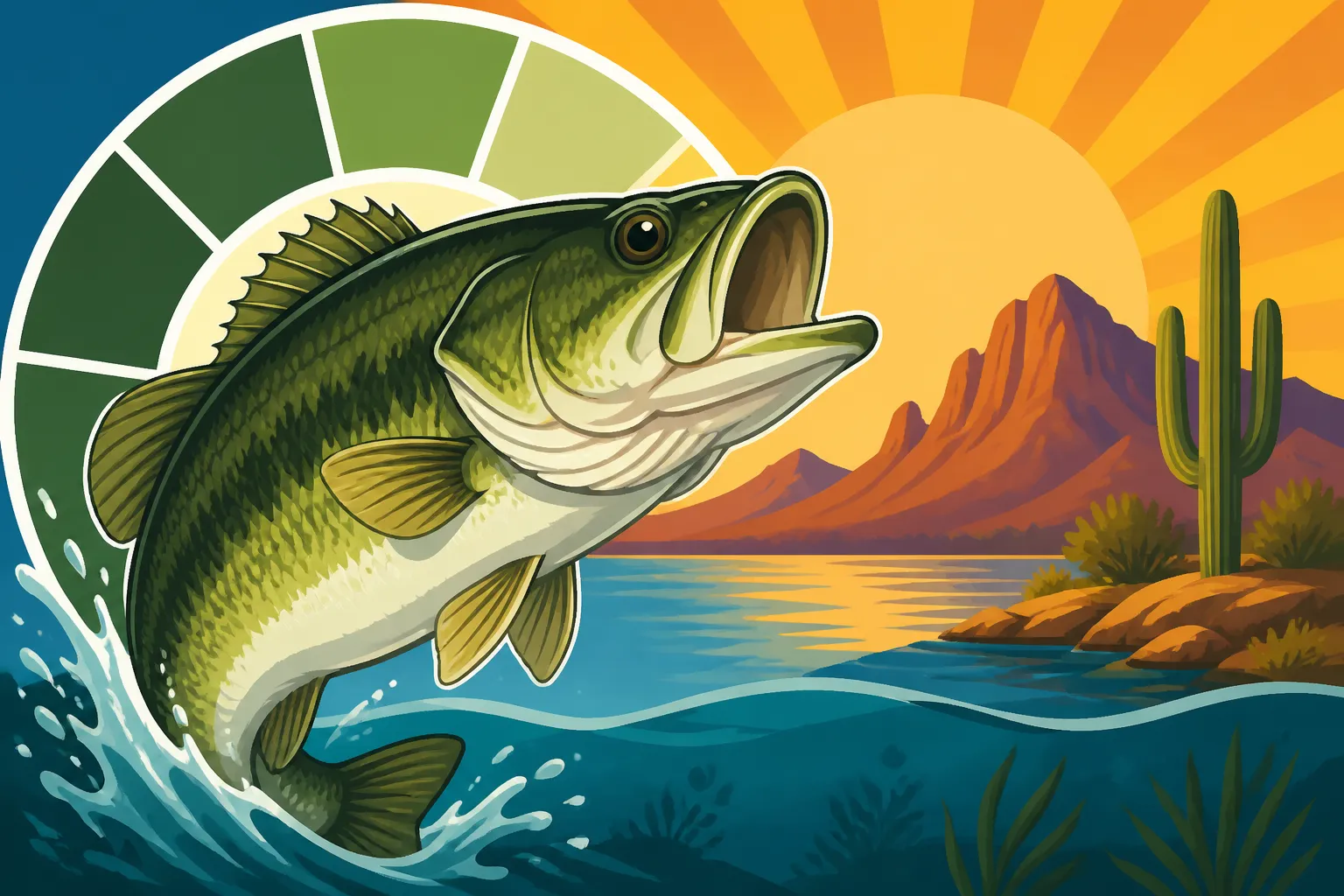
Life Span of Largemouth Bass in Arizona
One question that often crosses the mind of any dedicated Arizona angler, whether you're chasing that next big trophy or simply enjoying a peaceful day on the water, is just how long do those feisty Largemouth Bass actually live here? It’s not just idle curiosity; knowing the typical lifespan and growth patterns of these iconic sportfish can dramatically improve your fishing strategies and even deepen your appreciation for the complex ecosystems of our desert lakes. This guide is here to unravel the mysteries of the Largemouth Bass's longevity in Arizona, exploring the many factors that contribute to how long they thrive, how big they get, and what we as anglers can do to support healthy populations for years to come.
Understanding Largemouth Bass Longevity
It’s easy to think of a fish's life as a simple cycle, but for Largemouth Bass, especially in a unique environment like Arizona, their journey from fry to a mature lunker is influenced by a myriad of factors. Understanding their general biological lifespan versus their actual lifespan in a specific lake is key to becoming a more informed angler.
General Biological Lifespan of Largemouth Bass
Generally, Largemouth Bass are known to live anywhere from 6 to 16 years in the wild, with some exceptional individuals making it even longer under ideal conditions. This broad range exists because so much depends on where they live. In colder climates, bass tend to grow slower but often live longer, a trade-off that balances their metabolic rate with environmental stressors. They aren't under as much pressure to grow quickly, so they can take their time, developing into old, wise fish over many seasons. Their bodies simply don't burn out as fast.
However, in warmer environments, such as much of Arizona, the growth rate can be accelerated. This means a bass might reach trophy size quicker, but this rapid growth often comes at the cost of overall longevity. Imagine a high-performance engine: it runs fast and powerful, but it might not last as long as a slower, more durable one. The metabolic demands of constant warmth and fast growth can put more wear and tear on their systems. A fish growing rapidly uses more energy, which can lead to a shorter overall lifespan compared to its northern cousins. This is a fundamental biological principle that plays out vividly in our desert impoundments.
Arizona's Unique Environmental Impact on Bass Longevity
Arizona presents a fascinating case study for Largemouth Bass. Our state is characterized by extreme heat, particularly during the long summer months, and our fishing opportunities predominantly exist in man-made reservoirs rather than natural lakes or slow-moving river systems. These desert lakes, while beautiful and productive, are very different from the bass's native habitats in the eastern and central United States.
The consistently warm water temperatures mean that bass can be active and feeding for a much larger portion of the year. This extended growing season allows them to put on size at an impressive rate. However, these warm waters also mean higher metabolic rates, which, as mentioned, can contribute to a shorter overall lifespan. A bass in Lake Pleasant or Roosevelt Lake, for instance, might reach 5 pounds in three or four years, whereas a bass in a northern state might take twice as long to hit that same weight. But that northern bass might then live to be 15, while our Arizona lunker might be an old fish at 8 or 9 years. It's a trade-off that defines bass biology in our unique climate.
Furthermore, the fluctuations in water levels, typical of reservoir management, can also impact habitat quality and food availability over time. A bass born in a year of high water, with abundant submerged vegetation and shoreline cover, might have a better start in life than one hatched during a severe drought. These year-to-year environmental shifts add another layer of complexity to predicting how long any given bass will survive and thrive in our desert fisheries.
Factors Influencing Bass Lifespan in Arizona
The life of a Largemouth Bass in an Arizona lake is a constant dance with its environment. Several key factors determine not just its growth, but its very survival and how many seasons it gets to experience.
Water Temperature and Quality
Temperature is perhaps the most defining factor for bass in Arizona. These fish are warm-water species, thriving in temperatures generally between 65 and 80 degrees Fahrenheit. Our desert lakes often stay within or above this range for many months of the year. While this leads to fast growth due to high metabolic rates and prolonged feeding activity, consistently high water temperatures can also be a double-edged sword. Water that is too warm (consistently above 85-90 degrees) holds less dissolved oxygen, which can stress fish, make them more susceptible to disease, and even lead to die-offs in extreme cases, though Arizona's larger, deeper lakes generally avoid this for bass.
Water quality, encompassing factors like oxygen levels, pH, and the presence of pollutants, is equally vital. Arizona's reservoirs, fed by rivers like the Salt and Verde, generally boast good water quality, but localized issues can arise. Runoff after heavy rains can introduce sediment or agricultural chemicals, which, while usually not fatal in large, diluted systems, can certainly add stress to the fish. Optimal water quality ensures that bass can breathe easily, digest their food efficiently, and maintain a robust immune system, all of which contribute to a longer, healthier life. Maintaining clean water is paramount for a thriving fishery.
Food Availability and Competition
A bass, like any creature, needs to eat to live and grow. The abundance and variety of forage fish, such as Threadfin Shad, Gizzard Shad, Bluegill, and even smaller bass, directly influence the growth rate and overall health of Largemouth Bass. Lakes with a robust and diverse forage base will naturally produce larger, healthier bass that are better equipped to withstand environmental stresses and reproduce successfully. When food is plentiful, bass don't have to expend as much energy hunting, allowing them to allocate more resources to growth and survival.
However, food availability isn't constant. It fluctuates with reservoir conditions, stocking efforts, and even seasonal cycles. In leaner years, or in lakes with high populations of predators relative to forage, bass may experience slower growth, become thinner, and be more vulnerable to disease. Competition for food also plays a significant role. If a lake is overpopulated with bass, or if there's a strong presence of other predatory fish like Striped Bass, the competition for food can be fierce. This means less food for individual bass, slower growth, and a higher likelihood of starvation or weakened states that make them easier targets for predators. A healthy balance between predator and prey species is crucial for sustainable bass populations.
Predation and Disease
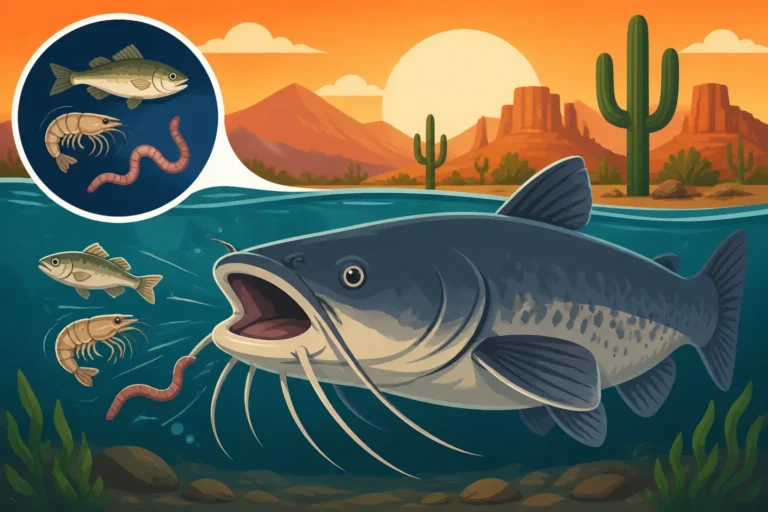
Nature is often a tough mistress, and Largemouth Bass face a host of threats throughout their lives. As fry and juveniles, they are prey for larger fish, birds like ospreys and herons, and even some reptiles. As they grow, their primary predators shift to larger birds of prey, otters, and occasionally other larger game fish. In some Arizona lakes, the presence of Flathead Catfish, particularly large ones, can also pose a significant threat to bass populations, as these opportunistic predators will readily consume smaller bass. Even human angling, while often catch-and-release, can be considered a form of predation pressure, especially if fish are not handled properly.
Diseases and parasites, though often unseen, also take their toll. Stress from warm water, poor nutrition, or crowded conditions can weaken a bass's immune system, making it more susceptible to various pathogens. While severe disease outbreaks are relatively uncommon in Arizona's open reservoirs, chronic low-level infections or parasitic infestations can slowly sap a fish's energy and vitality, shortening its lifespan. Agencies like the Arizona Game and Fish Department (AZGFD) monitor for such issues, but it's an ever-present natural challenge for fish populations. Fish Species Guide for Arizona Lakes provides more insight into the various inhabitants of our waters.
Age and Growth Rates of Arizona Largemouth Bass
One of the most exciting aspects of bass fishing is the potential to catch a truly large fish, and in Arizona, these lunkers often grow at an astonishing rate. However, growth isn't uniform across all lakes or even within the same year.
Typical Growth Stages and Sizes
From the moment a Largemouth Bass hatches, its life is a race to grow as quickly as possible. In Arizona's warm waters, this race is often quite rapid.
- Year 1 (Fry to Fingerling): Bass typically hatch in the spring. By the end of their first year, depending on food availability and water temperatures, they can reach anywhere from 4 to 8 inches in length. They are primarily feeding on zooplankton and small insects, rapidly transitioning to small baitfish.
- Year 2-3 (Juvenile to Sub-Adult): This is often a period of significant growth. A two-year-old bass might be 8 to 12 inches, and by three years, it could be 12 to 16 inches. Many bass reach sexual maturity around this time, especially males. They are actively preying on Threadfin Shad, crayfish, and smaller Bluegill.
- Year 4-6 (Adult): This is when bass really start putting on weight. A four-year-old bass can easily be 15-18 inches and weigh 2-4 pounds. By five or six years, a bass in a productive Arizona lake could be well over 20 inches and weigh 5-8 pounds, reaching true "trophy" status. These are the fish that dominate the spawn and require significant forage to sustain their size. For a deeper dive, check out Largemouth Bass Average Weight in Arizona Lakes.
- Year 7+ (Mature/Old): Beyond six years, growth tends to slow down significantly in terms of length, but fish may continue to gain weight, becoming very thick-bodied. While some exceptional individuals may live to 10 or 12 years or more, most Arizona Largemouth Bass reach the end of their lifespan between 6 and 9 years, having lived a fast, productive life.
It's important to remember these are averages. A bass in a less productive part of a lake might be smaller at the same age, while one in a prime feeding ground could be larger.
Regional Variations within Arizona
Arizona is a large state with diverse aquatic environments, even among its desert reservoirs. This means that bass growth rates and lifespans can vary noticeably from one lake to another.
For example, large, deep, and highly productive lakes like Roosevelt Lake or Lake Pleasant, which boast extensive forage bases and consistent stocking efforts, tend to produce faster-growing and larger bass. The sheer volume of water and diverse habitat options allow these fish to reach impressive sizes quickly. Similarly, places like Lake Havasu on the Colorado River are renowned for their massive bass, benefiting from a stable environment and abundant food. Best Bass Fishing Lakes in Arizona explores these differences.
Conversely, smaller, less productive lakes, or those with very high fishing pressure, might see bass that grow a bit slower or don't reach the same maximum sizes. Water fluctuations can also play a role; a lake that experiences significant drops in water level might see a temporary reduction in available habitat and food, impacting growth for a year or two. The consistent warmth in southern Arizona lakes generally ensures a quicker growth trajectory overall compared to some higher-elevation lakes that might have cooler temperatures for a longer period of the year, even if they're not known primarily for bass.
Consider this comparison of potential growth:
| Age (Years) | Typical Length (Inches) – High Productivity Lake (e.g., Roosevelt) | Typical Length (Inches) – Moderate Productivity Lake (e.g., Bartlett) |
|---|---|---|
| 1 | 6-8 | 4-6 |
| 2 | 10-13 | 8-11 |
| 3 | 14-17 | 12-15 |
| 4 | 17-20 | 15-18 |
| 5 | 20+ | 17-20 |
| 6+ | 22+ (trophy size common) | 19+ (larger sizes less common) |
This table illustrates how crucial local conditions are to the individual fish's life story.
How Anglers Impact Bass Lifespan
As anglers, we have a profound, direct impact on the fish populations we pursue. Our choices and practices on the water can directly influence the longevity and health of Largemouth Bass in Arizona's lakes.
Catch and Release Effectiveness
The practice of catch and release has become a cornerstone of modern sportfishing, especially for species like Largemouth Bass. When performed correctly, it allows prized fish to be returned to the water, giving them a chance to live longer, grow larger, and reproduce, contributing to the overall health of the fishery. In Arizona, where large bass are highly valued, catch and release is especially important for sustaining trophy opportunities.
However, catch and release isn't a guarantee of survival. The way a fish is handled after being caught significantly impacts its chances. Deep hooking, prolonged fighting in warm water, rough handling, dropping a fish, or not allowing it sufficient time to recover before release can all lead to delayed mortality. Factors like water temperature, the type of hook used, and the duration of the fight play crucial roles. For instance, fighting a big bass for too long on light tackle during the peak of summer heat can exhaust the fish beyond recovery, even if it swims away. Using barbless hooks, minimizing air exposure, supporting the fish horizontally, and reviving it gently are all practices that greatly increase survival rates. Learning Catch and Release Rules for Arizona Anglers can help you make a difference.
Harvest Pressure and Slot Limits
While catch and release is vital, regulated harvest also has its place in fisheries management. Sometimes, removing a certain number of smaller or mid-sized bass can actually improve the growth rates of the remaining fish by reducing competition for food. However, excessive harvest, especially of larger, more mature bass, can deplete the spawning stock and lead to a decline in fish quality and numbers over time.
To manage this, fisheries agencies often implement regulations such as daily bag limits, size limits, and "slot limits." A slot limit might specify that anglers can keep bass under a certain length (e.g., 13 inches) and over another length (e.g., 16 inches), but must release fish within the "slot" (13-16 inches). The purpose of this is to protect the sexually mature, fast-growing bass in their prime, allowing them to reproduce and grow into trophy fish. These regulations are designed to balance angler opportunity with the long-term health of the bass population. It's crucial for every angler to understand and adhere to these rules, as they are specifically tailored to help ensure that our desert lakes continue to offer fantastic bass fishing for generations. You can find these details in Arizona Fishing Regulations Explained.
Conservation Efforts and Sustainable Practices
Maintaining healthy Largemouth Bass populations in Arizona's unique desert environment requires ongoing effort. Both state agencies and individual anglers play a crucial role in ensuring these fish continue to thrive.
Stocking Programs
While Largemouth Bass do reproduce naturally in Arizona's reservoirs, stocking programs by the Arizona Game and Fish Department (AZGFD) are sometimes employed to supplement populations, particularly in new impoundments, after environmental events that impact spawning success, or to introduce genetic diversity. These programs involve raising bass in hatcheries and then releasing them into designated lakes. The goal is to boost fish numbers, ensuring there are enough fish to support angler demand and maintain a healthy ecological balance.
Successful stocking programs consider factors such as the size of the stocked fish (fingerlings vs. advanced juveniles), the timing of the release, and the current carrying capacity of the lake. For instance, stocking thousands of tiny fry into a lake already teeming with predators might not be as effective as stocking larger, more robust fingerlings that have a better chance of survival. These efforts are part of a broader strategy to manage Arizona's diverse fisheries, including bass, trout, and catfish. While bass stocking isn't as frequent as trout stocking in Arizona, it remains an important tool in the management toolbox to ensure strong populations.
Habitat Protection and Enhancement
Perhaps even more critical than stocking is the protection and enhancement of aquatic habitat. Bass rely on healthy habitats for spawning, feeding, and protection from predators. In Arizona's reservoirs, "habitat" often means submerged brush, rock piles, standing timber, and aquatic vegetation. These features provide vital cover for bass to ambush prey, safe zones for smaller fish to hide, and substrate for eggs during the spawn.
Efforts to protect and enhance habitat can include:
- Preventing shoreline development: Keeping natural shorelines intact protects critical shallow-water zones.
- Managing water levels: While reservoirs are inherently fluctuating, careful management can minimize extreme, prolonged drops that expose critical habitat.
- Artificial habitat structures: When natural cover is scarce, agencies and volunteer groups often sink old Christmas trees, build PVC structures, or place large rocks to create artificial reefs and brush piles. These can replicate the benefits of natural cover, providing ambush points for bass and shelter for baitfish.
- Controlling invasive species: Invasive plants can choke out native vegetation beneficial to bass, and invasive fish can outcompete bass for food. Efforts to manage these species indirectly benefit bass habitat.
By safeguarding and improving the places where bass live, we contribute directly to their health, growth, and overall lifespan. Largemouth Bass Habitat in Arizona Lakes offers a more detailed perspective on this vital aspect.
Identifying the Age of a Largemouth Bass
While catching a big bass is exciting, sometimes the angler's curiosity extends to knowing how old that fish might be. It's not always easy, but there are methods scientists use to determine a fish's age.
Scale Annuli Analysis
Just like trees have growth rings, many fish, including Largemouth Bass, have growth rings on their scales called "annuli." These annuli appear as concentric circles on the scales, and each year of growth typically adds a new ring. During periods of rapid growth, the rings are wider, and during slower growth (like winter or times of food scarcity), the rings are closer together. By carefully examining these rings under a microscope, fisheries biologists can count them to determine the age of the fish.
This method requires removing a few scales from the fish (often from below the dorsal fin, above the lateral line) and then cleaning and mounting them for analysis. While it's a non-lethal method, it's not something the average angler typically does on the water. However, if you're curious about a specific fish, you might be able to find educational programs or events where biologists demonstrate this technique. It's a fascinating way to peek into the life history of an individual fish.
Otolith (Ear Bone) Examination
For the most accurate aging of fish, particularly older specimens, fisheries biologists often rely on otoliths. Otoliths are small, calcified structures found in the inner ear of bony fish. Like scales, otoliths also grow by adding concentric layers, forming distinct rings that correspond to annual growth periods. Because otoliths are internal structures, they are less prone to reabsorption or damage that can affect scales, making them a more reliable record of a fish's age.
However, the major drawback of otolith examination is that it requires sacrificing the fish to remove the ear bones. This is why it's typically done only as part of scientific studies or during fish surveys where a sample of fish is harvested for detailed analysis. When you hear about a state record fish having its age verified, it's usually through otolith analysis. This method provides an invaluable tool for understanding population dynamics, growth rates, and the true longevity of specific fish species in different waters. It's how we get the most precise data on just how many seasons that trophy bass has seen.
Top Gear for Arizona Bass Anglers
Having the right gear makes all the difference when you're targeting Largemouth Bass in Arizona's diverse waters. From the scorching summer heat to the specific techniques needed for these fish, a well-equipped angler is a successful angler.
Rods, Reels, and Line for Desert Bass
When it comes to rods and reels for Largemouth Bass, versatility and durability are key. Arizona's lakes can demand a range of techniques, from throwing heavy jigs into brush piles to casting topwater lures across open water.
For most bass fishing applications, a medium-heavy to heavy power casting rod, 6'6" to 7'6" in length, will cover a lot of ground. Paired with a baitcasting reel with a gear ratio between 6.x:1 and 7.x:1, you'll be well-equipped for various lures and presentations. Many anglers find quality options from brands available on platforms like Amazon, where you can compare specifications and reviews. For example, a good 7-foot medium-heavy rod is perfect for pitching soft plastics or throwing spinnerbaits. If you're focusing on cranking deep divers or heavier jigs, a slightly longer, heavier rod might be preferable. Best Rod and Reel Combo for Bass can guide your choices.
Line choice is also critical. Many experienced bass anglers favor braided line as a main line for its strength, sensitivity, and lack of stretch, especially in heavy cover or for deep-water presentations. Often, a fluorocarbon leader is added for its invisibility underwater. Monofilament remains a good option for certain techniques, like topwater fishing where its buoyancy is an advantage, or for beginners due to its ease of use. For the powerful Largemouth Bass in Arizona, a minimum of 12-15 lb test fluorocarbon or monofilament, or 30-50 lb test braided line (with a leader), is generally recommended to handle those hard-fighting fish and prevent break-offs in cover.
Essential Tackle for Arizona Largemouth
The Arizona desert bass are opportunistic eaters, but having a selection of proven lures in your tackle box will significantly increase your success. Here's a quick rundown of must-haves:
- Soft Plastics: These are undeniably king for Arizona bass. Senkos, plastic worms (like lizards, creatures baits, and finesse worms), and swimbaits rigged Texas-style or on a weighted hook are incredibly effective. Green pumpkin, black and blue, and natural shad colors are often top producers. They mimic a variety of prey items and can be fished in almost any depth.
- Jigs: Both football jigs and flipping jigs, especially in black and blue or brown/green pumpkin, are staples for probing structure, brush piles, and rocky points. Add a craw-style trailer for extra appeal.
- Crankbaits: Deep-diving crankbaits are excellent for reaching bass holding on deep structure, while medium-diving and shallow-diving models work well in various depths. Shad patterns, crawfish patterns, and bright chartreuse can all be effective depending on water clarity and forage.
- Spinnerbaits and Chatterbaits: These are fantastic for covering water, especially in stained water or around submerged vegetation. White, chartreuse, and combinations thereof are popular.
- Topwater Lures: Few things are as exciting as a bass exploding on a topwater lure at dawn or dusk. Poppers, walk-the-dog baits (like Zara Spooks), and hollow-body frogs (for dense mats of vegetation) can be incredibly effective. Consider looking for durable, high-quality lures on Amazon that can withstand aggressive strikes.
- Terminal Tackle: Don't forget an ample supply of hooks (EWG hooks, straight shank, wacky rig hooks), sinkers (bullet weights, drop shot weights), swivels, and split rings.
Having a diverse tackle box ensures you're prepared for whatever conditions Arizona's bass lakes throw your way. For more specific recommendations, dive into Best Lures for Largemouth Bass in Arizona Lakes.
Boating and Kayak Essentials
Arizona's larger reservoirs are often best fished from a boat, allowing access to prime offshore structure, deep points, and distant coves. If you're a boat owner, ensuring your vessel is well-maintained and equipped with essential safety gear (life jackets, fire extinguisher, signal devices) is paramount. A good fish finder is almost indispensable for locating structure and fish in these vast lakes. Best Boats for Arizona Lakes can give you an overview of suitable options.
For those who prefer a more intimate experience or want to access smaller coves and quieter stretches, kayak fishing has exploded in popularity. Kayaks offer stealth and access to areas larger boats can't reach. When choosing a kayak for Arizona fishing, look for stability, ample storage for rods and tackle, and a comfortable seat for long days on the water. Many fishing kayaks are available through retailers, including a wide array on Amazon. A quality paddle, a PFD (personal flotation device), and a small anchor are essential accessories. Consider a portable fish finder designed for kayaks to help you navigate and locate fish. Remember that Arizona's intense sun requires extra precautions, so always carry plenty of water, wear sun-protective clothing, and use high-SPF sunscreen, whether you're in a boat or a kayak.
Disclaimer
This article is for general informational purposes only and does not constitute professional advice. Laws, prices and regulations vary by location and change over time. Consult a qualified professional for guidance on your specific situation.