Best Bass Fishing Lakes in Arizona
One of the biggest frustrations for anglers new to Arizona, or even seasoned veterans looking for new challenges, is figuring out where the bass actually are in our diverse and often seemingly harsh desert landscape. It's not always obvious, and what works in one lake might totally flop in another. This comprehensive guide is here to cut through the confusion and pinpoint the absolute best bass fishing lakes across Arizona, offering detailed insights into what makes each one a prime destination for chasing largemouth, smallmouth, and even stripers.
Lake Pleasant: A Central Arizona Bass Powerhouse
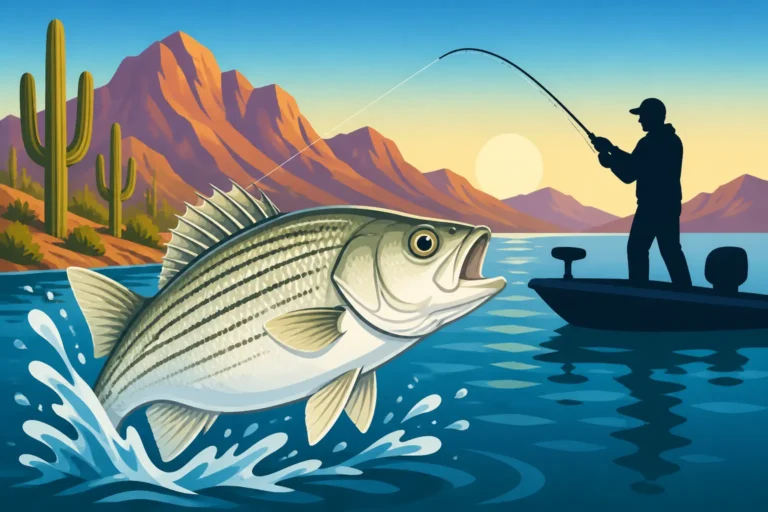
If you live in the Phoenix area, Lake Pleasant is often the first place that comes to mind for fishing, and for good reason—it’s a true bass powerhouse, regularly producing both numbers and trophy-sized fish. This sprawling reservoir, fed by the Central Arizona Project canal, boasts diverse habitat, from rocky points and deep ledges to submerged brush and thriving hydrilla beds. While largemouth bass are the undisputed kings here, you'll also find a healthy population of feisty white bass, particularly during their spring spawning runs.
Lake Profile and Bass Species
Lake Pleasant is a large, deep lake with over 10,000 acres when full, offering an immense amount of water to explore. The main draw for most anglers is the largemouth bass, which thrive in its clear to moderately stained waters. These fish can grow quite large, with many anglers reporting catches in the 5-8 pound range, and even larger trophies caught each year. The lake's deep structure, including old foundations, channels, and submerged humps, provides excellent cover. What really sets Lake Pleasant apart is its incredible forage base, including threadfin shad, sunfish, and even tilapia, which help grow those giant bass. For those who enjoy a different kind of fight, the white bass here are incredibly fun, especially when they form massive schools and create exciting surface boils, often in the spring and fall. These boils provide an exhilarating experience where you can cast into a frenzy of feeding fish.
Seasonal Bass Tactics
Fishing Lake Pleasant successfully often means adapting to the changing seasons and water levels.
Spring Strategies for Explosive Action
Spring is arguably the most popular time to hit Lake Pleasant, as both largemouth and white bass become incredibly active. As water temperatures climb into the 60s, largemouth bass move into shallower coves and creek arms to spawn. This is prime time for throwing reaction baits like crankbaits, spinnerbaits, and chatterbaits along rocky points and submerged brush. Many anglers will also switch to soft plastics like Texas-rigged worms or Senkos pitched around visible cover. For white bass, keep an eye out for schooling activity in the upper northern reaches of the lake, particularly in areas like the Agua Fria arm. Small spoons, inline spinners, and Kastmasters are deadly when cast into these feeding frenzies. Early mornings and late evenings are often the most productive, offering cooler temperatures and active fish. Don't forget to check out our Spring Bass Fishing Tactics in Arizona guide for more detailed approaches.
Summer and Fall Deep-Water Success
When the Arizona summer heat kicks in, Lake Pleasant bass typically retreat to deeper, cooler waters. This doesn't mean the fishing stops, but your tactics need to adjust. Look for bass congregated around deep structure, like submerged humps, ledges, and the old river channel. Drop shots, deep-diving crankbaits, and jigging spoons become essential tools. Electronics, including good fish finders, are invaluable for locating these deeper schools. Early mornings and late evenings can still produce topwater bites or shallow crankbait action, especially on cloudy days, but the consistent bite will usually be deep. As fall arrives and temperatures begin to cool, bass will start moving shallower again, feeding aggressively in preparation for winter. This is a fantastic time for a mixed bag, with both shallow reaction baits and deeper presentations working well. The white bass action often picks up again with strong surface activity. For those looking to master the summer bite, our Summer Bass Fishing Tactics in Arizona article offers plenty of advice.
Access and Amenities
Lake Pleasant is highly accessible with two main boat ramps: the South Ramp and the North Ramp. The South Ramp is a multi-lane concrete ramp, ideal for larger boats, while the North Ramp offers additional access, especially for smaller vessels or kayaks, though its availability can be seasonal depending on water levels. There are several marinas, including Pleasant Harbor Marina and Scorpion Bay Marina, which offer boat rentals, fuel, tackle shops, and dining options. Camping is also available, from developed campgrounds to more primitive shoreline camping. For those who prefer to fish with a guide, services like those found on FishingBooker can connect you with experienced captains who know Lake Pleasant inside and out, maximizing your chances of a successful outing. Don't forget that an Arizona Fishing License Guide is essential before you head out.
Roosevelt Lake: Arizona's Largest Bass Factory
As Arizona's largest lake, Theodore Roosevelt Lake, affectionately known as Roosevelt Lake, is a legendary bass fishing destination. This massive impoundment of the Salt River and Tonto Creek offers an incredible variety of habitats, from vast open waters to intricate creek channels, submerged timber, and extensive hydrilla beds. While it's best known for its exceptional largemouth bass fishery, you'll also find a solid population of smallmouth bass, particularly in the rockier upper reaches.
Lake Profile and Bass Species
Roosevelt Lake spans over 21,000 acres when full, presenting an expansive canvas for anglers. The dominant species here is the largemouth bass, which thrive in the lake's fertile, nutrient-rich waters. Roosevelt consistently produces some of the heaviest bass in the state, with numerous tournaments held here annually showcasing its potential. The key to Roosevelt's productivity lies in its diverse cover: miles of standing timber (especially evident during lower water levels), submerged brush piles, deep hydrilla mats, and rocky points all provide excellent ambush points for bass. The lake's robust forage base, including threadfin shad, gizzard shad, and various sunfish, contributes significantly to the health and size of its bass population. While less prominent than largemouth, smallmouth bass can be found in the clearer, rockier sections, especially towards the upper Tonto Creek and Salt River arms, offering a different kind of challenge.
Seasonal Strategies for Consistent Catches
Fishing Roosevelt Lake demands adaptability and an understanding of seasonal patterns, given its size and varying conditions.
Spring: Spawning and Reaction Bites
Spring at Roosevelt is nothing short of spectacular. As water temperatures rise into the 60s, both largemouth and smallmouth bass move shallow to spawn. This is prime time for throwing reaction baits like crankbaits, spinnerbaits, and swim jigs around shallow brush, rock piles, and emergent vegetation. Soft plastics, such as Texas-rigged lizards or Senkos, pitched into spawning pockets or around visible cover, can also be incredibly effective. The Tonto Creek arm and the upper Salt River arm are perennial hotspots during the spawn due to their abundant shallow flats and protection. Early mornings often yield aggressive topwater bites as bass feed actively before the sun gets too high. Our guide on Best Bass Fishing Techniques for Arizona Lakes can provide more insights into these methods.
Summer and Fall: Deep Structure and Aggressive Feeding
When summer arrives, the bass at Roosevelt Lake generally move deeper to escape the intense heat, often suspending over structure or relating to the thermocline. Deep-diving crankbaits, jigging spoons, and Texas-rigged worms fished on ledges, humps, and around the deep ends of standing timber become go-to presentations. Pay close attention to your electronics to locate schools of baitfish, as bass will often be close by. Don't rule out early morning and late evening topwater action, especially around shady banks or areas with current. As the days shorten and water temperatures cool in the fall, bass begin to migrate back towards shallower and mid-depth ranges, feeding aggressively to build up reserves for winter. This transition period can offer some of the best fishing of the year, with bass often schooling and chasing bait. Crankbaits, jerkbaits, and Alabama rigs can be very productive as bass become highly active. If you plan to visit in the cooler months, check out our Fall Bass Fishing Tactics in Arizona and Winter Bass Fishing Tactics in Arizona for tailored advice.
Access and Amenities
Roosevelt Lake provides several excellent access points. The main boat ramps include Grapevine, Schoolhouse, and Windy Hill. Grapevine is particularly popular due to its size and facilities. These ramps can handle boats of various sizes, though water levels can impact accessibility, so always check conditions before heading out. Roosevelt Lake Marina offers boat rentals, fuel, a general store, and fishing supplies. There are also numerous campgrounds managed by the Tonto National Forest, offering everything from developed sites with hookups to more rustic, dispersed camping options. For a truly immersive experience or if you're new to the lake, consider booking a guided trip through platforms like FishingBooker, where local experts can put you on the fish and teach you the nuances of this vast body of water.
Saguaro Lake: A Scenic Bass Haven
Nestled amidst the stunning Sonoran Desert mountains just east of Phoenix, Saguaro Lake is not only one of the most picturesque lakes in Arizona but also a consistent producer of quality largemouth bass. Part of the Salt River chain of lakes, Saguaro offers a different flavor of bass fishing compared to its larger siblings, with clearer water and a more intimate feel, despite its considerable size.
Lake Profile and Bass Species
Saguaro Lake covers approximately 1,200 acres when full, characterized by its clear, emerald-green waters and dramatic rocky cliffs. Largemouth bass are the primary target here, thriving among the lake's abundant submerged structure, including rocky points, ledges, coves, and areas of deep brush. The clear water at Saguaro means bass often hold a bit deeper or closer to cover, making presentations more critical. While not as numerous as at some other lakes, the largemouth here are typically healthy and fight hard, with many in the 2-4 pound range and bigger fish caught regularly. You might also encounter a good number of smallmouth bass, particularly in the rockier sections and deeper structure, although they are less common than largemouth. The lake's diet consists mainly of shad and sunfish, providing ample food for the bass population.
Seasonal Bass Fishing Insights
Successfully fishing Saguaro Lake means adapting to its clear water and topography throughout the year.
Spring: Shallow Water Opportunities
Spring brings the bass shallow at Saguaro, making it an exciting time for anglers. As water temperatures warm, largemouth bass move into the numerous coves and shallow flats to spawn. This is an excellent period for sight fishing in the clearer water, pitching soft plastics like Senkos, jigs, or creature baits to visible beds or cover. Spinnerbaits and shallow crankbaits can be highly effective along rocky banks and points, especially during cloudy conditions or in the early morning. Pay attention to changes in water depth and structure, as bass will often stage on the edges of spawning flats before moving in. For a detailed look at this season, refer to our Spring Bass Fishing Tactics in Arizona guide.
Summer and Fall: Deeper Presentations and Reaction Bites
During the hot Arizona summer, Saguaro's clear waters mean bass will often retreat to deeper, cooler zones. Look for them holding on ledges, submerged brush piles, and around drop-offs. Drop shots, finesse jigs, and deep-diving crankbaits are go-to lures. Using your electronics to pinpoint schooling bait and the bass feeding on them is crucial. Early mornings and late evenings can still offer shallow bites, particularly around shady areas or active baitfish schools, sometimes leading to exciting topwater action. As fall approaches, the cooling water temperatures signal bass to become more active throughout the water column. They'll start chasing baitfish more aggressively, making crankbaits, jerkbaits, and swimbaits excellent choices. The bass will often be found transitioning between deep and shallow water, so a versatile approach is key. Don't forget to keep an eye on water levels and clarity, as these can influence fish behavior.
Access and Amenities
Saguaro Lake is easily accessible from the Phoenix metro area via Bush Highway. The main access point is Saguaro Lake Marina, which offers a multi-lane boat ramp, boat rentals, fuel, a tackle shop, and the popular Shiprock Restaurant. You'll also find several campgrounds, including the Bagel Flat and Butcher Jones Recreation Areas, providing options for both developed and primitive camping. For those without a boat, there are some decent shore fishing opportunities, particularly around the marina and designated recreation areas. However, to truly explore Saguaro's bass potential, a boat or kayak is highly recommended. Many anglers find that exploring the numerous coves and points requires a mobile approach. For more information about fishing Saguaro Lake, consider our dedicated Saguaro Lake Arizona Fishing Guide.
Apache Lake: The Rugged Beauty for Bass
Further up the Apache Trail from Saguaro Lake, you'll find Apache Lake—a true gem for those seeking a more rugged, remote, and rewarding bass fishing experience. This long, narrow reservoir carves its way through stunning canyon country, offering spectacular scenery alongside an excellent bass fishery. It's not as easily accessed as some other lakes, but the journey is often part of the adventure, and the fishing can be phenomenal.
Lake Profile and Bass Species
Apache Lake spans over 2,500 acres when full, though its canyon-like structure makes it feel longer than it is wide. It's known for its incredibly clear water, steep rocky banks, and deep canyon walls, which create a unique fishing environment. Largemouth bass are the primary target here, and they thrive in Apache's pristine waters. These bass tend to be robust and healthy, with plenty of fish in the 2-5 pound range, and bigger trophies are not uncommon. The clear water means that finesse presentations often shine, but don't underestimate the power of reaction baits when conditions are right. Smallmouth bass also call Apache Lake home, particularly in the rockier areas and deeper ledges, offering a thrilling fight on lighter tackle. The lake's forage base, primarily shad and crayfish, provides ample sustenance for its bass population.
Successful Seasonal Tactics
Fishing Apache Lake requires understanding its unique characteristics and adjusting techniques for its clear, deep waters.
Spring: Cruising the Shallower Coves
Spring is a fantastic time at Apache Lake, as bass move into the shallower coves and creek arm pockets to spawn. The clear water makes sight fishing a real possibility here, allowing anglers to spot cruising or bedding bass. Pitching soft plastics like Senkos, flukes, or jigs to visible fish or cover is incredibly effective. For those who prefer moving baits, small crankbaits or finesse spinnerbaits worked along rocky points and transition areas can entice aggressive strikes. The upper Tonto arm and the numerous small coves along the main lake are prime areas during this period. Because of the clear water, lighter lines and more subtle presentations can often make the difference. Our Spring Bass Fishing Tactics in Arizona delves into more specific techniques suitable for this clear-water environment.
Summer and Fall: Deep Drops and Vertical Approaches
During the summer months, bass at Apache Lake will generally move to deeper, cooler water. The lake's steep canyon walls and numerous ledges provide excellent deep-water habitat. Drop shots, deep-diving crankbaits, and jigs fished vertically or slowly dragged along the bottom are key presentations. Look for bass relating to sharp drop-offs, submerged brush, and rocky humps. Early mornings and late evenings can still offer some shallower action, especially around shaded banks or where baitfish are schooling. As fall arrives, cooling water temperatures bring bass back into shallower and mid-depth ranges, often schooling up to chase baitfish. This is a great time to throw reaction baits like crankbaits, jerkbaits, and even topwater lures during low-light conditions. Bass will often be found cruising rocky points and the mouths of coves, aggressively feeding before winter sets in.
Access and Amenities
Access to Apache Lake can be a bit challenging due to the unpaved and winding Apache Trail (State Route 88). However, this also contributes to its less crowded feel. The main access point is Burnt Corral Campground, which offers a decent boat ramp, though larger boats might find the ramp a bit steep at lower water levels. There are also several primitive camping areas along the lake, offering stunning views and a true wilderness experience. Apache Lake Marina and Resort provides boat rentals, a general store, and limited lodging. Given the remote nature of Apache Lake, it's wise to come prepared with all your supplies, including plenty of water and fuel. While you might not find a multitude of guides specifically for Apache as you would for Lake Pleasant, dedicated services on platforms like FishingBooker can sometimes help you locate a local expert willing to venture out, offering a truly unique bass fishing adventure. You'll also want to be sure you have an up-to-date Arizona Fishing Regulations Explained guide for your trip.
Lake Havasu: Western Arizona's Trophy Bass Destination
On the far western edge of Arizona, forming part of the border with California, lies Lake Havasu—a world-renowned bass fishing destination. Famous for the London Bridge and its clear, warm waters, Havasu consistently ranks among the top lakes in the nation for both largemouth and smallmouth bass, producing numerous trophy-sized fish annually. Its unique environment, characterized by abundant submerged vegetation and rocky structure, makes it a distinct challenge and thrill for any angler.
Lake Profile and Bass Species
Lake Havasu is a Colorado River impoundment, covering approximately 19,000 acres, known for its exceptional water clarity and year-round warm temperatures. It's home to a thriving population of both largemouth and smallmouth bass. Largemouth bass here are known for their size and power, with fish regularly exceeding 5 pounds and true giants lurking in its depths. Smallmouth bass are equally impressive, often found in the rocky main lake areas, exhibiting their characteristic aggressive bites and strong fights. What makes Havasu truly stand out is its extensive underwater habitat, including vast beds of submerged hydrilla, coontail, and other vegetation, along with countless rock piles, ledges, and artificial fish habitats. This rich environment supports an incredible forage base of threadfin shad, crayfish, and various panfish, contributing to the healthy growth of its bass. For a deeper dive into these species, consult our Largemouth Bass Fishing Guide for Arizona and Smallmouth Bass Fishing Guide for Arizona.
Effective Seasonal Strategies for Havasu Bass
Success at Lake Havasu hinges on understanding the bass's relationship with its dense vegetation and rocky structure through the seasons.
Spring: Shallow Water Dominance and Sight Fishing
Spring is primetime at Lake Havasu, drawing anglers from all over for its incredible shallow water bass fishing. As water temperatures climb, both largemouth and smallmouth bass move into the extensive shallow flats, coves, and pockets to spawn. The clear water makes sight fishing a highly effective tactic, allowing anglers to pitch jigs, creature baits, and Senkos to visible bedding fish. Reaction baits like lipless crankbaits, spinnerbaits, and ChatterBaits are fantastic for covering water and triggering strikes along the edges of vegetation and rocky points. The numerous marinas, docks, and submerged structures also hold active bass during this period. Early mornings can be exceptional for topwater action, especially around grass lines.
Summer, Fall, and Winter: Vegetation and Deep Structure
During the scorching Havasu summer, bass will still relate to the cooler, oxygenated water within and around the vast vegetation beds. Flipping and pitching jigs or heavy Texas-rigged plastics into the thickest cover can produce monster largemouth. Smallmouth often move deeper, seeking rocky ledges and drop-offs. Drop shots, Ned rigs, and shaky heads are excellent choices for these deeper, clearer conditions. Early mornings and late evenings can still offer brief windows for topwater or shallow reaction baits. Fall sees bass becoming highly active and aggressive as water temperatures cool. This is a fantastic time for throwing a variety of baits, including crankbaits, jerkbaits, and swimbaits along vegetation edges, rock piles, and points. The bite can be fantastic throughout the day. Even winter fishing at Havasu can be productive due to its milder temperatures. Bass will often hold on deep ledges, offshore structure, and within the denser, deeper vegetation, making finesse jigs, drop shots, and slow-rolled swimbaits effective. Lake Havasu's milder climate means that bass remain active year-round, making it a viable destination even in the colder months.
Access and Amenities
Lake Havasu City is a vibrant community with excellent infrastructure for anglers. There are numerous public boat ramps, including the popular Windsor Beach and Lake Havasu State Park ramps, capable of handling all types of watercraft. The lake is home to multiple marinas, tackle shops, and resorts, providing everything an angler could need, from boat rentals to expert advice. The city itself offers a wide range of accommodations, dining, and other amenities. Guided fishing trips are readily available, and looking through services like FishingBooker can help you find highly rated local guides who specialize in catching Havasu's renowned bass. The easy access and abundant resources make Lake Havasu an ideal destination for a dedicated bass fishing vacation. Remember to review the Arizona Fishing License Costs before planning your trip.
Alamo Lake: The Wilderness Bass Gem
For anglers seeking a true wilderness experience paired with exceptional bass fishing, Alamo Lake State Park is an absolute must-visit. Tucked away in western Arizona, Alamo Lake is less developed and requires a bit of a drive, but the reward is a pristine, relatively unpressured fishery famous for its robust largemouth bass population and stunning desert scenery. It truly feels like stepping back in time to fish some of Arizona's untamed beauty.
Lake Profile and Bass Species
Alamo Lake is a large reservoir on the Bill Williams River, spanning over 4,900 acres when full. It is predominantly a largemouth bass fishery, and what a fishery it is! Alamo is widely considered one of the best bass lakes in Arizona, regularly producing high numbers of healthy largemouth, with many fish in the 3-6 pound range and legitimate trophy potential. The lake's character changes dramatically with water levels, which can fluctuate significantly. However, its core habitat of standing timber, submerged brush, rocky points, and creek channels consistently holds bass. The water clarity can vary from stained to moderately clear, often influenced by recent rains. Its primary forage base includes threadfin shad and various panfish, contributing to the impressive growth rates of its bass. For more detailed information on species, check out our Fish Species Guide for Arizona Lakes.
Maximizing Your Catch Throughout the Year
Fishing Alamo Lake often means adapting to its water levels and embracing its unique, wild character.
Spring: Timber and Shallow Water Excellence
Spring is an outstanding time to fish Alamo Lake. As water temperatures warm, largemouth bass move into the shallower timber, brushy coves, and creek arm flats to spawn. This is prime time for flipping and pitching jigs, Texas-rigged creature baits, and Senkos into the dense standing timber and submerged brush. Reaction baits like spinnerbaits and crankbaits can also be very effective when worked along the edges of timber or rocky points. The lake's numerous coves and the upper river arm are hotspots during the spawn. The fishing can be fast and furious, with multiple quality bass caught in a single outing. Our Spring Bass Fishing Tactics in Arizona article offers valuable tips for this period.
Summer, Fall, and Winter: Adapting to Conditions
During the intense summer heat, Alamo's bass will typically move deeper, relating to the standing timber lines, creek channels, and any available deep structure. Deep-diving crankbaits, jigging spoons, and Texas-rigged worms fished vertically or slowly retrieved through the timber can be highly effective. Early mornings and late evenings can still produce some topwater or shallow crankbait action, particularly around shaded timber. Fall is another excellent period at Alamo Lake. As water temperatures cool, bass become very active, chasing baitfish in open water and around structure. Crankbaits, jerkbaits, and swimbaits are top choices. The fish will often school up, making for exciting multi-fish catches. Winter at Alamo can be surprisingly productive due to its relatively mild climate. Bass will congregate in deeper timber and along creek channels, making slow presentations like jigs, spoons, and subtle plastic baits effective. Pay close attention to current and baitfish location, as bass will often stack up in predictable areas.
Access and Amenities
Alamo Lake State Park is located about 38 miles north of Wenden, Arizona, accessed via a paved road. The park offers an excellent, multi-lane boat ramp that can accommodate most vessels, though it's always wise to check current water levels before planning your trip. The state park features developed campgrounds with hookups, as well as primitive camping areas for those who prefer to rough it. There's a small store at the park for basic supplies, bait, and tackle, but it's highly recommended to bring most of what you'll need, including food, water, and plenty of fuel, as services are limited once you're there. While finding a dedicated guide for Alamo Lake might require a bit more searching than for the more populated lakes, platforms like FishingBooker are a great resource for connecting with guides who specialize in remote Arizona fisheries, ensuring you make the most of your trip to this extraordinary bass haven.
Comparative Look at Arizona's Best Bass Lakes
Choosing the "best" bass lake in Arizona truly depends on what you're looking for: trophy potential, numbers, ease of access, or a wilderness experience. Each of these lakes offers something unique. Here's a quick overview to help you decide on your next bass fishing adventure.
| Lake Name | Primary Bass Species | Best Seasons | Key Features for Bass | Accessibility | Typical Water Clarity |
|---|---|---|---|---|---|
| Lake Pleasant | Largemouth, White | Spring, Fall | Deep structure, submerged brush, hydrilla | Very Good | Moderate to Clear |
| Roosevelt Lake | Largemouth, Smallmouth | Spring, Fall, Winter | Standing timber, hydrilla, creek channels | Good | Moderate to Stained |
| Saguaro Lake | Largemouth, Smallmouth | Spring, Fall | Rocky banks, clear water, submerged structure | Very Good | Clear |
| Apache Lake | Largemouth, Smallmouth | Spring, Fall | Steep canyon walls, deep ledges, clear water | Moderate (via Apache Trail) | Very Clear |
| Lake Havasu | Largemouth, Smallmouth | Spring, Fall | Extensive vegetation, rock piles, warm water | Excellent | Clear |
| Alamo Lake | Largemouth | Spring, Fall, Winter | Standing timber, creek channels, remote | Good (remote location) | Moderate to Stained |
As you can see, if you're chasing trophy largemouth, Alamo and Roosevelt often lead the pack, while Havasu provides excellent mixed bags of largemouth and smallmouth. Saguaro and Apache offer stunning scenery with quality bass, demanding more finesse in their clearer waters. Lake Pleasant is a fantastic all-rounder, convenient for Phoenix residents and offering consistent action for both largemouth and white bass. Regardless of your choice, each of these Arizona lakes promises a memorable bass fishing experience.
Disclaimer
The information provided in this guide is for general informational purposes only and does not constitute professional advice. Fishing conditions, regulations, and access can change rapidly. Always consult the latest Arizona Game and Fish Department regulations and local forecasts before planning any fishing trip. Safety should always be your top priority when enjoying Arizona's outdoors.