Catfish Diet and Feeding Habits
One of the biggest mysteries for any angler, especially those new to the Arizona waters, is figuring out what fish are actually eating. It can feel like you're throwing everything but the kitchen sink into the water, only to be met with disinterest. When it comes to catfish, there's a common misconception that they'll eat just about anything – and while they are famously opportunistic, understanding their true diet and feeding habits is the secret sauce to consistent success. This guide is all about demystifying what makes Arizona catfish bite, helping you fill your stringer with whiskered beauties.
Understanding Catfish as Opportunistic Feeders
Catfish are fascinating creatures, and their survival strategy in diverse environments like Arizona's desert lakes and rivers boils down to one key characteristic: adaptability. They aren't picky eaters in the way a highly specialized predator might be, which is both a blessing and a curse for anglers. A blessing because it means a wider range of baits can work, but a curse if you don't understand why certain baits are effective at different times. They're constantly evaluating their surroundings for easy meals, and their senses are perfectly tuned for this mission.
The "Trash Can" Reputation: Fact or Fiction?
Let's address the elephant in the room – the idea that catfish are nature's trash cans, eating only dead or rotting things. While it's true they are excellent scavengers and will absolutely partake in a decaying meal, this reputation doesn't tell the whole story. Many catfish species, especially larger ones like the flathead, are formidable predators that actively hunt live prey. Channel catfish, while more omnivorous, will also chase down smaller fish, crayfish, and insects. So, while they won't turn their nose up at a stinky piece of cut bait, it's not the only thing on their menu. Thinking of them solely as bottom-feeding scavengers can limit your approach and lead you to miss out on exciting bites.
The "trash can" label often comes from anglers using overly pungent or spoiled baits. While these can certainly attract catfish, they work because of the catfish's incredible sense of smell and taste, not because the fish solely desires rotting food. Many successful catfish anglers use fresh cut bait, live bait, or carefully prepared dough baits, demonstrating that quality matters. The trick is to present something that signals "easy meal" to their acute senses.
Sensory Perception: How Catfish Find Food
Catfish are equipped with an array of sensory tools that make them exceptional foragers, especially in low-light or turbid water conditions. Their most famous feature, the barbels (whiskers), are covered in taste buds and act like super-sensitive antennae, sweeping the bottom and water column for food. These aren't just for show; they can detect minute chemical changes and vibrations, alerting the catfish to potential meals even when visibility is zero.
Beyond their barbels, catfish possess an impressive sense of smell, far superior to many other freshwater fish. They can detect dissolved amino acids from food sources from a considerable distance, guiding them directly to a meal. This is why strongly scented baits, whether natural or artificial, are so effective. Additionally, their lateral line system helps them detect vibrations and pressure changes in the water, allowing them to pinpoint struggling prey or schools of baitfish, even in complete darkness. Understanding these senses is key to selecting the right bait and presentation. This amazing sensory array allows them to thrive in environments where other fish might struggle to find a meal, making them a resilient and widespread species in Arizona's diverse waterways.
Nocturnal vs. Diurnal Feeding Patterns
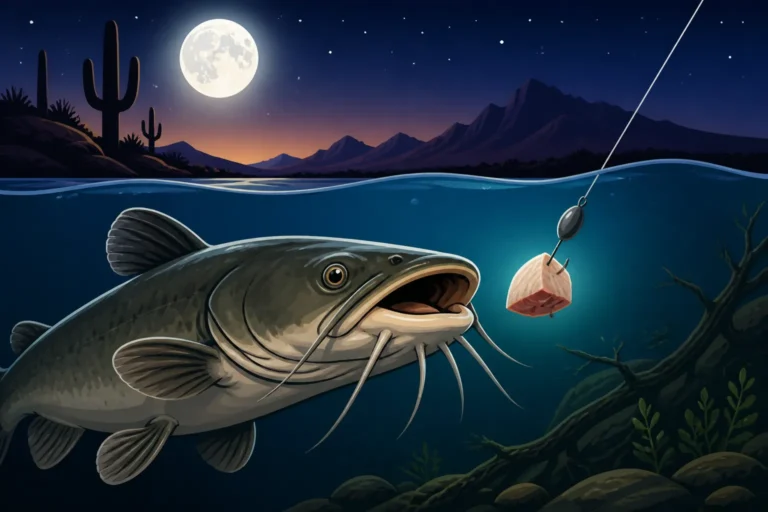
While catfish can and do feed throughout the day, many species, particularly larger ones, become much more active after the sun dips below the horizon. This nocturnal preference isn't just a myth; it's a physiological advantage. In Arizona's often scorching daytime temperatures, cooler night waters provide a more comfortable environment for active hunting. Additionally, many of their prey items, like certain baitfish or crayfish, are more active at night. This makes night fishing incredibly productive for catfish. You'll often find that the biggest bites come during the twilight hours or deep into the night.
However, don't write off daytime fishing entirely. During overcast days, or in deeper, cooler parts of lakes like Lake Pleasant or Roosevelt Lake, catfish will still actively feed. In urban community lakes, where food competition might be higher, they can be found feeding throughout the day. Younger, smaller catfish also tend to be more active during daylight hours. The key is to adjust your approach based on the time of day and the specific conditions of the water you're fishing. For those looking to target catfish after dark, it's worth brushing up on Catfish Night Fishing Techniques.
Common Food Sources for Arizona Catfish
Catfish diets are incredibly varied, reflecting their opportunistic nature and the diverse ecosystems they inhabit in Arizona. From the vast reservoirs to the meandering rivers, what's on the menu can shift based on availability, season, and the specific species of catfish you're targeting. Knowing their typical forage helps you make smart bait choices.
Natural Prey: What They Hunt in the Wild
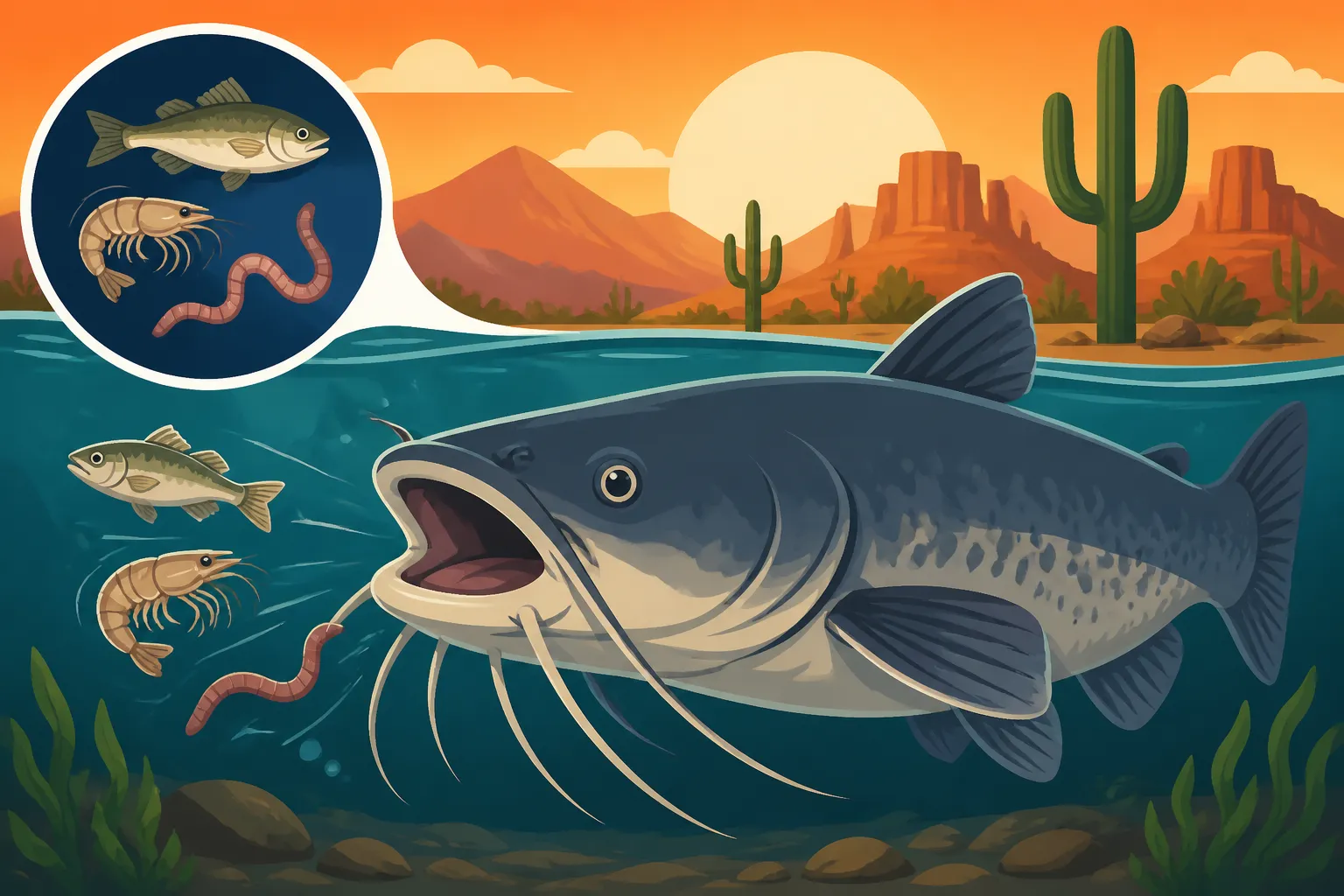
In Arizona's lakes and rivers, channel catfish and flathead catfish especially have a wide array of natural prey. Channel catfish are true omnivores, meaning they'll eat nearly anything, but live prey forms a significant part of their diet. They'll readily consume smaller baitfish like shad (threadfin and gizzard shad are abundant in many Arizona lakes), minnows, and even smaller sunfish. Crayfish are another huge favorite, particularly in rocky areas or around submerged timber. Insects, both aquatic larvae and those that fall onto the water's surface, also make up a good portion of their meals, especially during warmer months.
Flathead catfish, on the other hand, are almost exclusively piscivorous (fish-eating) predators as they mature. They prefer live bait and will actively hunt down larger fish such as carp, sunfish, bass, and even other catfish. Their preference for live, struggling prey is why many trophy flathead anglers swear by live bluegill or carp as bait. Understanding this difference is crucial when deciding what bait to use; a live bluegill might be ignored by a channel cat but irresistible to a flathead. For a deep dive into specific prey, check out Crappie Diet and Feeding Habits or Threadfin Shad as Forage for Striped Bass, as these are often also on a catfish's menu.
Scavenging and Bottom Feeding Habits
Even with a strong predatory instinct, the scavenging side of catfish is undeniable and a major reason for their success in diverse environments. They are expert at finding and consuming dead or dying organisms. This includes deceased baitfish, mussels, clams, and even carrion that might enter the water from shore. Their barbels and keen sense of smell are perfectly suited for locating these static food sources on the bottom. This is why traditional "stink baits" or cut baits often work so well – they mimic the scent of decaying organic matter, signaling an easy meal without a chase.
This scavenging habit also extends to plant matter and detritus. Channel catfish in particular will consume algae, seeds, and various aquatic vegetation, especially when other food sources are scarce. They are truly the clean-up crew of the aquatic world. This aspect of their diet makes them less reliant on specific prey cycles and allows them to thrive even when populations of baitfish fluctuate. Anglers can capitalize on this by using prepared baits that emulate these natural, easy-to-find food sources.
The Role of Angler Baits and Stocking Programs
For Arizona anglers, understanding catfish diets directly translates into successful bait selection. Many popular baits are designed to either imitate natural prey or capitalize on their scavenging habits. Live baits like bluegill, shad, or even worms mimic the active prey they hunt. Cut baits, particularly from oily fish like shad or carp, provide a strong scent trail that appeals to their scavenging nature. Prepared baits, such as dough balls, punch baits, or dip baits, often combine strong scents, sometimes mimicking cheese or other pungent foods, with a texture that adheres well to a hook. You can find a huge variety of these options, from classic recipes to commercially made products, available on platforms like Amazon.
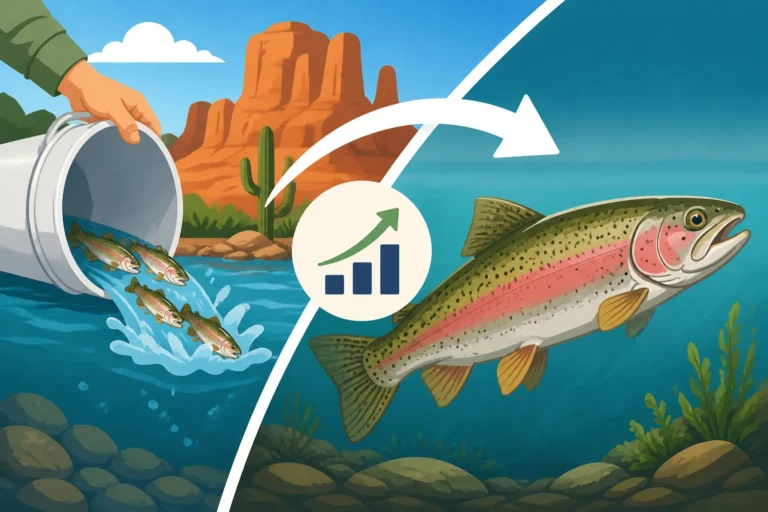
Arizona's stocking programs, particularly for community fishing lakes, often introduce trout or other panfish, which can become incidental food sources for resident catfish. These stocked fish, especially those that don't acclimate well, can become easy meals. Knowing what's recently been stocked in a particular lake can sometimes give you an edge in bait choice, leaning towards smaller baits that mimic the stocked fish. The Arizona Game and Fish Department (AZGFD) works to maintain healthy fish populations, but the presence of abundant stocked fish certainly influences the local catfish diet.
Seasonal and Environmental Influences on Catfish Feeding
Just like us, catfish don't eat the same amount or type of food all year round. Their metabolism, activity levels, and the availability of food are heavily influenced by the changing seasons and environmental conditions in Arizona. Ignoring these factors can lead to frustrating days on the water.
Water Temperature and Metabolism
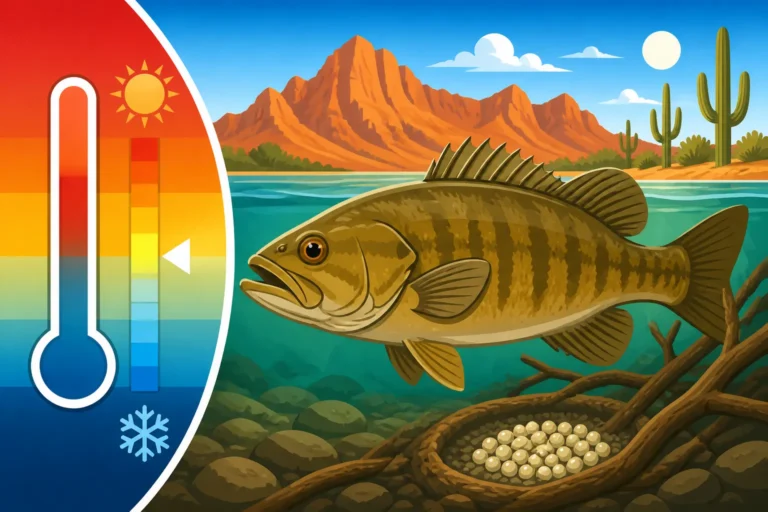
Water temperature is perhaps the single most important factor influencing catfish feeding habits. As the water warms in spring, catfish metabolism increases, and they become significantly more active, seeking out more food to fuel their growth and prepare for spawning. This makes spring and early summer prime times for catfish fishing. They'll actively chase down bait and respond well to a variety of presentations.
Conversely, as Arizona's waters cool down in late fall and winter, their metabolism slows dramatically. They still need to eat, but their feeding windows become shorter, and they prefer less energetic meals. They might move to deeper, more stable temperature zones and conserve energy. During these colder periods, a slower presentation with baits that offer a strong scent but don't require much pursuit can be more effective. Think about moving to Deep Water Structure Fishing Techniques during these times. Conversely, in the intense heat of Arizona summers, catfish might feed more actively during cooler night hours or move to thermoclines where oxygen and cooler temperatures align.
Monsoon Season and Feeding Frenzies
Arizona's monsoon season, typically from July to September, brings dramatic changes to the aquatic environment, and catfish often respond with feeding frenzies. The influx of rainwater can stir up sediment, wash new food sources into the water (insects, worms, organic debris), and cool down surface temperatures slightly. This sudden influx of nutrients and prey, combined with potentially higher oxygen levels, can trigger aggressive feeding. Catfish will often move into newly flooded areas or along current seams created by inflows, eager to capitalize on the bounty.
However, the monsoon can also bring extreme turbidity and strong currents, which can make fishing challenging. During the peak of a heavy storm, fishing might slow down as fish hunker down. But shortly after the main rain event, once the water starts to settle but is still muddy and rich with new food, that's often when the best bites occur. Strong-smelling baits become even more effective in these murky conditions, as catfish rely heavily on their sense of smell. Anglers looking to brave the monsoons can find useful information in How to Fish During Arizona's Monsoon Season.
Impact of Water Levels and Clarity
Fluctuating water levels, common in Arizona's reservoir system, significantly impact where catfish feed and what they eat. When water levels rise, new shoreline vegetation and terrestrial insects become submerged, providing fresh foraging grounds. Catfish will often move into these shallower, newly inundated areas to exploit the easy meals. Conversely, falling water levels can concentrate baitfish, making them easier targets for predatory catfish, but also pushing catfish into deeper, more established cover.
Water clarity also plays a vital role. In clear water, catfish might be warier and rely more on sight in addition to smell. This means presenting more natural-looking baits and keeping your tackle as subtle as possible. In turbid or muddy water, which is common after rain events or in certain river sections, visibility is poor. Here, scent and vibration become paramount. Strong-smelling baits, rattles on your rigs, or noisy topwater lures (for aggressive flatheads) can be incredibly effective at drawing attention in low-visibility conditions. Understanding these changes helps you adjust your Best Baits and Lures for Arizona Fishing.
How Different Catfish Species in Arizona Adapt Their Diets
Arizona is home to several species of catfish, each with slightly different dietary preferences and hunting strategies. While they all share the general "catfish" characteristics, knowing the nuances of each species' diet is crucial for targeting specific fish.
| Species | Primary Diet Preference | Feeding Strategy | Preferred Habitat |
|---|---|---|---|
| Channel Catfish | Omnivorous: Small fish, crayfish, insects, vegetation, detritus, prepared baits | Scavenging, bottom feeding, active hunting of smaller prey | Lakes, rivers, ponds; adaptable to various conditions |
| Flathead Catfish | Piscivorous: Live fish (bluegill, carp, shad, sunfish) | Ambush predator, actively hunts live prey, nocturnal hunter | Rivers, large reservoirs; prefers submerged timber & structure |
| Bullhead Catfish | Omnivorous: Insects, worms, detritus, small crustaceans, some vegetation | Scavenging, bottom feeding; less predatory than channels | Smaller ponds, slow-moving streams, often in murky water |
Channel Catfish: The Adaptable Omnivore
Channel catfish are arguably the most widespread and adaptable catfish species in Arizona. Their dietary flexibility is a major reason for their success in a variety of waters, from the larger impoundments like Lake Havasu and Roosevelt Lake to the smaller urban community fishing ponds. As true omnivores, their diet is incredibly diverse, encompassing everything from small baitfish like threadfin shad and minnows to crayfish, aquatic insects (both larvae and adults), worms, and even plant matter. They are adept scavengers, readily consuming dead fish or other organic debris. This willingness to eat almost anything makes them a favorite target for anglers, as a wide array of baits, from cut baits to stink baits and even hot dogs, can be effective.
Their feeding strategy adapts to what's available. In areas with abundant baitfish, they might become more predatory, actively hunting schools of shad. Where crayfish are plentiful, they'll spend time rooting around rocky bottoms. In community lakes with regular stocking, they'll opportunistically feed on struggling trout or other panfish. This versatility means you can often catch channel catfish with diverse techniques, whether you're still fishing on the bottom or even casting and retrieving certain lures. Their diet makes them incredibly resilient and a fantastic sport fish for all skill levels. To really understand them, take a look at Channel Catfish vs Flathead Catfish Identification.
Flathead Catfish: The Apex Predator
When you're talking about flathead catfish in Arizona, you're talking about a completely different beast, especially as they mature. Unlike their channel cat cousins, adult flatheads are almost exclusively piscivorous, meaning they eat other fish, and they strongly prefer them live. They are ambush predators, often found lurking near submerged timber, rock piles, or deep ledges, waiting for an unsuspecting baitfish to swim by. Their diet primarily consists of larger baitfish like carp, buffalo, shad, sunfish (bluegill are a particular favorite), and even other catfish. They're not particularly interested in dead or prepared baits once they reach a significant size, though smaller flatheads might occasionally scavenge.
This predatory nature means that if you're targeting trophy flatheads, live bait is almost always the answer. Presenting a lively bluegill or carp near known flathead haunts in rivers like the Colorado River or larger reservoirs is your best bet. Their nocturnal habits also mean that much of their active hunting occurs after dark. Targeting Trophy Catfish Spots on the Colorado River with live bait after sundown can be an incredibly rewarding, albeit patient, endeavor. Don't be fooled by their sluggish appearance; when a flathead decides to eat, it's an explosive, powerful strike. If you want to know more about the giants, read up on Arizona Flathead Catfish Record.
Bullhead Catfish: The Community Pond Scavenger
Bullhead catfish, specifically the brown, black, and yellow bullheads found in Arizona, are generally smaller than channel or flathead catfish but just as robust. They are primarily scavengers and bottom feeders, with an omnivorous diet similar to that of channel catfish, but perhaps leaning even more towards insects, worms, detritus, and small crustaceans. They are less predatory than channels and certainly flatheads, often preferring to root through the soft bottoms of murky ponds and slow-moving streams for an easy meal. This makes them ideal targets for younger anglers or those looking for consistent action, as they're not usually picky.
You'll often find bullheads in abundance in Arizona's community fishing program lakes and smaller ponds, where they thrive on the readily available food sources. Their diet often includes aquatic insect larvae, small leeches, snails, and whatever organic matter drifts to the bottom. They respond extremely well to baits like worms, corn, hot dogs, and simple dough baits. While they won't grow to the massive sizes of flatheads, they provide excellent sport and are a common catch for those using lighter tackle and simpler presentations. They are a true testament to the catfish family's ability to adapt and thrive in various niches.
Practical Tips for Anglers Based on Catfish Diets
Understanding what catfish eat is only half the battle; the other half is translating that knowledge into successful fishing strategies. Choosing the right bait, presenting it effectively, and knowing when and where to fish can dramatically improve your catch rates in Arizona.
Matching the Hatch: Best Natural Baits
"Matching the hatch" isn't just for fly fishermen; it applies to catfish angling too! Using natural baits that mimic what catfish are already eating in a particular body of water is often the most effective approach. For channel catfish, live worms (nightcrawlers are excellent), pieces of shrimp, and cut bait from local baitfish like shad or carp are usually top producers. Crayfish, either live or imitation, can be incredibly effective, especially in rocky areas. For the predatory flathead catfish, live bluegill, sunfish, or small carp are almost always the go-to. Presenting these lively baits near structure is crucial.
Knowing what baitfish are prevalent in your chosen lake or river can give you a significant advantage. If a lake is known for its abundant shad population, then shad-flavored cut bait or live shad is a smart choice. If you're fishing a river with a strong crayfish presence, then a crayfish imitation or a live crayfish is probably your best bet. Remember, freshness often matters, even with "stinky" baits; fresher cut bait will release more attractive oils and scents into the water. For a comprehensive look at bait options, check out Best Bait for Catfish in Arizona.
Prepared Baits and Scent Attractants
Beyond natural forage, prepared baits and scent attractants play a massive role in Arizona catfish fishing, especially for channel and bullhead catfish. These baits are designed to capitalize on the catfish's superior sense of smell and taste. Stink baits, punch baits, and dip baits are formulated with strong, often pungent odors (like cheese, blood, or decaying meat) that catfish can detect from a distance, even in murky water. These come in various forms, from soft doughs that you mold around a treble hook or sponge bait, to thick liquids you "dip" a bait into. Many anglers purchase these through online retailers like Amazon, as there's a huge selection of brands and formulas.
The key to using prepared baits is ensuring they stay on the hook long enough to release their scent and for a fish to find them. Specialized hooks or bait holders can help with this. While these baits are generally less effective for large, predatory flatheads, they are incredibly successful for channel catfish and bullheads, often leading to rapid-fire action. Combining a prepared bait with a small piece of natural bait, like a worm, can sometimes create a potent "hybrid" attractant.
Fishing Locations and Times for Optimal Success
Knowing when and where to deploy your carefully selected bait is the final piece of the puzzle. Catfish are creatures of habit, and their movements are often predictable based on time of day, water temperature, and available cover.
Time of Day: As discussed, night fishing often yields the best results for larger catfish, especially flatheads, as they become more active hunters in the cooler, darker hours. Early morning and late evening can also be highly productive. During the heat of the Arizona summer day, seek out deeper, cooler water or shaded areas, as catfish will often retreat to these zones.
Location:
- Channels: Look for channel catfish around submerged structure (trees, brush piles), along channel edges, humps, and points in lakes. In rivers, they'll congregate in deeper pools, behind current breaks, or near inflows. They are often found on the bottom.
- Flatheads: Target flatheads specifically in areas with heavy, hard cover like large submerged timber, rock ledges, or deep current breaks, particularly in rivers or the deep ends of large reservoirs. They are ambush predators, so look for places where they can hide and wait for prey.
- Bullheads: These smaller cats prefer shallower, often muddier areas in ponds, slow-moving streams, and the backs of coves in larger lakes. They are less particular about heavy structure and more about easy access to detritus.
Always be mindful of current conditions. After a rain, focus on areas receiving fresh inflow. In cold weather, target deeper water. By understanding their dietary needs and how they react to their environment, you'll be well on your way to becoming a more successful Arizona catfish angler. Remember, practice makes perfect, and every trip on the water teaches you something new!
Disclaimer
This article is for general informational purposes only and does not constitute professional advice. Laws, prices and regulations vary by location and change over time. Consult a qualified professional for guidance on your specific situation.