Arizona Flathead Catfish Record
There's nothing quite like the surge of adrenaline when you hook into a true monster of the deep. For many anglers in Arizona, that monster has a wide, flat head, beady eyes, and a powerful, determined fight: the flathead catfish. While Arizona offers incredible fishing for bass, trout, and crappie, the pursuit of a record-breaking flathead is a journey into an entirely different realm, a test of patience, strength, and specialized knowledge. This guide is all about the legendary flathead catfish in Arizona, focusing on what it takes to catch one that could challenge the state record, the best places to find them, and the gear you'll need to stand a chance.
Understanding Arizona's Flathead Catfish
Before we dive into the records, it's crucial to truly understand the flathead catfish itself. These aren't your typical channel cats you might pull out of a community pond. Flatheads are in a league of their own, embodying the wild, untamed spirit of Arizona's waterways.
Flathead Catfish Identification
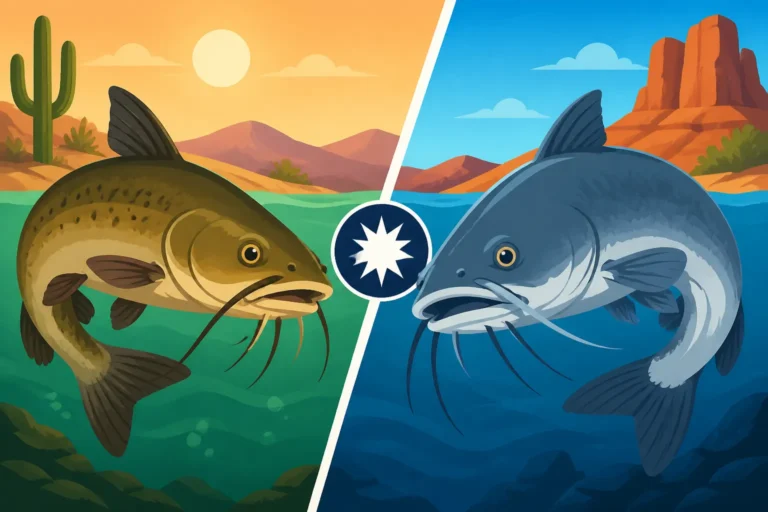
One of the first things you'll notice about a flathead catfish, as its name suggests, is its distinctively broad, flattened head. Unlike the channel catfish with its forked tail and spotted flanks, the flathead boasts a square, slightly notched tail, and its body is often mottled with brown and yellow, offering excellent camouflage against the river bottom. Their lower jaw protrudes slightly, giving them an almost grumpy appearance, but it's built for ambushing prey. They also have smaller, beady eyes compared to channel catfish, which hints at their nocturnal, predatory nature. You might also notice their skin is smooth, devoid of scales, which is characteristic of all catfish species. Knowing these identifiers is crucial, especially if you're targeting specific species or adhering to certain regulations. It's easy to confuse a smaller flathead with a large channel cat if you're not paying close attention to these key features.
Habitat Preferences in Arizona Waters
Flatheads are true ambush predators, and their habitat choices reflect this. In Arizona's rivers and larger reservoirs, you'll typically find them lurking in deep holes, around submerged timber, rock piles, and undercut banks. They love structure – anything that provides cover and a good vantage point to surprise unsuspecting prey. Think about the slow-moving, turbid sections of rivers like the Colorado River or the lower Salt River where deep scour holes and massive log jams exist. These are prime flathead territories. In lakes, they'll gravitate towards the deepest channels, old creek beds, and areas with significant underwater structure, especially where there's a good current flow, even subtle. They prefer slightly warmer water than trout, and they're often found in the same waters as their prey, which we'll discuss next. Understanding these preferences is your first step to narrowing down productive fishing spots.
Diet and Feeding Habits of Flatheads
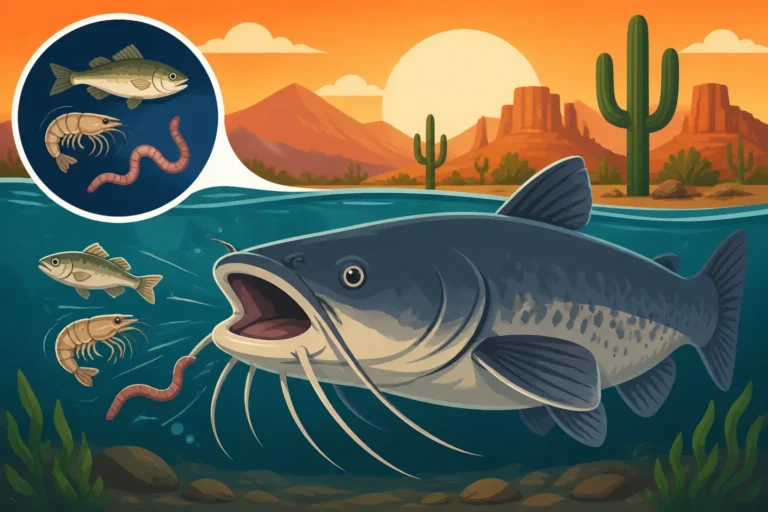
If you want to catch a big flathead, you need to think like one – and that means understanding what they eat. Unlike channel catfish, which are opportunistic scavengers and will readily hit prepared baits, flatheads are almost exclusively piscivorous, meaning they primarily eat other fish. They are active hunters, and their diet consists of live prey such as carp, bluegill, sunfish, shad, and even smaller catfish. This is why you rarely catch a large flathead on stink bait or cut bait (though they will sometimes take a fresh, natural cut bait if it's presented correctly). Their method of hunting is often stealthy: they'll hide in structure, waiting for an unsuspecting fish to swim by, then quickly lunge and engulf it. This predatory nature dictates the best baits and techniques for targeting them. When they get to a significant size, they need substantial meals, which means bigger bait fish. For more on this, you can check out our guide on Flathead Catfish Diet and Feeding Habits.
The Allure of Trophy Flatheads: Arizona's Record Holder
There's something uniquely captivating about chasing a record-setting fish. It's not just about the size; it's about the story, the challenge, and the validation of years of angling knowledge. Arizona has a history of producing some truly monstrous flathead catfish, and the current record stands as a testament to the potential of our waters.
Details of the Current Arizona Flathead Record
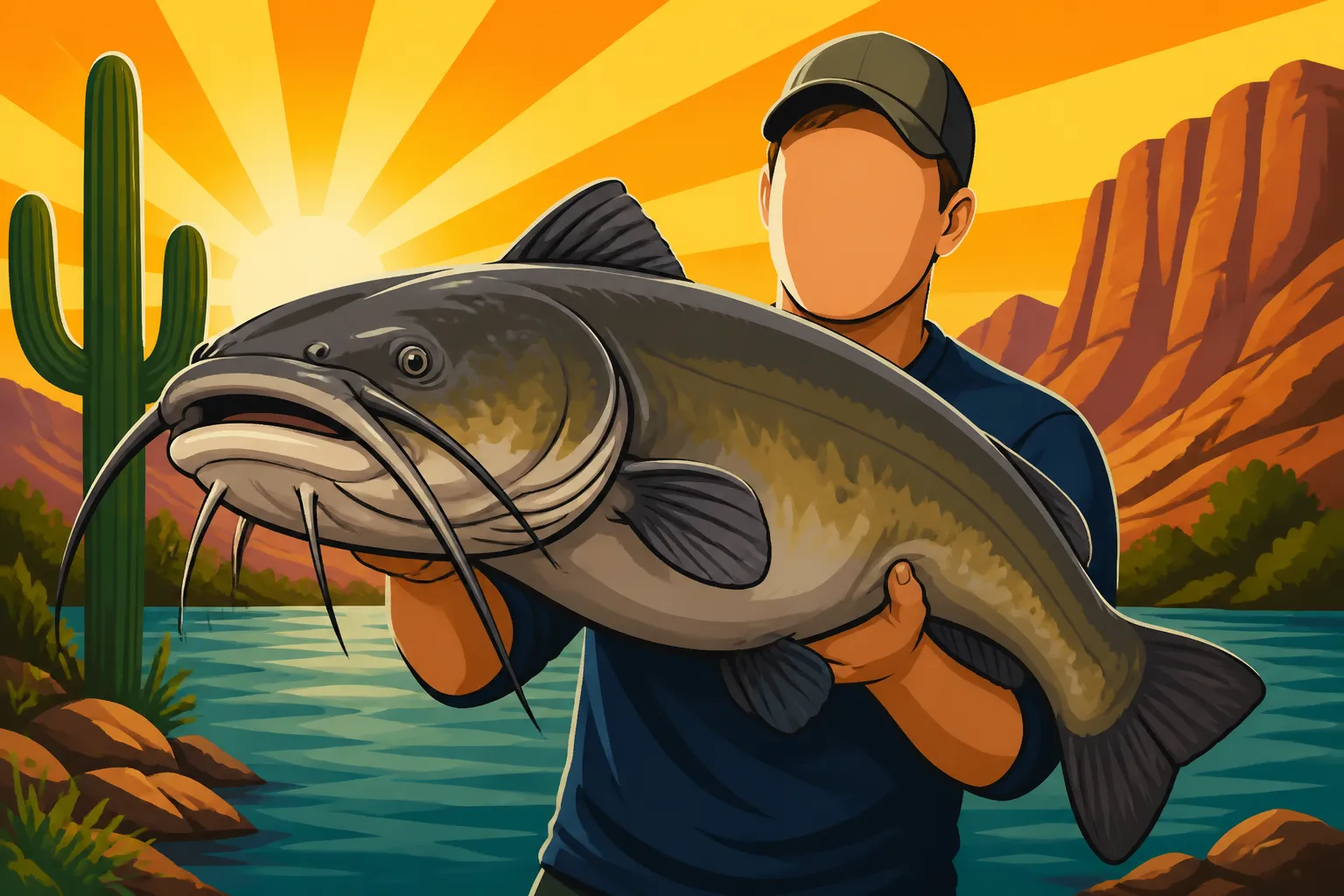
Arizona's official state record for flathead catfish is a behemoth that tipped the scales at an incredible weight. While specific figures can change and are best verified through the Arizona Game and Fish Department's official records, imagine a fish that weighs as much as a small child, spanning over four feet in length. The current record flathead was caught in the Colorado River, a waterway renowned for its trophy-sized catfish. This particular catch wasn't a fluke; it was the result of persistent angling, knowing the right spots, and presenting the perfect bait. The angler who landed this fish likely spent countless hours honing their skills and understanding the nuances of flathead behavior. These records aren't just numbers; they represent monumental efforts and a deep connection between angler and nature. It's a reminder that truly world-class fishing exists right here in Arizona.
The Thrill of a Record Catch
Landing a fish of that magnitude is a truly unforgettable experience. It starts with a subtle, yet powerful, take on your line, often feeling like your bait has snagged on a submerged log. Then, the "log" starts moving, slowly at first, then with an unstoppable, head-shaking power that can strip line from your reel with ease. The fight with a record flathead is a grueling test of endurance, both for the angler and the tackle. It requires patience to let the fish run, strength to turn its head, and skill to navigate it through snags and structure. Many anglers report fights lasting upwards of 30 minutes to an hour, sometimes longer, especially from the bank or a smaller boat. When that massive, flat head finally breaks the surface, and you see the sheer size of the fish you've just battled, it's an unparalleled feeling of accomplishment. It’s a moment that solidifies your passion for fishing and your respect for these incredible creatures.
Historical Perspective on Arizona Flathead Records
Arizona has a long and storied history with trophy catfish. Before the current record, there have been other giants pulled from our rivers and lakes, each one contributing to the legend of flathead fishing in the state. The Colorado River, in particular, has consistently produced record-class flatheads for decades. The deep, often murky waters, combined with an abundant forage base of carp and other rough fish, create ideal conditions for flatheads to grow to immense sizes. Historically, anglers targeting flatheads often did so in relative secrecy, guarding their prime locations and techniques. As more anglers have discovered the thrill of this pursuit, the competition for trophy fish has grown, pushing techniques and gear to new limits. The continuous breaking and setting of records speaks to the health of our flathead populations and the dedication of our angling community. Each new record adds another chapter to Arizona's rich fishing narrative.
Where to Find Record-Breaking Flathead Catfish in Arizona
Catching a state record flathead isn't just about luck; it's about knowing where these giants call home. Arizona offers several prime locations where the conditions are just right for flatheads to grow to immense sizes.
Prime Rivers for Flathead Catfish
When it comes to flathead catfish, the Colorado River stands head and shoulders above the rest as the premier trophy fishery in Arizona. From Lake Havasu south through the Parker Strip and the Yuma area, the river offers deep channels, abundant submerged timber, and a rich forage base that allows flatheads to thrive and grow to incredible sizes. The currents, even in the impounded sections, keep the water oxygenated and distribute food, creating ideal conditions. Specific hot spots can include areas below dams, sharp river bends with deep scour holes, and any stretch of river with significant woody debris. Anglers often target areas where smaller feeder creeks or canals meet the main river, as these can concentrate baitfish and provide ambush points. The fishing here can be challenging, requiring heavy gear and a deep understanding of river currents and structure. For specific insights into this area, check out our Colorado River Fishing Guide in Arizona.
Another significant river system for flatheads is the Salt River chain. While perhaps not yielding the sheer monster size of the Colorado on a consistent basis, the lower Salt River and its associated lakes (Roosevelt, Apache, Canyon, Saguaro) hold very respectable populations of large flatheads. Roosevelt Lake, in particular, has a reputation for producing big flatheads, especially in its deeper river channels and tributaries where large schools of carp and shad reside. The Salt River itself, especially below the chain of lakes, can also be productive during specific times of the year. The key to these river and reservoir systems is finding those deep, slow-moving stretches with plenty of cover, where flatheads can ambush their prey. Remember, these fish prefer to stay hidden during the day and become more active as the sun sets.
Lakes Known for Large Flatheads
While rivers are often the go-to for trophy flatheads, several of Arizona's larger lakes also boast impressive populations. Roosevelt Lake is perhaps the most famous, with its extensive timber, old river channels, and deep coves providing perfect habitat. Anglers targeting Roosevelt Lake for flatheads often focus on the Tonto Creek and Salt River arms, especially after significant inflows bring fresh water and food into the system. These areas have ample submerged wood and deep holes where flatheads can reside. Another excellent option is Lake Pleasant. While more known for its bass and striped bass, Lake Pleasant has a healthy population of flatheads, particularly in its deeper sections and around brush piles that have accumulated over time. The key here is exploring the deeper structure with a good fish finder to locate those prime holding areas. Other lakes like Apache Lake and Canyon Lake also have flatheads, often in the deeper canyon sections where rocky structure and submerged logs provide cover.
| Lake/River System | Key Features for Flatheads | Best Fishing Times | Common Bait Fish |
|---|---|---|---|
| Colorado River | Deep channels, log jams, strong currents, abundant carp | Spring, Summer, Fall (Night) | Carp, Tilapia, Sunfish |
| Roosevelt Lake | Submerged timber, old river channels, Tonto & Salt River arms | Spring, Summer, Fall (Night) | Shad, Bluegill, Carp |
| Lake Pleasant | Deep structure, submerged brush piles, feeder creeks | Spring, Summer, Fall (Night) | Shad, Carp, Bluegill |
| Apache/Canyon Lake | Deep canyon walls, rocky structure, submerged logs | Spring, Summer, Fall (Night) | Bluegill, Crappie, Small Bass |
Understanding Seasonal Movements
Flathead catfish, like most fish, exhibit seasonal movement patterns that dictate their feeding behavior and locations. In spring, as water temperatures begin to rise, flatheads become more active and start to move into shallower areas to spawn. They'll be found near rocky banks, undercut banks, and around timber. This can be an excellent time to target them as they feed aggressively before and after spawning. As summer progresses and water temperatures soar in Arizona, flatheads often retreat to deeper, cooler water during the day, becoming primarily nocturnal feeders. Night fishing during the summer months is highly productive, as flatheads will move into shallower feeding flats and along river channels under the cover of darkness. This is when you'll find guides sharing tips for Night Fishing Techniques and Safety.
In fall, as temperatures cool, they begin to fatten up for winter, and their activity can pick up again, sometimes during daylight hours, especially in overcast conditions. They'll follow baitfish into shallower coves and along main lake points. Winter sees flatheads become much less active, often settling into deep holes or slow-moving sections of rivers and lakes, conserving energy. While not impossible, catching trophy flatheads in winter requires extreme patience and precision, as their metabolism slows considerably. Understanding these patterns is key to being in the right place at the right time. For the Colorado River specifically, the Best Season to Catch Trophy Catfish on the Colorado River is often late spring through fall.
Techniques for Catching Monster Flathead Catfish
Landing a record flathead requires more than just knowing where they live; it demands specialized techniques, appropriate rigging, and often, a commitment to fishing after dark. These fish are formidable opponents, and your approach needs to match their power and cunning.
Live Bait Strategies
As mentioned earlier, flatheads are predators, and live bait is overwhelmingly the most effective way to catch them. Forget the stink baits and prepared concoctions for channel cats; flatheads want a struggling, lively meal. The best live baits include bluegill, sunfish, small carp, tilapia, or shad. The size of your bait should match the size of the flathead you're targeting – for trophy fish, don't be afraid to use substantial baits, sometimes six to eight inches long or even larger.
Here’s how to approach live bait fishing:
- Source Your Bait: Catch your bait locally if regulations allow, or purchase it from a reputable bait shop. Live bait is often regulated, so always check the Arizona Game and Fish Department rules for specific water bodies regarding legal baitfish.
- Keep it Alive: A lively bait is a productive bait. Use a large bait bucket with an aerator to keep your fish fresh and active.
- Presentation is Key: Hook your live bait in a way that allows it to swim naturally and stay alive for as long as possible. Common methods include hooking through the back (just behind the dorsal fin, avoiding the spine) or through the lips. This allows the bait to struggle and attract attention.
- Target Structure: Cast your live bait near the flathead's preferred habitat – submerged timber, deep holes, rock piles, or undercut banks. Give the bait enough line to swim freely, but not so much that it can swim into a snag. Often, just a foot or two off the bottom is ideal, or suspended above structure.
Remember, a flathead's strike on live bait can be subtle at first, almost like a "thump," before the fish really takes off. Have patience, let the fish commit, and then set the hook with authority.
Rigging for Flatheads
Your rigging needs to be robust to handle the sheer power of a big flathead. These are not finesse fish.
- Carolina Rig: This is perhaps the most popular and effective rig for flathead catfish. It involves a heavy sliding sinker (often 1-4 ounces or more, depending on current) above a swivel, followed by a strong leader (12-24 inches) and a large, stout hook. The sliding sinker allows the fish to pick up the bait and move off without immediately feeling the weight of the sinker, giving you a better chance for a solid hookset.
- Circle Hooks: For flatheads, especially when using large live baits, circle hooks are highly recommended. They are designed to hook the fish in the corner of the mouth, which is not only better for the fish if you plan to Catch and Release Rules for Arizona Anglers, but also helps ensure a solid hookset as the fish swims away, reducing gut-hooked fish. Sizes can range from 7/0 to 10/0 or even larger, depending on your bait size.
- Leader Material: Use heavy monofilament or fluorocarbon leader material, at least 40-80 lb test, to resist abrasion from teeth and structure.
- Main Line: Your main line should be braided, typically 50-100 lb test, for its strength, lack of stretch, and abrasion resistance. Braided line will give you the power to pull fish out of heavy cover. If you are questioning Do You Need Heavy Line for Flathead Catfish?, the answer is almost certainly "yes" for trophy flatheads.
Night Fishing for Flatheads
While you can catch flatheads during the day, especially in deeper, shaded areas, night fishing is hands down the most productive time for trophy flatheads in Arizona. As the sun sets and the water cools, flatheads become much more active, moving out of their daytime hiding spots to hunt in shallower feeding grounds.
- Increased Activity: Flatheads have excellent senses of smell and lateral line capabilities, allowing them to navigate and hunt effectively in low light or dark conditions. The reduced boat traffic and angler pressure at night also contribute to their increased activity.
- Safety First: When fishing at night, safety is paramount. Always go with a buddy, bring headlamps or lanterns, and be aware of your surroundings. Bring extra batteries, a first-aid kit, and communicate your plans with someone ashore.
- Location: During the night, flatheads will often move onto shallow flats adjacent to deep water, along main river channels, or near submerged structure in shallower coves. They'll follow baitfish into these areas.
- Patience: Night fishing often involves long periods of waiting, punctuated by explosive strikes. Set up your rods, cast your baits, and be patient. Bring a comfortable chair, plenty of water, and snacks. Many anglers enjoy the peaceful solitude of night fishing, even if the fish aren't always biting. Our guide to Catfish Night Fishing Techniques has even more detail.
Regulations and Conservation for Arizona Flatheads
Angling for flathead catfish, especially trophy specimens, comes with a responsibility to understand and abide by fishing regulations. These rules are in place not only to manage fish populations but also to ensure sustainable fishing for future generations.
Bag and Possession Limits
The Arizona Game and Fish Department sets specific bag and possession limits for various fish species, including flathead catfish. These limits can vary by water body and may change periodically, so it's absolutely essential to consult the most current Arizona Fishing Regulations booklet before heading out. Generally, Arizona is quite generous with catfish limits compared to other species, but specific restrictions may apply to certain trophy lakes or rivers. For instance, there might be a daily bag limit (how many you can catch in a 24-hour period) and a possession limit (how many you can have in your cooler, home, or vehicle at any given time). These limits are in place to prevent overfishing and to ensure a healthy population of flatheads, allowing them to grow to trophy sizes. Never assume; always verify the current regulations for the specific body of water you intend to fish.
Catch and Release Practices for Large Catfish
Catching a truly massive flathead catfish is a monumental achievement, but the decision of whether to keep it or release it back into the water is a significant one. While keeping a fish for the table is a time-honored tradition, many trophy anglers advocate for catch and release, especially for the largest, oldest fish. These large flatheads are often important breeders, contributing to the genetic health and future populations of the fishery.
Here are some best practices for catch and release of large flatheads:
- Minimize Fight Time: While a long fight is thrilling, it exhausts the fish. Use appropriate heavy tackle to land the fish as quickly as possible without unduly stressing it.
- Wet Hands Only: When handling the fish, wet your hands thoroughly to protect its slime coat, which is crucial for its health and disease resistance. Avoid touching the gills or eyes.
- Support Its Weight: Flatheads are heavy. When lifting a large fish for a photo, support its body horizontally with two hands (one under the head, one under the tail/belly) to prevent damage to its internal organs and jaw. Avoid hanging it vertically by the jaw for extended periods.
- Quick Photos: Get your photos quickly and return the fish to the water.
- Revive the Fish: If the fish seems stressed, hold it gently in the water, facing into any current, until it regains its strength and can swim away under its own power. Sometimes this means holding it for several minutes.
- De-hooking: Use long-nosed pliers or a de-hooking tool to remove hooks quickly and efficiently. Circle hooks make this much easier as they typically hook in the lip. For more on this, consider reading up on Catch and Release Rules for Arizona Anglers.
Protecting Arizona's Flathead Population
Conservation efforts are vital for ensuring that Arizona's flathead catfish populations remain robust for generations to come. This means more than just adhering to bag limits; it also involves ethical angling practices and environmental stewardship. Protecting habitat is crucial. Flatheads rely on complex underwater structures like log jams and undercut banks. Responsible boating and shoreline practices that avoid disturbing these habitats are important. Additionally, proper disposal of fishing line, hooks, and trash prevents harm to fish and other wildlife. By understanding and respecting the flathead catfish, its habitat, and the regulations designed to protect it, anglers can play a critical role in preserving the thrill of fishing for these magnificent creatures. Being an ambassador for ethical angling ensures that future generations will also have the opportunity to chase their own record-breaking flatheads.
Gearing Up for the Hunt: Tackle for Trophy Flatheads
Successfully battling a state-record flathead catfish demands specialized, heavy-duty tackle. Skimping on your gear for these powerful fish is a recipe for heartbreak. Your rod, reel, line, and terminal tackle must be up to the immense challenge.
Heavy-Duty Rods and Reels
For trophy flatheads, you need a rod that can take a beating and provide the leverage needed to turn a big fish.
- Rods: Look for heavy to extra-heavy power baitcasting rods, typically 7 to 10 feet long. Shorter rods (around 7 feet) are great for boat fishing where casting distance isn't as critical, while longer rods (8-10 feet) are excellent for bank fishing, allowing for longer casts and better line management around obstacles. The action should be moderate-fast or fast, providing sensitivity to detect subtle bites but enough backbone to absorb powerful runs. A good quality fiberglass or composite rod often handles the abuse better than pure graphite in this heavy application. Many brands offer dedicated catfish rods designed specifically for this kind of brutal fishing. Our guide on Best Rod for Catfish goes into more detail.
- Reels: A sturdy baitcasting reel (often referred to as a conventional or "round" reel) with a robust drag system is non-negotiable. Spinning reels, while popular for many types of fishing, often lack the line capacity and raw cranking power needed for truly giant flatheads. Look for reels with a high line capacity (able to hold 200+ yards of 50-80 lb braided line) and a smooth, powerful drag that can be locked down when needed. A low gear ratio is also beneficial, providing more torque for hauling in stubborn fish. Durability is key here; these reels will be put under immense stress. When looking for gear on Amazon, always check user reviews for durability and drag performance specific to heavy-duty use.
Strong Lines and Terminal Tackle
Your line and terminal tackle are the direct connection to the fish, and any weakness here will be exploited by a trophy flathead.
- Main Line: Braided line is the standard for flathead fishing. Its incredible strength-to-diameter ratio, minimal stretch, and superior abrasion resistance make it ideal. Use 50 lb to 100 lb test braided line. The no-stretch property allows for powerful hooksets, even at a distance, and you'll feel every bump and head shake. For insights on line choices, consider Best Line for Catfish Fishing.
- Leader Material: As discussed in rigging, a heavy monofilament or fluorocarbon leader (40-80 lb test) is essential. The leader provides a bit of stretch and is more abrasion-resistant than braid against the flathead's sandpaper-like mouth and surrounding structure. Fluorocarbon is less visible underwater, which can be an advantage in clearer water.
- Hooks: Stick with large, heavy-gauge circle hooks, ranging from 7/0 to 10/0, or even 12/0 for truly massive baits. Ensure they are forged steel and incredibly sharp. These hooks are designed for powerful fish and will hold up to the incredible forces exerted by a fighting flathead. Our article on Best Hooks for Live Bait Fishing offers more options.
- Sinkers: Heavy sinkers are often needed to get your bait down in current or to hold it in place. Pyramid sinkers, no-roll sinkers, or flat bank sinkers in weights from 1 oz to 6 oz (or even more in strong current) are commonly used. Use a sliding sinker rig to allow the fish to take the bait without feeling immediate resistance. For general bottom fishing, Best Sinkers for Bottom Fishing can be a useful resource.
- Swivels: Heavy-duty barrel swivels or ball bearing swivels (rated for 100 lb test or more) are crucial to prevent line twist and to connect your main line to your leader. Ensure all your terminal tackle, from swivels to snaps, matches the strength of your main line.
Essential Accessories for Flathead Anglers
Beyond the core tackle, several accessories will make your flathead fishing experience safer, more comfortable, and more successful.
- Net/Gaff: A large, sturdy landing net with a big hoop and strong mesh is invaluable for landing big flatheads, especially from a boat or high bank. Some anglers prefer a lip gripper tool for control, but a net provides the safest way to land a truly large fish without injuring it or yourself.
- Pliers/De-hookers: Long-nosed pliers or specialized de-hooking tools are essential for safely removing hooks from a flathead's powerful jaw, especially if you're practicing catch and release.
- Headlamp/Lantern: For night fishing, a reliable headlamp and a powerful lantern are critical. Good lighting ensures safety, helps with rigging, and allows you to see the action when a big fish bites. You can find many robust options for these on Amazon.
- Rod Holders: When bank fishing, sturdy rod holders (heavy-duty metal spikes that sink into the ground) are a must. A flathead strike can be so powerful it can pull an unsecured rod right into the water.
- Cooler: For keeping live bait fresh and healthy, a large cooler with an aerator is crucial. If you decide to keep a fish for the table (within regulations), a separate, large cooler to properly ice down your catch is also essential, especially in Arizona's heat. You can find durable, insulated coolers on Amazon that are perfect for this.
- First-Aid Kit: Accidents happen, especially at night or in remote locations. Always carry a well-stocked first-aid kit.
- Camera: You'll want to capture the moment when you land that record-breaking flathead!
Arming yourself with the right gear is a significant investment, but it's an investment that pays off when you're battling a fish of a lifetime. The peace of mind that comes from knowing your tackle can handle the fight is invaluable.
Disclaimer
This article is for general informational purposes only and does not constitute professional advice. Laws, prices and regulations vary by location and change over time. Consult a qualified professional for guidance on your specific situation.