Best Bait for Catfish in Arizona
Trying to figure out the absolute best bait for catfish in Arizona can feel like a real puzzle, especially with so many different waters and types of catfish roaming our lakes and rivers. It's frustrating to spend a day on the water, throwing everything but the kitchen sink at them, only to come up empty-handed. But don't worry, you're not alone! This guide is going to cut through the confusion and lay out the most effective baits that Arizona's catfish simply can't resist, helping you land more of those whiskered warriors.
Understanding Arizona Catfish and Their Palates
Before we even talk about specific baits, it's really important to understand what you're fishing for and how they feed. Arizona is home to a few different species of catfish, and while they all generally fall under the "catfish" umbrella, their dining preferences can vary quite a bit. Knowing this fundamental difference is going to instantly elevate your chances of success.
The Different Catfish Species in Arizona
In Arizona, you're primarily going to encounter three main types of catfish: Channel Catfish, Flathead Catfish, and various species of Bullhead Catfish. Each has its own distinct personality and, consequently, its preferred menu.
- Channel Catfish: These are by far the most common and widespread catfish in Arizona. They're opportunistic feeders, meaning they'll eat just about anything, but they're particularly drawn to strong scents. Think of them as the scavengers of the aquatic world, always on the lookout for an easy, smelly meal. They thrive in a wide range of habitats, from urban community lakes to large desert reservoirs and rivers. If you're wondering about the Channel Catfish vs Flathead Catfish Identification, you'll notice Channels have a more streamlined body, a forked tail, and usually scattered dark spots when young.
- Flathead Catfish: These are the true apex predators of Arizona's catfish population, and they get big. Unlike their channel cat cousins, flatheads have a very strong preference for live or extremely fresh dead bait. They're ambush predators that prefer slower-moving water, deep holes, and heavy cover like submerged timber or rocky ledges. Catching a big flathead is often considered a trophy pursuit, requiring a different approach than targeting channels. They have a flattened head (hence the name), a noticeably protruding lower jaw, and a square or slightly rounded tail.
- Bullhead Catfish: You'll typically find Black Bullheads and Yellow Bullheads in Arizona. These are smaller, often found in muddier, vegetated waters, and are more common in ponds, canals, and slower sections of rivers. Like channel cats, they're not picky and will readily take a variety of baits, often making them a great target for beginners or kids due to their aggressive feeding habits. They lack the forked tail of a channel cat and generally have a more stout, stocky body.
Why Scent and Texture Matter for Catfish
Catfish possess an incredible sense of smell and taste, far superior to most other freshwater fish. Their barbels, or "whiskers," are packed with chemoreceptors that can detect even minute traces of food in the water. This is why strong-smelling baits are so effective for Channel Catfish and Bullheads – they can follow that scent trail from a considerable distance.
For Flathead Catfish, while scent still plays a role, the vibration and movement of live bait are often the primary attractants. They want to feel that struggle, that pulse, that tells them there's a live meal nearby. The texture of the bait can also be important; a firm bait that stays on the hook through current or nibbling panfish is ideal, but a softer, more natural texture can sometimes trigger a bite from a wary fish. Understanding these sensory drivers will help you choose and present your bait more effectively.
The Best Natural Baits for Arizona Catfish
Now that we know why certain baits work, let's dive into the specifics of what those baits are. From smelly concoctions to lively swimming meals, Arizona's catfish respond to a variety of offerings.
Stink Baits and Prepared Baits: A Classic Choice
When it comes to targeting Channel Catfish and Bullheads, stink baits and other prepared baits are absolute champions. Their pungent aroma spreads through the water, creating an irresistible scent trail that catfish can't ignore.
- Commercial Dip and Punch Baits: These are factory-made concoctions designed specifically to lure in scent-feeding catfish. Brands like Sonny's Super Sticky Baits or Berkley PowerBait Catfish Baits are popular choices. They often come in tubs or jars and have a thick, gooey consistency that's meant to be "dipped" onto a worm or a special bait holder (like a treble hook with a spring). The key is their intense smell and sticky nature, which allows the scent to slowly disperse. You can find a wide variety of these prepared baits on Amazon, often in different "flavors" like cheese, blood, or liver. They're incredibly convenient and don't require any messy preparation.
- How to Use: For dip baits, you'll need a dip worm or a small sponge attached to a hook to hold the bait. For punch baits, you literally punch a treble hook into the thick bait, pulling it out with a glob adhering to the hook.
- Pros: Highly effective for Channels and Bullheads, easy to use, readily available.
- Cons: Can be very messy, often too soft for strong currents, generally less effective for Flatheads.
- Homemade Stink Baits: Many seasoned anglers have their own secret recipes involving ingredients like chicken livers, cheese, garlic, flour, and various oils. These can be incredibly potent and often tailored to local fish preferences. While they take more effort, the satisfaction of catching fish on your own concoction is unmatched.
- How to Use: Similar to commercial dip baits, these are often molded around a hook or used in a bait holder.
- Pros: Customizable, can be very effective, cost-effective if you have the ingredients.
- Cons: Messy to prepare, storage can be an issue due to strong odors, consistency can be tricky.
- Dough Baits: While not as pungent as traditional stink baits, dough balls can be quite effective, especially in slower-moving waters or for smaller catfish and bullheads. They're often made from flour, cornmeal, and various flavorings like garlic, anise, or even Kool-Aid powder.
- How to Use: Mold a small ball around a single hook.
- Pros: Simple to make, can be quite attractive to smaller catfish.
- Cons: Can come off the hook easily, less potent scent trail.
Cut Baits and Live Baits: Targeting Bigger Catfish
When you're serious about landing a trophy Flathead Catfish or a really large Channel Cat, fresh cut bait and live bait are often your best bet. These baits mimic natural prey items that big catfish actively hunt.
- Cut Bait (Shad, Bluegill, Carp, Tilapia): For both large Channels and Flatheads, freshly cut pieces of fish are incredibly appealing. The key here is freshness and blood. The scent of fresh blood and natural oils in the water is a powerful attractant.
- Shad: Threadfin Shad are a primary forage fish in many Arizona lakes like Lake Pleasant and Roosevelt Lake. A chunk of freshly cut shad, especially with the entrails, is a prime offering.
- Bluegill/Sunfish: If legally caught and sized (check Arizona Fishing Regulations Explained for specifics, as game fish generally cannot be used as bait), bluegill or other panfish make excellent cut bait. Their tougher skin helps them stay on the hook.
- Carp/Tilapia: These non-native species can be great bait options where legal. Cut strips or chunks from their oily flesh are very enticing.
- How to Use: Cut bait into strips or chunks, ensuring some skin and bone are present for scent and hook retention. Hook through the toughest part for durability.
- Pros: Highly effective for large Channel Cats and Flatheads, natural scent and oils.
- Cons: Requires catching or obtaining fresh bait, legality concerns with some species.
- Live Bait (Minnows, Bluegill, Shad): For Flathead Catfish, live bait is almost always the preferred choice. The erratic movement and vibrations of a struggling live fish are precisely what triggers their predatory instinct.
- Minnows: Larger minnows, where legal, can work for smaller flatheads and aggressive channel cats.
- Bluegill/Sunfish: Small bluegill (again, check local regulations for size and legality) are a top-tier live bait for flatheads. Their hardiness allows them to stay alive on the hook for extended periods.
- Shad: Live shad can be extremely effective, but they are very delicate and hard to keep alive in a bait tank without proper aeration and temperature control.
- How to Use: Hook live bait carefully through the back (above the lateral line, avoiding the spine) or through the lips to allow for maximum movement while keeping the bait alive.
- Pros: Unbeatable for Flathead Catfish, excellent for large Channel Cats, natural presentation.
- Cons: Requires a livewell or bait bucket, often needs to be caught on-site, strict legality rules apply to using game fish as bait.
Common Household and Store-Bought Options
Sometimes, the best bait is something you already have in your fridge or can pick up at any grocery store. These often work great for Channel Catfish and Bullheads, especially in urban or community lakes.
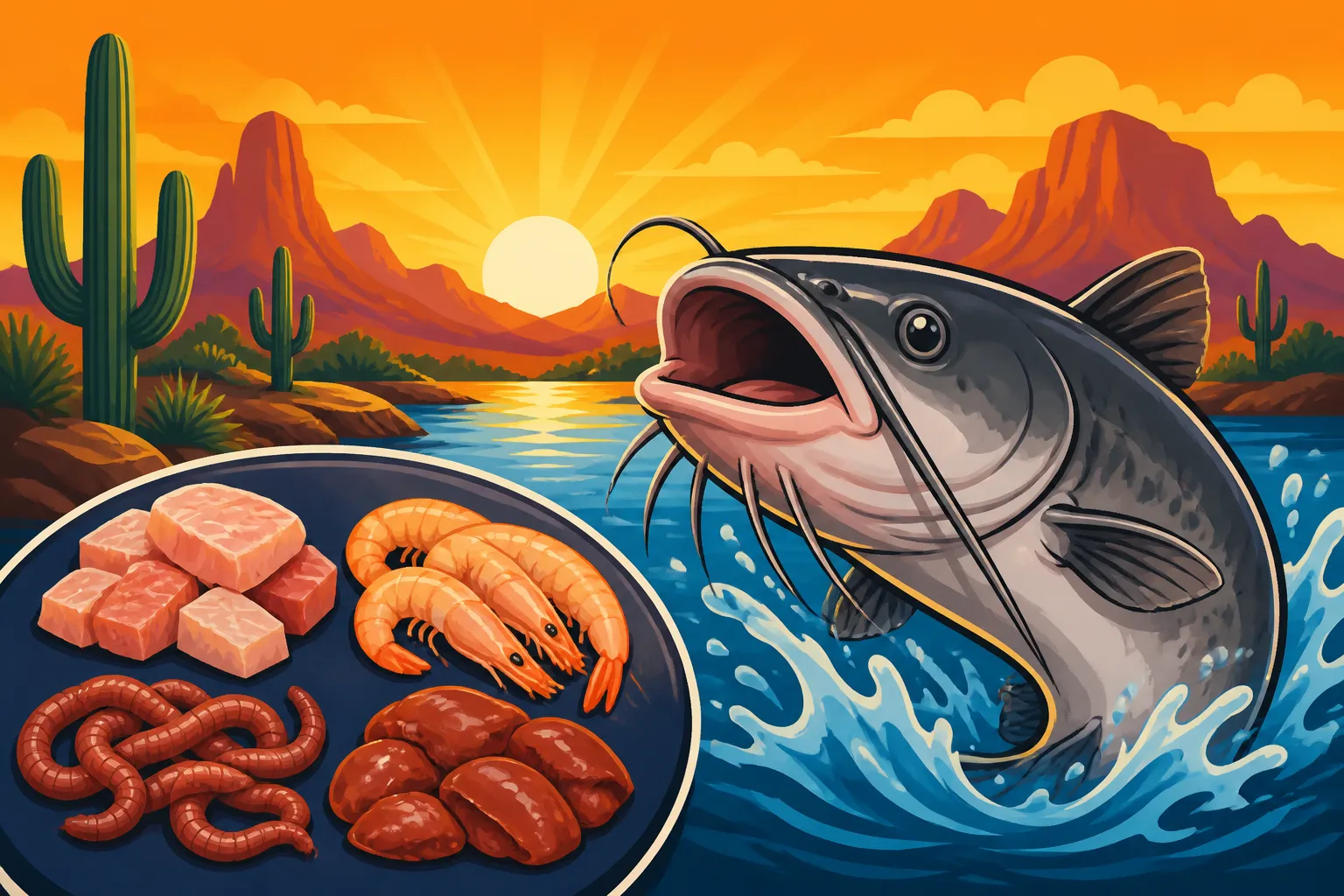
- Chicken Livers: This is a classic for a reason. Chicken livers are messy, but their strong blood scent and soft texture are irresistible to channel cats.
- How to Use: Hook several pieces onto a treble hook or thread them onto a single hook. Some anglers let them "toughen up" slightly in the sun or roll them in cornmeal to make them stay on the hook better.
- Pros: Inexpensive, readily available, highly effective for Channel Catfish.
- Cons: Very messy, falls off the hook easily, short shelf life once opened.
- Hot Dogs: Yes, plain old hot dogs! Their processed smell, especially when doctored up, can be surprisingly effective. They're also firm enough to stay on the hook well.
- How to Use: Cut into chunks. For an extra kick, soak them in garlic powder, red Kool-Aid (strawberry or cherry), or even a commercial scent attractant overnight.
- Pros: Super cheap, widely available, easy to use, stays on the hook well.
- Cons: Less "natural" scent, might not be as potent as specialized baits.
- Worms (Nightcrawlers, Red Wigglers): The humble worm remains one of the most versatile baits for almost any freshwater fish, and catfish are no exception. Nightcrawlers are particularly good for Channel Cats and Bullheads.
- How to Use: Thread one or more worms onto a single hook, leaving some wiggling ends to attract attention.
- Pros: Readily accepted by most fish, natural action, easy to obtain (many anglers even get them in bulk from Amazon).
- Cons: Smaller fish can pick them apart, not ideal for targeting trophy Flatheads.
- Corn: Believe it or not, corn can catch catfish, especially in waters where fish are accustomed to being fed by humans or where corn is a common bait for other species. It's particularly good for smaller bullheads and channel cats.
- How to Use: String several kernels onto a small hook.
- Pros: Inexpensive, clean, easy to use, good for panfish too.
- Cons: Very subtle scent, generally only effective for smaller catfish.
Here's a quick comparison of popular catfish baits:
| Bait Type | Target Catfish Species | Key Advantage | Drawbacks | Ideal Use Case |
|---|---|---|---|---|
| Commercial Stink/Dip Baits | Channel Catfish, Bullheads | Strong, lingering scent | Messy, can fall off easily | Still fishing in lakes, moderate current |
| Fresh Cut Bait (Shad) | All Catfish, especially big Channels, Flatheads | Natural blood/oil scent, firm | Requires fresh bait, sometimes messy | Rivers, large lakes, targeting trophy fish |
| Live Bait (Bluegill) | Flathead Catfish | Irresistible movement, natural | Legality concerns, delicate storage | Deep holes, heavy cover, targeting Flatheads |
| Chicken Livers | Channel Catfish, Bullheads | Strong blood scent | Very messy, falls off hook easily | Slow current, bottom fishing, patient angling |
| Hot Dogs (Doctored) | Channel Catfish, Bullheads | Cheap, stays on hook | Less potent scent naturally | Casual fishing, family trips, urban lakes |
| Worms (Nightcrawlers) | All Catfish, especially small/medium | Universal appeal, natural action | Smaller fish can steal, less specific | Versatile, general purpose, beginner-friendly |
Rigging Your Bait for Success in Arizona Waters
Having the best bait is only half the battle; knowing how to present it effectively is crucial. The right rig will ensure your bait stays where the fish are and that you can detect bites. When you're thinking about Best Tackle for Desert Lake Fishing, remember that catfish setups are often a bit more robust.
Essential Rigs for Catfish Fishing
- Carolina Rig: This is perhaps the most popular and versatile rig for catfish in Arizona. It consists of a sliding sinker (like an egg sinker or a no-roll sinker) on the main line, followed by a bead (to protect the knot), a swivel, and then a leader line to your hook. The sliding sinker allows the catfish to pick up the bait and move off without feeling the weight of the sinker, leading to more confident bites.
- When to Use: Excellent for bottom fishing in lakes, reservoirs, and slow-moving rivers. It keeps your bait near the bottom where catfish often feed.
- Setup: Thread your main line through the egg sinker, then add a plastic bead. Tie your main line to one end of a barrel swivel. To the other end of the swivel, tie a 12-24 inch leader of monofilament or fluorocarbon, and then tie your hook to the end of the leader.
- Slip Sinker Rig: Very similar to the Carolina rig but often used without the bead between the sinker and the swivel, or sometimes directly to the hook with just a small stop. The principle is the same: allowing the fish to run with the bait. This setup is perfect for Bottom Fishing Techniques for Catfish.
- When to Use: Ideal for presenting baits naturally on the bottom in various conditions.
- Setup: Thread a slip sinker onto your main line, then tie a swivel. Attach a leader and hook. The sinker slides freely, so the fish doesn't feel resistance.
- Three-Way Swivel Rig: This rig is great for fishing multiple baits at different depths or for keeping a bait slightly off the bottom in current. One eye of the swivel goes to your main line, another to a short leader with a sinker, and the third to a leader with your bait.
- When to Use: Effective in rivers or when you want to suspend bait just above snags.
Hooks and Line: Matching Your Gear to Your Bait and Target
The size and type of your hook and the strength of your line are crucial for success and for handling those powerful Arizona catfish.
- Hooks:
- Circle Hooks: These are highly recommended for catfish, especially when using cut bait or live bait. The design of a circle hook ensures that it almost always hooks the fish in the corner of its mouth, leading to fewer gut-hooked fish (which is better for release) and a more secure hookset. When a fish takes the bait, you don't "set the hook" aggressively; instead, just reel down until the line tightens, and the hook will do its job. For a guide on Best Hook Size for Catfish Bait, you'll typically be looking at sizes from 1/0 for smaller channels and bullheads, up to 8/0 or even 10/0 for large flatheads.
- Treble Hooks: These are often used for dip or punch baits because their multiple points help hold the gooey bait. However, they can be more damaging to fish you intend to release.
- J-Hooks: Traditional J-hooks are also effective, but require a more aggressive hookset and can be more prone to gut-hooking.
- Line: Catfish are strong, and Arizona's waters can have plenty of abrasive structure. You'll need tough line.
- Monofilament: A good all-around choice for its stretch and knot strength. For channels, 12-20 lb test is common.
- Braided Line: Offers superior strength for its diameter and no stretch, which provides excellent sensitivity. It's often preferred for flathead fishing, especially when you need to feel subtle bites or pull fish out of heavy cover. For Best Line for Catfish Fishing, 30-65 lb braided line is not uncommon for flatheads.
- Leader Material: A fluorocarbon leader (15-30 lb test) can be a good choice for its abrasion resistance and invisibility, especially in clearer waters. Make sure your leader is heavy enough to stand up to sharp gill plates and teeth.
Where and When to Deploy Your Catfish Bait
You've got the best bait, and your rig is perfect. Now, where do you cast it, and when is the best time to do it? Arizona's desert environment means timing and location are key.
Prime Catfish Hotspots in Arizona
Arizona offers fantastic catfish opportunities across the state. Focus on areas that provide cover, food sources, and suitable water temperatures.
- Desert Reservoirs: Lakes like Roosevelt Lake, Lake Pleasant, Bartlett Lake, and Alamo Lake are renowned for their healthy populations of Channel and Flathead Catfish. Look for creek channels, submerged timber, rocky points, and deep ledges. The Best Catfish Fishing Spots in Arizona often include these big lakes.
- Roosevelt Lake: Excellent for both Channels and Flatheads. Focus on the Tonto Creek arm or the Salt River arm for flatheads, especially in submerged timber.
- Lake Pleasant: Known for good Channel Catfish fishing, particularly in the warmer months. Look for deeper areas and around the various coves.
- Colorado River: The river and its associated impoundments (like Lake Havasu or the Yuma area) are prime Flathead Catfish territory. Look for deep holes, log jams, and slower eddies.
- Urban Community Fishing Lakes: Lakes in the Arizona Game and Fish Department's Community Fishing Program are regularly stocked with Channel Catfish, making them excellent spots for family outings or quick trips. These are perfect places to practice your skills with stink baits and worms. Check local regulations for specific lake rules.
- Rivers and Canals: Beyond the main reservoirs, smaller rivers like the Gila and Salt River (in their lower, warmer sections) and the extensive canal systems can hold good numbers of Channel Catfish and Bullheads. Look for slow pools, culverts, and bridge pilings.
Timing Your Attack: Best Seasons and Times of Day
Catfish activity in Arizona is heavily influenced by water temperature and light conditions. Understanding Arizona Fishing Seasons Explained for catfish will definitely improve your catch rate.
- Warmer Months (Spring to Fall): This is prime time for catfish in Arizona. As water temperatures rise (typically from late March through October), catfish become much more active and feed aggressively. They're cold-blooded, so warmer water increases their metabolism.
- Spring: Catfish start moving into shallower, warmer waters to feed before spawning. This is a great time for stink baits and cut bait.
- Summer: The peak season. Catfish are incredibly active, especially during lower light conditions.
- Fall: As temperatures begin to cool, catfish continue to feed heavily, fattening up for winter.
- Night Fishing: This is arguably the absolute best time for catfish, especially during the scorching Arizona summers. Catfish are largely nocturnal feeders, using their superior senses to hunt in the dark. The cooler night temperatures also bring them into shallower waters. If you're planning on Catfish Night Fishing Techniques, make sure you have proper lighting, bug spray, and all your gear organized before dark.
- Pre-Storm Conditions: Many anglers report excellent catfish action just before a monsoon storm rolls in. The drop in barometric pressure can often trigger a feeding frenzy. However, exercise extreme caution and get off the water if lightning is present.
- Early Morning and Late Evening: Even during the day, the periods around dawn and dusk offer lower light conditions and slightly cooler temperatures, often leading to increased catfish activity compared to the harsh midday sun.
Choosing the right bait for catfish in Arizona is less about a single "magic bullet" and more about understanding the specific species you're targeting, their environment, and their feeding habits. Whether you're slinging a smelly chunk of prepared bait for a channel cat in an urban pond or carefully presenting a live bluegill for a monster flathead in Roosevelt Lake, a little knowledge goes a long way. So grab your gear, pick your poison (for the fish, of course!), and get out there!
Disclaimer
Fishing conditions, regulations, and fish stocking schedules can change. Always consult the latest Arizona Game and Fish Department regulations booklet or website before heading out on the water to ensure you are compliant with all current rules and licensing requirements.