Best Bait for Crappie in Arizona
Trying to figure out the absolute best bait for crappie in Arizona can feel like chasing a ghost sometimes, especially when those fish seem to have lockjaw. It's frustrating to head out to your favorite lake, armed with what you think is the perfect setup, only to come up empty-handed. This guide is all about cutting through that confusion, helping you understand what crappie are really looking for in our unique desert waters, and arming you with the most effective live and artificial bait choices to bring home a successful haul.
Understanding Crappie Preferences in Arizona Waters
Before we dive into specific baits, it's really helpful to understand crappie on a deeper level. These panfish, both black and white crappie, aren't just swimming around aimlessly; they have specific dietary needs and react to their environment in predictable ways. Knowing this helps us pick the right bait for the right conditions.
Crappie Foraging Habits
Crappie are ambush predators with a surprisingly varied diet, and their preferences can shift throughout the year. They absolutely love to feast on small baitfish, with threadfin shad being a major food source in many of Arizona's larger reservoirs like Roosevelt Lake or Lake Pleasant. This is why imitating these tiny swimmers is often the key to success. But it's not just about minnows! They also gobble up aquatic insects, small crustaceans like crayfish, and even zooplankton, especially when they're younger.
Think about it: if crappie are actively schooling around a large ball of shad, a bait that mimics a struggling shad is going to be incredibly effective. Conversely, if they're holding tight to brush piles in shallower water, they might be picking off insects or smaller invertebrates. Understanding these subtle shifts in their natural diet, often referred to as their "Crappie Diet and Feeding Habits", can dramatically inform your bait choice. It's about matching what they're already looking for.
Environmental Factors Affecting Bait Choice
Arizona's lakes and rivers present some unique challenges and opportunities when it comes to crappie fishing. Water clarity, temperature, and the amount of cover available all play a huge role in what bait will perform best.
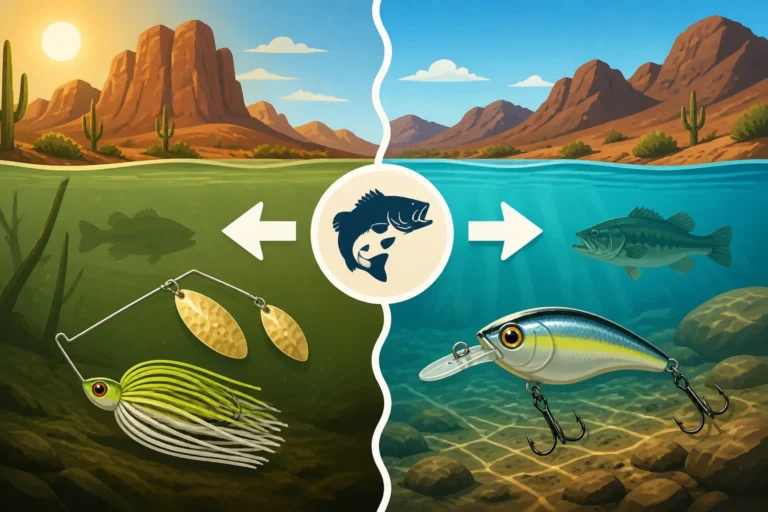
- Water Clarity: In clear water, like you might find in some of our higher elevation lakes or after a long dry spell, crappie rely heavily on their eyesight. This means subtle, natural-looking baits and colors are often more effective. On the other hand, murky water, often a result of monsoon rains or heavy boat traffic, reduces visibility. Here, crappie use their lateral line to detect vibrations, so baits with more action or those emitting scent can be a game-changer.
- Water Temperature: Temperature is perhaps the most critical factor. Crappie are cold-blooded, so their metabolism slows down in colder water. In winter, they're often deeper and less active, requiring slower presentations and smaller baits. As the water warms in spring, their metabolism kicks into high gear, making them more aggressive and willing to chase larger, faster-moving baits, especially during the "Crappie Spawning Season Tactics". During the intense Arizona summer, crappie often seek deeper, cooler water, and may feed more actively during dawn, dusk, or even at night.
- Cover: Crappie love structure. Brush piles, submerged timber, rock ledges, docks, and even standing trees provide them with ambush points and protection. The type of cover often dictates the presentation. If they're buried deep in a thorny brush pile, you might need a weedless jig. If they're suspended under a dock, a simple slip bobber setup with a live minnow might be all it takes. Fishing around "How to Fish a Brush Pile for Crappie" can be highly productive, but requires specific bait and presentation considerations.
Top Live Baits for Arizona Crappie
When crappie are finicky, or you just want to stack the odds in your favor, live bait is almost always the answer. Nothing beats the natural look, smell, and movement of a live offering.
The Undisputed King: Live Minnows
If there's one bait that consistently out-fishes everything else for crappie, it's the live minnow. Crappie are predators, and small baitfish like minnows are a staple of their diet in most Arizona lakes. They simply can't resist a struggling minnow.
There are a few key things to remember when using minnows:
- Hook Size Matters: Use a small, light-wire hook, usually a size 4 or 6, to avoid hindering the minnow's natural movement. The goal is for the minnow to swim naturally and entice a bite, not just hang there lifelessly.
- Rigging: The most common and effective way to rig a live minnow is through the lips or just behind the dorsal fin. Lip-hooking allows the minnow to swim freely and naturally. Hooking it in the back often keeps it alive longer and allows it to swim away from the hook, creating a more enticing presentation. This is something we cover in detail in our guide on "How to Rig a Live Minnow for Crappie".
- Presentation: A simple slip bobber rig is incredibly effective. It allows you to adjust your depth easily and keep the minnow suspended right in the crappie's strike zone. You can also fish minnows effectively by slow-trolling them behind the boat or vertically jigging them near structure. For the often clear waters of Arizona, a light fluorocarbon leader can be a real game-changer, making your presentation virtually invisible.
- Keeping Them Alive: In Arizona's heat, keeping minnows alive is crucial. A good aerated minnow bucket is essential. Consider adding frozen water bottles to the bait tank to keep the water cool, especially during warmer months. Dead minnows are far less effective than lively ones.
Other Effective Live Options
While minnows are king, other live baits can also be highly productive, especially when targeting smaller crappie or when minnows are hard to come by.
- Worms: Small sections of nightcrawlers, mealworms, or wax worms can be very enticing. These are especially good for panfish in general, and crappie will often readily take them, particularly when they're not in a strong feeding frenzy for baitfish. Worms are fantastic for smaller, more isolated crappie that might be foraging on the bottom or around submerged vegetation. They also release a natural scent trail that can draw fish in. You can present them under a bobber or on a small jig head.
- Crickets and Grasshoppers: While less common for crappie than for other panfish like bluegill, crickets and small grasshoppers can be deadly, especially if you're fishing near shorelines with overhanging vegetation. Crappie, particularly in smaller ponds or shallow arms of larger lakes, will readily feed on insects that fall into the water. Rig them lightly on a small hook and fish them weightless or under a tiny bobber for a subtle, natural presentation.
Artificial Baits That Consistently Catch Arizona Crappie
Sometimes, live bait isn't practical or available. This is where artificial baits shine. Modern artificial lures are incredibly effective, offering versatility in presentation, color, and size.
Jigs: The Versatile Workhorses
Jigs are arguably the most versatile and consistently effective artificial bait for crappie in Arizona. Their compact size and ability to imitate everything from a small minnow to an insect make them indispensable.
- Types of Jigs:
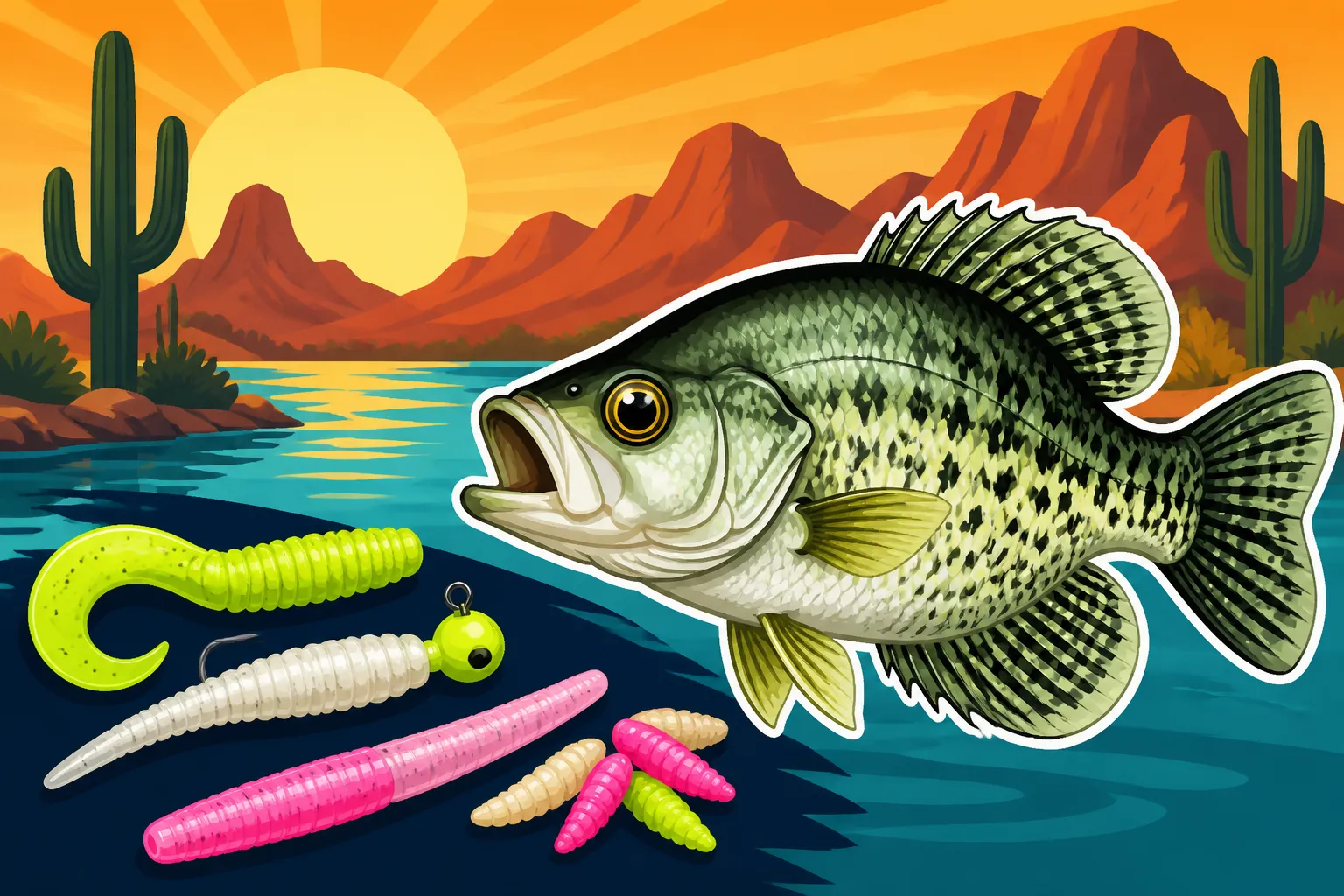
- Soft Plastic Grubs/Tubes: These are probably the most popular. Small, 1 to 2-inch grubs with curly tails or tiny tube baits are phenomenal. Colors like chartreuse, white, black/chartreuse, and electric chicken are consistent producers. For purchasing, a quick search on Amazon for "crappie jigs" will show you a huge variety of brands like Bobby Garland, Strike King, and Mister Twister that perform well.
- Hair Jigs/Marabou Jigs: These traditional jigs, often made with bucktail or marabou feathers, offer a natural, pulsating action in the water that crappie find irresistible. They're particularly effective in clear water when crappie are visually feeding.
- Weights and Colors: For most Arizona crappie fishing, 1/32 to 1/16 ounce jigs are standard. You might go heavier (up to 1/8 oz) if you're fishing deeper water or in windy conditions. As for colors, always have some classics: white, chartreuse, black, and various combinations of these. Don't be afraid to experiment with brighter colors in murky water or more natural shades (like smoke or grey) in clear conditions.
- Presentation Techniques:
- Vertical Jigging: This is deadly when crappie are schooled up or holding tight to structure. Drop your jig directly down to their depth and gently "dance" it, using subtle lifts and drops.
- Casting and Retrieving: Cast your jig near cover and retrieve it slowly, often with a slight twitching motion, allowing it to fall periodically. This mimics a struggling baitfish.
- Under a Bobber: A small jig fished 1-3 feet under a sensitive slip bobber can be incredibly effective, especially for shore anglers or when fishing around docks and trees. The bobber suspends the jig in the strike zone and allows for subtle movements.
Small Crankbaits and Spinnerbaits
While jigs dominate, don't overlook the effectiveness of small crankbaits and spinnerbaits, especially when crappie are more aggressive or you need to cover a lot of water.
- Micro Crankbaits: These are tiny versions of the crankbaits used for bass. They have a small lip that allows them to dive to specific depths, and their wobbling action can be very enticing. Brands like Bandit or Rapala make excellent ultralight crankbaits that mimic small baitfish. They're great for trolling or casting in open water where you suspect crappie are suspended.
- Small Spinnerbaits: Imagine a tiny bass spinnerbait – that's what we're talking about here. With a small blade (usually willow leaf or Colorado style) and a small jig body, these lures create flash and vibration. They're excellent for targeting active crappie in stained water or for covering large flats quickly. Retrieve them slowly, just fast enough to get the blade spinning, and you'll often draw aggressive strikes.
Advanced Tips for Crappie Bait Success in Arizona
Taking your crappie fishing to the next level means paying attention to the details and adapting to the conditions. These advanced tips can make a significant difference in your catch rate.
Matching the Hatch
This concept is crucial for all types of fishing, and crappie are no exception. "Matching the hatch" means using baits that imitate what the fish are currently eating. This often requires observation.
- Look for Schools of Baitfish: If you see schools of shad flickering near the surface or on your fish finder, it's a strong indicator that crappie are likely feeding on them. In this scenario, live minnows or artificial baits that closely mimic shad in size, profile, and color (e.g., silver, white, translucent grubs) will be your best bet. Some anglers even use small Kastmaster spoons or Roadrunners to imitate injured baitfish.
- Observe Insect Activity: In smaller, shallower lakes or river systems, look for insect hatches. If you see dragonflies, mayflies, or other aquatic insects around, crappie might be feeding on them. Tiny jigs in black, brown, or green can effectively imitate these insects.
- Check Stomach Contents: If you catch a crappie, and regulations allow, gently check its stomach contents. This will give you undeniable proof of what they've been eating and can guide your bait choice for the rest of the day.
Scent and Attractants
Crappie have a keen sense of smell, and incorporating scent into your fishing can give you a significant advantage, especially when fish are less active or in murky water.
- Liquid Attractants: Many anglers swear by liquid scents, like those from Berkley or Bobby Garland, which are applied directly to artificial baits. Popular scents include garlic, Anise, and shad. These add an olfactory element that can draw crappie in and encourage them to hold onto the bait longer, giving you more time to set the hook.
- Scented Baits: Some soft plastic crappie jigs come pre-scented, offering a built-in advantage. These can be particularly effective when you're probing brush piles or deep structure where crappie might be less willing to chase. Brands like Johnson Fishing offer crappie baits on Amazon that are specifically designed with added scent.
- Live Bait Scent: While live minnows have their own natural scent, some anglers believe that adding a small amount of commercially available fish attractant to the minnow bucket can enhance their appeal. However, be careful not to use too much, as it could stress the minnows.
Seasonal Bait Adjustments
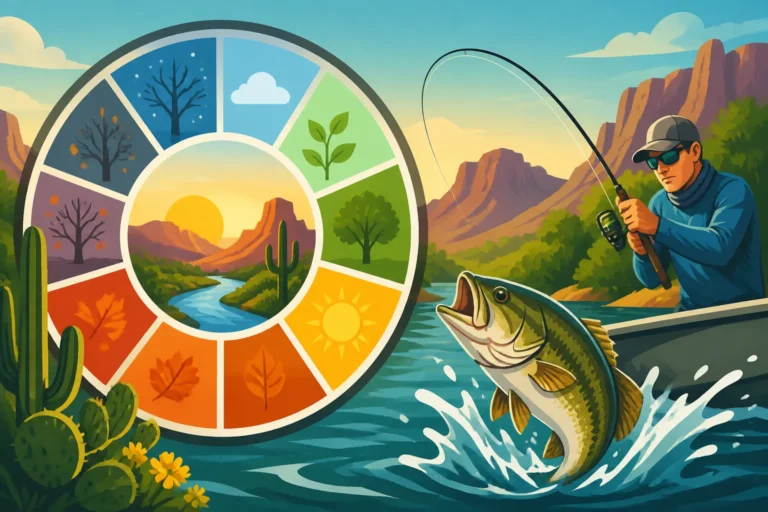
The "Arizona Fishing Seasons Explained" are a major factor in crappie behavior, and adjusting your bait and presentation with the seasons is critical for consistent success.
- Spring (Pre-Spawn/Spawn): This is often the best time for crappie fishing. As water temperatures rise, crappie move shallower to spawn, becoming more aggressive. Live minnows and small jigs (1/16 oz) are incredibly effective, fished around submerged brush, timber, and docks in 3-10 feet of water. Bright colors can work well during the spawn. Our guide on "Seasonal Movement Patterns of Crappie in Spring" dives deeper into this prime time.
- Summer: Arizona summers mean hot water. Crappie move deeper to find cooler temperatures and higher oxygen levels. They often suspend over submerged creek channels, humps, or deep brush piles. Smaller jigs (1/32 oz) and tiny live minnows fished slowly and vertically are key. Night fishing with lights can also be highly productive, drawing crappie and their forage to the surface.
- Fall: As water temperatures cool, crappie become highly active again, feeding heavily to prepare for winter. They'll often follow schools of baitfish, making it a great time for casting small crankbaits or trolling jigs in open water. Live minnows remain effective, especially around creek channels and submerged timber.
- Winter: Crappie are usually deep and sluggish in winter. Focus on very slow presentations with small baits. Tiny jigs (1/32 oz or smaller) and small live minnows fished vertically, sometimes barely moving, are best. Locate them with your fish finder and present your bait directly to them.
Here's a quick reference table for some popular crappie baits:
| Bait Type | Pros | Cons | Best Use |
|---|---|---|---|
| Live Minnows | Irresistible natural action, scent, and appearance. | Requires special care to keep alive, can be messy. | All seasons, especially when fish are finicky or during spawning. |
| Soft Plastic Jigs | Versatile, wide range of colors/sizes, durable, cost-effective. | Lacks natural scent/movement of live bait (unless enhanced). | All seasons, vertical jigging, casting to structure, under a bobber. |
| Hair/Marabou Jigs | Natural pulsating action, great for clear water. | Can be less durable, less visible in murky water. | Clear water, subtle presentations, imitating insects or small fry. |
| Small Crankbaits | Covers water quickly, triggers aggressive strikes. | Can get snagged easily in heavy cover, less subtle. | Aggressive fish, open water trolling, covering flats, stained water. |
| Small Spinnerbaits | Creates flash and vibration, good for stained water. | Not ideal for deep vertical fishing, can attract other species. | Searching open water, stained conditions, active fish, casting to cover. |
| Worms/Mealworms | Readily available, natural scent, good for panfish. | Less targeted for crappie, smaller bites. | Slow bites, targeting smaller crappie, mixed panfish bags, bottom fishing. |
Ultimately, the "best" bait for crappie in Arizona isn't a single item, but rather a combination of understanding their behavior, adapting to the conditions, and having a diverse tackle box. Don't be afraid to experiment, and pay close attention to what the fish are telling you on any given day. You'll soon find your own go-to favorites that consistently bring in those delicious crappie.
Disclaimer
The information provided in this guide is for general informational purposes only and is not intended as legal or professional advice. Fishing regulations, seasons, and requirements can change frequently. Always consult the latest official Arizona Game and Fish Department regulations before heading out on the water. Fishing inherently carries risks; always prioritize safety and adhere to all local laws and guidelines.