Bottom Fishing Techniques for Catfish
There’s a unique thrill that comes with chasing catfish in Arizona. It’s not always about the elegant cast or the subtle twitch of a lightweight rod; sometimes, it’s about the sheer anticipation of a powerful tug, the kind that nearly rips the rod from your hands. But let's be honest, trying to figure out the best way to get your bait down to where those whiskered beauties are lurking, especially in our vast and varied Arizona waters, can feel like a guessing game. This guide is all about cutting through that confusion, helping you master the art of bottom fishing so you can confidently target and land more catfish, whether you're after a delicious channel cat dinner or a monster flathead.
Understanding Arizona Catfish and Their Habitat
Before you even think about dropping a line, it's incredibly helpful to get into the mind of a catfish. What do they like to eat? Where do they hang out? Knowing these basics for the specific species found in Arizona will give you a massive advantage when it comes to effective bottom fishing.
Common Catfish Species in Arizona
Arizona is home to a few different species of catfish, and understanding their individual traits is key. Each one has its own personality, if you will, and knowing what to expect can greatly influence your approach.
First up, and probably the most common, are the Channel Catfish. These guys are like the friendly neighborhood diners; they're opportunistic feeders, meaning they'll eat just about anything that smells good and fits in their mouth. You'll find them pretty much everywhere there's water in Arizona, from our urban community lakes to the larger reservoirs and rivers. They are frequently stocked by the Arizona Game and Fish Department, making them a consistent target for anglers. Channel cats are often what people mean when they talk about "catfish," and they put up a decent fight, especially the larger ones. For a deeper dive into these whisker-wielding fish, check out our comprehensive guide on Catfish Fishing Guide for Arizona.
Then we have the magnificent Flathead Catfish. Now, these are the true giants of the Arizona catfish world. Flatheads are pure predators, preferring live bait, and they grow to incredible sizes. They’re built like tanks and fight like them too! You’ll typically find them in the larger, warmer waters of Arizona, especially in the Colorado River system, including Lake Havasu and Parker Canyon Lake, as well as big reservoirs like Roosevelt Lake and Bartlett Lake. If you're looking for a true trophy cat, the flathead is your target. They prefer to ambush their prey, so understanding their preferred haunts is critical.
Lastly, we have the smaller but still feisty Bullhead Catfish. These little guys are often found in muddier, shallower waters and smaller ponds, though they can pop up in larger systems too. They don’t get as big as channels or flatheads, but they’re plentiful and can provide a lot of fun, especially for younger anglers or those just looking to catch a lot of fish. They’re not as picky, often falling for simple baits like worms or cut-up hot dogs. While not usually the primary target for dedicated bottom fishing, they’re a common bycatch and can make for a tasty meal.
Ideal Bottom Structures and Locations
Catfish, especially when bottom feeding, are creatures of habit. They love structure, current breaks, and areas where food naturally collects. Identifying these hotspots on Arizona's diverse waterways is paramount.
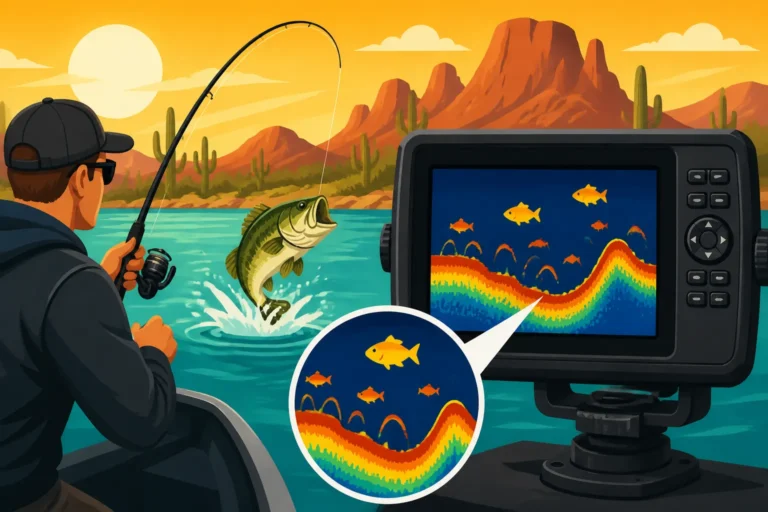
In our large reservoirs like Lake Pleasant, Roosevelt Lake, and Canyon Lake, catfish often relate to submerged timber, old creek beds, and rock piles. These structures provide cover from predators, ambush points for flatheads, and a place to escape strong sunlight. If you can locate an old river channel winding through a reservoir, especially where it meets a flat or a hump, you've likely found a prime catfish feeding lane. Using a good fish finder to locate these underwater features is incredibly beneficial, but even without one, look for visible signs like standing dead trees along the shoreline that indicate submerged timber offshore.
When fishing in rivers, particularly sections of the Colorado River, current breaks are goldmines. Catfish will expend minimal energy by holding just out of the main current, waiting for food to drift by. Look for eddies, the downstream side of submerged rocks or fallen trees, or deep holes just beyond a riffle. The transition zones where shallower water drops off into deeper pools are also prime real estate. Understanding how the current interacts with the bottom can lead you right to where the fish are holding.
Don't forget about transition zones in general. This could be where a hard, rocky bottom meets a soft, muddy bottom, or where a weed line ends in open water. These edges are often feeding highways for many fish species, including catfish. Even in our smaller community lakes, areas around aeration fountains or deeper holes created by dredging can hold significant numbers of channel catfish, especially during the warmer months. Catfish are also quite active in lower light conditions, so don't shy away from fishing during dawn, dusk, or even throughout the night. For tips on fishing after the sun sets, check out our guide on Catfish Night Fishing Techniques.
Essential Gear for Successful Bottom Fishing
Bottom fishing for catfish isn't overly complicated, but having the right gear can make all the difference between a frustrating snag-fest and a successful day on the water. You need tackle that can stand up to the powerful runs of a big cat and get your bait where it needs to be.
Rods, Reels, and Line Selection
Choosing your rod, reel, and line is like picking the right tools for a job; each plays a crucial role in getting the job done efficiently and effectively. For catfish, you're generally looking for power and durability.
For rods, you'll want something with a medium-heavy to heavy action. This means the rod bends mostly in the top third, giving you enough backbone to cast heavy sinkers and fight strong fish without feeling underpowered. A length of 7 to 9 feet is often ideal. Longer rods allow for greater casting distance, which is often important for reaching those deeper channels or far-off structures, and they provide better leverage when battling a big fish. A good catfish rod needs to be stout enough to absorb violent head shakes and sudden dives. Our article on the Best Rod for Catfish goes into more detail on specific recommendations.
When it comes to reels, you have a couple of excellent options. Baitcasting reels are a favorite among serious catfishermen for their raw power, excellent drag systems, and large line capacities, which are critical when a trophy flathead decides to run. They offer precise control over casting and retrieve, and once you get the hang of them, they're incredibly efficient. However, if you're not comfortable with baitcasters or prefer something simpler, a heavy-duty spinning reel can also work wonders. Look for a spinning reel in the 4000 to 6000 size range, known for its robust construction and smooth drag. The key is that it can hold plenty of heavy line and has a drag system that won't lock up or fail under pressure.
Your fishing line is your direct connection to the fish, so don't skimp here. For bottom fishing, you generally want something with good abrasion resistance and strength. Monofilament line (mono) is a classic choice. It has a good amount of stretch, which acts as a shock absorber against sudden strikes and runs, and it's relatively easy to manage. For most Arizona catfish scenarios, a 15 to 30-pound test monofilament is a solid choice. However, if you're targeting those truly massive flatheads in snag-filled areas, you might want to consider braided line. Braid offers superior strength for its diameter, has virtually no stretch (meaning incredible sensitivity to even the lightest bites), and excellent abrasion resistance. It can cut through weeds and snags more effectively. For braid, a 30 to 65-pound test line is common. The lack of stretch can mean a harsher fight, so make sure your rod and reel's drag are up to the task. For more details on line choices, refer to our guide on the Best Line for Catfish Fishing.
Terminal Tackle Must-Haves
Beyond your rod, reel, and line, your terminal tackle—the bits and pieces at the business end of your line—are what present your bait to the fish. Getting this right is crucial for a successful hook-up.
Let's talk hooks. For catfish, especially when using larger baits, circle hooks are incredibly popular, and for good reason. Their design makes it so the hook typically slides into the corner of the fish's mouth as the fish swims away, resulting in a solid lip-hook. This is not only much safer for the fish if you plan on releasing it, but it also means fewer gut hooks and a higher landing rate once the fish is on. Sizes from 4/0 to 8/0 are common, depending on the size of your bait and target species. If you prefer a more traditional approach, strong, wide-gap J-hooks can also work, but require a more deliberate hook set. Always opt for strong, high-quality hooks that won't straighten out under pressure. You can find a wide variety of these on platforms like Amazon, making it easy to stock up. For more info on choosing the right hook, check out Best Hooks for Live Bait Fishing.
Next up are sinkers. Since we're talking about bottom fishing, getting your bait down and keeping it there is key. Pyramid sinkers are great in current as they dig into the bottom. Egg sinkers or no-roll sinkers are excellent for still or slow-moving water, as they allow your line to slide through, meaning a biting fish feels less resistance. The weight of your sinker will depend entirely on the conditions – stronger currents or deeper water demand heavier sinkers to keep your bait anchored. Carrying a variety of weights, from 1/2 ounce to several ounces, is a smart move. Our article on Best Sinker Weight for River Current offers specific advice for choosing the right sinker.
Finally, don't forget about swivels and beads. A good quality barrel swivel or ball-bearing swivel is indispensable. They prevent line twist, especially when using rigs that involve sliding sinkers or when fishing in current. The swivel also acts as a connection point for your leader. Beads are often used in conjunction with sliding sinkers, placed between the sinker and the swivel to protect the knot from being abraded by the sinker. Having a good supply of these small but important items in your tackle box is essential.
Top Bottom Fishing Rigs for Catfish
One of the most satisfying parts of catfish fishing is getting your rig set up just right. The rig is how you present your bait on the bottom, and choosing the right one can make all the difference. While there are many variations, a few stand out as reliable workhorses for Arizona's catfish.
The Carolina Rig (Sliding Sinker Rig)
The Carolina rig is a true classic, not just for bass fishing, but it's incredibly effective for catfish as well. It’s simple, versatile, and allows your bait to move naturally on the bottom, which is a huge advantage when targeting wary fish.
Here’s how you set it up: First, slide an egg sinker or a no-roll sinker onto your main line. The weight will depend on the current and depth, as discussed earlier. After the sinker, slide on a small bead. This bead serves a vital purpose: it protects the knot where your main line connects to the swivel from being constantly hammered by the sinker during casts or bumps along the bottom. Next, tie a sturdy barrel swivel to your main line. To the other end of the swivel, you'll tie a monofilament or fluorocarbon leader, typically 12 to 24 inches long. The leader's lighter line test compared to your main line can sometimes make it a sacrificial component if you get snagged, saving your main line. Finally, tie your chosen circle hook or J-hook to the end of the leader.
The main advantage of the Carolina rig is how it allows the bait to behave. Because the sinker slides freely on your main line, when a fish picks up your bait, it feels minimal resistance from the sinker itself. This gives the catfish time to mouth the bait and get it fully in its mouth before feeling the weight of the sinker, leading to more confident bites and better hook sets, especially with circle hooks. It's a fantastic rig for fishing in still water, light current, or when you suspect the catfish are a bit shy and need a natural-looking presentation. It's also excellent for covering ground slowly, dragging your bait across structure like humps or flats.
The Santee Cooper Rig
The Santee Cooper rig takes the basic concept of the Carolina rig and adds a clever twist to address common bottom fishing challenges, particularly snagging and presenting bait above soft or muddy bottoms.
The setup starts much like the Carolina rig: you’ll slide a sliding sinker (often an egg or no-roll sinker) onto your main line, followed by a protective bead. Then, tie on your barrel swivel. This is where it changes. To your leader (again, 12-24 inches of monofilament or fluorocarbon), you’ll add a small, buoyant peg float or a small foam bobber before tying on your hook. The float is typically slid onto the leader and pegged in place a few inches above the hook, or sometimes just above the bait itself. Finally, tie your hook to the end of the leader.
The ingenious part of the Santee Cooper rig is that the float on the leader lifts your bait a few inches to a foot off the bottom. This is incredibly useful for several reasons. Firstly, it prevents your bait from getting buried and lost in soft, muddy bottoms, which are common in many Arizona lakes and rivers. Catfish often patrol just above the bottom, and a slightly elevated bait is more visible and accessible. Secondly, it helps keep your bait clear of minor snags like submerged grass or debris that might foul your hook. This rig is especially effective when fishing over areas with heavy vegetation or when you know the bottom is particularly silty. It gives your bait a little extra visual appeal and movement, making it an irresistible target for cruising catfish.
The Three-Way Swivel Rig (Bottom Bouncer Rig)
When you're fishing in strong currents, like those found in the Colorado River or at the outflow areas of some dams, the Carolina and Santee Cooper rigs can sometimes struggle to keep your bait exactly where you want it. That's when the Three-Way Swivel Rig, sometimes called a Bottom Bouncer Rig, truly shines.
To construct this rig, you’ll start by tying your main line directly to one eye of a three-way swivel. From a second eye of the swivel, you’ll tie a shorter length of line (a dropper leader), typically 6 to 12 inches long, to which you'll attach your sinker. The sinker should be heavy enough to hold bottom in the current – a pyramid or bell sinker works well here. From the third eye of the swivel, you’ll tie another leader, usually 18 to 36 inches long, to which your hook is attached. The length of this leader can be adjusted; a longer leader allows your bait to drift more naturally, while a shorter one keeps it closer to the sinker.
The primary advantage of the three-way swivel rig is its ability to present your bait very effectively in moving water. The sinker hits the bottom and holds, while your bait is suspended horizontally in the current, looking like an easy meal drifting by. This rig is excellent for targeting catfish holding in deeper holes or current breaks in rivers. It also minimizes line twist because the sinker and bait are on separate lines from the main line. You can easily find high-quality three-way swivels on Amazon, ensuring you have durable components for heavy-duty fishing. This rig allows you to bounce your sinker along the bottom, feeling for structure and indicating where fish might be lurking, without dragging your bait directly through potential snags.
The Best Baits for Arizona Catfish
Once your rig is set up, the next crucial step is choosing the right bait. Catfish are often thought of as scavengers, and while they certainly are, understanding their preferences can significantly boost your catch rate.
Natural and Prepared Baits
Arizona's catfish have varied palates, ranging from those that love a good stench to those that prefer a fresh, meaty offering. Matching your bait to the species and conditions is paramount.
For Channel Catfish and Bullheads, stink baits and other prepared baits are incredibly effective. These baits are designed to release a powerful scent trail in the water, attracting catfish from a distance. Brands like Catfish Charlie, Secret 7, or even homemade concoctions (often involving cheese, blood, and other pungent ingredients) are popular choices. These baits are usually doughy or spongy and are best applied to special sponge hooks or small treble hooks designed to hold the bait. The strong odor is irresistible to channel cats, especially in warmer water where their sense of smell is highly active. When using these, give the fish time to find the scent and commit to the bite.
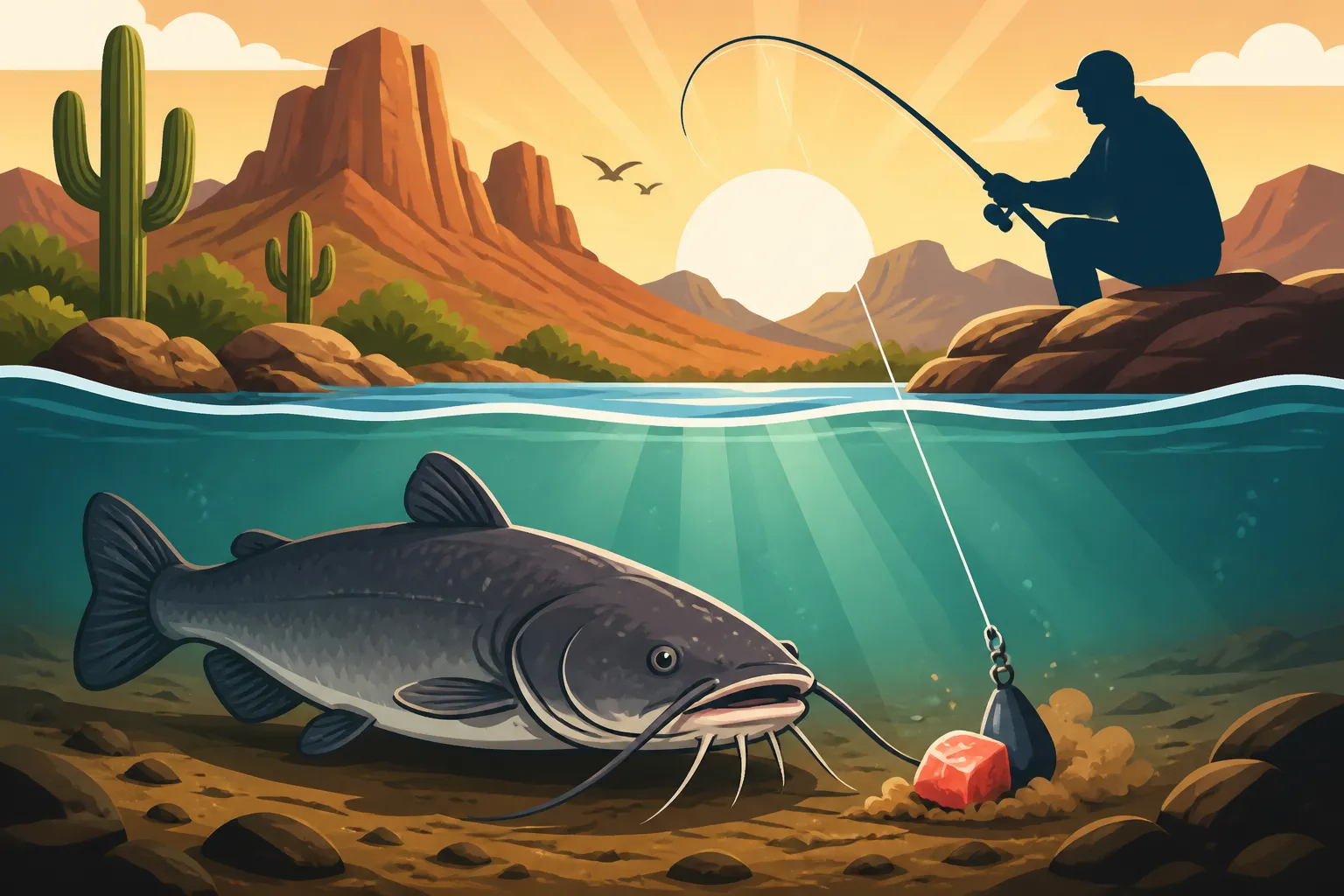
Cut bait is a universal favorite for all catfish species, but it's absolutely lethal for Flathead Catfish and large Channel Cats. The key here is fresh, oily fish. Shad, carp, bluegill, or even tilapia cut into chunks or strips are excellent choices. The blood and oils released from the cut bait create an irresistible scent and visual appeal. When preparing cut bait, ensure the pieces are large enough to stay on the hook but small enough for your target fish to swallow. For larger flatheads, a whole live bluegill or carp head can be an enticing offering. Many Arizona lakes, like Lake Pleasant and Roosevelt Lake, have abundant populations of these forage fish, making it easy to find fresh bait. Remember to check local regulations on using specific fish species as bait. Our guide on What Catfish Eat at Night has more insights into their feeding habits.
While flatheads have a strong preference for live bait, live baits like nightcrawlers (worms), minnows, or small sunfish can also be very effective for Channel Catfish and Bullheads. Worms are a classic, readily available, and universally appealing bait. Just thread a few nightcrawlers onto your hook, letting the ends dangle to create movement. For larger channels, a live minnow or a small bluegill, legally caught from the same body of water you're fishing, can be incredibly tempting. The struggling action of live bait sends out vibrations that catfish detect with their lateral lines. However, always double-check Arizona's regulations on using live bait from particular waters, as rules can vary. For a comparison, you might wonder, Is Live Bait Better Than Lures for Catfish?.
Presenting Your Bait Effectively
Getting your bait to the fish is only half the battle; presenting it in an enticing manner is the other. Even the best bait won't work if it's not positioned correctly.
When casting, aim to place your bait near the structures you've identified: the edge of a submerged creek channel, a rock pile, or a drop-off. If you're unsure of the exact location, try fan casting. This involves casting to different spots in a fan-like pattern around your position, allowing you to cover a wider area and locate where the fish might be holding. Once your bait is on the bottom, avoid constantly retrieving it. Catfish are often patient hunters; they'll follow a scent trail and take their time to investigate.
The beauty of bottom fishing rigs is that they generally do a good job of presenting your bait for you. With a Carolina rig, let the current or a slight retrieve gently drag your bait, making it appear natural. With a Santee Cooper rig, the float ensures your bait is visible above any muck. And with a three-way swivel rig in current, your bait will dance enticingly just above the sinker.
Patience is a virtue in catfish angling. After casting, let your bait sit for a good 15-30 minutes, sometimes even longer, before checking it. Give the scent time to disperse and fish time to find it. If you're not getting bites after a while, reel in, check your bait, and either cast to a slightly different spot or move to a new location entirely. Sometimes, just a slight adjustment in casting distance or angle can put your bait right in front of a hungry cat.
Mastering the Bottom Fishing Experience
Catfish fishing, particularly bottom fishing, is a skill that improves with practice and observation. It's not just about getting bait in the water; it's about understanding the subtle cues and maximizing your chances of success.
Interpreting Bites and Setting the Hook
One of the most exciting moments in fishing is feeling that first tap or tug. Catfish bites can range from incredibly subtle to violently aggressive, and knowing how to interpret them is crucial for a successful hook set.
When fishing with a traditional J-hook, you'll often feel a series of light taps or nudges as the catfish investigates the bait. This is a sign to pay close attention. Often, they'll then swim off with the bait, resulting in a strong, steady pull or even a sharp bend in your rod. With J-hooks, you typically want to wait until you feel that steady pull, then reel up any slack and set the hook with a firm, sweeping motion of the rod. Don't yank too hard, especially with lighter lines, but ensure enough force to embed the hook firmly.
However, if you're using circle hooks, the technique is different and often much easier. With circle hooks, the common advice is "no hook set required." When a catfish takes the bait and begins to swim away, the line tightens, and the hook is designed to slide into the corner of the fish's mouth. Instead of a hard hook set, you simply reel steadily into the fish. The circle hook does the work for you, resulting in almost universal lip-hooks, which are great for the fish's health if you plan on releasing it. This makes circle hooks particularly good for passive fishing with rod holders, where you can set multiple rods and let the fish hook themselves. Many anglers will set their rods in holders, engage the clicker on their baitcasting reel, or loosen their spinning reel's drag slightly, letting the fish run a bit before reeling in.
Best Times and Conditions for Catfish
Just like us, catfish have their preferred times to be active and conditions that get them feeding. Timing your trips wisely can significantly impact your success.
Generally, catfish are most active during periods of low light. This means dawn, dusk, and throughout the night are prime times for bottom fishing. During these periods, they feel more secure venturing out from cover to forage, and the water temperatures are often cooler, which they appreciate in Arizona's intense heat. Night fishing for catfish is a time-honored tradition in Arizona, often yielding the largest fish. To learn more about fishing after dark, check out Catfish Night Fishing Techniques.
Warmer water temperatures in late spring, summer, and early fall are when catfish truly hit their stride in Arizona. This is their peak feeding season. While they can be caught year-round, their metabolism slows in colder water, making them less active. During the scorching Arizona summers, targeting them in deeper, cooler water during low-light hours becomes even more crucial. For strategies to tackle fishing in the heat, our Summer Fishing Strategy for Desert Lakes offers valuable insights.
Another excellent condition to consider is post-rain or muddied waters. Catfish, particularly channel cats, have an incredible sense of smell and lateral line system. When a rainstorm stirs up the water, bringing nutrients and dislodged food into the system, catfish become highly active. The reduced visibility also works in their favor, making them more confident predators. Don't be afraid to hit the water after a good monsoon storm, as long as it's safe to do so.
External factors like barometric pressure and moon phase can also influence catfish activity. While not always a guaranteed predictor, a stable or falling barometric pressure often corresponds with increased feeding. Similarly, many anglers swear by certain moon phases for night catfishing. For a deeper dive into this, take a look at our article on How Moon Phase Affects Night Catfishing. Ultimately, consistency and being on the water when the fish are most likely to feed will lead to the best results.
Safety and Regulations for Arizona Catfish Anglers
Fishing is a fantastic pastime, but it's vital to prioritize safety and ensure you're always adhering to local regulations. Being a responsible angler means protecting yourself, the fish, and our shared natural resources.
Handling Catfish Safely
Catfish can be tricky to handle, especially if you're not used to their unique defense mechanisms. Their spines are sharp, and a poke can be painful and lead to infection.
When you land a catfish, particularly a larger one, it's a good idea to use gloves to protect your hands. This is especially true for Flathead Catfish, which have notoriously sharp pectoral and dorsal spines. These spines can lock into an upright position when the fish is stressed, making them effective deterrents. A good pair of fishing gloves provides excellent grip and protection.
For larger fish, always use a landing net. Trying to hoist a big catfish into a boat or onto the bank by the line can put unnecessary stress on the fish and potentially cause your line to break. A rubber-coated net is best, as it's gentler on the fish's slime coat and won't tangle hooks as easily. Once netted, try to keep the fish in the water as much as possible, especially if you plan to release it.
When unhooking, have a good pair of long-nose pliers or a de-hooking tool handy. These allow you to remove the hook efficiently and safely, minimizing contact with the fish's spines and reducing the time the fish is out of the water. If using circle hooks, they usually come out very easily from the corner of the mouth. If you encounter a deeper hook-set (rare with circle hooks), consider cutting the line as close to the hook as possible rather than risking severe injury to the fish trying to retrieve it. Always respect the fish, handling them gently and returning them to the water quickly if you're practicing catch and release.
Arizona Regulations and Conservation
Arizona has specific rules and regulations in place to manage our fisheries, ensure sustainable populations, and provide fair opportunities for all anglers. Ignorance of the law is never an excuse, so it's your responsibility to know the rules before you cast a line.
First and foremost, you absolutely need an Arizona fishing license. There are different types of licenses for residents and non-residents, and various durations. Always make sure your license is current and valid. Our comprehensive Arizona Fishing License Guide is an excellent resource for understanding the different options and how to obtain one.
Beyond the license, pay close attention to daily bag limits and possession limits. These dictate how many fish of a particular species you can keep in a single day and how many you can have in your possession (e.g., at home in your freezer). For catfish, limits can vary depending on the water body and species. For example, Flathead Catfish on certain stretches of the Colorado River might have specific size or bag limits different from Channel Catfish in an urban lake. It's crucial to check the latest Arizona Game and Fish Department fishing regulations booklet, available online or at most license dealers, or our guide on Fishing Bag and Possession Limits Explained.
There are also size limits for certain fish species in specific waters. This means fish must be within a certain length range to be legally kept. Always carry a tape measure to ensure your catch meets the legal requirements. Some waters may also have special regulations, such as specific gear restrictions, bait restrictions, or catch-and-release only sections. Our broader guide on Arizona Fishing Regulations Explained covers these topics in detail.
Finally, be aware that some popular fishing spots, particularly on Tribal Lands like San Carlos Lake, require additional permits beyond your state fishing license. If you're planning a trip to one of these areas, always research and secure the necessary tribal permits in advance. Our San Carlos Lake Arizona Fishing Guide can help you with what you need to know for that specific location. Responsible angling isn't just about following the rules; it's about being a good steward of our natural environment, leaving no trace, and helping conserve these amazing resources for future generations.
Comparing Bottom Fishing Rigs for Catfish
To help you choose the best bottom fishing rig for your next Arizona catfish adventure, here's a quick comparison of the three most popular options:
| Rig Name | Best Used For | Pros | Cons | Setup Components |
|---|---|---|---|---|
| Carolina Rig | Still water, light current, subtle bites | Allows bait to move naturally; fish feel minimal resistance; good for detecting timid bites. | Bait can get buried in soft mud; prone to snags in heavy cover; less effective in strong current. | Sliding sinker, bead, swivel, 12-24" leader, hook |
| Santee Cooper Rig | Muddy bottoms, light vegetation, subtle elevation | Lifts bait off the bottom and above minor snags; increased visibility in murky water. | Float adds some resistance; can still snag in very heavy cover; less streamlined for long casts. | Sliding sinker, bead, swivel, 12-24" leader, peg float/bobber on leader, hook |
| Three-Way Swivel Rig | Strong currents, river fishing, vertical presentation | Excellent for current; keeps bait stable and visible; reduces line twist; good for bouncing bottom. | More complex setup; can be prone to snags if dropper line is too long; not ideal for subtle presentations. | Mainline to 3-way swivel, short dropper to sinker, longer leader to hook |
Disclaimer
Fishing conditions and regulations in Arizona can change. Always consult the latest Arizona Game and Fish Department regulations before heading out. This guide is for informational purposes only, and we are not liable for any incidents or violations that may occur. Please fish responsibly and safely.