Best Sinker Weight for River Current
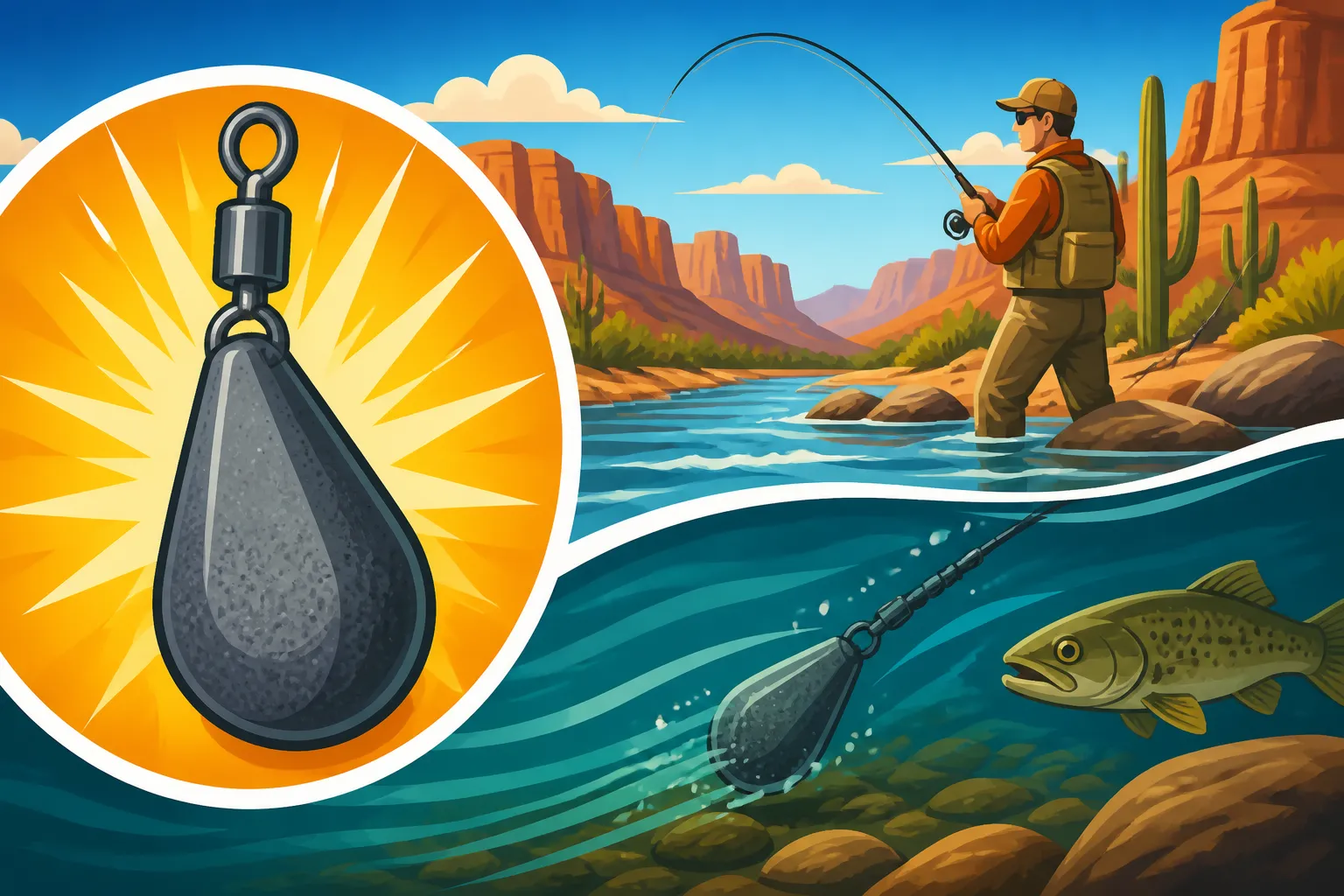
It's incredibly frustrating when you're out on one of Arizona's beautiful rivers, cast your line, and watch your bait or lure get immediately swept away by the current. You feel like you're constantly fighting the river, not the fish, and it makes getting a bite nearly impossible. This guide is here to help you conquer those swift currents by understanding how to pick the best sinker weight, ensuring your offering stays exactly where the fish are.
Understanding River Current and Its Impact on Fishing
Arizona's rivers, like the Salt River or the mighty Colorado, offer incredible fishing opportunities, but they also present unique challenges, especially when it comes to current. Unlike the relatively still waters of many lakes, a river's constant flow can make it tough to keep your bait or lure in the strike zone. If your weight is too light, your rig will simply drift downstream too quickly, never settling where you want it to. If it's too heavy, you might get snagged more often, and you won't be able to detect subtle bites because your line is essentially cemented to the bottom.
The current isn't just one static thing; it varies wildly. You might have a slow, meandering flow in one section and then hit a rapid, swirling eddy just around the bend. Factors like recent rainfall, dam releases, and the natural topography of the riverbed all contribute to how fast and strong the current is. Learning to "read the water" and understand these dynamics is the first step in choosing the right sinker.
The Dynamics of River Flow
Rivers are dynamic ecosystems, constantly changing. Water moves faster in the main channel, often near the surface, and slows down near the banks and the bottom due to friction with the riverbed and obstacles. When you're fishing, you're primarily concerned with the current speed at the depth you're targeting. A fast surface current might mask a slower current closer to the bottom, or vice versa. This is crucial because your sinker needs to counteract the force of the water pushing against your line and bait at that specific depth.
For instance, after a strong monsoon season downpour, a river like the Lower Salt can swell and pick up speed dramatically. What might have been a gentle flow last week could now be a raging torrent. Conversely, during periods of drought or reduced dam releases, the same sections might become much slower, requiring a completely different approach to your weight selection.
Why Correct Sinker Weight Matters
Using the appropriate sinker weight isn't just about keeping your bait in place; it's fundamental to effective river fishing. A properly weighted rig allows you to present your bait naturally, mimicking how natural food items would drift along the bottom or through the water column. It also helps you maintain contact with your bait, allowing you to feel subtle nibbles or determine if you're snagged. Without the right weight, you're essentially blind-casting into the unknown, hoping for a lucky strike rather than actively fishing. It can lead to a lot of wasted time, lost tackle, and frustration, especially when targeting bottom feeders like catfish or trying to present a worm to a cruising trout. Best Fishing Rods for Bass in Arizona talks about how your rod helps detect bites; the right sinker complements that sensitivity.
Key Factors for Choosing Sinker Weight in River Currents
Selecting the "best" sinker weight isn't a one-size-fits-all answer. It's a nuanced decision based on several critical factors working in concert. You'll need to consider everything from the river's speed to your fishing line and the type of bait or lure you're using.
Current Speed and Depth
This is arguably the most significant factor. The faster and deeper the current, the heavier your sinker will need to be.
- Slow Current (e.g., calm stretches of the Colorado River, back eddies): You might only need a very light sinker, perhaps 1/8 oz to 1/4 oz, just enough to get your bait down and maintain a slow drift. In these conditions, too much weight will make your presentation look unnatural and could spook fish.
- Moderate Current (e.g., typical flow in many Arizona streams, shallower river sections): Here, you'll likely be in the 1/4 oz to 1 oz range. The goal is to get your bait to the bottom or near it, but still allow for a natural drift that covers water.
- Fast Current (e.g., main channels of the Salt River, areas below dams, rapids): This is where you might need heavier sinkers, from 1 oz up to 3 oz or even more. The objective is to anchor your bait in place or slow its drift significantly, preventing it from being carried away instantly. For instance, when targeting larger fish in strong flows on the Colorado River Fishing Guide in Arizona, you'll often need substantial weight.
Type of Bait or Lure
The size, shape, and buoyancy of your bait or lure also play a huge role.
- Live Bait (e.g., worms, minnows, cut bait): Live bait, especially minnows or larger cut bait, has more resistance in the water. You'll need more weight to keep it down, particularly if the bait is actively trying to swim against the current. If you're using a buoyant bait like a marshmallow for trout, you might need a heavier sinker than you would with a sinking worm. Best Bait for Catfish in Arizona often includes cut bait, which requires good sinker selection in rivers.
- Artificial Lures (e.g., jigs, crankbaits, soft plastics): Many lures have built-in weight or are designed to dive. For jigs, the jig head itself is the sinker, and you'll choose heavier jig heads for stronger currents. For other lures, you might add a small amount of weight (like a split shot) ahead of the lure if you need extra depth or casting distance, but usually, the lure's design dictates its depth. If you're fishing with a Carolina rig for bass, the weight is separate from the lure, allowing the bait to move more freely. How to Fish a Carolina Rig for Largemouth Bass would delve into this setup.
Fishing Line Type and Diameter
Your fishing line's properties directly influence how much resistance it creates in the water.
- Monofilament: This line floats and has more diameter for a given breaking strength compared to fluorocarbon or braid. More surface area means more drag in the current, requiring slightly more weight to keep your rig down.
- Fluorocarbon: Denser than mono, fluorocarbon sinks on its own, which can be an advantage in current. Its lower diameter for comparable strength also reduces drag.
- Braided Line: The thinnest and strongest for its diameter, braided line cuts through the water with minimal resistance. This means you can often get away with a slightly lighter sinker compared to monofilament, all else being equal. However, braid is highly visible and has no stretch, which can make it feel like you're pulling a brick if your sinker is too heavy. Best Line for Catfish Fishing often highlights the benefits of strong, low-stretch lines in current.
Rod and Reel Setup
While not directly dictating sinker weight, your rod and reel setup affects what weight you can comfortably and effectively cast and manage. A lightweight spinning rod might struggle to cast a 2 oz sinker effectively, whereas a heavy-action baitcasting setup would handle it with ease. Always match your sinker weight to the recommended lure weight range on your rod. Trying to cast a sinker that's too heavy for your rod can lead to broken rod tips and frustration.
Common Sinker Types for River Fishing
Once you've considered the factors influencing weight, it's time to look at the tools available. There are numerous sinker types, each with its own advantages and disadvantages for river conditions.
Pyramid Sinkers
Description: These are perhaps the most iconic river fishing sinkers. True to their name, they are shaped like a pyramid with four triangular faces, tapering to a point. They often have a brass eyelet at the top for tying to your line.
Pros:
- Excellent Holding Power: The pointed edges and flat faces dig into the bottom, making them incredibly effective at resisting strong currents. They really dig in and stay put.
- Minimal Rolling: Their shape prevents them from rolling downstream, which is crucial for keeping your bait anchored in one spot.
- Good for Bottom Fishing: Ideal when you want your bait to stay exactly where you cast it, perfect for targeting catfish or other bottom dwellers in areas of swift flow. Bottom Fishing Techniques for Catfish would definitely recommend these.
Cons:
- Prone to Snags: Their digging-in quality, while great for holding, can also make them notorious for getting wedged between rocks or timber. This can lead to lost tackle, which is a common frustration for river anglers. Fishing Around Submerged Timber will explain why this is a concern.
- Less Sensitive: The firm grip on the bottom means they don't transmit subtle bites as well as other sinker types.
Flat Bank Sinkers
Description: These are typically oblong or egg-shaped but with flattened sides. They might have a swivel incorporated into one end.
Pros:
- Better Holding Than Egg Sinkers: The flattened sides give them more surface area to grip the bottom compared to rounder sinkers, reducing rolling in moderate currents.
- Less Snag-Prone Than Pyramids: While they hold well, they don't dig in as aggressively as pyramids, which can reduce snags in rocky or brushy areas.
- Versatile: A good all-around choice for a variety of river conditions and species.
Cons:
- Still Can Roll in Strong Currents: In very swift flows, they can still be pushed around more than a pyramid sinker.
- Can still snag: While better than pyramids, they're not immune to getting hung up.
Egg Sinkers
Description: Round or oval-shaped weights, usually with a hole running through the center. They are typically used in a "Carolina Rig" style setup, allowing the line to slide freely through them.
Pros:
- Low Snag Risk: Their smooth, rounded shape is less likely to get wedged in rocks or debris. They tend to roll over obstacles rather than getting stuck.
- Excellent Bite Detection: Because the line slides freely through the sinker, fish can pick up the bait without feeling the weight of the sinker, leading to more natural presentations and better bite detection.
- Natural Drift: Allows your bait to drift naturally with the current, while the sinker maintains bottom contact.
Cons:
- Poor Holding Power: Their rounded shape means they roll easily in current, making them unsuitable for anchoring bait in a fixed spot. They are designed for drifting or slow dragging.
- Requires Additional Terminal Tackle: You'll need a swivel and a leader to create a proper sliding rig, which adds a few more knots to tie.
Split Shot Sinkers
Description: Small, round lead or steel weights with a slit that allows them to be squeezed onto your fishing line. Often come in various small sizes.
Pros:
- Adjustable Weight: You can easily add or remove them to fine-tune your weight without re-tying your entire rig. This is incredibly handy when you're exploring different currents.
- Minimalist: They are small and inconspicuous, good for finesse presentations or adding just a touch of weight.
- Easy to Use: Simple to attach and detach.
Cons:
- Limited Weight: Even multiple split shots often won't provide enough weight for strong river currents. They're best for very light flows or adding supplementary weight.
- Can Damage Line: Repeatedly squeezing and removing them can weaken your fishing line if not done carefully.
Here's a quick comparison of these common river sinkers:
| Sinker Type | Best Current Conditions | Holding Power | Snag Risk | Bite Detection | Primary Use |
|---|---|---|---|---|---|
| Pyramid Sinker | Strong to Very Strong | Excellent | High | Low | Anchoring bait in swift current, still fishing |
| Flat Bank Sinker | Moderate to Strong | Good | Moderate | Moderate | General river fishing, light drift, bottom holding |
| Egg Sinker | Light to Moderate | Poor | Low | Excellent | Sliding rigs, natural drift, sensitive bites |
| Split Shot | Very Light | Minimal | Very Low | High | Finesse, supplementing weight, shallow drifts |
You can often find a great selection of these specialized sinkers at stores like Bass Pro Shops, or even browse a wide array of options on Amazon for convenience, ensuring you have the right tools for various Arizona river conditions.
Practical Tips for River Sinker Selection and Use
Choosing the right sinker is an ongoing process when river fishing. What works perfectly in one spot might be completely ineffective just a few yards upstream or downstream. Here are some actionable tips to help you adapt and succeed.
Start Light and Go Heavier
This is the golden rule of sinker selection in rivers. Always start with the lightest sinker you think might work. Cast it out, and observe what happens.
- Is it immediately getting swept away? Go up in weight.
- Is it rolling downstream too quickly, but still making bottom contact? Go up a notch in weight.
- Is it holding perfectly, or just slowly tumbling along the bottom? You've probably found a good starting point.
- Is it barely moving, or is your line completely slack because it's so firmly anchored? You might be too heavy, especially if you're trying to achieve a drift.
By starting light, you reduce your chances of getting snagged, you preserve your tackle, and you gain a better understanding of the current's true strength at your fishing depth.
Read the Water and Adjust Constantly
Rivers are not static. Current speeds can change with the time of day (due to dam releases), recent rainfall, or even just shifting sandbars. Learn to look for visual cues:
- Ripples and Whitewater: Indicate faster, shallower currents.
- Smooth, Dark Patches: Often suggest deeper, slower water.
- Eddies and Backcurrents: Swirling water near banks or obstacles can offer calmer pockets where fish lie in wait. These areas might require much lighter weights.
- Debris on the Surface: Fast-moving debris signifies a strong current that will require a heavier sinker.
Be prepared to change your sinker weight multiple times throughout a single fishing trip. Keep a variety of sinker weights and types readily accessible in your tackle box. This adaptability is key to success on dynamic Arizona rivers.
Consider a Two-Rod System
If you're fishing with a partner, or if regulations allow you to use more than one rod, consider setting up different rigs. One rod might be rigged with a heavier pyramid sinker to hold bait firmly in a strong current, targeting species like large flathead catfish that hug the bottom. The other might have a lighter egg sinker or a few split shots for a more natural drift, perhaps for rainbow trout in a calmer section. This allows you to experiment and cover different current conditions and fishing techniques simultaneously.
The Importance of Snag Prevention
Snags are an inevitable part of river fishing, but you can minimize them.
- Use the Right Sinker Type: As discussed, egg sinkers are generally less prone to snags than pyramids.
- Lighter Line as a Sacrificial Leader: Some anglers use a slightly lighter pound-test line for their leader material when fishing heavy current with bottom rigs. If you get snagged, the leader breaks first, saving your main line, and often, your expensive sinker.
- "Pop" Your Rig: If you feel your sinker getting hung up, try giving your rod tip a sharp, upward jerk. This can sometimes dislodge the sinker from a crack or crevice before it gets completely stuck.
Remember, every lost sinker and hook is tackle you have to replace. Planning for snags is part of river fishing, and adapting your sinker choice is your best defense. For general gear advice, Best Tackle for a First Fishing Trip has good foundational info.
Disclaimer
This article is for general informational purposes only and does not constitute professional advice. Laws, prices and regulations vary by location and change over time. Consult a qualified professional for guidance on your specific situation.