Is a Cooler Necessary for a Short Fishing Trip?
Even for what seems like a quick jaunt to your favorite Arizona fishing spot, many anglers wonder if lugging a cooler is genuinely necessary. Given the often scorching temperatures and the rapid nature of degradation, especially with fresh catches or personal provisions, the truth is, a cooler is almost always a non-negotiable piece of gear for any fishing trip in Arizona, no matter how short. This guide will walk you through why it's so important, what to consider, and how to make the best choice for your adventures.
The Unavoidable Truth: Arizona Heat and Perishables
Arizona's climate is iconic for its sunshine, but that sunshine comes with intense heat, which can quickly turn a successful fishing trip into a disappointing one if you're not prepared to protect your catch and yourself. This isn't just about comfort; it's about food safety and personal well-being.
The Swift Spoilage of Your Catch
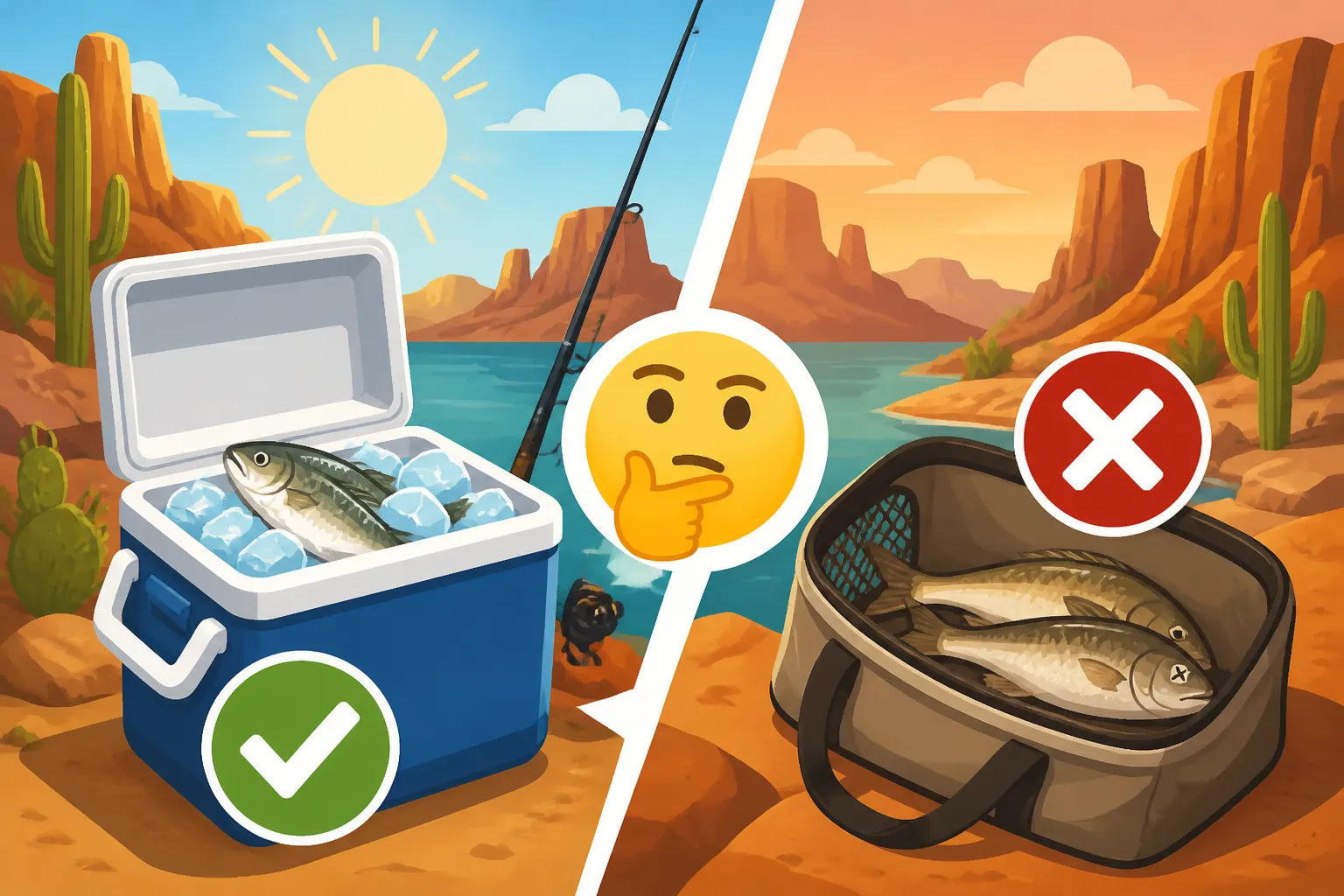
Imagine pulling a beautiful largemouth bass or a healthy channel catfish from the cool waters of Lake Pleasant or Roosevelt Lake. You're proud, you snap a photo, and then you lay it on the bank or the deck of your boat, thinking you'll be heading home in an hour or two. In Arizona's dry heat, even an hour can be too long. Fish, especially freshwater species, begin to degrade almost immediately once out of the water, and heat dramatically accelerates this process. The delicate flesh can start to break down, bacteria can multiply rapidly, and the flavor you worked so hard to catch can be compromised.
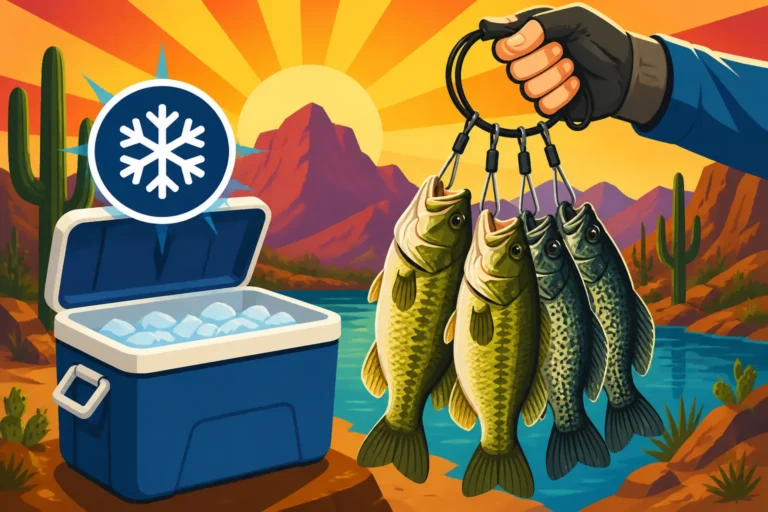
Without proper cooling, that prize catch will quickly lose its quality, potentially becoming unsafe to eat. The goal is to get your fish onto ice as soon as possible, chilling it rapidly to slow bacterial growth and maintain the firm texture and fresh taste. Even if you're only targeting smaller panfish like bluegill for a quick fry, they deserve the same immediate care. A cooler isn't just a convenience; it's a vital tool for ensuring that your harvest is delicious and safe for your dinner table.
Personal Hydration and Comfort on the Water
Beyond preserving your catch, a cooler plays an absolutely critical role in keeping you, the angler, safe and comfortable. Arizona's sun can be relentless, and even on a mild winter day, direct sunlight can dehydrate you quickly. For a short trip, you might think a single bottle of water is enough, but unexpected delays, longer-than-planned bites, or simply forgetting to constantly sip can put you at risk of heat exhaustion or dehydration.
Having a cooler packed with ice-cold water, electrolyte drinks, and maybe even a chilled sandwich or fruit makes a world of difference. It's a morale booster when the mercury climbs, offering a refreshing respite that allows you to focus on fishing rather than the burning sun. A cooler ensures you have a continuous supply of cold beverages, keeping your core temperature down and your energy up. This isn't just about feeling good; it's a fundamental part of Heat Safety Tips for Summer Fishing in Arizona and vital for enjoying your time on the water without health risks.
More Than Just Fish: What Else a Cooler Protects
Thinking of a cooler solely for fish is a common misconception, especially on shorter outings. In reality, this versatile piece of gear serves multiple purposes that contribute to a successful and enjoyable day, extending its utility far beyond just keeping your catches frosty.
Keeping Your Food and Drinks Safe and Refreshing
Let's be honest, few things are as satisfying as a cold drink or a fresh snack when you're out under the Arizona sun, whether you're at Lake Havasu or a community fishing pond. For many anglers, a "short" trip can easily turn into several hours if the bite is on, or if you simply lose track of time enjoying the peace and quiet. Bringing perishable food like sandwiches, salads, or even just some fruit without a cooler is a recipe for disappointment, and potentially foodborne illness, in the Arizona climate.
A cooler provides a crucial barrier against the heat, keeping your lunch fresh and your beverages icy. Imagine biting into a crisp apple or a perfectly chilled deli sandwich that has been kept cool, rather than a lukewarm, wilted version. This level of comfort can significantly enhance your experience, making those short trips feel like a mini-retreat. Even for just a few hours, a well-packed cooler ensures you're nourished and refreshed, allowing you to maximize your time actually fishing. It’s part of a solid Best Fishing Gear Checklist for Desert Lakes.
Preserving Bait and Other Temperature-Sensitive Items
Fish aren't the only ones who appreciate a cool environment. Many types of bait, particularly live bait, thrive in cooler conditions. Minnows, worms, and even some scented artificial baits can quickly become sluggish, die, or melt into an unusable mess if exposed to direct sun and high temperatures. Imagine spending money on live shiners for striped bass fishing at Lake Powell only to find them dead or lethargic an hour into your trip because your bucket warmed up.
A small, dedicated cooler can keep your bait lively and effective, improving your chances of success. Beyond bait, think about other items that might benefit from being kept cool. Medications, certain types of sunscreen, or even electronics can be sensitive to extreme heat. While not their primary function, a cooler offers a safe, cool haven for these essential items, protecting your investment and ensuring they perform as expected. For anglers who prefer certain Best Baits and Lures for Arizona Fishing, keeping them in prime condition is key, and a cooler helps achieve that. You can find excellent options for both personal coolers and bait coolers at places like Bass Pro Shops or through various sellers on Amazon, ensuring you have the right gear for every type of trip.
Picking the Perfect Cooler for Your Quick Arizona Trip
Choosing a cooler isn't a one-size-fits-all decision, especially when considering the unique challenges of Arizona's climate and the typical duration of a "short" fishing trip. You want something effective without being cumbersome.
Sizing Up Your Needs: Portability vs. Capacity
For a short fishing trip, you certainly don't need a giant, expedition-style cooler designed for multi-day excursions. The key is to find a balance between adequate capacity for your anticipated needs (a few drinks, a sandwich, maybe a couple of fish) and ease of portability. A 20-quart or 30-quart hard-sided cooler, or a well-insulated soft-sided cooler in a similar capacity, is often perfect. These sizes are manageable to carry from your vehicle to a shore fishing spot or to fit comfortably in a smaller boat or kayak.
Consider how you'll be transporting it. Will you be hiking a short distance to a remote stream, or simply pulling it out of your truck at a developed lake access point? If you're planning on Kayak Fishing Techniques for Desert Lakes, a more compact, soft-sided cooler might tuck away more efficiently. If you're on a larger boat, you might have room for a slightly bigger hard-sided option. The goal is to have enough space for what you need without overpacking, which just adds unnecessary weight and bulk.
Key Features for Beating the Desert Sun
When fishing in Arizona, insulation quality is paramount. A cheap cooler might suffice for a picnic in milder climates, but in 100-degree heat, you'll be buying ice every couple of hours. Look for coolers with thick insulation, often referred to as "rotomolded" construction for hard-sided models, or high-density foam for soft-sided versions. These are designed to hold ice for extended periods, sometimes days, which is exactly what you need to combat the intense sun. Many reputable brands specialize in this, and you can often find a wide array of options whether you're browsing Bass Pro Shops or exploring the selection on Amazon.
Other helpful features include sturdy latches that seal tightly to prevent cold air from escaping, and a drain plug on hard-sided coolers for easy water removal without having to tip the whole thing over. Durable construction is also a plus, as coolers often take a beating during transport and use. Investing in a quality cooler, even for short trips, means your ice will last longer, your drinks will stay colder, and your fish will remain fresher, ultimately making your Arizona fishing experience much more enjoyable.
Here’s a quick comparison of common cooler types for short trips:
| Cooler Type | Pros for Short Trips | Cons for Short Trips | Best Use Case |
|---|---|---|---|
| Hard-Sided (Rotomolded) | Excellent insulation, very durable, long ice retention | Heavier, bulkier, can be more expensive | Shore fishing, boat fishing, when maximum ice retention is key |
| Hard-Sided (Injection Molded) | Good insulation, more affordable than rotomolded, decent durability | Moderate ice retention, still somewhat bulky | Casual outings, shorter durations, budget-conscious |
| Soft-Sided (Insulated) | Lightweight, highly portable, easy to carry, flexible storage | Shorter ice retention, less durable than hard-sided, limited capacity | Hike-in spots, kayak fishing, quick grab-and-go trips |
| Cooler Backpack | Hands-free transport, very portable, good for hiking | Limited capacity, ice retention varies, can be uncomfortable if too heavy | Hiking to remote fishing spots, hands-on activities |
Beyond the Cooler: Alternatives and Smart Practices
While a cooler is generally an indispensable item for Arizona fishing, there are specific scenarios and alternative practices that might influence your decision. It's about smart planning and understanding your priorities for the day.
When Catch-and-Release Changes the Equation
If your fishing philosophy strictly adheres to catch-and-release, then the primary need for a cooler to store fish disappears. Many anglers enjoy the thrill of the catch but prefer to return fish to the water to ensure healthy populations for future generations. In such cases, the emphasis shifts entirely to personal comfort and hydration. You still need a reliable way to keep your water, sports drinks, and snacks cold, especially when battling the sun and heat that are characteristic of Arizona.
For these trips, a smaller, lighter soft-sided cooler or a high-quality insulated backpack might be perfectly adequate. These options are less cumbersome, easier to transport to remote areas, and still provide the vital cold storage for your personal provisions. Even when practicing Catch and Release Rules for Arizona Anglers, ensuring your own well-being with ample cold hydration is paramount, making a cooler, in some form, still an essential piece of your gear.
Short Trip? Still Plan for the Unexpected
It's tempting to think that a "short trip" to a local community lake or a quick run to a familiar spot means you can forgo the cooler. Perhaps you're only planning to be out for an hour or two in the early morning or late evening when temperatures are milder. However, the unexpected can always happen. A hot bite might keep you out longer than planned, your car could break down, or you might decide to explore a different area. These unforeseen circumstances, coupled with Arizona's rapidly changing temperatures, can quickly turn a no-cooler decision into a regret.
It’s always better to be overprepared, especially when it comes to food safety and hydration. Even for a seemingly brief outing, having a small cooler with a few bottles of water and a cold pack for any potential keepers provides peace of mind. Think of it as an insurance policy. A few extra pounds of gear in the form of a small, packed cooler is a minor inconvenience compared to the discomfort of dehydration or the disappointment of spoiled fish. So, whether you're targeting Best Bass Fishing Lakes in Arizona or just tossing a line into a local pond, always err on the side of caution and bring that cooler.
Disclaimer
This article is for general informational purposes only and does not constitute professional advice. Laws, prices and regulations vary by location and change over time. Consult a qualified professional for guidance on your specific situation.