Best Stringer for Keeping Fish Fresh
Oh, the sheer joy of landing a beautiful fish in one of Arizona's stunning lakes or rivers! But then, the immediate dread sets in: how do you keep that precious catch fresh in this relentless desert heat? Nothing is more disheartening than a fish that goes bad before it even hits the cooler. This guide is all about helping you beat the heat and ensure your hard-earned fish stays perfectly fresh, focusing on the best stringers and essential practices for Arizona's unique environment.
Why Keeping Your Catch Fresh is a Challenge in Arizona
Let's be real, fishing in Arizona means battling more than just the fish themselves; you're often up against Mother Nature's formidable thermostat. The moment a fish leaves the water, the clock starts ticking, and in our beautiful but often scorching state, that clock runs a whole lot faster than in cooler climates.
The Relentless Arizona Heat
Picture this: you've just pulled a nice bass from Lake Pleasant on a summer morning. The air temperature is already climbing into the high 90s, and the surface water temperature feels like a warm bath. That fish, once thriving in its aquatic environment, is now exposed to conditions that are prime for rapid spoilage. Bacteria, naturally present on and in the fish, multiply exponentially in warm temperatures. What might take hours to become noticeable in a cooler climate can happen in minutes here. The flesh can soften, the eyes can cloud, and that fresh "fishy" smell quickly turns into something far less appealing. It's a truly disappointing experience to have a perfectly good catch become inedible due to the heat, leaving you feeling like all that effort was for nothing.
The Importance of Immediate Care
Because of the rapid onset of spoilage in Arizona, immediate and proper care of your catch isn't just a suggestion; it's an absolute necessity. If a fish is left to flounder on a traditional stringer in warm water or, even worse, tossed onto a hot boat deck, its internal temperature will rise quickly. This not only accelerates bacterial growth but also triggers enzymatic processes within the fish that break down its flesh, affecting both taste and texture. The delicious, flaky meat you anticipate for dinner can turn mushy and lose its flavor. Beyond the culinary aspect, there's an ethical responsibility to ensure that any fish you harvest is handled with respect and utilized properly. A wasted fish is a failure of that responsibility. That’s why understanding the right tools and techniques for immediate care is paramount for every Arizona angler. You can learn more about general rules in our Arizona Fishing Regulations Explained guide.
Types of Stringers and Their Effectiveness in Arizona's Climate
When it comes to keeping your catch fresh, not all stringers are created equal, especially when you factor in Arizona's heat. Understanding the differences is key to making the right choice for your fishing adventures.
Traditional Rope or Chain Stringers
These are likely what first comes to mind when you hear the word "stringer." They consist of a simple rope or a chain with clips that pass through the gill plate and out the mouth of the fish. The idea is to keep the fish alive in the water until you're ready to head home.
Pros:
- Affordable and Simple: They are generally inexpensive and incredibly easy to use. No fancy parts, no complex setup.
- Keeps Fish Alive (Temporarily): In ideal conditions, like deep, cool mountain lakes or during the cooler months, these can keep fish alive and relatively healthy for a short period. If you're fishing a cold stream up in the White Mountains, a basic rope stringer might be just fine for an hour or two.
Cons for Arizona:
- Stress and Damage: Fish on traditional stringers are often stressed, especially if they're jostled around or if multiple fish are sharing the same string. The clips can cause tissue damage, which further accelerates spoilage once the fish dies.
- Warm Water Risk: This is the big one for Arizona. If the water is warm, which it often is in our desert lakes, fish on a stringer are essentially swimming in a warm bath. Their metabolism speeds up, they burn energy, and they can die from stress and lack of oxygen. A dead fish in warm water spoils incredibly quickly.
- Predation Risk: Leaving fish in the water on a stringer can make them vulnerable to opportunistic predators like turtles, birds, or even larger fish. There's nothing worse than coming back to find half your catch gone!
- Limited Freshness: Even if the fish stays alive, prolonged exposure to warm water means its internal temperature is rising, and the quality of the flesh starts to degrade. For truly "fresh" fish that tastes its best, a traditional stringer in hot Arizona conditions is simply not the optimal choice.
While they have their place in certain situations, for most Arizona fishing, especially for species like bass, catfish, or crappie in warmer waters, traditional stringers are often a recipe for disappointment. You can find simple stringers at any local tackle shop or even on Amazon, but consider their limitations here.
Livewells and Insulated Stringer Bags
When serious about preserving your catch in Arizona's heat, you need to think about keeping fish cool, not just wet. This is where livewells and, more practically for many anglers, insulated stringer bags come into play.
Livewells: For those with boats, a built-in livewell is the gold standard for keeping fish alive. They circulate fresh water, often with aeration, to maintain a cool and oxygenated environment. This is fantastic for catch-and-release tournaments or simply keeping fish vibrant until you're ready to process them. However, livewells are stationary and require a boat, which isn't an option for everyone.
Insulated Stringer Bags: This is where the magic happens for many Arizona anglers, whether you're fishing from shore, a kayak, or a smaller boat. These bags are essentially soft-sided coolers specifically designed for fish.
- Design: They typically feature a rugged outer shell, a thick layer of insulation, and a waterproof, often removable, liner. Many have heavy-duty zippers and a drain plug for easy cleaning and water removal. Some are long and slender, perfect for larger species like striped bass or flathead catfish.
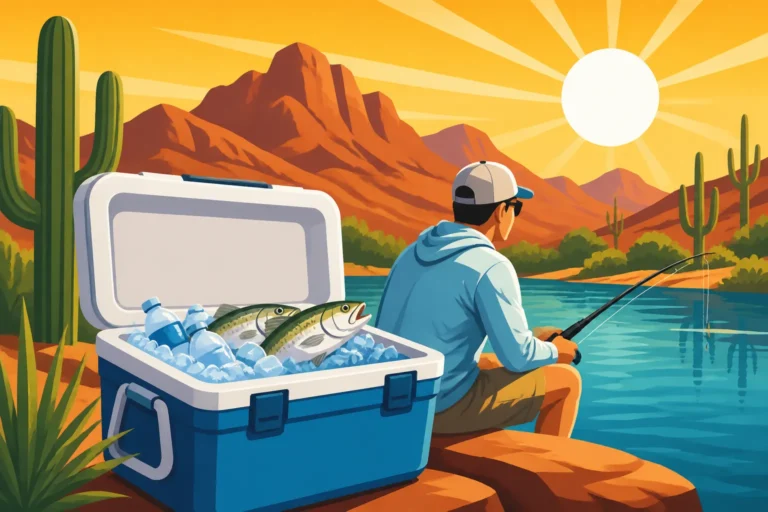
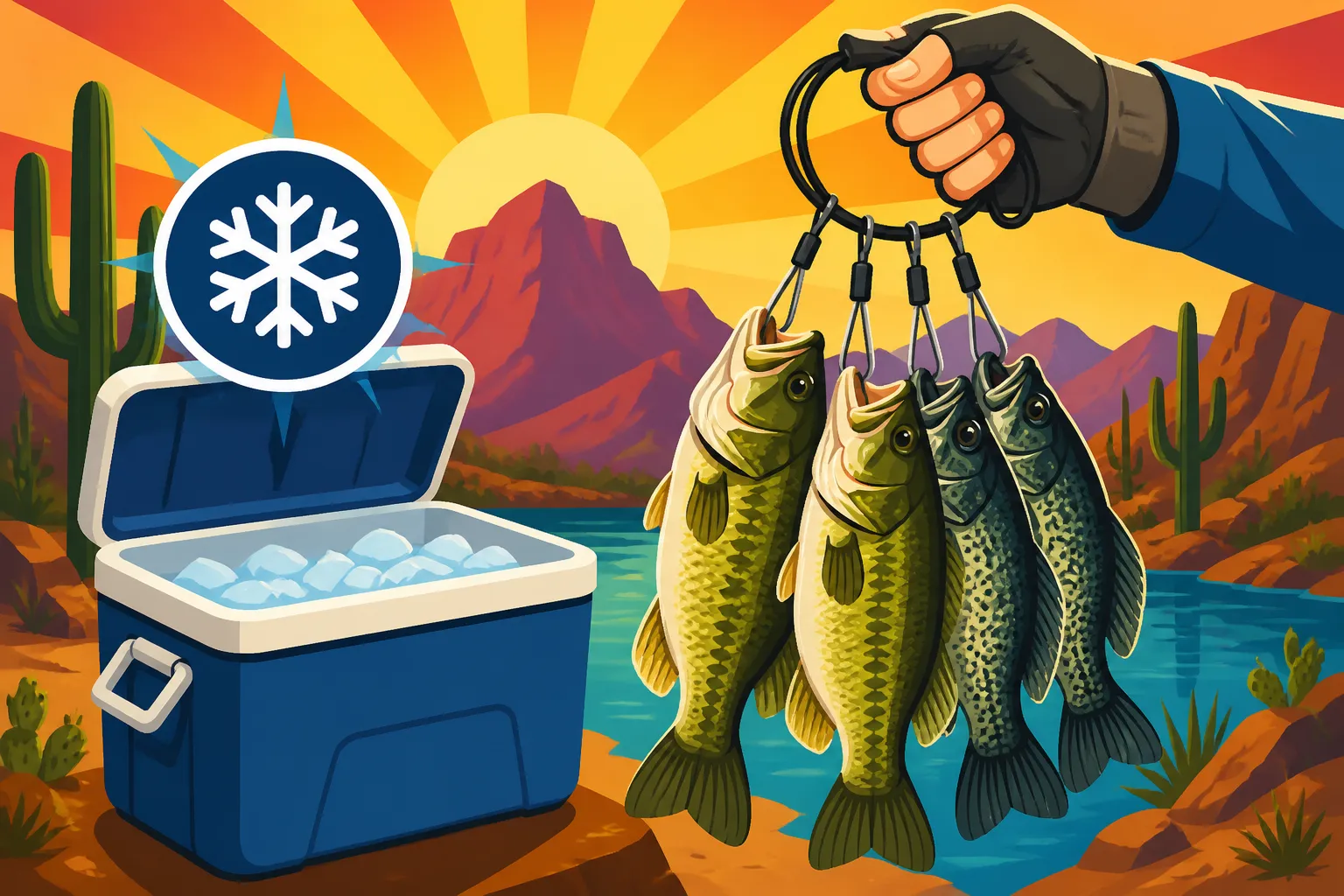
- How They Work: The principle is simple: add ice! By immediately dispatching your fish humanely and placing it on ice inside an insulated bag, you rapidly drop its core temperature. This halts bacterial growth and enzymatic activity, preserving the flesh quality.
- Pros:
- Superior Freshness: This is by far the most effective method for maintaining peak freshness in Arizona's heat. Fish kept on ice will taste noticeably better and last longer.
- Reduced Stress/Damage: No clips, no struggling. The fish is dispatched quickly and respectfully.
- Protection: The bag protects the fish from direct sunlight, air exposure, and physical damage during transport.
- Versatile: Great for shore anglers, kayakers, and boaters alike. Many models have shoulder straps or handles for easy carrying.
- Food Safety: Keeps fish well below the "danger zone" for bacterial growth.
- Cons:
- Bulkier and Heavier: More substantial than a simple rope stringer, especially when filled with ice and fish.
- Requires Ice: You need to plan ahead and bring a good amount of ice, which adds cost and weight.
- Higher Cost: Insulated stringer bags are an investment compared to basic stringers, but worth it for the quality of your catch.
- Storage: Needs proper cleaning and drying after each use to prevent odors and mildew.
For superior fish preservation in Arizona, an insulated stringer bag is a game-changer. Brands like Reliable Fishing Products or Yeti offer excellent, albeit pricier, options, and you can often find good quality insulated fish bags at Bass Pro Shops or on Amazon.
Basket-Style Creels and Their Modern Adaptations
Creels have a long history in fishing, particularly for trout anglers. Traditionally made of wicker or canvas, they offered a way to carry fish while allowing some air circulation.
Traditional Creels (Wicker/Canvas):
- Pros: Lightweight, allows air circulation (which is good for avoiding sogginess if not on ice), classic aesthetic. Great for small stream fishing in cooler climates where ambient temperatures keep fish cool.
- Cons for Arizona: Virtually useless for keeping fish cool in Arizona's heat. The air circulation would simply expose the fish to hot air, accelerating spoilage. They offer no insulation or protection from the sun. Fish would likely spoil quickly, especially larger species.
Modern Insulated Creel/Basket Designs:
Recognizing the limitations of traditional designs, some manufacturers have introduced modern creels that incorporate insulation.
- Design: These often look like a hybrid between a traditional creel and a small soft cooler. They might have a rugged fabric exterior, foam insulation, and sometimes a removable, waterproof liner that can hold a small amount of ice or gel packs.
- How They Work: Similar to insulated stringer bags, the goal is to create a cool environment. You'd typically place a small amount of ice or frozen gel packs inside with your fish.
- Pros:
- Better Protection: Offers more physical protection for the fish than an open stringer.
- Improved Freshness: Significantly better than a traditional creel or rope stringer in modest heat.
- Portability: Often designed to be worn over the shoulder or on a belt, making them suitable for wading or light hiking.
- Cons:
- Limited Capacity: Generally smaller than insulated stringer bags, making them less ideal for a large haul or bigger fish.
- Ice Retention: While insulated, they might not hold ice as long or as effectively as a dedicated insulated stringer bag, particularly in extreme Arizona heat.
- Price: More expensive than traditional creels but generally less than high-end insulated bags.
Modern insulated creels can be a decent option for stream fishing for trout in cooler Arizona mountain regions, or for short trips where you're only keeping a few panfish. For those who frequently hike to remote fishing spots, their portability can be a plus. Consider your target species and typical fishing conditions before opting for this style. When you're thinking about Best Trout Fishing Spots in Arizona, a modern insulated creel might be something to consider.
Key Features to Look for in a Stringer for Arizona Fishing
Choosing the right stringer for Arizona isn't just about picking the first one you see. It's about selecting a tool that can stand up to the unique challenges of our desert environment and genuinely help keep your catch in prime condition.
Insulation and Ice Retention
This is, without a doubt, the single most critical feature for any stringer intended for use in Arizona. If your stringer can't keep things cold, it's essentially just a fancy way to carry warm fish.
- Understanding Insulation Types: Look for stringers that boast thick, closed-cell foam insulation in their walls, lid, and bottom. Some higher-end bags might also incorporate reflective barrier technology, similar to what you find in quality coolers, to reflect radiant heat away from the interior. The thicker the insulation, generally, the better the ice retention.
- The Power of a Good Seal: A poorly sealed lid or zipper will negate even the best insulation. High-quality insulated stringer bags will feature heavy-duty, often waterproof or water-resistant, zippers that seal tightly. Look for zippers that feel robust and don't easily snag. Some might even have a roll-top closure with buckles, which can be very effective at creating an airtight seal.
- How Long Can It Keep Ice? While no stringer bag will perform like a high-end hard cooler that can hold ice for days, a good one for Arizona conditions should be able to maintain ice for at least a full day of fishing, even in 90-100 degree weather, assuming it's kept out of direct sun as much as possible. This sustained cold environment is what prevents bacterial growth and keeps the fish firm and fresh.
- Preventing Spoilage: By rapidly chilling the fish's core temperature, you effectively put bacteria into a dormant state and slow down the enzymatic breakdown of tissues. This means the fish retains its natural flavor, firm texture, and vibrant appearance, making for a much more enjoyable meal. This is especially important for fish like striped bass from Lake Powell or larger catfish from the Colorado River.
Durability and Materials
Arizona's environment is not kind to gear. Intense UV radiation, abrasive rocky shores, and the general wear and tear of fishing demand a stringer built to last.
- UV Resistance: Constant exposure to the desert sun can quickly degrade flimsy fabrics. Look for exterior materials made from heavy-duty, UV-resistant denier nylon or similar rugged, marine-grade fabrics. These will resist fading, cracking, and weakening over time.
- Puncture Resistance: Fish have sharp fins, spines, and hooks. The interior and exterior of your stringer need to be able to withstand these without puncturing. A good quality stringer bag will have robust, often reinforced, liners that are resistant to tears and punctures, preventing leaks and maintaining insulation integrity.
- Easy to Clean, Food-Grade Materials: Maintaining hygiene is paramount for food safety. The interior liner should be smooth, non-porous, and easy to wipe down. Many are made from food-grade TPU or PVC, which won't absorb odors or harbor bacteria. A good drain plug is also a massive plus for quickly flushing out melted ice and fish slime.
- Rust-Proof Components: Any metal hardware, such as zipper pulls, D-rings for straps, or drain plugs, should be made from stainless steel or other corrosion-resistant materials. The combination of water and heat will quickly rust inferior metals.
Investing in a durable stringer means it will perform reliably for many seasons of Arizona fishing, saving you money and hassle in the long run.
Portability and Capacity
Your stringer needs to fit your fishing style and the size of your potential catch. After all, what good is a perfect stringer if it's a pain to use or can't hold your fish?
- How Will You Carry It?
- Shore Fishing: If you're hiking to a remote spot along the Salt River or bank fishing at a community lake, a stringer bag with a comfortable shoulder strap or backpack-style straps is ideal. You want something that won't impede your movement or become cumbersome when full. Lightweight options found on Amazon can be a great starting point. Consider our Best Shore Fishing Spots in Arizona guide for ideas.
- Kayak Fishing: For kayak anglers, a more compact, cylindrical or low-profile bag that can lie flat in the hull or across the stern is excellent. Many have attachment points for securing to your kayak. Explore options for Kayak Fishing Techniques for Desert Lakes.
- Boat Fishing: On a boat, you have more flexibility, but a bag that drains easily and can be stowed efficiently is still important.
- Size and Weight (Empty vs. Full): Always consider the dimensions and empty weight of the stringer. A massive bag might seem great for capacity, but if it's unwieldy empty, it will be impossible when full of fish and ice. Look for a balance that suits your typical catch size and the amount of gear you usually carry.
- Fish Capacity and Organization: How many fish do you typically keep, and how big are they? Stringers come in various lengths and volumes. Some larger bags even have internal dividers or pockets, which can be useful for separating different species or keeping your lunch cold and away from the fish (though it's usually best to have a separate cooler for food). For understanding how many fish you can keep, check out our Fishing Bag and Possession Limits Explained.
- Easy Draining Features: A good drain plug or a zippered opening at the bottom that allows for quick and complete drainage of melted ice and fish juices is a huge convenience. It makes cleaning easier and lightens the load for transport.
By carefully considering these features, you can choose a stringer that not only keeps your fish fresh but also enhances your overall Arizona fishing experience.
Best Practices for Maximizing Fish Freshness with Any Stringer
Having the right stringer, especially an insulated one, is a huge step, but it's only part of the equation. To truly maximize the freshness of your catch in Arizona, you need to follow a few critical steps from the moment the fish comes out of the water.
The Importance of Quick Dispatch and Bleeding
This might sound a bit harsh, but how you handle a fish immediately after catching it makes a monumental difference in its quality as table fare.
- Humane Dispatch: The goal is to minimize stress and get the fish's metabolism to stop as quickly as possible. The most humane and effective method is often a sharp blow to the head, directly above the eyes, with a priest (a small, blunt club) or a heavy object. This immediately stops brain activity. A struggling fish releases stress hormones (cortisol) that can negatively impact the flavor and texture of its meat.
- Why Bleeding is Crucial: Once the fish is dispatched, bleeding it immediately is the next critical step. Blood contains enzymes that contribute to spoilage and can give the fish a stronger, more "fishy" taste. By bleeding the fish, you remove a significant portion of these undesirable elements.
- How to Bleed a Fish Properly:
- Cut the Gills: The most common method is to sever the main artery running along the bottom of the gill plate with a sharp knife. You can also simply cut through the entire gill arch.
- Cut the Tail (Optional): For larger fish, a cut at the base of the tail, severing the spinal cord and main artery, can also be effective in conjunction with gill cuts.
- Place in Water (Briefly): For best results, after making the cut, place the fish back into a bucket of water or directly into the lake/river for a few minutes while it bleeds out. This helps the heart pump the blood out more effectively. Watch as the water turns reddish, then clears.
- Rinse and Ice: Once bled, give the fish a quick rinse to remove any excess blood and then immediately transfer it to your insulated stringer bag with ice.
This quick, humane dispatch and bleeding process might seem like extra work, but it pays dividends in the final taste and quality of your meal.
Ice, Ice, Baby!
If Arizona fishing has one golden rule for keeping fish fresh, it's this: always bring plenty of ice. In our climate, ice is not optional; it's essential.
- How Much Ice? A good rule of thumb is to have a 2:1 ratio of ice to fish by weight. So, for every pound of fish you anticipate catching, bring at least two pounds of ice. It sounds like a lot, but it ensures your fish stays properly chilled.
- Types of Ice:
- Crushed or Cubed Ice: This works well as it conforms to the shape of the fish, providing maximum contact. However, it melts faster.
- Block Ice: Melts much slower than cubed ice, making it excellent for longer trips. You can use it as a base layer in your stringer bag.
- Gel Packs: These are reusable and mess-free but typically don't get as cold as ice or provide the same full contact. Best used in conjunction with actual ice or for very short trips with small fish.
- Layering Fish and Ice: Don't just dump fish on top of ice. Create layers. Start with a bed of ice, then place a single layer of fish, then more ice, then more fish, and so on. Ensure each fish is surrounded by ice. This guarantees even cooling and prevents "hot spots" where bacteria can thrive.
- Keeping the Stringer Out of Direct Sunlight: Even the best-insulated stringer bag will struggle if left baking in the Arizona sun. Whenever possible, keep your stringer bag in the shade. This could mean under a boat seat, beneath a tarp, or even just tucked behind a rock if you're shore fishing. The less heat the bag absorbs from the outside, the longer your ice will last and the colder your fish will stay. Consider the Heat Safety Tips for Summer Fishing in Arizona for overall well-being.
Cleaning and Maintenance
Your stringer, especially an insulated bag, is a piece of food-contact equipment. Proper cleaning after each use is vital to prevent odors, bacterial contamination, and prolong its life.
- Rinse Immediately: As soon as you've unloaded your fish, give the stringer a thorough rinse with fresh water. Use a hose to flush out any fish slime, blood, and melted ice.
- Wash with Soap: Use a mild soap (like dish soap) and a soft brush or sponge to scrub the interior liner. Pay attention to corners and seams where gunk can accumulate. For stubborn odors, a diluted solution of baking soda and water or even a specialized cooler cleaner can work wonders.
- Rinse Thoroughly Again: Ensure all soap residue is completely rinsed away.
- Air Dry Completely: This is perhaps the most important step to prevent mildew and lingering fishy smells. Leave the stringer open in a well-ventilated area, preferably upside down or propped open, to allow air to circulate freely. Do not zip it up and store it wet; you'll be met with a nasty surprise on your next fishing trip.
- Storage Tips: Once completely dry, store your stringer in a cool, dry place. Keeping it unzipped or slightly ajar during storage allows for continued air circulation and prevents trapped moisture.
By following these best practices, your insulated stringer will remain a reliable tool for many successful and delicious Arizona fishing adventures. For a broader look at what you need, check our Fishing Gear Checklist for Desert Lakes.
Stringer Type Comparison for Arizona Conditions
Choosing the right stringer can feel like a small detail, but in Arizona's challenging environment, it makes a world of difference. Here's a quick comparison to help you decide:
| Stringer Type | Pros for Arizona | Cons for Arizona | Best Use Case |
|---|---|---|---|
| Traditional Rope/Chain | Very inexpensive, simple to use, lightweight. | Fish stress/damage, rapid spoilage in warm water, predation risk, no temperature control. | Very short trips in cold mountain streams (e.g., White Mountains) where water is consistently frigid; strictly catch-and-release with immediate release. |
| Insulated Stringer Bag | Excellent temperature control with ice, superior freshness, protects fish from sun/damage, versatile for various fishing types. | Bulkier, requires ice, higher initial cost, needs proper cleaning/drying. | All warm-weather fishing in Arizona, including desert lakes (Lake Pleasant, Roosevelt Lake), rivers, and longer trips; for maximizing table quality. |
| Modern Insulated Creel | Better protection and temperature control than traditional creel, good for wading/hiking. | Limited ice retention compared to bags, smaller capacity, still susceptible to extreme heat. | Cooler mountain lake/stream fishing for trout or panfish; short trips where portability is key and ambient temperatures aren't extreme. |
Remember, for the majority of fishing in Arizona, especially from spring through fall, the insulated stringer bag is your strongest ally for preserving your catch.
Bringing your fresh catch home, knowing it's been properly cared for and is ready for the frying pan, grill, or smoker, is one of the most satisfying parts of fishing. In Arizona, this means being strategic about how you store your fish from the moment it leaves the water. While a simple rope stringer might be fine in certain, very limited cool-weather scenarios, for the vast majority of our year and our waters, an insulated stringer bag packed with ice is truly the best stringer for keeping fish fresh. It's an investment in your enjoyment and respects the fish you've harvested. So next time you head out, make sure you're geared up not just for the catch, but for the delicious meal that follows! You can find more comprehensive information in our Arizona Fishing License Guide.
Disclaimer
This article is for general informational purposes only and does not constitute professional advice. Laws, prices and regulations vary by location and change over time. Consult a qualified professional for guidance on your specific situation.