Best Cooler Size for a Day of Fishing
Oh, the age-old dilemma of the fishing cooler! It’s a struggle many of us have faced, heading out for what promises to be a fantastic day on an Arizona lake, only to realize halfway through that our cooler is either overflowing with melting ice and warm sodas or, on the flip side, we're lugging around a behemoth that's mostly empty space. Getting the cooler size right for a single day of fishing in the Arizona heat isn't just about convenience; it's about keeping your drinks cold, your bait fresh, and your prized catch in prime condition. This guide is here to help you navigate that often-overlooked decision, ensuring your next outing is perfectly chilled and hassle-free.
Why Cooler Size Matters More Than You Think for Arizona Fishing
You might think a cooler is just a box for ice, but in the challenging environment of Arizona fishing, it becomes a crucial piece of gear. The size you choose can dramatically impact your comfort, the quality of your catch, and even the overall enjoyment of your trip. It's not just about fitting everything in; it's about optimizing for the conditions and your specific needs.
The Frustration of Running Out of Ice or Space
Imagine this: you're out on Lake Pleasant, the sun is high, and the bite is on. You've brought a few sandwiches, a couple of waters, and some live minnows for bait. You reach into your cooler, hoping for a refreshing gulp, only to find the ice has completely melted, and your water is lukewarm. The live bait, essential for targeting those picky bass, is struggling in warm water, and your carefully prepared lunch is soggy. This isn't just an annoyance; it can truly dampen your spirits and even affect your fishing success. A cooler that's too small or has poor insulation for a full day can turn a promising trip into a series of small, frustrating defeats.
Then there's the scenario where you actually land a few beautiful bass or a decent stringer of crappie. You're beaming with pride, ready to put them on ice to preserve their quality for the dinner table, but… your cooler is already packed to the brim with drinks and lunch, leaving no room for your hard-won catch. You're left with the unenviable choice of dumping out drinks or letting your fish warm up, which nobody wants. This common oversight highlights why foresight in cooler sizing is so incredibly important, especially when you're hoping for a productive day on the water.
The Burden of Overpacking
On the flip side, we've all been guilty of bringing a cooler that's far too large for the occasion. Picture yourself trying to wrestle a massive 70-quart cooler into the back of your sedan for a solo afternoon of Shore Fishing Techniques for Beginners at an urban lake. It takes up half your trunk space, it's heavy even when partially empty, and once you get to your spot, you're dragging this giant plastic box across the sand or pier, feeling like you're moving house. The effort alone can be exhausting before you even cast a line.
An oversized cooler means more empty space, which paradoxically can lead to faster ice melt if not properly filled. Air spaces inside a cooler act as insulation destroyers, allowing cold air to escape and warm air to circulate more easily. You're essentially paying for and carrying around capacity you don't need, making your gear heavier and less convenient. This imbalance between what you need and what you bring can add unnecessary physical strain and logistical headaches to your day, detracting from the peaceful enjoyment of being out on the water.
Balancing Practicality and Performance
The sweet spot for cooler size is all about finding that perfect balance between having enough capacity for your essentials and any potential catch, without being an unwieldy burden. For a typical day trip in Arizona, where temperatures can soar and ice retention is paramount, this balance becomes even more critical. You want a cooler that's easy to transport, fits comfortably in your chosen vessel (whether it's a Best Kayaks for Fishing in Arizona or a pontoon boat), and has just enough room for your food, drinks, bait, and a reasonable creel limit of fish.
Achieving this balance directly contributes to a more enjoyable and successful fishing experience. When your cooler is appropriately sized, you're not wrestling with it, you're not worrying about your supplies spoiling, and you have peace of mind knowing your catch is being properly cared for. This thoughtful approach to gear selection, particularly for something as fundamental as a cooler, frees you up to focus on what truly matters: the thrill of the catch and the serenity of Arizona's stunning waterways.
Factors to Consider When Choosing Your Day Trip Cooler Size
Deciding on the perfect cooler size isn't a one-size-fits-all situation, especially when you factor in the unique challenges and opportunities of Arizona fishing. Several key elements will influence your choice, from who you're fishing with to what you plan to bring home.
Trip Duration and Number of Anglers
One of the most fundamental considerations is how long you plan to be out and how many people will be sharing the cooler's contents. A quick two-hour solo trip to a Community Park Lakes in Phoenix will obviously require a much smaller cooler than an all-day expedition with your family and friends to Roosevelt Lake. For a solo angler just needing a few drinks and a sandwich, a compact 15-20 quart cooler might be more than adequate. It's light, easy to carry, and won't take up much space.
However, if you're planning a full day, perhaps 8-10 hours, with a couple of buddies, you'll need significantly more capacity. Multiple lunches, more drinks, and potentially more bait demand a larger size, perhaps in the 30-45 quart range. Factor in if you’re fishing with kids; they always seem to need more snacks and drinks! For a genuine family outing or a larger group, especially if you anticipate bringing home a good number of fish, you'll likely be looking at coolers in the 50-70 quart range to ensure everyone's needs are met and there's ample room for your catch. Always err slightly on the side of caution if you're on the fence about capacity, as a little extra room is better than being cramped.
What You're Storing: Drinks, Lunch, Bait, Fish
The specific items you intend to store are paramount to determining cooler size. Are you just packing a couple of bottles of water and a protein bar? Or are you bringing a full picnic spread, a six-pack, live bait like minnows or worms, and hoping to keep a stringer of Largemouth Bass Fishing Guide for Arizona or Catfish Fishing Guide for Arizona on ice? Each item takes up space, and some, like delicate live bait or freshly caught fish, require dedicated, consistently cold environments.
If live bait is a critical component of your fishing strategy, you might even consider a separate, smaller cooler dedicated just for bait, especially if you're using a large quantity or a specific type that needs extra care. This frees up space in your main cooler for food and drinks, and most importantly, your catch. Don't forget to account for the actual volume of ice you'll need; ice itself takes up a significant portion of a cooler's capacity, often 25-50% depending on how well you pack and pre-chill your cooler. Planning out exactly what goes into the cooler before you head out can prevent surprises at the lake. For more on bait, check out Best Baits and Lures for Arizona Fishing.
The Infamous Arizona Heat Factor
This is perhaps the single most critical factor for cooler selection in our beloved Grand Canyon State. Arizona's sun can be relentless, and even on a "mild" day, temperatures can quickly climb, turning ice into water faster than you can say "fish on!" This means that for any significant duration, you'll need a cooler with excellent insulation and enough capacity to hold a substantial amount of ice. Generic, thin-walled coolers might be fine for a backyard barbecue, but they simply won't cut it for a day on Lake Havasu in July.
High-performance coolers, often referred to as "rotomolded" coolers, are designed with thick, insulated walls and tight-sealing gaskets specifically to combat extreme temperatures and maximize ice retention. While they tend to be heavier and pricier, the investment often pays off in peace of mind and perfectly chilled contents throughout the day. When browsing options at retailers like Bass Pro Shops or even online at Amazon, pay close attention to reviews regarding ice retention, especially from users in warm climates. In Arizona, a cooler that boasts multi-day ice retention is highly recommended even for a one-day trip, just to be safe. Remember, if you want to protect yourself from the heat too, read Heat Safety Tips for Summer Fishing in Arizona.
Transportation and Storage Limitations
Before you even think about quart capacity, consider where your cooler is going to live for the day. Are you fishing from the bank, where you'll need to carry it a certain distance? Is it going in a small jon boat, a kayak, or a large bass boat? Each scenario presents different space constraints and portability needs. A massive cooler might be fantastic for a large boat with plenty of deck space, but it could be a complete nightmare to fit into a compact car or a Kayak Fishing Techniques for Desert Lakes setup.
Measure your available space in your vehicle or on your vessel to ensure your chosen cooler will fit without impeding movement or safety. For kayak anglers, a narrow, longer cooler that can sit behind the seat or in the bow might be ideal, allowing for easy access and stability. For larger boats, you might prioritize a cooler with a flat top that can double as a seat or casting platform. Considering these practical aspects upfront can save you a lot of hassle and ensure your cooler is a functional asset, not an obstacle.
Common Cooler Sizes and Their Day Trip Applications
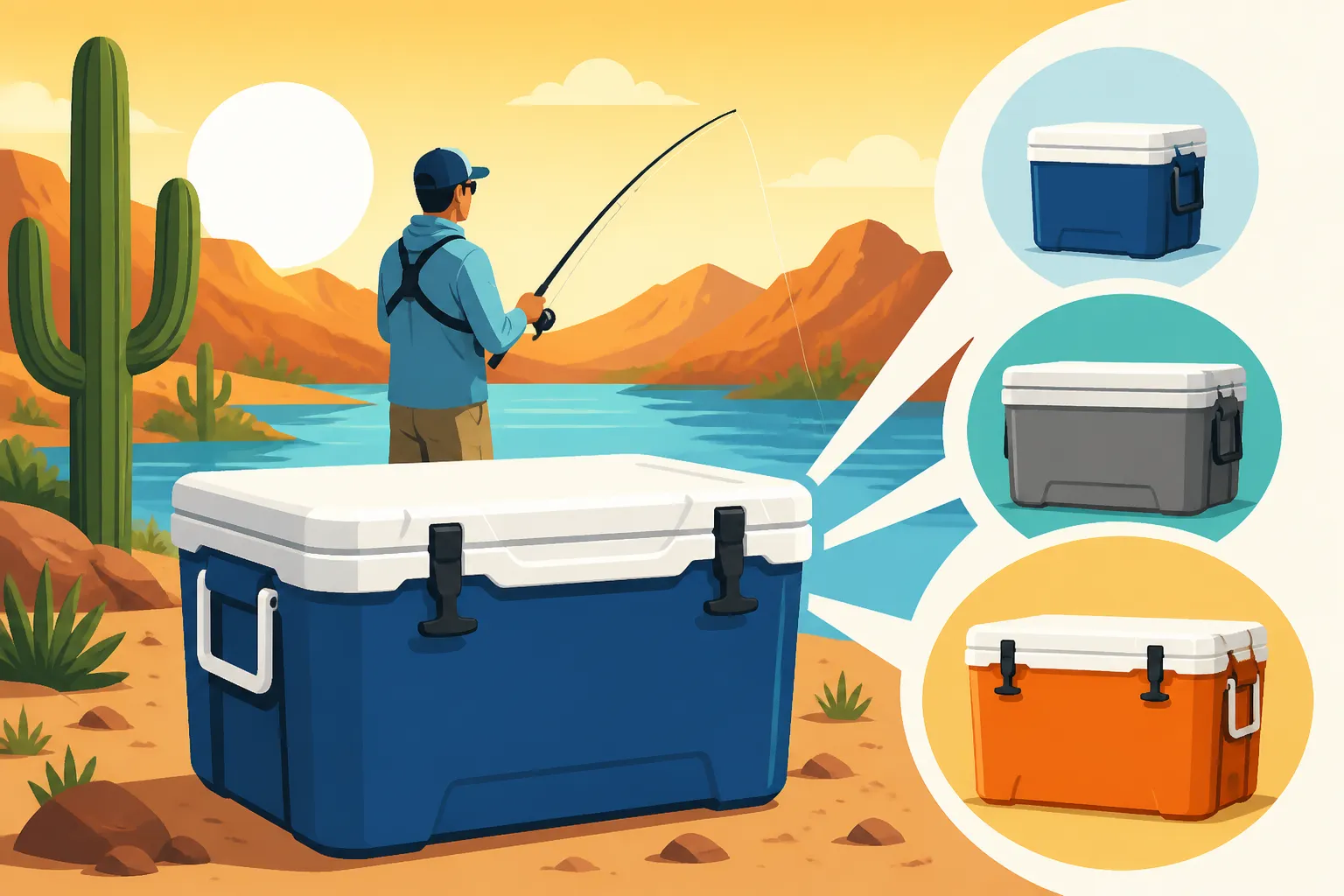
Let's break down the general categories of cooler sizes and what kind of fishing trips they're best suited for in the Arizona landscape. This will help you narrow down your options based on your typical angling adventures.
Small (15-25 Quart)
These compact coolers are the nimble sprinters of the cooler world. They're designed for efficiency and portability, making them perfect for quick trips or solo anglers with minimal needs.
- Capacity: Typically holds about 12-24 cans (without ice, fewer with) or a few water bottles, snacks, and perhaps a small bag of bait.
- Ideal Scenarios:
- Solo Bank Fishing: If you're heading to a community lake for a couple of hours, like Tempe Town Lake, and just need a few drinks and a sandwich, a 15-20 quart cooler is perfect. It's light enough to carry a short distance from your car to your favorite Best Fishing Piers in Arizona.
- Short Kayak Trips: For a quick paddle out on a calm lake like Saguaro Lake, where you're not planning to keep a lot of fish, a narrow 20-25 quart cooler can fit nicely in the stern of your kayak without compromising stability. You can stash a few waters, some energy bars, and a small lunch.
- Bait Cooler: Many anglers use a small cooler like this exclusively for live bait, especially on longer trips where keeping minnows or worms frisky is crucial. It ensures the bait stays at an optimal temperature, separate from your food.
While these smaller coolers are excellent for convenience, remember that their ice retention often isn't as robust as their larger counterparts, simply due to the smaller volume of ice they can hold. So, for hotter Arizona days or longer excursions, you'll want to prioritize a high-quality, well-insulated model even in this size range.
Medium (30-45 Quart)
This is often the sweet spot for many day-tripping anglers, offering a versatile balance between capacity and manageable size. It's an excellent all-around choice for a variety of Arizona fishing adventures.
- Capacity: Generally holds around 25-40 cans (again, less with ice), enough food and drinks for 2-3 people, and often sufficient space for a decent day's catch.
- Ideal Scenarios:
- Small Group/Family Half-Day Trips: If you're taking your partner or a couple of kids out for a morning or afternoon on Lake Pleasant, a 35-40 quart cooler can hold everyone's refreshments, snacks, and still have room for a few medium-sized fish.
- Serious Solo Angler or Duo: For a dedicated angler who brings a variety of Best Baits and Lures for Arizona Fishing or wants to keep a good number of fish, this size is ideal. You can pack a solid lunch, plenty of hydration, a separate bait container, and still have ample room for a limit of crappie from Roosevelt Lake or a few respectable bass.
- Boat or Truck Friendly: This size is typically easy to load into the bed of a truck, fit into the storage compartment of a small boat, or even on the floor of a larger vessel without getting in the way. It strikes a great balance for a full day's worth of supplies.
Many popular, high-performance cooler brands offer excellent models in this size range, providing multi-day ice retention that gives you peace of mind even when Arizona's summer sun is trying its best to melt everything.
Large (50-70 Quart)
When you're planning a full-blown expedition or a family event on the water, these larger coolers become indispensable. They offer serious capacity for extended trips or larger groups.
- Capacity: Can hold 40-60+ cans (less with ice), plenty of food for a larger group, and significant space for a substantial catch.
- Ideal Scenarios:
- Full-Day Family Outings: For an all-day adventure with the entire family, perhaps a picnic at Canyon Lake and a full day of fishing, a 60-quart cooler ensures everyone stays hydrated and fed, with leftovers to spare. There's plenty of room for several limits of fish, too.
- Multiple Anglers with Big Fish Goals: If you and several friends are targeting larger species like Striped Bass Fishing Guide for Arizona at Lake Powell or big flathead catfish on the Colorado River, and intend to keep a few trophy-sized fish, this capacity is essential. A 50-70 quart cooler can easily accommodate a couple of substantial fish alongside your drinks and food.
- Extended Stay (Day Use): Even if you're only out for one day, if you need to bring a lot of ice (especially block ice for maximum retention), extra beverages, and a full spread, this size gives you the peace of mind that nothing will be cramped or spoil.
Keep in mind that while these coolers offer superior capacity, they are heavier and bulkier. Consider if you'll need assistance moving it, especially when full. However, for those longer, hotter Arizona days with a group and a good catch expected, the investment in a high-quality large cooler is well worth it. You can browse many options at your local Bass Pro Shops or find a wide selection of sizes on Amazon to compare features.
Here's a quick comparison to help visualize your options:
| Cooler Size Category | Quart Range | Typical Can Capacity (w/o ice) | Best For | Common Contents for Day Trip | Pros | Cons |
|---|---|---|---|---|---|---|
| Small | 15-25 qt | 12-24 cans | Solo angler, short trips, bait cooler | Water, soda, small lunch, snacks, small bait tub | Highly portable, lightweight, easy to stash | Limited space, less ice retention over long periods |
| Medium | 30-45 qt | 25-40 cans | 2-3 anglers, full day, moderate catch | Drinks, lunches, snacks, bait, several medium-sized fish | Good balance of capacity & portability, versatile | Can still be heavy when full, might be tight for 3+ |
| Large | 50-70 qt | 40-60+ cans | Family, multiple anglers, serious catch | Ample drinks & food, large bait capacity, multiple large fish | Plenty of space, great for groups or big catches, long ice retention | Heavy, bulky, less portable, takes up significant space |
Tips for Maximizing Cooler Performance, Regardless of Size
Choosing the right cooler size is a great start, but it's only half the battle, especially when you're battling the Arizona heat. Knowing how to properly pack and manage your cooler can significantly extend its ice retention and ensure your contents stay colder, longer.
Pre-Chilling is Your Best Friend
This is a game-changer for ice retention, and it's something many anglers overlook. Before you even think about putting your actual ice or contents into your cooler for your fishing trip, pre-chill it! A cooler that starts at ambient air temperature (which could be 80-100+ degrees in an Arizona garage) will immediately melt a significant portion of your ice just bringing its internal temperature down.
The night before your trip, throw a bag of cheap ice, some frozen water bottles, or even a few ice packs into your empty cooler and close the lid. Let it sit overnight. In the morning, dump out the melted water (or remove the frozen bottles/packs) and then pack your cooler with fresh ice and chilled items. This simple step ensures your cooler's internal temperature is already low, allowing your main ice supply to last much, much longer by not having to work overtime just to cool down the cooler itself. It's a small effort that yields huge benefits in desert conditions.
Ice Management Strategies
Not all ice is created equal when it comes to long-term cooling. While cubed ice is great for quickly chilling drinks, it melts relatively fast due to its larger surface area. For optimal ice retention, especially in Arizona, a combination strategy works best:
- Block Ice is King: Large blocks of ice melt much slower than cubes because they have less surface area exposed to warmer air. If you can, get a block of ice to place at the bottom of your cooler. This will act as a foundational cold source.
- Layering: Place your block ice first, then add any items you want to keep coldest (like fish or sensitive bait). Then, fill in the gaps with cubed ice or ice packs around your food and drinks. The cubed ice helps fill voids and ensures everything gets cold quickly, while the block ice provides sustained cooling.
- Frozen Bottles/Ice Packs: Using frozen water bottles or purpose-made ice packs (like those from brands you might find at Bass Pro Shops or Amazon) can be a fantastic supplement. They don't make a mess as they melt, and the frozen water bottles provide cold drinking water later in the day. Plus, they can be refrozen for your next trip, making them an eco-friendly choice.
Remember to pack your cooler as full as possible, minimizing air pockets. The less air there is to heat up and circulate, the longer your ice will last.
Placement and Protection
Where you put your cooler on your boat or at your fishing spot makes a big difference. Direct sunlight is the enemy of ice retention. Always try to position your cooler in the shadiest spot available. If you're on a boat, use any available cover, an umbrella, or even a towel draped over the cooler (though be careful not to trap heat if the towel is dark). On the bank, tuck it under a tree, a canopy, or even behind a large rock.
Minimizing how often you open the cooler is also crucial. Every time you open the lid, a significant amount of cold air escapes, replaced by warm air. Try to consolidate your trips to the cooler. Grab a few drinks at once, plan your lunch break, and try to keep it closed as much as possible. Some anglers even use a smaller, separate "day cooler" for frequently accessed drinks and snacks, leaving the main cooler undisturbed for bait and fish.
Consider Quality and Features
Finally, the inherent quality of the cooler itself plays a massive role. While a budget cooler might save you money upfront, it will likely cost you in melted ice and spoiled contents on a hot Arizona day. Investing in a reputable brand known for its insulation and durability is highly recommended. Look for features like:
- Thick Insulation: Rotomolded coolers are often superior here, with dense foam insulation in the walls and lid.
- Tight-Sealing Gasket: A good rubber gasket around the lid creates an airtight seal, preventing cold air from escaping and warm air from getting in.
- Robust Latches: Durable, easy-to-operate latches ensure the lid stays securely closed, even during bumpy boat rides or transport.
- Drain Plug: A large, leak-proof drain plug makes it easy to drain melted water without having to tip the entire cooler, which is especially useful for larger models.
- Non-Slip Feet: These prevent the cooler from sliding around on wet boat decks or in the bed of your truck, which is both a convenience and a safety feature.
Even if you're only fishing for one day, a high-quality cooler designed for multi-day ice retention will simply perform better and provide a far less stressful experience in Arizona's climate. Think of it as an essential piece of your Boating Safety Gear Requirements in Arizona, ensuring your sustenance and catch are preserved. Finding these features and reading user reviews for real-world performance will help you make an informed decision when looking at brands online or in physical stores.
Disclaimer
This article is for general informational purposes only and does not constitute professional advice. Laws, prices and regulations vary by location and change over time. Consult a qualified professional for guidance on your specific situation.