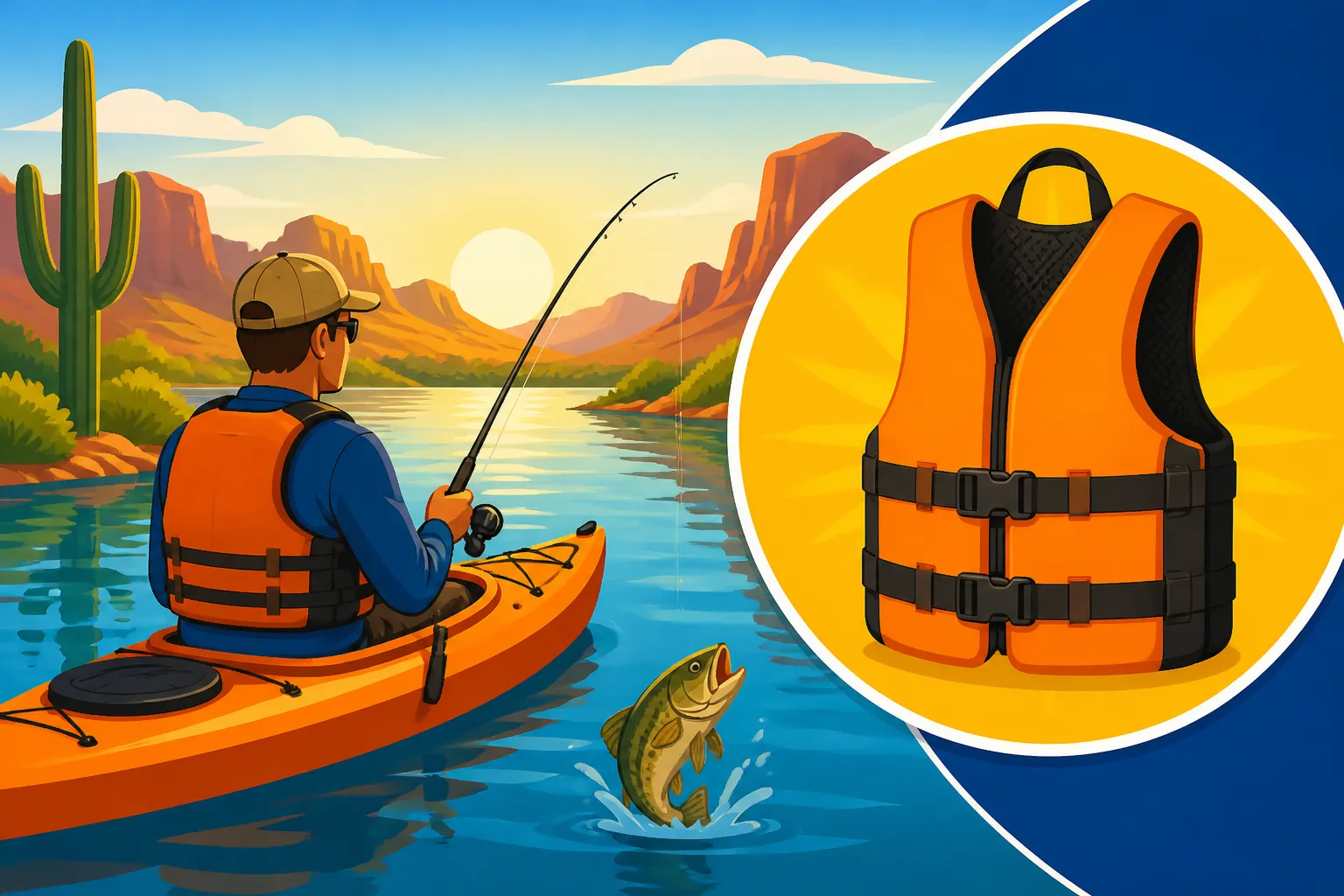
Life Jacket Requirements for Kayakers in Arizona
Kayaking on Arizona's beautiful lakes and rivers is an incredible experience, offering a unique perspective on our stunning desert landscapes. However, there's often confusion about safety gear, especially when it comes to life jackets. Many new paddlers, or even seasoned ones, aren't entirely clear on the specific regulations, leading to potential fines or, more importantly, unsafe situations. This guide will clear up all the life jacket requirements for kayakers in Arizona, ensuring you stay safe and on the right side of the law while enjoying our waterways.
The Absolute Basics: Arizona Life Jacket Law for Kayakers
Let's cut right to the chase because understanding the legal necessities is your first step to a worry-free day on the water. Arizona, like most states, takes boating safety seriously, and that includes requiring proper flotation devices. While the rules might seem a bit nuanced at first, they're designed to keep everyone as safe as possible, whether you're paddling on Lake Pleasant, cruising the Lower Salt River, or exploring the vastness of Lake Powell. It’s not just about avoiding a citation; it's about being prepared for the unexpected, because even a calm day can turn treacherous in a blink.
Who Needs to Wear One and Who Just Needs One Onboard
This is where the distinction often trips people up. For kayakers in Arizona, the law generally states that everyone on board a kayak must have a readily accessible U.S. Coast Guard-approved personal flotation device (PFD). This means if you're out there solo, you need one. If you're in a tandem kayak with a friend, you each need one. The key phrase here is "readily accessible." It can't be stowed away under a pile of gear in a dry bag that would take five minutes to open. It needs to be where you can grab it instantly, like under a bungee cord on your deck, or even better, on your person.
Now, for the wearing part: Children 12 years old and younger must wear a U.S. Coast Guard-approved PFD at all times while on any recreational vessel, including a kayak, when it is underway. This is a non-negotiable rule, and for good reason. Little ones are more vulnerable and often react differently to sudden capsizing or falling overboard. So, if you're taking your kids out, make sure they're properly fitted and buckled in. You can find more specific information on PFD Requirements for Kids in Arizona. If your kayak is stopped, say you're anchored for fishing or swimming, children 12 and under still need to wear their PFD if they are not in an enclosed cabin. For everyone 13 and older, you just need to have it readily accessible. However, as an experienced paddler, I'll always recommend wearing it, regardless of age. It's truly your best friend out there.
Understanding Different Types of PFDs
Not all life jackets are created equal, and the U.S. Coast Guard has categories to help you understand their different uses and performance levels. Knowing these types helps you choose one that's not just legal, but also appropriate for your specific kayaking adventures. For recreational kayaking, you'll primarily be looking at Type III and Type V PFDs.
- Type I (Offshore Life Jackets): These are designed for rough, open, or remote waters where rescue may be delayed. They'll turn most unconscious wearers face-up in the water. They're bulky and not usually practical for kayaking.
- Type II (Near-Shore Vests): Good for calm, inland waters or where there is a good chance of quick rescue. They'll also turn some unconscious wearers face-up, but aren't as reliable as Type I. Again, generally too bulky for comfortable kayaking.
- Type III (Flotation Aids): These are the most common and popular for recreational boating, including kayaking. They're comfortable, allowing for freedom of movement (crucial for paddling!), and are designed for sustained wear. They usually won't turn an unconscious person face-up, so you need to be able to help yourself. This is typically the best choice for kayakers.
- Type IV (Throwable Devices): Think of ring buoys or seat cushions. These are not to be worn. They're meant to be thrown to someone in distress. While generally required on larger vessels, they are not a substitute for a wearable PFD on a kayak. A kayak is considered a small vessel, and the wearable PFD is the primary requirement.
- Type V (Special Use Devices): These are for specific activities, like kayaking vests with extra pockets, inflatable PFDs, or work vests. They are only approved for certain activities and must be worn to count as a legal PFD. Inflatable PFDs, for example, are usually Type V and must be worn to meet the carriage requirements. They also require regular inspection and CO2 cartridge replacement.
When you're shopping, always look for the U.S. Coast Guard approval stamp. You'll often find excellent options at outdoor retailers like Bass Pro Shops or through online stores such as Amazon, where you can read reviews and compare features specifically designed for paddlers.
The 'Wear It' vs. 'Have It Accessible' Rule
As mentioned, for adults (13 and older), the legal requirement is to have a U.S. Coast Guard-approved PFD readily accessible. This means it must be easy to reach quickly in an emergency. It could be strapped to the deck of your kayak, under a bungee cord, or tucked into a large accessible compartment that doesn't require fumbling around. However, let's be realistic: in an emergency, especially if you suddenly capsize, a PFD that's merely "accessible" might be out of reach or tangled.
This is why most seasoned kayakers, and myself included, will strongly advocate for always wearing your life jacket while paddling, regardless of the legal age requirement. Arizona's waters, especially our large desert lakes, can be surprisingly unpredictable. A rogue boat wake, a sudden gust of wind common during our monsoon season, or an unexpected current could easily flip you. If you're wearing your PFD, you're instantly buoyant, which can be the difference between a minor inconvenience and a life-threatening situation. Think about it: trying to put on a life jacket after you're in the water, possibly disoriented or injured, is incredibly difficult, if not impossible. Don't take that risk. Make it a habit to clip it on before you launch. You can also explore Is Kayak Fishing Safe on Windy Desert Lakes? to understand more about water conditions.
Choosing the Right Life Jacket for Kayaking
Okay, so you know the law, and you understand why wearing your PFD is a smart move. Now, how do you pick one that you'll actually want to wear? Because let's be honest, if it's uncomfortable, you'll be tempted to take it off, and that defeats the entire purpose. The right life jacket isn't just about safety; it's about enhancing your entire kayaking experience.
Comfort and Fit: Your Best Defense
The number one factor for a PFD you'll consistently wear is comfort. A poorly fitting life jacket will chafe, restrict your movement, and generally make you miserable, especially on a long paddle. When trying on PFDs, think about how you move when you're paddling. You need full range of motion in your arms and shoulders.
Here’s what to look for:
- Snug but Not Tight: The PFD should fit snugly against your body without being restrictive. It shouldn't ride up around your ears when you lift your arms or try to float in it. Adjust all the straps – shoulders, sides, and waist – until it feels secure.
- Freedom of Movement: Sit in a chair or mimic a paddling motion. Does it rub your armpits? Does it push up into your chin? A good kayak-specific PFD will often have a shorter cut or cutouts around the arms to facilitate paddling.
- Material and Ventilation: Arizona summers are no joke, and a heavy, poorly ventilated PFD can be stifling. Look for breathable materials, mesh panels, and lighter designs. Many modern PFDs are designed with this in mind.
- Test it Out: If possible, try floating in your new PFD in a shallow, controlled environment like a pool. This helps you get comfortable with how it feels in the water and ensures it supports your weight correctly. Remember, a life jacket that fits properly offers maximum buoyancy and safety.
Don't just grab the cheapest one or the first one you see. Invest a little time in finding one that fits your body type and paddling style. Your comfort and safety are worth it.
Features to Look For in a Kayak PFD
Beyond basic flotation, modern kayak PFDs come packed with features that can make your time on the water more enjoyable and organized. These aren't just luxuries; some can genuinely enhance your safety and convenience.
- Pockets: Kayakers often have small essentials they want to keep accessible: sunscreen, lip balm, a small snack, or a waterproof phone case. PFDs with well-placed, zippered pockets can be a game-changer.
- Attachment Points: D-rings, loops, and lash tabs are great for securing small tools, a whistle, or even a small knife (for cutting tangled line or ropes in an emergency). Consider what Best Kayak Fishing Accessories you might want to attach.
- Reflective Tape/Bright Colors: Especially if you plan to be on the water at dawn or dusk, or in busy areas, reflective tape and bright colors (like neon green, orange, or yellow) significantly increase your visibility to other boaters. This is a crucial safety feature that's often overlooked.
- Hydration Sleeve: Some high-end kayak PFDs even include a sleeve on the back for a hydration bladder, allowing you to drink hands-free without fumbling for a water bottle. Staying hydrated is paramount when you're out on Arizona's hot lakes.
- Ventilation and Drain Panels: Again, given our climate, good airflow is essential. Look for PFDs with mesh areas or drainage ports to prevent waterlogging and improve comfort.
Thinking about these features when you're browsing at stores like Bass Pro Shops or online on Amazon can help you narrow down your choices to a PFD that’s not just legal, but truly functional for your specific needs.
When to Replace Your Life Jacket
Life jackets aren't designed to last forever, and their effectiveness can degrade over time due to sun exposure, wear and tear, and improper storage. Knowing when to replace your PFD is just as important as choosing the right one in the first place.
Here are some signs it's time for a new one:
- Faded or Ripped Fabric: Extensive fading indicates UV damage, which weakens the material. Rips, tears, or excessive fraying compromise the PFD's structural integrity and may reduce its buoyancy.
- Cracked or Hardened Foam: The foam inside a PFD is what provides the flotation. If it feels stiff, cracked, or has lost its pliability, its ability to keep you afloat is diminished. Give your PFD a squeeze; it should still feel soft and resilient.
- Broken Zippers or Straps: If zippers don't work, buckles are cracked, or straps are frayed and can't hold tension, the PFD can't be secured properly to your body. A PFD that comes off in the water is useless.
- Mildew or Heavy Stains: While cosmetic, excessive mildew can indicate that the PFD has been stored wet, which can accelerate material degradation.
- Loss of Buoyancy: This is the most critical test. If you find your PFD isn't keeping you as high in the water as it once did, or if you're consistently struggling to stay afloat with it on, it's definitely time for a replacement.
Regularly inspect your life jacket at the beginning of each season, and after any particularly rough outings. Proper care, like rinsing it with fresh water after use and allowing it to air dry completely before storing, can extend its lifespan, but eventually, all PFDs need to be retired for safety reasons.
Beyond the Law: Practical Safety Tips for Arizona Kayaking
While adhering to the legal requirements for life jackets is fundamental, true safety on Arizona's waters goes far beyond simply ticking a box. Our unique environment, with its intense sun, sudden weather shifts, and vast open waters, demands a more comprehensive approach to personal safety. Thinking proactively about potential risks and preparing for them will make your kayaking trips much more enjoyable and, most importantly, safer.
The Unpredictability of Arizona Waters
Anyone who's spent time on Arizona's lakes knows how quickly conditions can change. What starts as a glassy, calm morning can turn into a choppy, windy afternoon, especially on larger bodies of water like Lake Powell or Roosevelt Lake. These shifts can be particularly challenging for kayakers, who are low to the water and more susceptible to wind and waves.
Consider these factors:
- Wind: Wind is a kayaker's nemesis. Even a moderate breeze can make paddling exhausting, push you off course, or create whitecaps that can swamp a kayak. Always check the wind forecast before you go, and be prepared to cut your trip short or hug the shoreline if conditions worsen. This is also why an anchor for your kayak can be really useful – you can read more about Best Kayak Anchors for Still Fishing.
- Boat Traffic: Our popular lakes, especially near urban centers, can get very busy with motorboats, jet skis, and larger recreational vessels. Kayaks are small and can be hard to spot. Always assume larger boats don't see you, and make yourself as visible as possible with bright clothing, PFDs, and potentially a safety flag.
- Water Temperature: While the air is scorching hot, deeper water, especially in the cooler months, can be surprisingly cold. Cold water shock is a real danger if you unexpectedly fall in, even if you're a strong swimmer. A PFD helps immensely here, giving you time to recover and get back into your kayak without expending critical energy staying afloat.
- Monsoon Season: From July to September, Arizona experiences its monsoon season, characterized by intense thunderstorms that can pop up quickly. These storms bring torrential rain, strong winds, lightning, and flash floods. Being caught on the water during a monsoon storm is extremely dangerous. Always check the weather radar before and during your trip, and be prepared to get off the water if dark clouds start to gather. Understanding How to Fish Safely During Monsoon Storms in Arizona is critical for any angler.
By understanding these environmental factors, you can make informed decisions about when and where to paddle, and what gear to bring. Don't underestimate the power of nature, even on what appears to be a perfectly serene Arizona day.
Other Essential Safety Gear for Paddlers
While a life jacket is the star of the show, it's part of a broader cast of essential safety gear that every kayaker in Arizona should carry. Think of it as your survival kit for an unexpected turn of events.
Here's a checklist of items that can make a huge difference:
- Whistle: A U.S. Coast Guard-approved sound-producing device is legally required for vessels 16 feet or longer, but it's an excellent idea for kayakers too. A whistle can alert other boaters to your presence or signal for help if you're in distress. It’s far more effective than yelling.
- Paddle Leash: Losing your paddle in windy or choppy conditions can quickly turn into an emergency. A simple leash keeps your paddle attached to your kayak, ensuring you always have propulsion.
- Pump/Sponge: If you have an open-cockpit kayak, a small bilge pump or even a large sponge can quickly remove water that enters your boat from waves or rain.
- First-Aid Kit: Even minor cuts, scrapes, or blisters can become problematic if not treated promptly, especially in a remote area.
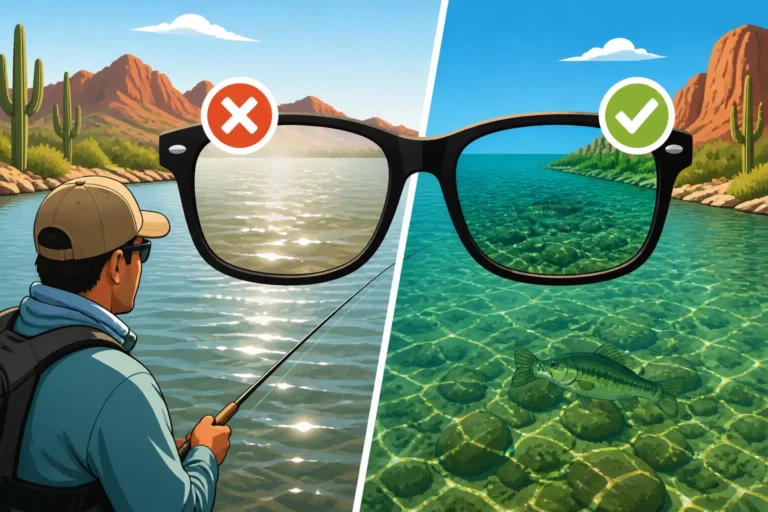
- Sun Protection: Arizona sun is relentless. Wide-brimmed hats, polarized sunglasses (useful for spotting fish and structure, not just glare), long-sleeved UPF clothing, and high SPF sunscreen are non-negotiables. You can find more tips in Heat Safety Tips for Summer Fishing in Arizona.
- Plenty of Water/Hydration: Dehydration can sneak up on you, even on cooler days. Always bring more water than you think you'll need.
- Communication Device: A fully charged cell phone in a waterproof case is a good start, but consider a personal locator beacon (PLB) or satellite messenger for more remote excursions where cell service is unreliable.
- Navigation Tools: Even if you think you know the area, a waterproof map or a GPS device can be invaluable if visibility drops or you become disoriented.
- Emergency Repair Kit: Duct tape, cordage, and a multi-tool can patch up minor issues with your kayak or gear until you get back to shore.
Having the right gear, and knowing how to use it, drastically improves your preparedness for any situation on the water. For a more exhaustive list, check out Boating Safety Gear Requirements in Arizona.
Educating Yourself and Your Crew
Finally, one of the most powerful safety tools you have is knowledge. Understanding the rules, the environment, and basic safety procedures can prevent incidents before they even happen.
- Take a Boating Safety Course: While not always mandatory for kayaks, taking a general boating safety course is highly recommended. These courses cover everything from navigation rules to emergency procedures and knot tying. Many states, including Arizona, offer these online or in person. You can find out more about Boating Safety Course Requirements in Arizona. It's a small investment of time that can pay huge dividends in safety and confidence.
- Know Your Limits: Be realistic about your paddling ability and physical fitness. Don't venture out further or into rougher conditions than you can comfortably handle. If you're new to kayaking, start on smaller, calmer waters, like some of our community fishing lakes, and gradually work your way up to larger, more challenging destinations like those found in Best Fishing Lakes in Arizona.
- File a Float Plan: Especially if you're paddling alone or in a remote area, tell a trusted friend or family member your plans: where you're going, your estimated return time, and who you're with. If you don't check in, they'll know to call for help.
- Practice Self-Rescue: Know how to re-enter your kayak if you capsize. This is a critical skill, and it's much easier to learn in warm, shallow water than in a real emergency.
By combining the legal requirements with practical safety measures and ongoing education, you'll be well-equipped to enjoy all the incredible kayaking opportunities Arizona has to offer, safely and responsibly.
| PFD Type | Description | Best Use for Kayakers | Key Features (Pros/Cons) |
|---|---|---|---|
| Type I | Offshore Life Jacket | Not practical for kayaking | Bulky, turns unconscious wearer face-up, high buoyancy |
| Type II | Near-Shore Buoyant Vest | Not practical for kayaking | Less bulky than Type I, turns some unconscious wearers face-up |
| Type III | Flotation Aid | Most common for kayaking | Comfortable, designed for continuous wear, wide variety of styles, won't reliably turn unconscious wearers face-up |
| Type IV | Throwable Device | Not a substitute for wearable PFD on kayak | Designed to be thrown, not worn |
| Type V | Special Use Device | Kayak-specific vests, inflatables (worn) | Activity-specific features, must be worn (if inflatable), requires maintenance for inflatables |
Disclaimer
This article is for general informational purposes only and does not constitute professional advice. Laws, prices and regulations vary by location and change over time. Consult a qualified professional for guidance on your specific situation.