Best Swimbait Size for Striped Bass
It's a common dilemma for any angler chasing the powerful, hard-fighting striped bass in Arizona's magnificent lakes – you've got your favorite swimbait, but is it the right size for what those stripers are feeding on today? The truth is, there's no single "magic" swimbait size that works every time. These opportunistic predators can be incredibly finicky, and matching your offering to their current meal preference is often the difference between a triumphant catch and a quiet afternoon. This guide will dive deep into understanding why swimbait size is so critical for striped bass, helping you make informed decisions on the water and dramatically increase your chances of success.
Why Swimbait Size Matters for Striped Bass in Arizona
Striped bass are apex predators in Arizona's desert reservoirs like Lake Powell, Lake Pleasant, and Roosevelt Lake. They're constantly on the hunt, and their diet primarily consists of baitfish, with threadfin and gizzard shad being the main course. When you present a swimbait, you're trying to mimic these natural food sources, and size plays an enormous role in how convincing your imitation is.
Matching the Hatch: Understanding Forage
Think about it: when you're hungry, do you prefer a tiny appetizer or a satisfying meal? Striped bass are no different. They are highly attuned to the size and profile of the baitfish swimming around them. If they are aggressively feeding on small, finger-sized shad, a giant swimbait might look out of place and get ignored. Conversely, if they're keyed in on larger, mature shad, a tiny offering might not seem worth the effort.
Arizona's lakes, particularly a vast system like Lake Powell, host huge schools of threadfin shad, which are generally smaller, often in the 2-4 inch range. However, gizzard shad can grow significantly larger, reaching 6-8 inches or even more. The "match the hatch" principle suggests that your swimbait should closely resemble the size of the predominant forage at that specific time and location. When stripers are boiling on the surface, pushing huge schools of shad, you can often visually gauge the size of the baitfish they're targeting. This visual cue is invaluable. Understanding their Striped Bass Diet and Feeding Habits is paramount to picking the right lure.
Mimicking Natural Prey Movements and Profile
Beyond just looking similar, the size of your swimbait also dictates its action and how it moves through the water. A smaller swimbait, often lighter, will have a more subtle, darting action, perfectly mimicking a panicked threadfin shad trying to escape. This can be incredibly effective when stripers are a bit more hesitant or the water is exceptionally clear, making a more realistic presentation crucial.
On the other hand, a larger swimbait often has a wider, more pronounced wobble and can displace more water, creating a stronger vibration. This bigger profile and thump can be a game-changer when stripers are aggressive and feeding heavily, especially in stained or choppy water where visibility is reduced. The larger bait represents a more substantial meal, triggering the predatory instinct of bigger stripers. It also allows for a slower retrieve sometimes, keeping the bait in the strike zone longer while still maintaining an enticing action. The overall profile of the bait – how "chunky" or "slim" it looks – in relation to its length, also contributes to its perceived size by the fish.
Common Swimbait Sizes and When to Use Them for Striped Bass
Let's break down the general categories of swimbait sizes and when each might shine for Arizona's striped bass. Remember, these are guidelines, and local conditions always dictate the final choice.
Smaller Swimbaits (3-5 inches): Finesse and Finicky Fish
These smaller swimbaits are your go-to when the stripers are playing hard to get or when the baitfish they're feeding on are particularly small. Imagine a hot summer morning on Lake Pleasant, and you see small flickers on the surface – likely tiny threadfin shad. This is the perfect time to throw a 3- to 5-inch soft plastic paddle tail swimbait on a lightweight jig head.
When to use them:
- Schooling Baitfish: When you observe stripers targeting very small, tightly schooled baitfish.
- Clear Water Conditions: In crystal clear water, stripers can be more discerning, and a smaller, more realistic presentation can fool them.
- Post-Frontal Conditions: After a cold front, fish can become lethargic and less willing to chase a big meal. A smaller, easier target can trigger a strike.
- Slower Bite: If the bite is tough, downsizing your bait can often elicit a reaction when larger offerings are ignored.
- Examples: Think about soft plastic swimbaits from brands like Keitech or Z-Man in their smaller sizes. They offer fantastic tail action even on a slow retrieve. These are great for light jigging around structure or retrieving through schooling fish. Learning How to Fish a Swimbait for Striped Bass effectively with these smaller profiles will greatly improve your catch rate.
Medium Swimbaits (6-8 inches): The All-Rounder
The 6- to 8-inch swimbait is often considered the workhorse for striped bass fishing. This size range generally mimics the average adult shad found in many Arizona lakes and offers a fantastic balance between appeal to larger fish and catchability for active schoolies. If you're unsure where to start, this is a very safe bet.
When to use them:
- General Conditions: This size works well in a wide variety of situations, from searching for active fish to targeting boils.
- Mimicking Average Shad: It closely matches the size of a mature threadfin or a medium-sized gizzard shad, which is a staple diet for stripers.
- Versatility: These baits can be fished at various depths, from shallow retrieves during boils to deeper presentations using heavier jig heads or crankdown hard swimbaits.
- Active Fish: When stripers are actively chasing and feeding, a medium-sized swimbait is enticing without being overwhelming.
- Examples: Many popular hard-bodied swimbaits and larger soft plastics fall into this category. You'll find a huge selection at Bass Pro Shops or online at Amazon in this versatile size range. These are also excellent choices when employing various Swimbait Techniques for Striped Bass like slow rolling or twitching.
Larger Swimbaits (9+ inches): Targeting Trophy Stripers
If you're after that true trophy-sized striped bass, the kind that makes your reel scream, then larger swimbaits (9 inches and up) are your weapon of choice. These baits are designed to appeal to the biggest, most aggressive fish that are looking for a substantial meal to expend their energy on. This is where you bring out the big guns, often requiring specialized gear.
When to use them:
- Targeting Big, Solitary Fish: When you're trying to weed out the smaller fish and specifically entice a lunker.
- Major Boils: During massive surface boils where stripers are gorging on large schools of shad, a big swimbait can stand out as the alpha prey item.
- Keyed on Bigger Meals: Sometimes, particularly after a long period of growth, stripers will simply prefer to eat fewer, larger meals.
- Deep Water Presentation: Heavier, larger swimbaits can often be easier to present at significant depths, where larger stripers might be lurking.
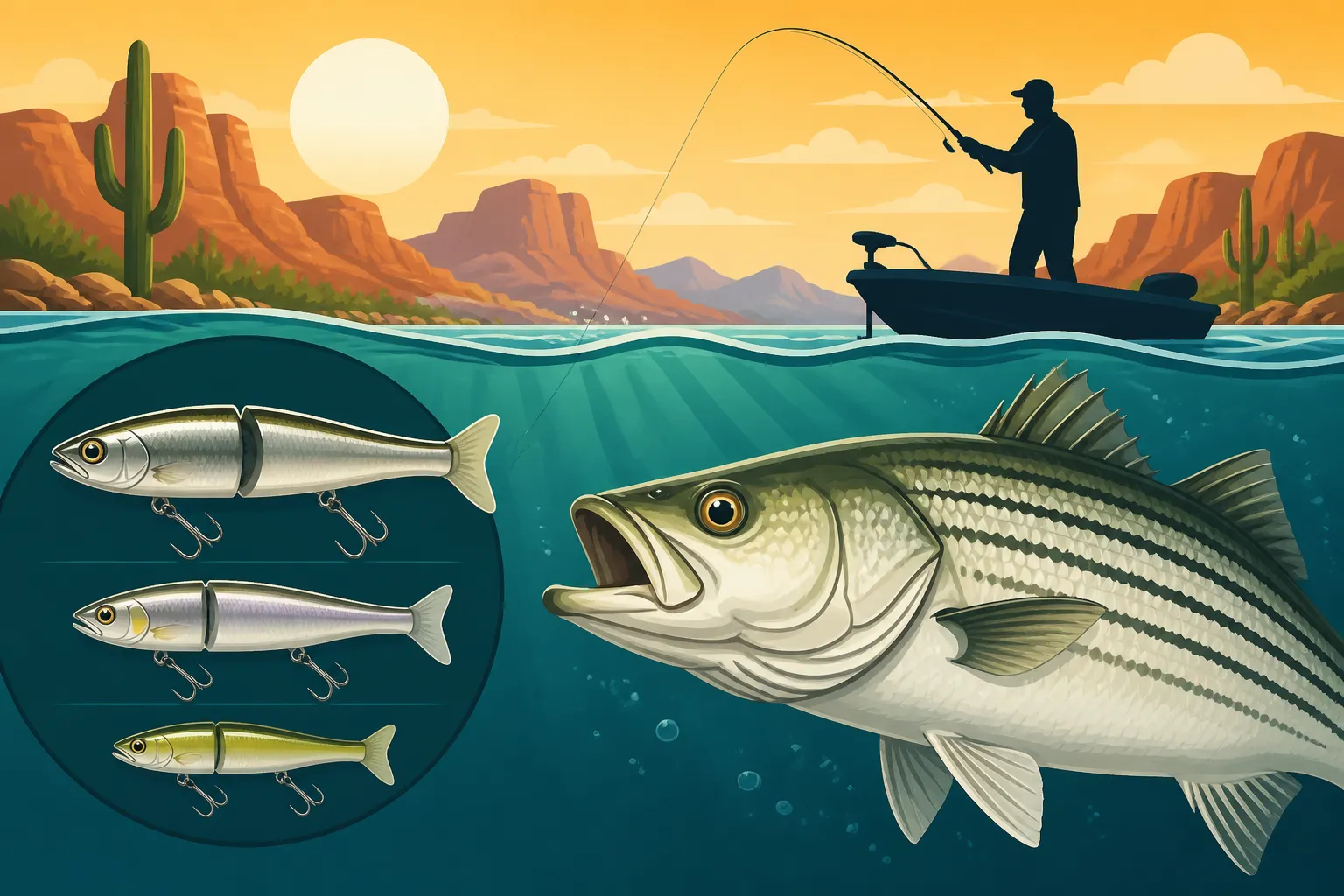
- Examples: This category includes large soft plastic paddle tails (some extending to 10-12 inches), glide baits, and multi-jointed hard swimbaits. These are specialty baits, and while you might get fewer bites, the ones you do get can be truly memorable. Imagine a monster striper like the ones found in Lake Powell; you’ll need a big bait to match the potential of How Big Do Striped Bass Get at Lake Powell.
Here's a quick summary table to help visualize the choices:
| Swimbait Size (inches) | Primary Forage Mimicked | Ideal Striper Size Targeted | Best Conditions |
|---|---|---|---|
| 3-5 | Small threadfin shad | Schoolie, Finicky | Clear water, post-frontal, subtle presentation |
| 6-8 | Average shad | Active, All-rounder | General conditions, searching, versatile |
| 9+ | Large gizzard shad, Trout | Trophy | Aggressive boils, targeting big fish, deep water |
Factors Influencing Your Swimbait Size Choice
Deciding on the perfect swimbait size isn't just about what's currently being eaten; it's a dynamic equation that involves several environmental and behavioral factors. A seasoned angler knows how to quickly assess these conditions and adjust their tackle.
Water Clarity and Conditions
The visibility in the water directly impacts how fish perceive your lure.
- Clear Water: When the water is gin-clear, as can often be found in parts of Lake Powell or the deeper sections of Lake Pleasant, stripers have excellent visibility. In these conditions, a smaller, more realistic swimbait in natural colors often proves more effective. The fish can scrutinize your bait, and a subtle, true-to-life presentation is key. Too large or flashy, and it might look artificial.
- Stained or Murky Water: Conversely, in stained or turbid water, like after a heavy rain or in certain coves, fish rely more on vibration and profile than visual cues. A larger swimbait that displaces more water and creates a stronger vibration can be more easily detected by stripers. The bigger profile makes it stand out more in low visibility.
- Windy Days: Wind can chop up the surface, breaking up light penetration and creating turbulence. This can make a larger swimbait with a more aggressive action more visible and create enough disturbance to grab a striper's attention through the noise. Smaller, lighter baits might get lost in the chop.
Location and Time of Year
The vastness of Arizona's fishing opportunities means that "matching the hatch" can change dramatically from one lake to another, and even within the same lake throughout the year.
- Lake Powell vs. Lake Pleasant: While both are incredible striper fisheries, the typical forage size and depth profiles can vary. Lake Powell, with its immense depths and vast baitfish populations, might often favor slightly larger swimbaits, especially when stripers are busting on widespread shad schools in open water or deep canyon ledges. Lake Pleasant, while also having plenty of bait, might see stripers more often keyed into smaller baitfish in certain areas or times.
- Seasonality:
- Spring: As water temperatures rise, stripers become more active and start moving shallow to spawn. They'll often be feeding on emerging baitfish, which can be a mixed bag of sizes. This is a time for versatility, often leaning towards medium-sized swimbaits.
- Summer: The infamous "striper boils" are common in summer, especially in the early morning or late evening. These boils are often characterized by stripers herding massive schools of threadfin shad to the surface. Observing the size of the shad in these boils is crucial. If they are small, downsize your swimbait. If they are larger, more mature shad, use a medium to large swimbait. You can find out the Best Season for Striped Bass at Lake Powell to help plan your trips.
- Fall: As water cools, stripers enter a major feeding frenzy, bulking up for winter. They're often aggressive, and this is a prime time for medium to large swimbaits, as they're looking for substantial meals.
- Winter: Stripers move deeper as temperatures drop, becoming less active. Presentation becomes slower, and sometimes a smaller, subtle swimbait slowly worked near deep structure can be effective, though larger baits might still tempt a hesitant trophy fish. Again, understanding the Striped Bass Diet and Feeding Habits across seasons will give you a significant edge.
Striper Behavior and Forage Presentation
Understanding how stripers are behaving and how their prey is presenting itself can be a huge indicator for swimbait size.
- Boils: When stripers are busting the surface in a "boil," they are in a highly competitive feeding state. Often, a medium to large swimbait cast into the fray can quickly draw a strike. The aggression means they're less picky about exact size, and a bigger bait means a quicker, more satisfying meal.
- Deep Water: If stripers are holding deep, perhaps near submerged structure or thermoclines, they might be less active and more reluctant to chase. A larger, heavier swimbait can be advantageous here. Not only does it sink faster and get to the fish quicker, but its larger profile can be seen from further away in the dim light of deeper water, enticing a sluggish fish.
- Finicky Fish: Sometimes, despite seeing fish on your sonar or even observing them, they just won't commit. This often means they're finicky. Downsizing your swimbait, perhaps to a 3-5 inch offering, and presenting it more subtly can be the key to getting a bite from these reluctant feeders. It mimics a weaker, easier target.
Gear Considerations for Different Swimbait Sizes
The swimbait you choose directly impacts the gear you need to throw it effectively. You wouldn't throw a tiny trout magnet on a heavy offshore rod, and similarly, you won't throw a massive 9-inch swimbait on ultralight tackle. Matching your rod, reel, and line to your swimbait size is crucial for casting distance, presentation, and successfully fighting a powerful striped bass.
Rod and Reel Selection
- Smaller Swimbaits (3-5 inches): For these lighter offerings, a medium to medium-heavy power spinning rod or a lighter baitcasting rod with a fast action is ideal. This setup allows for accurate casts with lighter lures and has enough sensitivity to detect subtle bites. Pair it with a 2500-4000 series spinning reel or a low-profile baitcaster with a smooth drag.
- Medium Swimbaits (6-8 inches): This is where a versatile medium-heavy power, fast action baitcasting rod typically shines. A rod between 7 and 7.5 feet offers excellent casting distance and leverage. A robust baitcasting reel with a good gear ratio (around 6.4:1 to 7.1:1) is perfect for working these baits and handling powerful runs. This setup is a fantastic all-rounder for Arizona striper fishing. Many anglers seek the Best Rod for Striped Bass in this range.
- Larger Swimbaits (9+ inches): When you're throwing big baits, you need serious tackle. A heavy to extra-heavy power baitcasting rod, often 7.5 to 8.5 feet long, is necessary. This rod needs to have a strong backbone to cast heavy lures and control large fish. Pair it with a stout, low-profile or round baitcasting reel with a very strong drag system. Gear ratios can vary, with some preferring slower ratios for powerful retrieves, while others opt for faster ones to cover water. You can find excellent options for these setups at your local Bass Pro Shops.
Line and Leader Choices
Your fishing line is the direct connection to the fish, and selecting the right type and weight is critical for swimbait performance and landing stripers.
- Braided Line: For most swimbait applications, especially with baitcasting setups, braided line is a top choice. Its lack of stretch offers incredible sensitivity, allowing you to feel every bump and subtle bite. It also provides superior casting distance and strength for fighting big stripers. For medium to large swimbaits, consider 30-50 lb test braid. For smaller swimbaits, 20-30 lb test might suffice. Learning about the Best Braided Line for Striped Bass is highly recommended.
- Fluorocarbon Leader: While braid is fantastic for the main line, its visibility can be an issue in clear water. Tying on a fluorocarbon leader (typically 12-25 lb test, depending on the main line and target fish size) provides stealth. Fluorocarbon is nearly invisible underwater, more abrasion-resistant than mono, and sinks, which helps with presentation. The length of your leader can vary, but 2-4 feet is a common starting point.
- Monofilament Line: While not as sensitive or strong as braid, monofilament still has its place, particularly for smaller swimbaits on spinning gear or for anglers who prefer its stretch for a more forgiving fight. It's also generally more affordable.
- Line Weight Matching Lure Weight: This is often overlooked. If your line is too heavy for a light swimbait, it can hinder casting distance and the bait's natural action. Conversely, line that is too light for a heavy swimbait risks snapping on the cast or during a powerful striper run. Always match your line weight to the recommended lure weight range on your rod and the specific swimbait you're using.
Disclaimer
This article is for general informational purposes only and does not constitute professional advice. Laws, prices and regulations vary by location and change over time. Consult a qualified professional for guidance on your specific situation.