Cost of a Basic Fishing Setup for Beginners
It's easy to look at the massive displays of high-end gear at a tackle shop or online and feel completely overwhelmed by the thought of starting fishing. Many new anglers mistakenly believe they need to drop hundreds, if not thousands, of dollars just to get their line in the water, especially here in Arizona where the fishing opportunities are so diverse. But the truth is, you can put together a perfectly functional and enjoyable basic fishing setup for a surprisingly affordable price. This guide is going to walk you through exactly what you need, what it might cost, and how to get started without breaking the bank.
Breaking Down the Initial Costs of Fishing Gear
The beauty of starting any new hobby, especially fishing, is that you don't need the most expensive, top-of-the-line equipment to have a successful and fun day out. What you really need is gear that's reliable, appropriate for the type of fishing you'll be doing (like chasing bass in desert lakes or trout in cooler mountain streams), and easy to use. For beginners, simplicity and affordability are key.
The Essential Rod and Reel Combo
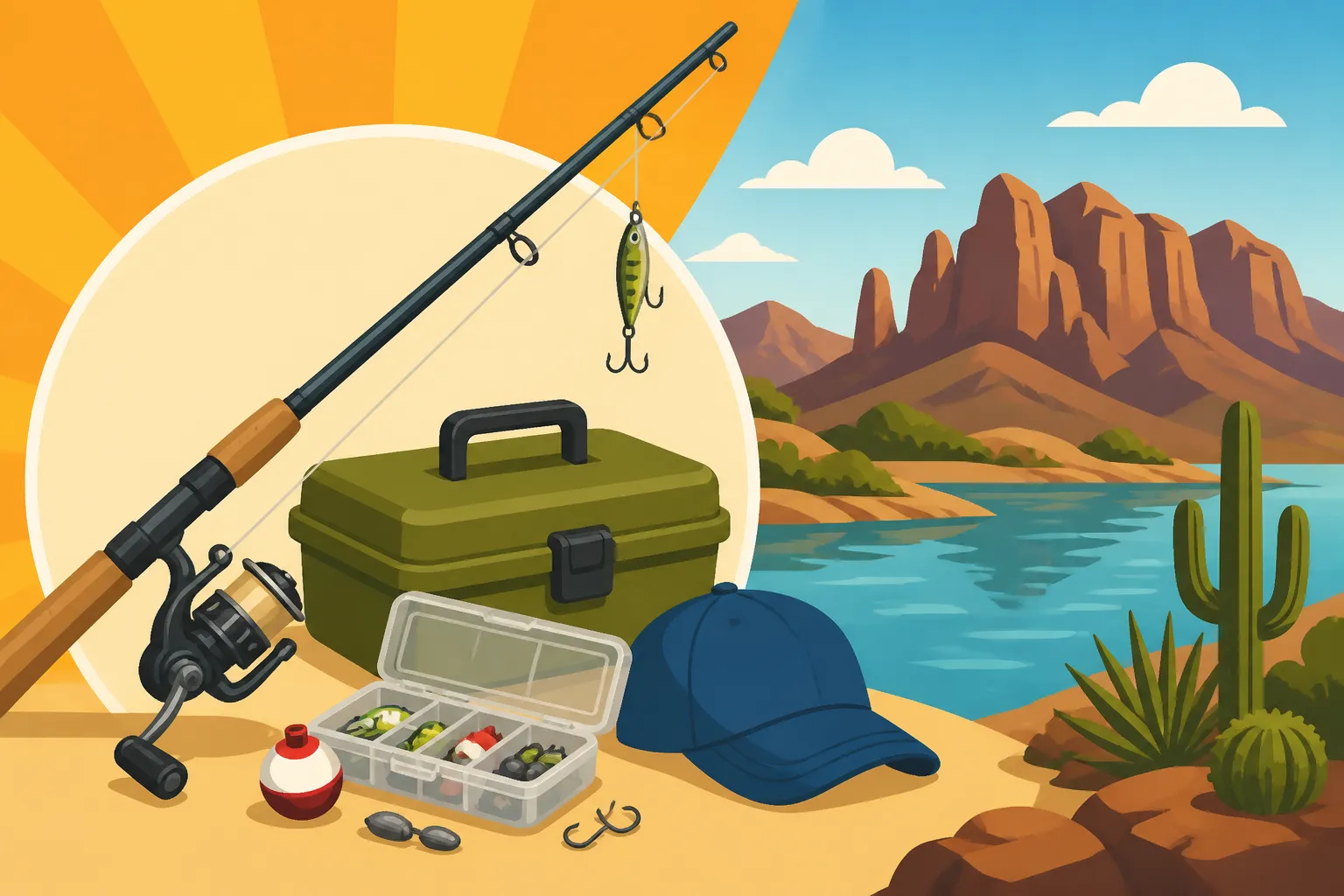
For most beginners, the rod and reel combo is the centerpiece of their initial setup. You'll find these bundled together, which often saves you a few bucks compared to buying them separately. In Arizona, where you might be targeting anything from sunfish in a community pond to a feisty largemouth bass, a versatile medium-light or medium action spinning combo is usually your best bet.
A spincast reel, with its enclosed spool and push-button casting, is incredibly user-friendly and perfect for kids or anyone who's never cast a line before. These are often the most budget-friendly option. On the other hand, spinning reels offer more versatility and casting distance, making them a popular choice for adult beginners who want a bit more control and room to grow into the sport. When you're just starting, you don't need a super sensitive rod or a reel with a dozen bearings. A simple fiberglass or composite rod with a smooth-operating reel will serve you well. You can find decent beginner combos from reputable brands at outdoor retailers like Bass Pro Shops or through online marketplaces like Amazon. Expect to find a good quality, entry-level rod and reel combo that can handle the common fish species in Arizona for a reasonable sum. It's a foundational purchase, so don't be afraid to read a few reviews for beginner-friendly models.
Line, Hooks, and Sinkers: The Absolute Necessities
Once you have your rod and reel, the next step is getting your "business end" ready – that's your line, hooks, and sinkers. These are the unsung heroes of your tackle box, and thankfully, they're typically very inexpensive to acquire. You can also look into Best Line for Bass Fishing or Best Line for Trout Fishing as you get more specific in your pursuits.
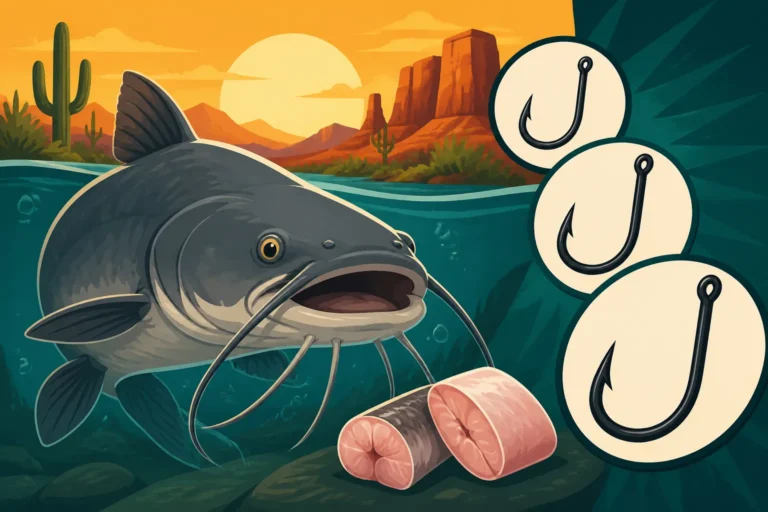
For your fishing line, monofilament is the beginner's best friend. It's affordable, easy to tie knots with, has a good amount of stretch (which can be forgiving for new anglers setting the hook), and it's readily available. For general Arizona fishing, a 6-10 pound test monofilament line is a great starting point, versatile enough for most small to medium-sized fish you'll encounter. You can buy a large spool for just a few dollars, and it will last you quite a while. When it comes to hooks, you'll want an assortment. Sizes like 6, 4, 2, and 1 are common for panfish and smaller bass, while larger sizes might be good for catfish. Buying a variety pack of basic J-hooks is a smart move. Sinkers, which help get your bait down to where the fish are, also come in various forms like split shot or egg sinkers. A small pack of assorted split shot sinkers will cover most of your needs for bank fishing or light jigging. These items are typically very low cost, making them easy to stock up on.
Essential Terminal Tackle and Small Accessories
Beyond just line, hooks, and sinkers, a few other small items, often grouped under "terminal tackle," will make your fishing experience much smoother. These are the little things that connect your line to your hook or lure, or help you detect bites.
Bobbers are fantastic for beginners, especially when fishing with live bait or for panfish. They visibly signal a bite, which is incredibly exciting for new anglers. A pack of assorted bobbers, both clip-on and slip styles, costs very little and provides great utility. Swivels, particularly snap swivels, are another handy item. They prevent your line from twisting (which can happen with certain lures or when retrieving quickly) and make it incredibly fast and easy to change out your hooks, leaders, or lures without having to re-tie your main line every time. A small assortment of these will be a valuable addition. Lastly, you'll need a way to organize all these small components. A basic plastic tackle box with adjustable compartments is perfect. You don't need anything fancy; just a compact box that keeps your hooks, sinkers, and lures tidy and prevents them from getting tangled in your bag. These small accessories are incredibly affordable and contribute significantly to a hassle-free fishing trip.
Beyond the Bare Minimum: Comfort and Safety Gear
While the rod, reel, line, hooks, and sinkers are the absolute necessities to technically "go fishing," a truly successful and enjoyable day on the water, especially in Arizona, requires a few more items focused on comfort and safety. Ignoring these can quickly turn a fun outing into a miserable one.
Sun Protection: A Must-Have in Arizona
Arizona's sun is no joke, and prolonged exposure without proper protection can lead to severe sunburn, heat exhaustion, and long-term skin damage. This isn't just about comfort; it's about protecting yourself. Even on cloudy days, UV rays are intense.
A wide-brimmed hat is paramount. It protects your face, neck, and ears, areas often exposed to the sun. Combined with a good pair of polarized sunglasses, you'll not only protect your eyes from harmful UV rays but also cut down on glare from the water, allowing you to see submerged structure or even fish more clearly. Don't forget high-SPF sunscreen for any exposed skin, and consider wearing lightweight, long-sleeved shirts with UPF protection. Many outdoor brands offer these specifically designed for fishing in hot climates. While these items represent an additional cost, they are a non-negotiable part of safe and comfortable Arizona fishing. You'll thank yourself after a long day under that desert sun. You might also find tips on Heat Safety Tips for Summer Fishing in Arizona valuable.
Basic Tools: Pliers and a Small Net
Having the right tools at hand can make all the difference, especially when you catch a fish. Two basic tools that every beginner should consider are a good pair of fishing pliers and a small landing net.
Fishing pliers are incredibly versatile. They're essential for safely removing hooks from a fish's mouth, especially if the fish has swallowed the hook deeply or has sharp teeth (like a catfish!). They can also be used to cut fishing line, crimp split shot sinkers, or even help with tying knots. Look for a pair that's comfortable to hold and resistant to rust, as they'll likely get wet. A small, rubberized landing net is also a game-changer for beginners. It helps you safely land fish without putting too much stress on your line or the fish itself, especially if you plan on practicing Catch and Release Rules for Arizona Anglers. It also makes handling a flopping fish much easier, reducing the chances of a hook in your hand or a fish slipping away. These tools generally don't cost much individually, but they add a lot of practical value and safety to your setup.
Hydration and Cooler Considerations
Fishing in Arizona often means dealing with heat, sometimes extreme heat, even during the cooler months. Staying hydrated isn't just good advice; it's absolutely crucial for your health and enjoyment.
A reusable water bottle or a small hydration pack is a wise investment. Fill it with plenty of water before you head out, and if you plan to be out for several hours, bring extra. For snacks or to keep any fish you catch fresh (if you plan on keeping them within the Fishing Bag and Possession Limits Explained), a small, insulated cooler is invaluable. You don't need a massive, expensive cooler; a simple soft-sided cooler or a small hard-shell one will do the trick for a day trip. Fill it with ice and keep your drinks cold and your catch on ice to preserve its quality. These items are about making your day enjoyable and safe, and they can be repurposed for other outdoor activities too, so they're a smart investment.
Totaling Up the Investment: What to Expect
So, how much does all this really cost for a beginner looking to fish in Arizona? The good news is, you can get started for far less than many imagine. The key is to prioritize the essentials and expand your gear collection over time as you gain experience and discover what type of fishing you enjoy most.
Budget-Friendly Starter Kits vs. Piecemeal Purchases
For true beginners, especially those who aren't quite sure if fishing will become a long-term passion, a budget-friendly starter kit can be an excellent option. Many retailers, including Bass Pro Shops, offer combos that include a basic rod and reel, some line, a few hooks, sinkers, and maybe even a small tackle box or a few lures. These kits are designed to be an all-in-one solution, making it incredibly easy to get everything you need in one go. They typically fall into a very accessible price range, making the entry barrier quite low.
On the other hand, if you prefer to hand-pick your items or want slightly better quality in specific components, buying things piecemeal might be your route. This allows you to select a rod you like, pair it with a reel you prefer, and then add your choice of line and terminal tackle. This approach can sometimes lead to a slightly higher initial cost, but it also means you're investing in individual pieces that might last longer or perform better than those found in basic kits. However, for most beginners, the convenience and cost-effectiveness of a well-put-together starter kit are hard to beat.
Finding Deals and Secondhand Gear
To save even more money, always keep an eye out for sales, especially at the end of fishing seasons or around major holidays. Retailers often discount last year's models, which are still perfectly functional and suitable for a beginner. Browsing online clearance sections or local classifieds can also yield great finds. You might discover a gently used rod and reel that someone is selling for a fraction of its original price. Just be sure to inspect any secondhand gear carefully for damage before purchasing.
Another smart move is to leverage places like Amazon for bulk purchases of consumable items like hooks, sinkers, and even spools of monofilament line. Buying in larger quantities can often reduce the per-item cost significantly. Remember, fishing doesn't have to be an expensive hobby, especially when you're just starting. The joy comes from the experience, not the price tag of your gear.
Ongoing Costs: Bait, Lures, and Licenses
Beyond the initial setup, there are some ongoing costs to consider. The most obvious is bait and lures. If you're using live bait like worms or minnows, these are recurring expenses. Lures, while a one-time purchase, can get lost or damaged, requiring replacements. However, many basic lures are inexpensive and last a long time.
Perhaps the most important ongoing cost, and one that is absolutely essential before you even think about casting a line, is your fishing license. In Arizona, pretty much anyone over a certain age needs a license to legally fish. The Arizona Fishing License Costs vary depending on whether you're a resident or non-resident, your age, and the duration of the license (annual, short-term, etc.). Make sure to factor this into your budget. You can usually purchase these online or at authorized dealers. Understanding the Arizona Fishing License Guide is crucial to ensure you're fishing legally. Some specialty waters or fishing for certain species, like trout, may also require additional stamps or permits, so it's always wise to check the current regulations before you go.
Here’s a quick overview of estimated costs for a basic beginner setup:
| Item Category | Typical Beginner Cost Range | Notes |
|---|---|---|
| Rod & Reel Combo | $$30 – $80 | Spincast or spinning combo, versatile for various species. |
| Fishing Line | $$5 – $15 | Spool of monofilament (6-10 lb test). |
| Hooks | $$5 – $10 | Assorted pack of common sizes (e.g., #6 to 1/0). |
| Sinkers | $$3 – $8 | Assorted pack of split shot or small egg sinkers. |
| Bobbers | $$3 – $7 | Assorted pack of clip-on and slip bobbers. |
| Swivels/Snaps | $$4 – $8 | Small pack for easy lure/leader changes. |
| Tackle Box/Bag | $$10 – $25 | Basic plastic box with compartments. |
| Fishing Pliers | $$10 – $25 | Essential for hook removal and line cutting. |
| Small Landing Net | $$15 – $35 | Optional, but highly recommended for safe fish handling. |
| Sun Hat | $$10 – $30 | Wide-brimmed for face and neck protection. |
| Polarized Sunglasses | $$15 – $40 | Protects eyes and reduces glare. |
| Sunscreen | $$5 – $15 | High SPF, waterproof. |
| Water Bottle/Hydration | $$5 – $20 | Reusable, essential for Arizona heat. |
| Small Cooler | $$20 – $50 | Optional, for drinks, snacks, or keeping catch fresh. |
| Arizona Fishing License | Varies | Mandatory. Check Arizona Fishing License Types Compared for details. |
| Total Estimated Initial Outlay (Excluding License & Bait) | $140 – $376 | This range covers functional basic gear for a comfortable start. |
As you can see, the initial investment to get started fishing in Arizona is quite reasonable. By focusing on the essentials and being smart about where you shop, you can be out on the water, enjoying the peace and excitement of fishing, without feeling like you've had to mortgage the house. So go ahead, cast your worries about cost aside, and get ready for some fun!
Disclaimer
This article is for general informational purposes only and does not constitute professional advice. Laws, prices and regulations vary by location and change over time. Consult a qualified professional for guidance on your specific situation.