Best Braided Line for Striped Bass
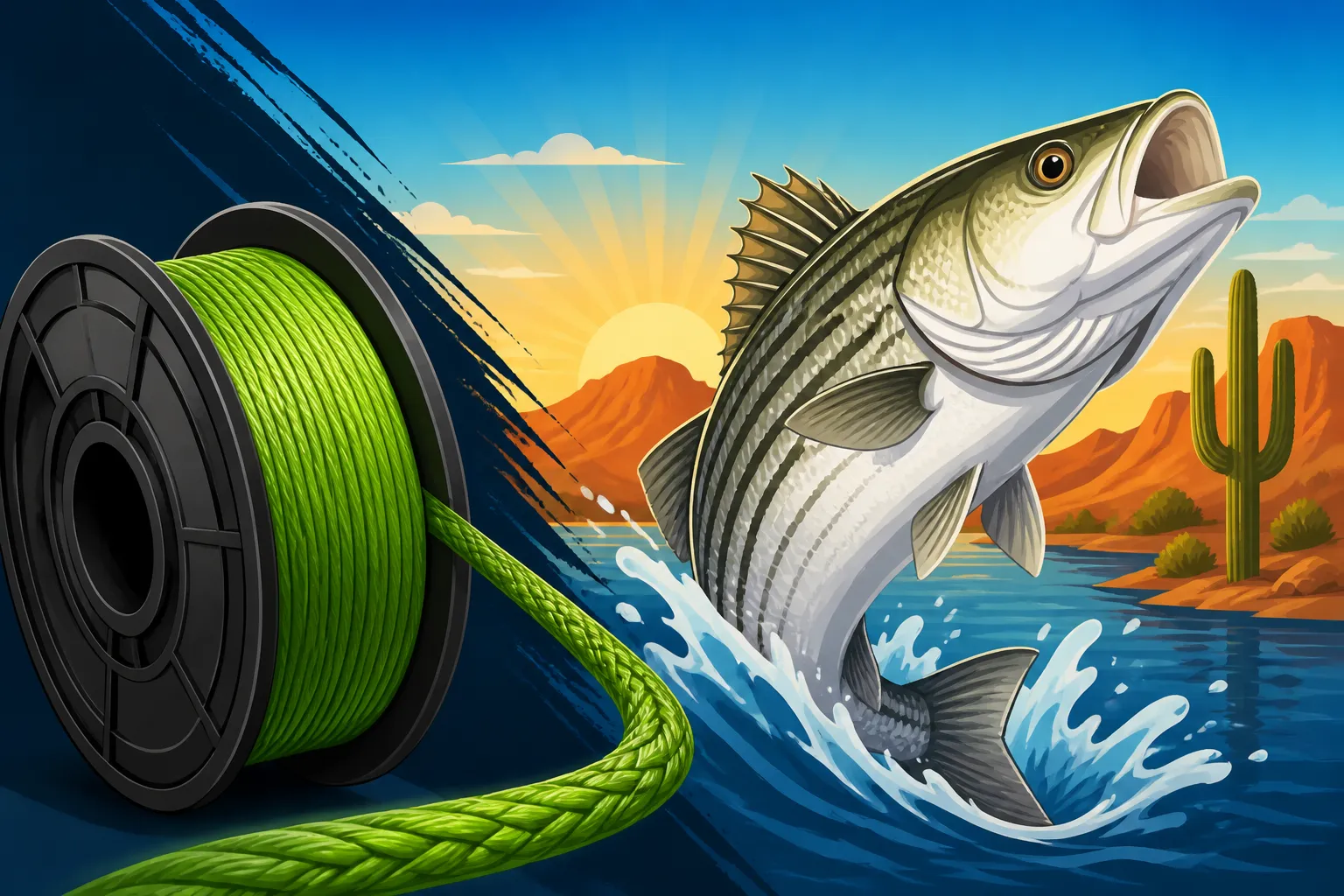
There’s nothing quite like the heart-thumping strike of an Arizona striped bass, whether you're targeting a schooling boil on Lake Powell or battling a monster in the Colorado River. But for many anglers, the sheer power and aggressive runs of these fish can lead to frustrating break-offs and lost trophies. This guide is dedicated to helping you choose the best braided line, a crucial component that can make all the difference in landing those formidable stripers in Arizona’s unique and challenging waters.
Why Braided Line is a Game Changer for Arizona Striped Bass
Let's be real, traditional monofilament or even fluorocarbon sometimes just doesn't cut it when you're going head-to-head with a hard-fighting striped bass. They're built for speed and power, and our desert lakes offer plenty of structure, both natural and submerged, that can fray or snap weaker lines. Braided line offers a suite of advantages that can turn those "one that got away" stories into triumphant tales.
Superior Strength and Sensitivity
One of the biggest frustrations for any angler is feeling a subtle bite, only to have the line stretch and absorb the impact, resulting in a missed hookset. Braided line practically eliminates this problem. It has almost zero stretch, which means every twitch, tap, and subtle vibration from your lure or bait is transmitted directly to your rod tip and, ultimately, to your hands. Imagine you're fishing a deep-water thermocline for stripers at Lake Pleasant, or trying to detect a light bite in a strong current; that incredible sensitivity helps you feel exactly what's happening at the business end of your line.
Beyond sensitivity, braided line offers an astounding strength-to-diameter ratio. This means you can use a much thinner line than you would with mono or fluoro, yet still have superior pulling power. A thinner line cuts through the water and wind more efficiently, which is a huge advantage when you're trying to fish deep or cast long distances in breezy conditions, which are common across Arizona's vast reservoirs. This added strength also gives you greater confidence when a big striper decides to make a run for the nearest brush pile or rock formation.
Enhanced Casting Distance and Durability
Picture this: you're out on Lake Powell, and suddenly, a massive school of stripers erupts on the surface, boiling with frenzy a hundred yards out. You need to get your lure into that chaos fast. Braided line, with its smooth, consistent diameter and lack of memory, practically flies off the spool, allowing for significantly longer and more accurate casts compared to monofilament. This extended casting range is absolutely critical for reaching those elusive striper boils before they disappear beneath the surface. It can be the difference between watching the action and being right in the middle of it.
But it's not just about casting distance; durability is equally important in the rough and tumble world of Arizona striper fishing. Our lakes and rivers are often characterized by rocky bottoms, submerged trees, and abrasive ledges that can quickly degrade other lines. Braided line is highly resistant to abrasion, giving you an extra layer of protection against these underwater hazards. While no line is completely indestructible, the robust nature of braid means fewer frustrating nicks and fraying that can lead to unexpected break-offs when you're fighting a trophy fish. This peace of mind allows you to focus on the fight, not worry about your line.
Key Factors When Choosing Braided Line for Stripers
Selecting the right braided line isn't a one-size-fits-all decision, especially when targeting hard-fighting species like striped bass in diverse Arizona environments. There are several critical factors to consider to ensure your setup is optimized for success.
Line Diameter and Test Strength
This is where the magic of braid really shines, but also where choices need to be made carefully. You want enough strength to handle the powerful runs of a striper, but a diameter that allows for good casting and less water resistance. For general Arizona striper fishing, most anglers find a sweet spot in the 30-pound to 50-pound test range.
- 30-pound test: This is an excellent choice for casting lighter lures, when you need maximum casting distance, or when targeting smaller stripers. It's often paired with medium-heavy rods. While robust, it might feel a bit light if you're consistently hooking into the really big fish or fishing in areas with heavy snags.
- 40-pound test: This is arguably the most versatile option for Arizona stripers. It offers a fantastic balance of strength, castability, and abrasion resistance. It's a great all-around choice whether you're trolling, casting swimbaits, or fishing live bait. Many anglers consider this their go-to for How to Fish for Striped Bass across various lakes.
- 50-pound test: If you're specifically targeting monster stripers, fishing in areas with dense structure, or using heavier lures and baits, 50-pound test gives you that extra confidence. It’s a beast of a line, providing maximum pulling power, though you might sacrifice a little casting distance with lighter baits.
Remember, the actual diameter of a 50-pound braided line is often comparable to a 12-pound monofilament. This thin profile helps cut through the water and allows for more line capacity on your reel, which is a blessing when a big striper decides to run for the horizon.
Here's a quick look at how braided line test strength often compares in diameter to traditional mono:
| Braided Line Test (Lbs) | Approximate Mono Equivalent Diameter (Lbs) | Common Applications for Arizona Stripers |
|---|---|---|
| 20 | 6 | Light tackle, smaller lures, finesse techniques, smaller stripers |
| 30 | 8 | All-around casting, swimbaits, medium-sized stripers, good casting distance |
| 40 | 10 | Versatile, heavier lures, trolling, larger stripers, good balance of power |
| 50 | 12 | Heavy cover, big lures/baits, trophy stripers, maximum pulling power |
| 65 | 15 | Extreme conditions, very heavy tackle, deep trolling in current |
Color and Visibility
The color of your braided line is a topic that often sparks lively debate among anglers. While the consensus is that stripers (and most fish) can't see brightly colored braid directly in clear water, especially if you're using a leader, it still plays a role for the angler.
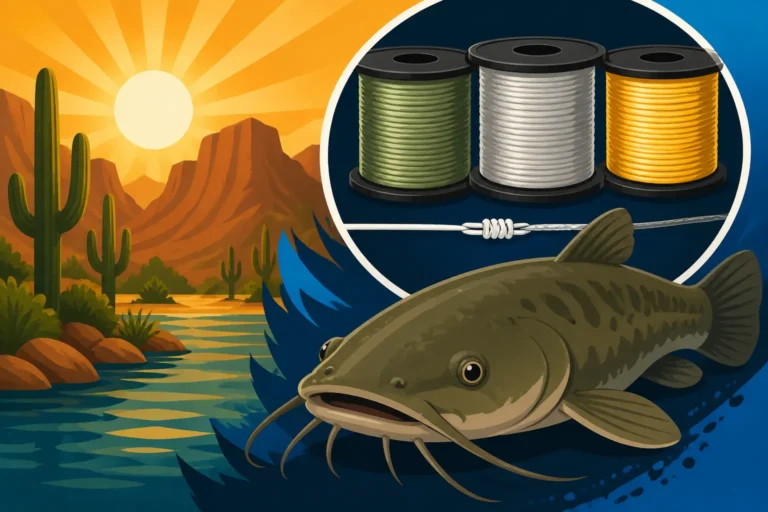
- Moss Green/Dark Green: This is perhaps the most popular and versatile choice. It blends well with many natural environments, from green algae to shadowed areas. It's low-visibility to fish, especially with a good fluorocarbon leader, and offers a bit of contrast for the angler to see line movement.
- Hi-Vis Yellow/Orange: For those who rely on visual bite detection, especially when vertical jigging or watching for subtle twitches, hi-vis lines are invaluable. You can easily see your line move or twitch, indicating a bite even before you feel it. The key here is always, always to tie on a fluorocarbon leader, often 6-10 feet long, to create an invisible connection to your lure. This way, the fish sees the clear leader, and you get the benefit of visual cues from your main line.
- Clear/White: Some braids come in natural or white colors. These are generally low-visibility, and while not truly "clear" like mono or fluoro, they can be a good option if you prefer a neutral tone.
- Camouflage: Some brands offer multi-color or camouflage patterns designed to break up the line's profile. These can be effective, though their primary benefit often comes down to personal preference.
For Arizona's often clear desert lakes like Lake Havasu or the main channels of Lake Powell, a darker green or even a white braid with a long fluorocarbon leader is a solid choice. If you're fishing in murky, post-monsoon waters, line visibility for the fish becomes less of a concern, and your ability to see your line for bite detection might take precedence.
Weave Count and Smoothness
Not all braided lines are created equal. The "weave count" refers to the number of strands of synthetic fiber (like Dyneema or Spectra) woven together to create the line. Common counts are 4-strand, 8-strand, and sometimes even 12-strand.
- 4-Strand Braid: This is typically a tougher, more robust braid. It's often a bit thicker in diameter for the same test strength and can feel slightly coarser. Its rougher texture can sometimes create a bit more noise when passing through rod guides, but it excels in abrasion resistance and sheer pulling power. If you're fishing heavy cover or for the absolute strongest pull, a good quality 4-strand can be a workhorse.
- 8-Strand Braid (and higher): This type of braid uses more strands woven more tightly, resulting in a much rounder, smoother, and often thinner line. The smoother surface allows for incredibly quiet casting, less friction through rod guides, and generally longer casts. It tends to feel softer and can be more supple, which can be an advantage for certain lure presentations. While generally very strong, some anglers argue that a high-strand braid might be slightly less abrasion-resistant than a 4-strand if individual fibers are severed, but the overall strength is still phenomenal. For most Arizona striper applications, especially casting and retrieving, an 8-strand braid is often preferred for its performance and feel. When browsing options at Bass Pro Shops or online at Amazon, you'll find a wide array of both 4- and 8-strand options.
Top Braided Line Considerations for Arizona Striped Bass
Choosing the best braided line goes beyond just color and strength. The subtle nuances of its construction and how you pair it with your terminal tackle can significantly impact your success rate with Arizona stripers.
Understanding Line Construction and Coating
The way a braided line is constructed, including its weave and any protective coatings, plays a huge role in its performance. Manufacturers use proprietary methods to weave the polyethylene fibers (like Spectra or Dyneema) into a finished line. A tighter, denser weave generally results in a rounder profile, which can reduce wind knots and improve casting distance by reducing friction.
Many premium braided lines feature special coatings. These coatings serve several purposes:
- Smoothness: A slick coating reduces friction, allowing the line to glide through rod guides more smoothly, increasing casting distance and reducing noise. This is particularly noticeable on fast retrieves or when making numerous casts.
- Abrasion Resistance: Some coatings add an extra layer of protection, making the line even more resilient against nicks and scrapes from rocks, timber, or fish teeth. This is vital when Fishing Around Submerged Timber or rocky ledges.
- Water Repellency: Coatings can help prevent the braid from absorbing water, which can otherwise make it heavier, affect casting, and potentially shorten its lifespan.
- Color Retention: Over time, braided lines can fade, especially those exposed to intense Arizona sun. Coatings can help the color last longer, which is useful if you rely on highly visible line for bite detection.
When you're looking for quality braid, consider lines that boast advanced coatings. They might cost a bit more upfront, but the enhanced performance and longevity often make it a worthwhile investment. Brands like PowerPro, Sufix, and Berkley all offer lines with various construction and coating benefits. You can find a good selection of these at retailers like Bass Pro Shops or online at Amazon, allowing you to compare features and read reviews from other anglers.
Leader Material and Connections
This is perhaps the most critical component when fishing braided line for striped bass in Arizona: the leader. Braided line, even in a low-visibility color, is still visible to fish, especially in the clear waters of many Arizona lakes. A fluorocarbon leader is absolutely essential.
- Fluorocarbon Leader: Fluorocarbon is virtually invisible underwater due to its refractive index being very close to that of water. It also offers excellent abrasion resistance, which is a huge plus when a striper's rough mouth or gill plate comes into contact with the line during a fight. The length of your leader can vary, but generally, a 3- to 6-foot leader is a good starting point. In exceptionally clear conditions, or for very wary fish, you might extend it to 8 or even 10 feet. The test strength of your fluorocarbon leader should typically be slightly less than or equal to your braided main line. For example, if you're using 40-pound braid, a 20- to 30-pound fluorocarbon leader is often appropriate. This creates a weak link at the leader, protecting your more expensive main line from break-offs in snags, but still strong enough for the fight.
- Leader Knots: Connecting braided line to fluorocarbon requires specific knots designed for splicing two different line types. The FG knot is often considered the strongest and most streamlined option, passing through rod guides with minimal friction. However, it can be tricky to tie, especially for beginners. The Double Uni knot is a popular alternative that's easier to master and still offers good strength. The Albright knot is another reliable choice, particularly for heavier lines. Practicing these knots at home before you hit the water is highly recommended. A weak knot is often the weakest link in your entire setup, leading to lost fish and frustration.
Spooling and Maintenance Tips
Properly spooling and maintaining your braided line will extend its life and prevent many common issues.
- Spooling: Braid can slip on a smooth spool, so it’s crucial to first spool a small amount of monofilament backing (5-10 yards of 8-10 lb mono) onto your reel, or apply a piece of electrical tape, before tying on your braid. This prevents slippage under tension. When spooling the braid, apply consistent, firm tension to ensure it’s packed tightly on the reel. Overfilling the spool is a common mistake that leads to wind knots and tangles, especially with braid. Leave about 1/8 to 1/4 inch of spool lip visible.
- Checking for Damage: After each fishing trip, especially if you've been fishing around structure or caught a few fish, inspect the last few feet of your braided line for any fraying or nicks. If you find any, cut back a few feet until you reach fresh, undamaged line.
- Line Memory and Twist: Unlike mono, braid has virtually no memory, which is great, but it can get twisted if you're using lures that spin without a swivel, or if your reel has issues. If you notice line twist, let out a significant amount of line behind the boat while moving slowly, or in a current, with nothing tied to the end. The line will untwist itself.
- Sun and Heat Protection: Arizona's sun is intense. Store your spooled reels out of direct sunlight when not in use. While braid is more UV resistant than mono, prolonged exposure can still degrade it over time.
- Regular Replacement: While braid lasts much longer than monofilament, it's not eternal. Depending on how frequently you fish and what conditions you fish in, consider replacing your braid every few seasons, or if you notice significant fading, fraying, or a reduction in casting performance.
Practical Applications and Recommendations for Arizona Stripers
Now that we've covered the technical aspects, let's talk about putting this knowledge into practice on the water for Arizona striped bass.
Recommended Brands and Where to Find Them
When it comes to braided line, investing in a reputable brand usually pays off in performance and longevity. Here are a few brands widely favored by anglers for their quality:
- PowerPro: This brand is extremely popular for a reason. Their Original SuperSlick V2 and Maxcuatro lines are known for their strength, roundness, and casting performance. The SuperSlick series is particularly smooth, making it ideal for long casts to reach distant striper boils.
- Sufix: Sufix 832 Advanced Superline is another top contender. It incorporates Gore Performance Fibers with Dyneema, resulting in a very strong, abrasion-resistant, and smooth line that casts exceptionally well. Many anglers swear by its durability in challenging conditions.
- Berkley X9: Berkley's X9 braid offers a 9-strand construction (8 strands around a central core), which makes it incredibly round and smooth, rivaling some of the best 8-strand lines for casting distance and quiet performance.
- Spiderwire Stealth: A long-time favorite, Spiderwire Stealth is known for its incredible strength and value. While it might not be as smooth as some of the higher-end 8-strand braids, it's a solid, reliable choice for heavy-duty applications.
You can find a comprehensive selection of these and other quality braided lines at most major fishing retailers. Stores like Bass Pro Shops typically have a dedicated fishing line section where you can compare different brands, test their feel, and consult with staff. For convenience and often competitive pricing, online retailers like Amazon also offer a vast array of braided lines, making it easy to research and choose the best option for your Arizona striper adventures.
Adjusting for Different Arizona Striper Techniques
Your choice of braided line and leader setup might vary slightly depending on the specific technique you're employing for Arizona stripers:
- Casting Swimbaits and Topwater Lures: When casting larger swimbaits for How to Fish a Swimbait for Striped Bass or aggressively working topwater lures during a boil, a 30- to 40-pound braided main line is excellent. Its thin diameter allows for long casts, and the zero stretch ensures immediate hooksets. A 20- to 30-pound fluorocarbon leader of 3-5 feet is typically sufficient. The direct connection offered by braid makes working these lures incredibly efficient.
- Trolling: For Trolling Techniques for Striped Bass, especially with umbrella rigs or larger crankbaits, a 40- to 50-pound braided main line offers the necessary strength to handle the drag of heavy lures and the immense power of multiple hooked stripers. Many trollers use longer leaders, sometimes 10-20 feet of 25- to 40-pound fluorocarbon, particularly in clear water. Braid also helps your lures run deeper with less line out due to its thinner diameter and less water resistance.
- Bait Fishing (Cut Bait, Anchovies): When fishing cut bait or live anchovies on the bottom or suspended, 40- to 50-pound braid is a good choice, especially if fishing in rocky areas or around submerged timber. The sensitivity allows you to feel subtle bites even in deep water. A 20- to 40-pound fluorocarbon leader, typically 3-6 feet, will keep your bait looking natural and provide abrasion resistance near the hook.
- Vertical Jigging: For vertical jigging spoons or heavy plastics in deep water, 30- to 40-pound braid is ideal. The lack of stretch transmits every bump and tap, making it easier to detect light bites on the drop or retrieve. A short (1-3 foot) fluorocarbon leader of 20- to 30-pound test is common here.
Remember, the goal is always to balance strength with stealth and presentation. While braid provides the muscle, the fluorocarbon leader is your secret weapon for fooling wary Arizona stripers. For more detailed insights into targeting these fish, check out our Striped Bass Fishing Guide for Arizona.
Common Mistakes to Avoid with Braided Line
Even with the best braided line, mistakes can happen. Being aware of these common pitfalls can save you a lot of grief on the water:
- Improper Knots: As mentioned, braid requires specific knots, especially for leaders. A standard clinch knot or palomar knot tied directly to braid can slip under pressure. Invest time in learning strong braid-to-swivel knots and braid-to-fluoro leader knots.
- Not Using a Leader (or Too Short a Leader): This is a huge mistake, especially in Arizona's clear water lakes like Lake Powell Arizona Fishing Guide or Lake Pleasant Arizona Fishing Guide. Without a fluorocarbon leader, you significantly reduce your chances of getting bites from wary stripers. A leader that's too short might not give the fish enough "invisible" line before they see the braid.
- Overfilling the Spool: This is a recipe for wind knots, bird's nests, and tangles. Always leave a small gap between the line and the spool lip.
- Ignoring Nicks and Fraying: Braid is tough, but it's not invincible. A small fray can quickly turn into a break-off under the strain of a fighting striper. Periodically check your line, especially the first few feet, and cut off any damaged sections.
- Setting Your Drag Too High: While braid has no stretch, your rod and reel still have limits. Setting your drag too tight can lead to bent hooks, snapped rods, or pulled lips, especially when a big striper makes its initial powerful run. A properly set drag allows the fish to take line when necessary, tiring it out without putting excessive stress on your gear.
- Not Using Mono Backing or Tape: Skipping this step is a common error that can result in your entire spool of braided line spinning freely on your reel's arbor when a big fish pulls hard. A small amount of mono or electrical tape creates friction to prevent this.
- Using the Wrong Rod and Reel: Braided line works best with rods designed for it, typically with guides that can withstand its abrasive properties. Also, ensure your reel has a smooth, reliable drag system, as braid transmits every shock directly. For general guidance, consider looking at Best Fishing Rods for Bass in Arizona and Best Fishing Reels for Beginner Anglers in Arizona with an eye for heavier-duty options suitable for stripers.
By paying attention to these details, you'll be well-equipped to tackle Arizona's striped bass with confidence, turning those hard-fought battles into successful landings.
Disclaimer
This article is for general informational purposes only and does not constitute professional advice. Laws, prices and regulations vary by location and change over time. Consult a qualified professional for guidance on your specific situation.