Best Fluorocarbon Line for Clear Water
There's nothing quite as frustrating as watching a big, beautiful fish spook and dart away, not because of a bad cast or a wrong lure, but because it spotted your fishing line in crystal-clear Arizona water. Many of our stunning desert lakes and mountain streams boast incredible visibility, which, while beautiful, presents a unique challenge to anglers. This guide is all about equipping you with the knowledge to select the best fluorocarbon fishing line to virtually disappear in these conditions, giving you a stealthy edge to fool even the wariest of fish.
Why Clear Water Demands the Right Fishing Line
Arizona is known for its incredible diversity, and that includes our fishing environments. From the high-desert reservoirs like Lake Pleasant and Roosevelt Lake, where the water can be incredibly clean, to the pristine mountain lakes and streams that feed them, anglers often face conditions where visibility extends many feet. In these environments, fish aren't just reacting to movement; they're actively seeing elements of your tackle, including your line. This is where the magic of fluorocarbon comes into play, offering properties that make it a game-changer compared to traditional monofilament or even braided lines.
Imagine you're targeting a savvy largemouth bass lurking around submerged structure in Canyon Lake, or perhaps casting for wary rainbow trout in a clear mountain stream up near the Mogollon Rim. In both scenarios, the water clarity is a blessing for sight fishing but a curse if your line is easily detectable. Fish, especially those that have been caught before or are under heavy fishing pressure, develop an uncanny ability to spot anything unnatural in their environment. A gleaming, visible fishing line signals danger, causing them to either shy away from your presentation entirely or to inspect it with too much caution to ever commit to a bite. It’s this constant battle against the fish's eyesight that makes line choice paramount, turning a potentially frustrating day into a rewarding one. This subtle difference often means the contrast between a day full of missed opportunities and a cooler full of fish.
Understanding Fluorocarbon's Stealth Advantages
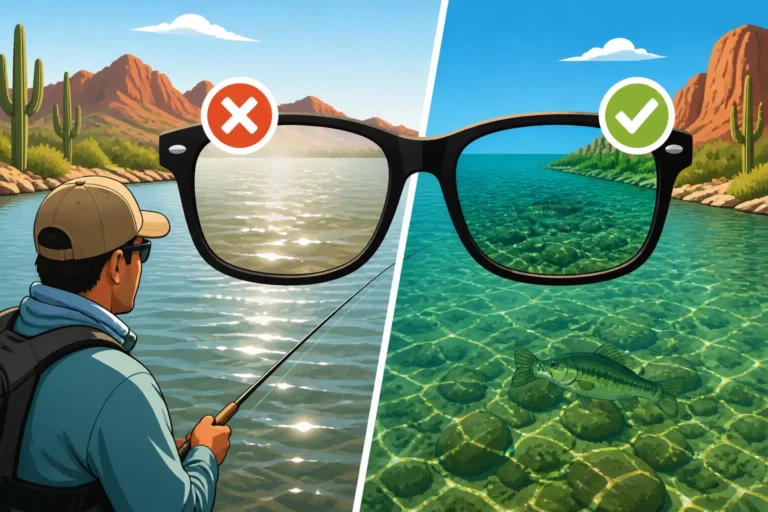
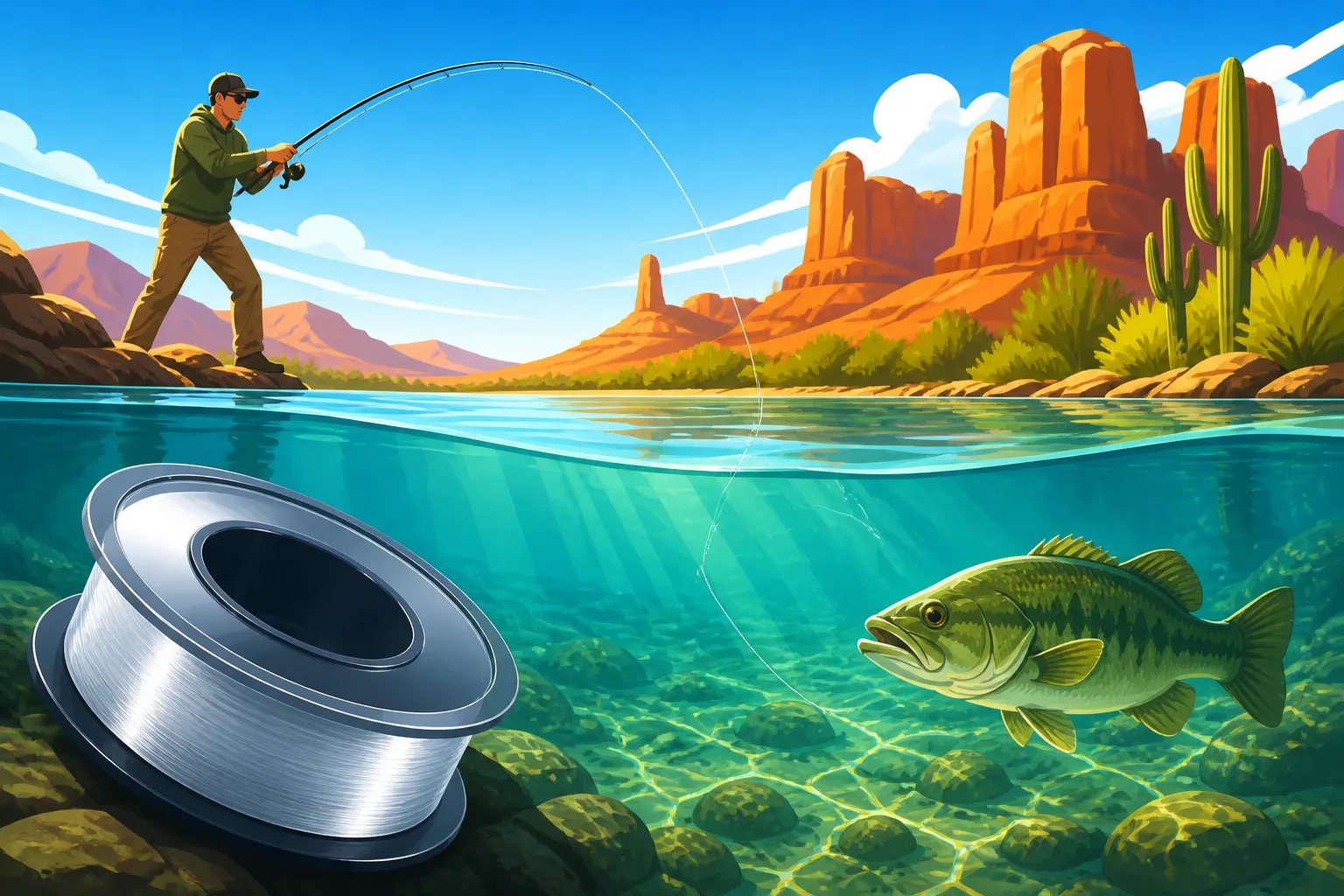
Fluorocarbon line isn't just "clear" like some monofilaments; it possesses specific physical properties that make it exceptionally effective in clear water. The key lies in its refractive index, which is very close to that of water itself. Think about how a glass rod almost disappears when submerged in water—fluorocarbon behaves similarly. While it won't vanish entirely, it becomes incredibly difficult for fish to see, especially compared to nylon monofilament, which has a higher refractive index and thus reflects more light. This low visibility is the primary reason why so many experienced anglers reach for fluorocarbon, especially when fishing for species like bass or trout that have excellent eyesight.
Beyond its near-invisibility, fluorocarbon offers other benefits crucial for clear water fishing. It’s denser than water, which means it sinks faster than monofilament. This property is particularly useful when you're trying to get a bait down quickly to deep-holding fish or maintain contact with a lure in windy conditions. The density also translates to less stretch than monofilament, providing increased sensitivity. You can feel subtle bites and bumps on the bottom more effectively, which is a huge advantage when fishing finesse presentations in deep, clear lakes like Lake Mead or Lake Mohave where the fish might be just gently mouthing your bait. This added sensitivity can be the difference between hooking a trophy fish and wondering if you just bumped a rock.
Key Considerations When Selecting Fluorocarbon for Arizona
Choosing the right fluorocarbon line isn't a one-size-fits-all situation. The best choice depends on your target species, fishing technique, and the specific conditions you'll encounter in Arizona's diverse waters. It’s a nuanced decision that involves balancing line strength, diameter, and performance characteristics.
Line Weight and Diameter
When fishing in clear water, lighter line often translates to more bites. A thinner diameter line presents your bait more naturally and is even harder for fish to see. However, you can't sacrifice strength entirely, especially when battling big bass in heavy cover or dealing with the powerful runs of a striped bass. For finesse techniques targeting wary largemouth or smallmouth bass, particularly at clear reservoirs like Lake Havasu or Alamo Lake, a 6 to 10-pound test fluorocarbon leader is often ideal. If you're going after bigger fish or fishing around abrasive rocks, you might bump up to 12-15 pound test. The trick is to use the lightest line you can get away with while still having the confidence that it can handle the fight. Remember, every pound of breaking strength adds a little to the line's diameter, so it’s a constant trade-off.
Fluorocarbon as Main Line vs. Leader
Many anglers use fluorocarbon purely as a leader, especially when their main line is braided. Braided line offers incredible strength, sensitivity, and casting distance, but it's highly visible in clear water. Tying a 6-to-20-foot fluorocarbon leader to your braid with a strong knot like an FG knot or an Albright knot gives you the best of both worlds: the castability and power of braid with the stealth of fluorocarbon right at your lure. This is a common setup for targeting everything from Largemouth Bass Fishing Guide for Arizona to Striped Bass Fishing Guide for Arizona in open water. However, some prefer to spool their entire reel with fluorocarbon, particularly for baitcasting setups or when maximum sensitivity and a direct feel for the bait are paramount, such as when jigging for deep-water crappie. If you opt for a full spool, be mindful that fluorocarbon can be stiffer and have more memory than monofilament, which can impact casting distance on spinning reels, especially with lighter line.
Abrasion Resistance
Arizona's lakes and rivers can be tough on fishing line. Rocks, submerged timber, brush piles, and even sharp shell beds can quickly fray or cut your line. Fluorocarbon generally offers excellent abrasion resistance, which is another significant advantage over standard monofilament. Look for lines that specifically highlight their high abrasion resistance, as this property varies between brands and lines. This is particularly important when fishing areas known for snags or when dragging baits along the bottom. Losing a fish because your line snapped on a submerged branch is a scenario we all want to avoid. When exploring products at Bass Pro Shops or browsing options on Amazon, pay close attention to descriptions that detail the line's toughness against harsh environments.
Knot Strength
One of the most common complaints about fluorocarbon is that it can be tricky to tie knots with, and some knots can slip or break more easily than with monofilament. This is often due to its stiffer nature and slicker surface. To maximize knot strength, always moisten your knots thoroughly with saliva before cinching them down. This reduces friction and heat buildup, which can weaken the line. Practice reliable knots like the Palomar knot, improved clinch knot, or Uni knot. For connecting leaders, the FG knot is incredibly strong and streamlined, though it takes a bit of practice. Never skimp on knot tying; a poorly tied knot is the weakest link in your entire setup, regardless of how good your line is. Strong knots are vital, especially when you're looking for that Arizona State Record Largemouth Bass Details.
Line Recommendations for Clear Arizona Waters
Given the distinct challenges and opportunities in Arizona, certain fluorocarbon lines tend to stand out. While specific product names can't be shared in detail, when you're looking for options, consider lines known for their low visibility and excellent knot strength. Brands that focus on "finesse" or "leader" fluorocarbon often prioritize these characteristics. You'll find a wide array of options when exploring Best Line for Bass Fishing or Best Line for Trout Fishing resources, and often, fluorocarbon will be a top recommendation for clear water.
Here’s a quick overview of how fluorocarbon compares to other common line types for clear water applications:
| Feature | Fluorocarbon | Monofilament | Braided Line |
|---|---|---|---|
| Visibility | Very Low (near-invisible in water) | Low (can be visible, especially thicker lines) | High (very visible) |
| Stretch | Low (high sensitivity) | Moderate to High (good for shock absorption) | Very Low (maximum sensitivity) |
| Density | Sinks (good for getting lures down) | Floats (good for topwater) | Floats (good for topwater) |
| Abrasion Res. | Excellent | Good | Poor (cuts easily on sharp edges, but very strong) |
| Knot Strength | Can be tricky, requires careful tying | Excellent, easy to tie | Excellent, but needs specific knots for leaders |
| Cost | Higher | Lowest | Moderate to High |
| Best Use | Leaders for braid, full spools for finesse, deep applications | Topwater, general purpose, shock leader | Main line for casting distance, power, sensitivity |
Common Mistakes When Using Fluorocarbon
Even with the best fluorocarbon, there are common pitfalls that can undermine its effectiveness. Understanding and avoiding these mistakes will ensure you get the most out of this advanced fishing line.
Not Moistening Knots
As mentioned, fluorocarbon can generate more friction and heat when cinched down dry, which can weaken the line at the knot. Always, and I mean always, moisten your knots generously with saliva before tightening them. This lubricates the line, allows the knot to seat properly, and prevents the material from burning itself, ensuring maximum strength. This simple step is absolutely critical for maintaining the advertised breaking strength of your line.
Overfilling Spools
Fluorocarbon, especially in heavier tests, can be stiffer and have more "memory" than monofilament. This means it retains the shape of the spool, leading to coils and tangles, particularly on spinning reels. Avoid overfilling your spool with fluorocarbon. Leave a bit more space than you would with mono to allow the line to come off smoothly. If you're using it as a main line on a spinning reel, consider a line conditioner to help reduce memory and improve castability. For baitcasters, this is less of an issue, but proper spooling tension is still important.
Using Old or Damaged Line
Just like any other fishing line, fluorocarbon degrades over time, especially with exposure to UV light. It can also get nicked or abraded during fishing. Regularly inspect the last few feet of your line, especially after fishing around structure. If you feel any rough spots or notice discoloration, cut off the damaged section. It’s far better to re-tie your lure a foot or two shorter than to lose a fish of a lifetime to a compromised line. This is particularly true in clear water where fish will also scrutinize your presentation, and even minor line damage can stand out.
Not Matching Line Strength to Application
While you want the lightest, least visible line possible for clear water, there's a limit. Using an 8-pound test fluorocarbon in heavy cattails or thick submerged brush at a lake like Bartlett Lake, which is known for its cover, is asking for trouble. Similarly, trying to land a giant flathead catfish on the Colorado River with light finesse line is a recipe for heartbreak. Ensure your line strength is appropriate for the fish you're targeting and the environment you're fishing in. Sometimes, a slightly heavier, slightly more visible line is a necessary compromise for the strength needed to land a big fish. This balance is key when picking the right gear & boats for your specific fishing trip.
Advanced Tips for Max-Stealth Fishing in Arizona
To truly optimize your fluorocarbon setup for Arizona's clear waters, consider these advanced strategies that go beyond just line selection. These tips will help you further minimize your footprint and maximize your chances of success.
Using Fluorocarbon in Conjunction with a Fish Finder
In incredibly clear, deep lakes, fish often suspend or relate tightly to subtle changes in bottom structure. A good fish finder can help you locate these fish and the contours they're holding on. Once you know where they are, your virtually invisible fluorocarbon line becomes even more crucial for presenting your bait discreetly. Whether you're drop-shotting for smallmouth bass at Lake Powell or targeting deep-holding striped bass, fluorocarbon's low visibility and fast sink rate help get your bait into the strike zone without alarming the fish. Pairing a quality Best Fish Finders for Bass Fishing in Arizona with the right line can dramatically increase your success.
Understanding Water Clarity and Lure Choice
The clearer the water, the more critical your lure choice becomes, and how that lure interacts with your line. In gin-clear conditions, natural colors and more subtle lure actions are often preferred because fish have ample time to inspect your offering. How Water Clarity Affects Lure Choice is a complex topic, but generally, fluorocarbon enhances the natural presentation of these subtle baits. For instance, a shaky head worm or a small swimbait on fluorocarbon will look much more lifelike than if presented on a highly visible monofilament or braid, especially during daylight hours or under high pressure.
Investing in Quality
While fluorocarbon is generally more expensive than monofilament, it's an investment that pays off in clear water. Cheaper fluorocarbons might be stiffer, have more memory, or be more prone to breakage. Higher-quality lines offer better suppleness, knot strength, and overall performance. When considering fluorocarbon, think about it as a crucial component of your clear water strategy, not just another spool of line. Look for reputable brands known for their fluorocarbon technology, whether you're shopping at a local tackle store or browsing the extensive selection on Amazon. Don't compromise on quality if you're serious about fooling those wary fish.
Ultimately, mastering fluorocarbon in clear water is about attention to detail. From careful knot tying to matching the line to your specific fishing situation, every choice contributes to your success. With the right fluorocarbon, you'll be well-equipped to tackle the challenges and enjoy the incredible fishing opportunities that Arizona's clear waters have to offer.
Disclaimer
This article is for general informational purposes only and does not constitute professional advice. Laws, prices and regulations vary by location and change over time. Consult a qualified professional for guidance on your specific situation.