Best Cooling Towel for Summer Fishing Trips
There’s nothing quite like spending a day chasing bass on Lake Pleasant or casting for trout in the cool mountain streams, but let’s be honest, Arizona summers can be absolutely brutal. The relentless sun, the shimmering heat radiating off the water, and even the warm air itself can quickly turn a fun fishing trip into a sweat-drenched struggle. Staying cool is paramount not just for comfort, but for your safety, and that's where a good cooling towel becomes an absolute game-changer. This guide will dive deep into why cooling towels are essential for Arizona anglers, how they work their magic, and what to look for when choosing the best one to keep you comfortable and focused on the fish, not the heat.
The Scorch of Arizona Summer: Why You Need a Cooling Towel
Arizona's natural beauty is undeniable, but it comes with a trade-off: extreme summer heat. When you're out on the water, whether it's the vast expanse of Lake Powell or a smaller community fishing pond in Phoenix, that heat is magnified. It's not just about being a little uncomfortable; prolonged exposure can lead to serious health issues like heat exhaustion and heatstroke. A cooling towel isn't just a luxury; it's a vital piece of gear for staying safe and extending your time on the water.
The Reality of Desert Heat on the Water
Imagine setting out at dawn, full of energy, ready for a productive morning of fishing. By mid-morning, the sun is high, beating down with an intensity that feels like a physical weight. The temperature gauge on your boat might read 105 degrees, but the "feels like" temperature, especially with the sun reflecting off the water, can be much higher. Your skin feels tight, sweat is dripping into your eyes, and your energy levels plummet. This isn't just about feeling hot; it's about your body working overtime to regulate its core temperature. This constant battle takes a toll, draining your focus and making every cast feel like a chore.
Even if you're well-hydrated, the sheer volume of heat your body absorbs can be overwhelming. The air itself can feel like a blow dryer, offering little relief. This is particularly true when you’re out on the wide-open waters of a desert lake with minimal shade. Traditional methods like splashing water on your face offer fleeting relief, quickly evaporating and leaving you just as hot as before. For serious anglers, or even just those enjoying a family day out, finding effective ways to combat this intense heat is crucial. Don's forget to check out our Heat Safety Tips for Summer Fishing in Arizona article for more advice.
Beyond Just Staying Hydrated: The Role of External Cooling
While staying hydrated by drinking plenty of water or electrolyte-rich beverages is absolutely non-negotiable for summer fishing in Arizona, it’s often not enough on its own. Your body sweats to cool itself, but in very hot and dry climates, sweat can evaporate so quickly that it doesn't have a chance to effectively cool your skin. This is where external cooling aids come into play. A cooling towel provides a direct, localized cooling effect that helps reduce your skin temperature and, in turn, your overall core temperature.
Think of it as giving your body a little extra help when its natural cooling mechanisms are pushed to their limit. By placing a cool, damp towel on pulse points like your neck or wrists, or simply draped over your head, you can significantly mitigate the feeling of overheating. This targeted cooling can make a huge difference in your comfort, allowing you to focus on the fishing instead of desperately seeking shade or cutting your trip short. It's an active step in your personal How to Beat the Heat Fishing in Arizona Summer strategy.
How Cooling Towels Actually Work (It's Not Magic!)
When you first use a cooling towel, it might feel almost magical – how does a simple piece of fabric stay so much cooler than a regular wet towel? The truth is, it's all about science, specifically the principles of evaporative cooling and the unique properties of the materials used. Understanding this helps you appreciate their effectiveness and use them to their full potential.
The Science of Evaporative Cooling
The core principle behind cooling towels is evaporative cooling. This is the same process your body uses to cool itself through sweating. When water evaporates from a surface, it takes heat energy with it, causing the surface to cool down. Cooling towels are designed to maximize this effect. They are typically made from highly absorbent, breathable materials that can hold a significant amount of water. Once wet, the fabric’s structure creates a large surface area, allowing the water to evaporate slowly and consistently, drawing heat away from your skin.
Unlike a regular cotton towel that might quickly dry out or just feel damp, specialized cooling towels are engineered to retain moisture longer while still allowing for efficient evaporation. When you "snap" or "wave" the towel, you're increasing airflow over its surface, which accelerates evaporation and thus boosts the cooling effect. This continuous process of holding water, allowing it to evaporate, and drawing heat from your body is what makes them so effective in high temperatures and dry conditions like those common in Arizona.
Materials Matter: What Makes a Good Cooling Towel
Not all cooling towels are created equal, and their effectiveness largely comes down to the materials they're made from. The two most common types are PVA (polyvinyl alcohol) and microfiber blends.
- PVA Towels: These towels are often described as feeling somewhat like chamois or a synthetic sponge when wet. They are incredibly absorbent, capable of holding a large volume of water. When damp, they have a smooth, almost rubbery texture and can stay cool for an impressively long time. They work by absorbing moisture and retaining it within their porous structure, which allows for prolonged evaporative cooling. A key characteristic of PVA is that it can become stiff and brittle when completely dry, so they often come in a plastic tube or bag to keep them slightly damp and pliable. While highly effective, some people find the texture a bit unusual, and they can be prone to tearing if pulled too hard when dry.
- Microfiber Blends: These are often made from a blend of polyester and nylon. Microfiber is known for its extreme softness, absorbency, and quick-drying properties. For cooling towels, the weave and specific blend are designed to hold moisture efficiently while still feeling lightweight and breathable against the skin. When wet, they become significantly cooler than the ambient air and remain soft and flexible. They might not hold water quite as long as some PVA towels, but they tend to be more durable, machine-washable, and have a more familiar "towel" feel. Many popular brands like Frogg Toggs and Mission offer excellent microfiber cooling towels. You can find a wide range of these materials and brands at retailers like Bass Pro Shops or even online through Amazon, often with various color and size options.
Each material has its pros and cons, but both are far superior to a standard cotton towel for sustained cooling on a hot Arizona day. For a comprehensive list of gear, check out our Fishing Gear Checklist for Desert Lakes.
What to Look for in the Best Cooling Towel for Fishing
Choosing the right cooling towel isn't just about grabbing the first one you see. With so many options available, considering specific features can make a big difference in how much relief you get on your Arizona fishing adventures. You want something that will stand up to the elements and provide consistent comfort when you need it most.
Size, Shape, and Portability
The ideal size and shape of your cooling towel will depend on how you plan to use it. Are you looking for something to simply drape around your neck, or do you want a larger one to cover your head and shoulders for more comprehensive cooling and sun protection?
- Standard Size (around 12" x 30" or 10" x 40"): These are great for wrapping around your neck, dabbing your face, or tying around your head like a bandana. They're compact and easy to carry, fitting into a small pouch or pocket. This size is perfect for quick, targeted cooling.
- Larger Sizes (e.g., 17" x 52" or bigger): These offer more coverage, ideal for draping over your shoulders or head. If you're sensitive to the sun or want maximum relief, a larger towel can cover more surface area, providing more extensive cooling. This can also help protect your skin from the intense Best Sun Protection for Desert Fishing elements.
- Portability: Consider how the towel packs down. Many come with small, breathable pouches or even plastic tubes (especially PVA ones) to keep them slightly damp and ready to use. This makes them easy to toss into your tackle bag or a Best Coolers for Hot-Weather Fishing in Arizona.
Absorption, Retention, and Durability
These are arguably the most critical performance metrics for any cooling towel destined for the Arizona heat.
- Absorption: A good cooling towel needs to be highly absorbent to hold enough water to sustain the cooling effect. PVA towels typically excel here, soaking up a remarkable amount of liquid. Microfiber blends also perform very well, wicking moisture efficiently.
- Retention: How long does the towel stay cool once activated? This varies greatly. High-quality towels can maintain their coolness for several hours before needing re-wetting. Factors like ambient temperature, humidity, and airflow will influence this, but a good towel will give you sustained relief. You don't want to be constantly dousing your towel every 20 minutes when the bite is hot.
- Durability: Fishing involves hooks, lures, rough boat surfaces, and general outdoor wear and tear. You need a towel that can stand up to this. Look for reinforced edges, quality stitching, and materials that resist snagging or tearing. While PVA towels can be excellent, they are generally less durable than microfiber if mishandled when dry. A machine-washable option is also a huge plus for ease of care after a long day on the water.
SPF Protection and Chemical-Free Assurance
Some cooling towels offer additional features that can enhance your fishing experience.
- SPF Protection: Many microfiber cooling towels are now designed with UPF (Ultraviolet Protection Factor) ratings, similar to sun-protective clothing. While the primary function is cooling, the added benefit of blocking harmful UV rays from reaching your skin where the towel is draped is a significant advantage in Arizona. This dual-purpose makes them even more valuable for sun-drenched days on the lake.
- Chemical-Free Assurance: Good cooling towels achieve their effect purely through the physical properties of their fabric and evaporative cooling. They don't rely on chemical additives that could irritate your skin or potentially leach into the environment. Always check that the towel's cooling claims are based on material science, not mystery ingredients. This ensures it's safe for repeated use against your skin, especially in hot conditions where pores are open.
Using Your Cooling Towel Effectively on the Water
Having the best cooling towel won't do you much good if you don't know how to use it properly. Maximizing its cooling potential is simple, but there are a few tips and tricks that can enhance your comfort and keep you feeling refreshed throughout your Arizona fishing trip.
Wet, Wring, and Snap: The Activation Process
This is the golden rule for most cooling towels, especially microfiber and PVA types. It’s a simple three-step process that ensures maximum effectiveness:
- Wet It Thoroughly: First, saturate your cooling towel with water. It doesn't need to be ice-cold water, though cooler water will give you an initial burst of extra relief. Tap water, lake water, or even bottled water works perfectly. Make sure the entire towel is completely soaked.
- Wring It Out: Once wet, wring out any excess water. You want the towel to be damp, not dripping. If it's too wet, it won't evaporate effectively, and you'll just have a soggy cloth. A good wring should leave it moist but not heavy.
- Snap It (or Wave It): This is the crucial step that activates the cooling. Hold the towel by the ends and give it a few good, sharp snaps or waves in the air. This action rapidly increases airflow through the fibers, kick-starting the evaporative process and making the towel noticeably cooler to the touch. You'll feel the temperature drop almost immediately.
This simple routine ensures your towel is primed and ready to deliver its best cooling performance. If it starts to warm up, simply repeat the snap or wave action, and if it feels too dry, re-wet it.
Strategic Placement for Maximum Relief
Where you place your cooling towel can significantly impact your comfort. Different areas of your body are more effective for cooling:
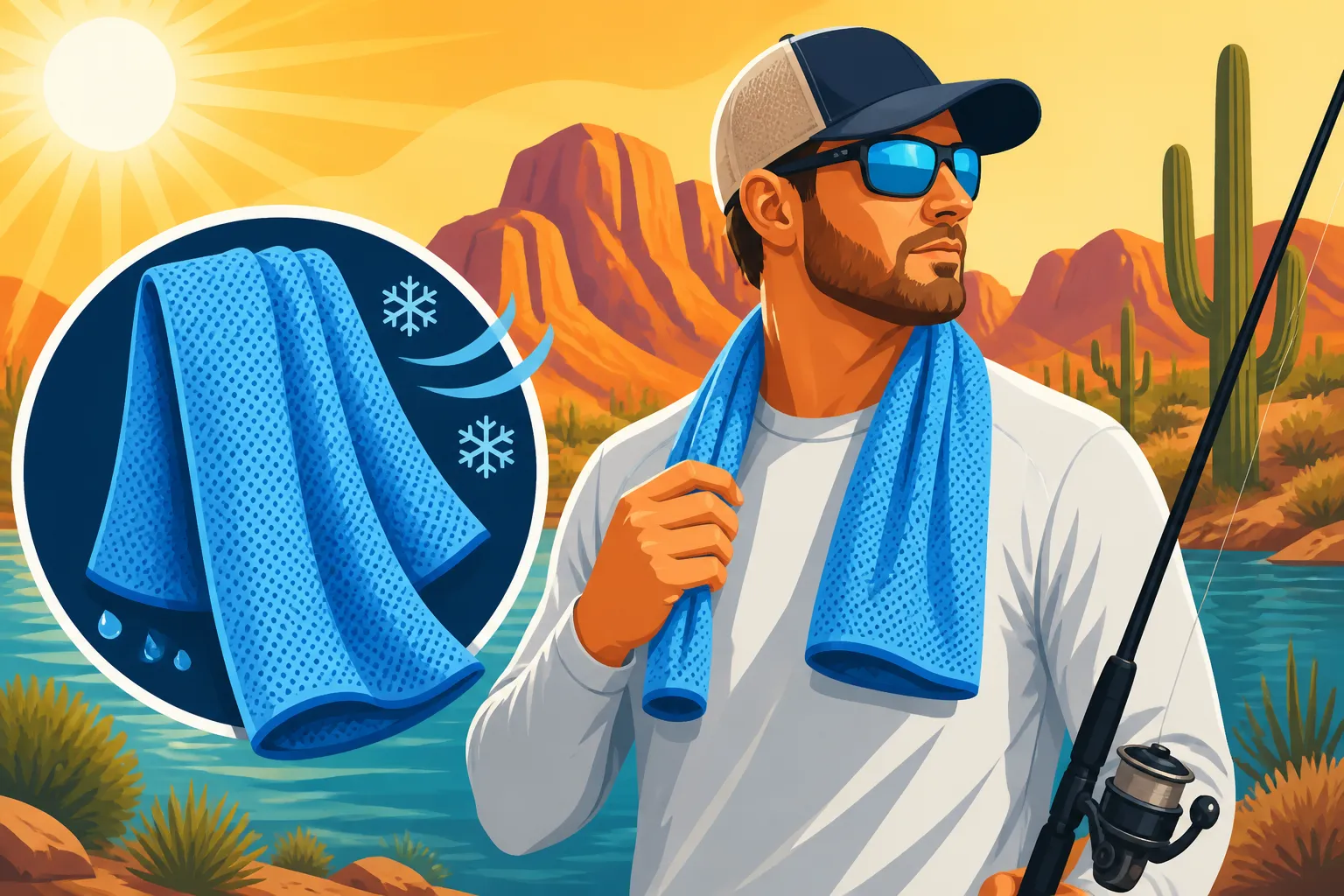
- Neck: This is probably the most common and effective spot. Your neck has major arteries close to the surface, and cooling this area helps cool the blood flowing to your brain, providing widespread relief. Drape it loosely around your neck or tie it securely if you're active.
- Head/Forehead: Covering your head or forehead offers direct relief from the sun and can help prevent headaches associated with overheating. Many anglers will wear it under their hat or as a bandana.
- Wrists and Forearms: Like your neck, your wrists contain pulse points where blood flows close to the surface. Wrapping a smaller cooling towel around your wrists can help cool your blood efficiently.
- Shoulders: For extended sun protection and cooling, a larger towel draped over your shoulders can keep your back and neck cooler, especially if you're exposed in an open boat.
- Under a Hat: If you're wearing a wide-brimmed hat, tucking a damp cooling towel underneath can provide a continuous cool sensation directly on your scalp, offering significant comfort on a scorching day.
Experiment with these placements to find what works best for your personal comfort and fishing style. For more general advice, consider our guide on Best Time of Day to Fish in Arizona Heat.
Re-activation and Care Tips
To get the most out of your cooling towel, proper re-activation and care are essential:
- Re-activation During the Day: When you feel the towel losing its coolness, you don't always need to re-wet it immediately. Often, a few strong snaps or waves in the air will re-activate the evaporative process and bring back the cool sensation. If it feels dry to the touch, then it's time for a full re-wetting and wring. Keeping a bottle of water handy, even lake water (though tap water is preferable if available), makes this easy.
- Cleaning and Storage: After a long day of fishing, your towel will likely be dirty and possibly smell a bit from sweat and lake water. Most microfiber cooling towels are machine washable. Just toss them in with your regular laundry (avoid fabric softeners, as they can reduce the towel's wicking ability). For PVA towels, hand washing with mild soap and water is usually best. Many PVA towels come with a small, breathable storage container or bag. It’s best to store PVA towels slightly damp in their container to prevent them from becoming stiff and brittle. If it dries out, simply re-soak it in water to restore its softness. Proper cleaning not only keeps your towel hygienic but also maintains its performance over many fishing seasons.
Using a cooling towel is a simple yet incredibly effective way to enhance your comfort and safety when enjoying Summer Fishing Strategy for Desert Lakes. They’re a small investment that pays huge dividends in personal well-being under the intense Arizona sun.
Cooling Towel Comparison
To help you choose, here's a general comparison of common cooling towel types and considerations for Arizona fishing:
| Feature | PVA Cooling Towel (e.g., Frogg Toggs Chilly Pad) | Microfiber Cooling Towel (e.g., Mission Original, Arctic Cool) | Standard Cotton Towel (for comparison) |
|---|---|---|---|
| Material Feel | Chamois-like, slightly rubbery when wet, stiff when dry | Soft, fabric-like, flexible wet or dry | Soft, fluffy, becomes heavy when wet |
| Absorption | Excellent, holds large volume of water | Very good, wicks moisture efficiently | Good, but saturates quickly |
| Cooling Duration | Longest retention, can stay cool for hours | Good, lasts for an hour or two, easy to re-activate | Short, cools briefly then feels damp |
| Activation | Wet, wring, snap (sometimes just wet & wring) | Wet, wring, snap | Wet, wring |
| Durability | Good, but can tear if pulled dry, less machine-wash friendly | Excellent, machine washable, resistant to snags | Varies, can fray, prone to mildew |
| Portability | Often stored damp in a tube/bag | Packs down small, can be stored dry | Bulky when wet or dry |
| SPF/UPF | Generally not a primary feature | Often includes UPF protection | Minimal/none unless specified |
| Best Use | Prolonged, intense cooling for neck/head | Versatile, comfortable, general body cooling & sun protection | Basic drying, temporary relief |
| Cost | Mid-range | Low to Mid-range | Very low |
This table provides a general guide. Specific products within each category from brands available at Bass Pro Shops or Amazon might have variations in features and performance.
Disclaimer
This article is for general informational purposes only and does not constitute professional advice. Laws, prices and regulations vary by location and change over time. Consult a qualified professional for guidance on your specific situation.