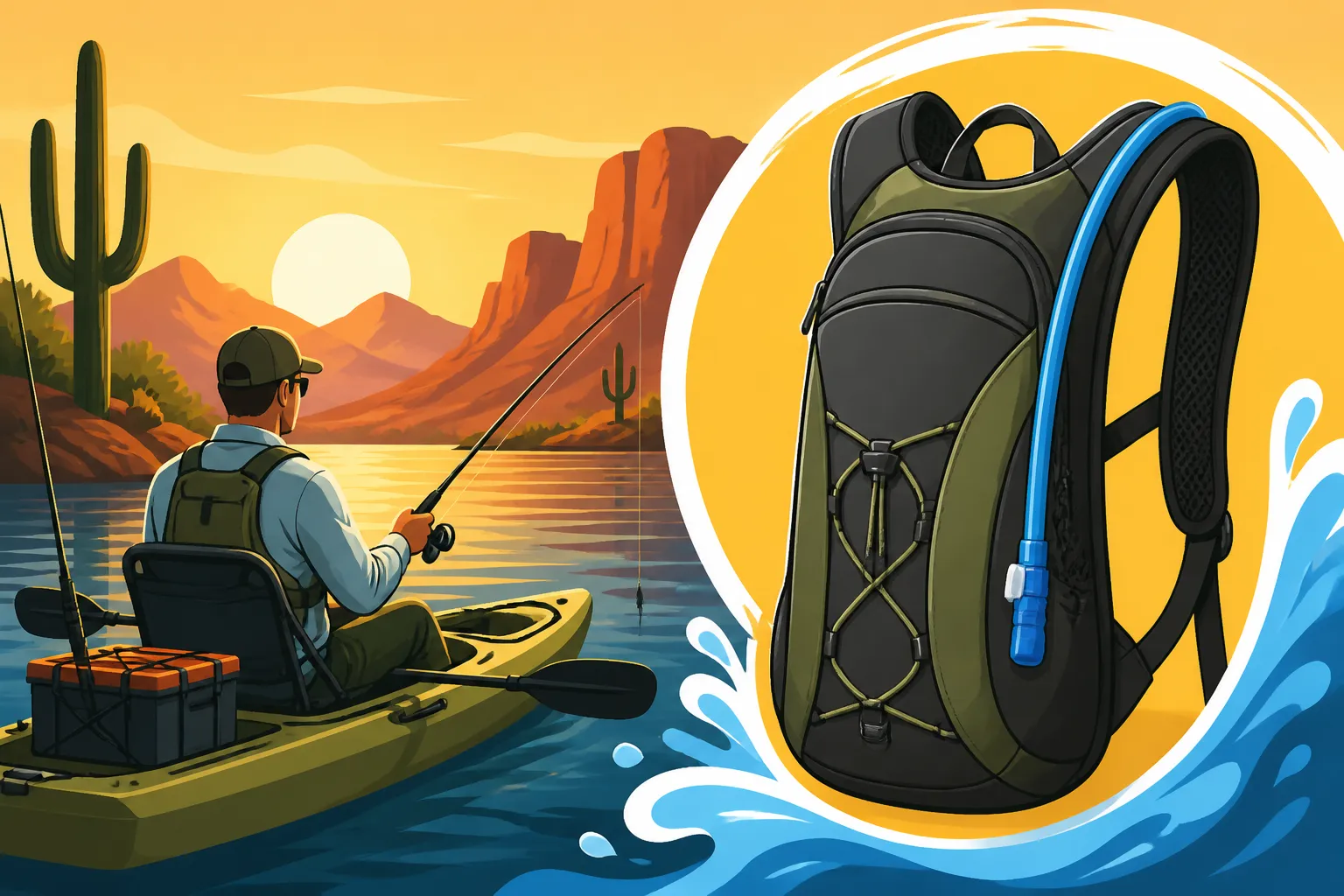
Best Hydration Pack for a Fishing Kayak
Spending a glorious day out on an Arizona lake or river in your kayak, paddling through serene waters, and casting for your next big catch sounds idyllic, right? It absolutely is – until that familiar, insidious dry feeling starts to creep in, and you realize you're getting dangerously dehydrated. Fumbling for a water bottle tucked away in a dry bag or behind your seat can be a real hassle, breaking your rhythm and even posing a safety risk if you lose balance. This guide is all about tackling that common frustration head-on, helping you discover the best hydration pack for your fishing kayak adventures, so you can stay cool, comfortable, and focused on the fish.
Why a Hydration Pack is a Game-Changer for Kayak Fishing in Arizona
Arizona's beauty is undeniable, but so is its intense heat. When you're out on the water, the sun beats down, and the water reflects that heat right back at you. It's a recipe for rapid dehydration, which can quickly turn a fun fishing trip into a dangerous situation. That's where a hydration pack truly shines, transforming your experience on the water from a struggle to stay quenched into effortless, hands-free refreshment.
The Arizona Heat: A Real Threat on the Water
Let's be honest, fishing in Arizona means contending with some serious sunshine, especially during those long summer days when the fish are often most active. Whether you're navigating the vast expanse of Lake Powell or exploring the nooks and crannies of Roosevelt Lake, the sun is relentless. The combination of direct sun exposure, the heat radiating off the water's surface, and the physical exertion of paddling and casting means your body is losing fluids faster than you might realize. Even on cooler days, the dry air can trick you into thinking you're not sweating as much, but trust me, you are.
It’s not just about feeling thirsty; dehydration can lead to fatigue, dizziness, muscle cramps, and even heatstroke. Imagine being miles from the launch point, feeling lightheaded, and struggling to paddle back. It’s a frightening thought. Relying on a few single-use water bottles can often fall short of what your body truly needs, and they're rarely convenient to access without interrupting your fishing flow. Taking regular sips of water is crucial for preventing these issues, and that's precisely what a well-chosen hydration pack facilitates. This isn't just about comfort; it's about genuine Heat Safety Tips for Summer Fishing in Arizona.
Hands-Free Hydration: More Fishing, Less Fumbling
One of the biggest advantages of a hydration pack for kayak fishing is the sheer convenience it offers. Think about it: you're perfectly positioned, making that ideal cast towards a promising brush pile, and suddenly you feel that dryness in your throat. Without a hydration pack, you'd have to stop, put down your rod, reach into your cooler or dry bag, unscrew a bottle, take a drink, re-cap it, and stow it away. It's a whole process that breaks your concentration and takes precious time away from fishing.
With a hydration pack, especially one designed with fishing in mind, it's a completely different story. The reservoir is typically stored in a backpack or vest worn on your back, and a hose with a bite valve is easily accessible over your shoulder. A quick lean, a gentle bite on the valve, and you're hydrated without missing a beat. This means you can keep your eyes on the water, your hands on your rod, and maintain your balance in the kayak. It's more efficient, safer, and keeps you immersed in the fishing experience. This hands-free approach helps you stay focused on techniques like those covered in Kayak Fishing Techniques for Desert Lakes, ensuring you make the most of your time on the water.
Key Features to Look for in a Fishing Kayak Hydration Pack
Choosing the right hydration pack isn't as simple as grabbing the first one you see. For kayak fishing in Arizona's unique conditions, you'll want specific features that enhance durability, comfort, and usability. It’s about finding gear that truly supports your passion, rather than hindering it.
Capacity and Reservoir Quality
The core of any hydration pack is its reservoir, often called a bladder. For a full day of fishing in Arizona's heat, I'd generally recommend a reservoir with at least a 2-liter capacity, and a 3-liter option is even better if you tend to spend long hours on the water or if temperatures are particularly scorching. You'll thank yourself for the extra capacity when you're still sipping cool water late in the afternoon.
Beyond capacity, consider the quality of the reservoir material. Look for BPA-free materials to ensure your water tastes like water, not plastic. Many reputable brands use durable, puncture-resistant films that can stand up to the rigors of being jostled around in a kayak or sat on accidentally. An easy-fill opening, often a wide-mouth or slide-top design, is crucial for adding ice, cleaning, and drying thoroughly. Speaking of cleaning, reservoirs that are reversible or have a quick-disconnect hose are much easier to maintain, which is vital for preventing mold and mildew in our warm climate.
Durability and Water Resistance
Your hydration pack will be exposed to the elements: sun, water splashes, and potentially even some rough handling. Durability is non-negotiable. Look for packs made from rugged, heavy-duty materials like ripstop nylon or high-denier polyester. These materials resist tears and abrasions, ensuring your pack lasts through countless fishing trips. Pay attention to the stitching; reinforced seams are a good indicator of quality construction.
Water resistance is another critical factor. While few packs are truly submersible (unless specifically advertised as such), you want one that can handle splashes, light rain, or sitting in a bit of deck spray without soaking the contents of its storage pockets. Many packs feature water-resistant zippers and coated fabrics to repel water. If you plan on carrying electronics or other sensitive items, consider a pack with dedicated waterproof compartments or be prepared to use additional dry bags within the pack. This is part of a broader strategy for Boating Safety Gear Requirements in Arizona, ensuring your essential items stay safe and dry.
Comfort and Fit for Paddling
A hydration pack that feels great when you're hiking might not be ideal when you're seated in a kayak for hours. The fit is paramount for comfort during paddling and casting. Look for designs that prioritize:
- Adjustable Straps: Shoulder, sternum, and waist straps should all be adjustable to get a snug, customized fit. This prevents the pack from shifting or bouncing as you paddle.
- Padded Back Panel: A well-padded back panel, often with breathable mesh, will provide comfort against your back and allow air circulation, which is a blessing in the Arizona heat.
- Low Profile: Consider how the pack sits on your back when you're seated in your kayak. A bulky pack can restrict movement or feel uncomfortable against the seatback. A design that's flatter or distributes weight more evenly can make a huge difference.
Storage and Organization
While hydration is the primary purpose, most packs offer additional storage, which is incredibly useful for kayak anglers. Having a few extra pockets means you can consolidate essential items and keep them within easy reach.
- Main Compartments: Look for enough space for snacks, a compact first-aid kit, a small towel, or an extra layer of sun protection.
- Smaller Pockets: Zippered pockets are excellent for keys, your wallet, a phone (ideally in a waterproof pouch), and small tackle items like extra hooks, weights, or a multitool.
- External Attachment Points: Daisy chains, MOLLE webbing, or bungee cords on the exterior can be invaluable for clipping on tools, attaching a small tackle box, or securing a lightweight rain jacket.
- Accessibility: Some packs are designed with pockets that can be accessed without completely removing the pack, which is a huge bonus when you're on the water.
Bite Valve and Hose Management
These small details make a big difference in the usability of your hydration pack.
- Bite Valve: You want a valve that's easy to open and close (often a simple bite-and-sip mechanism) and doesn't leak. Many come with an on/off switch to prevent accidental drips when not in use. A dust cover for the bite valve is a nice touch, keeping it clean from dirt and splashes.
- Hose: Ensure the hose is long enough to reach your mouth comfortably from wherever the pack is positioned. An insulated hose is a fantastic feature for Arizona, as it helps keep the water in the tube cooler, preventing that first sip of warm water.
- Hose Management: Look for magnetic clips or simple loops on the shoulder straps that keep the hose securely positioned and easy to grab without looking. Nothing is more frustrating than a dangling hose that's constantly getting in the way or falling into the water.
Recommended Hydration Pack Types and Brands for Arizona Anglers
The market offers a variety of hydration packs, each with its own strengths. For kayak fishing, understanding these distinctions can help you pick the perfect companion for your Arizona adventures. When you're browsing, whether it's online at Amazon or walking the aisles of Bass Pro Shops, keep these categories in mind.
Dedicated Hydration Packs (Minimalist)
These packs are designed with one primary purpose: hydration. They typically consist of a reservoir housed in a lightweight, low-profile backpack, often with minimal additional storage space.
Pros:
- Lightweight and Compact: Won't add much bulk or weight to your kayak setup.
- Focused Function: Excellent for those who prioritize hydration above all else and already have ample storage on their kayak for other gear.
- Comfortable for Paddling: Their slim design usually means they don't interfere with your paddling motion or sitting posture.
Cons:
- Limited Storage: Not ideal if you need to carry a lot of extra tackle, tools, or clothing.
- Less Versatile: Might not serve as a multi-purpose bag for other activities.
When to Choose: If you're heading out for a shorter trip, focusing purely on fishing, or have a fishing kayak with plenty of built-in storage (like hatches and cargo areas), a dedicated hydration pack is an excellent choice. They ensure you stay hydrated without adding unnecessary clutter.
Hydration-Compatible Backpacks (More Storage)
Many outdoor backpacks, particularly those for hiking or day trips, come with a sleeve or pocket designed to hold a hydration reservoir, along with plenty of space for other gear. These are often a popular choice for anglers who need to carry more than just water.
Pros:
- Versatile Storage: Ample room for extra layers, lunch, a comprehensive Fishing Gear Checklist for Desert Lakes, tackle boxes, cameras, and more.
- Multi-Purpose: Can be used for hiking, camping, and other outdoor activities beyond fishing.
- Protection: More padding and robust construction can offer better protection for contents.
Cons:
- Potentially Bulkier: Can be heavier and less streamlined than dedicated hydration packs, potentially feeling cumbersome in smaller kayaks.
- Over-Packing Risk: The extra space might tempt you to carry more than you truly need, adding unnecessary weight.
When to Choose: If you're embarking on longer fishing expeditions, need to bring a substantial amount of gear, or are hiking to a remote fishing spot before launching your kayak, a hydration-compatible backpack is likely your best bet. Brands like Osprey, CamelBak, and Deuter offer excellent options in this category, and you can often find a wide selection suitable for various budgets on Amazon or at outdoor specialty retailers like Bass Pro Shops. Look for models with exterior mesh pockets for quick access to wet items or a large main compartment that can swallow a small tackle binder.
Chest Pack/Waist Pack with Hydration
While less common than backpack-style hydration packs, some smaller chest or waist packs incorporate hydration bladders, typically in smaller capacities (1-1.5 liters). These are designed to keep essentials and water right on your chest or waist, ensuring immediate access.
Pros:
- Ultimate Accessibility: Everything is right in front of you or around your waist, no need to twist or reach.
- Low Center of Gravity: A waist pack can help keep your center of gravity low, which can be beneficial for stability, especially on stand-up paddleboard fishing setups.
- Doesn't Interfere with Backrest: Ideal if your kayak seat has a high backrest that would make a backpack uncomfortable.
Cons:
- Limited Capacity: Both for water and additional gear.
- Can Get Hot: Having a pack on your chest or stomach can feel warmer in direct sun.
- Less Secure for High Activity: May shift more during vigorous paddling or casting compared to a well-fitted backpack.
When to Choose: This option is best for short, minimalist trips where quick access to a small amount of water and a few tools is paramount, or if you find traditional backpacks uncomfortable in your particular kayak setup. They can also be a great addition to your overall Essential Tackle Box Setup for Arizona Beginners, keeping small items organized.
Here's a quick comparison of general features for typical hydration pack types:
| Feature | Dedicated Hydration Pack | Hydration-Compatible Backpack | Chest/Waist Pack with Hydration |
|---|---|---|---|
| Water Capacity (Avg.) | 2-3 Liters | 1-3 Liters | 1-1.5 Liters |
| Gear Storage | Minimal (snacks, keys) | Ample (tackle, food, layers) | Limited (tools, small tackle) |
| Comfort for Kayaking | Excellent (low profile) | Good (if not too bulky) | Varies (can be warm on chest) |
| Accessibility | Good (hose over shoulder) | Moderate (may require removal) | Excellent (front/waist) |
| Versatility | Low | High | Moderate |
| Weight | Very Low | Moderate to High | Low |
| Best For | Short, focused trips | Long trips, varied gear | Ultra-minimalist, specific setups |
Tips for Maximizing Hydration and Pack Longevity in Arizona
Just owning a hydration pack isn't enough; you need to know how to use it effectively and care for it, especially when dealing with Arizona's unique environmental challenges. These tips will help you get the most out of your investment and ensure you stay safely hydrated.
Pre-Hydration and Electrolytes
Don't wait until you're thirsty to start drinking. The key to staying well-hydrated in Arizona's climate is to begin hydrating before you even hit the water. Drink plenty of water the day before and the morning of your trip. Think of it as topping off your internal reservoir.
During your fishing excursion, sip frequently, even if you don't feel parched. Small, regular sips are more effective than chugging large amounts of water when you're already dehydrated. For longer trips or particularly hot days, consider adding electrolyte tablets or powder to your hydration pack. These replenish essential salts and minerals lost through sweat, which plain water alone cannot do. This is a crucial element of any Summer Fishing Strategy for Desert Lakes and can help combat fatigue when fishing during the Best Time of Day to Fish in Arizona Heat.
Maintenance and Cleaning
Your hydration pack's reservoir is a breeding ground for bacteria and mold if not properly cleaned. This is especially true in warm climates like Arizona where moisture and heat accelerate microbial growth.
- After Every Use: Completely empty the reservoir and hose. Rinse them thoroughly with warm water.
- Deep Clean: Periodically (or if you notice any off-taste/smell), use a cleaning solution designed for hydration bladders or a mild soap solution. Many manufacturers also recommend a mixture of baking soda and water or a specialized cleaning tablet. Use brushes to clean the inside of the bladder and the hose.
- Dry Thoroughly: This is arguably the most critical step. Hang the reservoir upside down to allow all water to drain. Many reservoirs come with an internal hanger or a drying frame to keep the bladder open. For the hose, detach it if possible and hang it to dry as well. Ensure everything is completely dry before storing it to prevent mold and mildew.
- Storage: Store your clean, dry reservoir in a cool, dark place. Some people even store their clean bladder in the freezer between uses to inhibit any bacterial growth, though this isn't strictly necessary if it's thoroughly dried.
Placement and Accessibility on Your Kayak
Where you keep your hydration pack on your kayak can greatly impact its usability.
- On Your Back: The most common and often best place is worn as a backpack. This keeps the weight close to your body, maintaining a low center of gravity, and the hose is readily accessible over your shoulder. Ensure the pack doesn't interfere with your kayak's seatback or limit your range of motion for paddling and casting.
- Deck Storage: If wearing a backpack is uncomfortable or impractical for your kayak setup, you can place the hydration pack in the tankwell or secured under bungee cords on the deck. Make sure it's firmly secured so it doesn't slide around or go overboard. If stored on the deck, you might need to run the hose through a scupper hole or clip it to your PFD for easy access. Remember, the hose needs to be accessible without you having to turn around or perform contortions.
- In a Hatch: For larger kayaks with easily accessible hatches, you could store the reservoir inside, running the hose out. This keeps the water cooler and protected from the sun, but can make refills more cumbersome.
Always consider your specific kayak model and fishing style when deciding on placement. The goal is to keep the water cool, the pack secure, and the bite valve always within easy reach. Staying hydrated is paramount, especially when exploring destinations like Lake Pleasant Arizona Fishing Guide or the Salt River Arizona Fishing Guide, where the sun can be intense.
Disclaimer
This article is for general informational purposes only and does not constitute professional advice. Laws, prices and regulations vary by location and change over time. Consult a qualified professional for guidance on your specific situation.