Best Waders for Cold Mountain Streams
Stepping into Arizona's beautiful, yet surprisingly frigid, mountain streams for a day of fly fishing or trout angling can be an exhilarating experience, but it quickly turns miserable if you're not properly equipped. Many anglers underestimate just how cold the snowmelt-fed waters of places like the White Mountains or the high country near Flagstaff truly are, leaving them shivering and cutting their trips short. This guide will walk you through everything you need to know about choosing the best waders to keep you warm, dry, and comfortable, ensuring your focus stays on the fish, not the cold.
Why Waders are Absolutely Essential for Arizona's Cold Streams
It's easy to picture Arizona as nothing but scorching desert, but those of us who've chased trout in the high country know a different reality. The state boasts some incredible cold-water fisheries, fed by snowmelt and mountain springs, where water temperatures can dip surprisingly low, even in the heart of summer. Trying to fish these areas without proper waders isn't just uncomfortable; it can be downright risky, leading to hypothermia and a general feeling of misery that spoils the entire outing.
The Shock of Cold Water Immersion
Imagine this: you've hiked a mile or two down to a pristine stretch of the Black River or a tributary near the Mogollon Rim, the sun is shining, and the air feels great. You spot a promising pool and decide to wade out just a few feet for a better casting angle. The moment that icy water hits your exposed legs, it's an immediate shock to the system. Your muscles tense, your breath catches, and suddenly, all thoughts of fishing vanish, replaced by an urgent desire to get warm. This isn't just a slight chill; these waters can be in the 30s and 40s degrees Fahrenheit. Even a quick dip without protection can significantly impact your comfort and concentration.
Beyond the immediate discomfort, prolonged exposure to cold water without adequate insulation can lead to dangerous situations. Your body loses heat much faster in water than in air, and wading without protection means a constant drain on your core temperature. This is why a good pair of waders isn't a luxury; it's a fundamental piece of safety and comfort gear for anyone serious about fishing Arizona's cold mountain streams. They create a vital barrier, trapping a layer of air or water that your body can warm up, keeping the frigid outside water at bay.
Protecting Against the Elements and Terrain
Beyond just temperature, waders offer crucial protection against the rough and often unpredictable conditions found in mountain streams. Think about the jagged rocks, sharp branches, and slippery, algae-covered streambeds you encounter. Walking through these environments in just shorts or thin pants leaves you vulnerable to scrapes, cuts, and even more serious injuries from falls. Waders provide a robust outer layer, shielding your skin and clothing from these hazards.
Moreover, the added stability of wading boots, often integrated with or designed to pair with waders, provides significantly better traction than regular shoes or sandals. This is paramount for navigating swift currents and uneven bottoms, preventing slips and falls that could ruin your day or even lead to injury. When you're fishing in remote areas, having gear that enhances your safety and keeps you dry and comfortable allows you to focus solely on the fishing experience, extending your time on the water and increasing your chances of success. They also keep your inner layers of clothing clean and dry, which is a major plus when you're packing light and don't want to carry extra changes of clothes.
Different Types of Waders and Their Materials
When you start looking at waders, you'll quickly realize there's a world of options out there. It can feel a bit overwhelming, but understanding the basic types and materials is key to making the right choice for Arizona's unique mountain environments. Generally, waders fall into a couple of main categories based on their design and the materials they're made from.
Breathable Waders: The Versatile Choice
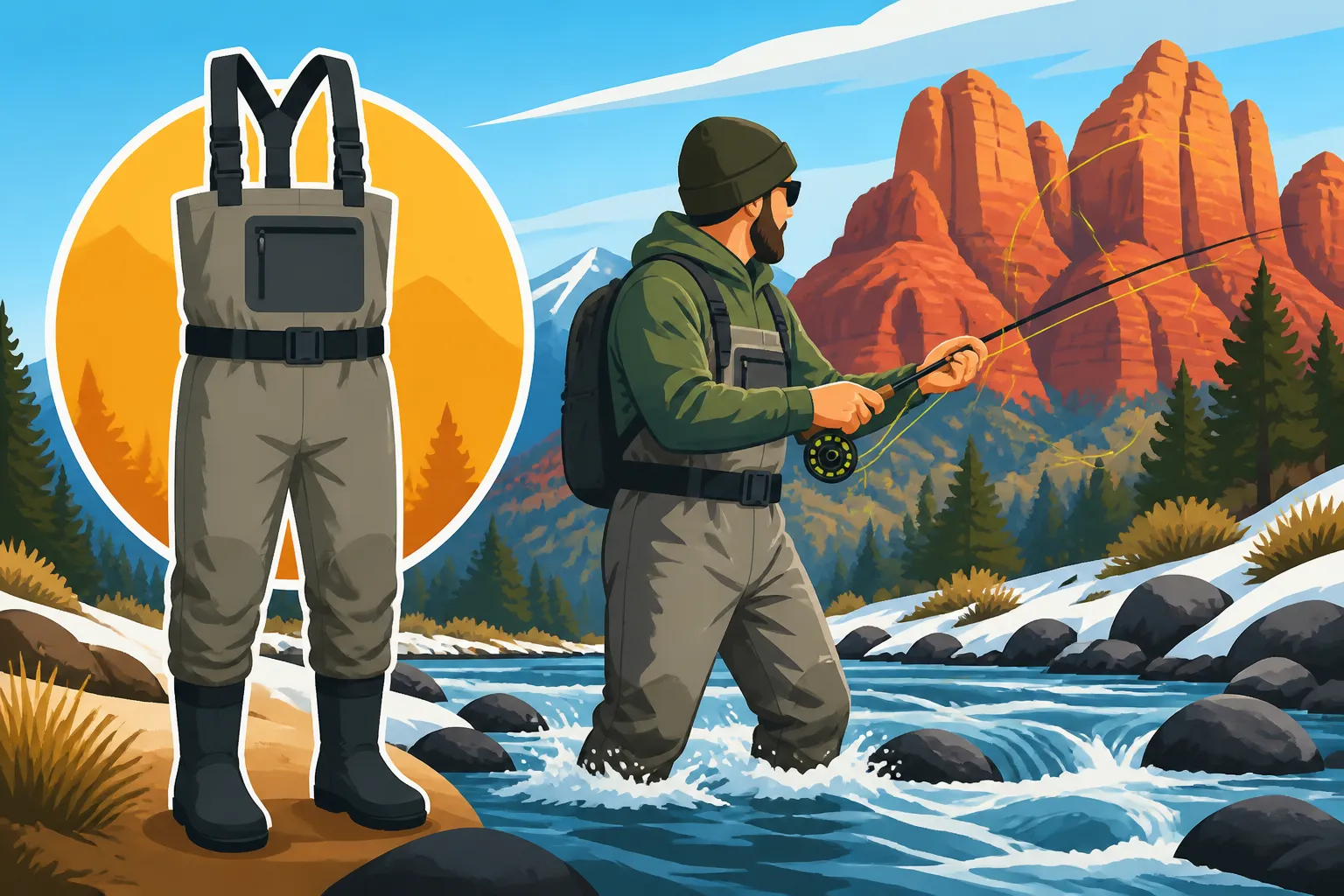
Breathable waders are, without a doubt, the most popular choice for modern anglers, especially those who plan to be active or fish in varying conditions. These waders are typically made from advanced multi-layer fabrics like Gore-Tex, Toray, or proprietary brand equivalents. The magic of these materials lies in their ability to let water vapor (sweat) escape from the inside while preventing liquid water from penetrating from the outside. This means you stay dry from both the elements and your own exertion, which is a huge comfort factor, particularly during longer hikes to your fishing spot or on days when the air temperature is mild but the water is still biting cold.
While breathable waders themselves don't offer much insulation, their real strength is in layering. You can customize your warmth by wearing appropriate base layers underneath, such as fleece pants or thermal underwear. This adaptability makes them ideal for Arizona's mountain streams, where morning temperatures can be chilly but afternoons might warm up considerably. They also pack down smaller and are generally lighter than neoprene waders, which is a big plus if you're hiking into backcountry areas. Brands like Simms, Orvis, and Redington offer a wide range of breathable options, from entry-level models to high-end designs with all the bells and whistles.
Neoprene Waders: The Insulation Powerhouse
If your primary concern is maximum warmth in truly frigid conditions, then neoprene waders are worth considering. Think of neoprene as the material used in wetsuits – it's designed to trap a thin layer of water against your skin, which your body then warms, providing excellent insulation. These waders are much thicker than breathable options, typically coming in thicknesses of 3mm or 5mm, offering a substantial barrier against the cold.
However, neoprene waders have a couple of trade-offs. They don't breathe at all, so if you're hiking any significant distance or fishing on a warmer day, you're going to get sweaty and potentially uncomfortable inside. They are also bulkier, heavier, and less flexible than breathable waders, which can restrict movement and make long treks more arduous. For dedicated winter fishing when air temperatures are also very low, or for extended periods standing motionless in icy water, neoprene can't be beaten for pure warmth. However, for the majority of Arizona's cold mountain stream fishing, especially outside of peak winter, the versatility of breathable waders often wins out.
Comparing Wader Materials
Here’s a quick comparison to help you weigh your options:
| Feature | Breathable Waders | Neoprene Waders |
|---|---|---|
| Material | Multi-layer synthetic fabrics (Gore-Tex, Toray) | Neoprene (synthetic rubber) |
| Insulation | Minimal, relies on layering underneath | Excellent, traps body-warmed water |
| Breathability | High, allows sweat to escape | None, can lead to internal sweating |
| Comfort | High, flexible, less restrictive | Moderate, bulky, can be hot if active |
| Weight | Lighter | Heavier |
| Durability | Good, but can be susceptible to punctures | Very good, thick, durable, puncture-resistant |
| Ideal Use | Active fishing, varying temps, long hikes, layering | Coldest conditions, stationary fishing, winter |
| Cost | Wide range, can be higher for premium models | Generally more affordable for comparable quality |
Key Features to Look for in Mountain Stream Waders
Once you've decided on the general type of wader (likely breathable for Arizona's mountain streams), it's time to dive into the specific features that will make a big difference in your comfort, durability, and overall fishing experience. Not all waders are created equal, and paying attention to these details can prevent future headaches.
Durability and Construction Quality
Mountain stream fishing often means navigating through tight spaces, brushing against abrasive rocks, and occasionally taking a tumble. Your waders need to stand up to this abuse. Look for waders constructed from tough, rip-resistant fabrics with reinforced knees and seat areas. These are high-wear zones that see a lot of friction and impact, so extra layers of material or a more robust weave in these spots are invaluable. Many quality waders will feature a three-layer construction for the main body and five-layer construction in these critical high-wear areas.
The quality of the seams is also paramount. Waders are essentially a collection of fabric panels sealed together, and a poorly constructed seam is often the first point of failure, leading to leaks. Look for waders that boast sonic welding, double-taping, or other advanced seam sealing technologies. Reputable brands understand that seams are the weak link and invest heavily in their construction to ensure they hold up against the rigors of wading. While you might save a few dollars on cheaper waders, you’ll often pay for it in frustration with premature leaks.
Bootfoot vs. Stockingfoot Design
This is a fundamental choice that impacts convenience and performance.
Stockingfoot Waders
Stockingfoot waders come with neoprene booties that are designed to be worn inside separate wading boots. This is the preferred choice for most serious mountain stream anglers for several reasons:
- Custom Fit and Support: You can choose wading boots that perfectly fit your feet and provide the ankle support you need for navigating slippery, uneven terrain. This is crucial for safety and comfort on longer hikes and in challenging river conditions. Brands like Orvis and Simms offer excellent wading boots that pair well with their stockingfoot waders.
- Better Traction: Wading boots offer superior traction with specialized soles (felt, rubber with studs, or a combination) designed for wet, slick rocks. You can also customize your traction by adding cleats or studs for specific conditions, like the slick boulders found in some of Arizona's higher elevation streams.
- Versatility: You can swap out wading boots if they wear out or if you need different traction for different fishing environments, without having to replace your entire wader.
The downside is the added cost of buying wading boots separately, but for the enhanced comfort, support, and safety, it's often a worthwhile investment for cold-water fishing.
Bootfoot Waders
Bootfoot waders have the boots permanently attached to the wader itself. These offer convenience, as it's one less piece of gear to put on and take off.
- Convenience: Simply pull them on and you're ready to go.
- Warmth: The integrated design can sometimes offer a bit more warmth, especially in very cold conditions, as there are fewer seams or openings for cold water to penetrate.
However, they typically offer less foot and ankle support, and the fit of the integrated boot might not be ideal for everyone, potentially leading to discomfort or blisters on longer walks. The boot soles are also generally less aggressive for traction than dedicated wading boots. For quick, easy access fishing where you won't be doing much hiking, or if budget is a primary concern, bootfoot waders can work. But for serious mountain stream wading, stockingfoot is generally superior.
Features for Comfort and Convenience
Beyond the core construction, several smaller features can significantly enhance your time on the water:
- Wading Belt: A good wader will always come with a wading belt. This isn't just for keeping your waders up; it's a critical safety feature. In the event of a fall and unexpected submersion, cinching the wading belt tight helps prevent water from rushing into your waders, which could quickly weigh you down and make it difficult to recover.
- Suspenders: Adjustable suspenders are a must for a comfortable fit. Look for durable, stretchy elastic suspenders with reliable buckles that won't slip or break. Some waders offer convertible suspenders that allow you to roll down the upper part of the wader into a waist-high position on warmer days, increasing versatility.
- Pockets and Storage: Having well-placed, waterproof, or water-resistant pockets can be incredibly useful for storing essentials like fly boxes, leaders, nippers, or a cell phone. A fleece-lined hand-warmer pocket is a godsend on chilly mornings. Some models even include a flip-out internal pocket for extra secure storage. You can find options with these features from leading retailers like Bass Pro Shops or online through Amazon.
- Gravel Guards: These are flaps that go over your wading boots to prevent gravel, sand, and other debris from entering your boots and irritating your feet. They typically have a hook to attach to your boot laces. Many modern stockingfoot waders have integrated gravel guards, which is a fantastic feature.
- Fit and Sizing: This is crucial. Waders need to be roomy enough to allow for layering underneath and free movement, but not so baggy that they sag or create excessive drag in the water. Most manufacturers offer extensive sizing charts that include chest, inseam, and foot size. Always measure carefully and err on the side of slightly larger if you're between sizes, especially if you plan to wear thick layers.
Sizing, Care, and Finding Your Perfect Pair
Choosing the right waders is an investment in your fishing comfort and safety. Once you understand the types and features, the next step is ensuring a proper fit and knowing how to care for your gear so it lasts.
Getting the Right Fit: A Crucial Step
A poorly fitting pair of waders can be incredibly uncomfortable, restrict your movement, and even compromise their longevity. This is why spending time on sizing is non-negotiable. Don't just guess your size based on your pants or shirt. Wader sizing charts are specific and usually require measurements for:
- Chest Circumference: To ensure there’s enough room in the upper body for comfort and layering.
- Inseam: From your crotch to the floor, to get the right leg length without excessive bunching or tightness.
- Foot Size (for Stockingfoot): This refers to the neoprene bootie's size, which should correspond closely to your street shoe size.
- Waist/Hip Circumference: Important for overall comfort and mobility.
Many brands also offer "short," "long," "stout," or "king" variations to accommodate different body types. If possible, try waders on with the layers you typically wear underneath. Walk around, squat, and lift your knees to simulate wading movements. You should have a full range of motion without feeling constricted or experiencing excessive fabric bunching that could lead to wear points. Remember, a little extra room for layering is almost always better than a tight fit that restricts blood flow and warmth. When in doubt, consulting with experts at a dedicated outdoor retailer like Bass Pro Shops can be incredibly helpful for personalized fitting advice.
Essential Wader Care and Maintenance
Your waders are an investment, and proper care will significantly extend their lifespan, preventing frustrating leaks and ensuring they perform when you need them most.
- Drying: After every use, especially in Arizona's warmer climates, turn your waders inside out and let them dry completely. Then turn them right side out and hang them to dry again. Mildew and mold can quickly form in damp, warm environments, especially if stored in a garage, leading to odors and fabric degradation.
- Cleaning: If they get muddy or dirty, rinse them off with fresh water. For a deeper clean, use a mild, non-detergent soap and lukewarm water. Avoid harsh chemicals or bleach.
- Storage: Store waders by hanging them from the suspenders in a cool, dry place, away from direct sunlight. Avoid folding them tightly for long periods, as this can create permanent creases that weaken the fabric and seams.
- Leak Detection and Repair: Even the best waders can develop small pinhole leaks over time. If you suspect a leak, fill your waders with water (outside) and look for drips, or turn them inside out, spray the suspected area with rubbing alcohol, and look for dark spots on the outside. Small leaks can often be repaired with a wader repair kit, which typically includes patches and a sealant. Carrying a small repair kit with you on longer trips, especially in the backcountry, is a smart move.
Where to Buy Your Waders
With a clear idea of what you're looking for, you have a few excellent avenues for purchasing your waders:
- Specialty Outdoor Retailers: Stores like Bass Pro Shops are fantastic because they often have a wide selection, knowledgeable staff who can help with sizing and features, and you can physically try on different brands and models. This is especially helpful for first-time wader buyers.
- Online Retailers: Websites like Amazon offer an enormous selection, often at competitive prices, with customer reviews that can provide valuable insights. However, the downside is you can't try them on before buying, which makes understanding sizing charts and return policies critical. Many reputable outdoor brands also sell directly through their own websites, sometimes offering exclusive models or sales.
- Local Fly Shops: Don't underestimate your local fly fishing shop. While their selection might be smaller, their expertise is often unmatched. They can offer hyper-local advice on what works best for specific Arizona streams, and supporting local businesses is always a good thing.
By carefully considering your needs, understanding the features, and committing to proper care, you'll find a pair of waders that will serve you well for countless memorable days chasing trout in Arizona's breathtaking, cold mountain streams. Whether you're targeting Rainbow Trout Fishing Guide for Arizona in the high country or exploring Best Fly Fishing Streams in Arizona, the right waders are your ticket to comfort and success. Don't forget to check out Arizona Fishing License Guide and Arizona Fishing Regulations Explained before you head out! You might also be interested in Trout Stocking Season in Arizona or Fly Fishing Techniques for Trout. If you're looking for specific spots, Best White Mountains Fishing Lakes in Arizona is a great resource, and don't forget to pack Best Coolers for Hot-Weather Fishing in Arizona for your catch.
Disclaimer
This article is for general informational purposes only and does not constitute professional advice. Laws, prices and regulations vary by location and change over time. Consult a qualified professional for guidance on your specific situation.