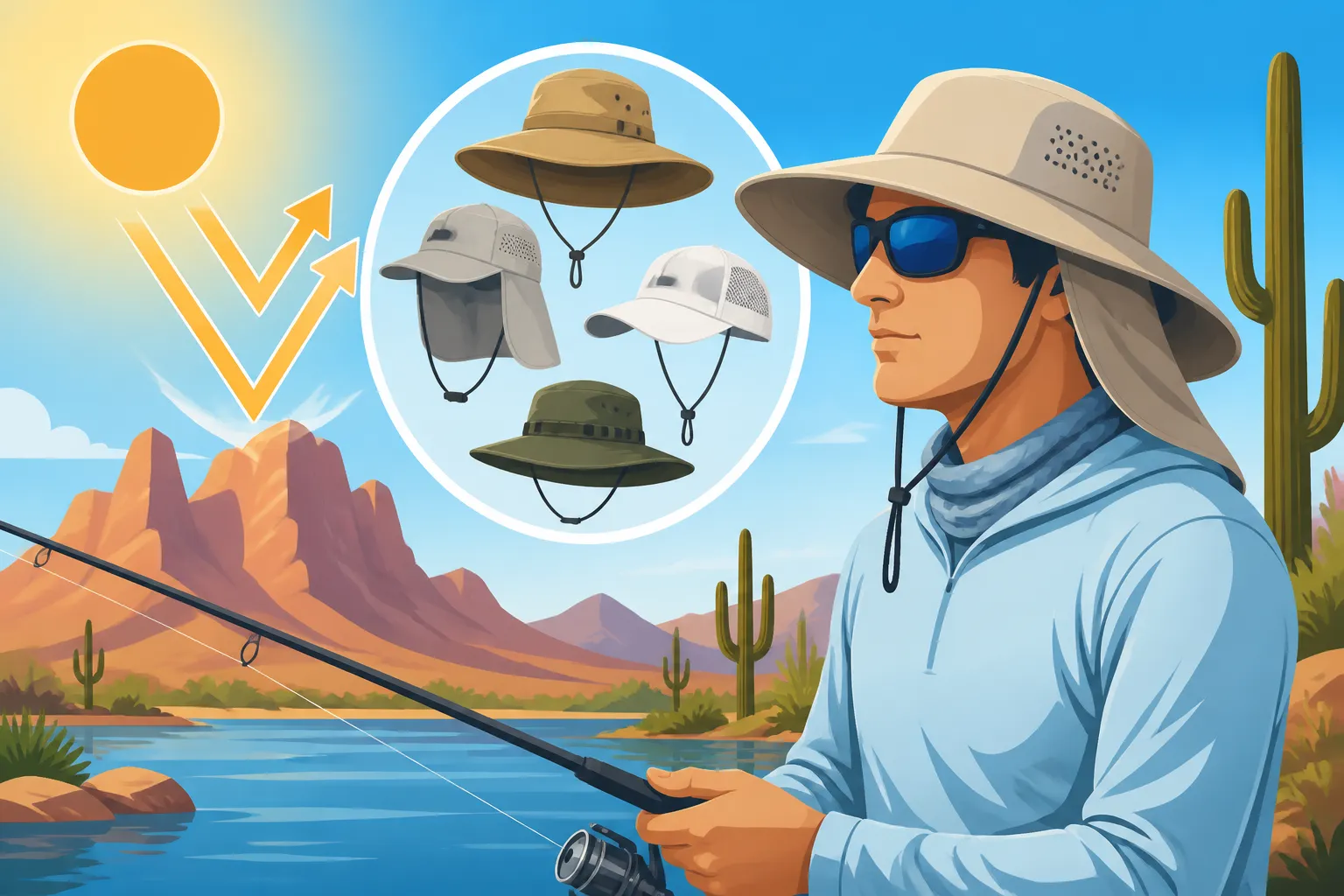
Best Hat for Sun Protection While Fishing
There's nothing quite like a sunrise over an Arizona lake, the air still cool, the water shimmering with promise. But we all know how quickly that serenity can turn into a brutal battle against the sun once it starts its relentless climb. Many an angler, myself included, has gotten so caught up in the thrill of the bite that they completely forgot about protecting themselves from those harsh desert rays, only to regret it with a throbbing headache or a nasty burn by midday. This guide is all about helping you beat that Arizona sun from the top down, focusing on finding the perfect hat to keep you safe and comfortable during your fishing adventures.
The Unrelenting Arizona Sun: Why Your Hat Matters More Than You Think
Fishing in Arizona is a unique experience, often defined by the intense, almost otherworldly sunshine. It's not just about getting a tan; it's about prolonged exposure to some of the most powerful UV radiation in the country. Many folks underestimate the cumulative effect of a few hours on Lake Pleasant or along the Colorado River, especially when the water itself acts like a giant mirror, reflecting those rays right back at you.
Understanding UV Exposure and Its Dangers
When you're out on the water, you're getting hit from two directions: direct sunlight from above and reflected sunlight from the water's surface. This double-whammy significantly increases your overall UV exposure. Over time, this can lead to uncomfortable sunburns, premature skin aging, and, more seriously, an increased risk of skin cancers like melanoma. I've seen too many fellow anglers with weathered faces and sun-damaged ears, a stark reminder of the battles they've fought under the Arizona sky without adequate protection. A good hat isn't just an accessory; it's a vital piece of safety equipment, just like your life jacket or first-aid kit. It helps shield your delicate scalp, face, neck, and ears, which are often the most exposed areas. Think of it as your first line of defense against the relentless solar assault.
How a Hat Boosts Your Fishing Comfort and Focus
Beyond health concerns, physical comfort is paramount when you're trying to concentrate on fishing. Imagine trying to tie a tiny lure onto your line when sweat is dripping into your eyes, or you're constantly squinting against the glare, even with sunglasses on. A well-chosen hat can make a world of difference. It keeps the sun off your face, reducing squinting and eye strain, and often comes with features like moisture-wicking headbands to manage sweat. On top of that, many fishing hats offer a degree of shade that can actually help you see into the water better by cutting down on surface glare, giving you an edge when spotting fish or structure. It allows you to stay out longer, focus more effectively on your technique, and simply enjoy the peace and quiet of the water without constantly battling discomfort. For more tips on enduring the heat, check out How to Beat the Heat Fishing in Arizona Summer.
Essential Features of a Superior Sun Protection Fishing Hat
Not all hats are created equal, especially when you're battling the Arizona elements. To truly protect yourself and enhance your fishing experience, you need to look beyond mere style and focus on specific features designed for the unique challenges of our desert environment.
UPF Rating: Your Shield Against Harmful Rays
The most critical factor in a sun protection hat is its Ultraviolet Protection Factor (UPF) rating. This isn't just a marketing gimmick; it's a measurable standard for how much UV radiation a fabric blocks. A UPF 50+ rating means the fabric allows less than 1/50th (or 2%) of UV radiation to pass through it, offering excellent protection. Many regular hats, like your favorite worn-out baseball cap, might only offer a UPF of around 5-10, which is barely better than nothing in our intense sun.
When you're shopping, always prioritize hats with a high UPF rating. Look for tags or labels that clearly state UPF 50+. This ensures that the material itself is doing its job, not just the shade it casts. Many reputable brands specialize in sun-protective apparel and will prominently feature this rating. Don't leave your sun protection to chance; a high UPF rating is non-negotiable for serious Arizona anglers. For general preparation, you might also find our Fishing Gear Checklist for Desert Lakes helpful.
Brim Size and Coverage: Maximizing Your Shadow
While UPF protects the scalp, the brim is what shades your face, ears, and neck. In Arizona, bigger is generally better when it comes to brim size. A wide, all-around brim, typically 3-4 inches or more, offers significantly more protection than a standard baseball cap.
Consider how the sun moves throughout the day. A wide brim provides consistent shade regardless of the sun's angle. Hats with stiff brims are often preferred as they maintain their shape even in windy conditions, which are common on many of our large reservoirs like Roosevelt Lake or Lake Powell. Some hats even feature brims that are slightly wider at the back to offer extra neck protection, which is a fantastic detail many forget until their neck is lobster-red. When you're out on the water, the reflected glare from the water's surface makes this comprehensive coverage even more vital.
Ventilation and Moisture-Wicking Technology: Staying Cool and Dry
Arizona fishing means heat, and heat means sweat. A hat that traps heat and moisture will quickly become uncomfortable, leading to distractions and a desire to take it off—which defeats the purpose. Look for hats designed with excellent ventilation features.
Mesh panels, strategically placed vents, and breathable fabrics are key. Materials like nylon or polyester blends are often preferred over cotton because they wick moisture away from your skin, helping it evaporate and providing a cooling effect. Some hats even incorporate internal sweatbands made of quick-drying, antimicrobial fabrics to keep sweat out of your eyes and prevent odors. This combination of ventilation and moisture management is crucial for comfort during long days on the water, especially when targeting bass in the middle of a scorching summer day. Best Time of Day to Fish in Arizona Heat discusses more ways to stay cool.
Retention and Adjustability: Keeping Your Hat On
It's happened to all of us: a sudden gust of wind, a quick turn of the boat, or even just reaching for a net, and whoosh, your hat is gone, floating away into the abyss. In Arizona, where winds can pick up unexpectedly, a good retention system is a must.
Most effective fishing hats come with an adjustable chin strap or drawstring. Look for one that's comfortable, easy to adjust, and securely holds the hat in place without chafing. Some higher-end models even feature magnetic closures or specialized cord locks for quick adjustments. A hat that stays put allows you to focus on the fishing, not on constantly grabbing your head. Remember, even if you’re fishing from shore, a rogue gust can still snatch your prized sun protector.
Popular Hat Styles for Arizona Fishing
When you're out on the water in Arizona, you'll see a variety of hats. Each style has its own advantages and disadvantages, catering to different preferences and levels of sun protection needs.
Wide-Brimmed Hats: The Ultimate Sun Shield
For maximum sun protection, wide-brimmed hats are king. These hats typically feature a full, circular brim that extends several inches around the entire circumference, providing comprehensive shade for your face, ears, and neck.
Pros:
- Superior Coverage: Offers the best all-around protection from direct and reflected UV rays.
- Consistent Shade: The wide brim provides shade regardless of the sun's angle.
- Ventilation Options: Many models incorporate mesh panels or perforations for breathability.
- Chin Straps: Almost universally come with a chin strap for security in windy conditions.
Cons:
- Bulkier: Can be somewhat cumbersome to pack or wear in very tight spaces.
- Wind Resistance: A very wide brim can catch more wind, making a good chin strap essential.
- Peripheral Vision: Some anglers find the wide brim slightly limits their peripheral vision.
These are often the go-to for serious anglers spending long hours under the relentless Arizona sun, whether they're pursuing crappie on Roosevelt Lake or trout in the White Mountains.
Bucket Hats and Boonies: Practical and Comfortable
Bucket hats and boonie hats are similar in design, featuring a downward-sloping, usually softer brim. Boonie hats, often military-inspired, tend to have slightly wider and stiffer brims than traditional bucket hats, and often include loops for attaching camouflage or other items.
Pros:
- Good All-Around Coverage: While not as wide as a dedicated wide-brim hat, they still offer decent protection for the face and neck.
- Comfortable: Often made from softer, more pliable materials, making them comfortable for extended wear.
- Packable: Easily foldable and packable without losing their shape.
- Chin Straps: Most boonie hats and many fishing-specific bucket hats include chin straps.
Cons:
- Brim Stiffness: Softer brims can flop around in the wind or when wet.
- Less Rigid Structure: May not hold its shape as well as a stiffer wide-brim hat.
These are a fantastic compromise for many anglers, offering a balance of protection and wearability. You can often find great options for this style at retailers like Bass Pro Shops, which cater specifically to outdoor enthusiasts.
Legionnaire (Flap) Hats: Targeted Neck Protection
Legionnaire hats, also known as flap hats, are easily recognizable by their built-in neck and ear flaps. They often resemble a baseball cap with fabric extensions.
Pros:
- Excellent Neck and Ear Protection: Specifically designed to shield these highly vulnerable areas.
- Lightweight: Often made from lightweight, quick-drying fabrics.
- Adjustable: Many designs include adjustable drawstrings or elastic for a secure fit.
- Compact: Less bulky than wide-brimmed hats, easier to store.
Cons:
- Less Facial Coverage: The front brim is often similar to a baseball cap, leaving cheeks and chin more exposed.
- Can Feel Warm: The flaps can sometimes trap heat around the neck, despite breathable fabrics.
- Aesthetics: Some anglers prefer a different look.
This style is particularly popular with kayakers or those fishing from small boats where the sun's angle constantly shifts, making consistent neck protection crucial. They're also great if you're sensitive to sun on your neck, which can be a real issue when focused on casting and reeling.
Baseball Caps with Added Protection: A Familiar Feel
While a standard baseball cap alone is inadequate for Arizona sun, many manufacturers now offer fishing-specific versions with enhanced sun protection features.
Pros:
- Familiar Comfort: Many people are accustomed to the feel of a baseball cap.
- Minimalist Design: Less bulky, good for active casting.
- Improved Ventilation: Fishing-specific caps often have better mesh and quick-dry fabrics.
Cons:
- Limited Coverage: Still only protects the front of the face and scalp, leaving ears and neck completely exposed.
- Requires Supplements: Often needs to be paired with neck gaiters or specialized sun shirts for full protection.
These are best used when combined with other protective gear, such as a high-UPF neck gaiter, to cover the exposed areas. Without that additional coverage, you're leaving a lot of skin vulnerable to the intense Arizona sun.
Here's a quick comparison of these popular styles:
| Hat Style | Primary Coverage | Ventilation | Security (Wind) | Packability | Best For |
|---|---|---|---|---|---|
| Wide-Brimmed | Face, Ears, Neck (full 360°) | Good (mesh options) | Excellent (chin strap) | Moderate | Maximum sun protection, long days on open water |
| Boonie/Bucket Hat | Face, Ears, Neck (decent 360°) | Good (mesh options) | Good (chin strap) | Excellent | Balanced protection and comfort, versatile |
| Legionnaire (Flap) | Scalp, Neck, Ears (targeted) | Fair to Good | Good (drawstring) | Excellent | Targeted neck/ear protection, active anglers |
| Baseball Cap (Enh.) | Forehead, Scalp (limited) | Good | Good (adjustable strap) | Excellent | Minimalist, combined with other UPF gear |
Finding Your Perfect Fit and Style
Choosing the best hat for sun protection while fishing in Arizona isn't just about features; it's also about finding something that you'll actually want to wear. Comfort, fit, and even personal style play a role in ensuring you keep that hat on all day long.
Trying Before You Buy: The Importance of a Good Fit
Just like fishing rods, hats aren't one-size-fits-all. A hat that's too tight will give you a headache and restrict circulation, while one that's too loose will constantly blow off or shift around, forcing you to fidget with it. If possible, always try on a hat before purchasing.
Pay attention to how it feels on your head. Is the brim too stiff? Does it dig in anywhere? Does it feel secure but not constricting? Consider wearing it for a few minutes to get a real feel for it. If you're buying online, measure your head circumference and compare it to the manufacturer's sizing chart. Many hats come with internal adjustments, like elastic bands or Velcro straps, that allow for a more customized fit. A properly fitting hat is one you'll forget you're wearing, allowing you to focus on the fish, not the fit.
Material Choices: Beyond Just UPF
While UPF is crucial, the material itself impacts comfort and durability. Many high-performance fishing hats are made from synthetic fabrics like nylon, polyester, or blends.
- Nylon/Polyester: These are excellent choices. They are lightweight, quick-drying, often water-resistant, and can be engineered to have high UPF ratings. They resist mildew and fading, which is a huge plus in the Arizona environment.
- Cotton: While comfortable, cotton absorbs sweat and dries slowly, which can be uncomfortable in the heat. It also generally offers a lower UPF rating unless specifically treated.
- Straw: Natural straw hats can offer good shade, but their UPF rating can vary widely depending on the weave. They are also less durable, can degrade over time, and offer little protection if they get wet.
For Arizona, synthetic, quick-drying materials are generally superior. They hold up better to sweat, splashes, and the occasional dunk in the lake.
Where to Shop for Quality Fishing Hats
You've got a couple of great options when it comes to finding quality fishing hats with excellent sun protection.
Specialty outdoor retailers like Bass Pro Shops are fantastic because they cater directly to anglers. You can often try on a wide variety of hats from different brands, compare features side-by-side, and get advice from knowledgeable staff. They'll have options specifically designed for fishing, often featuring camouflage patterns, fish logos, and practical elements like sunglass holders.
Online giants like Amazon offer an incredible selection, often at competitive prices. The downside is you can't try them on. However, with detailed product descriptions, customer reviews, and good return policies, you can still make an informed choice. Just be sure to double-check those UPF ratings and sizing charts.
Don't forget to consider pairing your hat with other sun protection gear, like the Best Sunscreen for All-Day Desert Fishing or a quality pair of polarized sunglasses, for truly comprehensive protection.
Caring for Your Fishing Hat: Longevity Under the Sun
Your fishing hat works hard to protect you from the harsh Arizona sun, and with a little care, it can last for many seasons. Neglecting it can lead to odors, stains, and a breakdown of its protective qualities.
Cleaning and Maintenance Tips
After a long day of fishing, especially in the Arizona heat, your hat will likely be soaked with sweat and maybe even a bit of fish slime. Regular cleaning is essential.
Most synthetic fishing hats can be hand-washed with mild soap and cool water. Gently scrub any soiled areas, paying close attention to the sweatband. Avoid harsh detergents or bleach, as these can degrade the fabric and its UPF properties. Rinse thoroughly and allow it to air dry, ideally by shaping it on a clean towel or drying rack to maintain its form. Never put a fishing hat in a washing machine with an agitator, as this can distort the brim and stitching. For more sensitive hats, a gentle spot clean might be all that's needed. Proper care ensures your hat continues to look good and perform its protective duties trip after trip.
Storage and Transport: Keeping it in Shape
How you store and transport your hat can significantly impact its lifespan, especially for hats with rigid brims.
When not in use, store your hat in a cool, dry place, away from direct sunlight, which can cause colors to fade and materials to degrade over time. Avoid crushing it under other gear. If your hat has a stiff brim, consider using a hat-specific case or keeping it loosely packed on top of your tackle box or bag. Many boonie and bucket hats are designed to be packable, so they can be folded or rolled without losing their shape. However, even these can benefit from being stored in a way that allows them to air out and avoid permanent creases. Taking care of your hat means it will be ready to go whenever you hit the Best Fishing Lakes in Arizona.
When to Replace Your Hat
Even the best fishing hats won't last forever. Over time, the sun's UV rays, sweat, and repeated cleaning can take their toll on the fabric, reducing its effectiveness.
Look for signs of wear and tear, such as thinning fabric, fraying edges, stretched-out elastic, or fading colors. If the brim starts to lose its stiffness and constantly flops into your eyes, it's probably time for a replacement. A good rule of thumb is to replace your primary fishing hat every few seasons, especially if you're frequently out in the sun. Think of it as investing in your health and comfort. A worn-out hat might still provide some shade, but its UPF rating could be significantly diminished, leaving you vulnerable without realizing it. Staying protected ensures you can enjoy many more trips fishing Arizona's waters, whether you're targeting bass or waiting for a catfish bite on a warm evening.
Disclaimer
This article is for general informational purposes only and does not constitute professional advice. Laws, prices and regulations vary by location and change over time. Consult a qualified professional for guidance on your specific situation.