Best Boat Size for Lake Powell
When you're dreaming of fishing Lake Powell, one of the biggest questions that pops into an angler's mind, right after "What bait should I use?" is often, "What kind of boat do I even need for a lake that massive?" It's a valid concern, because Lake Powell isn't just any lake; it's an enormous, majestic, and sometimes challenging body of water that demands a bit more thought than your local community pond. This guide will help you navigate the considerations of boat size and type to ensure your Lake Powell adventures are safe, enjoyable, and successful.
Understanding Lake Powell's Unique Demands
Lake Powell is truly a marvel, stretching over 186 miles with nearly 2,000 miles of shoreline when full. It's a desert oasis carved through stunning red rock canyons, but its sheer size and sometimes unpredictable nature mean that choosing the right boat isn't a decision to be taken lightly. Many anglers underestimate just how quickly conditions can change on such a vast body of water.
The Challenge of Open Water and Wind
One moment you might be gliding across calm, glassy water in a secluded canyon, the next you could be battling strong winds and choppy waves on the main channel. Lake Powell is famous for its afternoon winds that can whip up significant chop, making even a short run across open water feel like an ocean crossing. This isn't just about comfort; it's about safety. A boat that's too small or underpowered can quickly become a liability in these conditions. Imagine being miles from the nearest marina or camp, with towering canyon walls on either side, and suddenly feeling your small craft getting tossed around like a toy. It's a scenario no one wants, and it highlights why sufficient boat size and capability are paramount.
Distances, Fuel, and Remote Access
When you're fishing Lake Powell Arizona Fishing Guide, you're often covering serious distances. The prime fishing spots might be 20, 30, or even 50 miles from the nearest launch ramp. This means your boat needs to have adequate fuel capacity to get you there and back, with a healthy reserve. Running out of gas in a remote canyon isn't just inconvenient; it can be dangerous. Beyond fuel, consider what kind of gear you'll be bringing. Are you just out for a few hours, or are you planning a multi-day trip, perhaps even camping on one of the lake's many beaches? The amount of gear, provisions, and even passengers will directly impact the ideal boat size. You'll want space for your fishing rods, tackle boxes, coolers, camping equipment, and all the mandatory Boating Safety Gear Requirements in Arizona.
Common Boat Types and Their Suitability for Lake Powell
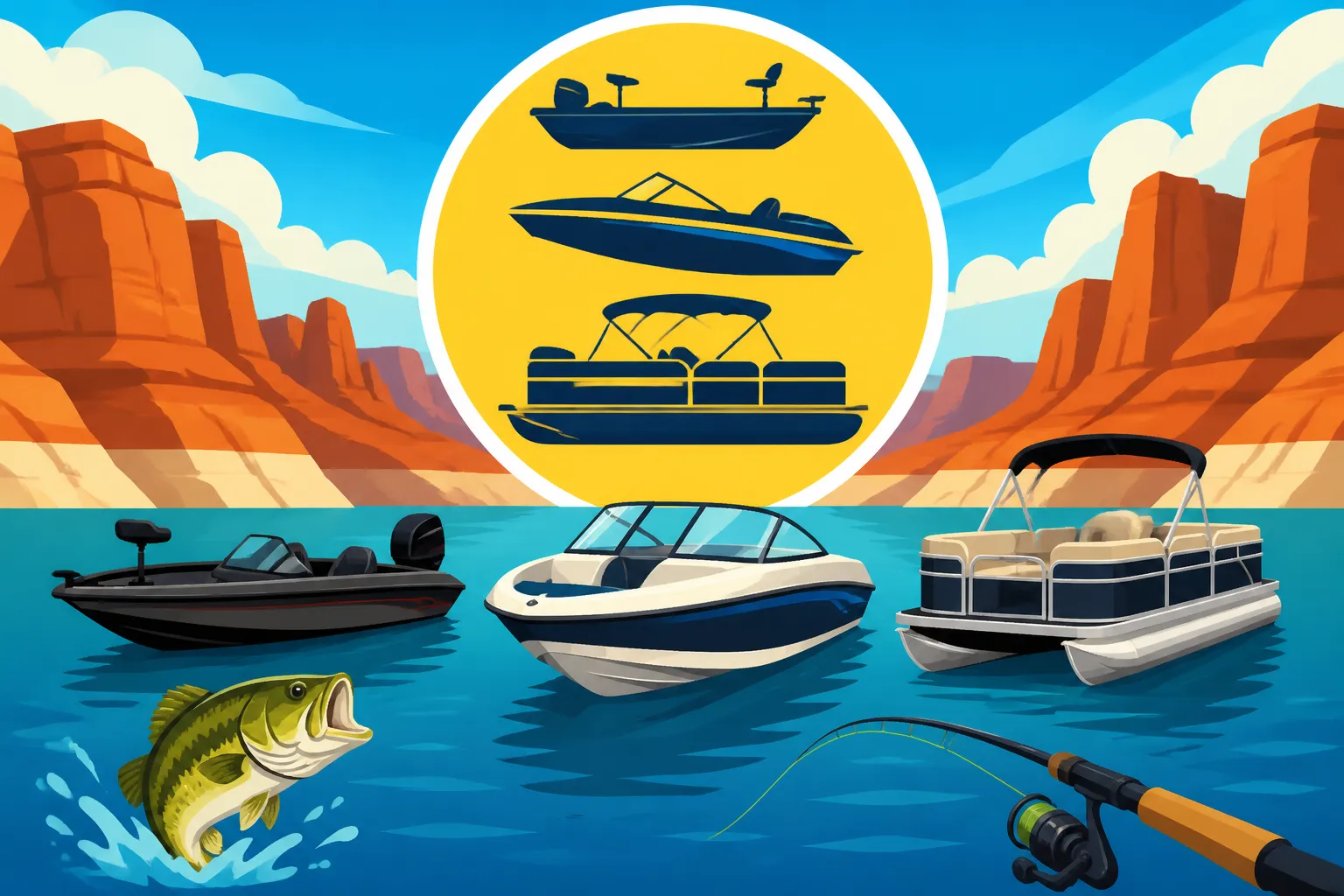
When it comes to choosing a boat for Lake Powell, you'll see a huge variety on the water, from massive houseboats to nimble kayaks. Each has its place, but not all are equally suited for every angler's needs or for the lake's diverse conditions.
Smaller Fishing Boats and Jon Boats (Under 16 Feet)
For those looking to primarily fish the calmer, more protected coves and canyon arms close to a launch ramp, a smaller fishing boat or a jon boat might seem appealing due to its lower cost and easier maneuverability. These boats are generally 12 to 16 feet long and are often powered by smaller outboard motors. They're great for accessing shallow areas and offer a simple, no-frills fishing experience.
However, on Lake Powell, these smaller vessels come with significant caveats. Their limited freeboard (the distance from the water to the top of the boat's side) makes them highly susceptible to waves and wakes, increasing the risk of taking on water. If the wind picks up, or a large houseboat passes by, you'll quickly find yourself uncomfortable, if not outright unsafe. Furthermore, their fuel capacity is typically very limited, severely restricting your range. While they might be perfect for a quick trip to a nearby spot, venturing far from the marina or in less-than-ideal weather is simply not advisable. You might find yourself wishing for more boat when a sudden storm rolls in, or when you realize that trophy bass is hiding 25 miles away in Navajo Canyon. For serious, far-ranging angling on Lake Powell, these boats are generally insufficient.
Runabouts and Bowriders (17-22 Feet)
This category represents a very popular choice for families and those who want a versatile boat for a mix of fishing, watersports, and general cruising. Runabouts and bowriders typically range from 17 to 22 feet, offering a good balance of size, speed, and comfort. They often have deeper V-hulls, which can cut through chop more effectively than a flat-bottomed jon boat, providing a smoother ride on Lake Powell's main channels. Many come equipped with powerful enough engines for waterskiing or wakeboarding, making them a great option for mixed groups.
For fishing, a boat in this size range offers more deck space for rods, tackle, and coolers. You can comfortably fit a couple of anglers without feeling cramped. The increased fuel capacity means you can venture further into the lake's extensive canyon system, exploring new fishing grounds without constantly worrying about your gas gauge. Brands like Bayliner or Four Winns, often seen in major retailers like Bass Pro Shops, offer many options in this range. While they handle chop better than smaller boats, they can still feel small on very windy days or when large houseboat wakes roll through. The open bow is fantastic for seating but can get wet in rough conditions, and storage for serious multi-day camping might still be a squeeze.
Deck Boats and Pontoon Boats (20-26 Feet)
When comfort and space are high on your priority list, deck boats and pontoon boats shine. Ranging from 20 to 26 feet, these vessels are essentially floating patios, offering incredible stability, vast amounts of deck space, and comfortable seating. Pontoon boats, with their multiple pontoons, are particularly stable and are favored for leisurely cruising, swimming, and hosting larger groups. Deck boats offer a similar open layout but often with a more traditional V-hull for slightly better performance in chop.
For fishing, especially with a family or a larger group, these boats are excellent. Their stability means less rocking when people move around, and there's plenty of room for multiple fishing stations. Many come with amenities like livewells, rod holders, and even changing rooms or heads (toilets), which are a huge plus for long days on the water. Their larger fuel tanks also mean extended range. However, their speed and rough-water handling might be less impressive than a dedicated runabout or V-hull boat of similar length. On extremely windy days, or if you're trying to make a fast run across the widest sections of the lake, they can be slower and feel a bit more exposed to the elements. Still, for a comfortable, stable, and spacious Lake Powell experience, especially when fishing is just one of many activities, they are a fantastic option. You can often find a wide array of accessories for these boats on Amazon, from rod holders to comfortable boat seats.
Deep-V Fishing Boats and Center Consoles (18-24 Feet)
For the serious angler who prioritizes fishing above all else, a deep-V fishing boat or a center console in the 18 to 24-foot range is often the sweet spot for Lake Powell. These boats are designed for performance in varied water conditions, with deep-V hulls that excel at cutting through chop, providing a drier and more comfortable ride even when conditions get hairy. Their robust construction and often higher horsepower engines mean you can get to those far-flung fishing spots quickly and safely.
Center consoles, in particular, offer 360-degree fishability, meaning you can cast from anywhere around the boat without obstruction. They typically come loaded with fishing-specific features like multiple large livewells, ample rod storage, fish finders, GPS systems, and tackle storage. Brands like Boston Whaler, Ranger, or Skeeter are renowned for their fishing prowess and often appear at angling shows or specialty retailers like Bass Pro Shops. While they might not have the plush seating of a pontoon or bowrider, their focus is squarely on functionality and performance for fishing. The trade-off is often less overall passenger capacity and fewer "creature comforts" for non-fishing activities. However, if catching fish is your primary goal on Lake Powell, this boat size and type will give you the confidence to tackle any conditions and reach any fishing hole.
Houseboats (35-75+ Feet)
No discussion of Lake Powell boats would be complete without mentioning houseboats. These floating homes are a cornerstone of the Lake Powell experience for many families and groups. Ranging from modest 35-footers to colossal 75+ foot luxury vessels, houseboats offer all the comforts of home: bedrooms, kitchens, bathrooms, and expansive upper decks for sunbathing and stargazing. Many come with slides for endless fun in the water.
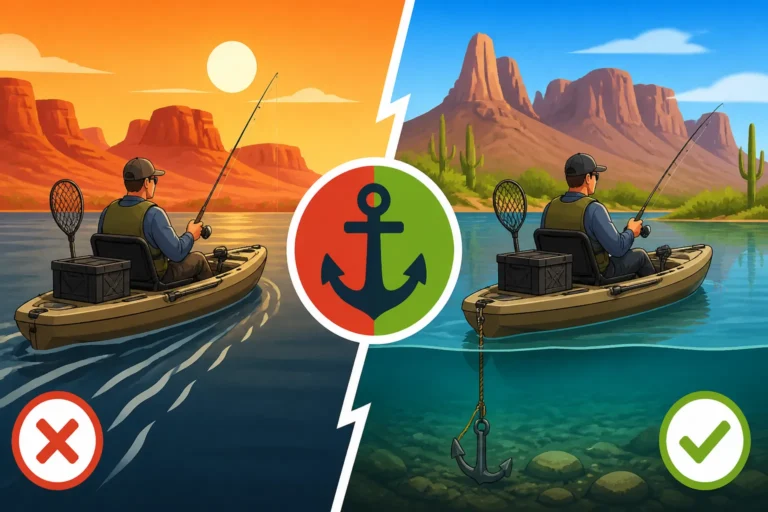
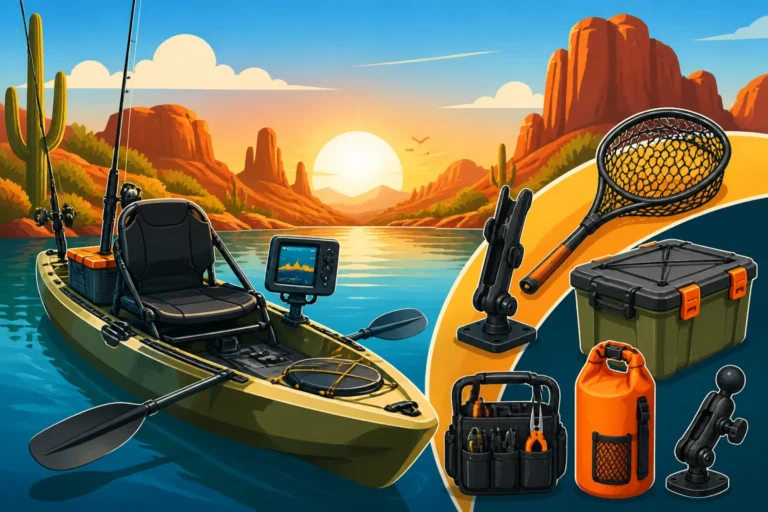
While houseboats aren't typically used for active fishing runs (they are slow and cumbersome to maneuver into tight coves), they serve as an incredible base camp. You can moor them in a scenic canyon, and then use smaller "support boats" – a runabout, personal watercraft, or even a Kayak Fishing Techniques for Desert Lakes – to go out and fish the surrounding areas. The size of the houseboat dictates how many people it can comfortably sleep and how much gear it can carry. If your primary goal is a week-long family vacation with fishing as a secondary activity, a houseboat combined with a smaller, more nimble fishing boat is an unbeatable combination. However, they are a significant investment (or rental cost) and require careful navigation, especially in crowded areas or windy conditions.
Here's a quick comparison of boat types for Lake Powell:
| Boat Type | Typical Size Range (Feet) | Pros for Lake Powell | Cons for Lake Powell | Ideal Use Case |
|---|---|---|---|---|
| Smaller Fishing/Jon Boats | 12-16 | Easy to launch/retrieve, affordable, accesses shallow areas | Poor rough water handling, limited range/fuel, less stable in chop | Short trips, calm coves near launch, single angler |
| Runabouts/Bowriders | 17-22 | Versatile, decent rough water handling, good speed, mixed use (fishing, watersports) | Can feel small in heavy chop, limited overnight space | Family fun, day trips, mixed fishing/watersports, moderate distances |
| Deck Boats/Pontoons | 20-26 | Excellent stability, abundant space/seating, comfortable, good for groups | Slower, less agile, can be exposed to wind, not ideal for very rough conditions | Group outings, family cruising, comfortable fishing, swimming, longer stays |
| Deep-V/Center Consoles | 18-24 | Superior rough water handling, fast, highly fishable, dedicated features | Less comfortable seating, fewer general amenities, higher cost for dedicated features | Serious fishing, long runs, competitive angling, all-weather capability |
| Houseboats | 35-75+ | Ultimate comfort, amenities, base camp for multi-day trips, large groups | Very slow, cumbersome, expensive, requires smaller support boats for active fishing | Multi-day family vacations, group retreats, ultimate lake living |
Factors Beyond Size: What Else to Consider
While size is a primary factor, it's really just one piece of the puzzle. When selecting the "best" boat for Lake Powell, you need to think about a few other critical elements that will impact your experience and safety.
Engine Horsepower and Reliability
On a lake as vast as Powell, getting where you want to go efficiently and reliably is key. An underpowered boat will struggle against wind and waves, burn more fuel trying to maintain speed, and generally make long runs tedious. For most boats 18 feet and up, you'll want an engine that's at least near the maximum recommended horsepower for the hull. This provides not only speed but also better control and safety in challenging conditions. Think about the distances you plan to cover and the type of fishing you want to do. If you're chasing Striped Bass Fishing Guide for Arizona during a surface boil, you'll need to get there fast. Reliability is also non-negotiable. Lake Powell is remote, and a breakdown can quickly turn a fun trip into a stressful ordeal. Regular maintenance and a trustworthy engine are crucial.
Fuel Capacity and Range
As mentioned, Lake Powell is enormous, and fuel docks are few and far between once you leave the main marina areas like Wahweap or Bullfrog. It's not uncommon to burn 30-50 gallons of fuel on a good day of exploring and fishing. Always operate with the "rule of thirds": one-third of your fuel to get to your destination, one-third to get back, and one-third in reserve for emergencies, unexpected detours, or just battling stronger-than-expected winds. For any serious multi-day trip or long-distance exploration, a boat with at least a 50-gallon fuel tank (and often more) is highly recommended. If your boat has smaller tanks, consider carrying extra fuel in approved containers, properly secured and vented.
Storage and Amenities
Think about what you'll be bringing on board. For a day of fishing, you'll need tackle, rods, a cooler, food, water, and safety gear. If you're planning on staying overnight, even just beach camping, you'll need tents, sleeping bags, cooking gear, and more. A boat with ample, dry storage is invaluable. Consider features like built-in coolers, livewells for your catch or bait, comfortable seating, and a Bimini top or other shade structure – the Arizona sun is no joke, especially on the water! You might also want to factor in a good Best Fish Finders for Bass Fishing in Arizona if you're serious about finding those hidden structures where the fish lurk. Even small conveniences, like cup holders or a good sound system, can make a long day on the water more enjoyable.
Towing and Launching Considerations
Don't forget about how you're going to get your boat to Lake Powell. A larger boat means a heavier boat, which requires a more capable tow vehicle. Do you have a truck or SUV that can safely handle the weight of your chosen vessel, trailer, and all your gear? Also, consider the launch ramps. While Lake Powell has excellent launch facilities, some of the more remote ones might be less developed, or water levels can affect their usability. Practice launching and retrieving your boat beforehand, especially if it's a new, larger vessel. Nobody wants to be that person holding up the line at the ramp.
Making Your Final Boat Decision for Lake Powell
Ultimately, the "best" boat size for Lake Powell isn't a one-size-fits-all answer. It truly depends on your specific needs, budget, and the type of experience you're seeking.
Aligning Boat Choice with Your Angling Goals
If you're a hardcore bass angler who wants to cover significant distances, fish in various conditions, and prioritize performance, an 18-24 foot deep-V or center console fishing boat would be an excellent choice. You'll have the power and stability to handle what Lake Powell throws at you. However, if your primary goal is a relaxing family trip, where fishing is just one activity among many like swimming, tubing, and exploring the canyons, then a 20-26 foot pontoon or deck boat might be more suitable. It offers comfort, space, and stability for a crowd. For those who want the ultimate base camp experience, combining a houseboat rental with a smaller, owned or rented powerboat is a popular option.
Think about the duration of your trips. Are you taking quick day excursions or multi-day adventures? For multi-day trips, the need for space for camping gear, extra food, and water becomes more pronounced, pushing you towards larger boats or a houseboat setup. Your group size also matters. A solo angler has different needs than a family of four or a group of six fishing buddies. Ensure the boat you pick can comfortably and safely accommodate everyone, along with their gear.
Budget and Maintenance Reality
It’s easy to get caught up in the dream boat, but the reality of budget, maintenance, and storage can quickly bring you back to earth. Larger boats are, of course, more expensive to buy, maintain, fuel, and insure. They might also require more specialized storage. Don't forget the cost of Boat Registration Rules in Arizona and necessary safety equipment. Sometimes, the "best" boat is the one you can comfortably afford to own, operate, and maintain, allowing you to actually use it frequently without financial strain. You can find great deals on used boats, or consider renting different types of boats for a few trips to see what truly fits your style before making a big purchase.
Safety First, Always
No matter what size or type of boat you choose, remember that safety is paramount on Lake Powell. Always check the weather forecast before heading out and be prepared for sudden changes. Carry all required safety gear, including enough life jackets for everyone on board (especially important are the PFD Requirements for Kids in Arizona), a first-aid kit, communication devices, and plenty of water. Let someone know your float plan, including where you're going and when you expect to return. Lake Powell is an incredible place to fish and explore, but its beauty demands respect and preparation. By carefully considering your needs and the lake's unique characteristics, you'll be able to choose the best boat size to make your Arizona fishing dreams a reality.
Disclaimer
This article is for general informational purposes only and does not constitute professional advice. Laws, prices and regulations vary by location and change over time. Consult a qualified professional for guidance on your specific situation.