How to Fish During Arizona’s Monsoon Season
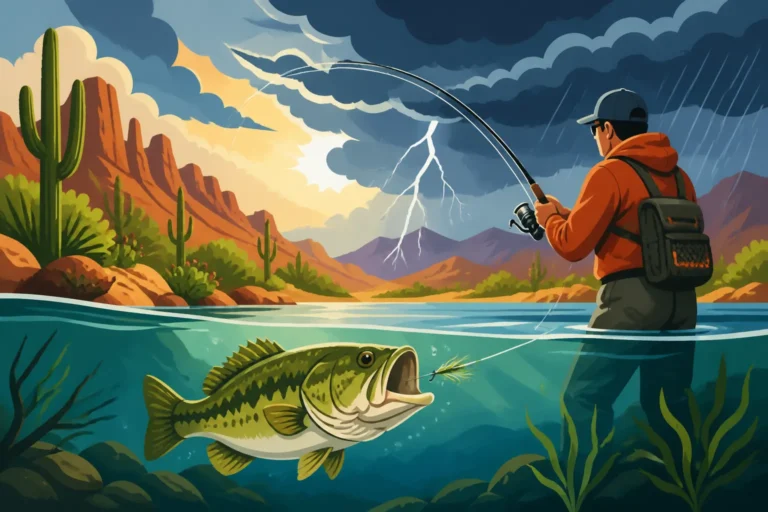
Arizona's monsoon season can feel like a real wildcard for anglers. One minute the desert is scorching, the next, the sky opens up with a dramatic, often violent, thunderstorm, leaving many wondering if fishing is even possible, let alone safe. Don't pack up your rods just yet! This guide will break down how to effectively and safely navigate fishing during Arizona's monsoon season, transforming what might seem like a deterrent into an exciting opportunity.
Understanding Arizona's Monsoon Season and Its Impact on Fishing
The Arizona monsoon isn't just a few scattered summer showers; it's a significant weather phenomenon that dramatically alters the landscape and, crucially, the underwater environment. Typically running from mid-June through September, these storms are characterized by a shift in wind patterns, bringing moisture from the Gulf of California and the Gulf of Mexico into the desert southwest. This results in heavy, often localized, rainfall, strong winds, lightning, and flash flooding. Understanding these core elements is key to adapting your fishing strategy.
The Science Behind Monsoon Rains and Runoff
When those dark, towering clouds unleash their fury, a chain reaction begins in our desert lakes and rivers. The intense rainfall, especially over dry, compacted desert soil, creates significant runoff. This runoff picks up silt, debris, and nutrients as it rushes into waterways. For a lake like Lake Pleasant or Roosevelt Lake, this means a sudden influx of muddy, cooler water entering coves and main lake areas. This can drastically change water clarity, temperature stratification, and oxygen levels, which in turn influences where fish are, what they're eating, and how active they are.
How Water Conditions Shift for Fish
The influx of cooler, muddier water has a profound effect on fish behavior. Many species, especially bass, often become more active after a significant rain. The cooler temperatures offer a much-needed reprieve from the relentless summer heat, making them more comfortable and willing to feed. The stirred-up, murky water also provides cover, reducing light penetration and making ambushing prey easier. However, too much mud can be a problem, causing fish to move away from heavily silted areas. Additionally, the sudden rush of water can create new currents in smaller streams and rivers, relocating baitfish and the predators that follow them. It's a dynamic environment that requires anglers to be flexible and observant.
Prioritizing Safety During Monsoon Storms
While the fishing can be fantastic, safety absolutely has to be your number one priority during the monsoon season. These storms are not to be underestimated; they can develop rapidly and pose serious risks for unsuspecting anglers. A beautiful sunny day can turn into a life-threatening torrent in a matter of minutes, especially in our desert environment where flash floods are a very real danger.
Watching the Weather: Your Most Important Tool
Always, always, always monitor the weather forecast diligently before heading out during monsoon season. Don't just check once in the morning; keep an eye on radar apps like AccuWeather or NOAA weather apps throughout your trip. Look for "pop-up" storms, which are common during this time of year and can form quickly. Pay particular attention to flash flood warnings for the area you plan to fish, especially if you're targeting rivers or washes. If there's any doubt, err on the side of caution. Remember, a fish isn't worth putting your life, or someone else's, in jeopardy. Consider reading up on How to Fish Safely During Monsoon Storms in Arizona for more detailed precautions.
Lightning, Flash Floods, and Wind Hazards
Lightning is perhaps the most immediate and dangerous threat during monsoon storms. If you see lightning or hear thunder, it's time to get off the water immediately and seek shelter. Boats, especially those with tall poles or masts, are lightning magnets. Similarly, shore anglers in open areas are highly vulnerable. Flash floods are another silent killer in Arizona. Dry creek beds and washes can become raging rivers in minutes, even if it's not raining directly overhead, due to upstream rainfall. Never camp or fish in a wash, and be mindful of your escape routes. Strong winds accompanying these storms can also whip up waves on larger lakes, making boating treacherous, and can send loose gear flying. Always secure your boat and equipment.
Essential Safety Gear for Monsoon Angling
Being prepared with the right safety gear can make all the difference. Beyond your fishing tackle, pack a fully charged cell phone (in a waterproof bag!), a first-aid kit, plenty of water, and extra layers of clothing, even if it's hot – temperatures can drop quickly after a storm. If boating, ensure you have proper Boating Safety Gear Requirements in Arizona, including easily accessible personal flotation devices (PFDs) for everyone on board. A weather radio can also be invaluable, especially in remote areas where cell service might be spotty. For those fishing from shore, sturdy, non-slip footwear is crucial when walking on wet, potentially muddy or rocky terrain. A reliable headlamp is also a good idea if you plan to fish near dusk, as visibility can rapidly decrease during and after a storm.
Strategic Fishing Before the Monsoon Hits
Even before the skies open up, the atmospheric changes that herald a monsoon can affect fish behavior. The build-up of humidity and changes in barometric pressure can subtly influence feeding patterns. This "calm before the storm" period often presents unique fishing opportunities that smart anglers can capitalize on. Fish, much like us, can sense the approaching weather and may adjust their behavior accordingly.
Reading the Pre-Storm Cues
Often, just before a big monsoon storm rolls in, the air becomes heavy and humid, and the sky can take on an ominous, yellowish or greenish hue. This is your cue. Many anglers report that fish, particularly bass, become more active during this pre-storm period. They seem to sense the impending weather change and go on a feeding frenzy, perhaps to gorge before the disruption. This is an excellent time to target active fish with aggressive presentations. Think topwater lures if it's early morning or late evening, or fast-moving crankbaits and spinnerbaits during the day. The lower light conditions that precede a storm can also extend the effective window for these baits.
Target Species and Locations Pre-Monsoon
Largemouth bass are often the most responsive species during these pre-monsoon bursts of activity. Look for them moving into shallower water, particularly around cover like submerged trees, rock piles, and weed lines, as they anticipate feeding. Crappie can also become more aggressive, schooling up near structure. For catfish, the increasing humidity and often slightly lower barometric pressure can trigger a bite, making them a reliable target. As for locations, focus on main lake points, submerged humps, and the mouths of coves – areas where fish can easily move to deeper water if the storm hits hard, but are still accessible for a quick meal. Consider using some of the Best Lures for Largemouth Bass in Arizona Lakes during these pre-storm feeding windows.
Effective Tactics for Fishing During a Monsoon Storm
Alright, you've checked the forecast, you're prepared, and a manageable storm is rolling through. Fishing during the actual rain can be incredibly productive, but it demands specific strategies and, of course, a constant awareness of safety. It's often when fair-weather anglers pack up that the serious bites begin, but you need to know how to approach it.
Dealing with Rain and Murky Water
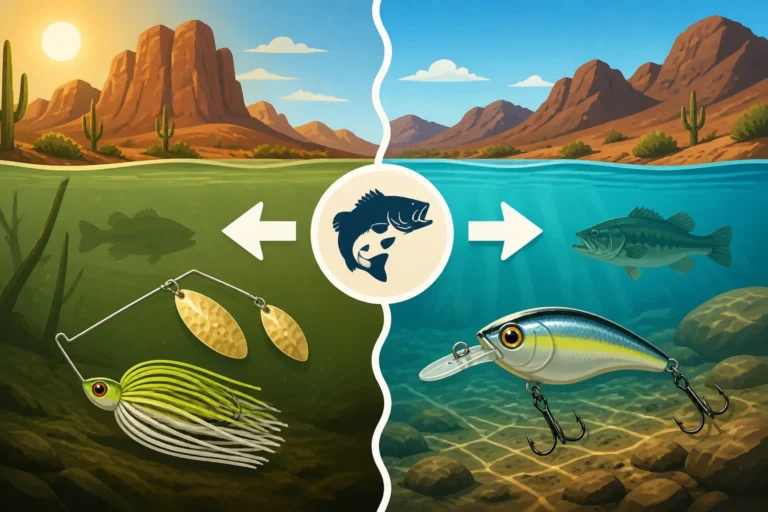
The immediate effect of rainfall is a change in water clarity. As rainwater hits the lake or river, especially if it's accompanied by runoff, the water can become murky. This isn't necessarily a bad thing. Murky water significantly reduces visibility, making fish less wary of your presence and your line. This is a prime time to use lures that rely on vibration, sound, or strong visual contrast. Think dark-colored jigs, spinnerbaits with large thumping blades, or crankbaits with internal rattles. Bright, fluorescent colors like chartreuse or firetiger can also stand out better in stained water. The rain also breaks up the surface of the water, making fish feel more secure and less likely to spook from overhead disturbances. For shore anglers, target the edges of runoff inflows, as these can concentrate baitfish and nutrients, attracting predators.
Capitalizing on Cooler Temperatures
The cooler water brought by rain is a godsend for fish in Arizona's hot summer. Bass, especially, become more comfortable and active when the water temperature drops, even by a few degrees. They'll often move out of their deep-water hiding spots and become more willing to chase prey. This is when shallow-water power fishing can really shine. Think about throwing a chatterbait or a squarebill crankbait around emergent vegetation or rocky banks. The cooler temperatures mean fish are less sluggish and can be incredibly aggressive. Focus on areas where cool runoff is entering the lake, as these temperature breaks can act as magnets for feeding fish.
Adjusting Lure Choices and Presentation
During a monsoon downpour, your lure choices and how you present them are critical. Forget finesse tactics for a moment; this is often a time for aggressive, reaction strikes. Topwater baits can still be effective, especially during lighter rain or just as the rain starts, as fish are looking up for dislodged insects or struggling baitfish. Once the water gets murky, switch to lures that create a lot of commotion. Large spinnerbaits, buzzbaits, and dark-colored jigs with bulky trailers are excellent choices. Slow your retrieve just slightly if the water is very muddy, allowing fish to hone in on the vibration. Don't be afraid to experiment with brighter colors in stained water, as they can sometimes offer just enough contrast to be seen. Keep an eye on internal links like Best Lures for Largemouth Bass in Arizona Lakes for broader recommendations that can be adapted.
Capitalizing on Post-Monsoon Fishing Opportunities
The dust settles, the clouds clear, and the sun might even peek through. The aftermath of a monsoon storm can be just as, if not more, productive than fishing during the rain itself. The changes brought by the storm – cooler water, new currents, displaced bait – create a fresh feeding environment that wise anglers can exploit. This is often when some of the biggest fish of the season are caught.
The Runoff Effect: New Feeding Zones
After a monsoon, the sustained runoff continues to carry nutrients, insects, and even terrestrial creatures into the main body of water. This creates a buffet for baitfish, and in turn, for larger predatory fish. Focus your efforts around the mouths of washes, feeder creeks, and any areas where significant runoff entered the lake or river. The slightly discolored water here can be highly productive. Bass and catfish will often stage in these areas, waiting for an easy meal to be delivered by the current. If you're targeting catfish, this is a prime time to use cut bait or stink baits near these inflows, as the smell will disperse well in the stirred water. Learning How to Fish Muddy Water After a Monsoon can really pay off here.
Tracking Fish Movement After the Storm
Fish, especially bass, often disperse after a storm, following the new currents and seeking out fresh food sources. They might move into previously unfished areas or shift their preferred depths. Pay attention to changes in water temperature and clarity. Fish will often gravitate towards the coolest, cleanest water they can find, or conversely, stay in the slightly turbid zones if that's where the food is. Use your fish finder to locate schools of baitfish, as predators won't be far behind. Often, a pattern will emerge a day or two after a major storm, as fish settle into their new routines. Look for points and humps adjacent to newly formed runoff channels.
Lure and Bait Adjustments Post-Monsoon
With the water still a bit stained but potentially clearing, you might start to reintroduce some more natural-looking baits. Swimbaits mimicking displaced baitfish can be very effective, as can Texas-rigged worms or jigs fished slowly along the bottom near runoff areas. Topwater action can pick back up as the sun comes out and bugs dry off and fall into the water. For catfish, continue with strong-smelling baits, but don't shy away from live bait like worms or bluegill, which might be more active in the refreshed water. Remember, fish are often still in an opportunistic feeding mode, so don't be afraid to throw something a bit bigger or more aggressive than you normally would. For example, knowing the Best Bait for Catfish in Arizona can lead to some impressive catches in post-monsoon conditions.
Essential Gear and Preparation for Monsoon Angling
Being properly equipped for Arizona's monsoon season isn't just about safety; it's also about comfort and maximizing your time on the water. Showing up unprepared will quickly lead to a miserable, and potentially dangerous, experience. Having the right clothing, tackle, and accessories ensures you can adapt to the rapidly changing conditions.
Waterproof Clothing and Gear Protection
This one seems obvious, but it's often overlooked or underestimated. A cheap poncho won't cut it during a real Arizona downpour. Invest in quality waterproof rain gear – a good rain jacket and pants that are truly waterproof, not just water-resistant. Brands like Simms or Columbia offer excellent fishing-specific rainwear, but you can find great options on Amazon as well. A wide-brimmed waterproof hat can also keep rain out of your eyes and off your face. Additionally, think about protecting your gear. Waterproof bags for electronics, extra tackle, and even a spare set of dry clothes are crucial. A quality cooler is also essential for keeping your drinks and any caught fish cold in the humid conditions; check Amazon for highly-rated options like Yeti or RTIC.
Tackle Box Modifications for Monsoon Conditions
Your usual tackle box might need some monsoon-specific modifications. As discussed, lures that create vibration and sound, or have high contrast colors, become very important. Ensure you have a good selection of dark-colored jigs, chartreuse or firetiger crankbaits, and noisy topwater lures like buzzbaits. Consider adding some larger profile baits too, as fish might be more inclined to strike a substantial meal during active feeding periods. Don't forget heavier sinkers or weights if you're fishing areas with increased current due to runoff. Always have extra line on hand, as snags can be more common in debris-filled runoff areas, and check your knots frequently.
| Item Type | Recommended for Monsoon | Why It's Essential |
|---|---|---|
| Clothing | Waterproof Rain Suit | Stay dry, prevent hypothermia |
| Moisture-wicking base layers | Manages sweat, quick drying | |
| Sturdy, non-slip footwear | Traction on wet/muddy surfaces | |
| Wide-brim waterproof hat | Keeps rain/sun off face | |
| Safety | Fully charged phone (waterproof case) | Communication in emergencies |
| First-aid kit | Minor injuries | |
| Weather radio (if remote) | Real-time storm updates | |
| PFDs (for boating) | Mandatory for safety | |
| Tackle | Dark/bright colored lures | Visibility in murky water |
| Noisy/vibrating lures | Attracts fish in low visibility | |
| Heavier weights/sinkers | Deal with increased current | |
| Extra line and leader | For break-offs in debris | |
| Accessories | Waterproof dry bags | Protect electronics/valuables |
| Quality cooler | Keep drinks cold, fish fresh | |
| Headlamp/flashlight | Improved visibility in low light | |
| Sunscreen/bug spray | Essential for intermittent sun/bugs |
Staying Hydrated and Protected from the Elements
Even with the rain and cooler temperatures, Arizona's monsoon season is still intensely humid, and the sun can pop out at a moment's notice. Staying hydrated is paramount to avoid heat-related illness. Carry more water than you think you'll need, perhaps even a hydration pack if you're on the move. Reusable water bottles filled with ice are a great idea, and you can stock up on large packs from places like Amazon to keep in your vehicle. Sun protection remains critical. Apply sunscreen regularly, wear sunglasses to reduce glare, and consider UPF-rated clothing for extra defense against UV rays. Don't let the clouds fool you; the sun's rays are still powerful. For more tips on enduring the elements, check out Best Sun Protection for Desert Fishing or Best Coolers for Hot-Weather Fishing in Arizona.
Disclaimer
Fishing always carries inherent risks. The information provided in this guide is for informational purposes only and should not be taken as a guarantee of safety or success. Always exercise extreme caution, use your best judgment, and prioritize your personal safety above all else, especially when dealing with unpredictable weather conditions like Arizona's monsoon season. Local regulations and conditions can change, so always consult the Arizona Game and Fish Department for the latest rules and advisories.