Seasonal Movement Patterns of Bass at Roosevelt Lake
It’s a tale as old as time for Arizona anglers: you head out to the sprawling waters of Roosevelt Lake, confident in your gear and your know-how, only to spend hours casting without a single bite from those elusive bass. It’s incredibly frustrating when one day you’re slaying them, and the next, they’ve vanished into thin air. The truth is, bass at Roosevelt Lake, like most places, are constantly on the move, dictated by the rhythm of the seasons, water temperature, and their biological needs. This comprehensive guide is here to unravel those mysteries, helping you understand the seasonal movement patterns of bass at Roosevelt Lake so you can anticipate their behavior and find them consistently, no matter the time of year.
Spring: The Awakening and the Spawning Frenzy
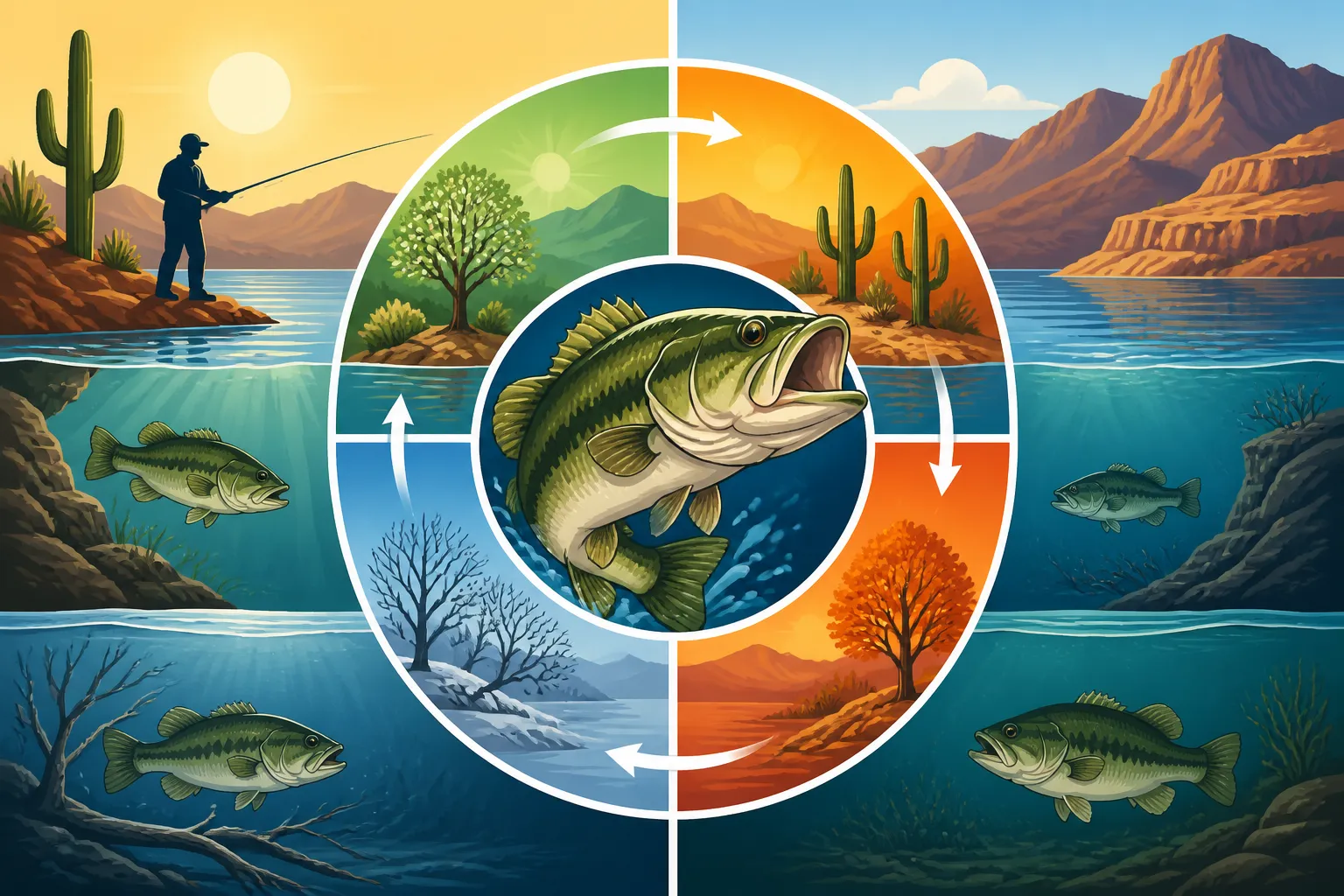
Spring at Roosevelt Lake is a period of massive change and arguably the most anticipated time for bass anglers. As the frigid grip of winter loosens, water temperatures begin their slow climb, signaling to the bass that it's time to transition from their deep winter haunts to shallower, warmer waters for feeding and reproduction. This season can be broken down into three distinct, yet often overlapping, phases: pre-spawn, spawn, and post-spawn.
Pre-Spawn: The Feast Before the Fast
As late winter melts into early spring, typically from late February through April when water temperatures are climbing from the high 40s into the low to mid-50s Fahrenheit, bass are in their pre-spawn phase. During this time, their primary instinct is to feed heavily, packing on energy reserves for the strenuous act of spawning. You’ll find them moving up from their deep winter holding patterns, staging on points, humps, and channel swings adjacent to prime spawning flats. They’re often lurking in depths ranging from 10 to 30 feet, particularly around submerged timber, rock piles, and old creek channels.
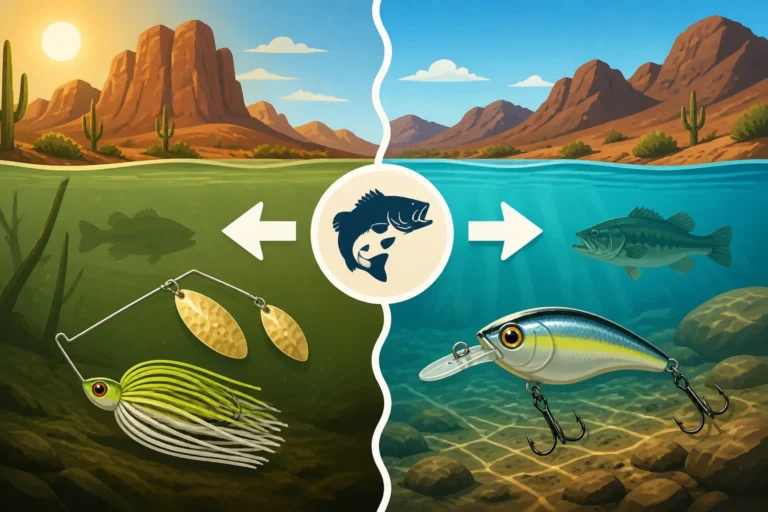
Anglers targeting these aggressive, hungry bass often have great success with fast-moving baits that mimic shad or crawfish, which are abundant forage in Roosevelt Lake. Lipless crankbaits, medium-diving crankbaits in shad or craw patterns, and spinnerbaits are excellent choices for covering water and triggering reaction strikes. These fish are actively seeking food and are often willing to chase. This is also a fantastic time to use a fish finder to locate schools of baitfish and the bass shadowing them. Consider tossing a Carolina rig with a soft plastic lizard or creature bait around those staging areas; the slower, bottom-bumping presentation can entice wary bass preparing for the spawn. For those looking to stock up on these essentials, many effective lures can be found readily available on Amazon, ensuring you’re prepared for Roosevelt’s notoriously finicky bass.
Spawn: Bedding Down and Protecting the Young
Once water temperatures consistently hit the mid-50s to low 60s Fahrenheit, usually from late March through May, the bass move into their spawning phase. This is when they push into the absolute shallowest, warmest water available, often in depths of 1 to 5 feet. They'll seek out protected coves, backs of creeks, and flat, sandy, or gravelly bottoms, often near isolated brush piles, reeds, or submerged logs that offer protection for their nests. At Roosevelt Lake, the many coves and protected areas within the Tonto Creek Arm and the Salt River Arm become prime spawning grounds.
During the spawn, male bass meticulously fan out circular "beds" or nests, and once a female lays her eggs, the male guards them fiercely. While tempting to target these visible, bedded fish, many anglers prefer to let them complete their reproductive cycle undisturbed. If you do target them, a stealthy approach with Texas-rigged soft plastics, jigs, or even a weightless worm can be effective, presenting the bait directly into the bed to provoke a territorial strike. The bass are not actively feeding during this time but are incredibly protective. They're focused solely on defense, so a bait that encroaches on their space will often get struck. Understanding Arizona Fishing Regulations Explained is crucial here, as some areas might have specific rules during spawning seasons.
Post-Spawn: Recovering and Scattered Feeding
After the spawn, which typically lasts from April through early June when water temperatures are in the high 60s to low 70s, bass enter the post-spawn phase. This can be one of the more challenging times to locate bass because they are often exhausted and scattered. Females, especially, need time to recover from the rigors of egg-laying and will often retreat to slightly deeper, but still accessible, cover to recuperate. They might be found suspended over brush piles, around points, or cruising deeper ledges adjacent to their spawning flats.
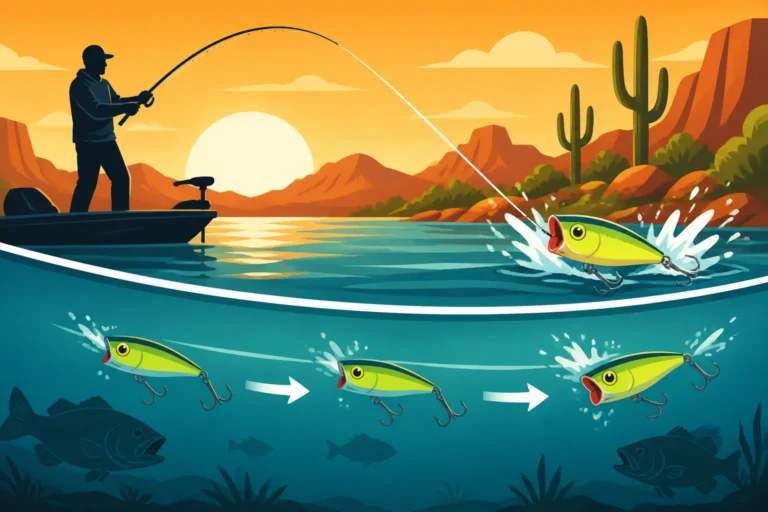
The good news is that after a period of rest, their hunger eventually returns, and they’ll start to feed again, often aggressively to regain lost weight. Look for them to be loosely schooled up around main lake points, submerged timber, and brush in depths of 5 to 20 feet. Topwater lures can be incredibly effective during early morning and late evening as bass are willing to chase a quick meal. Buzzbaits, walking baits, and poppers can draw explosive strikes. During the day, slower presentations like shaky heads, Texas rigs, or drop shots can entice the more lethargic, recovering fish. Don't forget to explore the extensive shoreline and various access points covered in a Roosevelt Lake Arizona Fishing Guide to find these recovering fish.
Summer: Deep Water Retreat and Nighttime Action
As Arizona's infamous summer heat descends upon Roosevelt Lake, typically from June through September, the bass drastically alter their patterns. Surface water temperatures can soar into the 80s and even 90s Fahrenheit, making the shallower water less hospitable. This drives bass to seek out cooler, more oxygenated water, which means a significant move into deeper haunts, often accompanied by a shift to nighttime feeding.
Deep Water Strategies: Finding the Thermocline
During the scorching daytime hours, bass at Roosevelt Lake will often retreat to depths of 20 to 50 feet, sometimes even deeper. They congregate around offshore structures like main lake points, ledges, humps, and especially submerged timber or brush piles that offer both cover and cooler temperatures. A key factor to understand here is the thermocline – a layer in the water column where the temperature changes rapidly. Bass will often suspend just above or within this thermocline, as it offers the most comfortable water temperature and oxygen levels. Locating this thermocline with a good fish finder is paramount to success.
Fishing deep requires different tactics. Heavy jigs, deep-diving crankbaits (especially those capable of reaching 15-25 feet or more), and Carolina rigs are go-to baits. Vertical jigging spoons or dropshot rigs are also highly effective for pinpointing bass holding tight to structure or suspended in the water column. You'll want to employ tactics like those detailed in a guide on How to Fish Deep Structure in Summer Heat. Many anglers find the longer, sensitive rods suitable for these deep-water presentations on Amazon, ensuring good feel even with lighter bites. Pay close attention to subtle bites, as bass in deep, warm water can be quite lethargic.
Night Fishing: Beating the Heat
When the sun goes down and surface temperatures drop a few degrees, Roosevelt Lake comes alive. Night fishing becomes an incredibly popular and productive strategy during the summer months, offering relief from the heat for both anglers and bass. Bass will often move shallower at night, sometimes as shallow as 5-15 feet, patrolling main lake points, submerged islands, and coves in search of active baitfish. The cover of darkness provides them with a tactical advantage over their prey.
Topwater lures like large walking baits, buzzbaits, and even noisy poppers can be phenomenal under the moonlit sky, as the bass key in on the silhouette and commotion on the surface. Dark-colored spinnerbaits, jigs with large plastic trailers, and slow-rolled crankbaits are also excellent choices. The key is to use baits that create a strong vibration or silhouette, as the bass's lateral line and low-light vision become crucial. Always prioritize safety when night fishing, ensuring you have proper lighting and communicate your plans. This time of year often leads to some of the biggest bass catches, as the larger fish feel more confident feeding under the cover of darkness.
Fall: The Autumn Feeding Blitz
As the scorching summer heat gradually gives way to cooler autumn temperatures, typically from late September through November, Roosevelt Lake undergoes another significant transition. The dropping air and water temperatures, especially after the first few cool fronts, signal a new pattern for bass: the fall feeding blitz. This is a time when bass actively chase baitfish, preparing for the lean months of winter.
Turnover and Transition: Finding Active Water
Early fall often brings about lake turnover in deeper lakes, where the stratified layers of warm and cold water mix. This can temporarily make fishing tough, scattering fish as they adjust to changes in oxygen and temperature throughout the water column. However, once the lake stabilizes, usually by mid-fall, bass become highly active. They begin to follow large schools of baitfish, such as shad, that move into the shallower, more oxygenated areas as surface temperatures cool from the 80s down into the 60s.
During this transition, bass can be found in a wide range of depths, from shallow coves to main lake points and channel swings. Key areas include creek channels, the backs of coves, and any structure where baitfish are congregating. They might be anywhere from 5 to 25 feet deep, depending on the specific water temperature and baitfish presence. Covering water becomes crucial. Fast-moving search baits like lipless crankbaits, spinnerbaits, and medium-diving crankbaits are highly effective for locating aggressive schools of bass. Pay attention to bird activity, as diving birds often indicate baitfish schools, and where there are baitfish, hungry bass are rarely far behind.
The Feeding Frenzy: Aggressive Chasing
Mid to late fall is often characterized by an intense feeding frenzy. With water temperatures in the low to mid-60s, bass are at their most active, chasing down shad and other forage to build up fat reserves for the winter ahead. This is a prime time for topwater action, especially during calm mornings and evenings, as bass will often push baitfish to the surface. Walking baits, poppers, and even buzzbaits can draw incredible strikes.
If the topwater bite isn't on, focus on reaction baits. Spinnerbaits, chatterbaits, and crankbaits in shad patterns are exceptional for imitating the struggling baitfish that bass are targeting. This is also a fantastic time for schooling bass. Keep an eye out for "boils" or bass busting bait on the surface, especially in the larger open water areas of Roosevelt. When you find these active schools, quickly cast a swimbait, spoon, or even a simple retrieve with a lipless crankbait to capitalize on the feeding activity. A high-quality spinning reel, often found with great reviews on Amazon, can make casting lighter lures to these distant boils much easier. For more targeted advice, check out the Fall Bass Fishing Tactics in Arizona article.
Winter: Deep and Deliberate
Winter at Roosevelt Lake, typically from December through February, is characterized by cold, clear water and more stable conditions. While the activity slows considerably compared to spring and fall, bass fishing can still be highly productive for those willing to adapt their techniques to slower, deeper presentations. Bass move to predictable, deep wintering grounds and are often schooled tightly.
Seeking Stable Deep Water
As water temperatures drop into the 40s and 50s Fahrenheit, bass seek out the most stable water temperatures they can find, which usually means deep water. They'll often congregate in large schools on deep main lake points, bluff walls, vertical drops, and especially around prominent submerged timber or brush piles in depths ranging from 30 to 60 feet, sometimes even deeper depending on the lake's specific thermocline (if one exists this deep in winter). These areas provide thermal refuge and ambush points for baitfish that also seek deeper water.
Locating these deep schools with your electronics is paramount. A good fish finder is an absolute game-changer in winter, allowing you to mark individual fish or tight schools. Once located, presentation is key: slower, more deliberate approaches are required. Jigging spoons, blade baits, and dropshot rigs with small, subtle plastics are highly effective. Vertical jigging directly over the fish or slowly dragging a Carolina rig through the school can entice bites. This is a time for patience and precision, as the bass's metabolism slows, and they won't chase baits aggressively.
Slow Presentations and Specific Areas
The bite in winter can be incredibly subtle, often feeling like just a little "tick" or added weight on your line. Using sensitive rods and fluorocarbon line can help detect these faint bites. The "less is more" approach often pays off; let your bait sit for longer periods, with minimal movement. For those interested in perfecting their cold-water game, exploring Winter Bass Fishing Tactics in Arizona can provide invaluable insights.
Focus on the deepest, most prominent structures near creek channels or river bends within Roosevelt. These deep, stable areas are where the bass will spend the majority of their winter, conserving energy. While not as active as in other seasons, winter often produces some of the fattest, healthiest bass because they are still feeding opportunistically, just less frequently. Many anglers find that investing in specialized cold-weather fishing gear, available through retailers like Amazon, can make these trips more comfortable and productive.
Seasonal Bass Movement at Roosevelt Lake
Here's a quick overview of how bass typically move and what they prefer at Roosevelt Lake throughout the year:
| Season | Typical Water Temp | Primary Depth Range | Preferred Cover/Structure | Key Lure Types |
|---|---|---|---|---|
| Spring | 50s-70s F | 1-30 feet | Spawning flats, points, submerged timber, coves | Crankbaits, spinnerbaits, jigs, soft plastics, topwater |
| Summer | 80s-90s F | 20-50+ feet (day), 5-15 feet (night) | Deep points, ledges, humps, submerged timber, bluff walls | Deep cranks, jigs, dropshot, spoons, topwater (night) |
| Fall | 60s-70s F | 5-25 feet | Main lake points, creek channels, coves, baitfish schools | Spinnerbaits, crankbaits, topwater, swimbaits |
| Winter | 40s-50s F | 30-60+ feet | Deep points, bluff walls, submerged timber, channel bends | Jigging spoons, blade baits, dropshot, jigs |
Understanding these seasonal movement patterns and adapting your approach accordingly is the secret to consistent success when fishing for bass at Roosevelt Lake. It’s not just about what bait you use, but where and when you present it, aligning your efforts with the bass’s natural instincts. So next time you head out, armed with this knowledge, you can approach the lake with a plan, ready to tackle whatever the season throws at you.
Disclaimer
Fishing conditions and regulations can change rapidly. Always consult the latest Arizona Game and Fish Department regulations before heading out. This guide is for informational purposes only and does not supersede official rules or recommendations. Be safe, responsible, and practice good sportsmanship on the water.