Why Smallmouth Bass Prefer Lake Powell’s Canyons
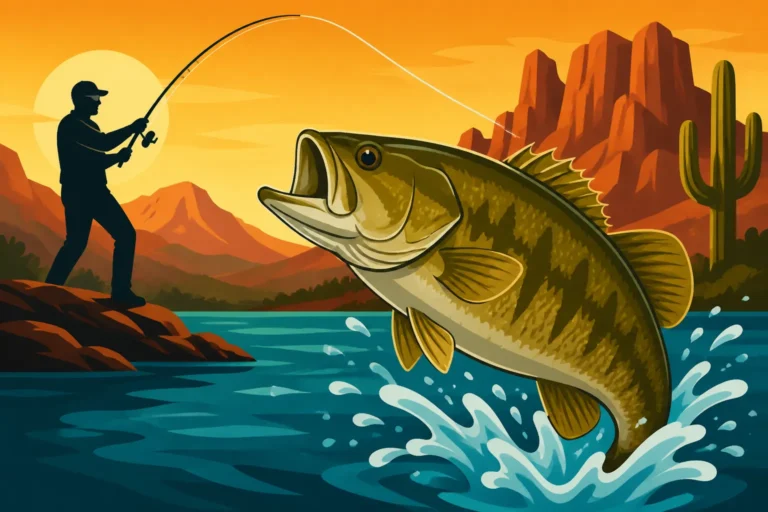
Many anglers visiting Lake Powell often wonder why those feisty smallmouth bass seem to vanish from the wide-open main channels and gravitate so strongly towards the countless canyons. It's a common frustration when you're casting aimlessly, only to hear tales of incredible catches deep within a rocky cove. This guide will dive deep into the fascinating reasons behind this distinct habitat preference, helping you understand the smallmouth's world in Lake Powell's unique canyon environment and ultimately improving your fishing success.
Understanding the Smallmouth Bass Habitat Preference
Smallmouth bass are not just any fish; they have a very specific set of requirements for their ideal home, and Lake Powell's canyons deliver on almost every single one. If you've ever spent time observing these bronze beauties, you'll quickly realize they're creatures of structure, depth, and specific thermal conditions, all of which are perfectly encapsulated within the canyon systems.
The Allure of Rocky Structures
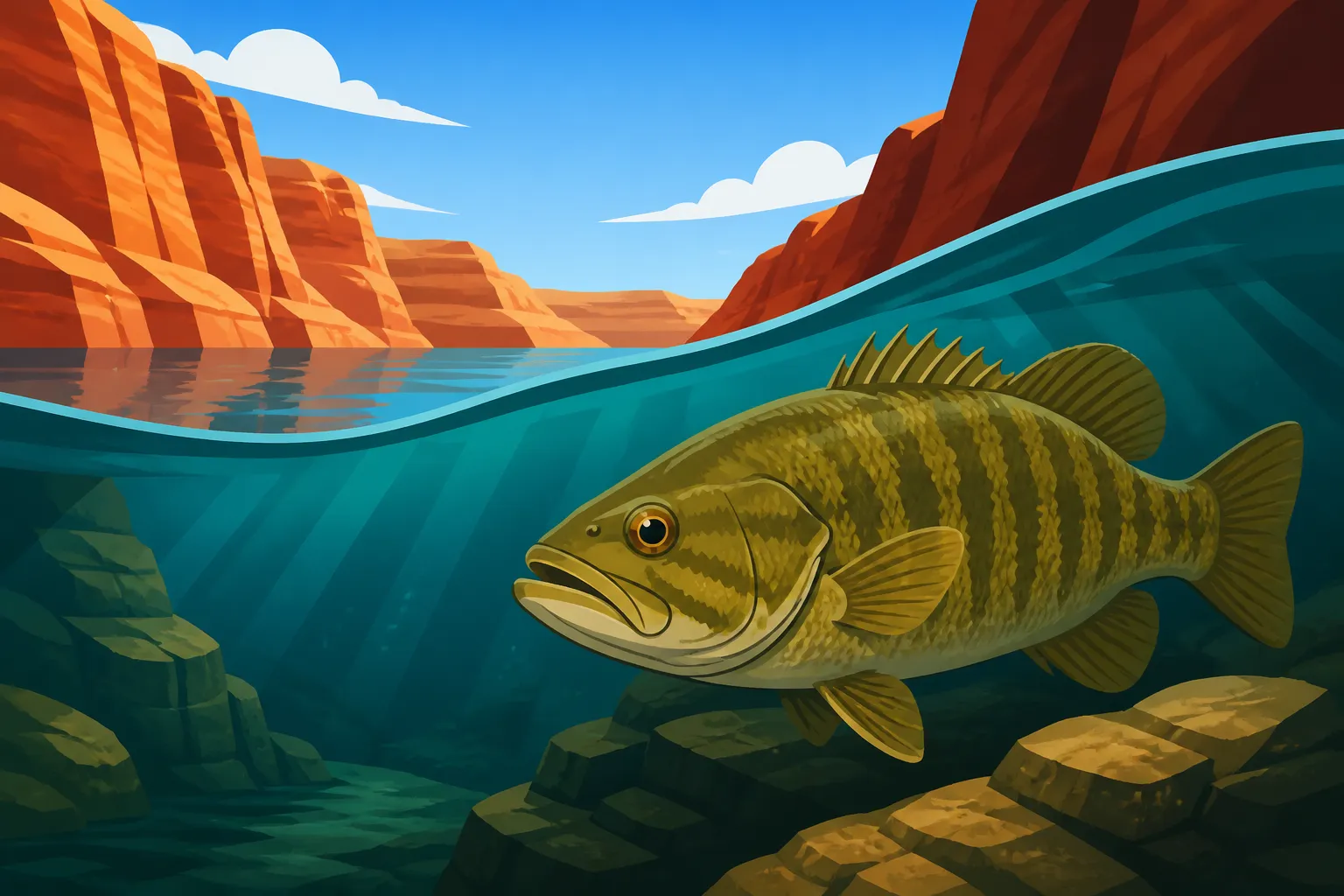
Smallmouth bass are, by nature, lovers of hard, rocky bottoms and structure. Unlike their largemouth cousins who often lurk in weeds and timber, smallmouth thrive in environments that offer plenty of nooks, crannies, boulders, and ledges. Lake Powell's canyons are literally built from this kind of terrain. You'll find towering sandstone walls, massive rockfalls, and endless stretches of rubble and gravel that provide the perfect hiding spots and ambush points for these aggressive predators. The sheer verticality and ruggedness of these canyon systems create an underwater landscape that's tailor-made for smallmouth.
Imagine a smallmouth patrolling a sheer rock wall. They can tuck themselves into a crevice, hidden from above, waiting for an unsuspecting baitfish to swim by. Or they might sit just behind a submerged boulder, using it as a current break and a visual barrier. This preference for hard structure isn't just about cover; it's deeply ingrained in their behavior, from hunting to spawning, making the rocky canyons an irresistible magnet. When you're out there, really pay attention to the transition zones where rock meets a slightly softer bottom – these can be goldmines, as smallmouth will often move between structure and feeding flats throughout the day.
These rocky structures also offer a crucial sense of security from larger predators, especially for smaller or juvenile smallmouth. The intricate network of ledges, overhangs, and rockslides provides multiple escape routes and countless places to disappear into if danger arises. For an angler, this means focusing your efforts on casting parallel to these walls, working your lures slowly over submerged rock piles, and really dissecting every boulder and drop-off you can find. It’s a different game than flinging a frog over lily pads, demanding precision and an understanding of vertical fishing presentations.
Deep Water Access and Thermal Refuge
Another critical factor drawing smallmouth to Lake Powell's canyons is the immediate access to deep water. While they'll often hold in shallower water for feeding, especially during cooler parts of the day or year, having a quick retreat to cooler, more stable temperatures is vital, particularly in Arizona's intense heat. The canyons provide steep drop-offs and profound depths mere feet from the shoreline, offering a convenient escape from adverse conditions.
During the scorching summer months, when surface temperatures in the main lake can become uncomfortably warm for smallmouth, the deep, shaded waters of the canyons offer a vital thermal refuge. Smallmouth are sensitive to temperature extremes, and the ability to easily move into these cooler zones allows them to conserve energy, reduce stress, and remain active. This means that even in the height of summer, you can often find active smallmouth by targeting shaded canyon walls or deep ledges where the water remains consistently cooler. Knowing the Best Time of Day to Fish in Arizona Heat is crucial, and in canyons, these deeper areas can significantly extend your bite window.
Beyond just temperature, the depth also offers consistent oxygen levels and general environmental stability. While the surface waters in more open areas might be churned by wind or heavy boat traffic, the deeper canyon sections remain relatively calm and predictable. This stable environment reduces stress on the fish and provides consistent ambush opportunities. Think of it like a natural, air-conditioned pantry for bass – cool, calm, and often full of food, with an easy escape hatch if things get too warm or too active on the surface.
Forage and Predation Dynamics in Lake Powell's Canyons
The environment isn't just about comfort for smallmouth bass; it's also about survival and sustenance. The unique characteristics of Lake Powell's canyons provide an exceptional setting for both finding ample food and effectively hunting it, solidifying their status as prime smallmouth territory.
Abundant Prey Species
Smallmouth bass are opportunistic predators with a diverse diet, and the canyons of Lake Powell are teeming with their preferred forage. Chief among these are crayfish, which are incredibly abundant in rocky habitats. A smallmouth will rarely pass up a juicy crayfish, making crustacean-imitating lures like jigs and creature baits extremely effective in these areas. The rocky substrate of the canyons provides ideal habitat for crayfish to hide, forage, and reproduce, creating a consistent, readily available food source for the bass year-round. Many anglers keep a selection of crayfish-patterned soft plastics in their tackle box, easily found on Amazon.
Beyond crayfish, the canyons also act as natural funnels for baitfish. Species like threadfin shad, gizzard shad, and various minnows often congregate in the more protected, calmer waters of the canyons, especially where submerged brush or specific rock formations offer cover. These baitfish schools become prime targets for smallmouth bass, particularly during feeding frenzies or "boils" when the bass drive the shad to the surface. Understanding Striped Bass Diet and Feeding Habits can also give you clues, as both species often pursue similar baitfish, and their feeding patterns can sometimes coincide.
The vertical nature of the canyon walls also creates unique feeding opportunities. Baitfish can become disoriented or trapped against these sheer faces, making them easy pickings for smallmouth lying in wait. Sometimes, plankton blooms or algae growth on the rock walls can attract smaller invertebrates, which in turn attract baitfish, effectively drawing the entire food chain into these confined spaces. It's a natural buffet line for smallmouth bass, all thanks to the canyon's structure and topography.
Natural Ambush Points
The intricate topography of Lake Powell's canyons provides an endless array of natural ambush points, perfectly suited to the smallmouth's hunting style. Unlike largemouth that might explode from dense cover, smallmouth often prefer to position themselves subtly behind a rock, on a small ledge, or tucked into a slight indentation in the canyon wall. From these strategic vantage points, they can dart out to intercept passing prey with lightning speed, often surprising their quarry.
Consider a smallmouth positioned on a submerged shelf about 10 feet down. Above them, the water is clear, and baitfish are swimming by. They can quickly rise, strike, and retreat to their cover with minimal effort. The steepness of the canyon walls means that smallmouth don't necessarily need extensive horizontal cover; vertical changes in depth and contour are often enough to provide the concealment they need. This makes them masters of using the subtle shifts in the underwater landscape to their advantage, becoming nearly invisible to their prey.
These ambush points are not just for individual fish; sometimes, groups of smallmouth will use a specific canyon feature, like a prominent point or a submerged rock pinnacle, as a collective hunting ground. They can effectively herd baitfish into tight corners, taking turns striking and maximizing their feeding efficiency. For anglers, this means that once you find one smallmouth, there's a good chance others are nearby, making it crucial to thoroughly work any productive piece of structure you discover. A high-quality fish finder can be invaluable for identifying these subtle ledges and points that might otherwise go unnoticed.
Spawning and Nursery Grounds
The survival and proliferation of any fish species hinge on successful reproduction. For smallmouth bass, Lake Powell's canyons offer prime real estate not just for adult fish but also for the critical stages of spawning and the subsequent rearing of their young, ensuring the population thrives.
Protected Spawning Sites
Reproduction is a primary driver for any fish species, and smallmouth bass find the canyons of Lake Powell to be ideal nurseries. Smallmouth prefer to spawn on gravelly or rocky bottoms in relatively shallow, protected areas, often near submerged logs or boulders. The myriad small coves, pockets, and relatively calmer sections within the larger canyons offer exactly these conditions, sheltered from the strong winds and heavy boat traffic often found in the main lake. These secluded spots provide the peace and stability necessary for successful nesting.
During the spring spawning season, typically when water temperatures are in the mid-50s to low 60s Fahrenheit, male smallmouth will fan out nests in these protected areas. The rocky substrate provides excellent anchorage for their eggs, keeping them secure, and the surrounding boulders offer crucial protection for the spawning fish themselves, making them less vulnerable to predators. These specific temperature ranges are critical for successful reproduction, and the canyons often provide consistent thermal conditions that fluctuate less dramatically than more exposed areas of the lake. Understanding Best Water Temperature for Bass Spawning is key for targeting them during this crucial time of year.
The seclusion of these canyon pockets means less disturbance from external factors, allowing the male bass to guard their nests effectively from egg predators like sunfish or carp. This protective environment contributes significantly to higher survival rates for eggs and fry, making the canyons vital for the continuation of the smallmouth population in Lake Powell. Anglers are often encouraged to practice catch and release during this sensitive period to ensure future generations of these fantastic fish have a strong start.
Safety for Juveniles
Once the smallmouth fry hatch and begin their journey, the canyons continue to serve as critical nursery grounds, offering both safety and abundant micro-forage for the vulnerable young fish. The complex, rocky terrain provides countless hiding spots from larger predatory fish, birds, and even larger smallmouth bass who, like many predators, will not hesitate to cannibalize smaller members of their own species. Juvenile smallmouth can tuck themselves into tiny crevices, under small rocks, or amongst sparse aquatic vegetation that sometimes clings to the canyon walls.
These sheltered environments also boast a rich supply of zooplankton and small insect larvae, which are the primary food sources for very young bass as they develop. As they grow, they transition to small minnows and crayfish, which are also readily available within the canyon's intricate ecosystem. The slower currents and reduced wave action in many canyon arms further enhance the survival chances of these small fish, allowing them to expend less energy fighting currents and more on feeding and growing into robust adults.
Think of these canyons as natural fortresses for young bass. The narrow entrances and winding passages can deter larger predators, and the sheer volume of structural hiding spots makes it incredibly difficult for a larger fish to successfully hunt them down. This continuous cycle of successful spawning and safe rearing in the canyons is a major reason why Lake Powell maintains such a robust population of smallmouth bass, providing thrilling fishing opportunities for anglers for years to come.
Angling Strategies for Canyon Smallmouth
If you want to tap into the smallmouth bounty of Lake Powell's canyons, you need to adjust your approach from typical open-water tactics. These fish are intensely structure-oriented and can be found at varying depths, depending on the season, time of day, and current conditions. Having the right gear and understanding their behavior within these unique environments will make all the difference in your success. Our Best Smallmouth Bass Fishing Guide for Arizona goes into more detail, but here are some canyon-specific tips to get you started.
Lures and Techniques for Canyon Fishing
When fishing the canyons, your lure selection should heavily lean towards presentations that mimic crayfish or baitfish, and that can be effectively worked vertically or parallel to structure. Jigs, especially those with rubber skirts in brown, green, or orange hues, are fantastic. Tip them with a soft plastic creature bait or a chunk of soft plastic in a matching color, like those readily available from various brands on Amazon, and work them slowly along ledges and over rock piles. The slow retrieve allows the lure to stay in the strike zone longer, giving those smallmouth plenty of time to commit.
Another go-to for canyon smallmouth is the drop shot rig. This finesse technique allows you to present a small plastic bait (like a finesse worm or small shad imitation) suspended off the bottom, directly in front of the fish's face, while keeping your weight on the bottom. It’s incredibly effective for targeting fish holding tight to vertical walls or deeper ledges where they might be less inclined to chase. Diving crankbaits that reach specific depths can also be deadly when retrieved along contours or bounced off rocky bottom features, creating deflections that often trigger reaction strikes. For topwater action, especially during calm early mornings or late evenings, a popper or walking bait can draw explosive strikes when fish are shallower and actively feeding. Don't forget, Best Lures for Smallmouth Bass at Lake Powell often includes tubes and spinnerbaits too!
| Lure Type | Best Application in Canyons | Retrieve Style | Smallmouth Preference |
|---|---|---|---|
| Jigs (Rubber Skirt) | Crawling over rocky bottoms, ledges, drop-offs | Slow drag, hop, or subtle shake | Mimics crayfish, hits structure |
| Drop Shot Rig | Vertical walls, deep ledges, suspended fish | Dead stick, subtle shake, slight lift | Finesse presentation, stays in strike zone |
| Diving Crankbaits | Parallel to contour, bouncing off rock | Steady retrieve, occasional pause, deflection | Mimics fleeing baitfish, triggers reaction |
| Topwater Poppers | Calm mornings/evenings, shallow pockets | Pop, pause, walk-the-dog | Surface feeding, aggressive strikes |
| Tubes | Dragging along bottom, pitching into crevices | Drag, twitch, fall, subtle jigging | Mimics crayfish, excellent for tight spots |
| Ned Rig | Finesse on bottom, rocky areas, light bite | Slow drag, short hops, subtle shakes | Mimics small forage, stands up on bottom |
Locating Key Canyon Features
Finding the right spots within the vastness of Lake Powell's canyons requires a keen eye and often, good electronics. Start by looking for prominent points that extend into the main channel, as these act as highways for bass moving in and out of the canyon, particularly during seasonal migrations or daily feeding movements. Submerged rock piles, humps, and ledges are also prime targets, often holding schools of fish. Use your fish finder or depth sounder to identify changes in depth, hard bottom compositions, and any suspended fish or baitfish schools that indicate activity.
Don't overlook the secondary coves and smaller pockets within the larger canyons. These often offer even more protection and can be fantastic during spawning season or when fish are seeking refuge from heavy boat traffic in the main channel. Pay close attention to areas where the canyon wall changes from a sheer, vertical drop to a more gradual slope, or where debris like submerged timber (though less common than rock) has collected. These transition zones are often high-traffic areas for smallmouth as they move between different depths and cover types.
Also, consider the sun's position throughout the day. Shaded canyon walls, especially during the brighter, hotter parts of the day, will often hold more active fish. The cooler water in the shade can be just enough to keep smallmouth comfortable and willing to bite, whereas sun-drenched areas might be devoid of active fish. Work these shaded areas thoroughly, casting tight to the rocks, and let your lure fall slowly, enticing a bite. By combining knowledge of smallmouth behavior with careful observation and the right gear, you'll unlock the incredible fishing potential of Lake Powell's canyons. Always check Arizona Fishing Regulations Explained before heading out to ensure you're compliant with all local rules.
Disclaimer
This article is for general informational purposes only and does not constitute professional advice. Laws, prices and regulations vary by location and change over time. Consult a qualified professional for guidance on your specific situation.