Best Water Temperature for Bass Spawning
There’s nothing quite like the anticipation of the bass spawn, but it can also be one of the most frustrating times for anglers in Arizona. You head out, full of hope, only to find the bass aren't where you expect them, or they're just not biting. It often comes down to one critical factor: water temperature. This guide will deep dive into the specific water temperatures that trigger bass spawning in Arizona, helping you understand this vital phase and improve your angling success.
Understanding Bass Spawning in Arizona's Unique Climate
Arizona's desert lakes and cooler high-country reservoirs present a unique challenge and opportunity for bass anglers. Unlike regions with more consistent climates, the spawn here can be influenced by rapid temperature swings, drought conditions, and elevation differences. Knowing the biological triggers is paramount.
Why Water Temperature is Key to Spawning Success
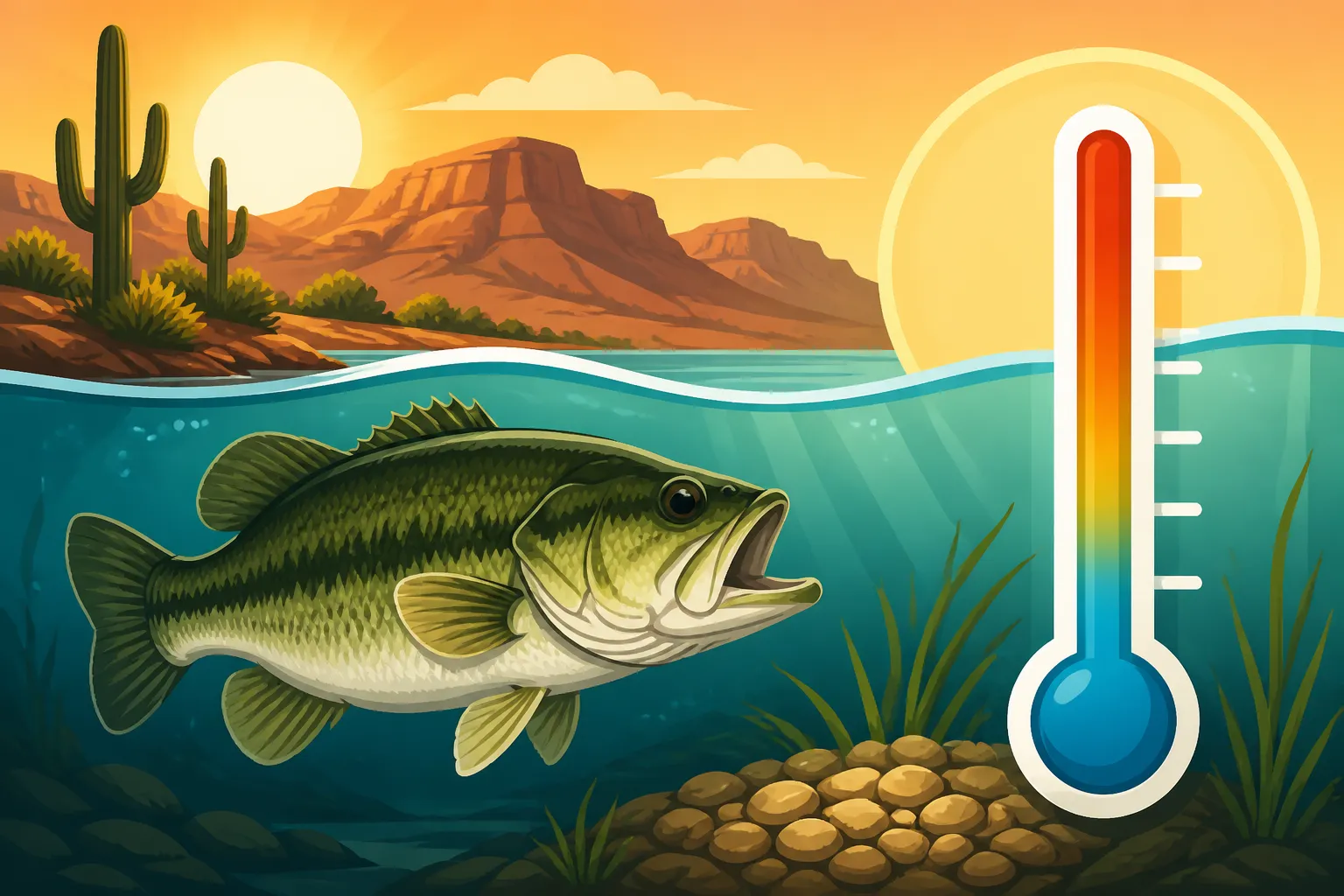
Fish, especially bass, are cold-blooded creatures, which means their internal body temperature is directly regulated by the surrounding water. This isn't just a minor detail; it's the fundamental switch that dictates every aspect of their life cycle, from metabolism to reproduction. For bass, water temperature is the ultimate signal that tells their bodies it's time to reproduce. When the water warms to a specific range, it cues the females to develop eggs and the males to prepare for nest building and guarding.
Think of it like an alarm clock for their biology. If the alarm goes off too early due to a brief warm spell, and then a cold front hits, it can stall the entire process, making the bass lethargic and less inclined to spawn. Conversely, a steady, gradual warming trend leads to a more predictable and robust spawn. This direct correlation makes temperature monitoring one of the most critical skills an Arizona angler can develop.
Ideal Temperature Range for Arizona Largemouth Bass
For largemouth bass, the magic number typically falls within a specific window. In Arizona's desert lakes, you'll generally see pre-spawn activity kick into high gear when water temperatures consistently reach the mid-50s Fahrenheit, usually around 55-58°F. This is when the bass start moving from deeper wintering grounds toward shallower staging areas, gorging themselves in preparation for the energy-intensive spawning process.
The actual spawning event, when bass are actively building beds, laying, and fertilizing eggs, usually occurs when water temperatures stabilize between 60°F and 72°F. Most anglers consider the sweet spot to be right around 62-68°F. If the temperatures climb above 72°F too quickly, it can shorten the spawning window and push fish into deeper, cooler water sooner than expected. In higher elevation lakes, this entire process might happen a few weeks later than in the warmer desert impoundments, so always consider your specific location.
Signs of Pre-Spawn and Spawning Activity
Beyond just looking at a thermometer, the fish themselves will give you plenty of clues. During the pre-spawn, you'll notice bass congregating in staging areas – submerged points, creek channels, and the outer edges of flats that lead to known spawning coves. They're often grouped up, feeding heavily. This is an excellent time for anglers, as they're often aggressive. You can learn more about specific tactics in our guide on Best Bass Fishing Techniques for Arizona Lakes.
As the water approaches the ideal spawning range, males will start moving into shallower, protected coves and pockets, typically 1 to 5 feet deep, often near structure like submerged brush, rocks, or even old tires. They'll fan out circular depressions on the bottom, clearing debris, creating what we call "beds." You can sometimes spot these lighter, circular patches through polarized sunglasses on calm, sunny days. Females will then move onto these beds to lay their eggs. This is a crucial time, and understanding these visual cues is as important as checking your temperature gauge.
Monitoring Water Temperatures Like a Pro
Guessing the water temperature is a surefire way to miss out on prime bass action. Modern fishing technology has made it easier than ever to get accurate, real-time readings. Don't leave your success to chance; equip yourself with the right tools.
Essential Gear for Temperature Tracking
The most straightforward way to check water temperature is with a reliable thermometer. You can find simple, handheld fishing thermometers that you just drop into the water, wait a minute, and read the display. These are typically inexpensive and readily available at local tackle shops or online retailers like Amazon. For example, a basic digital floating thermometer can give you quick surface readings. However, surface temperature can sometimes be misleading, especially on windy days or if the sun has been beating down on shallow water for hours.
Many anglers prefer more integrated solutions. Some fish finders come with transducers that offer precise water temperature readings at various depths. These can give you a better overall picture of the thermal stratification of a lake, showing you where the cooler, more stable water might be holding fish during different phases of the spawn. Even a simple boat-mounted sensor can offer continuous real-time data as you move across the lake, helping you pinpoint the exact depth and location where bass are most active.
Using Technology for Real-Time Data and Historical Trends
Modern fish finders are incredibly powerful tools for not only locating fish and structure but also for environmental data. High-end units often display water temperature right on the screen, sometimes even graphing the changes as you move. This allows you to quickly identify warmer coves or cooler channels. When you're searching for beds, this information is invaluable.
Beyond your own gear, there are online resources and local fishing reports that can provide general water temperature trends for popular Arizona lakes like Lake Pleasant Arizona Fishing Guide or Roosevelt Lake Arizona Fishing Guide. Many forums or even Arizona Game and Fish Department (AZGFD) updates might share data from larger reservoirs. While these won't give you real-time readings in your exact spot, they can help you understand the overall warming trends and plan your trips more effectively. Remember, consistency is key; a stable temperature trend is often more important than a single, perfect reading.
Fishing Strategies During the Bass Spawn
Once you know the approximate water temperature, you can tailor your fishing techniques to each phase of the bass spawn, maximizing your chances of success. It's not just about throwing a lure; it's about understanding the fish's mood and location.
Targeting Pre-Spawn Bass
This is arguably one of the most exciting times to target bass because they are aggressive and actively feeding. As the water temperatures climb from the mid-50s into the low 60s Fahrenheit, bass are staging in deeper water adjacent to their spawning flats. They're trying to pack on calories before the energy-draining spawn begins. Look for them on points, humps, channel swings, and ledges leading into shallow coves.
Effective lures during this period include fast-moving baits that trigger a reaction strike. Deep-diving crankbaits are fantastic for covering water and locating fish along drop-offs. Jerkbaits, like the popular Rapala X-Rap or Lucky Craft Pointer, can suspend tantalizingly in the strike zone, mimicking dying baitfish. Jigs, especially football jigs or skirted jigs paired with a craw-style trailer, worked slowly along the bottom can entice bigger pre-spawn bass hiding near structure. Focus on areas where baitfish are congregating, as bass will be following their food source.
Fishing Spawning Beds and Ethical Considerations
As water temperatures consistently hit the 60-72°F range, male bass will be on their beds, guarding eggs, and females will move in to lay them. This phase presents a unique opportunity, but also carries significant ethical responsibilities. While it's legal to fish for bedding bass in Arizona, many anglers practice catch and release at this time to allow the bass to successfully reproduce and maintain healthy populations. If you choose to target bedding bass, aim for quick fights and gentle releases. You can find more information in our Catch and Release Rules for Arizona Anglers guide.
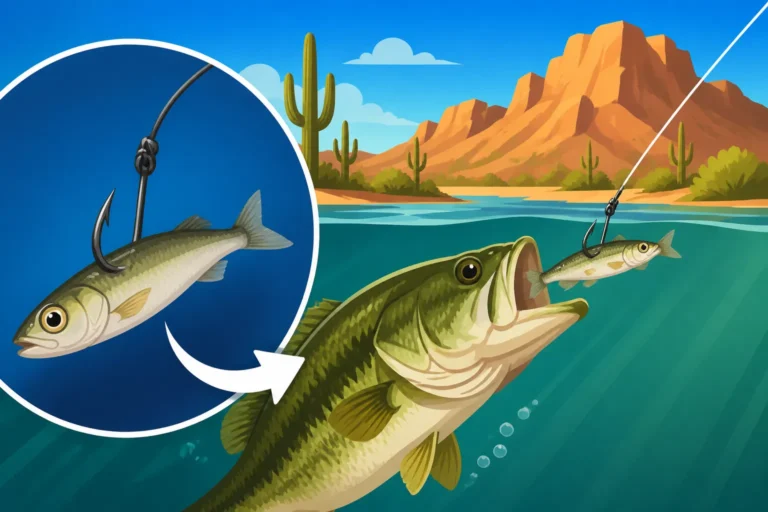
To locate beds, wear polarized sunglasses and slowly cruise shallow, protected coves and pockets. Once you spot a bed, try presenting a lure that mimics an intruder, aggravating the male bass into striking. Soft plastic baits, such as lizards, tubes, creature baits, or even a simple Texas-rigged plastic worm, are highly effective. A weightless wacky-rigged Senko-style bait fluttering into the bed can also be irresistible. The key is to make multiple, precise casts into the bed or just beyond it, letting the bait sit for a few seconds, then giving it a slight twitch. Sometimes, a jig or a small swimbait can also provoke a strike. Remember, the goal isn't always to eat the fish, but to enjoy the challenge and then ensure their survival for future generations.
Post-Spawn Considerations
After the bass have successfully spawned, typically when water temperatures consistently exceed 70°F, they enter a recovery phase. The males are exhausted from guarding the beds, and the females are recuperating from laying eggs. Both will be less aggressive and often move to slightly deeper, cooler water with good cover, like submerged timber, rock piles, or shaded areas.
During this time, the bite can be tougher. Focus on finesse techniques and smaller presentations. Drop shots, Ned rigs, shaky heads, or small crankbaits can entice these recovering fish. They'll still eat, but they won't chase down a fast-moving bait with the same vigor as pre-spawn bass. Look for areas with a mix of shallow and deep water, allowing them easy access to both food and cover as they recover and transition into their summer patterns.
Factors Influencing Arizona's Bass Spawning Season
Arizona's unique geography and climate mean that the bass spawn isn't always a straightforward event. Several factors can either accelerate, delay, or even disrupt the ideal temperature window, requiring anglers to be adaptable and informed.
Lake Elevation and Water Clarity
Arizona is a state of incredible elevation changes, from scorching desert floors to cool mountain peaks. This dramatically impacts water temperatures and, consequently, the bass spawn. Lower elevation desert lakes, like Lake Havasu or Alamo Lake, will typically see the spawn begin much earlier in the spring, often by late February or early March, as water temperatures warm up faster. In contrast, higher elevation lakes, such as those in the White Mountains, might not experience the spawn until May or even early June, simply because it takes longer for the water to reach that critical 60-72°F range.
Water clarity also plays a significant role. Clear water allows sunlight to penetrate deeper, warming the water more evenly and potentially influencing bass to spawn deeper. In stained or murky water, sunlight is absorbed closer to the surface, meaning the warmest, most stable water might be shallower. This can affect where bass choose to build their beds and how long they stay in those areas. Intense sunlight in clear, shallow water can also make bass more skittish and harder to approach, even if the temperature is ideal.
Weather Patterns and Cold Fronts
One of the biggest headaches for Arizona anglers during the spawn is the unpredictable nature of spring weather. A beautiful, stable warm spell can suddenly be interrupted by a severe cold front, bringing dropping air temperatures, rain, and even snow in higher elevations. When a cold front hits, it can rapidly drop surface water temperatures, sometimes by several degrees overnight. This can cause spawning bass to abandon their beds, retreat to deeper water, and become incredibly lethargic.
The spawn might "stall" for several days or even a week until stable, warmer temperatures return. Anglers often find themselves staring at empty beds after a cold front, wondering where all the fish went. Conversely, an extended period of stable, warm weather without any sudden dips can lead to an incredibly strong and prolonged spawn, where bass are consistently on beds for weeks. Keeping an eye on the long-range weather forecast is almost as important as checking the water temperature itself.
Geographic Variations Across Arizona
As mentioned, Arizona's diverse landscapes mean the "best" time for bass spawning isn't uniform across the state. In the lower desert, popular fishing spots like Lake Pleasant or Roosevelt Lake will typically see the primary spawn in March and April. However, even within these lakes, specific coves with southern exposure that receive more direct sunlight will warm up faster and see earlier spawning activity.
Moving north, lakes around Payson or Prescott, at mid-elevations, might experience their main spawn in April and May. And then, further up in the White Mountains, at lakes like Big Lake or Show Low Lake, you're looking at a spawn window in May and June. It's a staggered event throughout the state. So, if you miss the early spawn down south, you can often "follow the spawn" to higher elevations later in the spring and early summer. Understanding these regional differences is crucial for any dedicated Arizona bass angler, allowing you to maximize your fishing opportunities throughout the spring.
Here's a quick reference table to help visualize the various stages and temperatures:
| Spawning Phase | Typical Water Temperature Range | Bass Behavior & Location | Recommended Lures/Tactics |
|---|---|---|---|
| Pre-Spawn | 55-60°F (13-16°C) | Staging in deeper water near spawning flats, feeding heavily. | Deep-diving crankbaits, jerkbaits, jigs, spinnerbaits. |
| Primary Spawn | 60-72°F (16-22°C) | Males fanning beds in shallows, females laying eggs. Aggressive. | Soft plastics (lizards, worms), jigs, wacky rigs. |
| Post-Spawn | 70°F+ (21°C+) | Recuperating in slightly deeper cover, less aggressive. | Finesse jigs, drop shots, Ned rigs, small crankbaits. |
Understanding these temperature cues and the accompanying bass behavior can dramatically improve your success. Whether you're targeting big prespawn females or carefully approaching a bed, knowing the water temperature gives you a massive advantage. You can always check our comprehensive Arizona Fishing Seasons Explained guide for a broader view of yearly fishing opportunities. Don't forget, having the right gear is also crucial, so consider checking out our recommendations for the Best Fishing Rods for Bass in Arizona.
Disclaimer
Fishing conditions and regulations in Arizona can change. Always consult the latest Arizona Game and Fish Department regulations before heading out. This guide is for informational purposes only and should not replace official sources.