Best Time of Day to Fish for Bass in Winter
Winter bass fishing in Arizona can feel like trying to solve a cryptic puzzle. The scorching summer heat is a distant memory, but those same clear desert waters suddenly seem to hold their secrets even tighter. Many anglers get frustrated because the tried-and-true tactics that work so well in spring or fall just don't produce a bite when the air turns crisp. This guide is all about cracking that code, focusing specifically on the absolute best time of day to target bass during those cooler months, helping you understand their winter mindset and increase your chances of success.
Understanding Winter Bass Behavior in Arizona
When the calendar flips to winter in Arizona, especially from late November through February, it's not just the air temperature that changes; the entire aquatic ecosystem shifts. Bass, being cold-blooded creatures, are profoundly affected by dropping water temperatures. Their metabolism slows down considerably, which means they're not nearly as active or aggressive as they are during warmer seasons. Forget those frantic topwater strikes or chasing down fast-moving baits – winter bass are all about efficiency and conserving energy.
The Impact of Cold Water on Bass Metabolism
Think of bass in cold water like you or me on a lazy Sunday morning, barely wanting to roll out of bed. Their digestive process slows to a crawl, and they don't need to eat as often or as much. This metabolic slowdown is the primary reason why winter bass fishing can be so challenging. They're not going to expend a lot of energy chasing down a meal, so your presentation needs to be right in front of them, slow, and irresistible. This is where patience truly becomes a virtue. You might cast to the same spot multiple times, slowly dragging a bait, before one decides it's worth the minimal effort to strike. Understanding this fundamental change in their biology is key to adjusting your expectations and, more importantly, your fishing strategy.
Where Bass Go When Temperatures Drop
Just like we seek warmth when it's chilly, bass search for the most stable and comfortable water temperatures available. In Arizona's desert lakes, this often means moving to deeper water, but not always the deepest water. They're looking for areas that offer thermal stability, which often translates to vertical structure like bluff walls, submerged timber, rock piles, or ledges. These spots can provide quick access to different depths as temperatures fluctuate throughout the day. You'll often find them "stacking up" in these areas, forming schools that might be quite dense but incredibly lethargic. Finding these congregations is half the battle. Areas with a dark, rocky bottom that absorbs sunlight can also become key holding spots as they warm up slightly throughout the day. For a deeper dive into where these fish move, check out our article on Do Fish Move Deeper in Cold Winter Water?.
The Best Window for Winter Bass Fishing
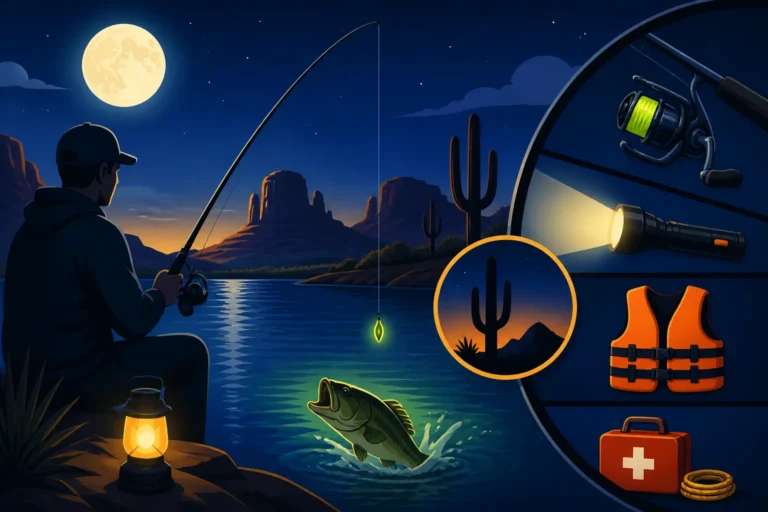
If you're heading out for winter bass in Arizona, leave the alarm clock set for a respectable hour. Unlike the summer months where the early bird catches the worm (or the bass!), winter fishing often favors a later start. This is because the sun plays an incredibly crucial role in waking up these cold-blooded creatures.
Why Midday is Often King
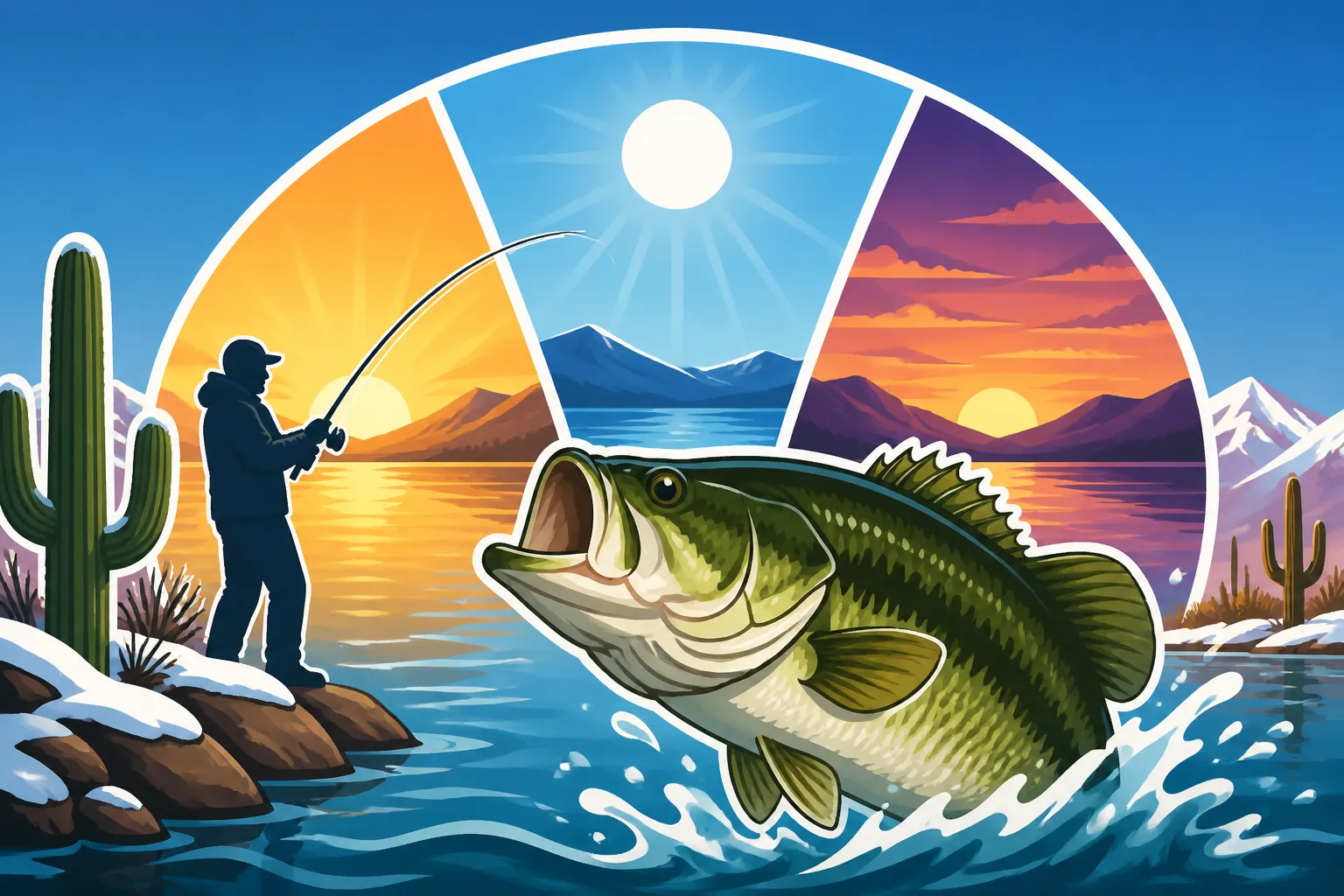
The sweet spot for winter bass fishing in Arizona typically falls between late morning and late afternoon, often peaking from around 10:00 AM to 3:00 PM. Why this specific window? It all comes down to the sun. Even on a clear, cold Arizona winter day, the sun can dramatically affect water temperatures, particularly in the shallower, rockier areas that absorb solar radiation. While the overall water temperature won't skyrocket, even a few degrees can be enough to slightly increase a bass's metabolism and stir a feeding instinct.
Imagine a calm, sunny winter morning. The air might be frosty, and the water surface cold. As the sun climbs higher, its rays begin to penetrate the water, warming those dark rocks and shallow flats. This slight temperature bump can cause bass to move up from their deeper holding areas to feed for a short period. This midday warmth offers the best chance for them to become active enough to strike. You're essentially waiting for nature's subtle alarm clock to ring for the bass.
The Role of Sunlight and Water Temperature Swings
Sunlight isn't just about direct warming; it also affects the entire food chain. Baitfish, too, are influenced by temperature and will often follow the warmer water or seek areas where plankton and invertebrates become more active. Bass, being opportunistic predators, will follow their food. So, when the sun is at its highest and has had ample time to work its magic, you're more likely to find both the bass and their prey in the same, slightly warmer zones.
This means paying close attention to water temperature. A good fish finder can be invaluable here, but even without one, observing sunny, protected coves or north-facing banks (which get more direct sun exposure in winter) can point you to warmer spots. The difference between 48°F and 52°F might seem small to us, but to a bass, it can mean the difference between remaining completely dormant and being willing to chase a slow-moving meal. For a broader perspective on cold weather tactics, consider reading our Winter Fishing Strategy for Desert Lakes article.
| Time of Day | Water Temperature Tendency | Bass Activity Level | Recommended Approach |
|---|---|---|---|
| Pre-Dawn to Sunrise | Coldest | Very Low | Avoid, unless targeting specific species (e.g., trout). |
| Sunrise to 9 AM | Very Cold, slowly rising | Low | Still challenging; bass are deep and lethargic. |
| 9 AM to 12 PM | Slowly warming, sun penetration | Increasing | Good transition period; begin targeting deeper edges. |
| 12 PM to 3 PM | Peak warmth and sun penetration | Highest for winter | Best window; focus on sun-soaked structure. |
| 3 PM to Sunset | Cooling down | Decreasing rapidly | Bass retreat to deeper, stable water. |
| After Sunset | Cold, dropping | Very Low | Not recommended for bass. |
This table clearly illustrates why patience and timing are so critical during the colder months. Don't waste your energy battling the coldest parts of the day; conserve it for that prime midday window.
Adapting Your Approach for Winter Bass Success
Knowing the best time of day is only half the battle; you also need to adjust your techniques and gear to match the bass's subdued winter mood. This isn't the time for power fishing; it's about finesse, precision, and understanding the subtle signals.
Slow and Low Presentation Techniques
Since bass are sluggish, your lure presentation needs to be equally slow, deliberate, and right in their strike zone. Think "dead stick" retrieves and minimal movement.
- Jig Fishing: Jigs are perhaps the king of winter bass lures. A 1/2 oz or 3/4 oz football jig or a casting jig paired with a small, compact trailer can be incredibly effective. Cast it out, let it sink to the bottom, and then slowly drag it along. Every now and then, give it a tiny hop, but primarily focus on maintaining bottom contact and a snail's pace. The bite will often feel like a subtle "thump" or just added weight on your line, so pay close attention. Our guide on How to Fish a Jig for Winter Bass offers more detailed strategies.
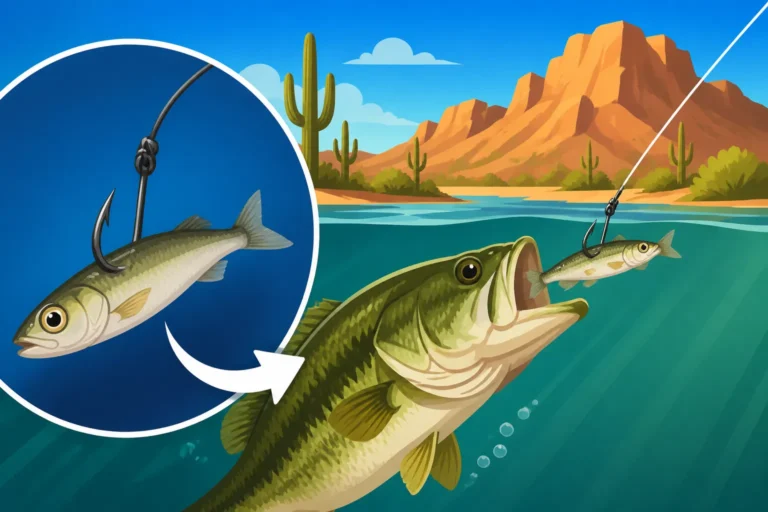
- Drop Shot Rigs: These are fantastic for vertical presentations over deep structure. With a drop shot, you can keep your bait suspended precisely at the depth where bass are holding, twitching it gently without moving the weight off the bottom. Small worms, creature baits, or even tiny minnow imitations work well.
- Alabama Rigs (A-Rigs): In some clear Arizona lakes, if you find schooling bass, an A-Rig can be a game-changer. It allows you to present multiple small swimbaits at once, mimicking a small school of baitfish. However, the retrieve must still be slow and steady. Look for quality A-Rigs and swimbaits, you can find a good selection on platforms like Amazon if your local tackle shop doesn't have a wide variety.
- Spoons: Jigging spoons are excellent for targeting fish congregated in deeper water, especially over humps, points, or submerged timber. Let them flutter down, then lift and drop, letting the spoon imitate a dying baitfish.
- Deep Crankbaits: On warmer winter days or if you find bass relating to deeper points or ledges, a deep-diving crankbait retrieved very slowly can trigger bites. Ensure it's bumping off the bottom or structure to create reaction strikes. For general lure advice, check out Best Lures for Largemouth Bass in Arizona Lakes.
Remember, the colder the water, the slower you need to go. If you think you're going slow enough, slow down even more.
Essential Gear for Cold Weather Comfort
While you're focusing on the bass, don't forget about your own comfort and safety. Winter fishing in Arizona can still involve chilly mornings and sudden temperature drops, especially on the water. Dressing in layers is paramount.
- Warm, Moisture-Wicking Layers: Start with a good base layer that wicks sweat away from your body. Add insulating mid-layers like fleece or wool.
- Waterproof Outerwear: A good waterproof and windproof jacket and pants are essential. Even if it's not raining, they'll protect you from spray and cold winds on the lake.
- Headwear and Gloves: You lose a lot of heat through your head, so a warm beanie or hat is a must. Fingerless gloves or convertible mittens can keep your hands warm while still allowing you to tie knots and feel subtle bites. You can often find great deals on these types of apparel on Amazon, making sure you're prepared for those colder mornings.
- Warm Boots: Waterproof, insulated boots will keep your feet warm and dry, preventing a miserable day.
- Hydration and Snacks: Even in winter, it's easy to get dehydrated, especially in Arizona's dry climate. Bring plenty of water, coffee, or hot tea, and some easy-to-eat snacks.
- Sun Protection: Don't be fooled by the cooler temperatures; the Arizona sun can still deliver a powerful punch. Sunscreen, polarized sunglasses, and a wide-brimmed hat are just as important in winter as they are in summer. Our guide on Best Sun Protection for Desert Fishing provides more details.
- Thermal Protection: Consider bringing along a small portable heater for your boat, or a chemical hand warmer for your pockets. Little comforts go a long way when the temperature dips! For a more general overview of what to bring, refer to our Essential Tackle Box Setup for Arizona Beginners or Best Tackle for Desert Lake Fishing guides.
By being prepared for the conditions, you can stay out longer and focus on fishing rather than shivering. The most successful winter anglers are often the ones who are the most comfortable.
Fishing for bass in Arizona during the winter can be incredibly rewarding, precisely because it requires a different mindset and a more refined approach. By understanding that bass activity peaks during the warmest part of the day, usually midday, and by employing slow, deliberate techniques with the right gear, you're setting yourself up for success. It's a game of patience and precision, but when you feel that subtle "thump" of a cold-water bass, it's a feeling that makes all the effort worthwhile. So layer up, embrace the quiet beauty of a winter lake, and enjoy the challenge! You'll be surprised at what Arizona's winter waters can yield.
Disclaimer
Fishing conditions and regulations in Arizona can change. Always consult the latest Arizona Game and Fish Department regulations before heading out. This guide is for informational purposes only and does not supersede official rules or professional safety advice. Stay safe and fish responsibly.