Can You Keep a Grass Carp You Catch?
It's a common scenario: you're out enjoying a peaceful day fishing on an Arizona lake, and suddenly you hook into something that feels powerful and puts up an impressive fight. You reel it in, and it's a large, silver-sided fish you don't immediately recognize. Could it be a common carp? Or perhaps a grass carp? This moment often brings a pause, especially when you're wondering about the rules. This guide will dive deep into the specific regulations surrounding grass carp in Arizona, clarifying whether you can keep them, why these rules exist, and what responsible anglers should do if they encounter one of these unique fish.
The Grass Carp Conundrum in Arizona Waters
Grass carp, or white amur as they're sometimes called, are fascinating fish that have a very specific purpose in many Arizona waterways. Unlike some of the other species we regularly target, their presence is often by design, introduced to help manage aquatic vegetation. This makes them a bit of an anomaly in terms of fishing regulations, leading to confusion for many anglers who are just trying to do the right thing.
Understanding Grass Carp and Their Role
Let's talk about why these fish are even in our lakes and ponds. Imagine a lake completely choked with weeds. Not only does it make fishing nearly impossible, but it can also degrade water quality, reduce oxygen levels, and harm native fish populations. This is where grass carp come in. They are voracious herbivores, meaning they love to eat aquatic plants. Stocking them in controlled environments is a biological way to keep vegetation in check, reducing the need for chemical treatments or mechanical removal, which can be expensive and disruptive. They act like natural lawnmowers for the underwater landscape, diligently munching away at nuisance weeds. Their effectiveness is why they've been utilized in many community fishing lakes and larger reservoirs across the state.
The Sterile Triploid Distinction
Now, here's where it gets interesting and directly impacts the regulations. When grass carp are stocked for vegetation control, they are almost exclusively "triploid" grass carp. What does "triploid" mean? It's a fancy biological term for a fish that has three sets of chromosomes instead of the usual two. This extra set makes them sterile, meaning they cannot reproduce. This is a crucial distinction because it prevents these introduced fish from establishing wild, reproducing populations that could potentially outcompete native species or disrupt the ecosystem in unforeseen ways. The Arizona Game and Fish Department (AZGFD) goes to great lengths to ensure that only sterile triploid grass carp are stocked, precisely to maintain this control and prevent ecological issues. This sterility is a key factor in how they are managed and why the rules are what they are.
Arizona's Regulations on Catching Grass Carp
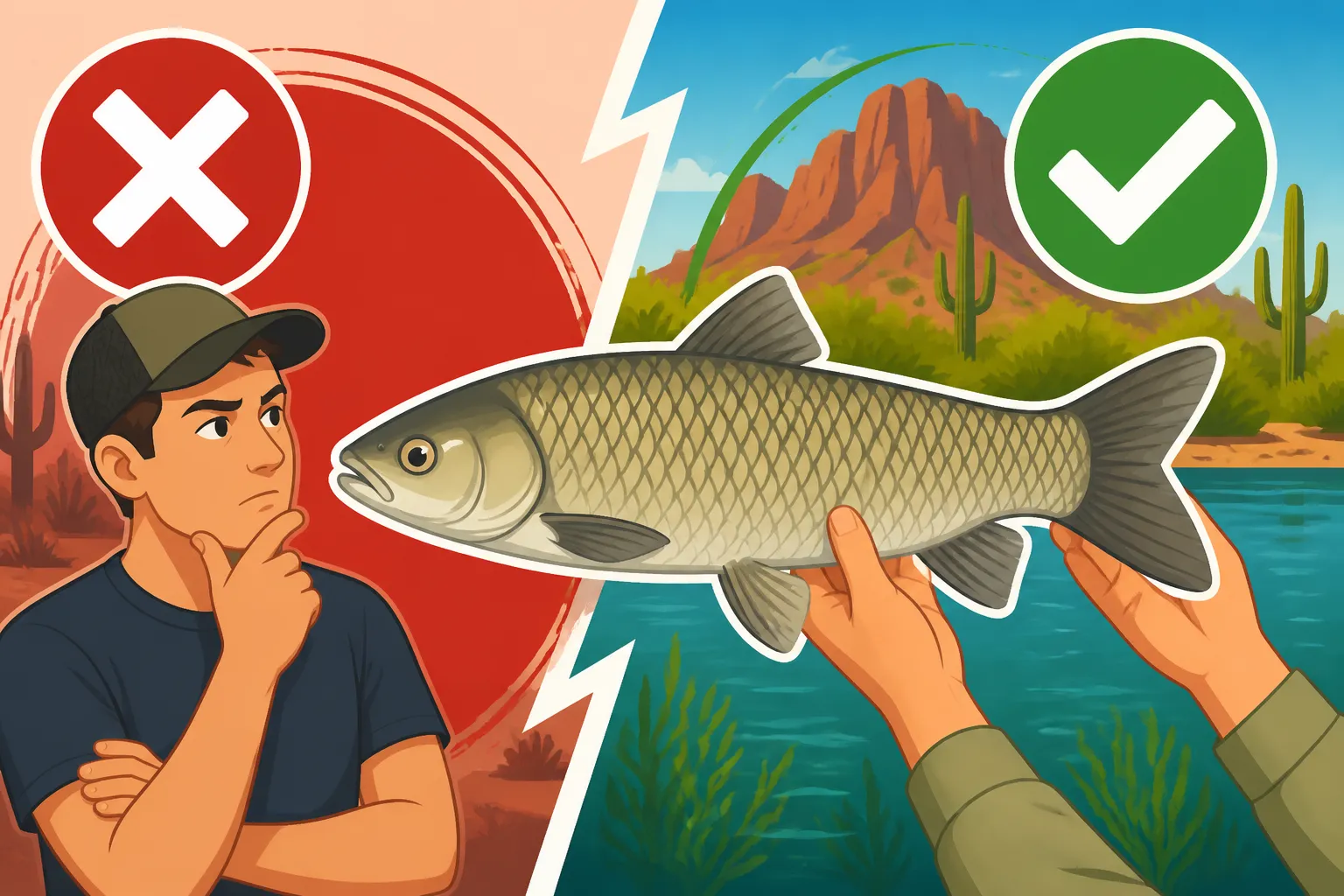
This is the big question everyone wants answered: can you keep a grass carp you catch in Arizona? The short and straightforward answer is no, you generally cannot keep a grass carp you catch in Arizona waters. The regulations are pretty clear on this, and it's vital for every angler to understand and adhere to them.
The General Rule for Retention
Arizona's fishing regulations typically prohibit the retention of grass carp. This means that if you catch a grass carp, it must be immediately released unharmed back into the water from which it was caught. The intent behind this rule is to protect the ongoing vegetation management programs that these fish are a part of. Each stocked grass carp represents an investment in controlling aquatic weeds, and their removal would undermine these efforts. Think of them as tiny, scaly employees whose job is to keep the lake clean; you wouldn't just take an employee home, would you? This applies whether you're fishing at a busy urban community lake or a more remote reservoir. The rule is consistent across the state where these fish are present. You can find detailed information on this and other rules in the official Arizona Fishing Regulations Explained guide.
Why the Regulations Exist
The prohibition on keeping grass carp is not arbitrary; it's rooted in sound ecological and management principles. As we discussed, the grass carp stocked in Arizona are almost always sterile triploids. Their introduction is a calculated biological control measure. If anglers were allowed to remove these fish, it would directly counteract the vegetation management objectives. For example, if a lake needs 100 grass carp to effectively manage its weed growth, and half of them are removed by anglers, the problem vegetation could quickly return, requiring more expensive re-stocking efforts or alternative, less desirable control methods.
Furthermore, these regulations serve to prevent the unintentional introduction of fertile grass carp into the ecosystem. While the AZGFD stocks sterile fish, a blanket "no retention" rule minimizes any risk of someone mistakenly or intentionally moving a fertile grass carp (which might be obtained from other sources) into public waters, potentially creating an invasive problem. The regulations are designed to maintain ecological balance and support the long-term health of our aquatic environments. Invasive and Protected Fish Species in Arizona outlines other species that are critical to manage or protect.
What to Do if You Catch One
So, you've hooked a grass carp – congratulations on the fight! Now, what do you do?
The most important thing is to handle the fish carefully and release it as quickly and safely as possible.
- Identify it correctly: Make sure it is indeed a grass carp. They typically have a torpedo-shaped body, large scales, and a dark grey to silvery-green back fading to a white belly. They lack the barbels (whiskers) that common carp have around their mouths. If you're unsure, consult a Fish Species Guide for Arizona Lakes.
- Minimize handling time: Keep the fish in the water as much as possible. If you need to bring it aboard for hook removal, do so gently.
- Use a wet hand or net: If you must touch the fish, wet your hands first to protect its slime coat, which is vital for its health and protection against disease. A quality fish-friendly landing net, easily found on Amazon, can also help reduce stress on the fish during landing and unhooking.
- Remove the hook quickly: Use pliers or a de-hooking tool to remove the hook efficiently. If the fish is deeply hooked, cut the line as close to the hook as possible rather than tearing sensitive tissues.
- Release gently: Support the fish in the water until it regains its strength and swims away on its own. Don't just toss it back.
Remember, following Catch and Release Rules for Arizona Anglers is crucial, especially for species like the grass carp where retention is prohibited.
Practical Implications for Anglers
Understanding the regulations is one thing, but how does this impact your actual fishing experience? For many, catching a grass carp is an accidental occurrence, as they typically aren't the target species for most recreational anglers. However, being prepared for such an encounter and knowing how to handle it responsibly is part of being a good steward of our fishing resources.
Identifying Grass Carp in the Water
Sometimes, you might spot these big, silvery fish cruising through shallow, weedy areas. They often look very similar to large common carp from a distance, which can lead to misidentification. Here are a few key differences to help you out:
- Mouth: Grass carp have a more terminal, or forward-facing, mouth without any barbels (whisker-like appendages). Common carp, on the other hand, have a subterminal mouth (pointing slightly downwards) with two pairs of prominent barbels.
- Body Shape: While both are robust, grass carp tend to be a bit more streamlined and torpedo-shaped, while common carp can be stockier.
- Scales: Both have large scales, but the overall coloration can be a subtle hint – grass carp are often a brighter silver to greenish-bronze, whereas common carp can range from golden to olive-brown.
For those wanting to learn more about fish identification, there are many excellent field guides available through Amazon or your local tackle shop. Taking the time to learn these distinctions ensures you always comply with the rules.
Accidental Catches and Proper Release
Since grass carp are primarily vegetarians, they aren't typically attracted to the same baits and lures that bass, trout, or catfish go for. You're unlikely to hook one on a crankbait or a worm. However, they can sometimes be caught accidentally on small pieces of corn, bread, or even very subtle artificial lures, especially if they are feeding near the surface or if your bait is presented in an area where they are actively grazing.
When an accidental catch happens, the emphasis is always on safe and immediate release. Using gear that's appropriate for the size of fish you might encounter in a particular lake can help you land them quickly, reducing stress. For instance, if you're fishing a lake known for large bass and possibly grass carp, using a medium-heavy rod with a decent drag system will allow you to control the fight and bring the fish in without over-exhausting it. This is a topic often covered in Beginner Fishing Techniques for Arizona Desert Lakes.
Gear Considerations for Responsible Angling
While you're not usually trying to catch a grass carp, having the right gear can make all the difference if you hook one.
- Landing Net: As mentioned, a large, rubberized landing net is invaluable. It cradles the fish, protects its slime coat, and makes hook removal much easier and safer for both you and the fish.
- Pliers/De-hooker: Long-nose pliers or a specialized de-hooking tool are essential for quickly and safely removing hooks, especially if the fish has taken the bait deeply. This is a must-have in your Essential Tackle Box Setup for Arizona Beginners.
- Stronger Line: Even if you're targeting panfish, if there's a chance of encountering larger species like bass or carp, a slightly heavier line than strictly necessary for panfish can prevent break-offs that leave hooks in fish. Think about 8-10 lb test monofilament or fluorocarbon, or even braided line for greater strength. For tips on choosing the right line, see Best Line for Bass Fishing.
You can find a wide range of these essential fishing accessories on Amazon, making it easy to prepare for any encounter on the water.
Where to Find Official Information and Updates
Fishing regulations are living documents, and while the general stance on grass carp is quite stable, specific nuances or changes can occur. Always ensure you are consulting the most current and official sources for information.
The Arizona Game and Fish Department (AZGFD)
The ultimate authority for all fishing rules and regulations in Arizona is the Arizona Game and Fish Department. They publish a comprehensive fishing regulations booklet annually, which is available both online and at various license dealers throughout the state. This booklet contains all the necessary information, including species-specific rules, bag limits, special regulations for certain waters, and updates. It's truly your bible for fishing legally and responsibly in Arizona. Make it a habit to review it before your fishing trips, especially if you're visiting a new body of water or haven't fished in a while. Arizona Fishing Regulations Booklet Where to Find It can help you locate the most current edition.
Staying Informed About Changes
It’s a good idea to periodically check the AZGFD website for any in-season regulation changes or updates. Sometimes, emergency rules or special notices are issued that might not be in the printed booklet. Many anglers also follow AZGFD on social media or subscribe to their newsletters for real-time alerts. Being proactive in staying informed ensures that you're always fishing within the legal parameters, protecting both yourself and Arizona's valuable aquatic resources. Remember that ignorance of the law is not an excuse, so a quick check can save you a lot of headache down the road.
Disclaimer
This article is for general informational purposes only and does not constitute professional advice. Laws, prices and regulations vary by location and change over time. Consult a qualified professional for guidance on your specific situation.