Can a Striped Bass Survive in a Small Pond?
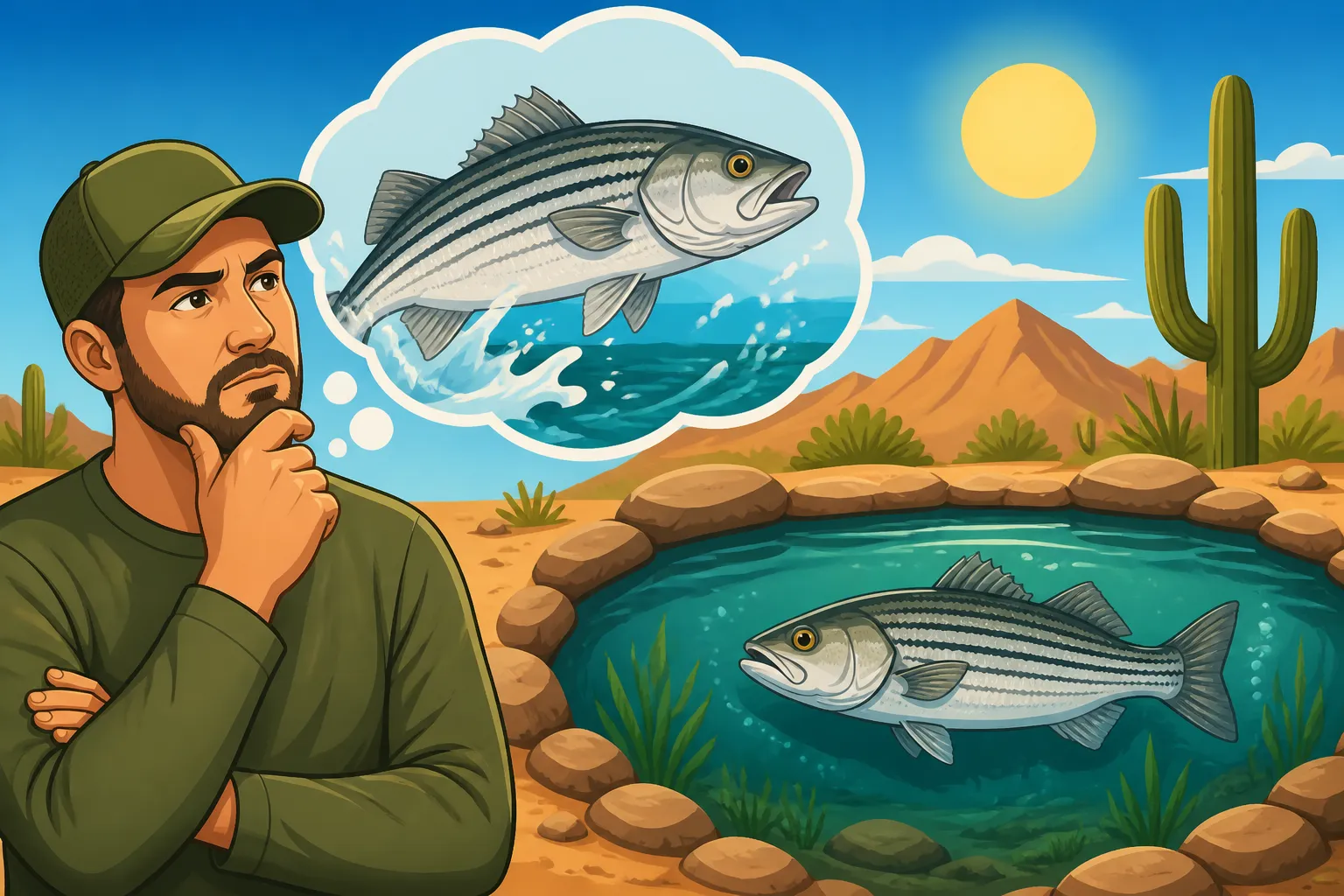
It’s a dream many Arizona pond owners share: imagine casting a line into your backyard oasis and pulling out a mighty striped bass, fighting like a runaway freight train. It’s certainly an exciting thought, but the reality of keeping a magnificent fish like a striped bass in a small pond in our desert climate is far more complicated than simply dropping them in. This guide is here to shed light on why these powerful fish might struggle in such an environment and what it truly takes for them to survive, or often, why they won't.
Understanding the Striped Bass: A Powerhouse Fish
The striped bass, or "striper" as many anglers affectionately call them, is a truly remarkable fish. Their sheer power and impressive size make them a highly sought-after game fish, but these very characteristics are tied directly to their natural habitat and biological needs. Understanding where they come from helps us grasp why a small, contained environment can be so challenging for them.
Natural Habitat and Size
Originally, striped bass are anadromous, meaning they spend most of their lives in saltwater and migrate to freshwater to spawn. Think of the Atlantic Ocean and the large rivers flowing into it – that's their ancestral home. Even in their landlocked freshwater populations, like those found in massive reservoirs across the country, they retain an inherent need for vast, open water. These aren't small fish by any stretch; striped bass can easily reach weights of 20 to 30 pounds, with some trophy fish exceeding 50 pounds. Just imagine a fish that size trying to make a U-turn in a kiddie pool – it's a bit of an exaggeration, but it illustrates the point about scale. They are built for long runs and powerful fights in expansive waters, not for leisurely laps around a small, confined space. Striped Bass Fishing Guide for Arizona goes into more detail about these incredible fish.
Freshwater Adaptations and Challenges
Over decades, various state wildlife agencies have successfully established landlocked populations of striped bass in huge reservoirs, including some here in Arizona like Lake Powell. This has given many anglers the thrill of battling these sea-run giants far from the ocean. However, even in these large freshwater impoundments, the stripers still exhibit behaviors and needs rooted in their anadromous past. They thrive in deep, expansive bodies of water where they can form large schools, chase baitfish, and find thermal refuge when surface temperatures soar.
The challenge begins when we consider the dramatic difference between a vast reservoir or river system and a small backyard pond. While they can adapt to freshwater, their biological programming for schooling, foraging, and dealing with environmental stressors is still geared toward a much larger scale. It's like asking a marathon runner to suddenly excel at a 50-yard dash in a crowded hallway; they can run, but it's not what they're built for.
The Critical Environmental Needs of Striped Bass
To truly understand why a small pond struggles to support a striped bass, we need to dive into the specific environmental factors that these fish require. It's not just about having water; it's about having the right kind of water in terms of quality, temperature, space, and food.
Oxygen Levels and Water Quality
Striped bass are high-energy, active fish, and as such, they demand excellent water quality, especially high dissolved oxygen levels. Think about how much effort they put into chasing baitfish or fighting on your line – that takes a lot of oxygen! In a large lake or river, natural currents, waves, and sheer volume help keep oxygen levels stable and high. Small ponds, especially in Arizona's sweltering heat, are a completely different story.
During the hot summer months, pond water temperatures can skyrocket. Warmer water holds significantly less dissolved oxygen than cooler water. This is a fundamental scientific principle that becomes a deadly reality in a small, shallow pond. Coupled with the decomposition of organic matter (leaves, algae, fish waste) and limited surface area for aeration, oxygen levels can plummet rapidly, leading to fish kills. Even robust aeration systems might struggle to keep up with the demands of a large, active fish like a striper in extreme conditions. A small pump you might find on Amazon for a goldfish pond simply won't cut it.
Temperature Fluctuations
Arizona's climate is notoriously extreme. While our winter days can be pleasant, our summers are brutally hot, and even our cool season can see significant drops in temperature. Striped bass prefer a fairly stable temperature range, generally thriving in waters between 65-75°F (18-24°C). They can tolerate slightly warmer or cooler water for short periods, but prolonged exposure to extremes is detrimental.
In a small pond, especially one that's relatively shallow, water temperatures fluctuate wildly. During a sunny Arizona summer day, a shallow pond can quickly heat up to over 90°F (32°C), which is lethal for striped bass. There's no deep-water refuge for them to escape to, unlike in a large reservoir like Lake Pleasant or Roosevelt Lake. Conversely, during a cold snap in winter, a small pond can cool down too quickly, or even partially freeze over, stressing the fish beyond their tolerance. These rapid and extreme temperature swings are one of the biggest silent killers for non-native fish species in small, unmanaged ponds.
Space and Structure Requirements
As mentioned, striped bass are schooling, pelagic fish. This means they prefer to live in open water, often suspending in the water column and moving in groups. Their hunting strategy often involves chasing down schools of baitfish in wide-open spaces. A small pond, by its very definition, simply cannot offer this kind of environment.
Imagine a group of active, large-bodied fish trying to maintain their natural schooling behavior in a limited footprint. The constant stress of confinement, the inability to escape from perceived threats (even from other fish in the pond), and the lack of diverse foraging grounds will severely impact their health and growth. Furthermore, large lakes often have varied bottom structures, ledges, and submerged timber that provide ambush points and thermal breaks, which are typically absent or highly limited in a small, uniform pond. How Big Do Striped Bass Get at Lake Powell highlights just how much room these fish need to reach their impressive sizes.
Forage and Diet
Striped bass are voracious predators. Their diet primarily consists of smaller fish like shad, sunfish, or even other juvenile sportfish. In a large reservoir, the ecosystem supports a massive population of these forage fish, allowing stripers to grow rapidly. In a small pond, however, the food web is far more fragile and limited.
If you introduce striped bass into a small pond, they will quickly decimate the existing prey fish population. Once that initial food source is gone, you're left with large, hungry predators that have no natural food. This means you, as the pond owner, would be solely responsible for providing a constant and substantial supply of appropriate live baitfish, which can be incredibly expensive and time-consuming. You'd essentially be running a commercial aquaculture operation, which is far from the dream of a simple backyard fishing spot. Even if you found bulk feeders on Amazon, the sheer quantity needed would be astronomical. This constant need for forage is a significant factor in their ability to survive long-term in a small, isolated pond environment.
Why Small Ponds Are a Poor Fit for Striped Bass in Arizona
Bringing all these factors together, it becomes clear why attempting to keep striped bass in a typical Arizona small pond is often a recipe for disappointment and, unfortunately, for the fish, a slow demise. The specific conditions of our state amplify the challenges inherent in a confined aquatic system.
The "Small Pond" Definition and Its Limitations
When we talk about a "small pond," we're generally referring to a body of water that might be a quarter-acre to a couple of acres in size, often relatively shallow, and without significant inflow or outflow to maintain constant water quality. These are not miniature versions of Lake Powell or Canyon Lake. They are distinct, enclosed ecosystems with unique limitations.
Such ponds lack the thermal stability of larger bodies of water, meaning they heat up and cool down quickly. They often have limited oxygen exchange, especially at night when aquatic plants consume oxygen instead of producing it. They lack the depth and vast open spaces necessary for stripers to express their natural behaviors like schooling and chasing prey over long distances. In essence, a small pond simply doesn't possess the inherent resilience and environmental diversity that striped bass need to not just survive, but to truly thrive. Trying to force a fish designed for an ocean or a massive reservoir into such a confined space is like trying to keep a bald eagle in a birdcage.
The Impact of Arizona's Climate on Pond Survival
Arizona's climate exacerbates every challenge a small pond presents. Our intense, prolonged summer heat means that maintaining adequate dissolved oxygen and suitable water temperatures becomes a constant, uphill battle. Evaporation rates are incredibly high, leading to reduced water volume and increased concentration of any pollutants.
Imagine a small pond in July; the surface temperature can reach scorching levels, and without deep pockets of cooler water, the entire water column becomes inhospitable for a fish like a striped bass. Algae blooms, common in warm, nutrient-rich pond water, further deplete oxygen levels as they decompose. Monsoon storms, while bringing some relief, can also introduce significant runoff, altering water chemistry and clarity rapidly, adding another layer of stress. Arizona Monsoon Season Fishing Guide discusses how our unique weather patterns impact larger bodies of water, and these effects are only magnified in a tiny pond. The relentless environmental pressure of the Arizona desert makes sustained striped bass survival in small ponds highly improbable without extraordinary, and likely cost-prohibitive, intervention.
Pure Striped Bass vs. Hybrid Striped Bass Considerations
This is a really important distinction, and it often causes confusion. When people ask about "striped bass" in ponds, they might actually be thinking of hybrid striped bass. Pure striped bass are the true anadromous fish we've been discussing, and they are generally far more challenging, if not impossible, to sustain in small, isolated ponds.
Hybrid striped bass (sometimes called "wipers" or "sunshine bass") are a cross between a striped bass and a white bass. They were specifically developed for aquaculture and stocking into smaller, warmer impoundments because they are more tolerant of a wider range of temperatures and lower oxygen levels than pure stripers. They also typically don't grow as large, making them a more feasible, though still challenging, option for larger ponds or small lakes with good management.
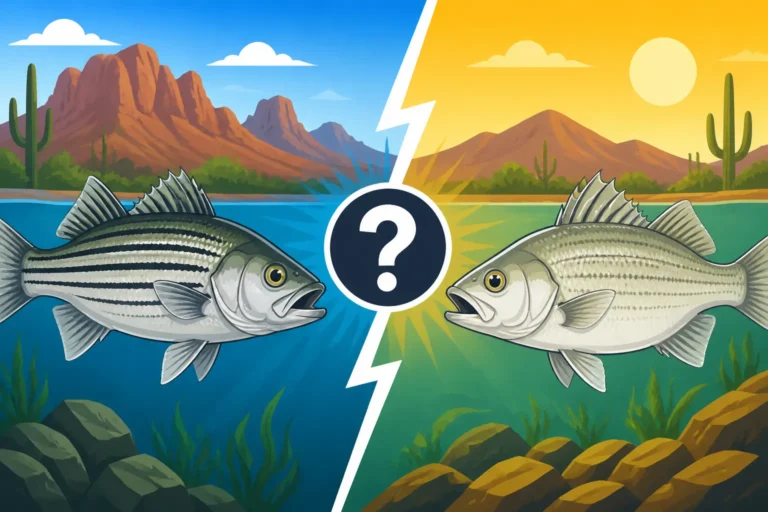
So, while a pure striped bass is almost certainly doomed in a small pond, a hybrid striped bass might survive in a well-managed, larger pond with consistent aeration, feeding, and monitoring. Even then, they won't reach the trophy sizes seen in major reservoirs, and their long-term health will depend heavily on the pond owner's commitment to mimicking suitable conditions. It’s crucial to know which species you're considering. If your pond is truly small and unmanaged, even hybrids will struggle. Striped Bass vs White Bass Identification can help you tell the difference.
Alternatives and Best Practices for Arizona Pond Owners
So, if striped bass aren't the answer for your small Arizona pond, what are your options? The good news is that there are many fantastic fish species that are much better suited to our unique desert environment and the confines of a smaller aquatic habitat.
Fish Species Better Suited for Small Ponds
For Arizona pond owners, focusing on resilient, native or well-adapted species is key to success and enjoyment. Instead of the high-stress, likely futile endeavor of keeping striped bass, consider these much more practical and rewarding options:
- Catfish (Channel Catfish, Flathead Catfish): These are perhaps the quintessential pond fish for Arizona. Channel catfish are incredibly hardy, tolerant of warmer water and lower oxygen levels than many other game fish. They'll eat just about anything, grow to a decent size, and put up a respectable fight. Flathead catfish are also an option for larger ponds, though they prefer live prey. You can find specialized catfish food readily available, even on Amazon, to supplement their diet. Catfish Fishing Guide for Arizona has more information.
- Largemouth Bass: While they do need good water quality, largemouth bass are generally more tolerant of pond conditions than stripers. They can thrive in a well-managed pond that has appropriate structure (like submerged brush or lily pads) and a healthy population of forage fish (like bluegill). They offer exciting topwater action and are a true sportfish.
- Bluegill and Other Sunfish: These are excellent choices for the cornerstone of a pond's ecosystem, especially if you want to create a self-sustaining food source for bass or just enjoy panfishing. Bluegill are prolific breeders, providing abundant food for larger predators, and they are incredibly fun for kids to catch. Panfish and Sunfish Guide for Arizona goes into depth on these smaller species.
- Tilapia: Certain species of tilapia, particularly Mozambique or Wami strains, are often utilized in Arizona ponds due to their ability to tolerate warm water and their vegetation-eating habits, which can help control algae. They can also provide a unique fishing experience, though their population management requires careful attention.
By selecting species that are genuinely suited to your pond's size and the Arizona climate, you set yourself up for long-term success and enjoyment, rather than constant worry and fish mortality.
Maintaining a Healthy Pond Environment
No matter what fish species you choose for your small Arizona pond, proper management is paramount to their survival and well-being. This isn't just about putting fish in water; it's about creating a sustainable ecosystem.
- Aeration: This is non-negotiable in Arizona. A good aeration system (pond pump, diffuser, air stone) will dramatically increase dissolved oxygen levels, especially during hot summer nights when oxygen is at its lowest. Aeration also helps circulate water, preventing thermal stratification and improving overall water quality. You can find various sizes of pond aerators and related equipment from retailers like Amazon, but ensure you select one appropriate for your pond's volume.
- Shade: Strategic shading can make a world of difference in keeping water temperatures down. Consider planting native trees or shrubs along the pond's edge (ensuring leaves don't become excessive organic matter in the pond), or even installing shade sails over a portion of the water.
- Aquatic Plant Management: A healthy pond needs some aquatic plants for oxygen production and fish habitat, but too much vegetation can lead to oxygen depletion when it decomposes. Striking a balance is key. Sometimes, sterile grass carp are introduced to help manage submerged weeds.
- Water Volume and Depth: While you can't drastically change your pond's footprint, ensuring it maintains adequate depth is crucial. Combat evaporation by designing your pond with less surface area relative to its depth if possible, and be prepared to top off water during dry periods. Deeper areas will also provide some thermal refuge for fish.
These practices create a more stable and resilient environment, giving your chosen fish species the best chance to flourish.
Consulting with Experts
Finally, when in doubt, always seek professional advice. Arizona has unique challenges, and local expertise is invaluable.
- Arizona Game and Fish Department: They are an incredible resource for pond management, stocking advice, and understanding Arizona Fishing Regulations Explained. They can provide guidance on what species are appropriate and legal for private stocking.
- Local Aquaculture Specialists: There are private companies and consultants specializing in pond management and fish stocking in Arizona. They can assess your specific pond, advise on aeration systems, water quality testing, and help you select and source the best fish for your goals.
- University Extension Programs: Many universities have extension programs that offer resources and advice on pond management and aquatic ecosystems.
Don't go it alone! Leverage the knowledge of those who understand Arizona's aquatic environments. They can save you a lot of heartache and ensure your pond becomes a thriving habitat for the right kind of fish, rather than a short-lived experiment for a magnificent but ill-suited species like the striped bass.
Disclaimer
This article is for general informational purposes only and does not constitute professional advice. Laws, prices and regulations vary by location and change over time. Consult a qualified professional for guidance on your specific situation.