Bluegill Size Limit at Community Ponds in Arizona
It's a common dilemma when you're enjoying a peaceful day at one of Arizona's lovely community fishing ponds: you've reeled in a beautiful bluegill, and now you're wondering, "Can I keep this one? Is there a size limit, or just a bag limit?" This question often trips up even seasoned anglers because regulations can sometimes vary slightly from statewide rules, and knowing exactly what applies to these local gems is crucial for responsible fishing. This guide will clarify the bluegill size limits, if any, for Arizona's community ponds and help you understand the nuances of keeping these popular panfish.
Understanding Arizona's Community Fishing Program
Arizona's Community Fishing Program is truly a blessing for urban and suburban anglers. It brings fishing opportunities right into our neighborhoods, creating accessible, family-friendly spots to cast a line without needing to drive hours into the wilderness. But with this convenience comes a specific set of rules designed to keep these smaller, intensively fished waters healthy and productive for everyone.
What Are Community Ponds and Lakes?
Picture this: you're in the heart of Phoenix or Tucson, and suddenly, there's a sparkling lake or pond, complete with ducks, walking paths, and anglers enjoying the day. These are our community waters! Managed by the Arizona Game and Fish Department (AZGFD) in cooperation with local municipalities, these lakes are regularly stocked with a variety of fish, ensuring a high chance of catching something, especially for beginners and kids. From Tempe Town Lake to Cortez Lake in Phoenix, and Kennedy Lake in Tucson, these spots are designed for high-use recreational fishing. They're typically smaller, shallower, and often have amenities like shaded areas, restrooms, and accessible fishing piers. The goal is to provide quality fishing experiences in easily reachable locations.
The very nature of these ponds—being smaller and more heavily fished—means that the fish populations need careful management. This is where specific regulations come into play, differing from larger, wilder reservoirs. The AZGFD works tirelessly to balance angler harvest with sustaining a healthy fishery, often through frequent stocking efforts and tailored regulations that consider the localized pressure. You can often see the stocking trucks roll up, bringing in fresh batches of trout in the cooler months and catfish when it's warm, all part of keeping these ponds vibrant.
General Rules and the AZGFD Role
The Arizona Game and Fish Department plays the central role in managing all fishing activities in the state, including the Community Fishing Program. While a general fishing license is almost always required for anyone 10 years or older (check out Fishing License Age Requirements in Arizona for more details on that), the specific daily limits and any size restrictions for community waters are often outlined separately from the broader statewide regulations. This is because the ecosystem of a small, heavily stocked pond is very different from, say, the vast expanse of Lake Powell or a remote mountain stream.
The AZGFD publishes a detailed fishing regulations booklet each year, available online and at license dealers, that breaks down these rules. It’s your Bible for understanding what you can and can't do. For community waters, these regulations often prioritize a consistent catch rate for anglers, which sometimes means different limits on certain species. The goal isn't necessarily to grow trophy fish in these environments, but rather to provide consistent opportunities for people to catch and, if desired, keep a meal. This balance ensures that while you might take a few bluegill home, there are always plenty left for the next person. Remember, these regulations are dynamic and can be adjusted, so always grab the latest booklet or check the AZGFD website before heading out.
The Bluegill Size and Bag Limit Specifics
Alright, let's get down to brass tacks: what about those bluegill in your local community pond? You've got your rod, maybe some worms you picked up from Amazon, and you're ready to reel 'em in. Knowing the rules beforehand ensures a stress-free day on the water.
The Statewide Regulation vs. Community Program Rules
Here's where it gets interesting. For most general Arizona waters, bluegill (and other sunfish species) typically fall under a general "unlimited" bag limit. That's right, often there's no specific numerical limit on how many you can keep from larger lakes or rivers, as these species are abundant and prolific breeders.
However, the Community Fishing Program is a different beast entirely. Due to the smaller size of these waters, the high angler pressure, and the need to sustain a continuous fishing experience, the Arizona Game and Fish Department does impose specific bag limits for panfish, including bluegill, in Community Fishing Program waters. It's crucial to understand that these rules are distinct from statewide general regulations.
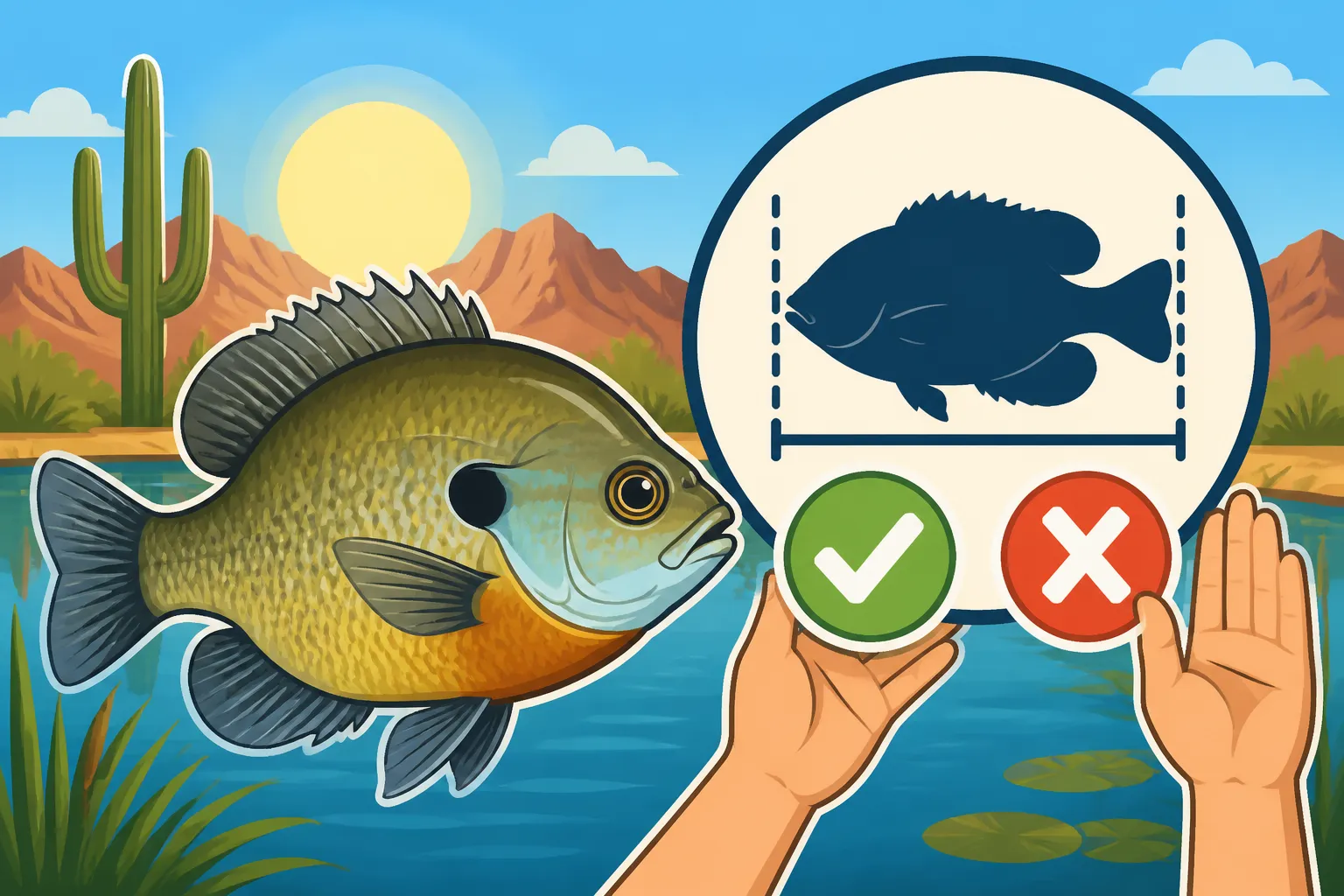
While specific numbers can fluctuate and should always be confirmed with the latest AZGFD regulations, it is common for the bluegill bag limit in community ponds to be set at a reasonable number per day, like 10 or 15 fish. Importantly, for bluegill and other sunfish in Arizona's Community Fishing Program waters, there is typically NO minimum size limit. This means if it's a bluegill and you're within your daily bag limit, you can usually keep it, regardless of how small it is. This differs greatly from species like bass, which often have strict slot limits or minimum sizes. Always consult the most current Arizona Fishing Regulations Explained booklet to be absolutely sure, as these specific rules for community ponds are clearly detailed there. It's always better to double-check!
Why Specific Limits Exist for Bluegill
You might wonder why such specific limits exist for bluegill when they're so abundant elsewhere. It all comes down to sustainable management and maximizing the recreational value of these community ponds.
- High Angler Pressure: Community ponds are immensely popular. If every angler kept an unlimited number of bluegill, these small ecosystems would quickly become depleted, ruining the fishing for everyone. A daily bag limit helps distribute the harvest more evenly among anglers.
- Maintaining a Healthy Population: Even though bluegill are prolific, over-harvesting in a confined space can lead to a decline in their overall health and size structure. The bag limit allows enough fish to remain to reproduce and grow, sustaining the population naturally between stockings.
- Balancing Species: Community ponds are often stocked with a mix of species like rainbow trout, channel catfish, and largemouth bass, alongside the naturally reproducing bluegill. The bluegill serve as a crucial forage base for the larger predatory fish like bass, helping them grow. Managing bluegill numbers helps maintain this delicate balance within the pond's food web. If bluegill become too numerous and stunted, it can impact the health of other species, and conversely, if they're too heavily harvested, the bass might struggle to find food.
- Fishing Experience: Ultimately, the AZGFD wants everyone to have a good fishing experience. By setting reasonable limits, they ensure that there's always a good chance of catching fish, whether you're targeting bluegill, catfish, or trout. It's about providing a consistent, enjoyable outing for families and individuals.
These carefully considered regulations are a testament to the AZGFD's commitment to providing excellent fishing opportunities in urban settings. They truly aim to make these spots enjoyable and productive for years to come.
Practical Tips for Measuring and Releasing
While there's generally no size limit for bluegill in Arizona's Community Fishing Program, understanding how to handle fish, especially when dealing with other species that do have size limits, is a skill every angler should master.
- Know Your Fish: First, be confident you've identified a bluegill. They're part of the sunfish family, often identifiable by a small black "ear flap" on their gill plate and usually a dark spot on their dorsal fin. If you're unsure, a quick check of a guide like Bluegill vs Sunfish Identification can help.
- Carry a Measuring Device: Even if bluegill don't have a size limit, many other species do. Keep a simple, flexible tape measure or a fishing ruler in your tackle box. You can find lightweight, waterproof options on Amazon that clip right to your vest or bag. It's a great habit to get into.
- Minimize Handling: If you're going to release a fish, handle it as little as possible. Wet your hands before touching the fish to protect its slime coat, which is vital for its immune system. Avoid squeezing it or putting your fingers in its gills.
- Quick Release: Use needle-nose pliers or a hook remover to quickly extract the hook. If the fish is deeply hooked, especially in the gills, it's often best to cut the line as close to the hook as possible rather than tearing vital organs.
- Revive If Needed: If a fish looks sluggish, hold it gently in the water, facing into the current, until it can swim away strongly on its own. This is especially important for bass or trout, but good practice for any fish you intend to release.
By practicing these responsible angling techniques, you contribute to the health and vitality of our community ponds, ensuring future generations can enjoy them just as much. For more on this, check out Catch and Release Rules for Arizona Anglers.
Beyond Bluegill: Other Species and Limits in Community Ponds
While bluegill are a staple of Arizona's community ponds, they're far from the only fish you'll encounter. These urban oases are managed to provide a diverse fishing experience, meaning you might hook into a variety of other species, each with its own set of rules.
Common Stocked Species and Their Regulations
The AZGFD does a fantastic job of stocking community ponds throughout the year, cycling through different species depending on the season and water temperature. This ensures year-round angling opportunities, but it also means you need to be aware of regulations for each species.
- Rainbow Trout: These are a wintertime favorite in community ponds. Stocked when water temperatures cool down, they provide fast action. Trout almost always have a daily bag limit (e.g., 4 fish per day), but typically no size limit in community waters. Remember that some special regulations might require a trout stamp in addition to your license in certain specific waters, though generally not in community ponds.
- Channel Catfish: When the weather warms up, channel catfish become the stars. These hard-fighting fish are also stocked frequently. Similar to trout, they usually have a daily bag limit (e.g., 4 fish per day), but again, no minimum size limit is commonly enforced in community ponds. Night fishing for catfish can be incredibly rewarding!
- Largemouth Bass: While not as heavily stocked as trout or catfish, largemouth bass are present in most community ponds, often reproducing naturally. Bass typically have a more restrictive daily bag limit (e.g., 1 or 2 fish per day) and often include a minimum size limit (e.g., 13 inches). This is to protect the larger, spawning fish and allow them to grow to a respectable size, contributing to a healthy population. Always be extra cautious with bass regulations.
- Other Panfish: Beyond bluegill, you might also find redear sunfish or green sunfish. These are usually grouped with bluegill under the same general panfish regulations for community ponds: a daily bag limit, but generally no size limit.
It's vital to refer to the current AZGFD regulations booklet or the online community fishing page for the precise limits for each species in the specific pond you're visiting. They often have maps and specific rules for each location. For an overview of what fish you might find, check out Common Fish Species at Community Lakes in Arizona.
Catch and Release vs. Harvest
The decision to keep or release a fish is a personal one, but it's also tied to responsible angling and the specific regulations of the water you're fishing. In community ponds, where pressure is high, both practices play an important role.
- When to Harvest:
- Within Limits: Only keep fish that are within the legal bag and size limits. If you're unsure, it's always safer to release.
- For the Table: Community pond fish, especially the stocked trout and catfish, are generally excellent table fare. Bluegill are also delicious, though often small. Harvesting a few for a fresh meal is a wonderful part of the fishing experience.
- Responsible Management: In some cases, especially with abundant panfish like bluegill, harvesting a reasonable number actually helps prevent overpopulation and stunting, allowing the remaining fish to grow larger.
- When to Catch and Release:
- Beyond Limits: Any fish caught after you've reached your daily bag limit must be released immediately and carefully.
- Under Size Limits: If a fish (like a bass) is under the legal size limit, it must be released.
- Native or Protected Species: While less common in community ponds, if you ever hook a native or protected species, it must be released immediately and unharmed.
- Personal Preference: Many anglers prefer catch and release simply for the sport, enjoying the thrill of the catch without taking fish home. This is especially true for larger bass or fish that might be close to a state record.
- Fish Health: If a fish looks unhealthy, injured, or if the water temperatures are very high (stressing the fish), releasing it is often the most humane option.
Being a responsible angler means making informed decisions about your catch. It's about respecting the resource and ensuring everyone can enjoy the sport. For more on the ethos of giving back to the fishery, explore Catch and Release Rules for Arizona Anglers.
Where to Find the Most Up-to-Date Information and Gear
Staying informed and properly equipped are two keys to a successful and compliant day on the water, especially when dealing with specific regulations for community ponds.
Official Sources and Resources
The absolute best place to get current, accurate information about fishing regulations in Arizona, including those for community ponds, is directly from the source: the Arizona Game and Fish Department.
- AZGFD Website: The AZGFD website is a treasure trove of information. They have a dedicated section for the Community Fishing Program, often listing specific regulations, stocking schedules, and even maps for individual ponds. Bookmark it on your phone!
- Annual Fishing Regulations Booklet: Every year, the AZGFD publishes a comprehensive fishing regulations booklet. These are available online as a PDF and in print at most license dealers, sporting goods stores, and even some general retailers like Walmart. This booklet is your ultimate guide, covering everything from licensing to bag limits, season dates, and special regulations for specific waters. Always make sure you're looking at the current year's booklet.
- AZGFD Mobile App: Some states offer mobile apps that can provide real-time updates and digital access to regulations. Check if AZGFD has an official app; it can be incredibly handy on the water.
- Local Bait and Tackle Shops: Don't underestimate the value of local expertise! The folks working at your neighborhood bait and tackle shop are often avid anglers themselves and are usually very knowledgeable about local conditions and regulations, including those for community ponds. They can tell you what's biting and what rules might have recently changed or been clarified.
Remember, laws and regulations can change, so making it a habit to check official sources annually, or before visiting a new body of water, will save you a lot of potential headaches.
Essential Gear for Community Pond Fishing
You don't need a boatload of fancy equipment to enjoy community pond fishing. In fact, one of the beauties of these spots is their accessibility for beginners and those with limited gear. However, having a few essentials will make your experience much more enjoyable and successful.
- Rod and Reel Combo: A lightweight spinning rod and reel combo is perfect. Something in the 5'6" to 7' range with light or medium-light action will be versatile enough for bluegill, trout, and even smaller catfish and bass. You can find excellent, affordable combos on Amazon that are great for beginners.
- Basic Tackle Box: You don't need much.
- Hooks: Small hooks (size 8-12) for bluegill and trout, and slightly larger (size 4-6) for catfish.
- Sinkers: A variety of small split shot weights and maybe a few egg sinkers for bottom fishing.
- Bobbers: Small bobbers are great for detecting light bites from panfish.
- Bait: Worms are king for bluegill and trout! PowerBait or corn for trout, and stink baits or cut bait for catfish are also very effective.
- Pliers/Forceps: Essential for removing hooks, especially if fish swallow them.
- Line: Spool your reel with 4-8 pound test monofilament line, which is forgiving and good for most species in these waters.
- Sun Protection: Arizona sun is no joke, even in winter. A wide-brimmed hat, sunglasses, and sunscreen are absolute must-haves. You can find highly rated, lightweight sun-protective clothing on Amazon as well.
- Water and Snacks: Staying hydrated is critical. Bring plenty of water and some easy-to-eat snacks.
- Chair/Bucket: A comfortable folding chair or a 5-gallon bucket (which can double as tackle storage or a livewell) can make a long day much more pleasant.
- Measuring Device (Optional but recommended): As discussed, a small ruler can be handy, especially if you plan to target bass or other species with size limits.
Here's a quick rundown of typical bag limits in Arizona's Community Fishing Program waters:
| Species | Typical Daily Bag Limit (Community Ponds) | Typical Size Limit (Community Ponds) | General Notes |
|---|---|---|---|
| Bluegill/Sunfish | 10 fish | None | Great for beginners, prolific, good for eating. |
| Trout | 4 fish | None | Stocked in cooler months, fast action. |
| Channel Catfish | 4 fish | None | Stocked in warmer months, good fighters, excellent table fare. |
| Largemouth Bass | 1 fish | 13-inch minimum | Can be challenging to catch, often catch-and-release focused. |
Always consult the current Arizona Game and Fish Department regulations for the most accurate and up-to-date information, as limits and rules can change.
With the right information and a few basic pieces of gear, you're all set to enjoy the fantastic bluegill fishing (and other species!) that Arizona's community ponds have to offer. Happy angling!
Disclaimer
This article is for general informational purposes only and does not constitute professional advice. Laws, prices and regulations vary by location and change over time. Consult a qualified professional for guidance on your specific situation.